Spurs' Hack-a-Shaq Ploy Should Prompt Bigs to Improve, Not NBA to Change Rules
Great series.
That's what you hear from everyone about this San Antonio Spurs-Los Angeles Clippers first-round playoff series, which delivered a 102-96 Clippers victory Thursday night to ensure it's going to the max with a Game 7.
For all the complaints about how much the games have degenerated aesthetically with the Spurs deliberately fouling athletic marvel/crazy bricklayer DeAndre Jordan, it hasn't nearly been such a hideous blight on the face of the product to force people to turn away.
TOP NEWS
Maxey Denies Stephen A. Report 🤨
Jaylen Brown Calls Out Tatum 🧢
Knicks to Give Employees Rings
The idea that the game is being ruined by fouling is simply untrue. What happened in Game 6, with the Clippers' Chris Paul and Blake Griffin showcasing their tremendous skills in carrying the second half, only served to accentuate the difference between them and Jordan in the Clippers' "Big Three."
Paul's ability to change pace and amazing mid-range shooting prowess devastated the Spurs time after time. His 15 assists against one turnover, plus four steals at the other end, showed how much he controlled the game.
But that's what a little man has to do to be a basketball superstar.
This is inherently a big man's game. By sheer genetic birthright, the big man is predisposed to hold power that others simply never will—to reach up for rebounds and block or change shots and dunk with ease.
Now we're talking about changing the rules of the game to avoid big men possibly hurting their teams with poor shooting? And if that's the case, we're talking about changing the rules of the game to make big men even more valuable—and send the message to every kid in youth basketball that the game treasures and protects the big stiffs who have limited skill over everyone smaller trying to find ways to impact and improve games.
Griffin, at 6'10" and 251 pounds, has worked fanatically to improve his ball-handling and shooting stroke. We're seeing the benefits in this series, especially Thursday night: Griffin became the first player in 29 years with at least 26 points, 12 rebounds, six assists and four blocks in a playoff game without committing a turnover. (This is on the heels of his 30 points, 14 rebounds, seven assists and four steals in Game 5.)
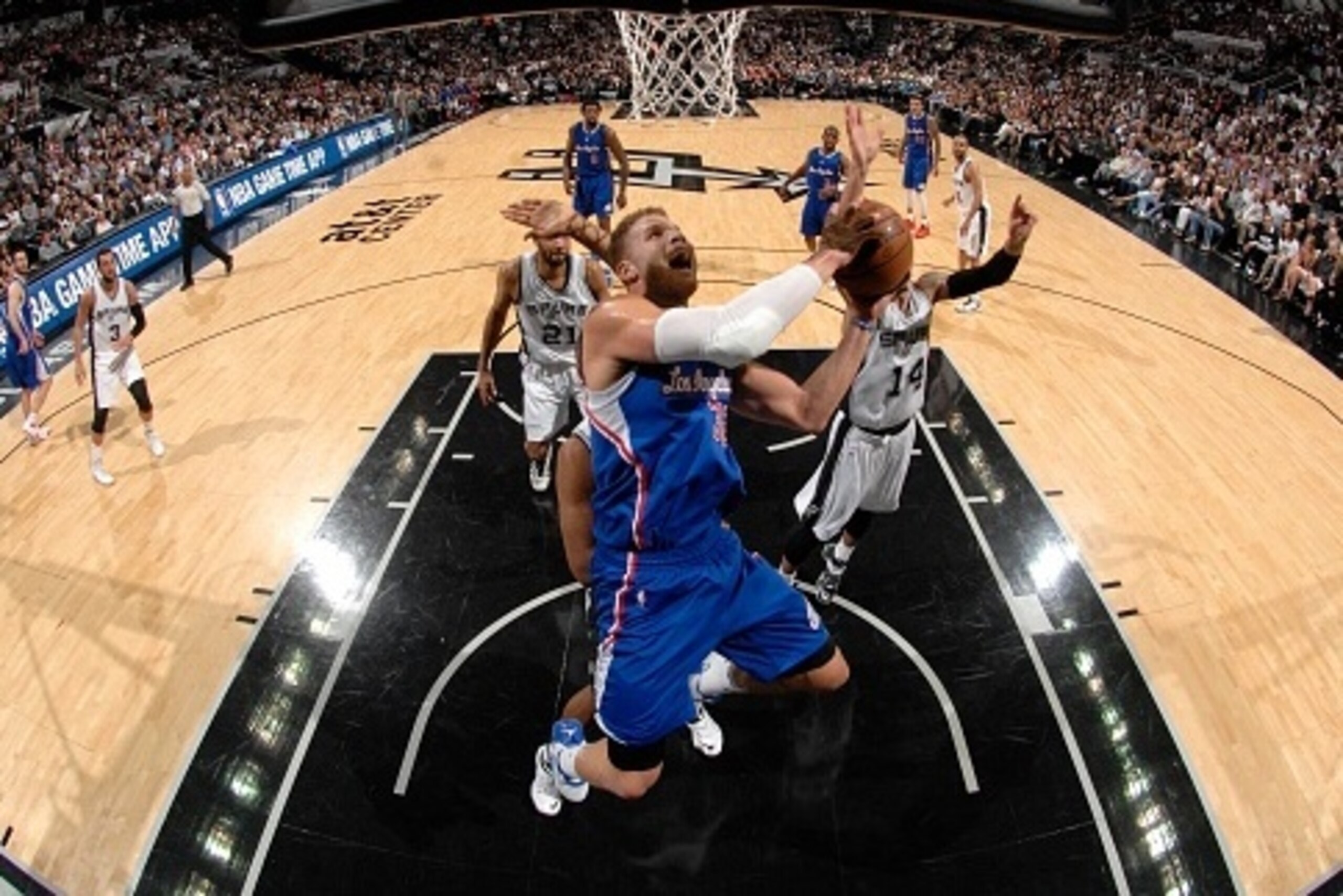
Worth noting: Griffin is shooting 72 percent on free throws this series—same as what he has the past two regular seasons.
Just three years ago, Griffin finished his second NBA season at 52 percent on free throws.
You're missing the point if you think the performances we saw on display down the stretch of Game 6 from Paul and Griffin—and the striking three-point shooting from San Antonio's Marco Belinelli—offer just cause to argue how much better it was to have all that than all those Jordan foul shots.
If you change the rules for fear of having to watch Jordan miss foul shots, you're making a move to de-emphasize skill in this game.
It might seem like such a small thing, but make no mistake: Eliminating the Hack-a-Jordan strategy would tilt the scales of the game inherently in favor of big men—particularly big men who don't want to work and develop their shot.
As Jordan will readily tell you, no one likes to be hacked and humiliated. Happening on the playoff stage only makes it worse. He's connecting at 39.1 percent on free throws this series.
But as a general group, NBA bigs have been working hard on improving their skills at the line because the game mandates it.
Of the nine worst free-throw shooters in the regular season (with a minimum of 125 free throws made), eight were centers. Rockets forward Josh Smith (49.8 percent) was the only exception among Andre Drummond (38.9), Jordan (39.7), Mason Plumlee (49.5), Dwight Howard (52.8), Omer Asik (58.2), Nerlens Noel (60.9), Rudy Gobert (62.3) and Tristan Thompson (64.1).
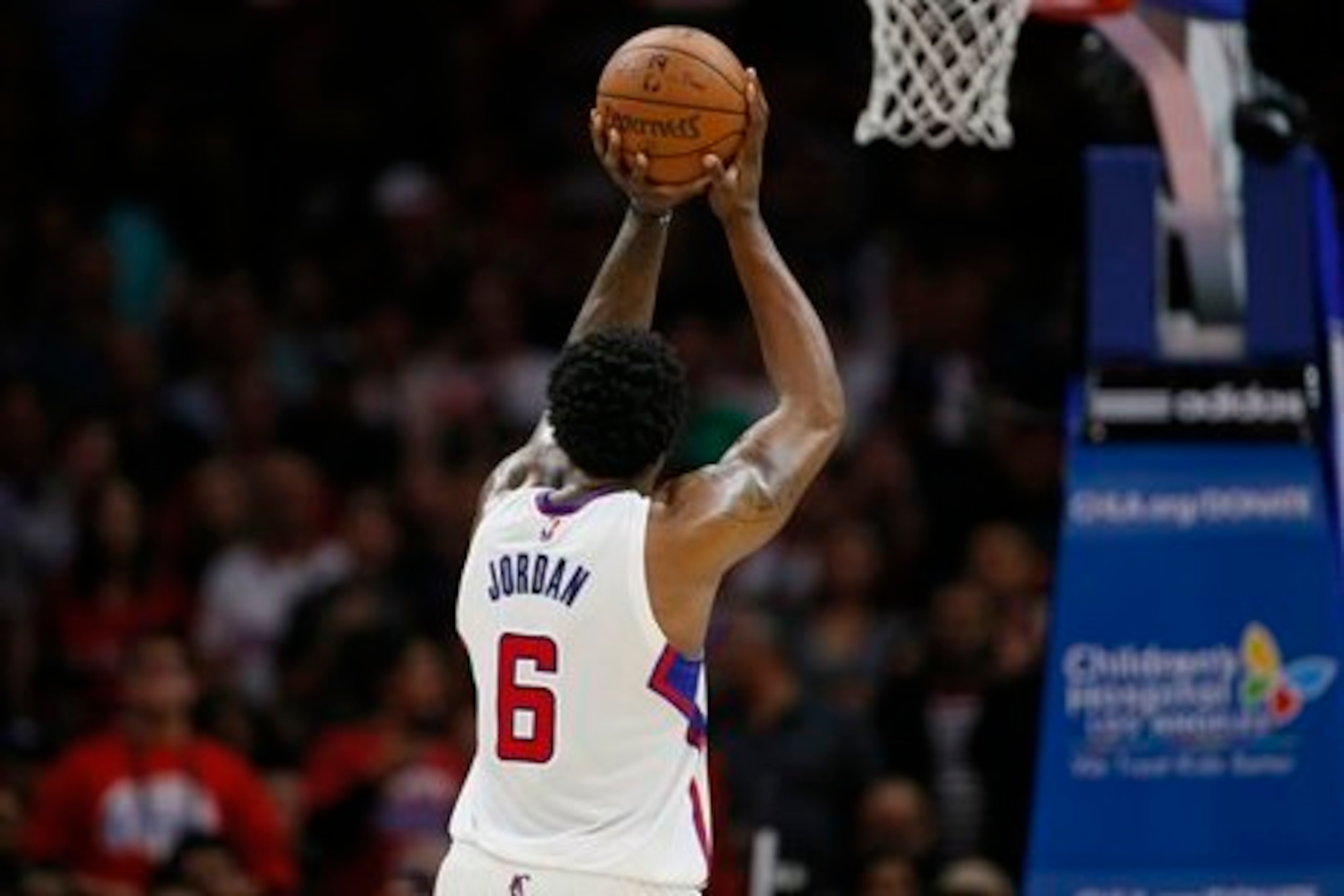
The only truly galling percentages there belong to Drummond, who is just 21, and Jordan. Overall, big men are capable of shooting free throws; it's ludicrous to give up on them, with Griffin's improvement a prime example.
The Hack-a-Whomever ploy has naturally shown up more in the playoffs when strategy becomes much more widespread. Yet it was hardly ruining the game all season long to think now the rules must be changed.
Rajon Rondo just finished a 68-game regular season in which he shot 39.7 percent from the line, same as Jordan, but Rondo attempted only 1.1 free throws per game. Rondo even had the ball most of the time, making it easier to foul him, but there was no widespread and slow-to-watch plan for every opponent of the Boston Celtics earlier or Dallas Mavericks later to foul Rondo deliberately.
Some are saying a simple, positive change would be to expand the rule from the final two minutes so that all game long, a foul away from the ball during the game means two free throws and possession kept.
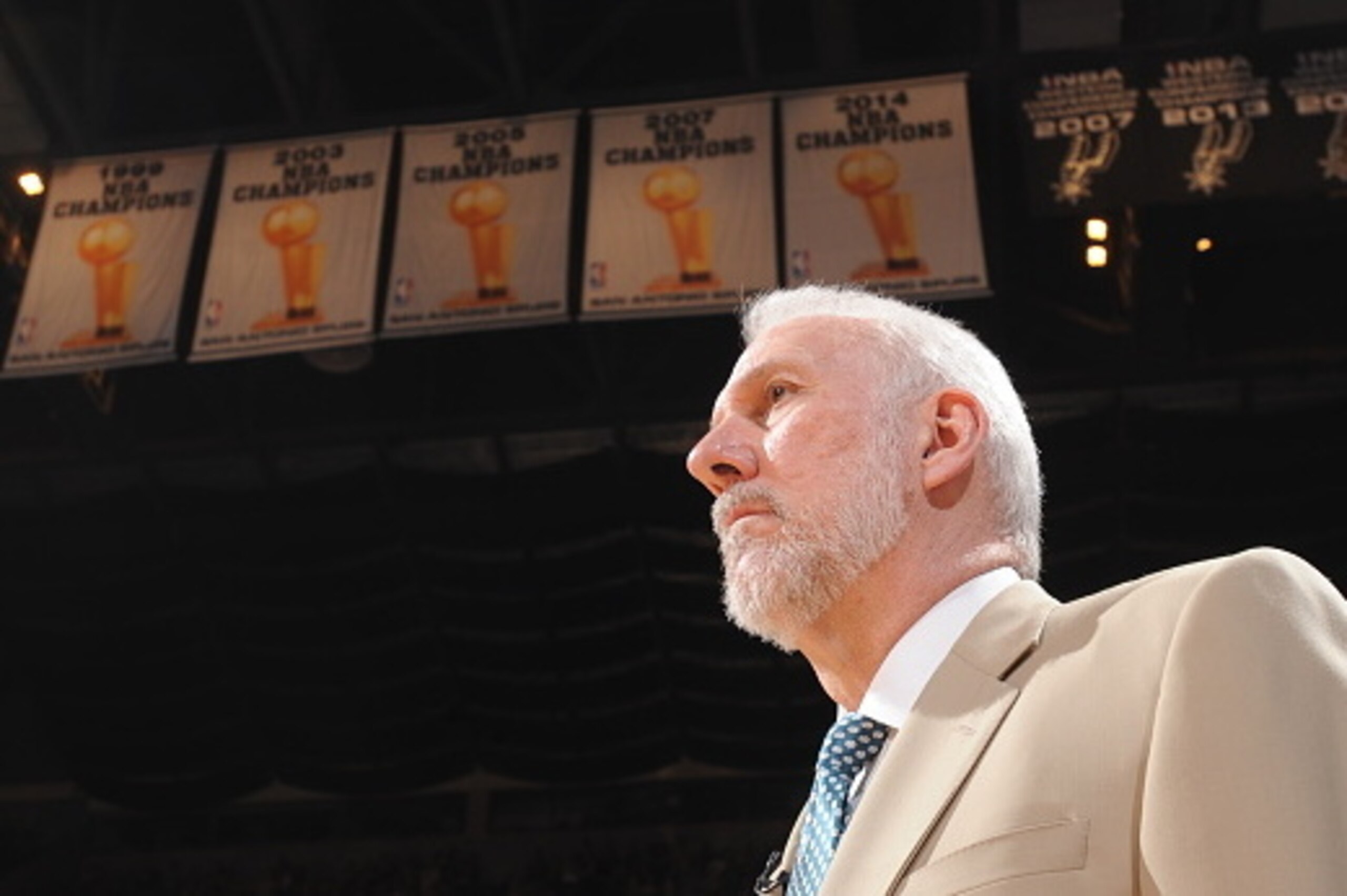
But what happens next season, when San Antonio coach Gregg Popovich adjusts and decides to send his platoon of role players on a mission to foul Jordan every time he goes after a rebound—something that Jordan happens to do more often than anyone else in the league?
Oops! Loose-ball foul over the back? Aw, darn. And we're in the bonus already so DeAndre has to shoot free throws? Oh well!
Because the NBA is in the entertainment business, there is an assumption the league will change the rules in some way to pretty up the product. Clippers coach Doc Rivers, who is a member of the NBA's 10-person Competition Committee, believes it is coming.
"I don't think there's anything wrong with the rules," Rivers said. "I think they'll change them, but right now they're part of the rules, and you have to live with them."
Rivers, for his part, shot 61 percent on free throws in his third NBA season as a player but improved to 83 percent the year after. He suggested the Spurs' fouling Jordan actually "changed the game in our favor" en route to the Clippers' Game 4 victory. Many believe the strategy nearly cost the Spurs Game 2 as well.
It's not some undeniable advantage. Shooters generally find better rhythm the more they get to...shoot. And the fouling team then has to go on offense against a completely set defense.
Perhaps there is a way to shift the odds a little further against coaches deploying the hack strategy. Maybe a double bonus when a team commits 10 fouls in a quarter, rendering free throws and possession for the opposition for each foul thereafter.
There shouldn't be, however, significant alteration of the rules just for this.

It'd be sacrificing fair play to save a few foul shots. It's one of those things where you think you're just pulling one loose thread and don't realize how deeply the unraveling might run.
Did you see how Tim Duncan was hopping mad at himself for missing consecutive free throws in the second quarter Thursday?
You think this has been easy for him to become a 70 percent career shooter? Look back at his 62 percent mark when he was 24...followed by his 80 percent when he was 25. His 70 percent when he was 35...followed by his 82 percent when he was 36.
His shot still isn't pretty, but he has taken the game's challenge and met it.
If Jordan can't do the same, he should be on the court less, not more—and he deserves to have less of a career, not more of one.
If the rules are changed to excuse those who rely on being big and strong, we are only enabling them. We won't ever see how much more they could be—or how fair this game is meant to be.
Kevin Ding covers the NBA for Bleacher Report. Follow him on Twitter, @KevinDing.

.jpg?w=2560 "Reported Details of Seahawks-K9 Split")
.jpg?w=2560 "Bears TE Out for Season")