
5 Things Holding Tottenham Back from Qualifying for the Champions League
Tottenham Hotspur will probably end this season 10 points and two places shy of qualifying for the Champions League.
Not since their remarkable 2010-11 campaign have Spurs graced Europe's top competition. That ended a near on 50-year absence, and this will be the fifth consecutive season that they have failed to repeat the feat.
Since the quarter-final defeat at the hands of Real Madrid, Spurs have had to make do with the Europa League.
Tottenham have been close to returning on several occasions, most notably when they finished fourth in 2011-12—usually good enough for a place in the qualifying rounds—only to be denied by Chelsea's thoroughly implausible triumph in that season's competition.
Byzantine technicalities aside, Spurs have missed out on the Champions League twice on the final day of the season and have otherwise been within a handful of wins of securing a place in the tournament.
There is not much between Spurs and regular Champions League football, but there are some key issues that are holding them back.
Squad Depth
1 of 5
Tottenham have always been able to call upon talented players.
Even in the darkest days of the 1990s, there were players such as David Ginola and Jurgen Klinsmann to light up the gloom.
This decade, Spurs have consistently had competitive first teams; repeated sales of their players to Europe's biggest clubs suggests as much.
The problem has not been their first-choice lineup as much as the reserves.
Taking the current squad as an example, Harry Kane is an excellent striker, but his understudies are Emmanuel Adebayor and Roberto Soldado. Neither is capable of producing anything near what Kane has in 2014-15.
In defence, Spurs have the solid Danny Rose, Kyle Walker, Jan Vertonghen and Eric Dier in their strongest lineup. That back line is comparable with all but Chelsea in the Premier League, yet Spurs have conceded more goals than all but five clubs.
The trouble lies in their replacements. Ben Davies is a good player struggling for form, but Federico Fazio appears to be poorly suited to the Premier League. Younes Kaboul and Vlad Chiriches have proven utterly unreliable.
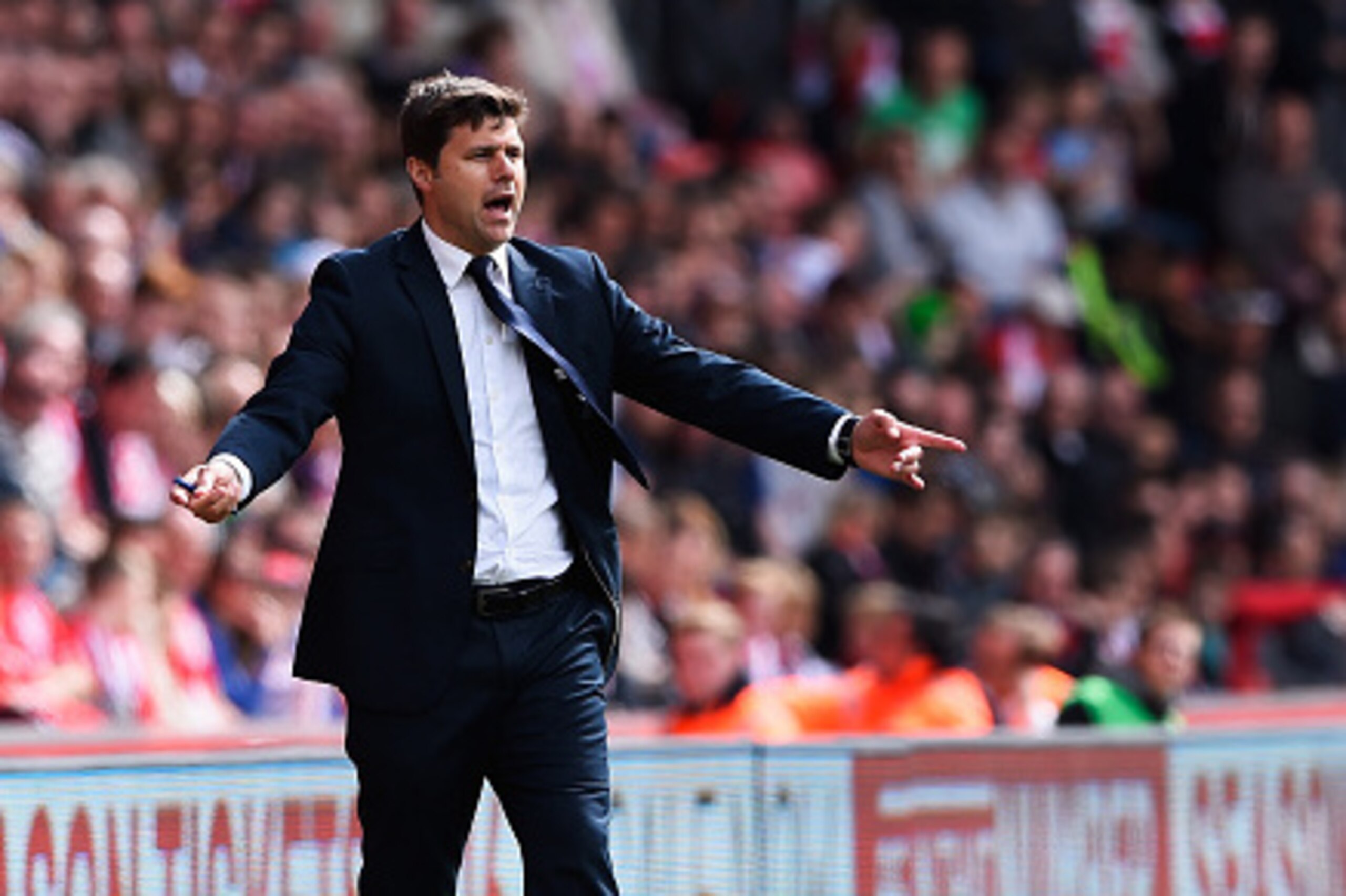
The gulf between Spurs' ideal lineup and the players Mauricio Pochettino must call upon to fill injury and suspension-enforced gaps is simply too wide.
The same was true of squads under Andre Villas-Boas and Harry Redknapp in previous campaigns.
The clubs that are consistently qualifying for the Champions League have far deeper squads and more talent to ensure they remain competitive regardless of fixture congestion or an injury crisis.
Money
2 of 5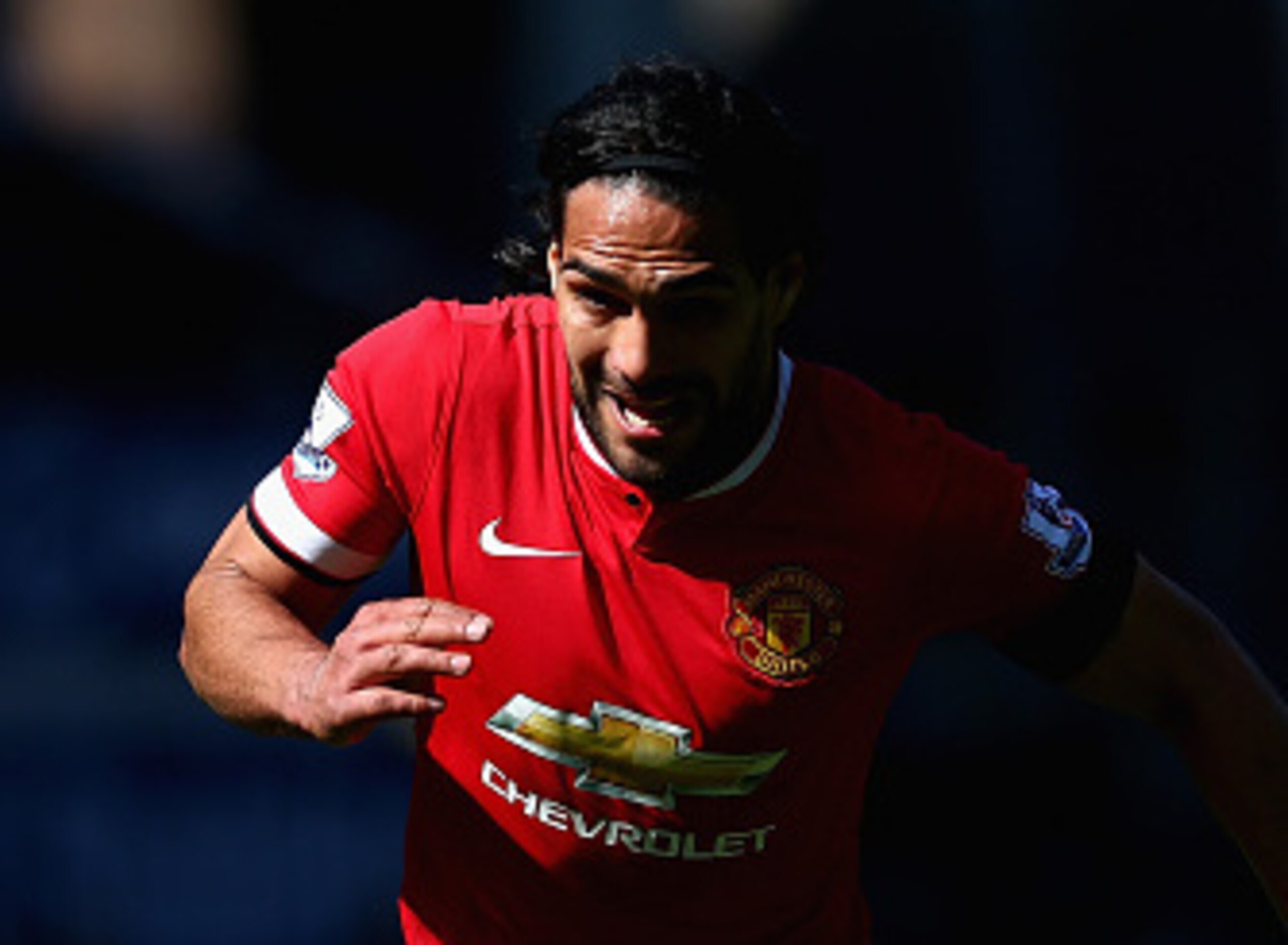
Tottenham's rivals for the Champions League places in England are all vastly richer. Chelsea and Manchester City, subsidised by their astonishingly wealthy owners, are untouchable in terms of resources. Manchester United have an empire of sponsors and millions of fans ensuring their coffers are overflowing.
Arsenal have a fantastic stadium and the momentum of nearly two decades in the Champions League to fund their exploits.
Liverpool are not the force they were in the 1980s, but they retain some of that glory, which is reflected in their global legion of fans. Their smart and ambitious American owner, John W. Henry, has been willing to invest heavily in the playing squad, which means they too have resources far beyond those of Spurs.
Tottenham owner Joe Lewis is reportedly worth $5.4 billion, meaning he is inside the 300 richest people on the planet.
If he were so inclined, he could make Spurs financially competitive with their rivals.
He, too, could make Radamel Falcao a £265,000-per-week reserve.
Unfortunately for Spurs fans, Lewis prefers to run the club as a business, which means keeping an eye on the bottom line.
His man on the ground in north London, Daniel Levy, is largely unpopular due to a perceived preference for a good deal over a good footballing move, but he has kept Spurs on a sure financial footing for a decade.
This recent analysis of Spurs' finances reflects the fact that they are an exceptionally well-run club facing realistic limitations.
They are far behind Chelsea, Man City, Man United, Arsenal and Liverpool in terms of what they can spend on football. Their wage bills, a surprisingly reliable predictor of Premier League performance, dwarf what Spurs pay their players.
Spurs' rivals for the Champions League places are far better financed, which means Spurs must be shrewd with their money and, in typical Daniel Levy style, squeeze every last penny out of their deals.
They have proved that this is not an insurmountable barrier to the Champions League, but it does mean they cannot afford to make major transfer mistakes. Emmanuel Adebayor's almost £6 million-per-year wages are holding the club back far more than his performances on the pitch.
Europa League or Neither Here nor There
3 of 5
Spurs have competed in the Europa League every year since their Champions League adventure ended in Madrid in April 2011.
Routinely among the favourites, Spurs have never really looked like winning the competition.
Despite that, participation in the poor man's Champions League adds an average of eight games per season to Spurs' schedule.
Spurs' opponents have included teams based inside the Arctic Circle, a separatist region occupied by Russian forces and an almost 5,000-mile return trip.
Though Spurs are a club with a proud European history and, as such, keen to always take part in European competition, the Europa League has proven to be something of a millstone.
The consistently poor results in Premier League fixtures following a Europa League match have been among the most concrete things holding Spurs back from Champions League qualification.
The points dropped in October and November, when the group stage is in full swing, are impossible to win back later in the season.
There is the argument that the Champions League would be just as gruelling, perhaps more so given the superior level of the opposition, but it bears repeating that the only time Spurs reached that promised land was the only season in the last nine that they did not have European football to deal with.
Spurs should want to qualify for the Europa League.
It does provide some additional prize money, a touch of European glamour and, most importantly, a route into the Champions League. However, they should not be overly disappointed if they miss out this season.
.jpg?w=2560 "Commanders Eagles Football")


Competition
4 of 5
La Liga can reasonably claim to be the world's best league. The Bundesliga too, depending on the metrics you choose, is competitive with the Premier League. Even Serie A is enjoying a renaissance in European competition this year.
However, the resources available to the teams competing for third and fourth in those leagues are dwarfed by what Premier League sides have at their disposal.
Last season, Atletico Madrid, one of Europe's strongest sides, had a per-player budget roughly equal to Fulham, Sunderland and Bolton Wanderers.
Even teams at the lower end of the Premier League and even the Championship are armed with massive resources.
The fact is that Tottenham are up against many of Europe's richest clubs simply in an effort to qualify for the Champions League. The task is tougher in England than in Spain, Italy or Germany.
Those are, of course, strong leagues with some of Europe's biggest clubs, but they also routinely feature teams such as Eibar—who reached La Liga on a budget of approximately £4 million—and SC Paderborn—who pay their players less than what Radamel Falcao earns in a season—while the budgets of Serie A clubs are actually falling.
Teams in the Premier League do not face the same limitations as those in Europe's other leagues.
Leicester City, promoted this season and with a decent chance of dropping straight back down, were able to sign Esteban Cambiasso and Andrej Kramaric, a player Chelsea were reportedly keen to buy.
As Spurs have found, very much to their own detriment, every team in the Premier League is fighting to the death.
Arriving at Turf Moor or Loftus Road with the wrong attitude will end in defeat. Mental slip-ups in those grounds are enough to be the difference between fourth and fifth—the difference between the Champions League and its poor relation, the Europa League.
Mentality
5 of 5
Sir Alex Ferguson's infamous "lads, it's Tottenham" line laid bare a difficult reality for Spurs fans; they have often been seen as a soft touch.
Spurs have regularly failed to mentally arrive at the stadium in time for kick-off.
This season, as ever, there have been matches in which Spurs should have won but failed to do so because of poor mental toughness.
Tottenham's failure to reach the Champions League must be partially blamed on their lack of mental fortitude.
Spurs have had significant leads over Arsenal in the race for the top four in recent seasons only to be overhauled.
Those hard-to-take failures can be partially explained away by a lack of squad depth and European commitments, but it has too often been unacceptable defeats to obviously inferior opposition that has been decisive.
Mauricio Pochettino has addressed this in more subtle terms than his predecessor, Tim Sherwood, who raised similar concerns, and Spurs have earned a reputation as comeback kings of sorts in this campaign.
That is a delight for Spurs fans, but defeats against Newcastle (at home), Crystal Palace (away) and Leicester City (FA Cup) were among the most galling in recent years and all took place under Pochettino's management.
Evidently, Spurs' soft underbelly has not yet been relegated to history. If Pochettino can achieve that, he will be well on his way to taking the team back into the Champions League.

.jpg?w=2560 "Chiefs Dolphins Football")

.jpg?w=2560 "Injury-stricken Seahawks signing veteran RB")
.jpg?w=2560 "Love's Body Already 'Tired'")