
Every Power 5 College Football Conference Team's Greatest NFL Star of All Time
Open up any college football team's media guide, and you'll find a page (sometimes a section) devoted to players from that school who have been drafted into the NFL. It's a great source of pride for every program, something it proudly boasts much like a parent shares pictures of her children while at the office.
Some schools will break down the NFL alumni further, listing those who have been named to the Pro Bowl, claimed major awards, won Super Bowl rings or even made it into the Pro Football Hall of Fame. But none of them go so far as to designate one player as their greatest NFL star ever, either because they don't feel the need to single one player out over all others or don't think it's possible to do so.
Challenge accepted.
We've taken a look at the NFL performances of every former player from all of the Power Five conference schools (and Notre Dame) and determined which one deserves to be listed as each school's best ever. Factors such as individual statistics, championships won and Hall of Fame status were considered in naming these players.
This weekend's draft will add another batch of college stars to the NFL ranks, and some could end up becoming their alma mater's best pro ever. For now, though, here's who makes the list.
Alabama
1 of 65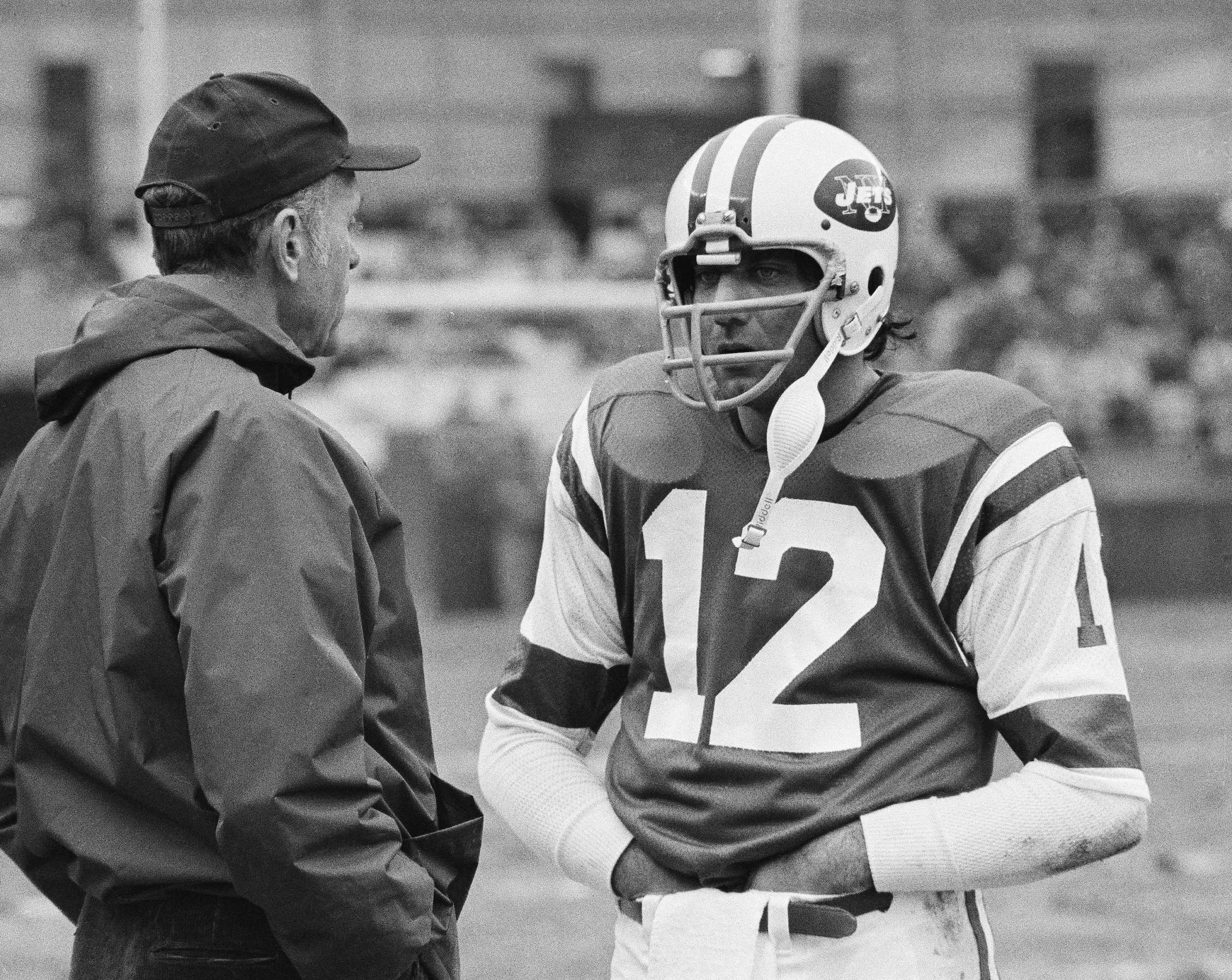
Joe Namath, QB
Years at Alabama: 1962-64
Years in NFL: 1965-77
Alabama hasn't had a quarterback start a game in the NFL since 1987, per Bleacher Report's Mike Tanier, though plenty of Crimson Tide players have starred in the pros since then. None of them stand out more than the man whom legendary coach Bear Bryant called "the greatest athlete I ever coached," Joe Namath.
Nicknamed "Broadway Joe" for his flair and fashion sense, as well as movie star-quality hair, Namath was drafted by the New York Jets and ended up being the Rookie of the Year in 1965 despite not taking over the starting job until midway through the season.
Two years later, Namath recorded the first 4,000-yard passing season in NFL history, and in 1969 he piloted the Jets to their upset victory over Baltimore in Super Bowl III.
The rest of Namath's pro career would be plagued by injuries, but his overall performance was more than enough to warrant him getting into the Hall of Fame in 1985.
Arizona
2 of 65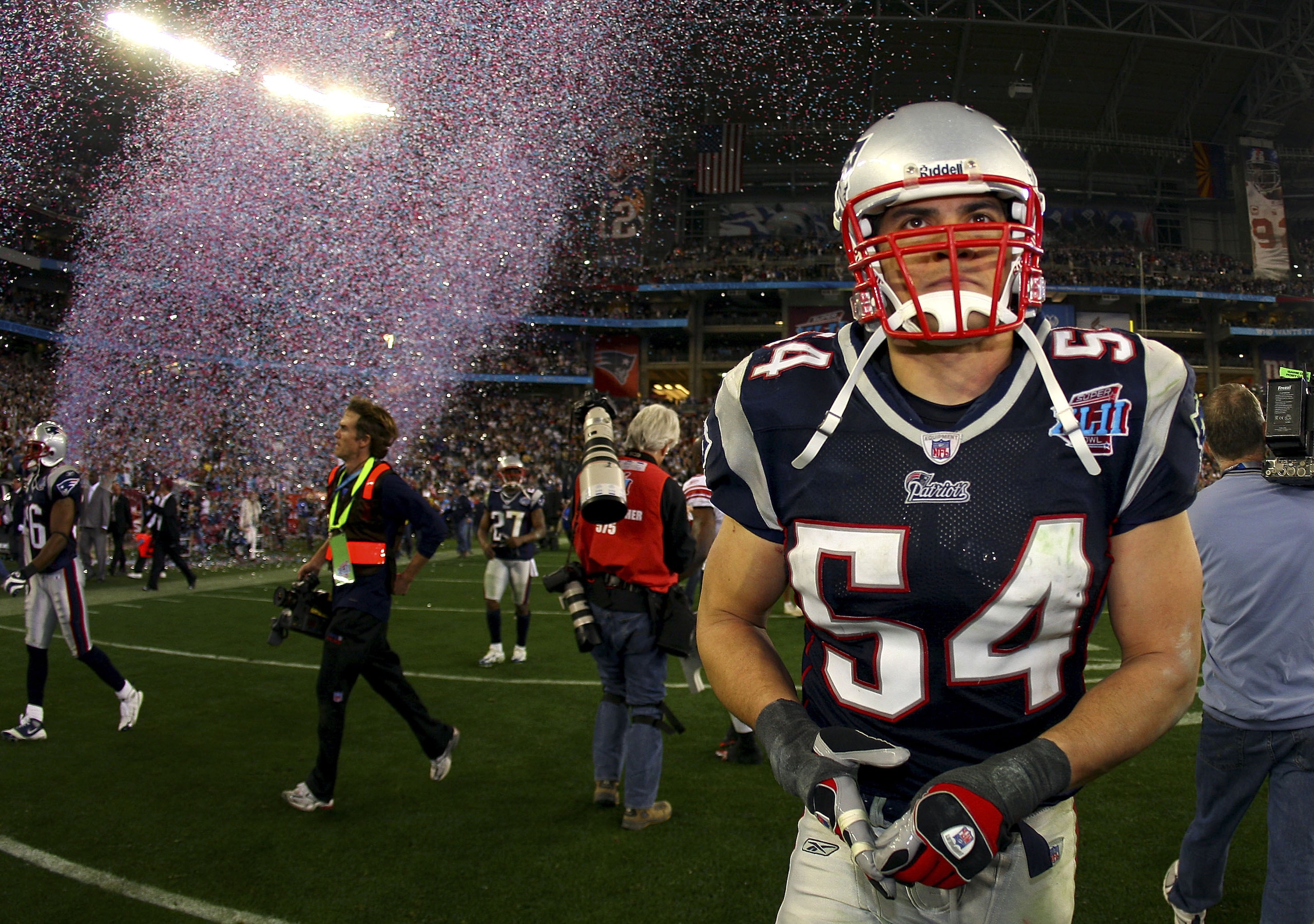
Tedy Bruschi, LB
Years at Arizona: 1991-95
Years in NFL: 1996-2008
Arizona doesn't have any former players in the Pro Football Hall of Fame, though if that changes anytime soon it's going to be Tedy Bruschi.
An undersized defensive lineman in college whom the New England Patriots converted into a linebacker after drafting him in the third round in 1996, Bruschi developed into one of the most consistent players at that position throughout his career. He played 189 games in 13 seasons, with 53 of those coming after he suffered a stroke in February 2005, returning midway through the 2005 season.
Bruschi is in the College Football and Patriots halls of fame, and he's been on the NFL ballot the last two years. His longevity as well as contribution to three Super Bowl titles should keep him in contention for enshrinement throughout his eligibility.
Arizona State
3 of 65
Mike Haynes, CB
Years at Arizona State: 1972-75
Years in NFL: 1976-89
Mike Haynes earns Arizona State's distinction as its best pro ever by virtue of a Hall of Fame career that was at a high level for two different organizations. Though he might have been a step slower during the second half of his career with the Los Angeles Raiders, that didn't make him any less dangerous in pass coverage.
Haynes finished his 14-year career with 46 interceptions, collecting at least five in a season on four occasions. He brought two back for touchdowns and also scored twice on punt returns.
His best years came with the New England Patriots, who took him No. 5 overall in 1976 and then saw him win Defensive Rookie of the Year after picking off eight passes.

Arkansas
4 of 65
Lance Alworth, WR
Years at Arkansas: 1958-61
Years in NFL: 1962-72
Who knows what would have come of Lance Alworth's pro career had he chose to sign with the NFL's San Francisco 49ers instead of the AFL's Oakland Raiders. Both drafted him early in 1962, but after choosing to go with the less established AFL, he was traded to San Diego and converted from a flanker to a wide receiver.
Alworth went on to become the first AFL player enshrined in the Hall of Fame, thanks to (since-broken) records of 96 straight games with a catch and seven consecutive 1,000-yard seasons. He still shares the all-time mark for 200-yard receiving games (five) with Calvin Johnson.
Over 11 seasons, Alworth caught 542 passes for 10,266 yards and 85 touchdowns.
Auburn
5 of 65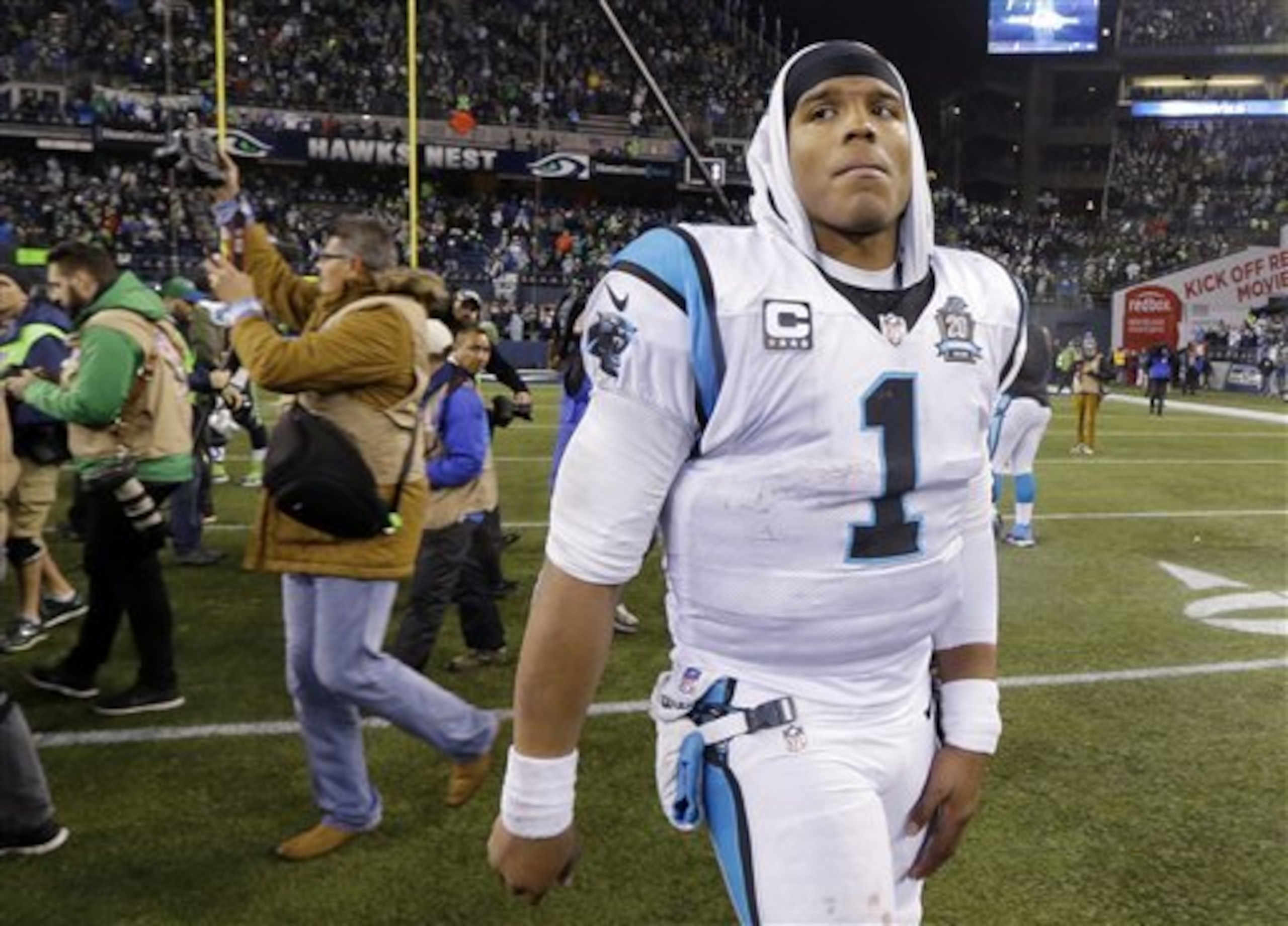
Cam Newton, WB
Years at Auburn: 2010
Years in NFL: 2011-present
It's only taken Cam Newton four seasons in the NFL to become the best player Auburn has ever produced. The fact that's four times as long as he was at the school shouldn't matter, since in his lone season with the Tigers he won the Heisman and led them to an unbeaten record and a national championship.
Since going No. 1 overall in the 2011 draft to the Carolina Panthers, Newton has started all 62 regular-season games he's played—he missed a pair of games this past season because of injuries—and thrown for at least 3,000 yards every year and accounted for 115 total touchdowns including 33 on the ground.
The 2011 Offensive Rookie of the Year, Newton has made the Pro Bowl twice and led the Panthers into the playoffs each of the past two seasons. There's much more in store in his career, but to this point it's still enough to make him Auburn's best NFL player ever.
Baylor
6 of 65
Mike Singletary, LB
Years at Baylor: 1977-80
Years in NFL: 1981-92
They might make linebackers bigger, faster and stronger nowadays, but few of today's stars can come close to the level of toughness that Hall of Famer Mike Singletary displayed for 12 seasons with the Chicago Bears.
Twice a Defensive Player of the Year and a Pro Bowl selection each of his final 10 seasons in the league, Singletary became a starter midway through his rookie season in 1981 and rarely left that post in the middle of the Bears defense. He was Chicago's leading tackler or second-best on the team every year, playing with an intensity that led to him being called "Samurai Mike."
Singletary won a Super Bowl with the Bears after the 1985 season, and in 1998 he was inducted into the Hall of Fame.
Boston College
7 of 65
Doug Flutie, QB
Years at Boston College: 1981-84
Years in NFL: 1986-89, 1998-2005
Though most famous for a Hail Mary play in college and establishing himself as one of the best players in the Canadian Football League, Doug Flutie's time in the NFL was still significant enough to make him Boston College's choice for this list. It might have taken him a while to gain a footing in the league, but he still left a lasting impression in 12 seasons with four different teams.
The Los Angeles Rams drafted Flutie in 1985, but by then he had already signed with the New Jersey Generals of the USFL. From there he spent time with the Chicago Bears and New England Patriots from 1986 to 1989, starting only 14 games during that span, before jumping to the CFL in 1990.
That's where Flutie gained the most fame, winning three Grey Cups in eight seasons and throwing for more than 41,000 yards. The Buffalo Bills signed him in 1998, where he stayed for three seasons, and then he spent four years with the San Diego Chargers before wrapping up his career with New England in 2005.
All told, Flutie went 38-28 as a starter in the NFL and threw 86 touchdowns.
California
8 of 65
Aaron Rodgers, QB
Years at California: 2003-04
Years in NFL: 2005-present
Aaron Rodgers' NFL career got off to an inauspicious start, as he was expected to be one of the first players taken in the 2005 draft but saw 23 teams pass him over before Green Bay took him late in the first round. And with quarterback Brett Favre seemingly nowhere near retirement (and then subsequent unretirements), Rodgers was facing a potential long stretch on the bench.
After three seasons of backing up Favre, Rodgers got the call in 2008 and showed the Packers it was worth waiting on him. He had the first of his six 4,000-yard passing seasons that year, and two years later he led Green Bay to a Super Bowl win over Pittsburgh in which he threw for 304 yards and three touchdowns.
Rodgers hasn't been able to match Favre's streak of consecutive games played, having missed seven in the 2013 season alone because of injury, but he's never wavered in his efficiency and consistency. He's only thrown 25 interceptions over the last four seasons, and his career passer rate of 106 ranks first in NFL history, per Pro-Football-Reference.com.
Clemson
9 of 65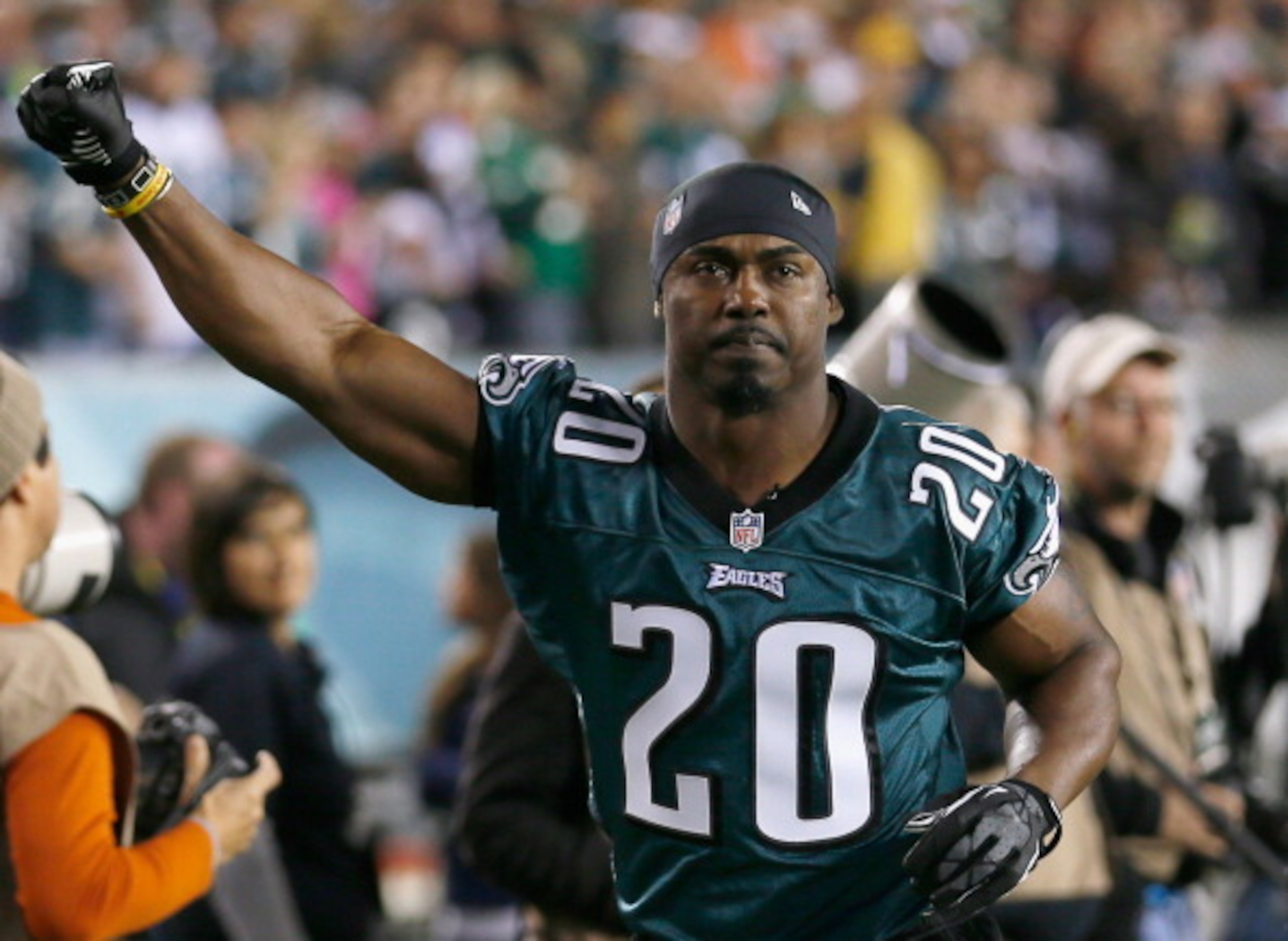
Brian Dawkins, S
Years at Clemson: 1992-95
Years in NFL: 1996-2010
When you think of everything that comes to mind regarding an NFL safety, Brian Dawkins epitomized it all. A hard hitter who was as good in pass coverage as he was against the run, Dawkins made nine Pro Bowls in 15 seasons as a starter with both the Philadelphia Eagles and Denver Broncos.
Dawkins started 221 of the 224 games he played in, finishing with 37 interceptions and 36 forced fumbles, as well as 26 sacks. He was strictly a defensive player; however, he got one shot on offense and made the most of it in 2002 when he became the first NFL player to record a sack, interception, forced fumble and touchdown catch in the same game.
Colorado
10 of 65
Kordell Stewart, QB
Years at Colorado: 1991-94
Years in NFL: 1995-2005
The dual-threat quarterback has become far more prevalent in the NFL over the past decade, but before it started seeping over this much from the college ranks, there was Kordell Stewart. Though not the first to run as much as he threw, no one before him did it with was such effectiveness (while also occasionally lining up as a wide receiver), and as a result he was commonly known as "Slash" to signify the slashes between positions he'd be listed as.
Stewart spent his first two NFL seasons as more of a receiver than a quarterback, but in 1998 he took over the Pittsburgh Steelers' starting job and held it for much of the next five years. During that span he threw for more than 3,000 yards twice while gaining more than 400 rushing yards on four occasions.
All told, he ended his 11-year career with 77 passing touchdowns, 38 rushing TDs and five receiving scores.
Duke
11 of 65
Sonny Jurgensen, QB
Years at Duke: 1954-56
Years in NFL: 1957-74
Duke is in the midst of its best run of teams in program history, and that could lead to someone from that stretch becoming the Blue Devils' best pro player ever. For now, though, we have to go back quite a ways to find the school's greatest NFL star.
Sonny Jurgensen wasn't a high draft pick, going in the fourth round in 1957 to the Philadelphia Eagles, and he was a backup to Norm Van Brocklin when the Eagles won the 1960 NFL championship. A year later he took over as starter and remained one of the best passers in the league throughout his career including for 11 years with the Washington Redskins.
Injuries tempered some of Jurgensen's numbers, though he did win three league passing titles and made five Pro Bowls. He was inducted into the Hall of Fame in 1983.
Florida
12 of 65
Emmitt Smith, RB
Years at Florida: 1987-89
Years in NFL: 1990-2004
A unanimous All-American during his junior year in 1989, Emmitt Smith went into the NFL with a lot of hype when the Dallas Cowboys took him in the first round. But no one could have expected how great Smith would be, let alone that he'd become the league's all-time rushing leader and guide the Cowboys to three Super Bowl titles.
Smith finished with 18,355 yards over 15 seasons, surpassing Walter Payton in 2002 during his final year with the Cowboys. He played two more years with the Arizona Cardinals before retiring in 2004, and he joined the Hall of Fame by 2010.
A workhorse unlike any other, Smith led the NFL in rushing attempts three times in his first six seasons, topping the league in yards four times during that span. At 5'9" and 210 pounds he managed to belie his size by staying durable, missing only 14 games in his career.
Florida State
13 of 65
Deion Sanders, CB
Years at Florida State: 1986-88
Years in NFL: 1989-2000, 2004-05
Deion Sanders was a lightning bolt of arrogance and conceit long before it became cool for cornerbacks to act and play that way. And he didn't just develop this personality at the pro level, as Sanders exuded confidence and cockiness throughout his time at Florida State as well.
As a big reason why the FSU teams of the late 1980s were known for their swagger, Sanders played with a flair that brought him plenty of attention, but it was all deserving based on his performance. This continued in the NFL, first with the Atlanta Falcons and then with stints in San Francisco, Dallas, Washington and (after a three-year hiatus) Baltimore.
When all was said and done, Sanders recorded 53 interceptions and brought nine of them back for touchdowns. Also a standout return man, he ranks second all-time with 19 non-offensive scores.
In 2011 Sanders was named to both the Pro Football Hall of Fame and the College Football Hall of Fame.
Georgia
14 of 65
Fran Tarkenton, QB
Years at Georgia: 1958-60
Years in NFL: 1961-78
Long before the NFL became such a prolific offensive game, one where the rules were so protective of quarterbacks they could throw for heaps of yardage, Fran Tarkenton was still assaulting the record books with his great passing ability. Though he didn't lead the league in passing until the last of his 18 seasons, in 1978, he was among the top 10 every year.
When his career was over, Tarkenton had thrown for more than 47,000 yards, which at the time was the most in NFL history (but is now eighth-best). He also threw 342 touchdowns, which still stands as sixth all-time.
Tarkenton was drafted by the Minnesota Vikings in the third round in 1961 and spent five years there. From 1966 to 1971 he was with the New York Giants before returning to Minnesota to finish his career.
Georgia Tech
15 of 65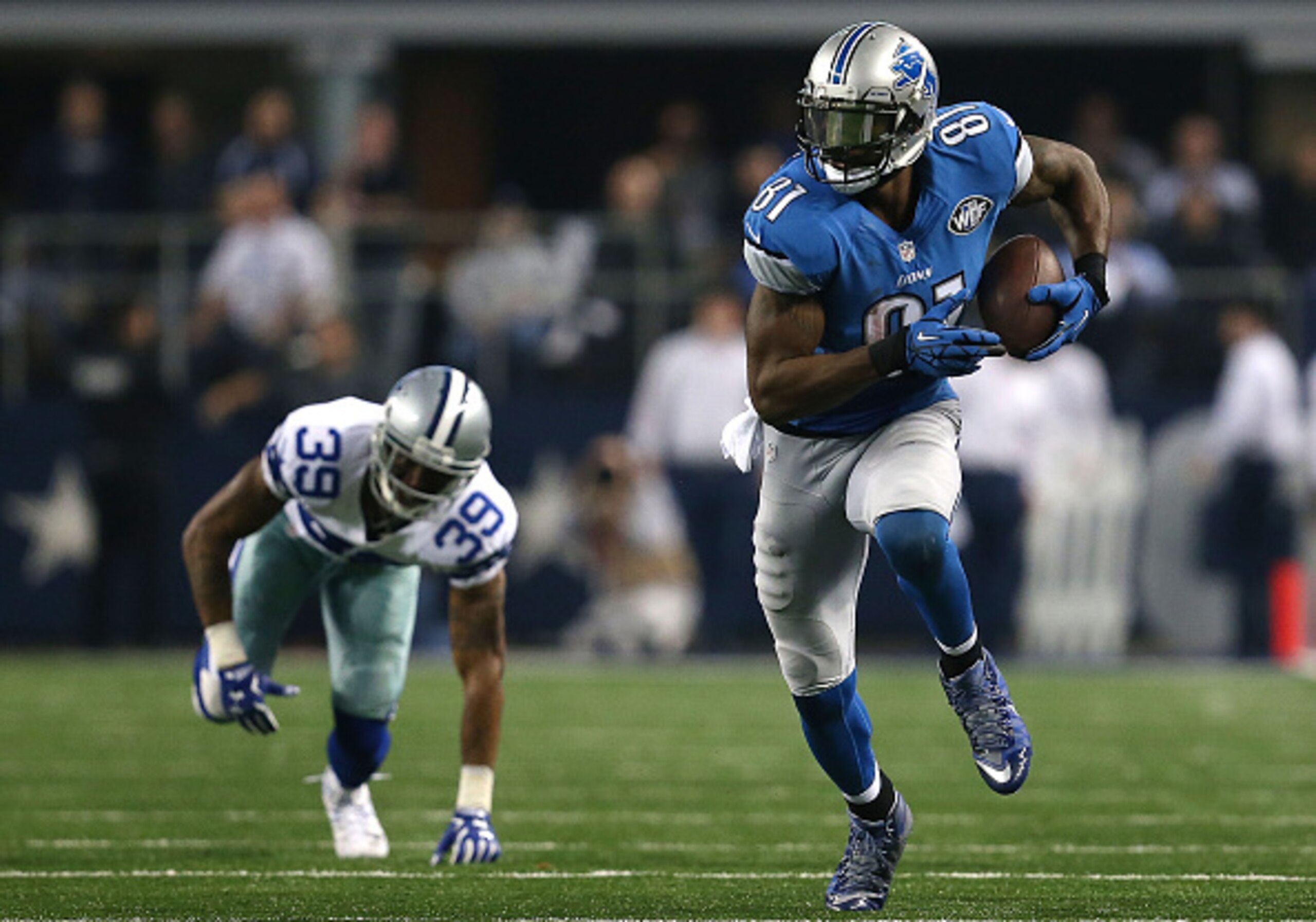
Calvin Johnson, WR
Years at Georgia Tech: 2004-06
Years in NFL: 2007-present
Considering Georgia Tech has established itself as one of the most productive running teams in college, doing so with an old-school triple-option offense, it's hard to imagine its best NFL player would be involved in the passing game. But Calvin Johnson pre-dated the Yellow Jackets' option era, and as a wide receiver who has a chance to become the greatest ever at his position, he transcends his school's reputation.
Johnson holds Tech's career receiving yards record, with 2,927 yards in three seasons, and at 6'5" and 239 pounds he was such a massive target that it was no shock the Detroit Lions took him second overall in the 2007 draft despite having more pressing needs at quarterback and other positions. He didn't disappoint, catching 48 passes and scoring four TDs as a rookie, but his career really took off the following season.
That's when Johnson led the NFL with 12 TD catches, and he continued to improve each year. In 2012 he had a league-best 122 receptions and an NFL-record 1,964 yards.
Though only 29, the five-time Pro Bowl selection has already topped 10,000 receiving yards and scored 74 touchdowns.
Illinois
16 of 65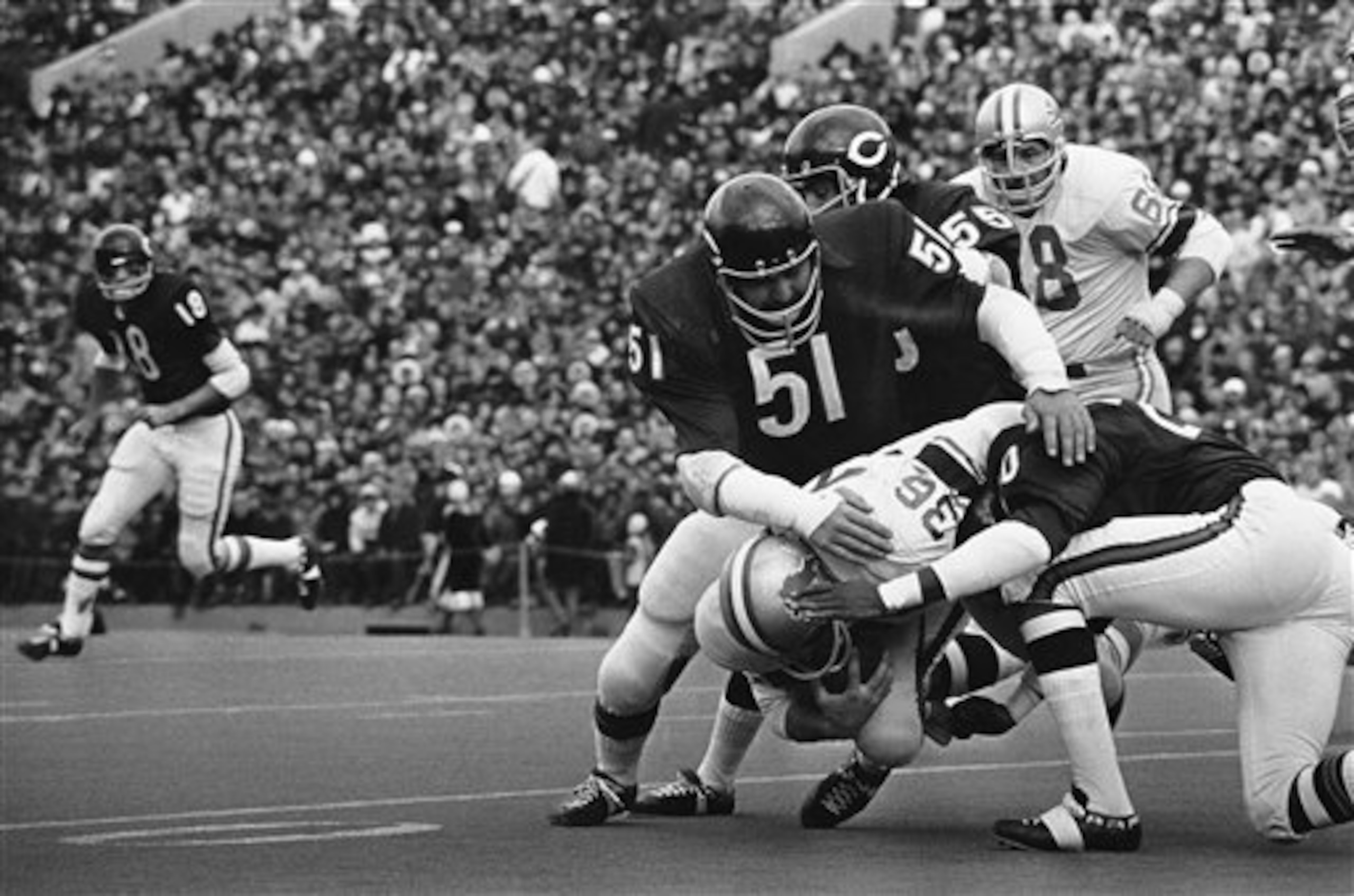
Dick Butkus, LB
Years at Illinois: 1962-64
Years in NFL: 1965-73
Illinois has produced two of the NFL's best linebackers ever, but we're giving the nod to Dick Butkus over fellow Hall of Famer Ray Nitschke because of his impact on the field as well as the lasting impression he's made on the position since then.
"It is possible that Dick Butkus was the meanest, nastiest, fiercest linebacker to ever put on a helmet," ESPN.com's Larry Schwartz wrote.
An eight-time Pro Bowler, Butkus dove right into the NFL and never stopped. He led the Chicago Bears in tackles, interceptions, forced fumbles and fumble recoveries as a rookie, and for his career he was one of the most accomplished ever at stripping the ball from opponents.
Indiana
17 of 65
Trent Green, QB
Years at Indiana: 1989-92
Years in NFL: 1993, 1995-2008
Trent Green's professional career had a few stops and starts before it really got going in his early 30s, when for five seasons he was the Kansas City Chiefs' starting quarterback for every game. Prior to that, he had to spend time on practice squads and in the Canadian Football League, and also he missed a season with an injury that indirectly led to one of the biggest out-of-nowhere stories in NFL history.
Green was coming off a solid season with the Washington Redskins in 1998 when he signed with the St. Louis Rams, and he was fully set to be that team's starter when he injured his knee during the preseason. That opened door for an unknown named Kurt Warner to lead the Rams to a Super Bowl title, vaporizing Green's shot.
He ended up with Kansas City in 2001 and averaged more than 4,000 passing yards per season over the next five years. Green finished his career with more than 28,000 yards and 162 touchdowns.
Iowa
18 of 65
Nate Kaeding, K
Years at Iowa: 2000-03
Years in NFL: 2004-12
Kickers can be the best NFL player from a college, especially when they're as efficient as Nate Kaeding was during the peak of his career.
A Lou Groza Award winner at Iowa, Kaeding went in the third round of the 2004 draft to the San Diego Chargers, where he kicked until his final season in 2012. He made 86.2 percent of his field goals, fifth-best in NFL history, nailing at least 20 in each of his first seven seasons including an NFL-best 32 in 2009.
Iowa State
19 of 65
Sage Rosenfels, QB
Years at Iowa State: 1997-2000
Years in NFL: 2001-2012
Being a career backup doesn't make for much glamour, but Sage Rosenfels perfected the art of being the man who would come on in relief during times of crisis. In 12 NFL seasons, he only started 12 career games at quarterback, and never more than five in a year, but he could always be depended on to make a roster and be in the mix for playing time.
Drafted in the fourth round by the Washington Redskins in 2001, he was the team's No. 3 quarterback that season before getting traded to the Miami Dolphins in 2002. There he spent four seasons and appeared in 13 games, making one injury start apiece in 2004 and 2005.
From there Rosenfels played for three more teams, with his most extensive action coming in 2007-08 when he started a combined 10 games for the Houston Texans. He went 6-6 for his career as a starter, throwing a total of 30 touchdowns.
Kansas
20 of 65
Gale Sayers, QB
Years at Kansas: 1961-64
Years in NFL: 1965-71
Known as "The Kansas Comet," Gale Sayers was an in-state product who thrived at Kansas and was the first player to ever break off a 99-yard run in a college game. His exploits prompted the Chicago Bears to take him fourth overall in the NFL draft, thus beginning one of the best (if not very long) NFL careers ever.
Sayers was one of the first all-purpose stars of the NFL, handling the Bears rushing duties while also being their primary punt and kick returner. He led the league in rushing twice, in 1966 and 1969, and in his first two seasons he topped 2,200 all-purpose yards.
He had eight career return touchdowns to go with 39 rushing scores, but his career was cut short by several major injuries. A torn knee ligament ended his 1968 season after nine games, and another knee injury in 1970 limited him to four games over his final two seasons.
Despite the short stint, Sayers was elected into the Hall of Fame in 1977.
Kansas State
21 of 65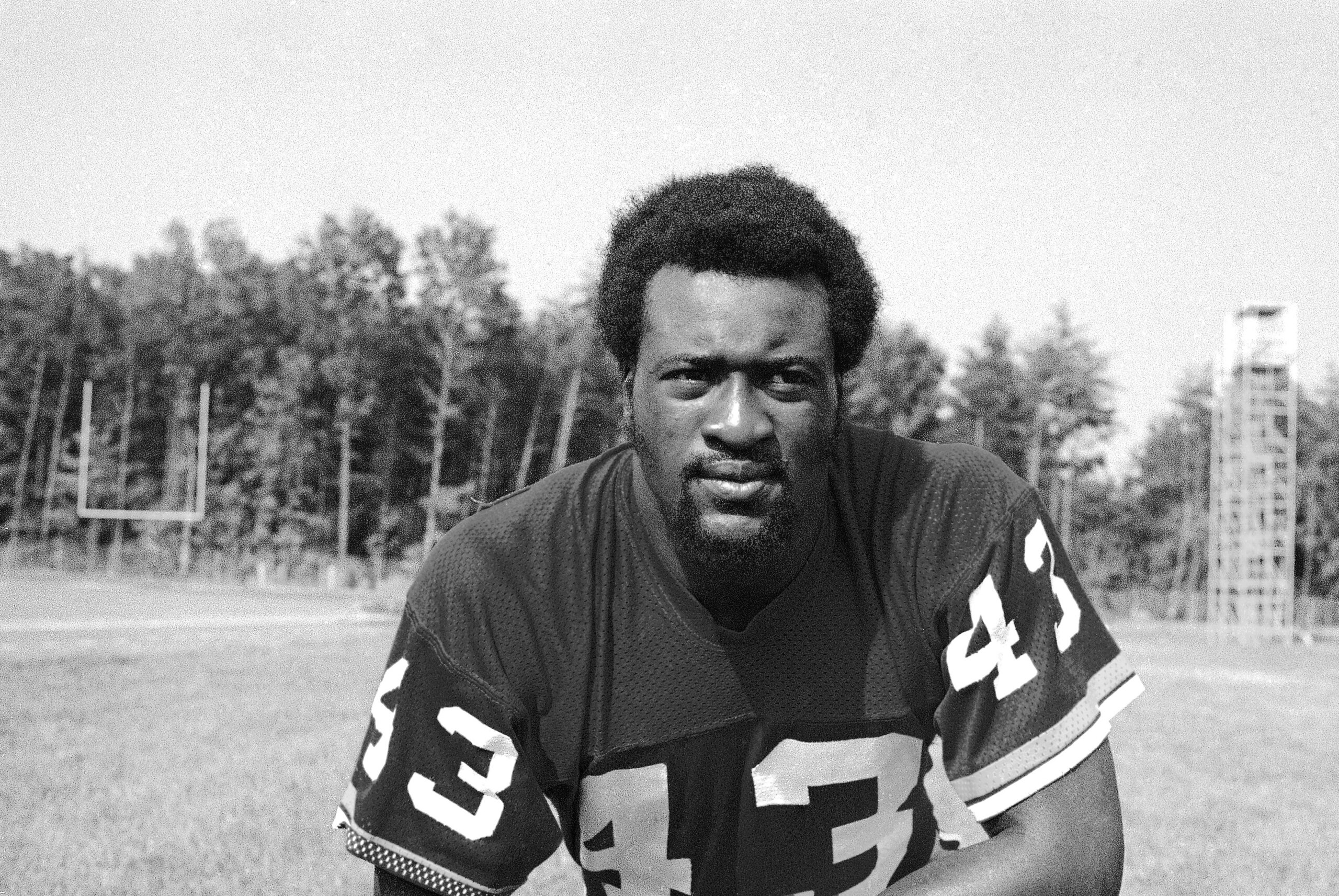
Larry Brown, RB
Years at Kansas State: 1967-68
Years in NFL: 1969-76
Larry Brown's college career wasn't to the level that would have made it seem like he was going to be big in the pros, but he defied the odds and produced eight seasons of strong play with the Washington Redskins.
Brown was an eighth-round draft pick in 1969 after rushing for only 684 yards and two touchdowns at K-State in two seasons. He topped that in his rookie year alone with Washington, running for 888 yards and four scores. The following year, he led the NFL with 1,125 rushing yards.
Brown ended up playing more than 100 games with Washington, finishing with 5,875 yards and 35 touchdowns.
Kentucky
22 of 65
George Blanda, K
Years at Kentucky: 1945-48
Years in NFL: 1949-75
A kicker and quarterback in college, George Blanda was drafted just for the kicking part of his repertoire but ended up being one of the most unique two-way players in league history. He started 106 games at quarterback over 26 seasons, leading the league in passing yards in 1961 and 1963, but that still paled in comparison to what he accomplished with his foot.
Blanda booted 335 field goals for his career, a number that was an NFL record at the time and still stands 20th all-time. And because of his time on offense, he finished with more than 2,000 points to rank seventh in NFL history, a mark that was best ever until 2000.
Louisville
23 of 65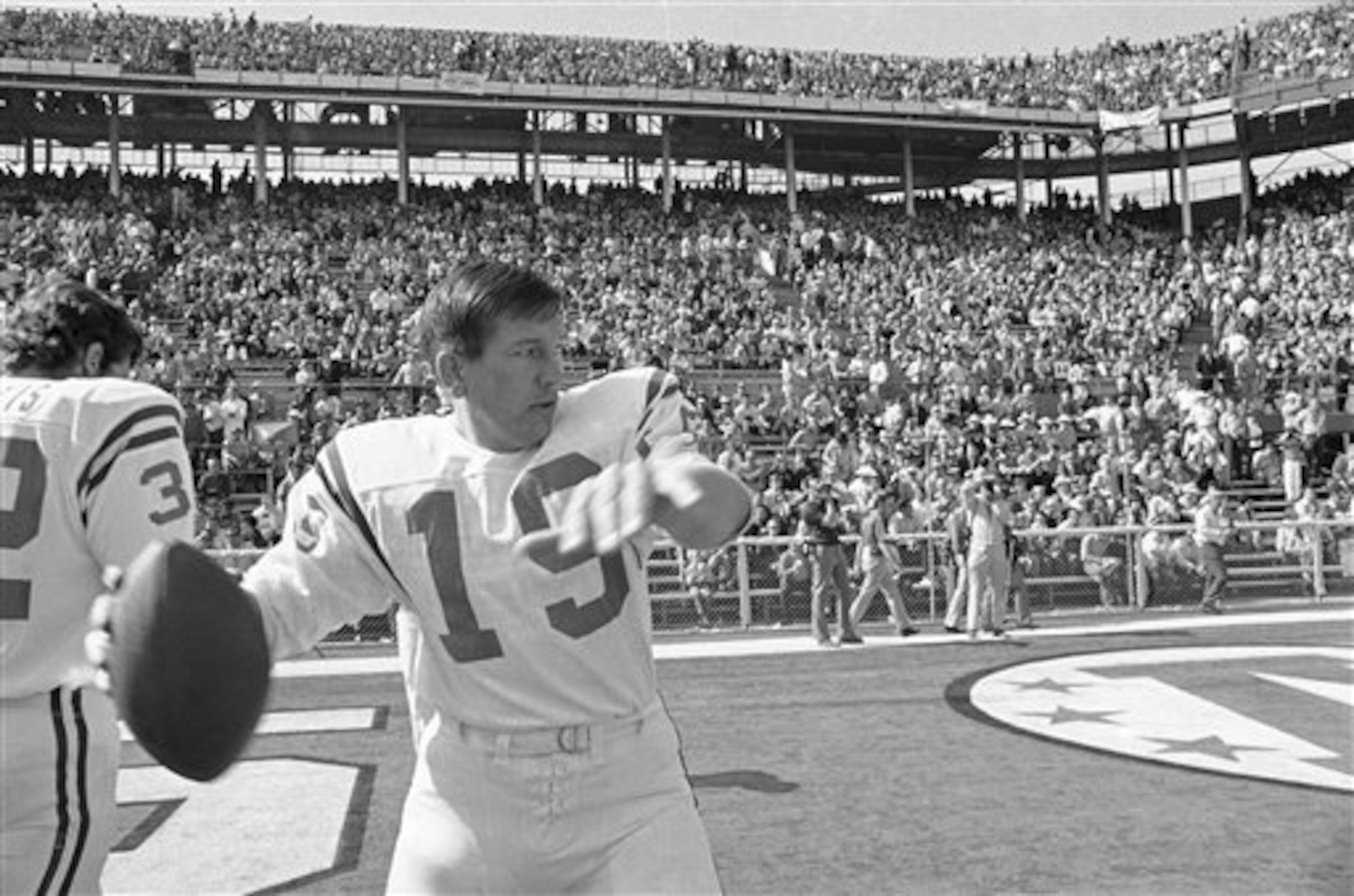
Johnny Unitas, QB
Years at Louisville: 1951-54
Years in NFL: 1955-73
One of the greatest quarterbacks in NFL history didn't get drafted until the ninth round and then spent his first season on the outside looking in after being cut at the end of training camp by the Pittsburgh Steelers. He passed his time working during the week and playing for a semi-pro team on the weekends.
But in 1956 Unitas signed with the Baltimore Colts, and from there on out he was a fixture on NFL fields, starting 185 games and throwing for more than 40,000 yards.
Unitas led the NFL in passing four times, topping out at 3,481 yards in 1963. He had 290 career touchdown passes and was league MVP on three occasions.
LSU
24 of 65
Alan Faneca, OG
Years at LSU: 1994-97
Years in NFL: 1998-2010
LSU has produced three NFL Hall of Famers over its storied history, including passing legend Y.A. Tittle. But our choice goes to a standout pro who doesn't become eligible for the Hall until next year. However, based on what he accomplished during his career, he should get strong consideration right away.
Alan Faneca spent the first 10 of his three seasons with the Pittsburgh Steelers, during which time he helped protect quarterback Ben Roethlisberger and open holes for the likes of Jerome Bettis and other standout Steelers running backs. During his time in Pittsburgh he was a part of a Super Bowl winner and was twice named the NFL's offensive lineman of the year.
Faneca started every game from 2002 to 2010, including in two seasons with the New York Jets and his final campaign with the Arizona Cardinals. He's eligible for the Hall of Fame in 2016.
Maryland
25 of 65
Randy White, DT
Years at Maryland: 1971-74
Years in NFL: 1975-88
The sack didn't become an official statistic until halfway through Randy White's NFL career. Otherwise, the longtime Dallas Cowboys star would have ended up with far more than the 52 quarterback takedowns he was credited with over 14 seasons.
The No. 2 overall pick in the 1975 draft, White didn't become a starter on Dallas' defensive line until his third season. But then he started nearly every game over the next 11 years, making the Pro Bowl nine times and even earning Super Bowl co-MVP honors after helping the Cowboys beat the Denver Broncos in 1977.
Unofficially, White was credited with 111 sacks including a career-high 16 in 1978.
Miami (Fla.)
26 of 65
Michael Irvin, WR
Years at Miami: 1985-87
Years in NFL: 1988-99
So many players helped put Miami on the map in college football in the 1980s, but only a handful went on to become as good (if not better) in the NFL than they were in college. Michael Irvin falls in that category, as while his Hurricanes exploits were solid, they were nothing compared to what he did in the pros.
At his peak, Irvin was the most feared wide receiver in the country. He had seven 1,000-yard seasons in an eight-year span, including an NFL-best 1,523 in 1991. With 750 career receptions and 11,904 yards, he ranks in the top 25 in both categories despite having his career end at the age of 33 after a spine injury.
Irvin went into the Hall of Fame in 2007, capping a career that included five Pro Bowls and three Super Bowl titles.
Michigan
27 of 65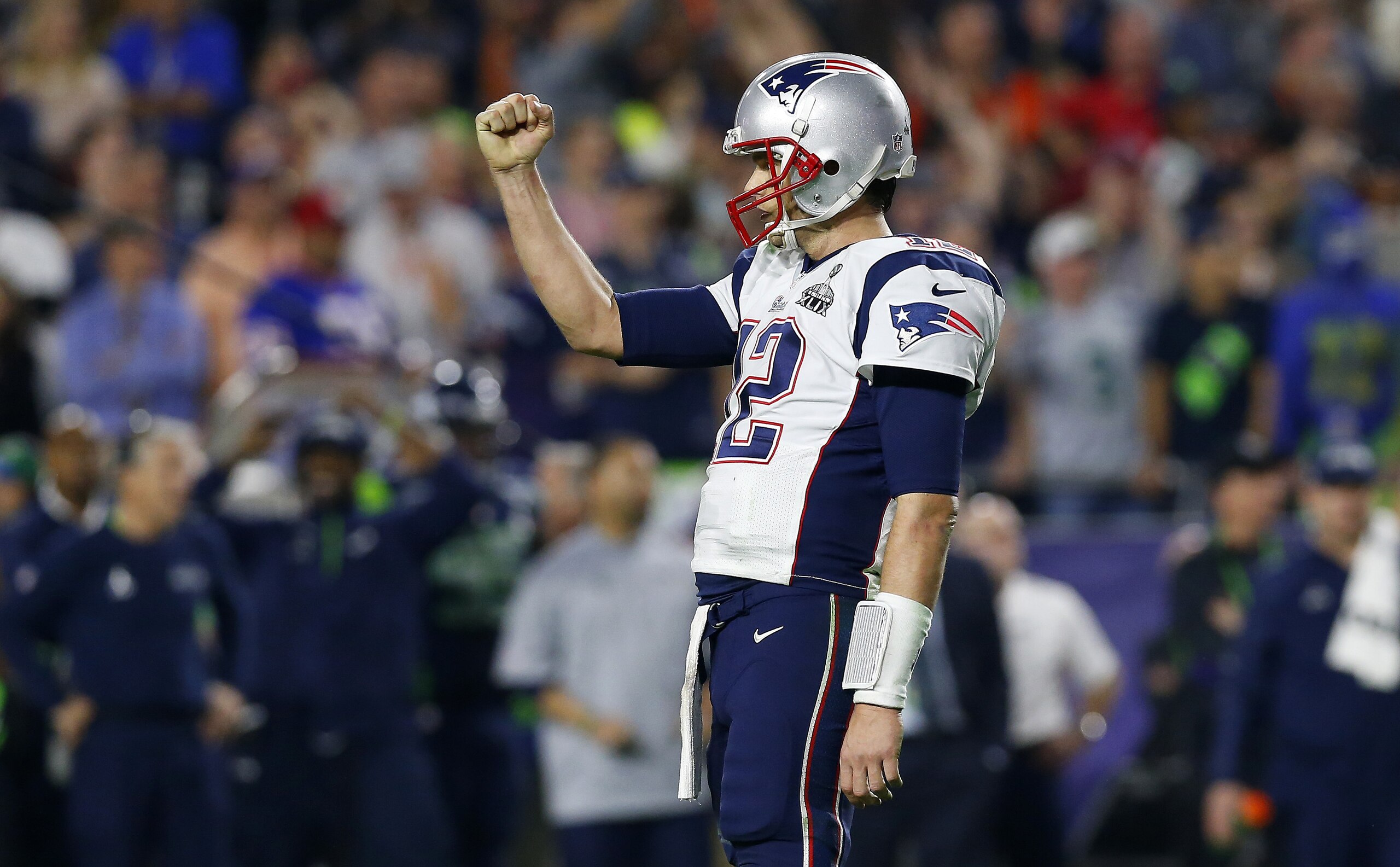
Tom Brady, QB
Years at Michigan: 1996-99
Years in NFL: 2000-present
Tom Brady could have stopped playing years ago, and he'd still be a runaway leader for Michigan's best player in NFL history, a major accomplishment considering the Wolverines have produced eight Hall of Famers. It's even more amazing that Brady has done all this despite only starting two years at Michigan and then going in the sixth round of the 2000 draft.
The New England Patriots decided to take a flier on Brady as added insurance for quarterback Drew Bledsoe, and in his first season he mostly watched as Bledsoe threw for more than 3,200 yards in a 5-11 season. The Patriots began the 2001 season 0-2 and seemed doomed when Bledsoe was injured, but in stepped Brady to begin one of the greatest careers in league history.
Brady piloted New England to 11 wins in his 14 starts, winning the Super Bowl over the St. Louis Rams and then claiming three more titles, including this past season over the Seattle Seahawks.
Though there have been few seasons that weren't great, Brady's best year came in 2007 when he threw for 4,806 yards and a then-NFL record 50 touchdowns. The Patriots went unbeaten during the regular season but lost to the New York Giants in the Super Bowl.
With 53,258 yards and 392 touchdowns, Brady currently ranks fifth all-time in both categories.
Michigan State
28 of 65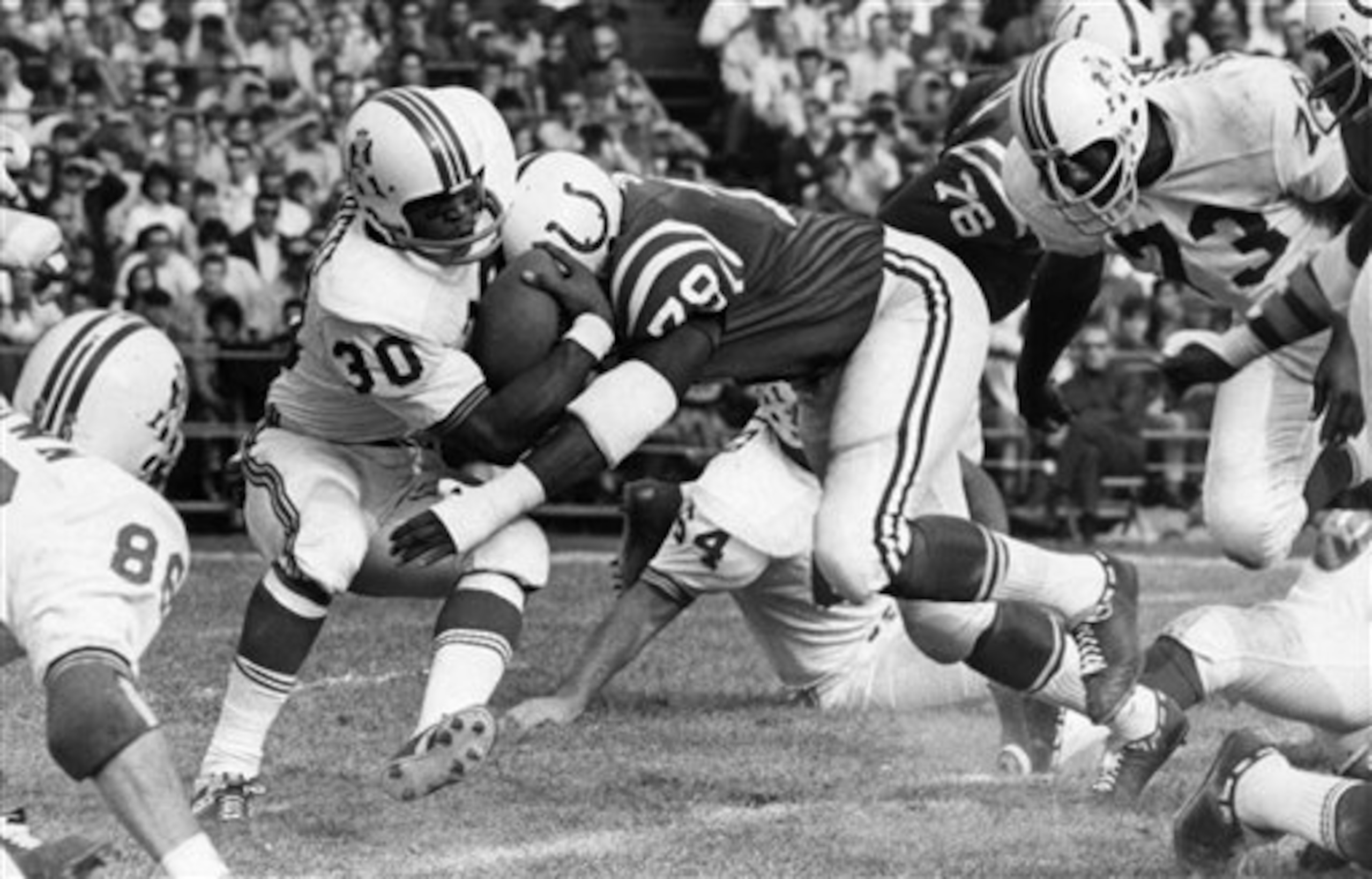
Bubba Smith, DE
Years at Michigan State: 1963-66
Years in NFL: 1967-76
Though his career lasted fewer than 10 seasons, that didn't lessen the impact Bubba Smith had while he was in the NFL. Just ask any of the players who had to block the 6'7", 265-pound defensive end, or the many quarterbacks and running backs he swallowed up over the years while playing for the Baltimore Colts, Oakland Raiders and Houston Oilers.
Smith was a starter for the first seven years of his career after going No. 1 overall to the Colts out of Michigan State in 1967. He played in two Super Bowls, helping the Colts win Super Bowl V in 1970, and was invited to two Pro Bowls.
Known after football for his acting career, which included the iconic role of Hightower in the Police Academy movies, Smith appeared in more than 20 films.
Minnesota
29 of 65
Bronko Nagurski, FB
Years at Minnesota: 1927-29
Years in NFL: 1930-37, 1943
One of the most notable two-way players in college history, when Bronko Nagurski made it to the NFL in 1930 he stuck to just one side of the ball. As a fullback, he used all of his 6'2", 226-pound frame to equally block for other running backs and bulldoze his own way to big yards.
During his career with the Chicago Bears, Nagurski ran for more than 2,700 yards and 25 touchdowns. His skill as an accomplished wrestler, which he did on the side during his NFL years, enabled him to outmuscle defenders and blockers.
Nagurski also threw seven touchdown passes in the pros, and he was a part of three NFL championship teams including in 1943 when he returned to the league after a long hiatus for one final season.
Mississippi State
30 of 65
Walt Harris, CB
Years at Mississippi State: 1992-95
Years in NFL: 1996-2009
Walt Harris managed to make an impact in the secondary of every team he played for during his long NFL career, which is why he continued to be coveted on the free-agency market. In 14 seasons he played for the Chicago Bears, Indianapolis Colts, Washington Redskins and San Francisco 49ers, starting 174 games overall.
Harris had 35 career interceptions, including eight in 2006 when he earned his only Pro Bowl invitation. He scored five touchdowns—four on interceptions and one on a fumble return.
Missouri
31 of 65
Kellen Winslow, TE
Years at Missouri: 1975-78
Years in NFL: 1979-87
A five-time Pro Bowler and two-time league leader in receptions, Kellen Winslow was one of the NFL's most accomplished tight ends and one of the first to play the position like a receiver.
In his career, Winslow had 541 catches for 6,741 yards and 45 touchdowns, catching at least 88 balls in three different seasons for the San Diego Chargers. In 1980 he had 1,290 receiving yards, which stood as the most in NFL history by a tight end until 2011. In 1981 he became the first tight end to lead the league in receptions in consecutive seasons.
Winslow entered the Hall of Fame in 1995.
Nebraska
32 of 65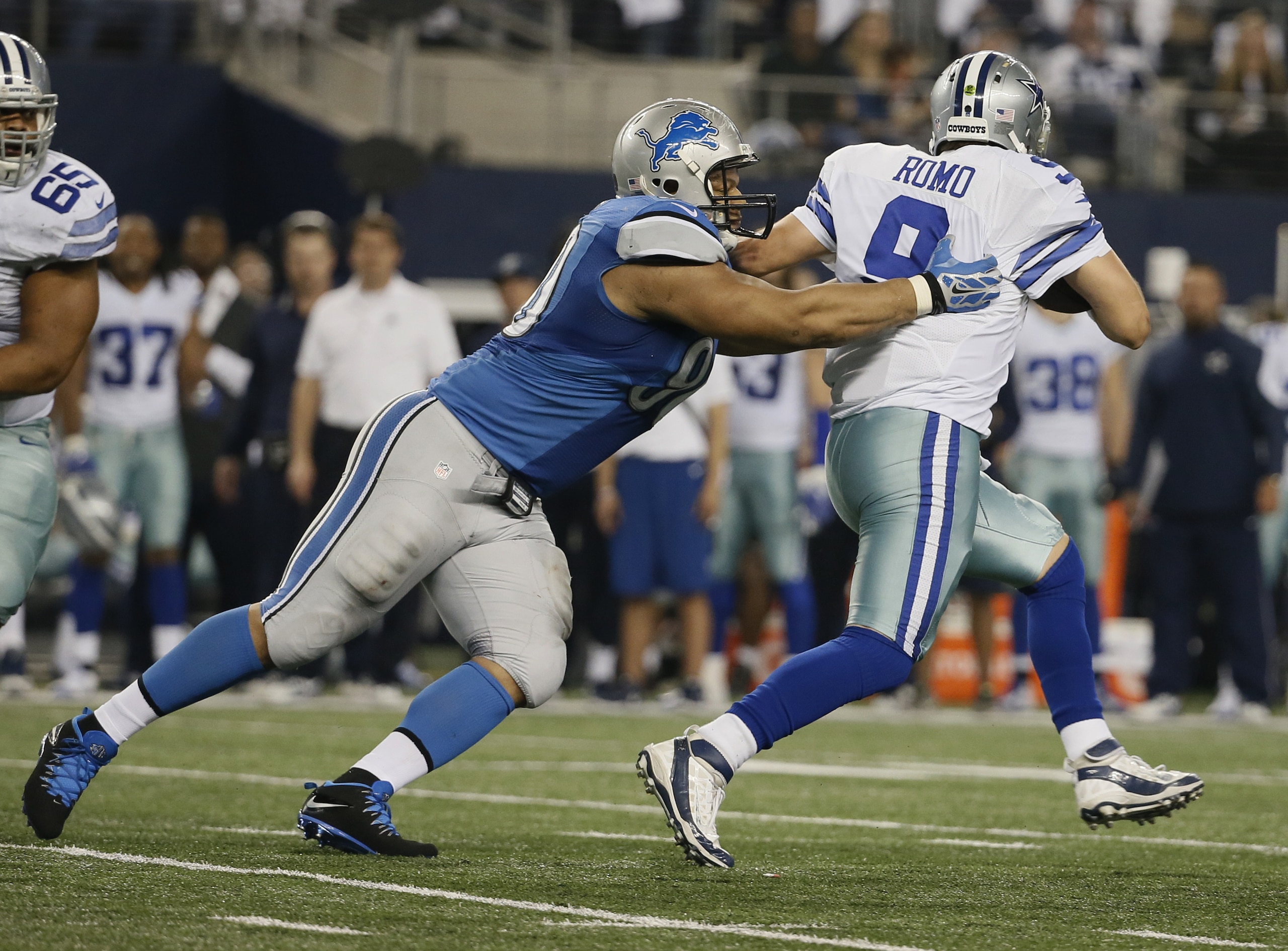
Ndamukong Suh, DT
Years at Nebraska: 2005-09
Years in NFL: 2010-present
As successful as Nebraska has been throughout college football history, this hasn't translated into much at the NFL level. Ndamukong Suh is reversing that trend, as his career to this point has already put him atop the list of the best Cornhuskers ever in the pros.
Poor reputation aside, Suh's performance on the field has been amazing since going second overall to the Detroit Lions in 2010. In his five years he's racked up 36 sacks—including 10 during his first season, when he was Defensive Rookie of the Year—and has been named to four Pro Bowls.
In 2014 an ESPN survey of NFL players listed Suh as the most feared in the league.
"If it's feared from the context of they don't want to play against me and they are worried about how I may affect the game and affect the offense, it's definitely appreciated," Suh told ESPN.com's Michael Rothstein.
Just scratching the surface of his abilities, Suh landed the largest contract ever for a defensive player when he signed a six-year, $114 million contract with the Miami Dolphins this offseason.
North Carolina
33 of 65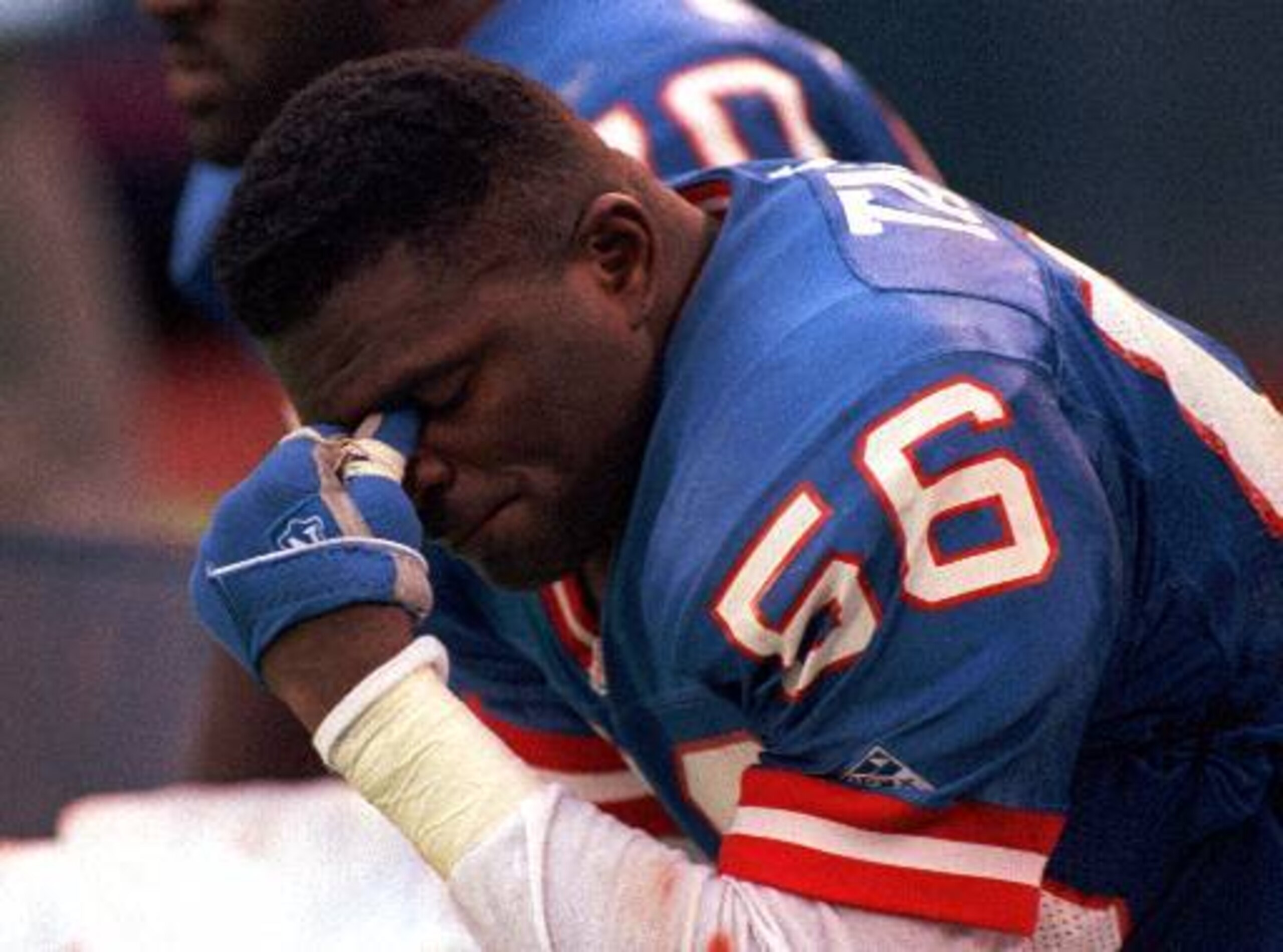
Lawrence Taylor, LB
Years at North Carolina: 1977-80
Years in NFL: 1981-93
Lawrence Taylor is the reason the NFL made the sack an official statistic. Had the league wanted to give it a more colorful name, it could have called the act of taking down a quarterback behind the line of scrimmage an LT.
Taylor still ranks 11th on the all-time sack list with 132.5, which doesn't include his rookie year of 1981 with the New York Giants (which was before sacks were counted). From 1984 to 1990 there was no one better in the NFL when it came to his position or his play, as Taylor had at least 10 sacks every year including 20.5 in 1986 during the Giants' Super Bowl-winning season. He was also MVP that year.
Taylor was a part of two Super Bowl champion teams, made the Pro Bowl 10 times and was enshrined in the Hall of Fame in 1999.
North Carolina State
34 of 65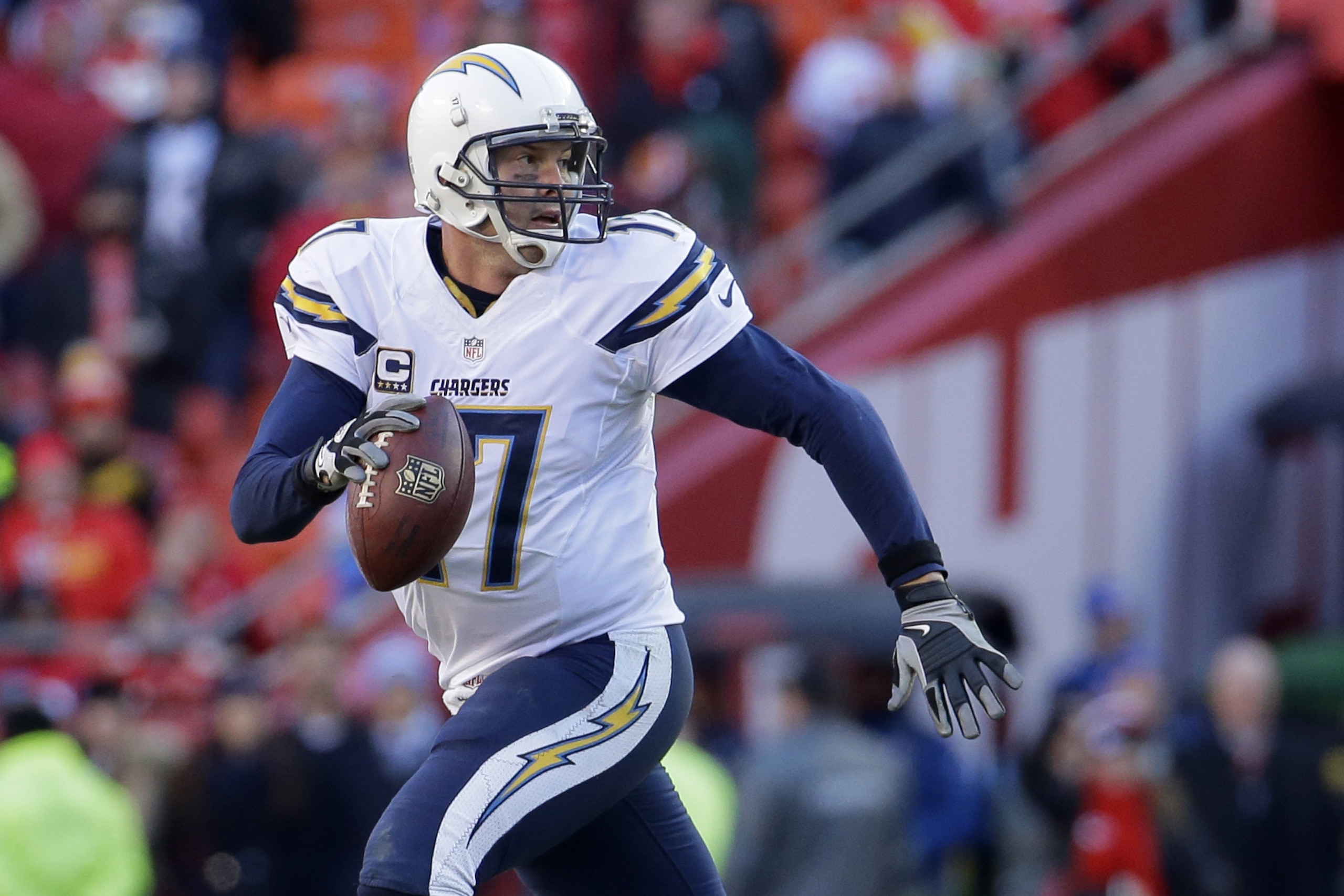
Philip Rivers, QB
Years at North Carolina State: 2000-03
Years in NFL: 2004-present
A subject of trade rumors leading up to this year's draft, Philip Rivers remains one of the most accomplished players in the NFL as he heads into his 12th season with the San Diego Chargers. That wasn't the team that drafted him, though, as the New York Giants took him fourth overall in 2004 and then swapped him for Eli Manning in one of the biggest draft-day trades ever.
After spending two years backing up Drew Brees, Rivers took over the starting job with San Diego in 2006 and has made 144 consecutive starts. He's recorded six 4,000-yard seasons and has thrown 252 touchdown passes.
Rivers hasn't been able to achieve playoff success during his career, going 4-5 in the postseason, but he remains one of the most consistent passers in the league.
Northwestern
35 of 65
Otto Graham, QB
Years at Northwestern: 1941-44
Years in NFL: 1946-55
A 10-year standout for the Cleveland Browns during their transition from the All-America Football Conference to the NFL, Otto Graham paced his team to the championship game in every season he played. He won seven titles during that span, serving as quarterback but also playing in the secondary and returning kicks and punts.
Graham's most notable achievements came as a passer, where he started 114 games and led the league in yards five times. He threw 174 touchdowns in his career and joined the Hall of Fame in 1965.
Notre Dame
36 of 65
Joe Montana, QB
Years at Notre Dame: 1974-78
Years in NFL: 1979-94
The list of Notre Dame greats to make it big in the NFL is as long as any college in the country, and several are worthy of being considered the best the school has ever produced. Joe Montana gets the nod based not just on his numbers but his reputation as a winner, as he helped the San Francisco 49ers win four Super Bowls and earned the game's MVP on three occasions.
Montana went 100-39 as a starter for San Francisco, which drafted him in 1979 and turned to him as its full-time starter in 1981. He had the first of his eight 3,000-yard seasons that year, as well as the first of his Super Bowl titles.
Injuries took away nearly all of the 1990 and 1991 seasons for Montana, who finished his career with two years with the Kansas City Chiefs and got them into the playoffs both times. Overall, Montana played in 23 postseason games, and his career included more than 40,000 passing yards and 273 touchdowns.
Ohio State
37 of 65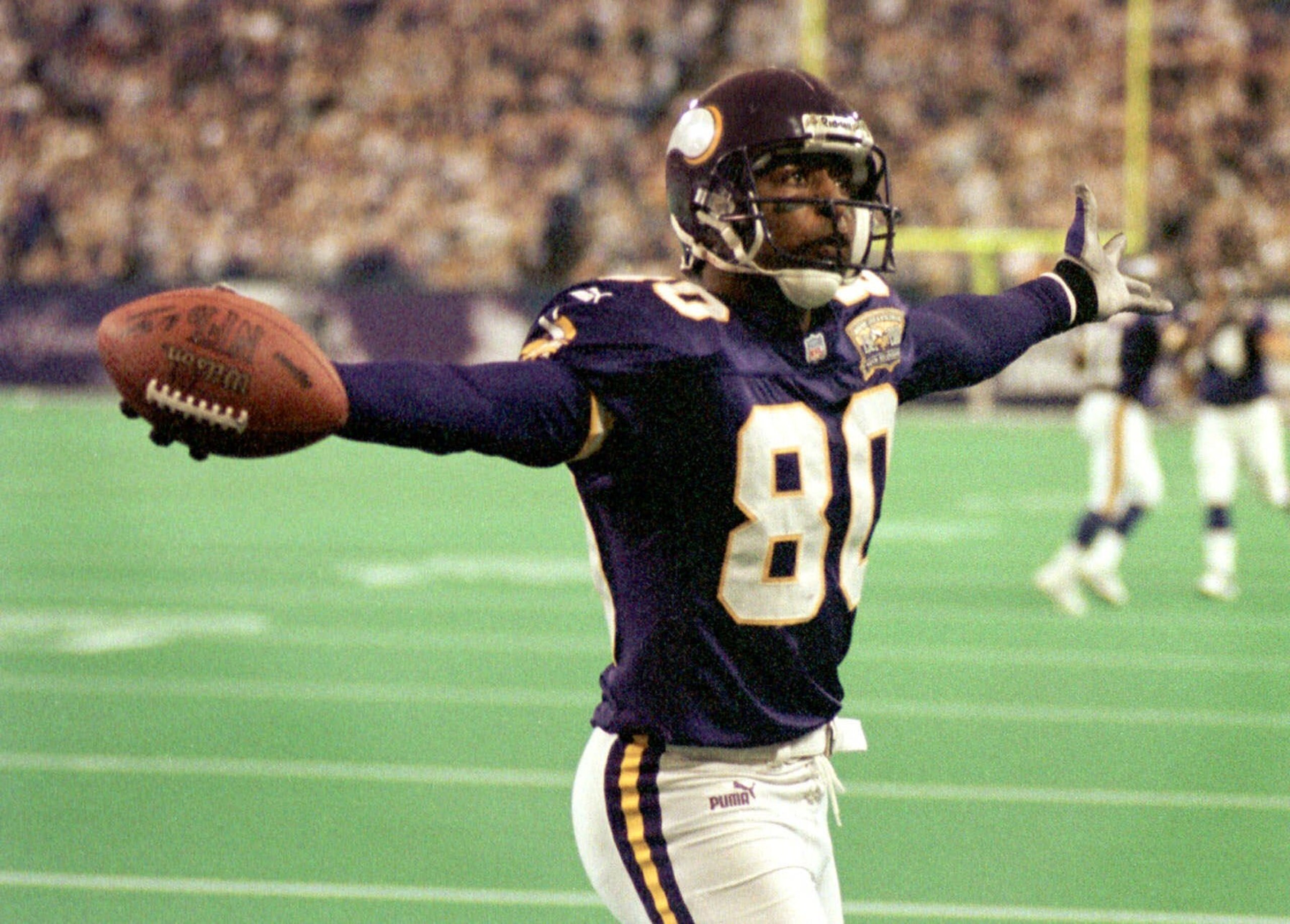
Cris Carter, WR
Years at Ohio State: 1984-86
Years in NFL: 1987-2002
While legendary kicker/offensive lineman Lou Groza was also worthy of this distinction, Cris Carter is our choice for the best Ohio State NFL player because of how sensational he was throughout his 16-year career. The player whom Buddy Ryan famously declared "all he does is catch touchdowns" had 130 of them among his 1,101 receptions.
Carter had at least 10 TDs in six different seasons, including five straight with the Minnesota Vikings from 1995 to 1999. He was the first player in NFL history with 120-plus receptions in consecutive seasons (1994-95), and he topped 1,000 receiving yards for eight straight years.
Carter's 130 TDs and 1,101 catches are both fourth-best in NFL history, while he's 10th all-time with 13,899 yards.
Oklahoma
38 of 65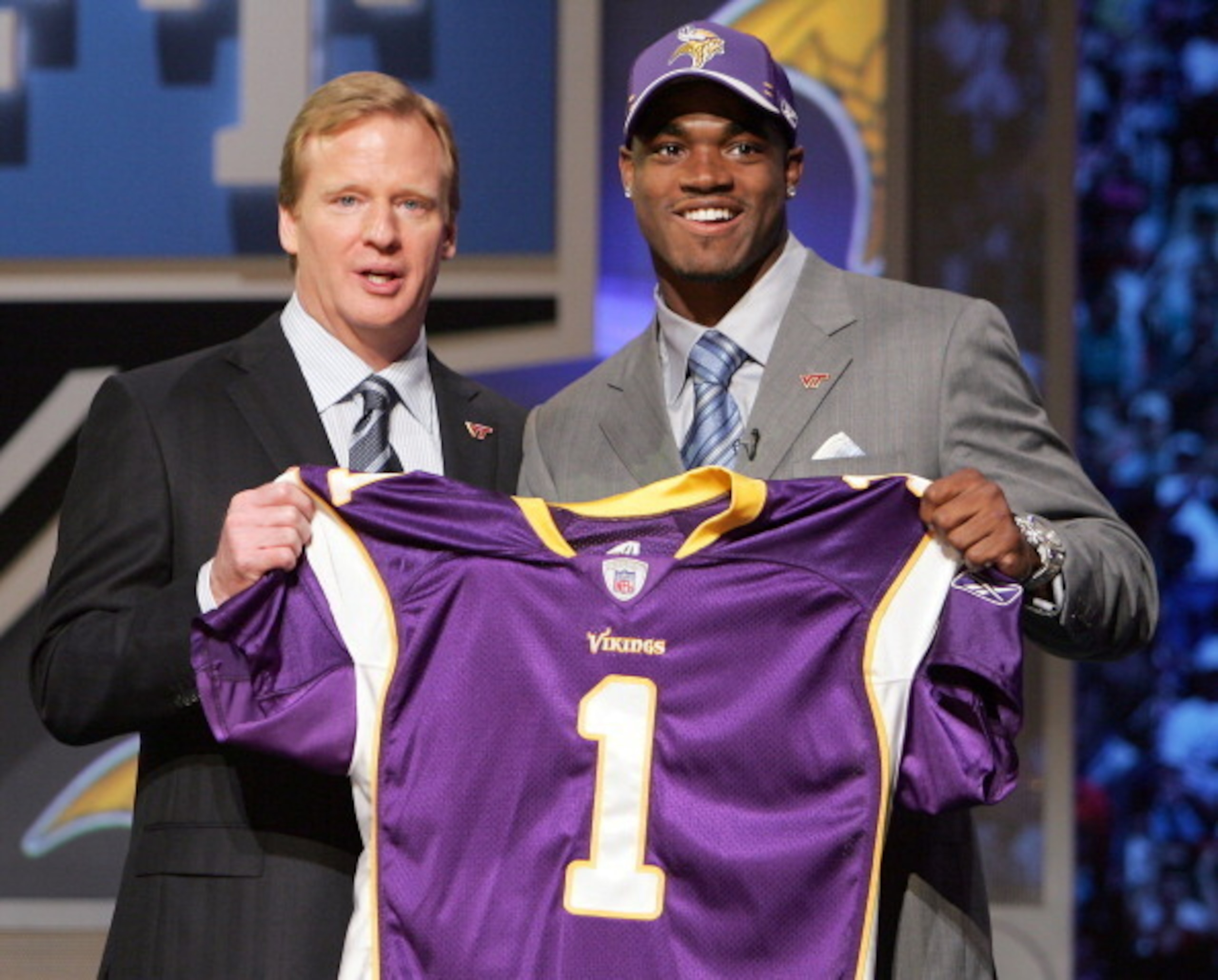
Adrian Peterson, RB
Years at Oklahoma: 2004-06
Years in NFL: 2007-present
While his legal issues kept him out of all but one game last season and have put his destination for 2015 in limbo, the off-the-field news in no way diminishes the on-field performance that Adrian Peterson has had during his masterful NFL career. He's not a Hall of Famer yet, but he'll be there if he continues at his current pace.
Peterson averaged more than 1,400 rushing yards during each of his first four seasons, and then after suffering a knee injury in the 2011 season he somehow came back and had the second-best year for a running back in league history. In 2012 Peterson ran for 2,097 yards and had 2,314 all-purpose yards.
All told, Peterson has gained 10,190 yards and scored 86 touchdowns. His yardage is third-most among active players and 28th-best in NFL history.
Oklahoma State
39 of 65
Barry Sanders, RB
Years at Oklahoma State: 1986-88
Years in NFL: 1989-98
Had he played a few more seasons, there's little doubt that Barry Sanders would have become the NFL's all-time rushing leader. But after gaining more than 15,000 yards in 10 seasons, Sanders decided he was done playing at age 30 and thus added to his already amazing legacy that began in college with an NCAA-record 2,628 rushing yards in 1988.
In the NFL, Sanders never failed to rush for at least 1,115 yards, and he led the league in that category four times, including when he topped 2,000 yards in his second-to-last season in 1997. He ran for 99 touchdowns and had more than 3,000 carries, getting named to the Pro Bowl every year he played.
Sanders ranks third all-time in rushing yards, and while he only won one playoff game in his career, that didn't take away from his legacy. He joined the Hall of Fame in 2004.
Ole Miss
40 of 65
Eli Manning, QB
Years at Ole Miss: 2000-03
Years in NFL: 2004-present
He might not rank first in his own family, but there's no denying that Eli Manning has already established himself as the greatest Ole Miss player in NFL history. That includes topping his father, Archie, who after a great career with the Rebels was a standout quarterback in the pros.
Eli Manning has won two Super Bowls (compared to one for his older brother, Peyton) and started every game for the New York Giants over the past 10 seasons. He split starting duties with Kurt Warner in 2004 as a rookie, coming to New York via a draft-day trade with the San Diego Chargers, who took him fourth overall.
Manning has thrown for just short of 40,000 yards in his career, topping 4,000 yards in four of the past six seasons, and he's tossed 259 touchdown passes. Those numbers pale in comparison to Peyton, but they're still more than enough to make Eli Ole Miss' best ever.
Oregon
41 of 65
Dan Fouts, QB
Years at Oregon: 1969-72
Years in NFL: 1973-87
While reigning Heisman winner Marcus Mariota could end up going down as Oregon's best college player ever, he has a long way to go in the NFL to match the success that Dan Fouts had over 15 seasons in the 1970s and '80s.
Fouts played his entire career with the San Diego Chargers, where he threw for more than 43,000 yards and 254 touchdowns. He led the league in passing for four straight seasons, from 1979 to 1982, benefiting from the Air Coryell offense that his coach implemented.
Fouts made six Pro Bowl appearances and ranks 11th all-time in passing yards. He joined the Hall of Fame in 1993.
Oregon State
42 of 65
Steven Jackson, RB
Years at Oregon State: 2002-04
Years in NFL: 2005-present
Though he might not end up being considered among the best running backs in NFL history, at his heyday Steven Jackson was as good as they come. With the St. Louis Rams from 2005 to 2012, Jackson gained at least 1,000 yards every season and topped 1,200 yards three times.
Jackson spent the last two years with the Atlanta Falcons and currently doesn't have a team for the 2015 season, though the 31-year-old has no plans to retire at this point.
"Make no mistake: I can still punish a defense," Jackson wrote on his personal website. "I still have a warrior's heart. There are 1,000-yard seasons left in these legs. I know what I am still capable of, and I have every intention of proving it."
Jackson has run for 11,388 yards, including a Rams record 10,138 yards, and has scored 68 rushing touchdowns along with nine receiving scores.
Penn State
43 of 65
Franco Harris, RB
Years at Penn State: 1969-71
Years in NFL: 1972-84
Franco Harris is one of the pillars of the Pittsburgh Steelers legend, and not just because of his famed "Immaculate Reception" that helped them go on to win a 1972 playoff game against the Oakland Raiders. That was in the first of his 12 masterful seasons in the black and gold, during which he ran for 1,000 or more yards seven times.
Harris was a bruiser at 6'2" and 230 pounds, choosing to run over defenders as often as he ran around them. This ultimately led to numerous injuries toward the end of his career, and he ended up playing his final season with the Seattle Seahawks. But he still finished with more than 12,000 rushing yards, which ranks 13th all-time.
Pittsburgh
44 of 65
Tony Dorsett, RB
Years at Pittsburgh: 1973-76
Years in NFL: 1977-88
Pittsburgh has its own personal NFL Hall of Fame among its alumni, with Dan Marino, Mike Ditka and Chris Doleman among those enshrined in Canton, Ohio, for their pro exploits. But none was as stellar after leaving Pitt as Tony Dorsett, who followed up being a Heisman winner in college with being a Super Bowl champion and among the greatest running backs in NFL history.
Dorsett played his first 11 seasons with the Dallas Cowboys, helping them win Super Bowl XII and reach a pair of title games. He ran for more than 12,000 yards with Dallas, and though he never led the league in rushing, he was among the leaders almost every year.
At 12,739 career yards, he still ranks eighth on the all-time rushing list. He joined the Hall of Fame in 1994.
Purdue
45 of 65
Drew Brees, QB
Years at Purdue: 1997-2000
Years in NFL: 2001-present
Considered too short to play quarterback when he entered the league in 1997, Drew Brees worked hard to establish himself as a strong passer during his first five seasons. But when the Chargers drafted Philip Rivers in 2004 he saw the writing on the wall and left for the free-agent market after the 2005 season.
That's when his career took off, as his signing with the New Orleans Saints triggered a production explosion. He's topped 4,300 yards in all nine of his seasons in the Big Easy, leading the league five times and recording a NFL-record four 5,000-yard seasons.
His 5,476 passing yards in 2011 was the most in NFL history until Peyton Manning topped it by a yard in 2013, but Brees still holds several other NFL marks such as consecutive games with a touchdown pass (54) and consecutive games with at least 20 completions (57).
Only 36, Brees still has a lot left in the tank. He's currently fourth all-time in passing with 56,033 yards, and his 396 TDs are fourth-most.
Rutgers
46 of 65
Ray Rice, RB
Years at Rutgers: 2005-07
Years in NFL: 2008-present
Rutgers' ascension from a college football doormat to a legitimate program coincided with Ray Rice's time with the Scarlet Knights, and he carried forward that momentum into a strong NFL career that has been put on hold amid off-the-field issues that kept him out for the 2014 season.
Rice, who went in the second round of the 2008 draft to the Baltimore Ravens, ran for at least 1,100 yards in four straight seasons from 2009 to 2012 but struggled with production in 2013. In the ensuing offseason, Rice was caught on video striking his then-fiance in an elevator of an Atlantic City casino during a domestic dispute. The NFL originally suspended him for two games and then later for the entire 2014 season, and the Ravens subsequently released him.
Rice has been reinstated by the NFL but remains without a team for the upcoming season. He has 6,180 yards and 70 touchdowns in his career.
South Carolina
47 of 65
Sterling Sharpe, WR
Years at South Carolina: 1983-87
Years in NFL: 1988-94
Jadeveon Clowney hasn't played long enough to warrant consideration for South Carolina's best NFL player ever, though if he can stay healthy that will require re-evaluation in a few years. Then again, the Gamecocks' most accomplished pro, Sterling Sharpe, only spent seven seasons in the NFL before a neck injury cut short his career.
Had he played longer, Sharpe no doubt would have been a Hall of Fame candidate. He averaged nearly 105 receptions over his final three years, leading the league in 1992 and 1993 and scoring an NFL-best 18 touchdowns in 1994.
Sharpe's 8,134 receiving yards are still third-best in Packers history, and his 595 catches are second-most.
Stanford
48 of 65
John Elway, QB
Years at Stanford: 1979-82
Years in NFL: 1983-98
Long labeled as a player who was just good enough to get his team beaten, John Elway led the Denver Broncos to three Super Bowls in a four-year span in the late 1980s but ended up losing all three outings. Elway's drive never wavered, though, and nearly a decade later he finally broke through by helping the Broncos win back-to-back Super Bowls in his final two seasons.
Elway spent all 16 years with Denver, where he's currently the team's general manager and a vice president, and in his career he started 231 games while throwing for 51,475 yards and 300 touchdowns. His best statistical year came in 1993, when he led the lead in passing (4,030 yards) as well as attempts and completions.
With nine Pro Bowls and MVP awards of both the regular-season and Super Bowl variety, Elway still ranks sixth in passing in NFL history and became a Hall of Famer in 2004.
Syracuse
49 of 65
Jim Brown, RB
Years at Syracuse: 1953-56
Years in NFL: 1957-65
Listed as a fullback throughout his NFL career, Jim Brown was so much more than a guy playing a position normally spent blocking for others. When he was done he was the league's all-time leading rusher, but he also was one of the most accomplished pass-catching backs ever as well.
Brown ran for 12,312 yards in just nine seasons, leading the league eight times. He had at least 30 receptions in four different years and holds the record for the most years leading the NFL in all-purpose yards with six.
Had Brown not sought an acting career toward the end of his playing days, he might have tacked on even more yards to his resume. Still, he ranks ninth all-time in rushing and among the top 25 players in yards from scrimmage.
TCU
50 of 65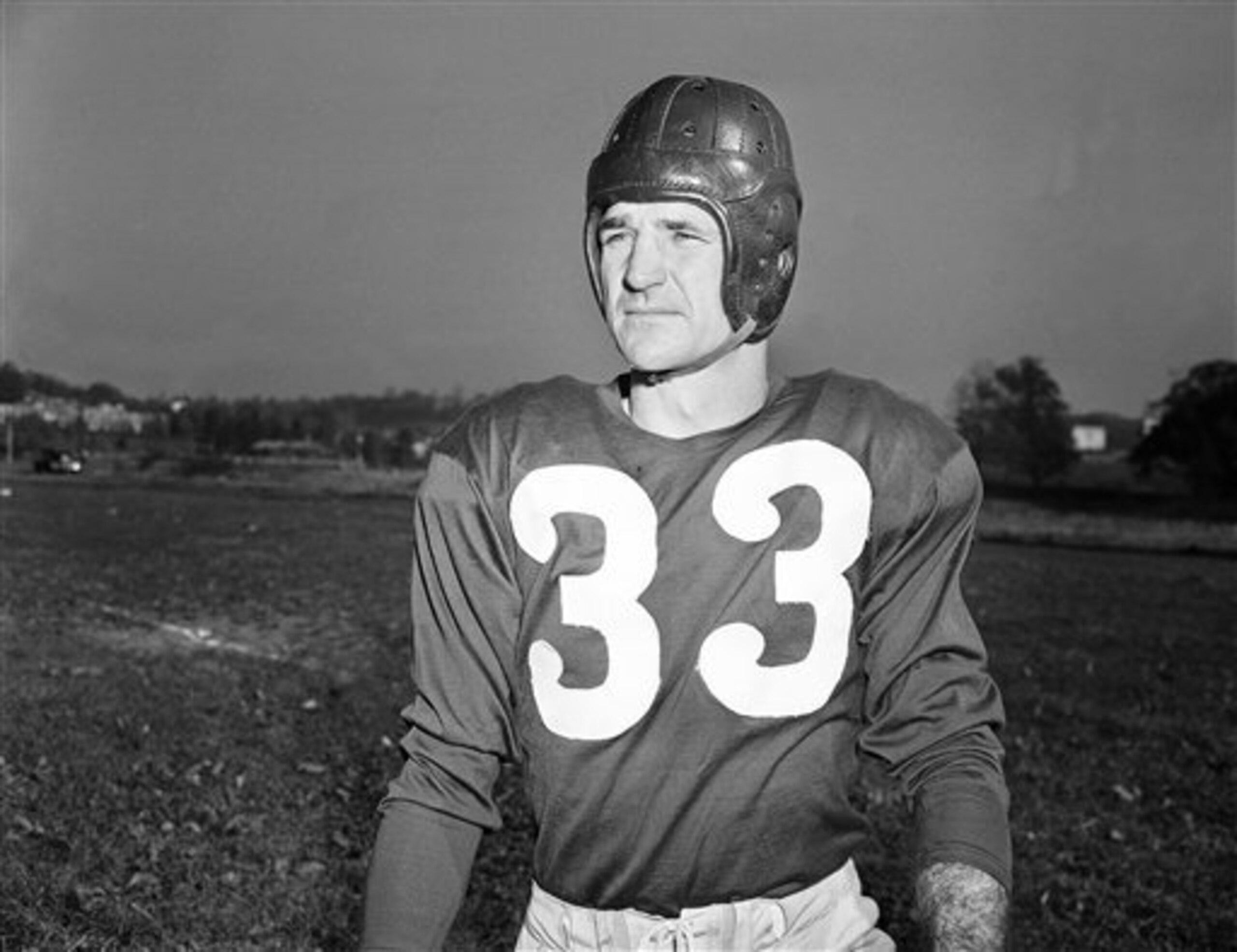
Sammy Baugh, QB
Years at TCU: 1934-36
Years in NFL: 1937-52
Long before the NFL became a passing league, Sammy Baugh was doing his best to promote the forward pass and aerial attacks.
He led the league in yardage four times in his 16-year career, including as a rookie with the Washington Redskins, his only team. Two of those seasons saw him go for more than 2,000 yards, and he won the league's Player of the Year award in both 1947 and 1948 as a result.
Besides throwing with acumen, Baugh was also a standout defensive back and punter for the Redskins. He averaged more than 45 yards on his kicks and also had an NFL-best 11 interceptions in 1943.
Tennessee
51 of 65
Peyton Manning, QB
Years at Tennessee: 1994-97
Years in NFL: 1998-present
As the player who may well go down as the greatest in NFL history, at least from a statistical standpoint, Peyton Manning is unquestionably Tennessee's most accomplished pro. Even if he hadn't chose to return to the game after missing the entire 2011 season because of neck surgery, he'd have already cemented himself as the best Volunteer ever.
Drafted first overall by the Indianapolis Colts in 1998, Manning started every game for 13 seasons and had at least 3,700 yards every time. He set the single-season record for touchdowns with 49 in 2004, a record that Tom Brady would later break, and threw for a then-career-high 4,700 yards in his final season with the Colts in 2010.
After being released by Indianapolis, Manning signed with the Broncos and has put together three prolific seasons in Denver. In 2013 he broke Drew Brees' single-season yardage record with 5,477 and reclaimed the touchdown record with 55.
A Super Bowl winner and a five-time MVP, Manning is the all-time leader in touchdown passes (530) and needs 2,148 yards to pass Brett Favre for that career honor.
Texas
52 of 65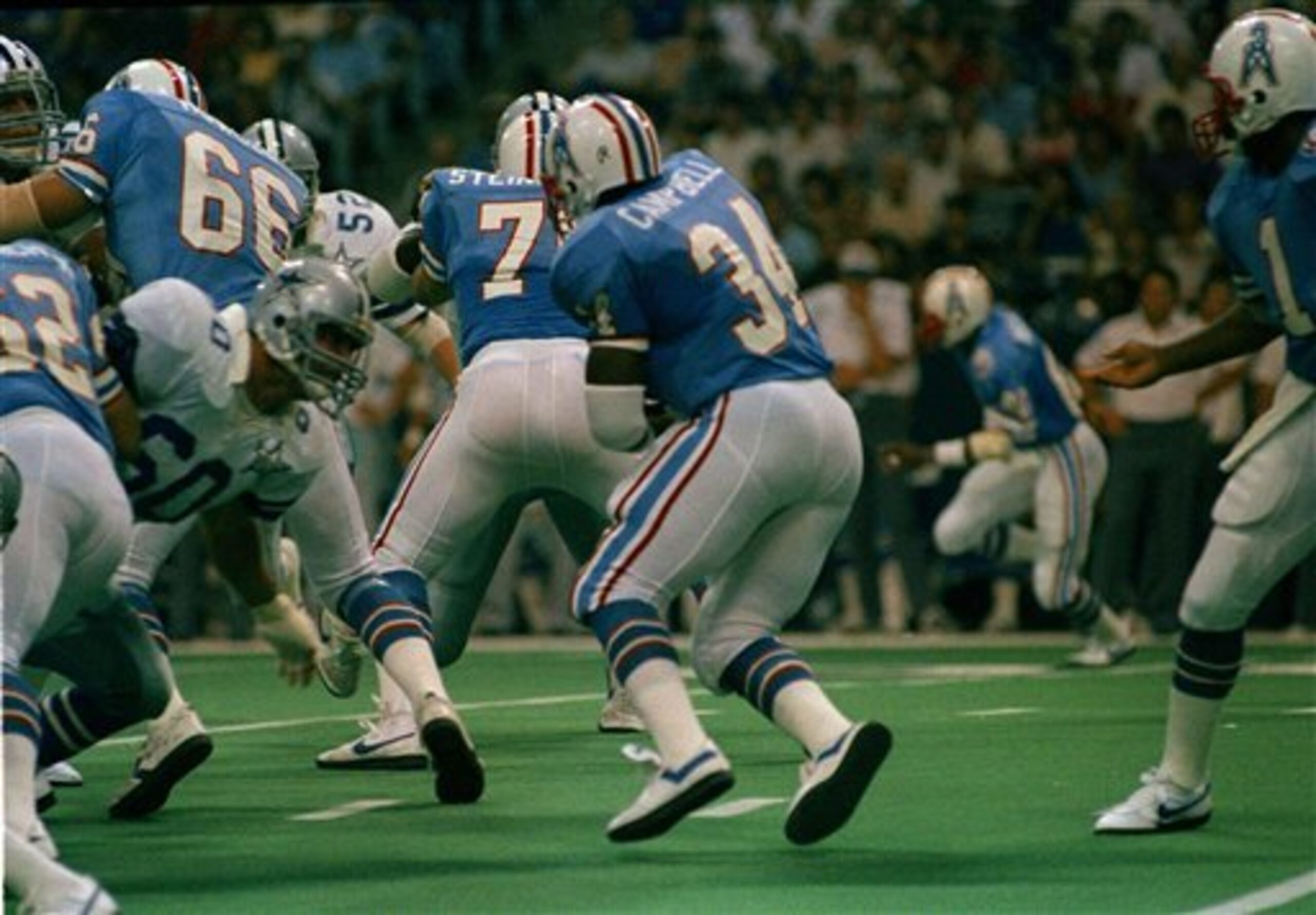
Earl Campbell, RB
Years at Texas: 1974-77
Years in NFL: 1978-85
The start to Earl Campbell's NFL career was as strong as any before him or since, and had he been able to sustain that pace, he might have ended up as the league's all-time rushing leader. Even without longevity, what Campbell did during his eight seasons was more than enough to put him atop Texas' long list of great pros.
Campbell went first overall in the 1978 draft to the Houston Oilers, and that year he dominated with a league-best 1,450 yards to earn Offensive Rookie of the Year and MVP honors. And that was actually the worst of his first three years, all of which he'd lead the NFL in rushing.
He ran for 1,697 yards in 1979 and 1,934 in 1980, and he added outputs of 1,300-plus yards in 1981 and 1983 as well. For his career, Campbell ran for 9,407 yards and 81 touchdowns.
Texas A&M
53 of 65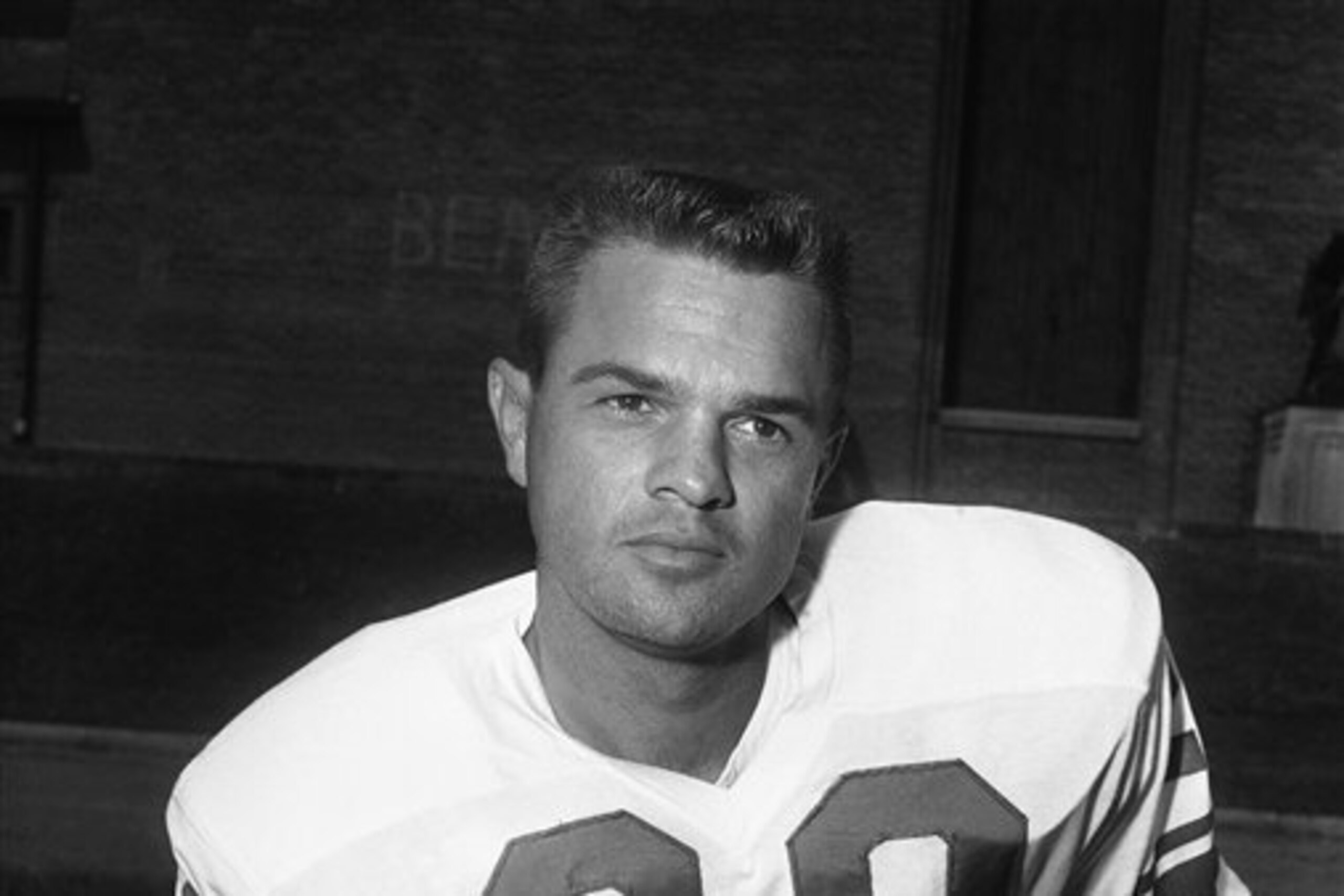
Yale Lary, DB
Years at Texas A&M: 1949-51
Years in NFL: 1952-53, 1957-64
The program resurrection that Kevin Sumlin is undertaking at Texas A&M is already producing some great professional prospects, though none have been around long enough to rank among the best NFL players in school history. When they do, they'll be challenging Yale Lary for the top spot that he's held for more than 50 years.
Lary was a do-everything player for the Detroit Lions for 11 seasons, serving as the punter while also holding down the back line of the defense as a cornerback. He had 50 career interceptions, including eight on two occasions, and he averaged more than 44 yards on his punts.
Lary also returned kicks, bringing back three punts for touchdowns. The nine-time Pro Bowler helped the Lions win a pair of NFL championships in 1953 and 1957.
Texas Tech
54 of 65
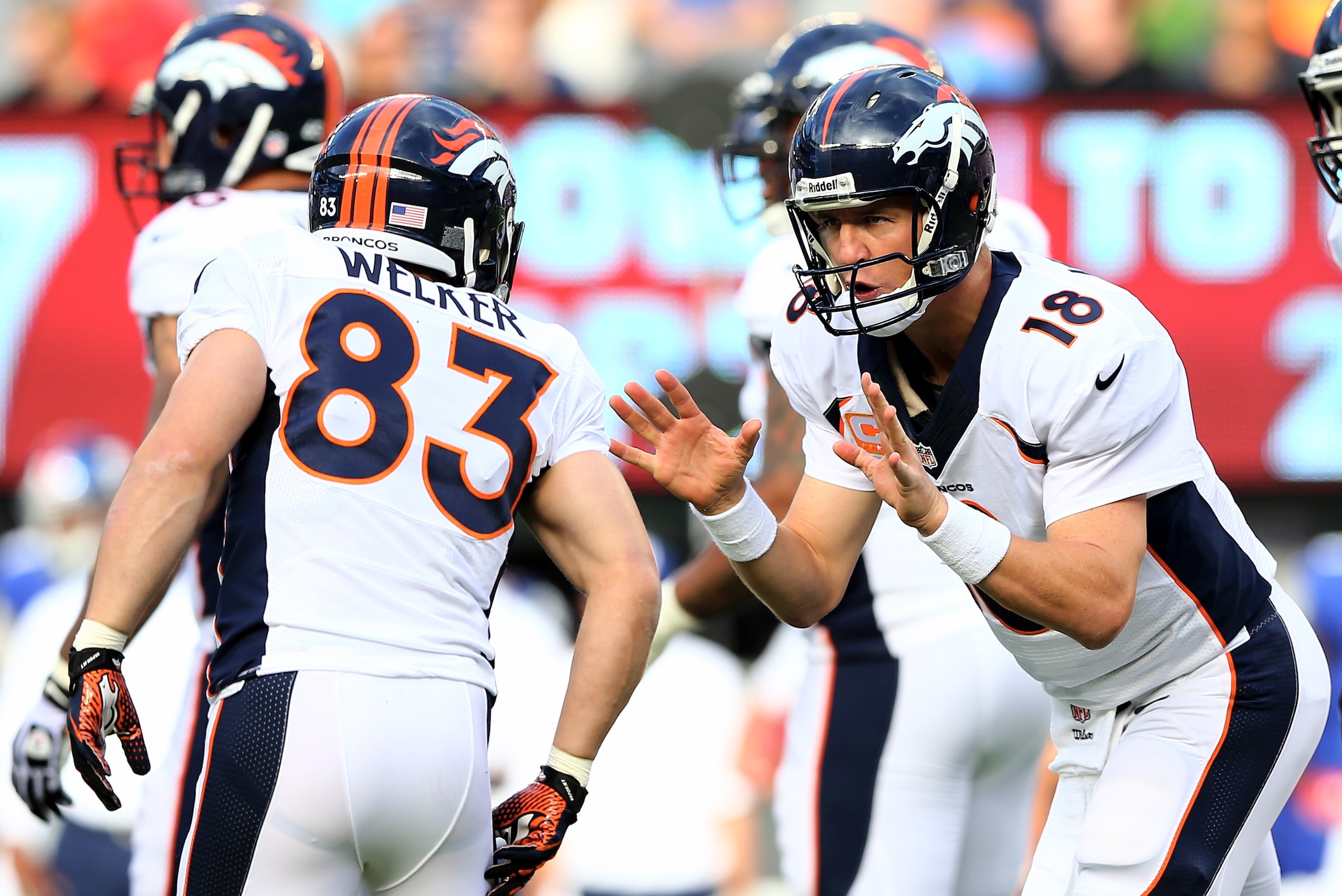
Wes Welker, WR
Years at Texas Tech: 2000-03
Years in NFL: 2004-present
Wes Welker developed a knack for catching everything thrown his way while spending four years in the pass-happy offense at Texas Tech, and this got him primed for a career where he's become one of the most dependable receivers in NFL history.
Welker has caught 100-plus passes in five different seasons, and he enters this season with 890 career receptions, which ranks 20th all-time.
Undrafted after four years with the Red Raiders, Welker signed with the San Diego Chargers but lasted just one game before getting released. The Miami Dolphins picked him up, and though he wasn't used on offense he was a standout as a return specialist.
Welker got his shot as a receiver in 2005, but it wasn't until 2007 with the New England Patriots that he turned into a top target with 112 catches. He averaged 112 receptions in his six seasons with the Patriots and spent the past two years with the Denver Broncos. He's currently a free agent.
UCLA
55 of 65
Troy Aikman, QB
Years at UCLA: 1986-88
Years in NFL: 1989-2000
If not for a broken ankle that ended his sophomore season of college, Troy Aikman might have ended up being Oklahoma's greatest NFL player. Instead, after 1985 he transferred to UCLA and following a redshirt year he led the Bruins to 20 wins in his two seasons.
This resulted in the Dallas Cowboys drafting him first overall in 1989, and Aikman was thrust right into the fire on a team that would go 1-15 that year. But in 1990 the turnaround began, and before his career was over Aikman had been at the helm of three Super Bowl titles.
He finished his 12-year run with 32,942 passing yards and 165 touchdowns, and he joined the Hall of Fame in 2006.
USC
56 of 65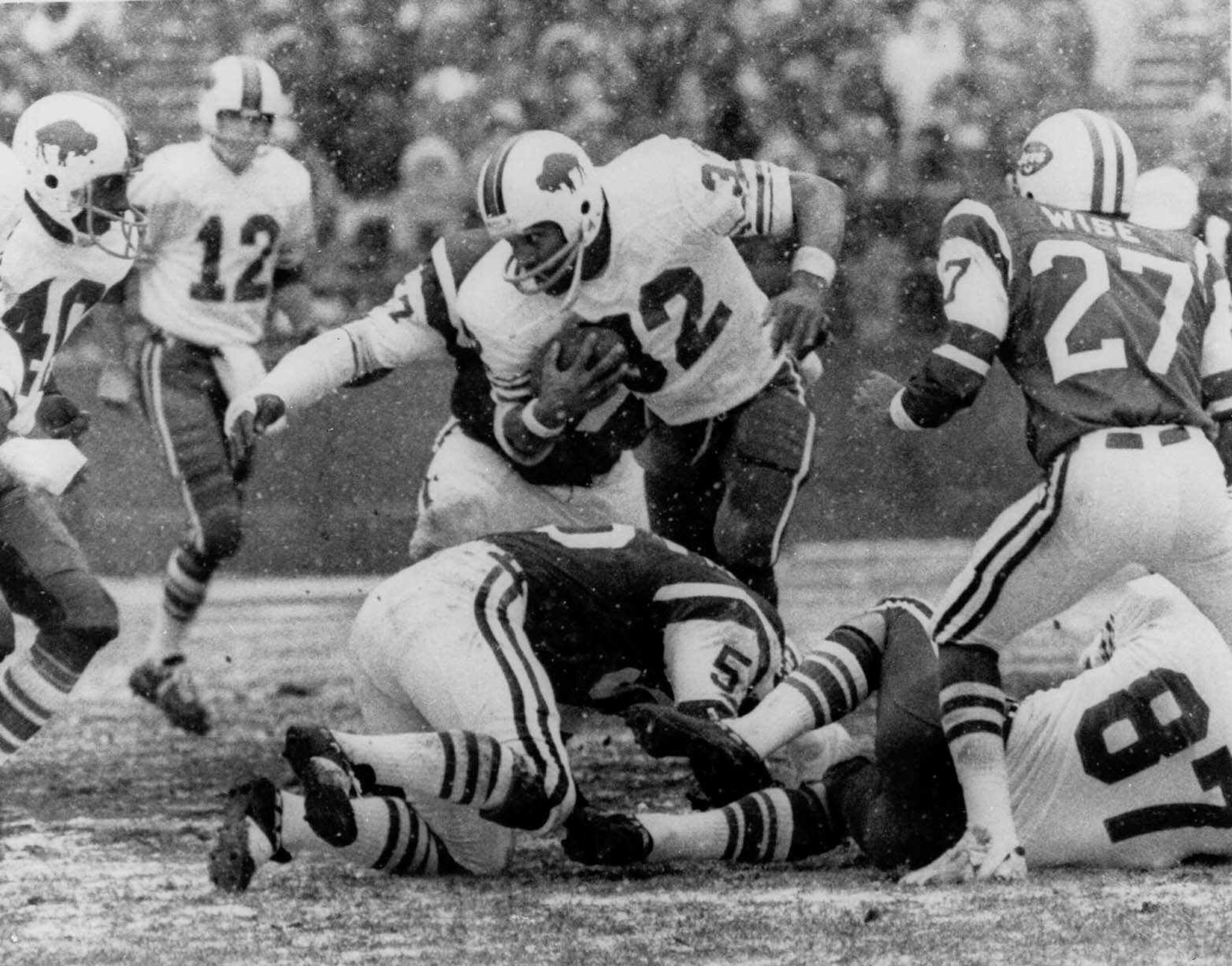
O.J. Simpson, RB
Years at USC: 1967-68
Years in NFL: 1969-79
O.J. Simpson was out of football by the time he was 32, but not before dominating the league for more than a decade despite being on mostly bad teams.
With only one playoff appearance in 11 seasons, Simpson never had a chance to show off the talents and skills he displayed while leading the NFL in rushing yards four times, in yards from scrimmage three times and in touchdowns twice. Simpson was the first player to top 2,000 yards, gaining 2,003 in 1973 in just 14 games.
Simpson finished with 11,236 career rushing yards, which was second-most at the time, as well as 61 rushing TDs.
Utah
57 of 65
Larry Wilson, DB
Years at Utah: 1956-59
Years in NFL: 1960-72
Utah's football lineage doesn't include many notable NFL players, but Larry Wilson stands out from the pack as the school's lone Hall of Famer and one who was masterful at his position for more than a dozen years.
Wilson intercepted 52 career passes for the St. Louis Cardinals, including a league-leading 10 in 1966, returning five for touchdowns. He also returned a pair of fumbles for TDs and was sent to eight Pro Bowls.
Vanderbilt
58 of 65
Will Wolford, OL
Years at Vanderbilt: 1982-85
Years in NFL: 1986-98
It might not seem that prestigious for a college program's best professional player ever to be an offensive lineman, but Will Wolford wasn't just simply a faceless, nameless blocker. He was one of the most consistent players at his position for more than a decade, starting all 191 games he played for three different teams.
Taken in the first round by the Buffalo Bills in 1986, Wolford started every game at right guard that season. In 1987 he was moved to left tackle, which he played for six more years with the Bills and then three seasons with the Indianapolis Colts. Wolford went on to play guard and tackle for the Pittsburgh Steelers from 1996 to 1998, earning three trips to the Pro Bowl.
Virginia
59 of 65
Ronde Barber, DB
Years at Virginia: 1993-96
Years in NFL: 1997-2012
When it comes to great Virginia players in the NFL ranks, it all comes down to one family. Both Ronde and Tiki Barber were standouts for the Cavaliers and then in the pros, but Ronde wins out in this battle of twin brothers because he played far longer and never saw his skills diminish.
Ronde Barber became a starter for the Tampa Bay Buccaneers midway through his second year, and he never left the lineup. All told, he started 232 games including 215 in a row, the most ever by a defensive back.
Barber was part of the Bucs' Super Bowl-winning team in 2002 and finished his career with 47 interceptions, leading the NFL with 10 in 2001.
Virginia Tech
60 of 65
Bruce Smith, DE
Years at Virginia Tech: 1981-84
Years in NFL: 1985-2003
The NFL's all-time sack leader spent most of his career playing in 3-4 alignments, which aren't conducive to defensive linemen registering quarterback takedowns. But that didn't stop Smith, who during his 19-year career had 200 sacks and had at least 10 in 13 different seasons.
Smith also forced more than 40 fumbles while playing for the Buffalo Bills and Washington Redskins, and he was sent to the Pro Bowl 11 times in a 12-year span.
Though he never won a title, Smith was a big reason Buffalo made four consecutive Super Bowls between 1990 and 1993.
Wake Forest
61 of 65
Bill George, LB
Years at Wake Forest: 1948-51
Years in NFL: 1952-66
The long lineage of great linebackers in Chicago Bears history includes Wake Forest's best NFL player ever, as Bill George was in effect a predecessor to Dick Butkus, Brian Urlacher and others.
George played 14 of his 15 seasons with the Bears, logging 159 outings and was effective as a pass-rusher, run-stopper and defensive back. He had 18 career interceptions and 19 fumble recoveries, and after getting named to eight Pro Bowls, he was inducted in the Hall of Fame in 1974.
Washington
62 of 65
Warren Moon, QB
Years at Washington: 1976-77
Years in NFL: 1984-2000
Warren Moon ranks seventh all-time in passing yards in the NFL, a ranking that would have been far higher had he not spent the first six years of his pro career playing in the Canadian Football League. He headed north after not getting drafted out of college, and following five Grey Cup titles he signed with the Houston Oilers and began a prolific career in a second league.
Moon started 139 games in 10 seasons with the Oilers, including back-to-back seasons with nearly 4,700 passing yards to lead the NFL in 1990-91. He went on to start for the Minnesota Vikings and Seattle Seahawks and then ended his career as a backup with the Kansas City Chiefs.
With 49,325 passing yards in the NFL and 21,228 yards in the CFL, Moon's total yardage would put him second on the NFL's all-time list behind Brett Favre.
Washington State
63 of 65
Drew Bledsoe, QB
Years at Washington State: 1990-92
Years in NFL: 1993-2006
While Washington State has become synonymous with prolific passing under current coach Mike Leach, this has been an established area for the program for decades. And the best quarterback to come out of Pullman, at least from an NFL standpoint, is Drew Bledsoe.
He spent 14 years with three NFL teams, starting 193 games and throwing for more than 44,000 yards and 251 touchdowns. He led the New England Patriots to the Super Bowl after the 1996 season and might have done so again in 2001 had he not been injured early that year, which led to Tom Brady starting his Hall of Fame career.
Bledsoe moved to the Buffalo Bills in 2002 and spent three years there and then was with the Dallas Cowboys for two seasons.
West Virginia
64 of 65
Darryl Talley, LB
Years at West Virginia: 1979-82
Years in NFL: 1983-1996
With more than 1,100 tackles in 12 seasons with the Buffalo Bills, Darryl Talley is that franchise's all-time tackle leader. He was such a beloved player with fans he had his own cheering section, known as the Talley-Whackers.
Talley was part of all four of the Bills' Super Bowl appearances between 1990 and 1993, and he was sent to a pair of Pro Bowls.
Wisconsin
65 of 65
J.J. Watt, DE
Years at Wisconsin: 2009-10
Years in NFL: 2011-present
With only four years of NFL experience, J.J. Watt might be hard-pressed to make the top of many colleges' list for best pro players. But he's done so much in those four seasons that he's far and away the best Badger to play in the NFL, though fellow alum Russell Wilson of the Seattle Seahawks will continue to challenge him over the next few years.
Watt has been the anchor of the Houston Texans defensive line since getting drafted 11th overall in 2011. He's twice topped 20 sacks in a season and has developed into the game's best at batting down passes at the line of scrimmage—hence his nickname, J.J. Swat. This past season he took things to another level by scoring five touchdowns including three on offense.
Statistics provided by Pro-Football-Reference.com, unless otherwise noted.
Follow Brian J. Pedersen on Twitter at @realBJP.

_0.png?w=2560)

.jpg?w=2560 "NFL investigating 2 referees for separate viral exchanges")
.jpg?w=2560 "Love's Body Already 'Tired'")
.jpg?w=2560 "OBJ Calls Out Giants 😳")
.jpg?w=2560 "Ward Nearly Walks Out of Presser ▶️")