
2026 NBA Free Agency Predictions for Every Team
NBA free agency will be here before you know it, and it's time to lay out our best guesses as to what will go down for all 30 teams.
This offseason figures to pack plenty of intrigue, as very few organizations have the cap space to go on spending sprees. If you think that's going to limit the chaos, you have another thing coming.
If anything, the lack of multiple cap-space players increases the odds of tricky sign-and-trades, clever extension structures and hotly contested bidding wars involving the midlevel exception. Limited resources produce creative thinking, and we're going to see a ton of it in July.
Let's scan the league and forecast at least one move in every team's free-agency future.
Atlanta Hawks: Friskiness Is Coming
1 of 30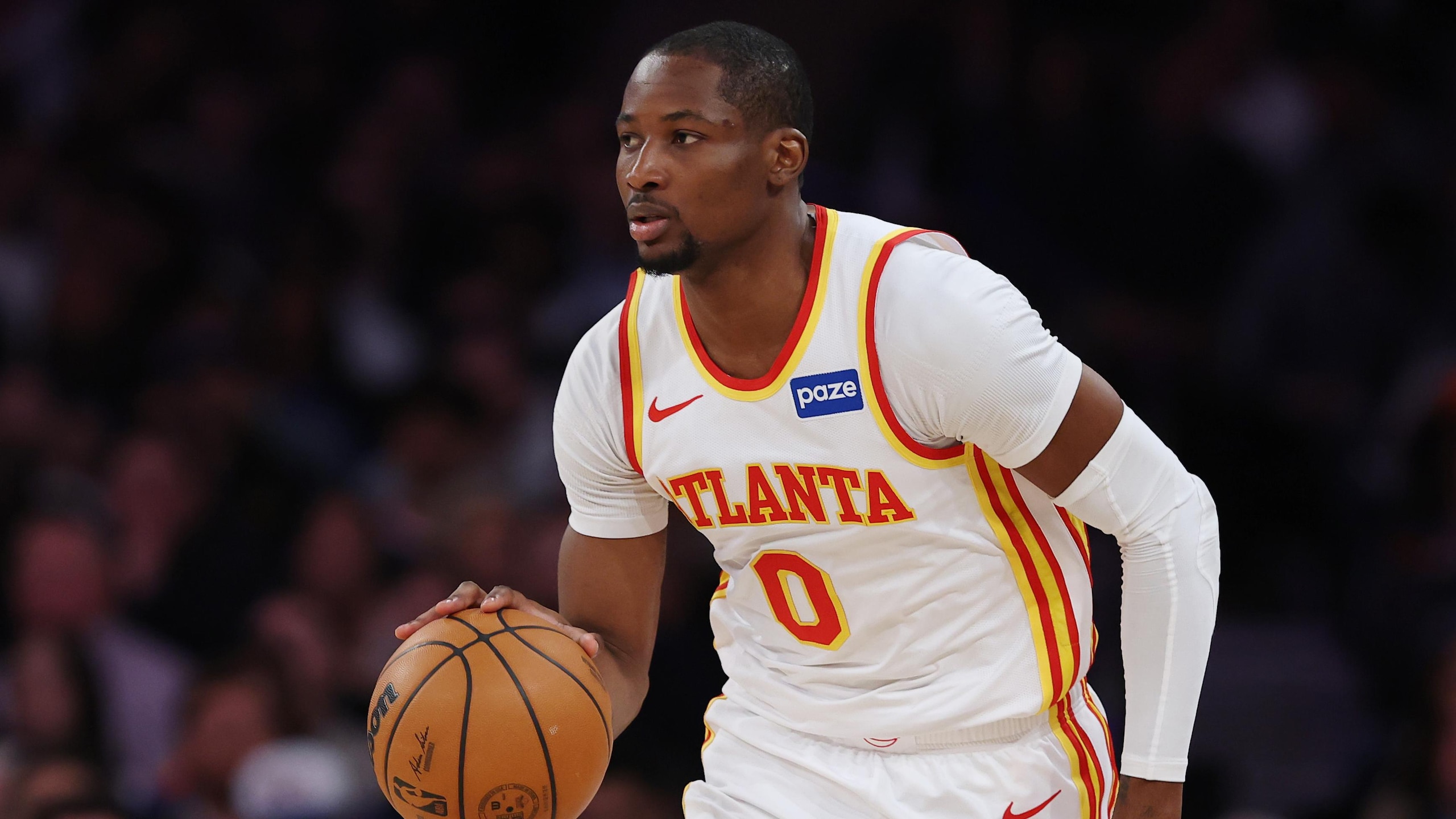
Everybody knows the Brooklyn Nets, Chicago Bulls and Los Angeles Lakers are going to be the cap-space players this offseason, but a couple of other teams have the ability to enter that particular chat.
The Atlanta Hawks profile as one of the most intriguing.
By declining Jonathan Kuminga's team option, paying only the $3 million portion of Buddy Hield's salary that is fully guaranteed and renouncing rights on their other free agents, the Hawks can clear about $29 million in room under the cap. That may not seem like much, but with so many other teams limited to the midlevel exception as their prime talent-acquisition tool, having roughly twice that amount in spending power means a little more.
Note, too, that freed-up cap space can also facilitate unbalanced trades. So if a superstar becomes available, the Hawks can insert themselves into just about any bidding war they want.
Though far from a guarantee, Atlanta's potential to get frisky is worth keeping an eye on.
Boston Celtics: Neemias Queta Will Not Cash In...Yet
2 of 30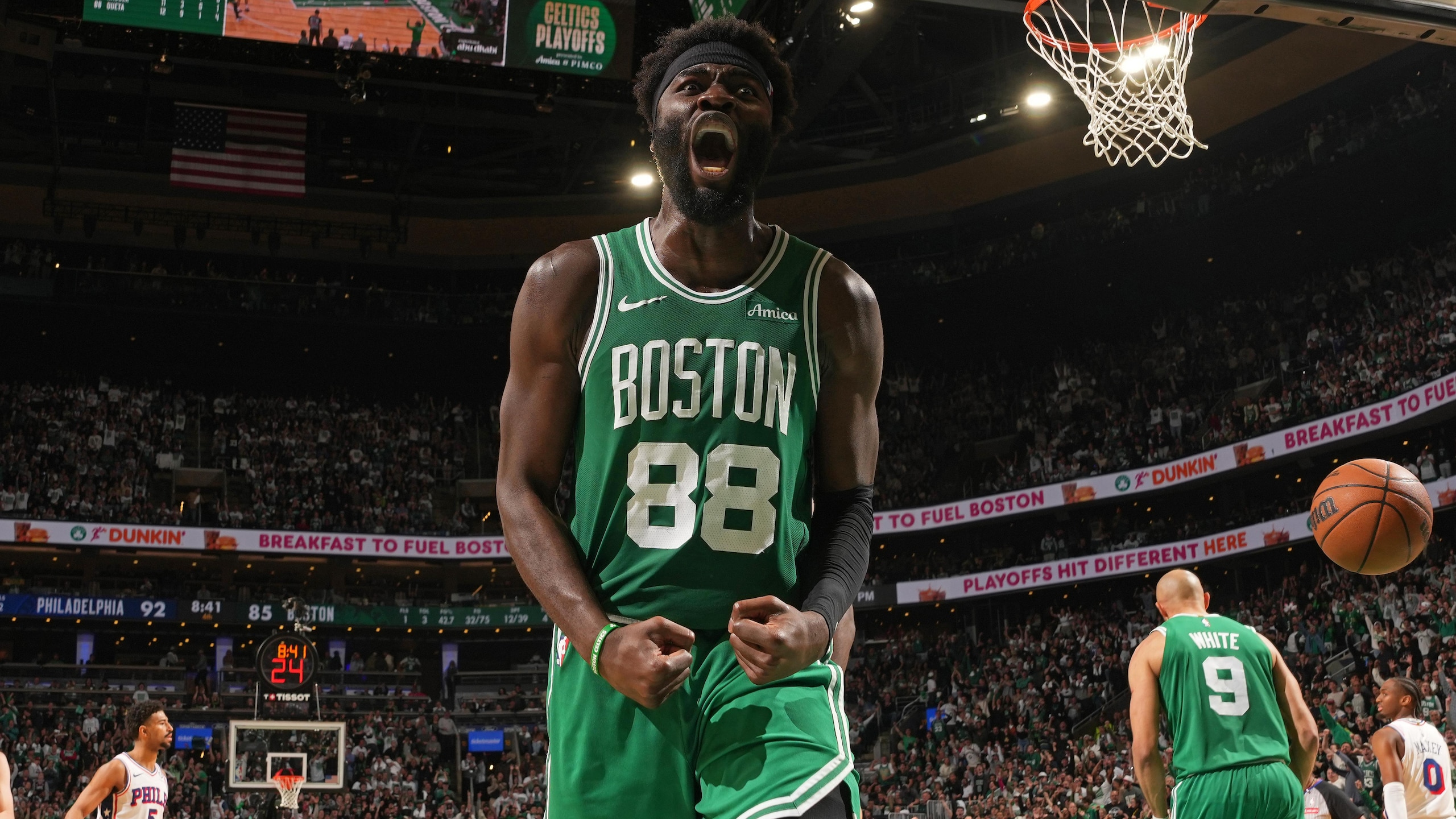
This is a very specific prediction, as Boston Celtics center Neemias Queta could ink an extension that pays him substantially more than the $2.7 million he'll collect via a team option in 2026-27.
All we're saying is that Boston is highly likely to pick up that team option. Doing so would assure Queta's return while potentially keeping the team out of the tax.
The Celtics could decline the option and negotiate a new deal using Queta's Bird rights, but boosting his salary next year would be a mistake. Better to lock in that $2.7 million figure and work out an extension that starts in the 2027-28 campaign. Though he'll have to wait for the first major payday of his career, Queta can get up to four years and $92.8 million if Boston goes this route.
The tricky part here is that the Celtics may not view Queta as their first-unit center of the future. That means his extension probably won't touch the upper limits of his allowed range, and that Boston could spend a good chunk of free agency looking for someone to start ahead of him.
Brooklyn Nets: They'll Tender an Offer Sheet
3 of 30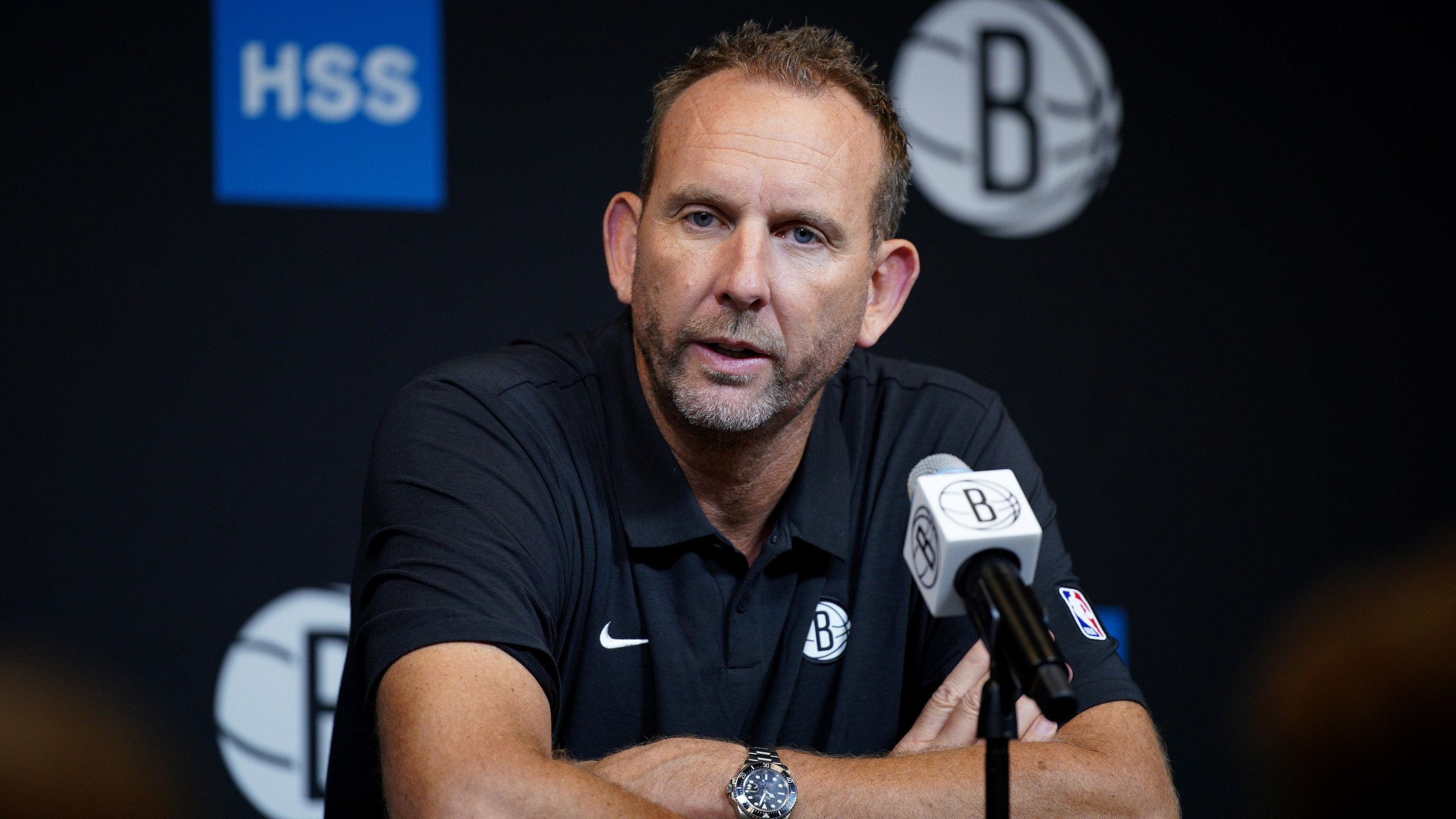
This is definitely a bold prediction given the rarity of offer sheets these days, but the Brooklyn Nets seem more likely than most to buck the trend.
Restricted free agents like Jalen Duren, Tari Eason, Walker Kessler and Peyton Watson should all be on notice.
Not since the Utah Jazz handed Paul Reed an offer sheet in the summer of 2023 (which the Philadelphia 76ers matched) has a team tried to add a free agent this way. That's mainly because offer sheets tie up your cap space for 48 hours, which is an eternity during free agency. The market can dry up and other opportunities can slip away during the waiting period.
The Nets project to have as much as $47.9 million in room under the cap and are enough of a blank slate to regroup if another team matches their offer sheet. Worst case, Brooklyn can adopt backup plans like using its flexibility to absorb salary via trade or taking its pick in a market environment that should feature lots of bargains for teams capable of spending above the midlevel.
Offer sheets are a gamble, but the Nets can afford the risk.
Charlotte Hornets: Coby White Will Get $20 Million in AAV
4 of 30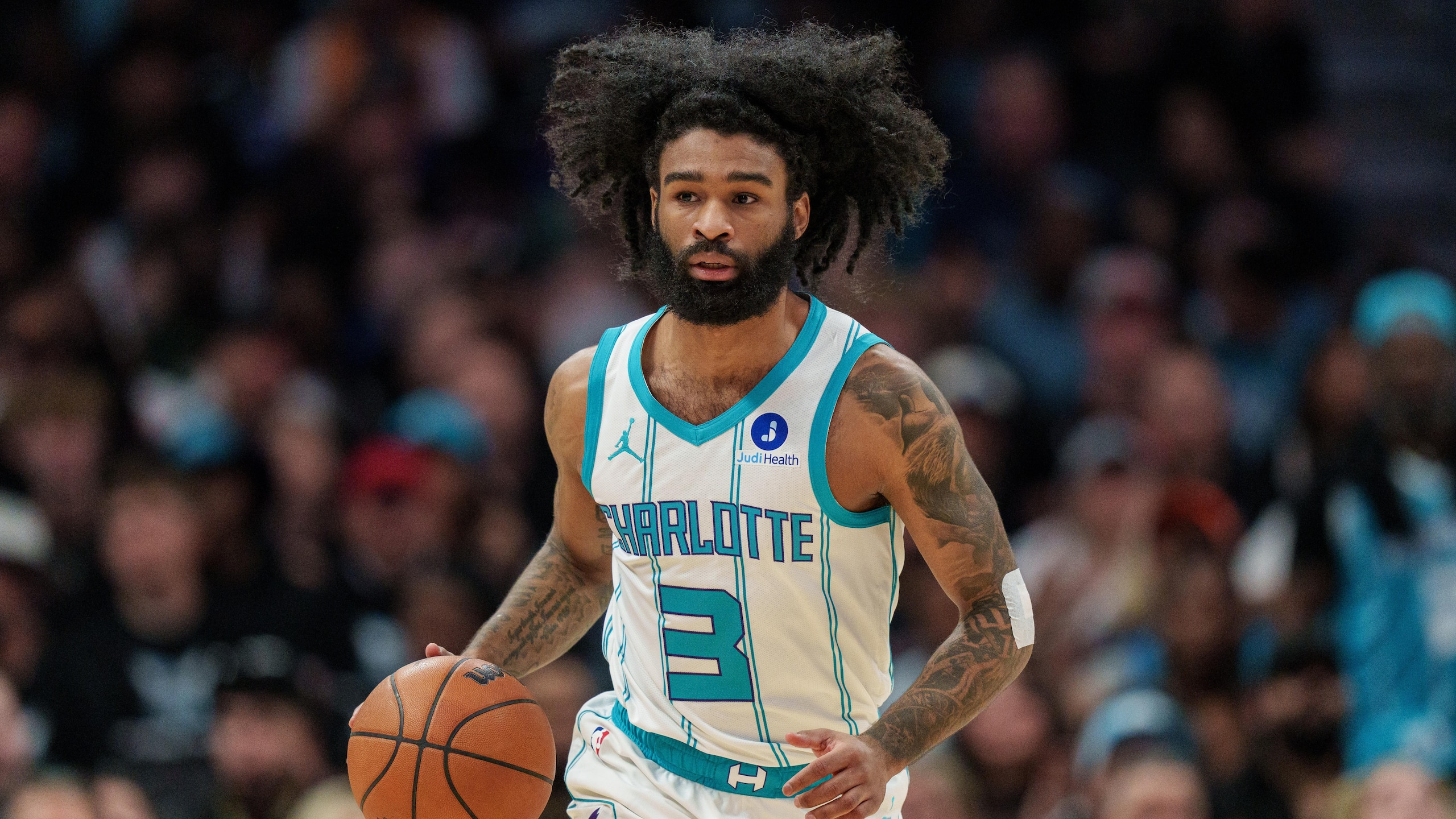
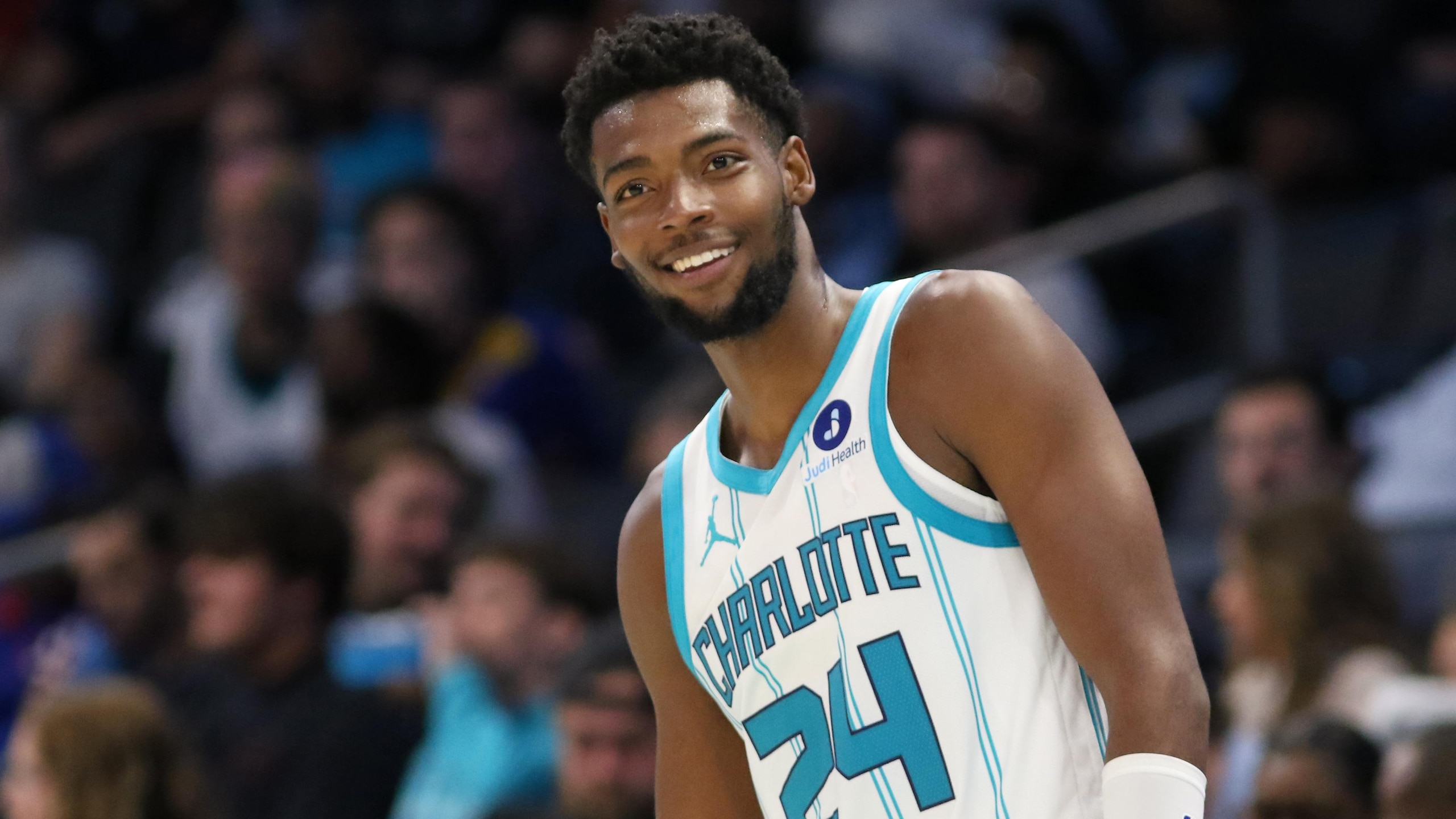
ESPN's Bobby Marks would offer Coby White three years and $54 million, which seems like a bargain rate for a starting-caliber guard in the middle of his prime.
That projection reflects several market forces pushing White's earning power downward, not the least of which being most teams' inability to offer more than the midlevel exception, which starts at $15.1 million and can run for up to four years.
White, though, is hugely valuable to the Charlotte Hornets, who saw him hit the biggest shot of their season in the Play-In when he drilled a game-saving three from the left corner against the Miami Heat. Some might argue White is a luxury on a team that already has a ton of offensive firepower in LaMelo Ball, Kon Knueppel and Brandon Miller, but White showed he was closer to a necessity after coming over at the trade deadline.
Lastly, Charlotte should keep White's trade candidacy in mind. Signing him for closer to $20 million per year keeps an ideally sized salary on the books. If it turns out that the Hornets need more help at forward and center, they'll be glad they have White's hypothetically larger contract to balance out a trade.
Chicago Bulls: Purposeful Overpays for Veterans
5 of 30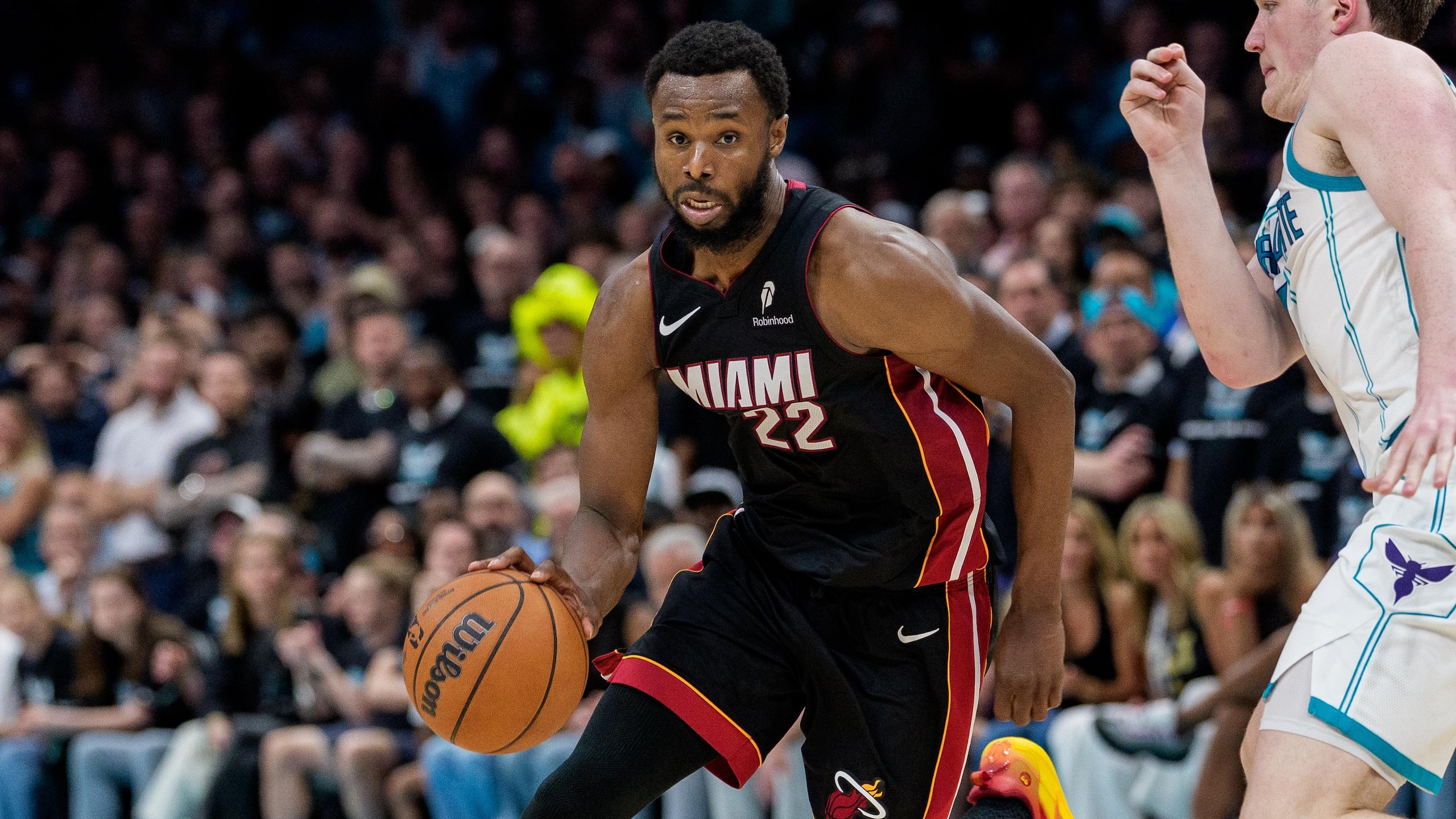
The Chicago Bulls will have more cap space than any other team this summer, but that doesn't mean they'll use that whopping $55 million on a young cornerstone.
That's partly because no such player is going to be available in free agency, but it's also because there's a smarter way for the Bulls to spend their money as they rebuild.
Though they own all of their own future firsts, the Bulls don't have the rights to anybody else's. Those selections are critical to accumulating young talent, and Chicago might be able to acquire some if it signs free agents that good teams might want in a trade.
The plan goes like this: Chicago spends slightly above market value on a short-term deal to bring in someone like Andrew Wiggins and flips him at the deadline for first-round assets and undesirable money. The veteran forward has a player option for $30.2 million, so the Bulls would need to float something like two years and $70 million to get his attention.
Execute that plan with Wiggins or some other combination of slightly cheaper free agents, and Chicago could stock up on the incoming future firsts it lacks.
Cleveland Cavaliers: James Harden Will Get No More Than $40 Million Guaranteed
6 of 30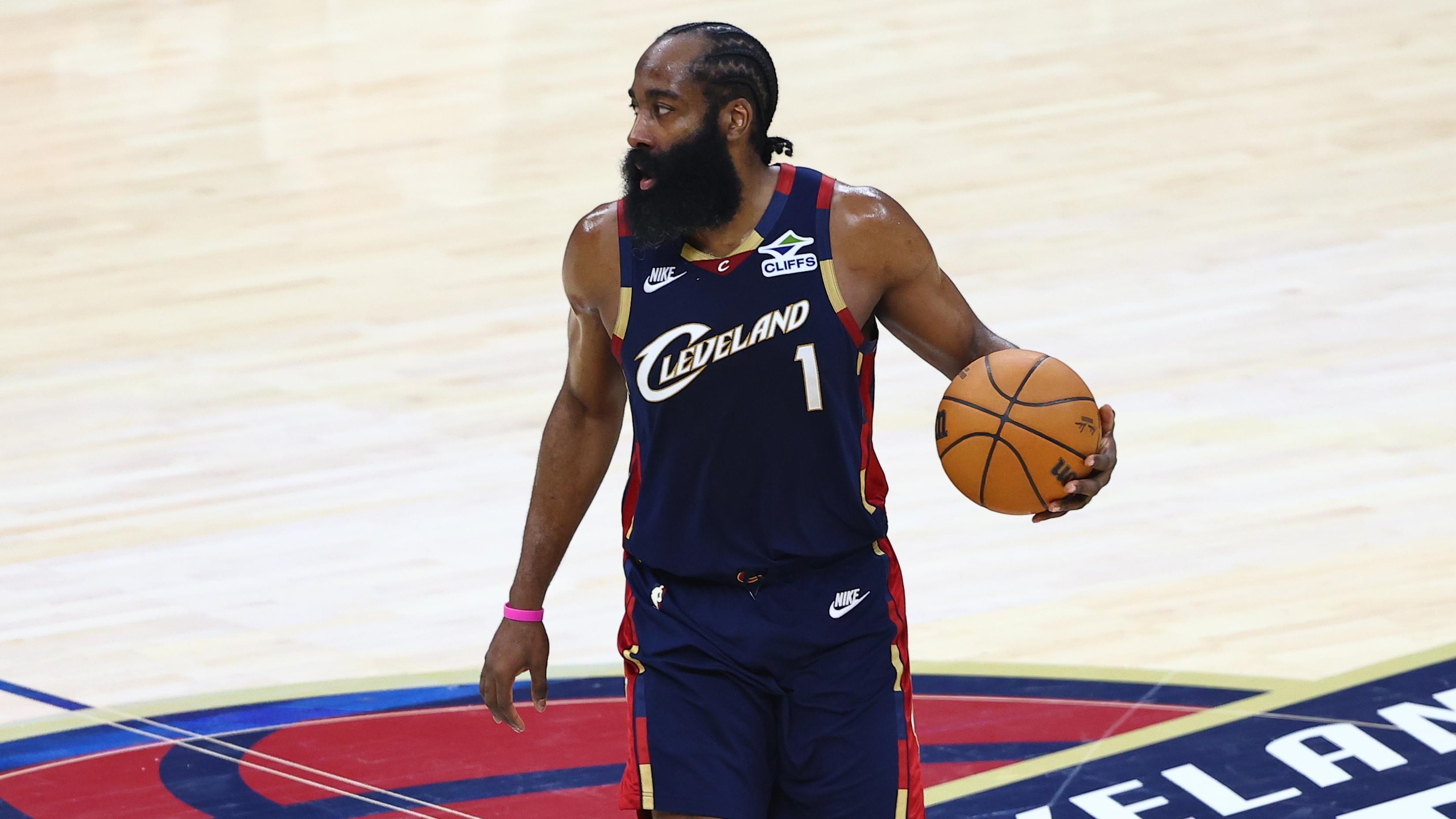
James Harden won't have a lot of leverage when he and the Cleveland Cavaliers discuss his next contract, but he still seems likely to decline his $42.3 million player option for 2026-27 in search of more guaranteed money.
The Cavs can cite his age and playoff (under)performance when offering him a deal that has no more than $40 million in guaranteed money.
Harden can't just threaten to pick up his option and stick the Cavs with a $42.3 million bill because only $13.3 million of his 2026-27 salary is guaranteed. So if he wants to lock in a salary above next year's midlevel, he'll have to play ball and likely accept a structure similar to the two-year deal he signed with the LA Clippers in 2025.
If the Cavs keep Harden's salary at or below $28 million next year, they can duck the second apron. So for this prediction to work out, he'd need to agree to just $12 million in guaranteed money for 2027-28.
Dallas Mavericks: A Khris Middleton Sign-and-Trade
7 of 30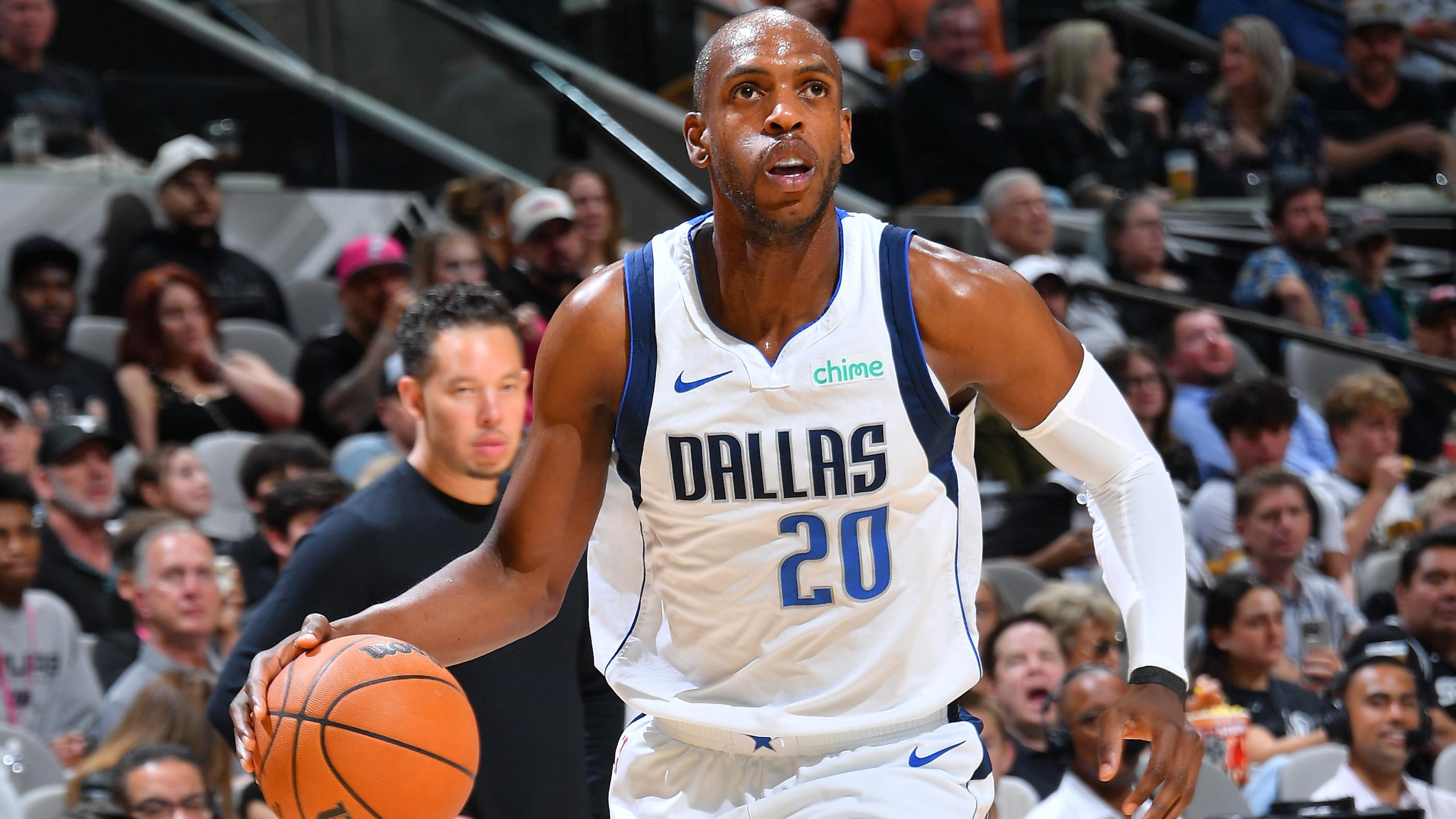
The Dallas Mavericks valued the poise and experience Khris Middleton brought them after the deadline last season, but the 34-year-old certainly isn't part of their long-term plans.
An unrestricted free agent who is still probably worth more than a minimum salary, Middleton could deliver Dallas one last parting gift by cooperating on a sign-and-trade agreement that nets his former team an asset. The three-time All-Star could also benefit by securing a decent salary and choosing his destination, perhaps one that couldn't have afforded to sign him outright.
Middleton is an unrestricted free agent and doesn't have to play ball with the Mavs, but working together on a deal could benefit both parties. At the very least, this route would allow Middleton to play meaningful basketball for a contender without having to settle for a massive pay cut.
Denver Nuggets: The Second Apron Is Unavoidable
8 of 30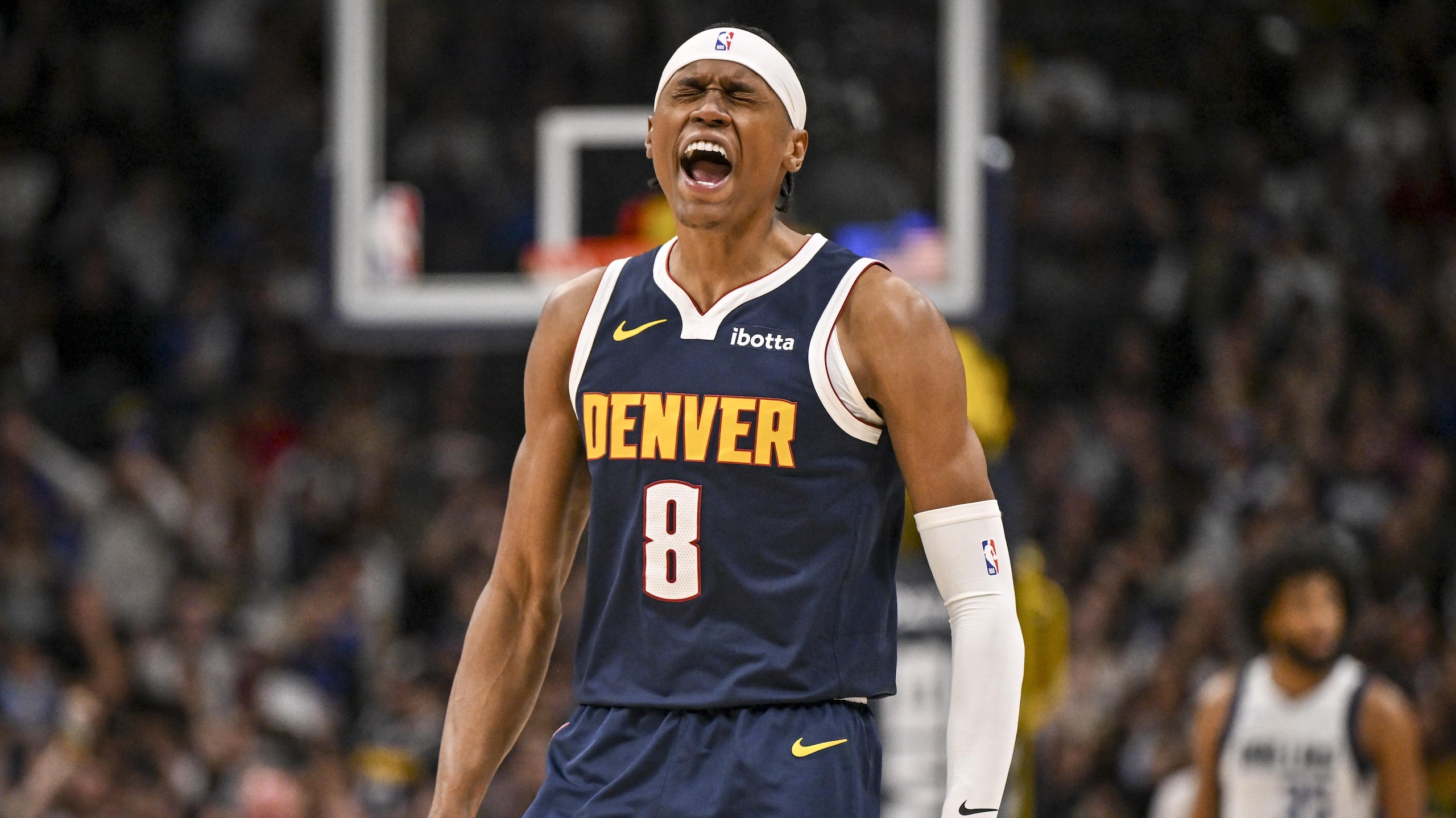
Technically, this prediction isn't accurate. The Denver Nuggets can stay below the second apron if they don't bring Peyton Watson back in restricted free agency.
It's just that letting their best young player walk away for financial reasons would cause a level of pandemonium that is best avoided.
Watson should expect to earn at least $25 million per season after last year's breakout saw him average 14.9 points, hit over half of his corner three-point attempts and flash some intriguing new dimensions on offense. His athleticism and ideal size at the forward spot make him appealing to every team in the league. If only to preserve him as a trade asset, Denver has to fork over whatever it takes to keep him.
For a team that has cut costs while trying to contend in the past, the Nuggets will be out of their comfort zone after retaining Watson. The second apron is no joke. But Denver, itself, would become a laughingstock if it just watched Watson leave.
Detroit Pistons: Jalen Duren Won't Sniff the Max
9 of 30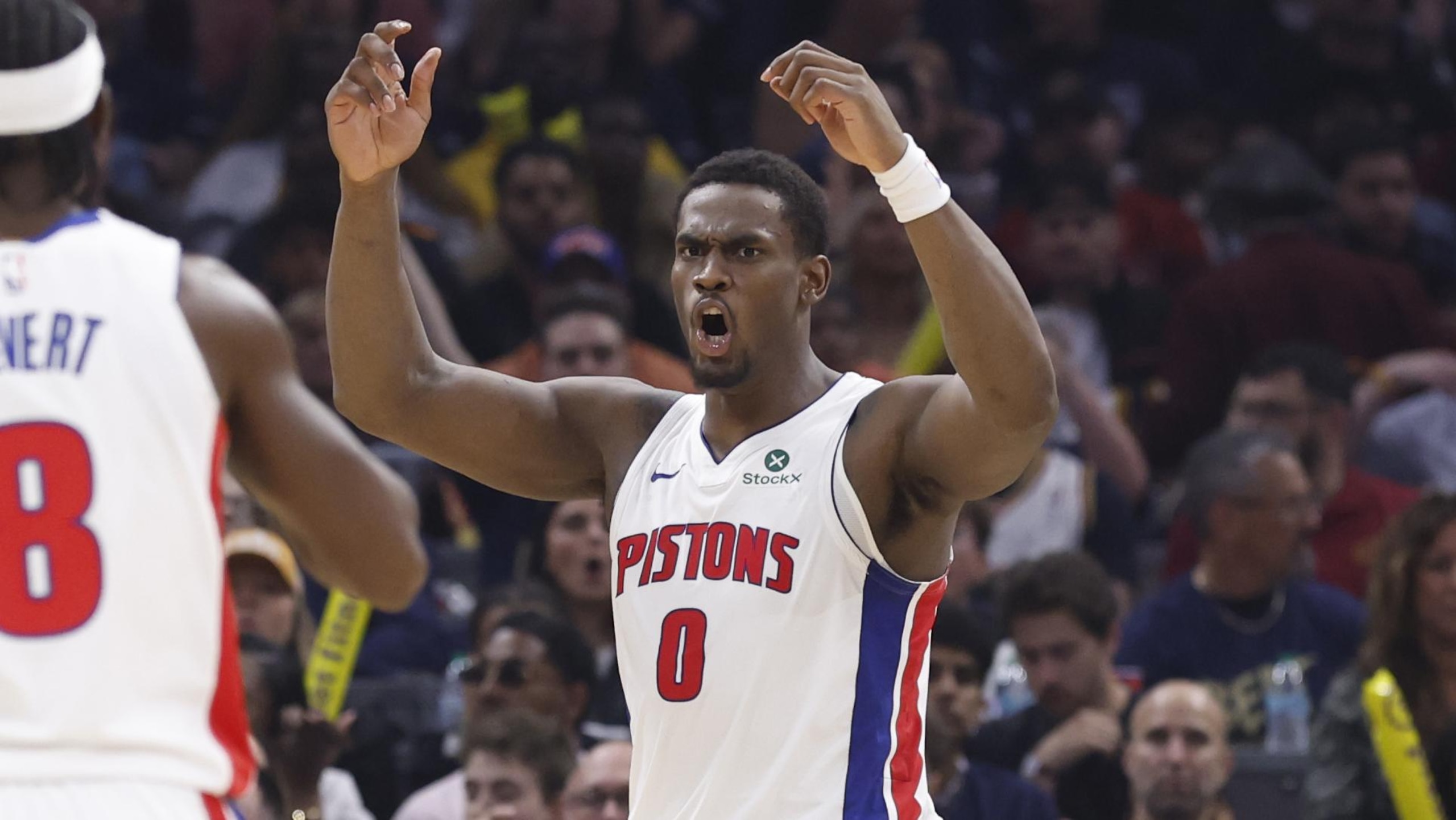
The All-NBA nod made it official: Jalen Duren is now eligible for a five-year deal from the Detroit Pistons worth up to $287.1 million. That figure represents a so-called 30-percent max.
Don't worry, he won't get anywhere near that number.
In fact, this is a bet that Duren also won't come close to what he could have gotten from Detroit without the All-NBA boost, five years and $239 million.
The most another team can offer Duren is four years and $177.4 million, and it's possible the Lakers will kick the tires at that rate. More likely, Duren, in the wake of a hugely disappointing postseason performance, won't even field offers in that range.
Let's put a fine point on it: Duren will get a five-year offer worth $190 million from the Pistons and will have to decide between that or a shorter three-year deal at a slightly higher average annual value, banking on a more favorable market in 2029.
Golden State Warriors: Draymond Green Will Decline His Player Option
10 of 30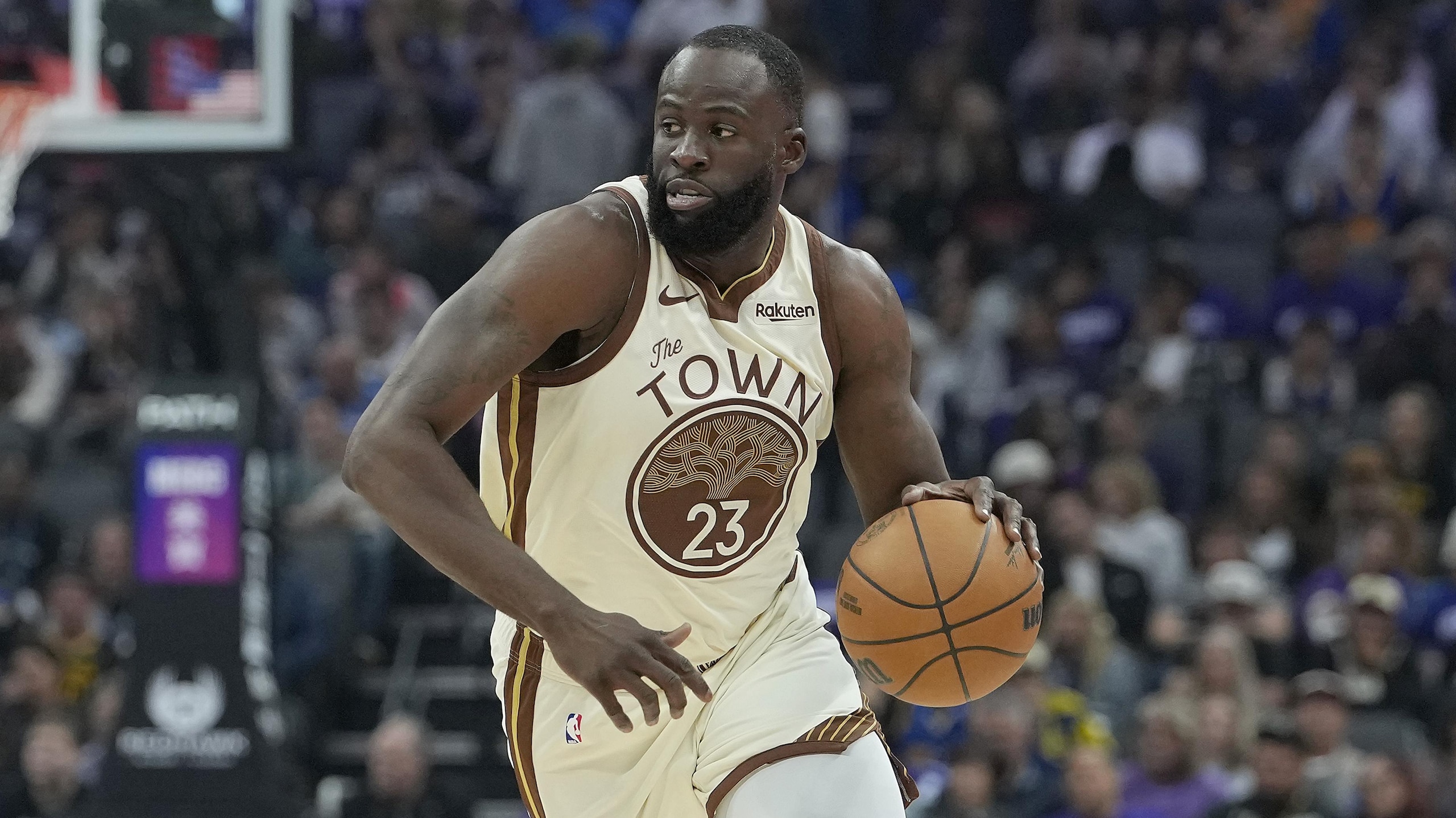
The return of Steve Kerr and the seeming inevitability of another massive short-term extension for Stephen Curry signals the Golden State Warriors, older than ever, are going to give it another run with their once-dynastic core.
That means Draymond Green is probably sticking around, unless a superstar trade opportunity arises that requires him to fill the "outgoing salary" role. It's worth noting that Green wouldn't be trade eligible until six months after signing a new deal.
Green has a $27.7 million player option for 2026-27 that he will likely decline in order to secure at least one more year of guaranteed money. Odds are, the downward trend in his earnings will continue. It's even possible he'll make less than $20 million per year for the first time since 2019-20.
If he agrees to trim enough for next season, the Warriors will be in position to use their full midlevel exception.
Houston Rockets: A Cool Market for Tari Eason
11 of 30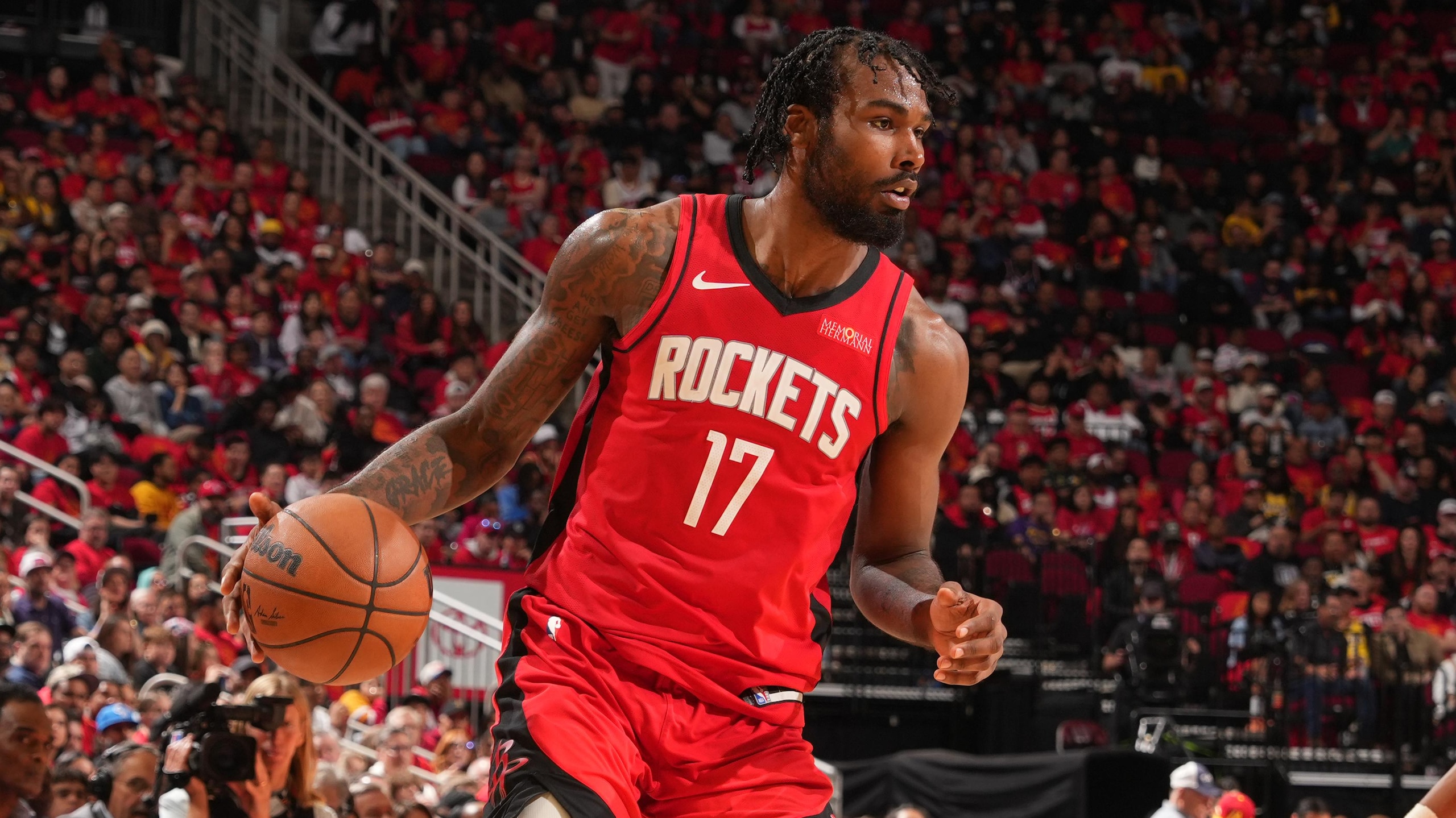
Not all of it was guaranteed, per a report from ESPN's Brian Windhorst, but the $100 million offer Tari Eason got from the Houston Rockets is only going down as the forward enters restricted free agency.
If teams with cap space are considering offer sheets for RFAs, they'll look to Duren, Watson and Walker Kessler first. Eason's own team is already stout defensively and might not be willing to spend big on a defense-first forward whose best attributes are hustle and energy—not scoring.
Add all that up, and Eason, who is already 25, is going to encounter a marketplace that is lukewarm on his services. That doesn't mean he'll have to settle for the minimum or anything so extreme as that, but it wouldn't be surprising to see him back with Houston on a deal that pays him barely more than the midlevel exception.
Eason could turn that deal into a bargain if he enjoys a slight uptick from last year's 35.8 percent from deep or shows more self-sufficiency as a scorer. And if he's convinced none of the available offers are fair, he might even consider the uncommon route of playing on the one-year qualifying offer ahead of unrestricted free agency in 2027.
Indiana Pacers: Won't Use the Non-Tax MLE
12 of 30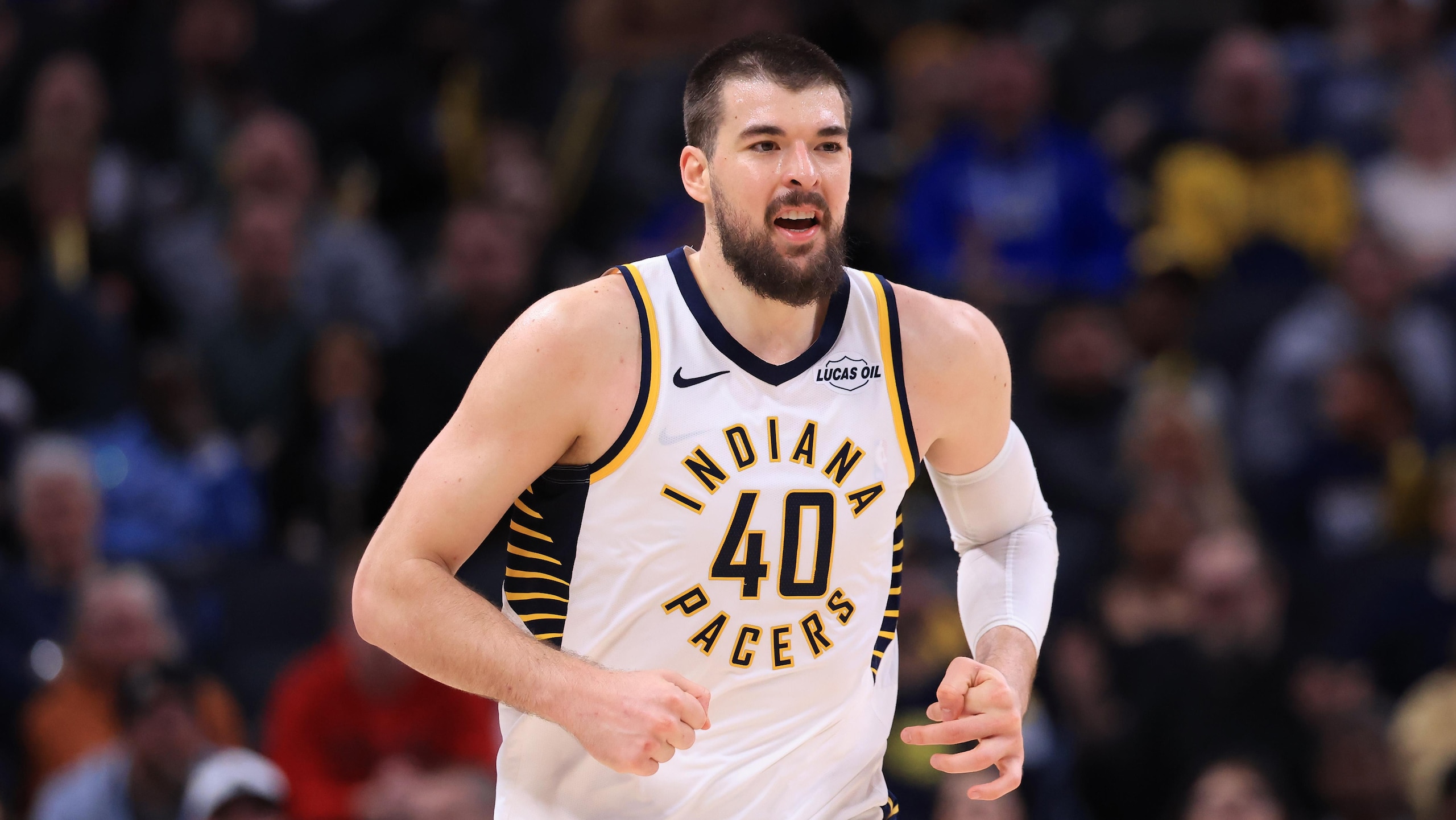
As it stands now, the Indiana Pacers are narrowly below the luxury tax line of $201 million in 2026-27 salary, which means they have access to the $15.1 midlevel exception.
Kind of.
Because using the MLE hard caps a team at the first apron of $209 million, the Pacers are currently limited in how much of that exception they're allowed to use. They could nudge over the tax line and use the mini MLE, which starts at $6.1 million, but it's hard to imagine landing a surefire rotation player with that tool.
Indiana could also dump salaries (looking at you, Jarace Walker and Ben Sheppard) to drop further beneath the tax, opening up the full $15.1 million.
In the end, Indiana's historic aversion to paying the luxury tax makes it hard to imagine it would spend assets to clear space and then use the MLE to climb back above the tax while also hard-capping itself at the first apron. The Pacers' deal for Ivica Zubac sacrificed draft capital and suggested they believe they'll return to contention, but precedent says there's going to be a cap on the team's spending.
LA Clippers: Minimal Long-Term Salary Commitments
13 of 30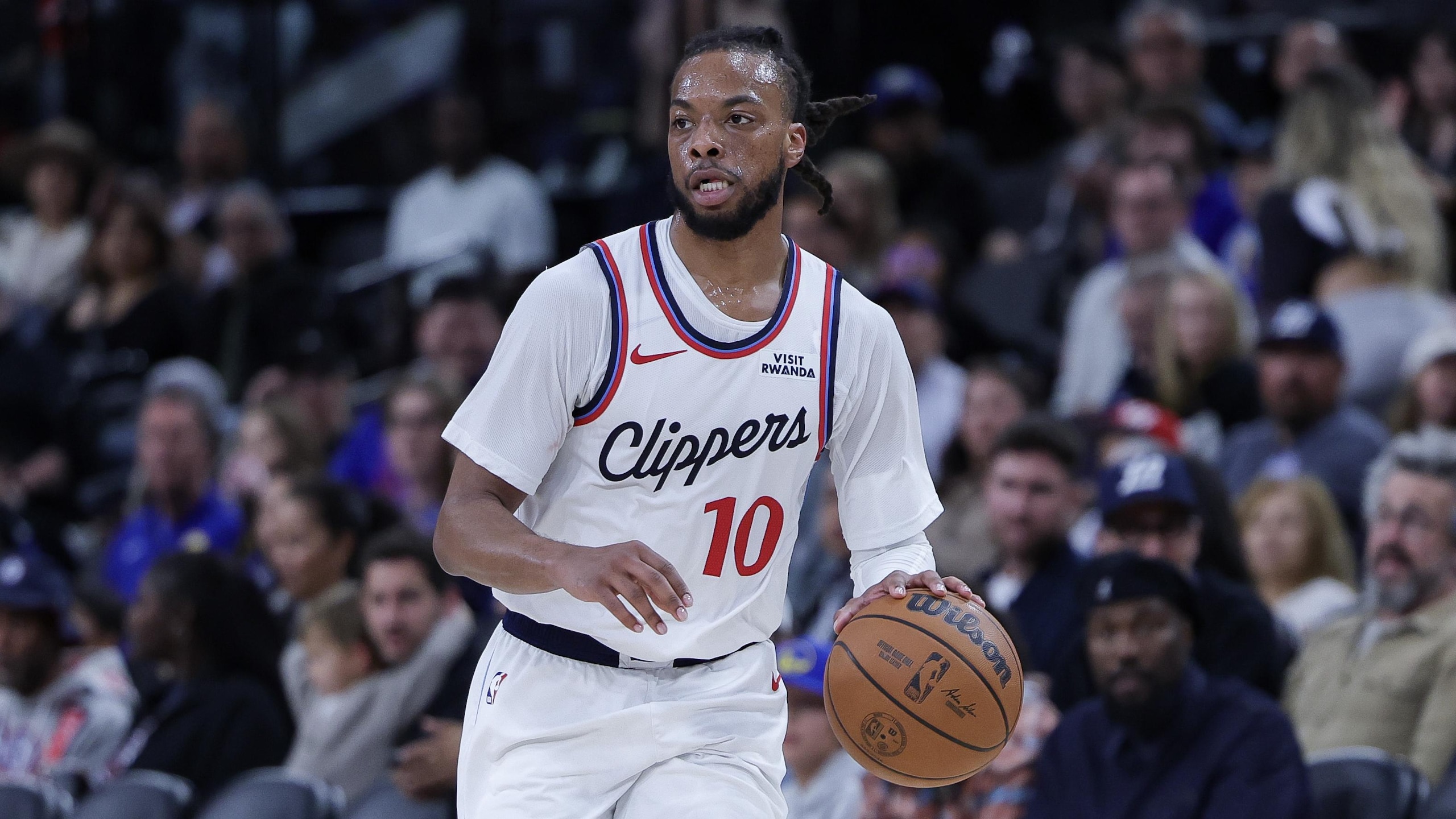
The LA Clippers could enter 2026 free agency with real spending power if they decline team options for several players (Brook Lopez, Bogdan Bogdanović, Nicolas Batum) and renounce rights or waive nonguaranteed salaries elsewhere on the roster.
All told, LA could clear north of $30 million in cap room, minus what they'll have to pay the No. 5 pick in the draft if they keep that selection.
While that path might seem tempting, patience should win out. If the Clips don't make any multi-year commitments via extensions or payroll-increasing trades, they could dominate 2027 free agency with books that include fully guaranteed money for only Darius Garland, Isaiah Jackson and their No. 5 pick. We're talking over $100 million, a virtual blank slate for a big-market team just as it looks to pivot away from the Kawhi Leonard era.
The Clippers could also pick up team options and basically keep the band together with an eye toward adding assets and longer-term salary at the deadline. But that plan would also require onboarding virtually no new commitments this offseason.
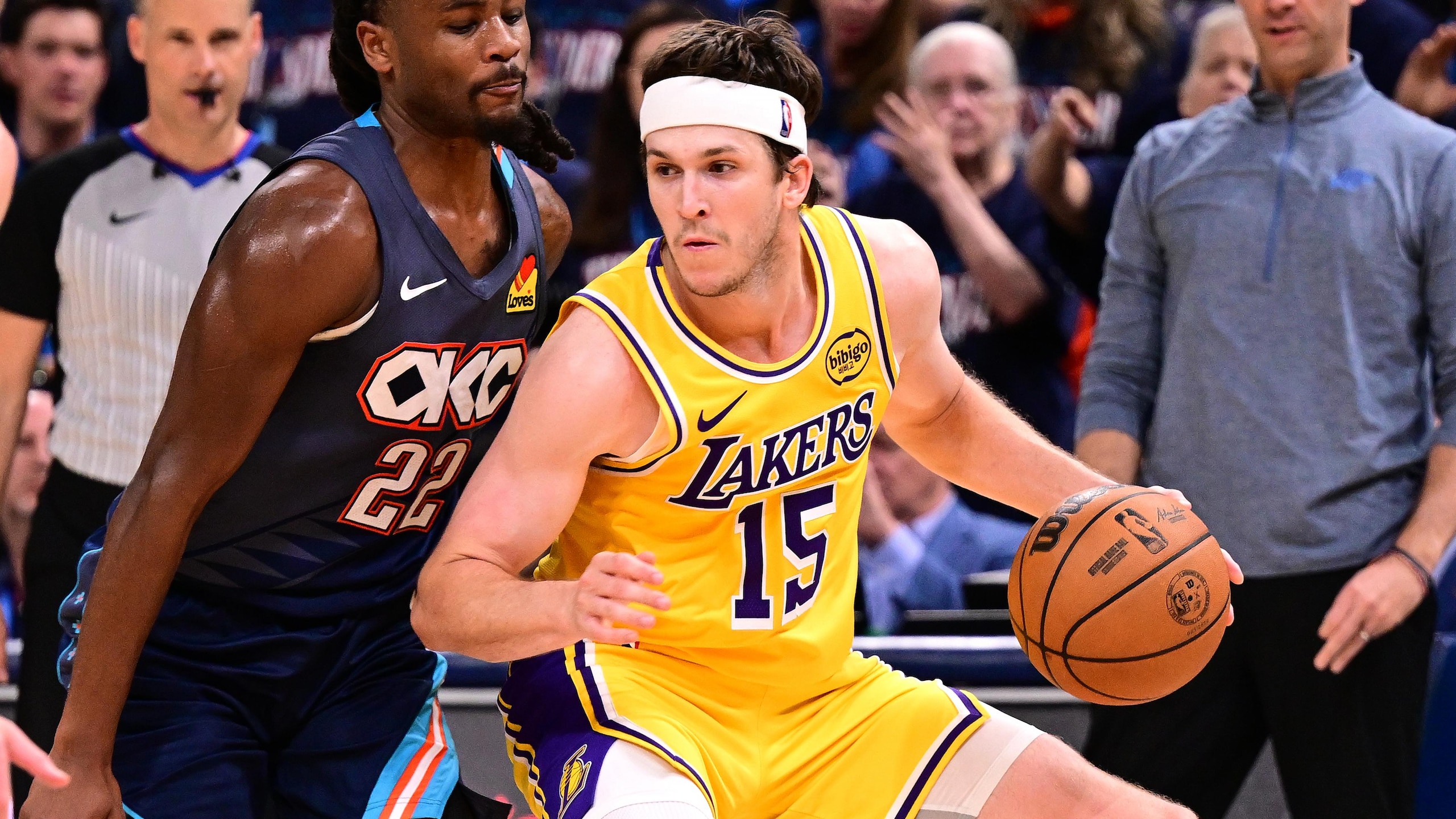
Los Angeles Lakers: Austin Reaves Wins the Offseason
14 of 30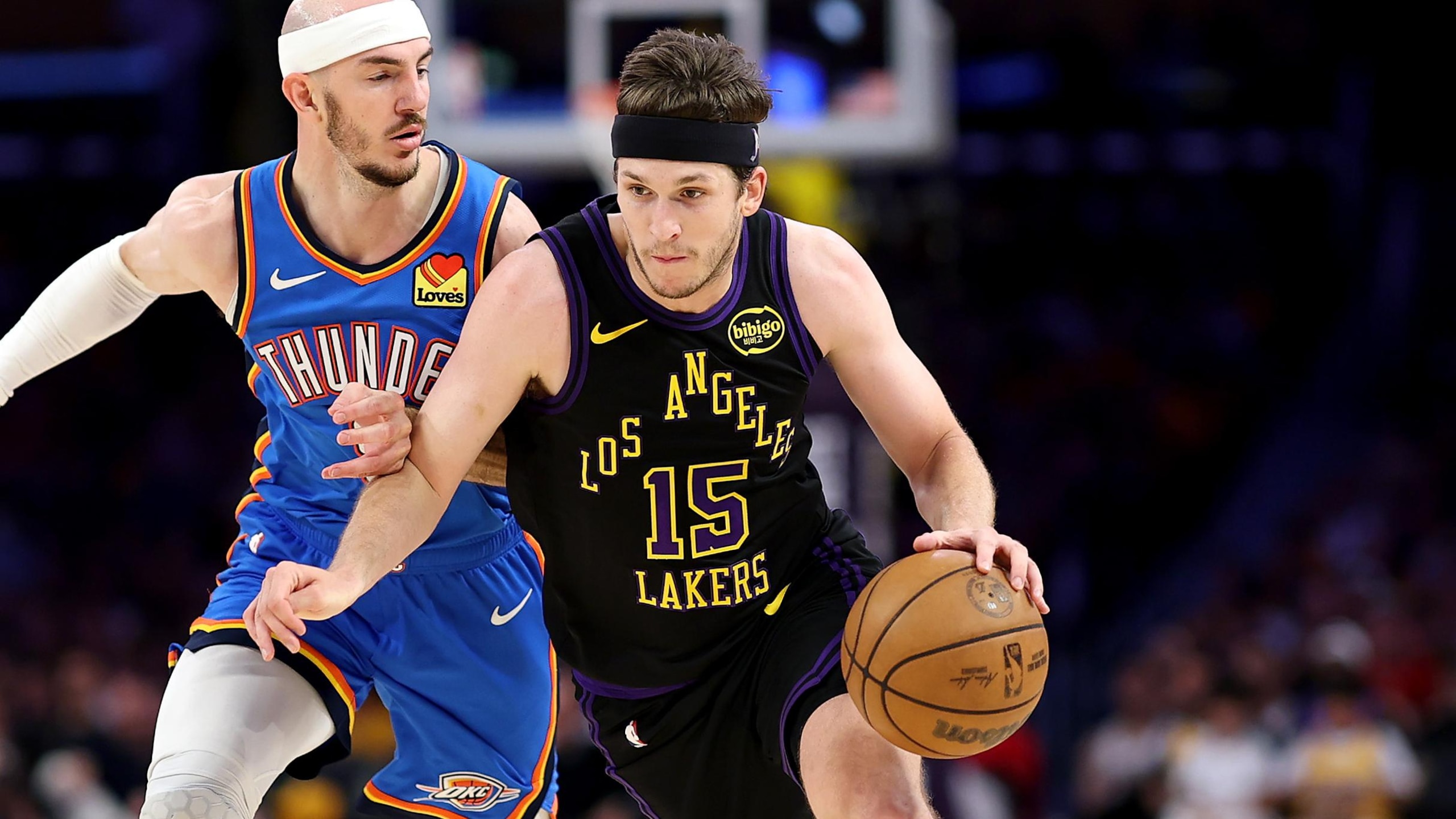
We just went over Duren's diminished earning potential, so Austin Reaves probably won't even need to hit his max to wind up with this offseason's biggest new contract.
Just for reference, the Los Angeles Lakers can give him five years and $241 million, while other teams can offer four years and $178 million. If Los Angeles squeezes him and refuses to pay more than another team could, Reaves is still going to out-earn everyone else on the market if we're sorting by average annual value.
In fact, if Duren really finds it tough to convince the Pistons he's worthy of a second-best-player salary, Reaves could even top him in total contract value.
Coming off averages of 23.3 points, 5.5 assists and 4.7 rebounds, Reaves is a lock to decline his player option and cash in.
Memphis Grizzlies: Will Pick Up GG Jackson's Team Option
15 of 30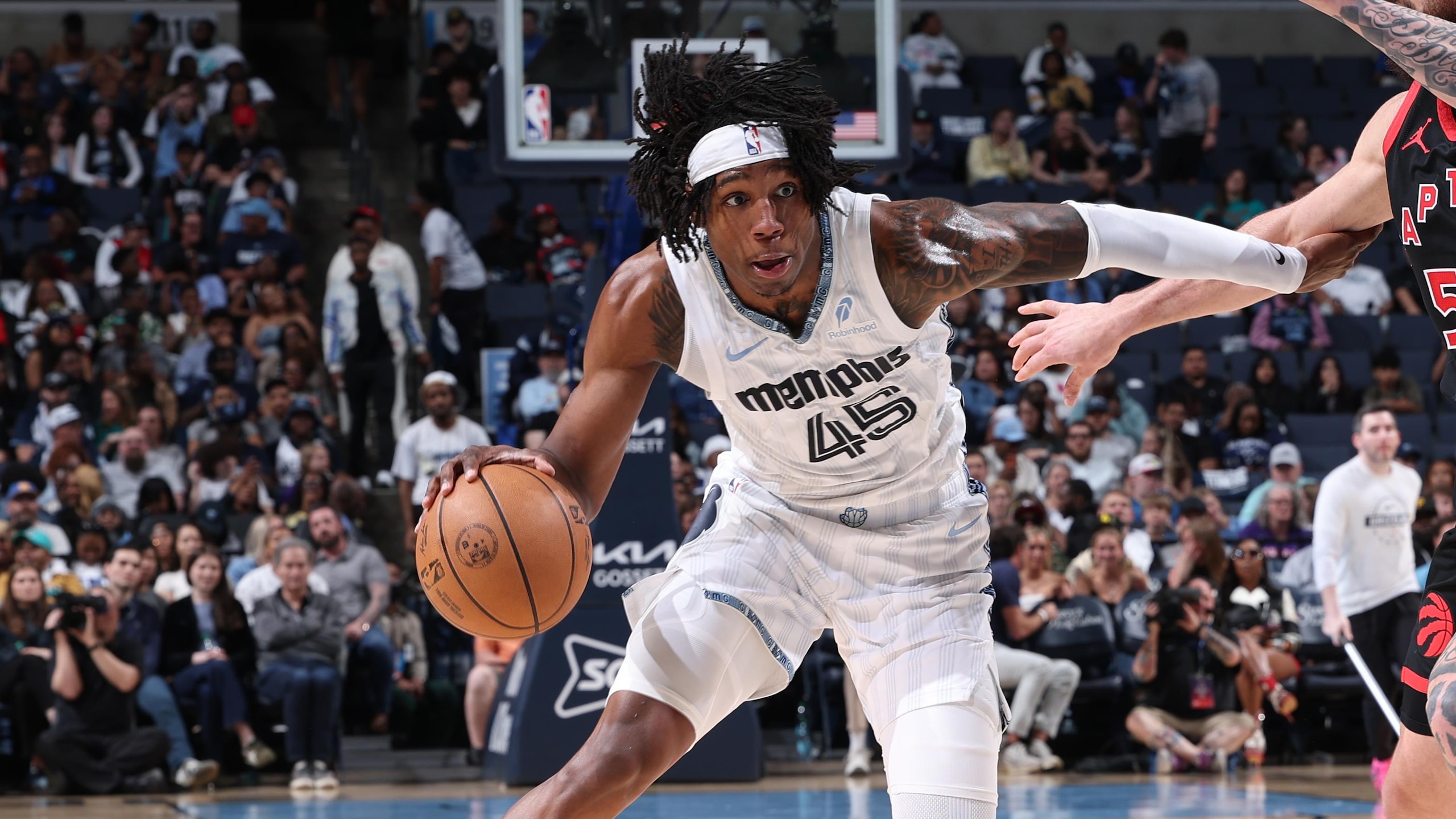
It's not a question of whether the Memphis Grizzlies want to keep GG Jackson around; it's a question of when they want to commit to him on a longer deal.
Memphis could decline its $2.4 million option on Jackson, which would make him a restricted free agent. It'd be an interesting route that would come with matching rights and the potential to lock Jackson up at market rates. The wiser path is probably picking up the option and rewarding Jackson with an extension during the season if he proves worthy of it.
Still just 21 and coming off a season-high 28 starts with a scoring average of 12.5 points, the 6'9" Jackson has immense potential and could even develop into a go-to scoring option. It's too early to say that's a given, though, and the three-year vet is still subject to a few too many lapses in attention on both ends.
That makes picking up the option and waiting to see more progress prior to an extension the smarter move.
Miami Heat: Norman Powell Won't Be Back
16 of 30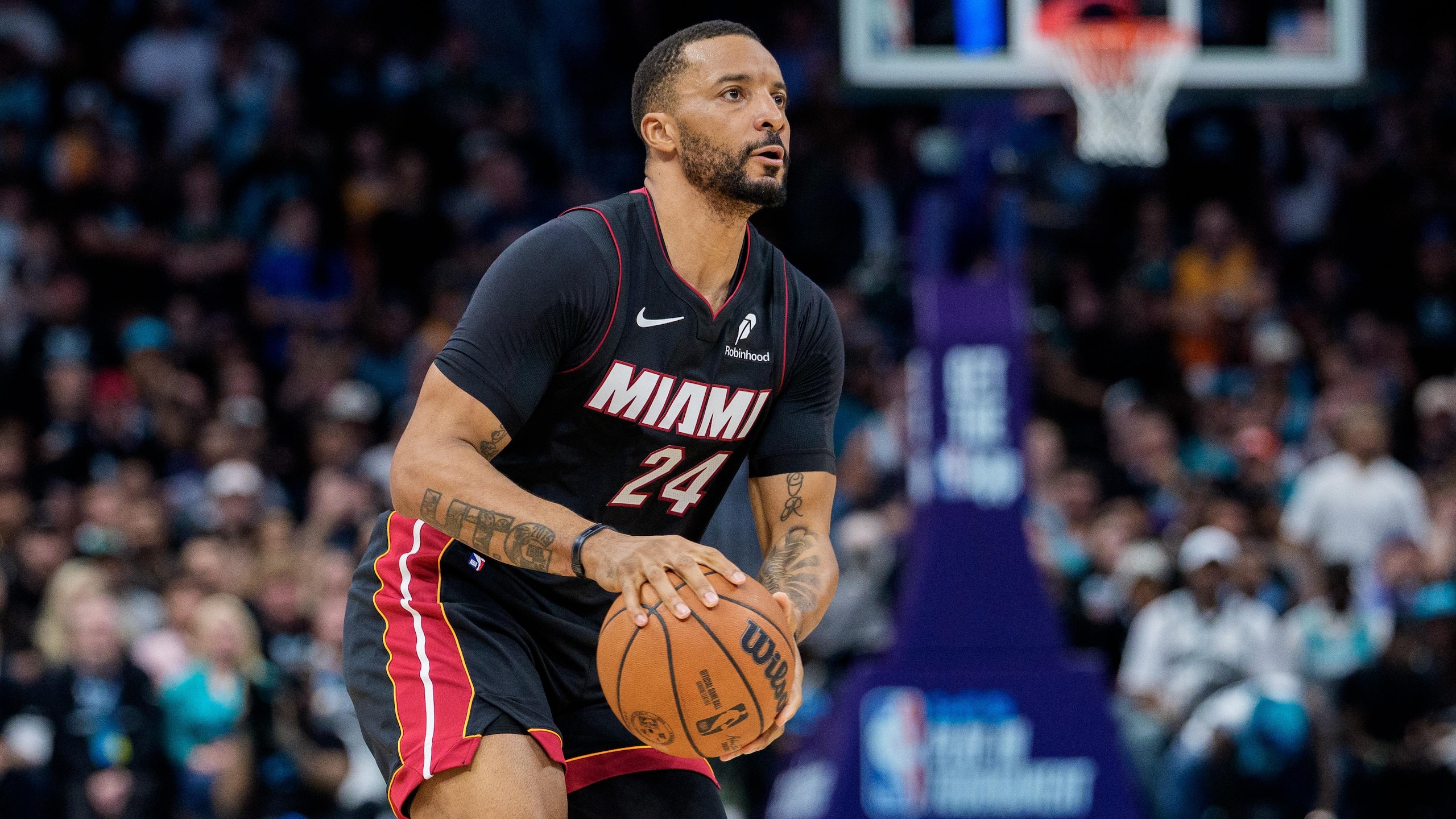
It might only take midlevel money to retain Norman Powell in unrestricted free agency, but the Miami Heat have plenty of reasons to let the 33-year-old shooting guard walk away.
First, they'd probably need to extend Powell's new deal out multiple years to beat the market. Miami's broader plans are uncertain and could include a superstar trade, but most fallback options involve preserving cap space for 2027. Committing to Powell's decline phase wouldn't make sense in that scenario—not with Tyler Herro playing the same position (with many of the same flaws).
Perhaps if Andrew Wiggins declines his player option and departs, the Heat would consider Powell more of a retention priority. Even then, though, Miami's in-house options include Pelle Larsson and Nikola Jović. The latter might one day stay on the floor and make enough threes to replicate Powell's production at a different position.
The Heat landed Powell for virtually nothing last offseason, and he outplayed his $20 million salary for long stretches. Those facts aren't enough to make him a surefire keeper.
Milwaukee Bucks: Bucks Will Offer Giannis the Max
17 of 30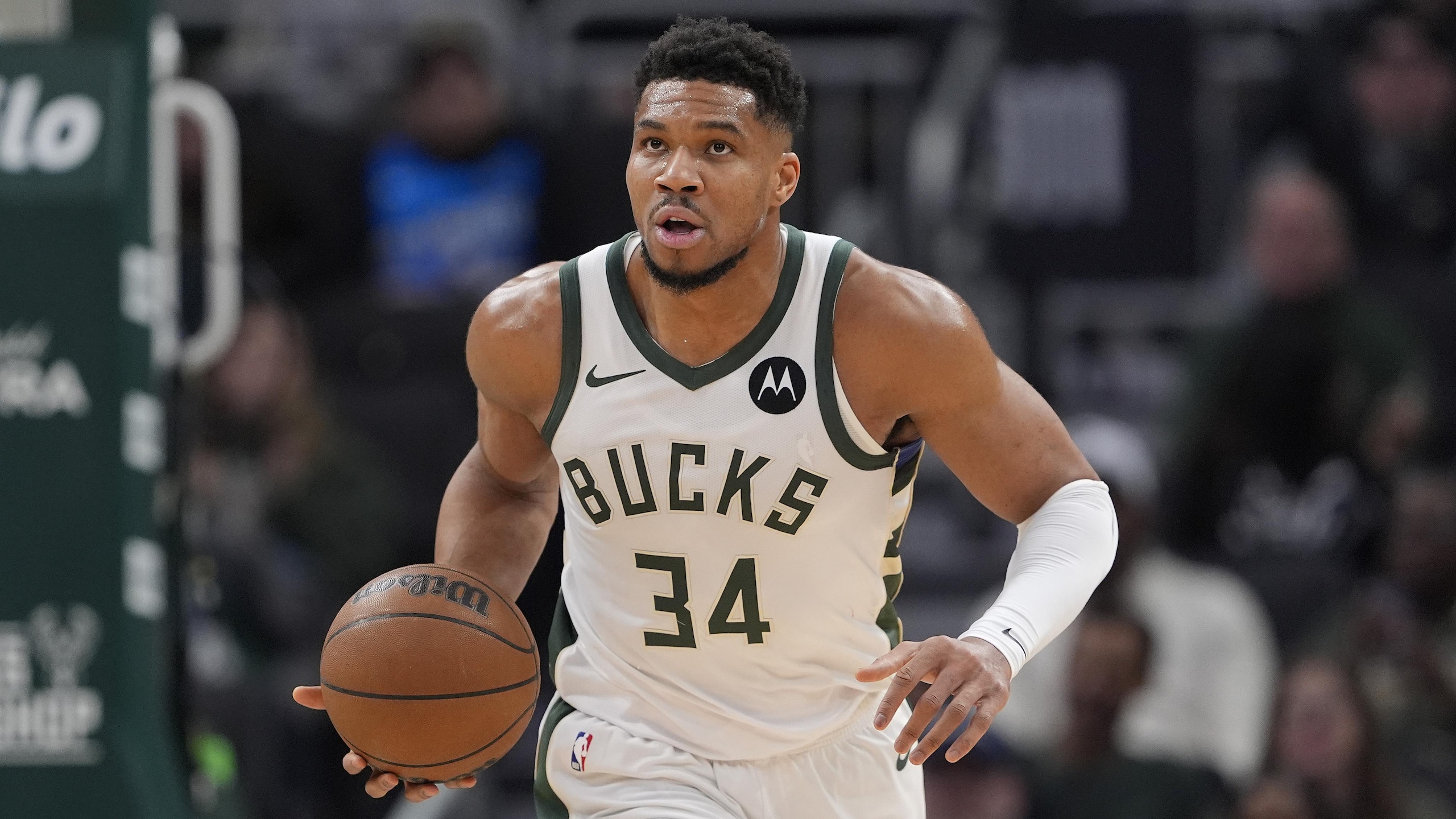
On a team defined by uncertainty at the absolute highest level of the roster, any prediction feels risky. So we're going with the only one that seems likely to come true.
The Milwaukee Bucks will offer Giannis Antetokounmpo a four-year, $275 million extension on Oct. 1. Well, actually, they'll make it very clear to Giannis that the offer is on the table long before October.
If the pattern of the last several months holds, Antetokounmpo won't give a firm answer ahead of time. All indications are that Milwaukee will then immediately pivot to trading Giannis for a haul of draft assets and young players. The alternative—tinkering with the roster in hopes of appeasing Giannis and inducing a long-term commitment—is something the Bucks have dealt with before and can't endure again.
Minnesota Timberwolves: Ayo Dosunmu Will Top the Midlevel
18 of 30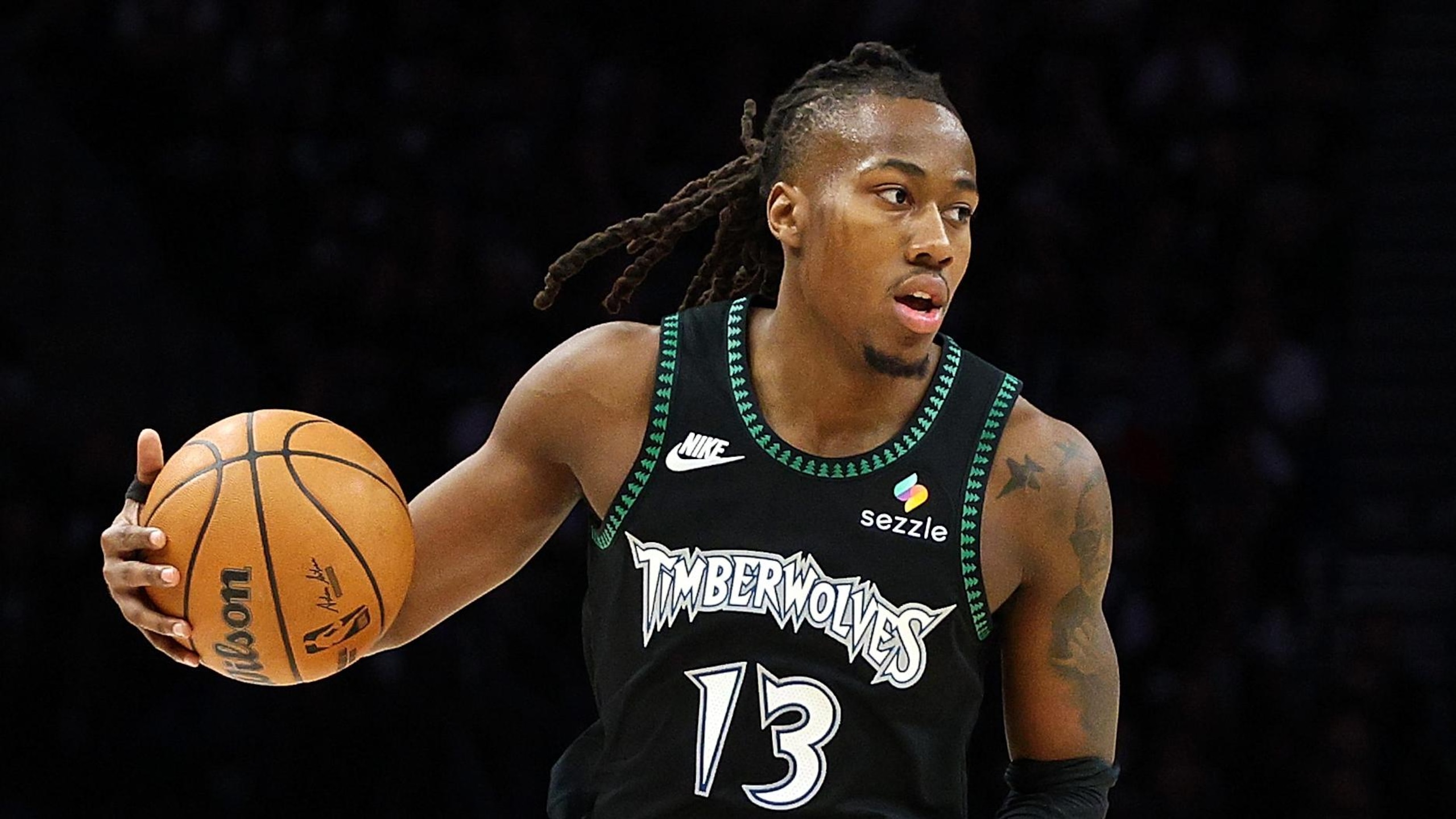
The Minnesota Timberwolves might assume that no other team is likely to spend more than the midlevel to acquire unrestricted free agent guard Ayo Dosunmu, but they can't get too cute while negotiating.
Dosunmu is in line to start for the Wolves next season while Donte DiVincenzo recovers from a torn Achilles, and the team has good reason to value what he'll provide in a suddenly critical role. Across 10 playoff games, Dosunmu put up 15.6 points, 4.1 assists and 3.6 rebounds while hitting 42.5 percent of his threes. His 43-point eruption against the Nuggets on April 25 remains one of the top playoff performances by any Wolves player over the last several years.
In addition to needing Dosunmu at the 2, Minnesota might also value him as matching salary in a deadline trade. It never hurts to have a handful of players in the $20-25 million salary range when putting together a package for a star.
New Orleans Pelicans: Saddiq Bey Will Sign an Extension
19 of 30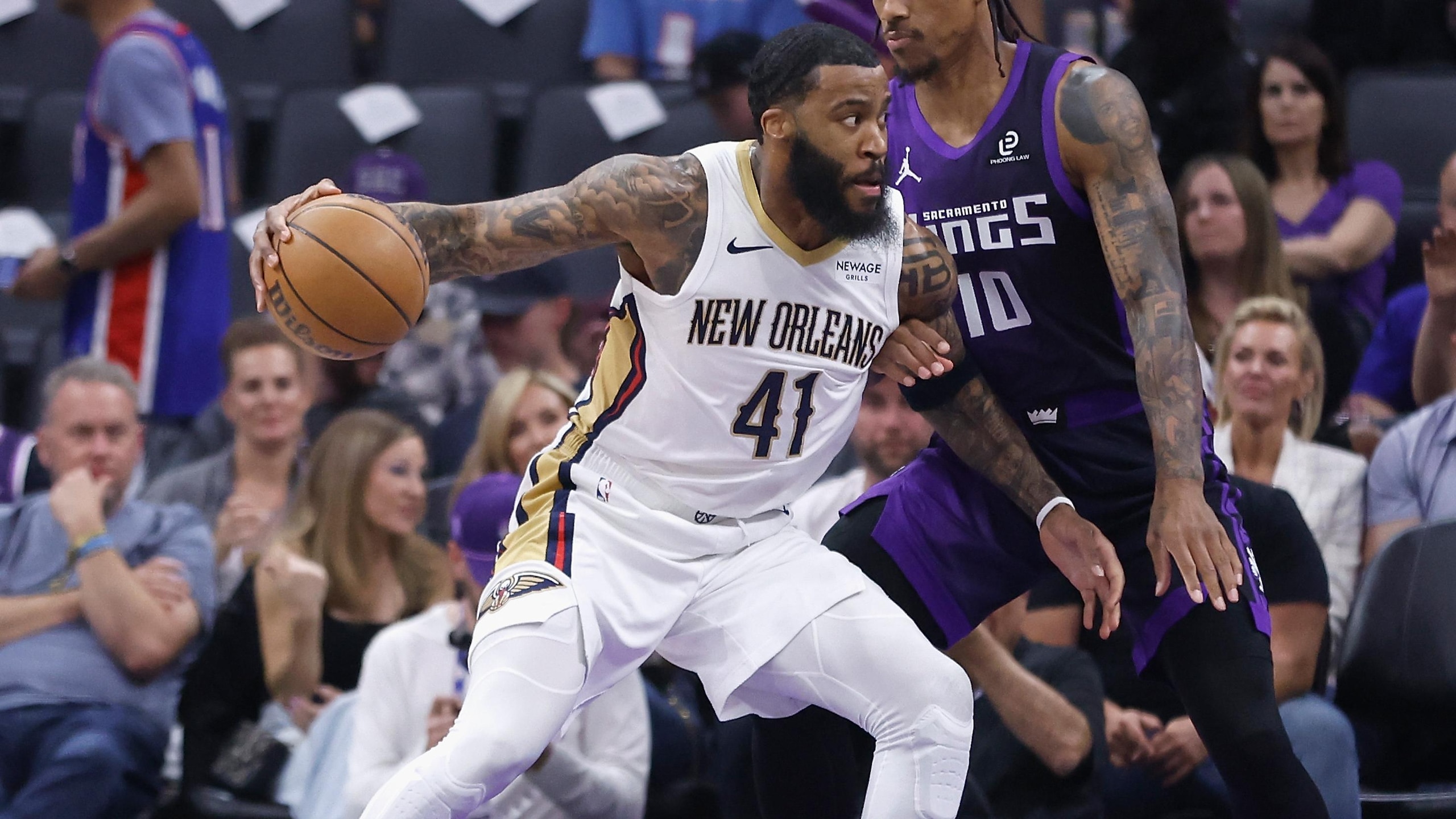
Few players rehabilitated their value more effectively than Saddiq Bey last season. Coming off a year lost to a torn ACL, the 27-year-old wing put up 17.7 points, 5.6 rebounds and 2.5 assists across 72 games.
A major threat in clutch situations and arguably the New Orleans Pelicans' most reliable scorer over the course of the season, Bey dramatically outperformed his $6.1 million salary.
On the books for $6.6 million in 2026-27, Bey is eligible to sign an extension worth up to $93 million over four years. While it's possible he could command even more than that in 2027 free agency if he repeats what he did this past season, a player with a significant injury like Bey's might value long-term security.
Even if he extends for the max New Orleans can currently offer, he'd still probably profile as a positive-value trade asset. Assuming good health, it's not like the market is ever going to cool on wings with size, good scoring instincts and trustworthy shooting touch.
New York Knicks: Mitchell Robinson Will Re-Sign for a Total of $45 Million
20 of 30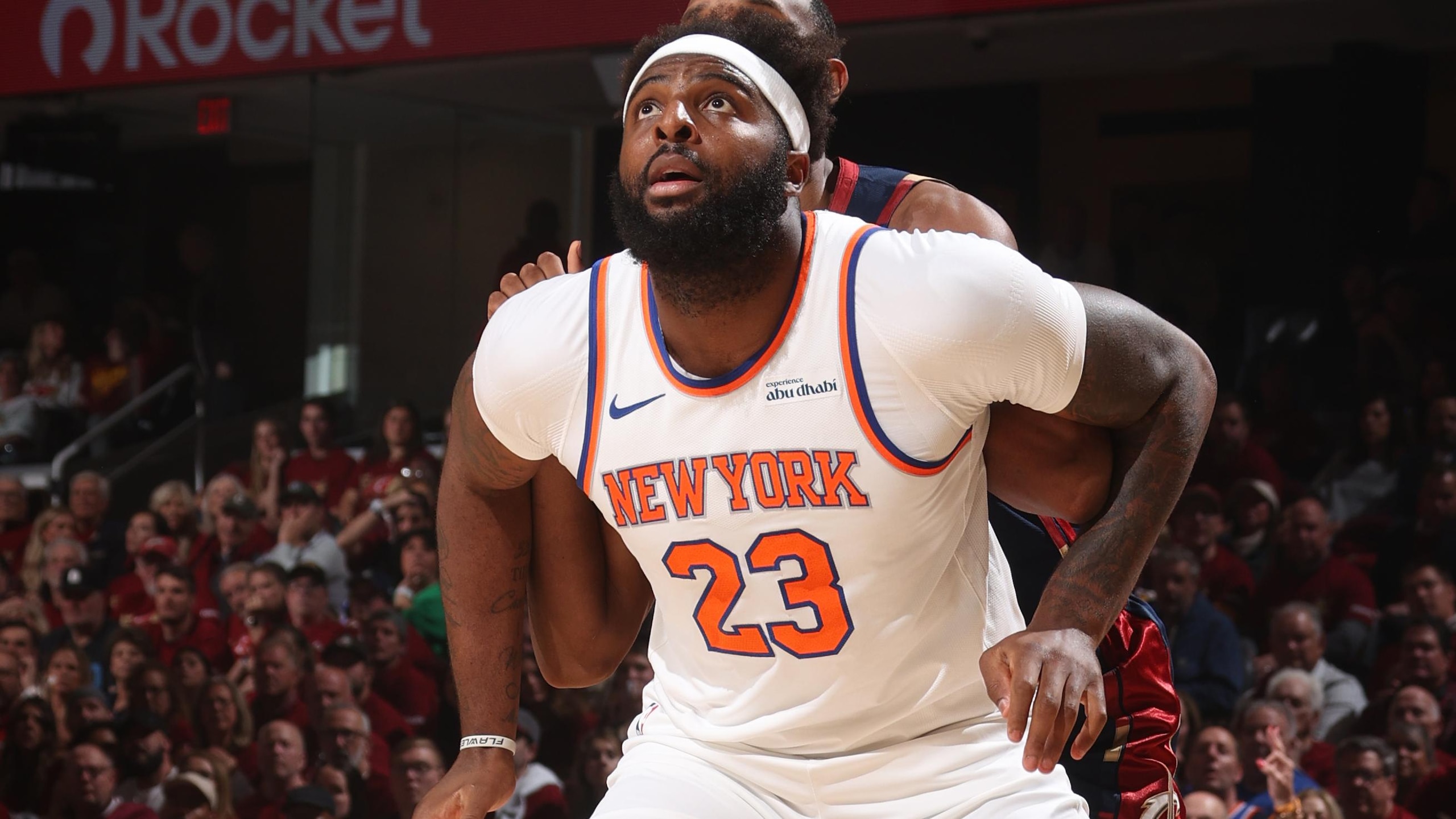
The three-year, $39 million deal Steven Adams signed with the Houston Rockets is an obvious point of comparison for Mitchell Robinson, a similarly gifted offensive rebounder who can change games with his physicality.
Given Robinson's demonstrated value on a Finals team, the New York Knicks probably can't get away with simply matching the same years and dollars.
Not only that, but several teams might have interest in Robinson at or near the midlevel exception, which starts at $15.1 million. While it's not necessarily the case that the Knicks need to have the absolute best offer to retain their backup big man, they probably need to put forth a highly competitive number.
That should nudge Robinson's average annual value up to about $15 million, and he'd be within his rights to seek a three-year agreement that takes him through his age-30 season.
The Knicks can worry about the deal's tax impact on their massive payroll after making sure they don't let one of their most important rotation pieces leave for nothing.
Oklahoma City Thunder: Only One of Isaiah Hartenstein and Lu Dort Will Be Back
21 of 30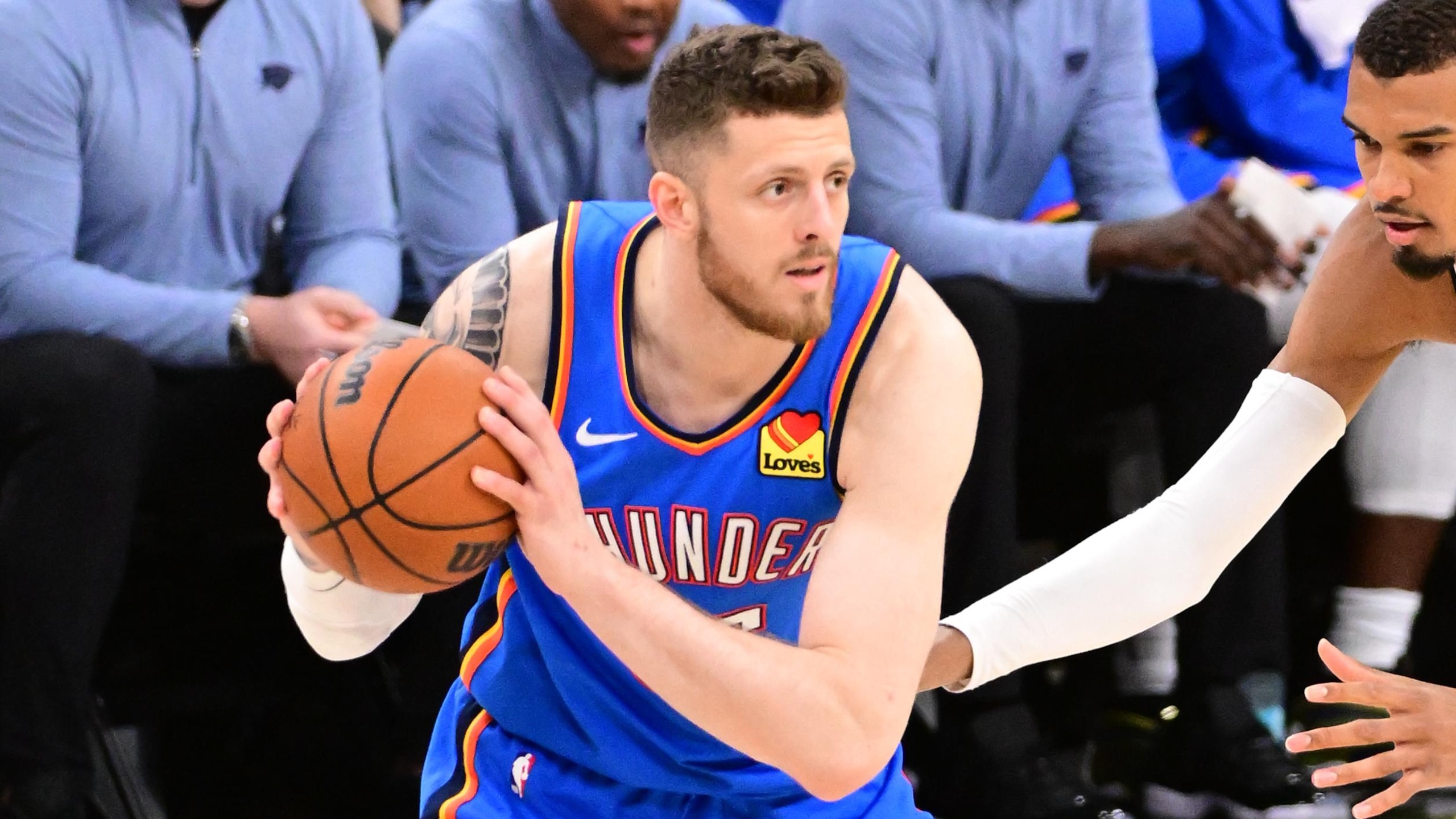
The cap crunch is here for the Oklahoma City Thunder, and with it come cost-cutting measures.
Both Isaiah Hartenstein and Lu Dort have team options for next season, valued at $28.5 million and $18.5 million, respectively. OKC can decline both but may only be able to work out a new deal for one.
In that hypothetical, Hartenstein is the most important retention priority. Oklahoma City has plenty of wing defenders to replace Dort, but nobody capable of filling in for Hartenstein's physicality up front. That matters with what looks like many years of wrangling Victor Wembanyama ahead.
The Thunder project to be deep into the second apron, roughly $60 million over the tax line if they pick up both options. Yes, they'd have until the end of next year to get their books in order. But moving on from Dort and reducing Hartenstein's salary by at least $10 million on a longer deal would make that task much easier.
Orlando Magic: Jonathan Isaac Will Be Waived
22 of 30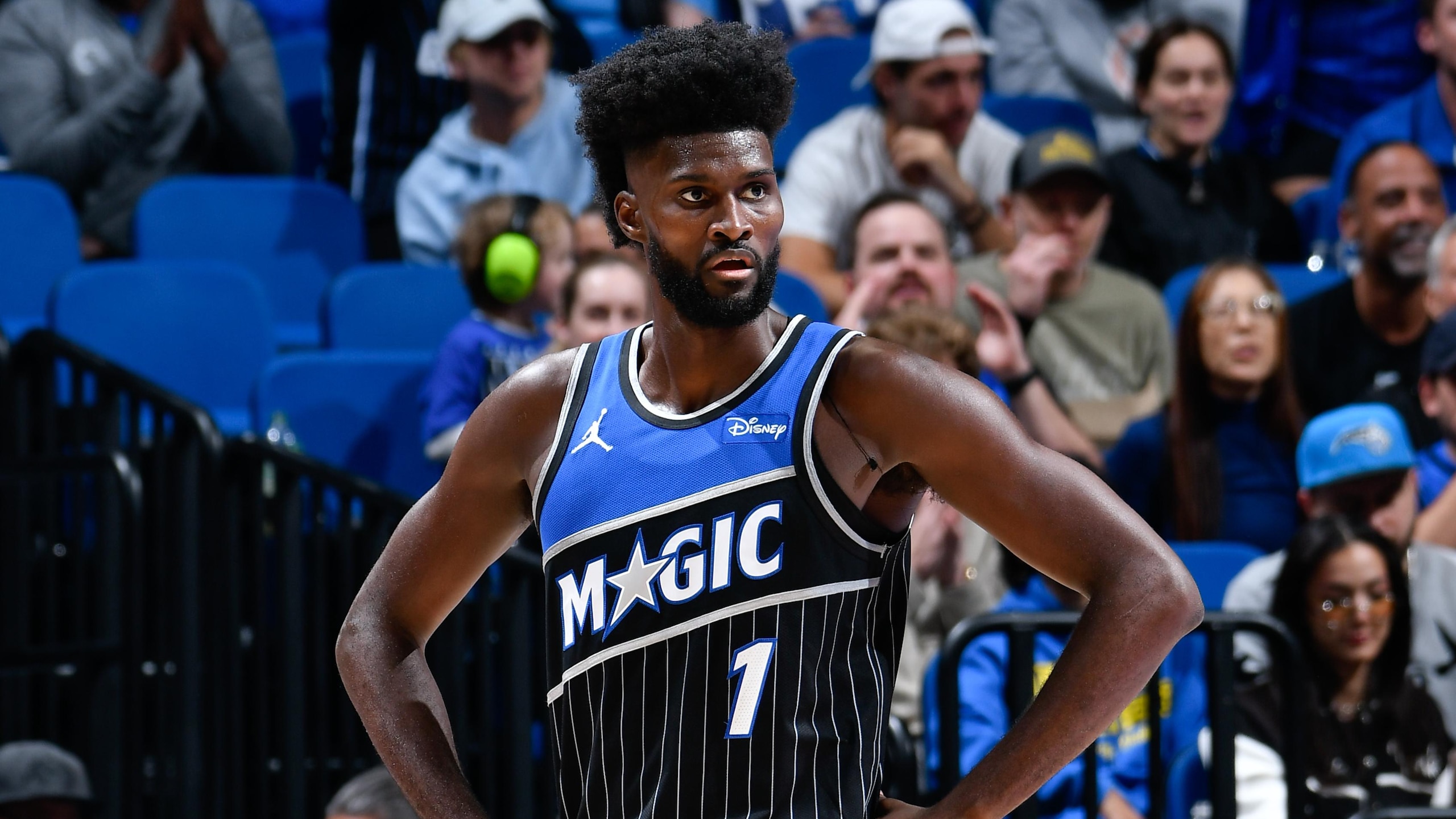
Back in March, the Orlando Magic and injury-plagued big man Jonathan Isaac agreed to tweak his partially guaranteed deal.
Before the change, Isaac was in line to earn $14.5 million in 2026-27 salary if he appeared in at least 52 games. Following the change, he will get just $8 million next year if he's waived by June 28. The Magic would then be off the hook for the additional $29.5 million in non-guaranteed salary Isaac could have collected through 2028-29.
With Anthony Black due for an extension that could easily reach nine figures and an underperforming roster with a second-apron price tag, every penny saved counts for a little extra in Orlando.
Isaac fell out of the rotation this past season, which makes him a predictable casualty in the Magic's efforts to trim salary from their bloated books.
Philadelphia 76ers: Quentin Grimes is Gone
23 of 30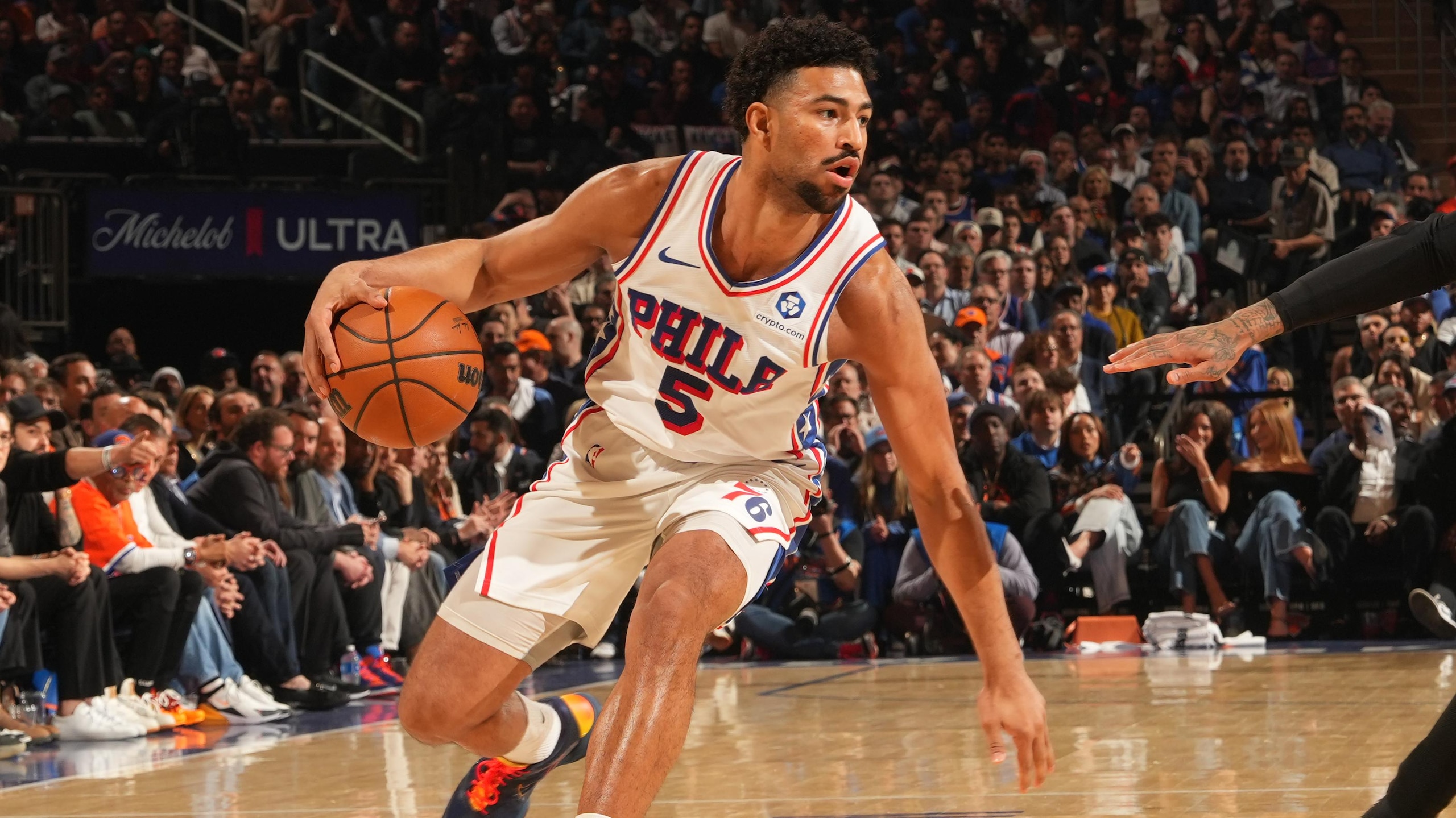
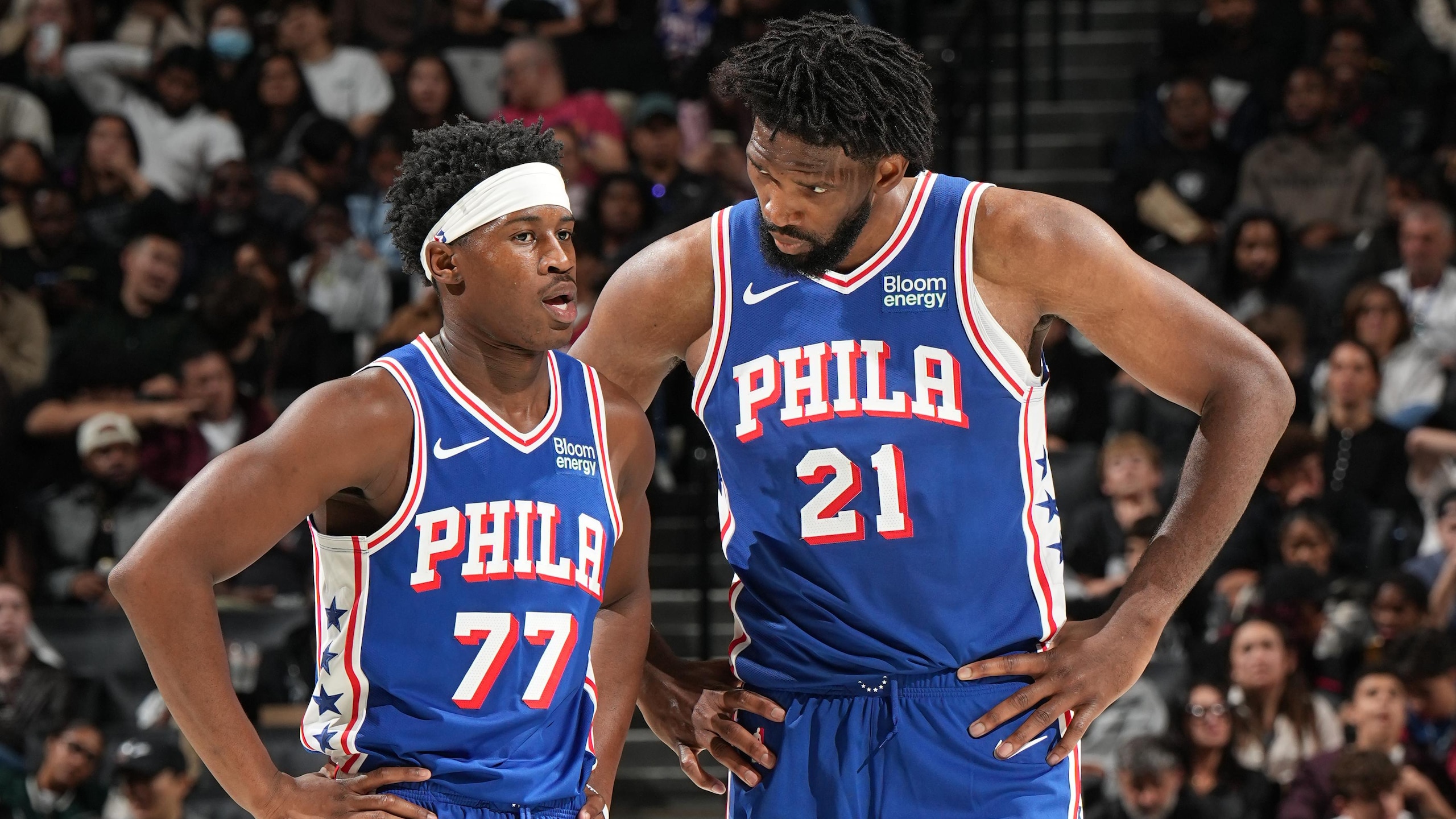
It would have been pretty easy to make this prediction last offseason, when hardball negotiations resulted in Quentin Grimes settling for the $8.7 million qualifying offer. The Philadelphia 76ers squeezed him after a post-deadline scoring surge should have upped his earning power, and hard feelings seemed unavoidable.
Grimes wasn't nearly as impactful this past season, but he could still be in line for midlevel money on the market.
With the Sixers needing fellow free agent Kelly Oubre's services more, it's hard to imagine them paying him and then beating the market for Grimes as well. Even if Philadelphia were to make a reasonable offer, Grimes might not be willing to entertain it after how things worked out last offseason.
Expect the 26-year-old to play for his fifth team in 2027-28. The relationship with the 76ers seems to have run its course.
Phoenix Suns: Collin Gillespie Will Get $10 Million per Year
24 of 30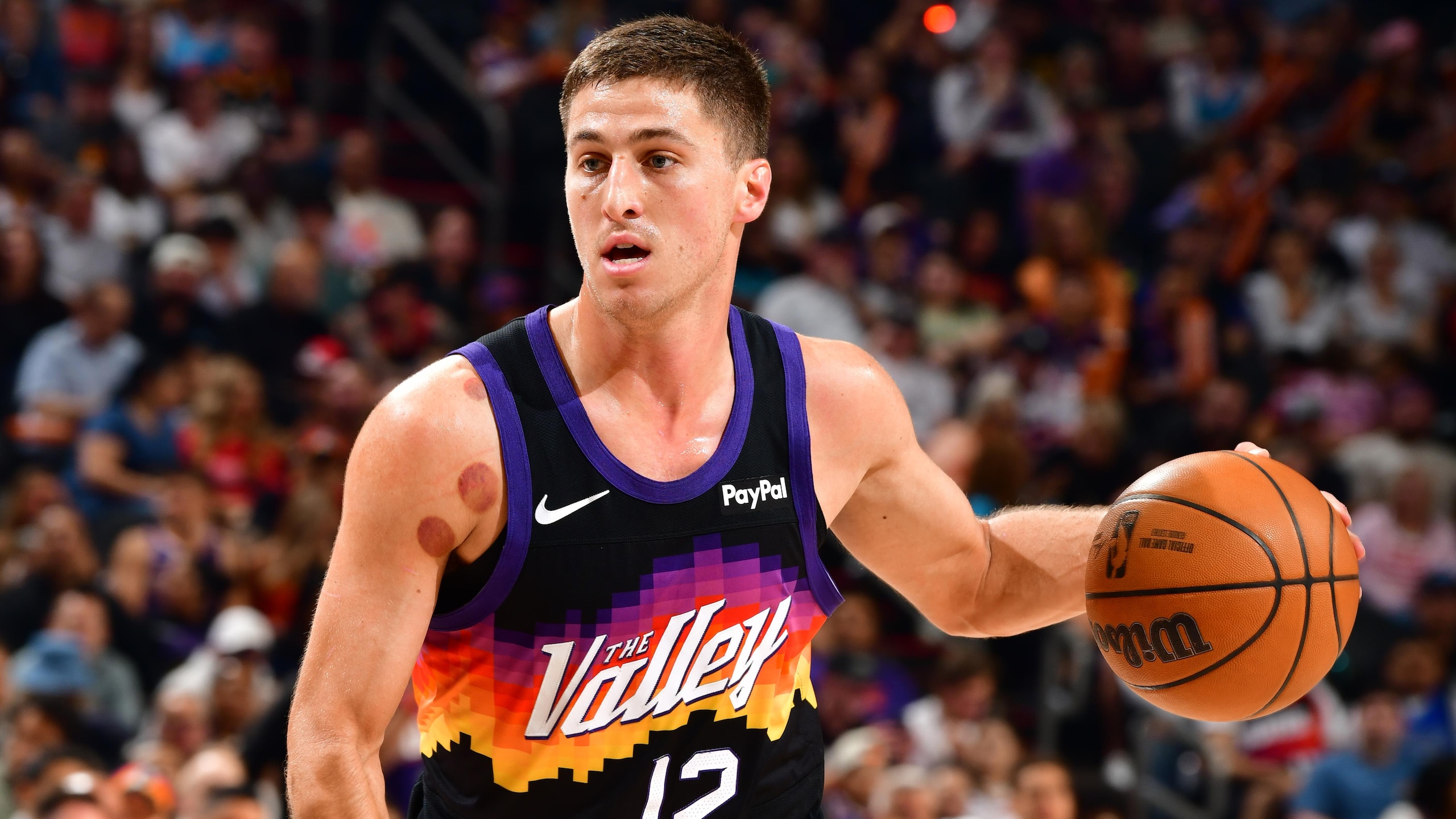
Ty Jerome inked a three-year $27.7 million deal with the Memphis Grizzlies last offseason, and that deal should represent the absolute floor for unrestricted Phoenix Suns free agent Collin Gillespie.
That may seem optimistic in light of Jerome signing his deal after finishing third in Sixth Man of the Year voting, but Gillespie has some qualities that give him an earning advantage.
First, he's a year younger than Jerome was when he signed his deal. Second, Gillespie is an even better shooter, toting a career long-range hit rate of 40.5 percent that tops Jerome's 38.6 percent.
Lastly, the Suns desperately need his offensive production and don't have the resources to replace it on the open market. It's not like knockdown gunners who can also run the offense in a pinch are growing on trees.
Gillespie should expect a four-year deal worth at least $40 million, a tremendous payoff for a player who was on the verge of slipping out of the league 18 months ago.
Portland Trail Blazers: Robert Williams III Won't Be Back
25 of 30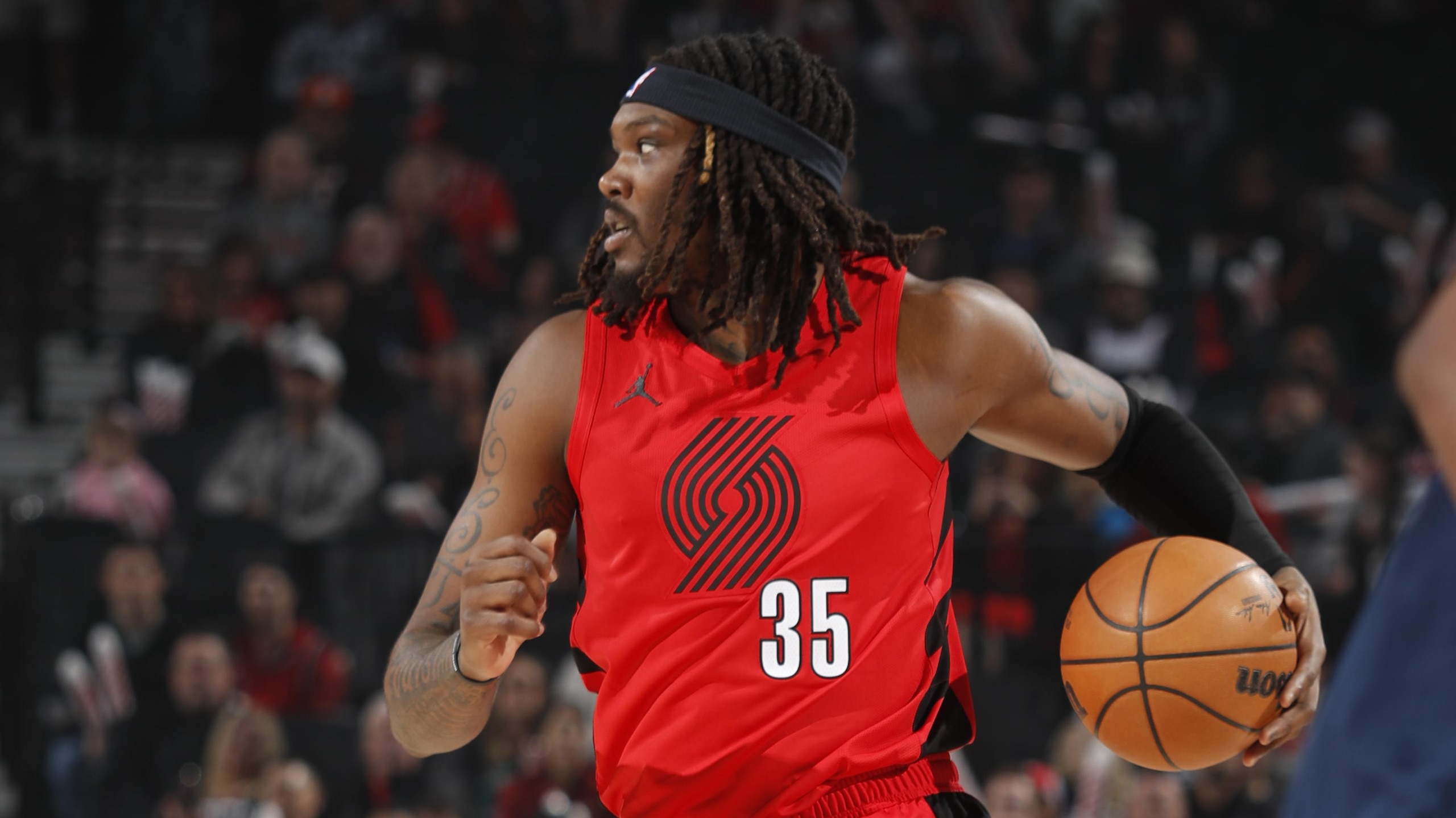
A Portland Trail Blazers team that needs to upgrade its shooting and already has starting center Donovan Clingan entrenched as a cornerstone can't afford to pay market rates for a backup.
That will result in Robert Williams III leaving in free agency, likely after several teams register interest in paying the 28-year-old something in the neighborhood of the full midlevel exception. Even with his daunting injury history and the likelihood that he cannot be counted on for much more than 20.0 minutes per game, his rate stats and impact numbers suggest he is still worth a real investment.
Last season, he cracked 1,000 total minutes for the first time since 2021-22 and posted per-36 averages of 14.2 points, 14.8 rebounds and 3.1 blocks. That's starter-quality production, even if it has to be prorated for a backup role.
Upshot: Yang Hansen could find himself seeing rotation minutes next year, much to the delight of everyone who hopped on the bandwagon during the 2025 preseason.
Sacramento Kings: Zach LaVine Will Pick Up His Option
26 of 30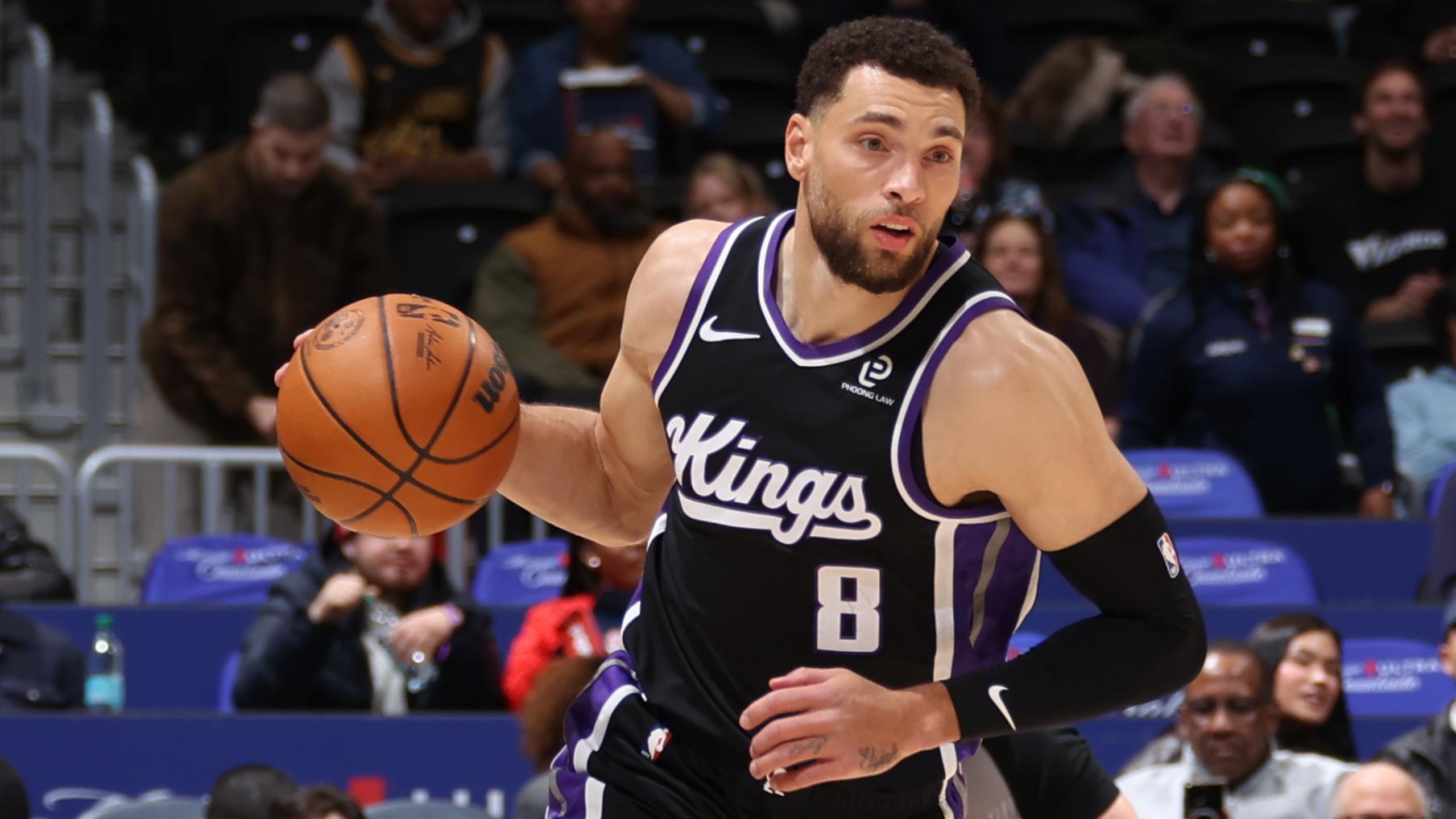
Zach LaVine is not a $49 million player, which is why it makes total sense for him to pick up his player option and collect that amount in 2026-27.
While the allure of free agency and its potential to bring more total money over multiple years would normally be tough to resist, this summer's market simply doesn't have the number of suitors necessary to lure in LaVine.
Perhaps the Sacramento Kings will work out an extension offer that convinces LaVine to stick around while preserving his salary slot for trade purposes, but the likelier outcome involves LaVine playing this year on an expiring contract ahead of 2027 free agency.
To be clear, LaVine is a useful player and an ace three-point shooter. He's at 39.1 percent on 6.0 long-range tries per game for his career. He's just grossly overcompensated and, if entering the market, would be lucky to command an annual salary that tops 50 percent of his 2026-27 pay rate.
San Antonio Spurs: Harrison Barnes Will Be Back
27 of 30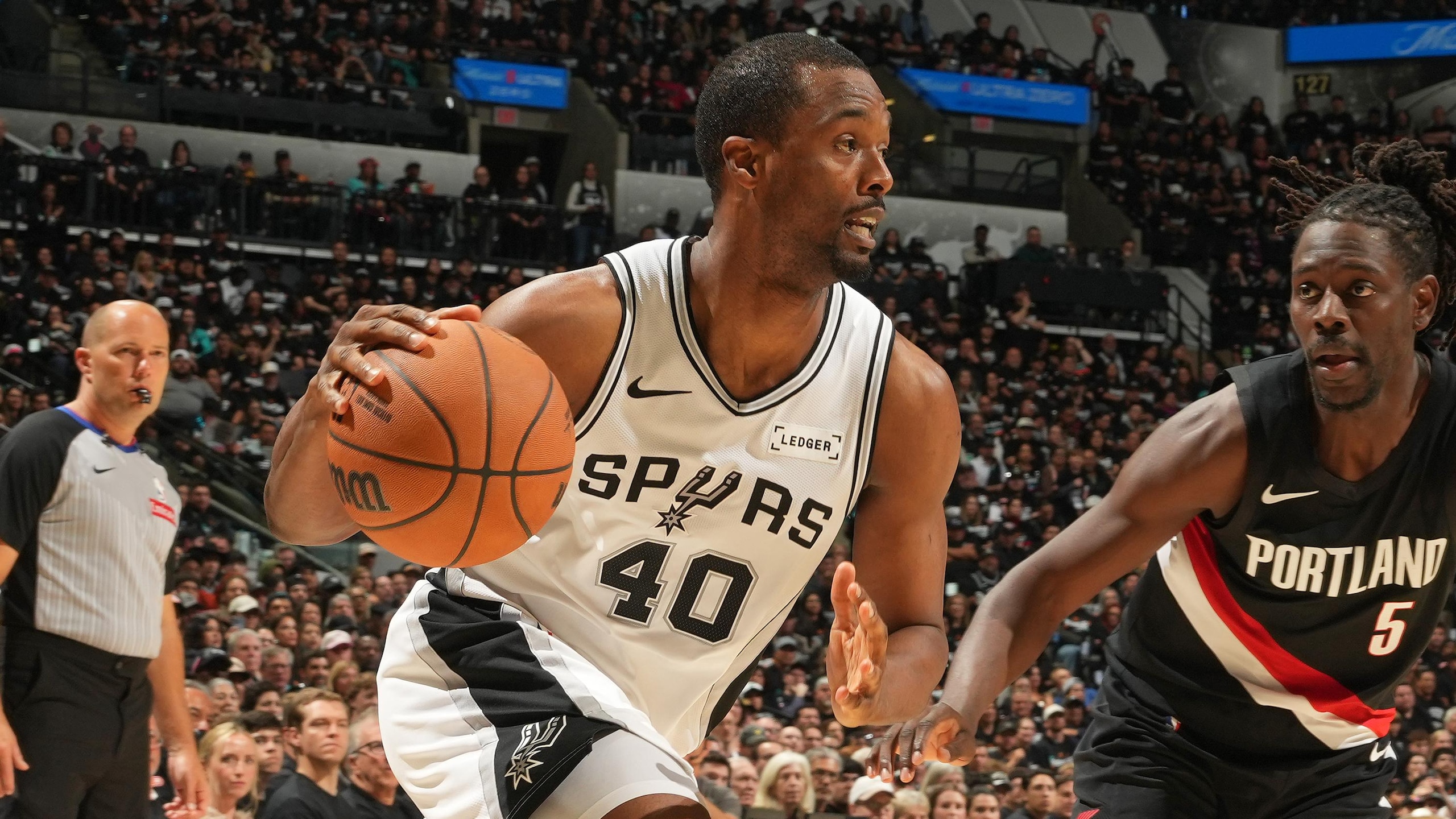
Harrison Barnes is an unrestricted free agent who, in his age-33 season, lost his starting job. Those aren't signs that point to him sticking with the San Antonio Spurs, who need to view every roster spot with a critical eye.
At the same time, Barnes' age and declining production won't make him a hot commodity on the market. Perhaps more importantly, his experience and value as a locker-room sage still matter to a young Spurs team that clearly puts an emphasis on having some adults in the room.
Mason Plumlee isn't on the team because the Spurs crave his on-court production. Ditto for Bismack Biyombo and Kelly Olynyk.
It's possible San Antonio will prioritize keeping one of those three big men, which it could do on the cheap. But none of them can play in a rotation anymore, while Barnes is still a good enough shooter to warrant spot minutes.
That'll tip the scales in his favor, and Barnes should be back on a discounted deal.
Toronto Raptors: Sandro Mamukelashvili Will Decline His Player Option
28 of 30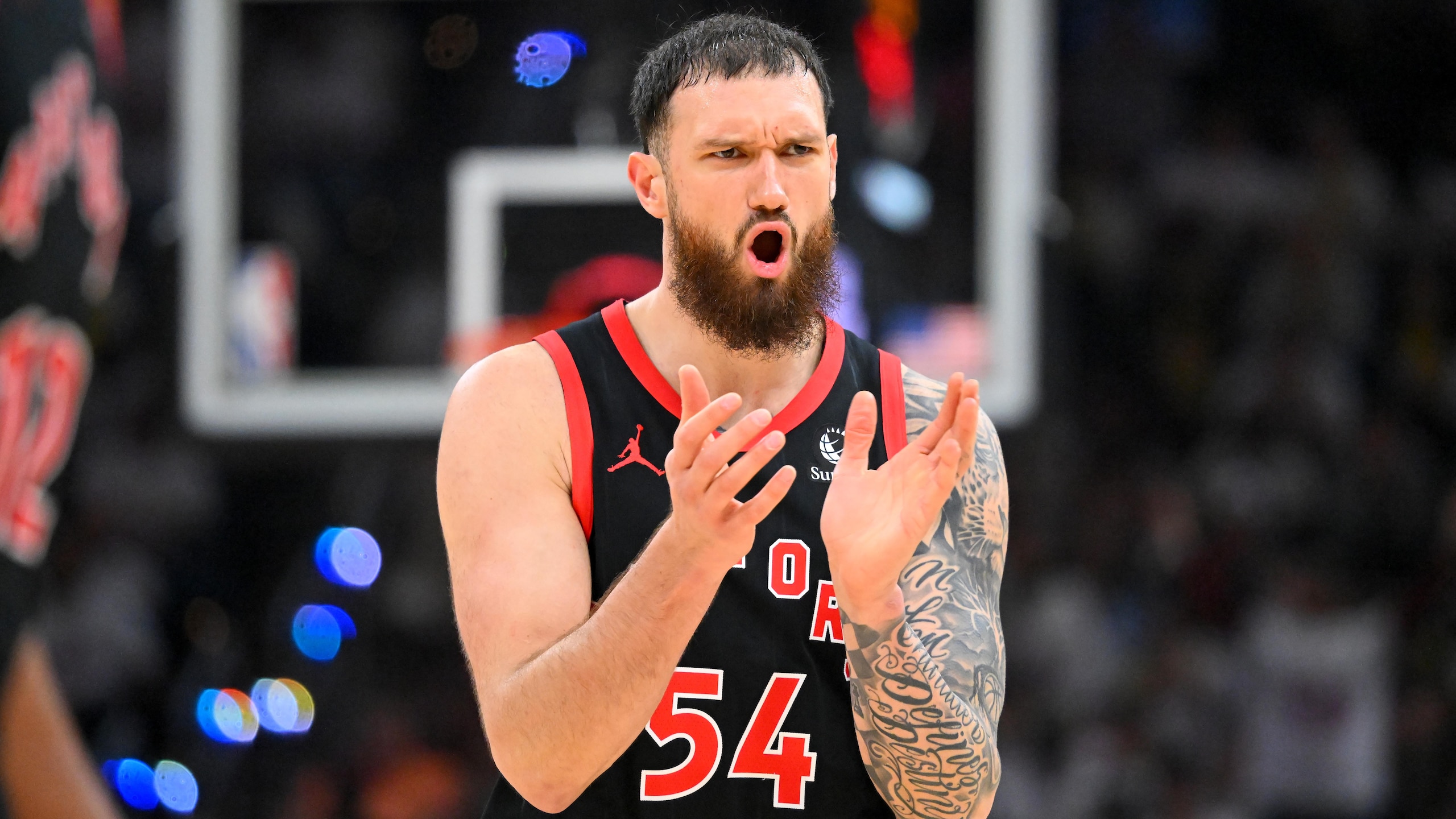
Sandro Mamukelashvili has subsisted on short-term deals that have never paid him more than $2.5 million in any single year, but he's about to change all that.
After putting up 11.2 points and 4.9 rebounds while shooting 38.9 percent from deep in 21.9 minutes per game, the 27-year-old center is a safe bet to decline his $2.8 million player option in favor of unrestricted free agency. In addition to stellar individual numbers, Mamu also featured in several of the Toronto Raptors' best lineups.
Though probably not a starter on most teams, the sweet-shooting lefty would make sense as a change-of-pace backup almost anywhere. His spacing helps unlock intriguing offensive lineups, and it's also possible his fake-and-go game continues to develop in ways that make him a legitimate second-side attacker.
Toronto should want Mamu back, but paying him more than $6 million by using part of the MLE would trigger the hard cap at the first apron. Several teams should be willing to offer more than that.
Utah Jazz: Walker Kessler Will Get $100 Million
29 of 30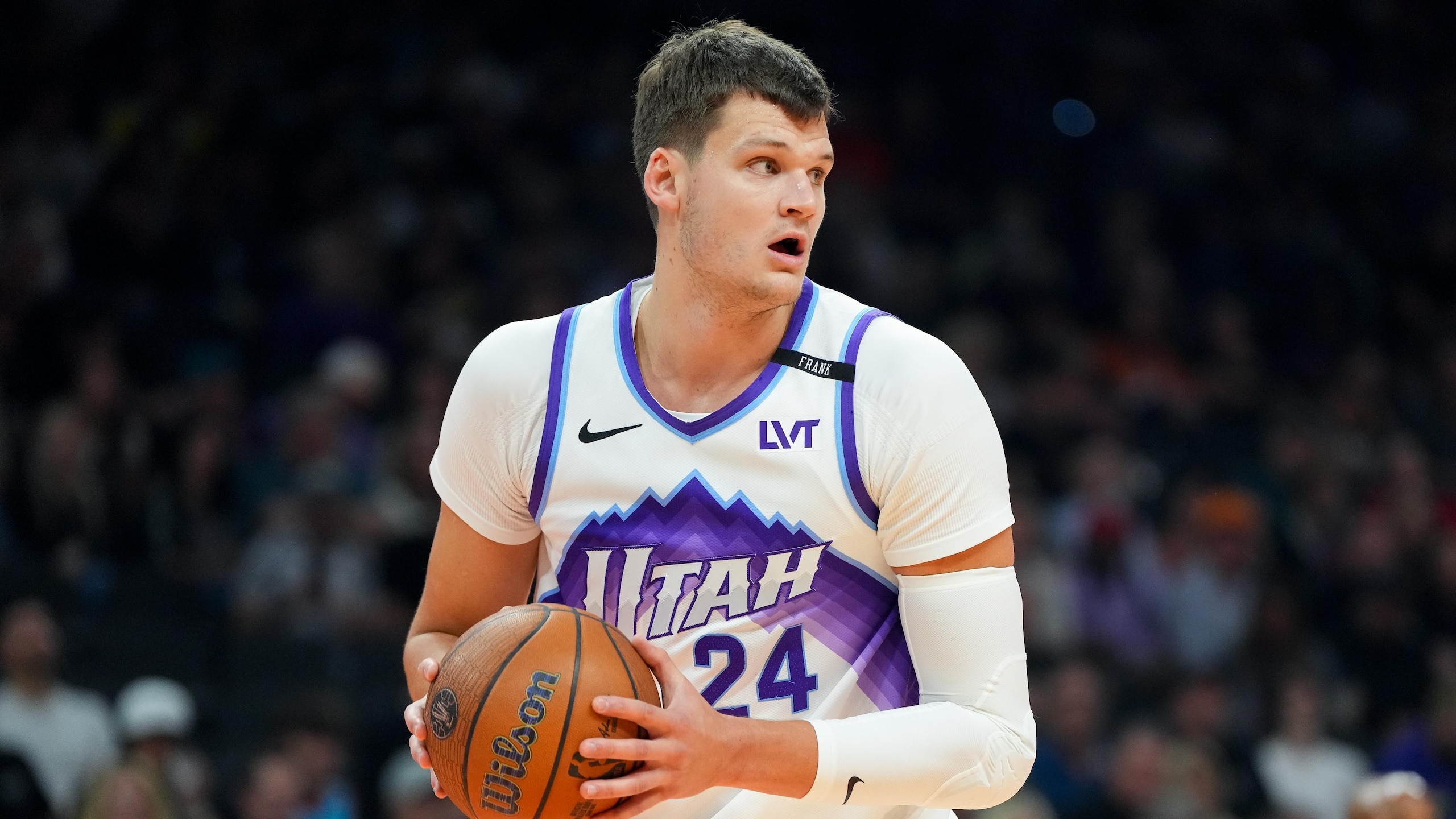
Austin Reaves and Jalen Duren are going to join the nine-figure club when they sign their deals this summer, but there's a good chance Utah Jazz center Walker Kessler is the only other free agent* who'll join them.
This assumes the Jazz view Kessler as the third starter in their oversized frontcourt next to Jaren Jackson Jr. and Lauri Markkanen, a reasonable guess based on JJJ's general failure to play center on a full-time basis.
Kessler played just five games last year before going down with a shoulder injury and was none too pleased that he didn't get an extension prior to the season. That was all about the Jazz preserving flexibility and not reflective of a low opinion on their young big man. Kessler showed the ability to be a defensive anchor and dominant rebounder during his first three seasons, and he's going to be paid handsomely for those skills.
*Trae Young is going to get a deal worth over $100 million, but his could take the form of an extension.
Washington Wizards: Trae Young's New Deal Will Decline in Value
30 of 30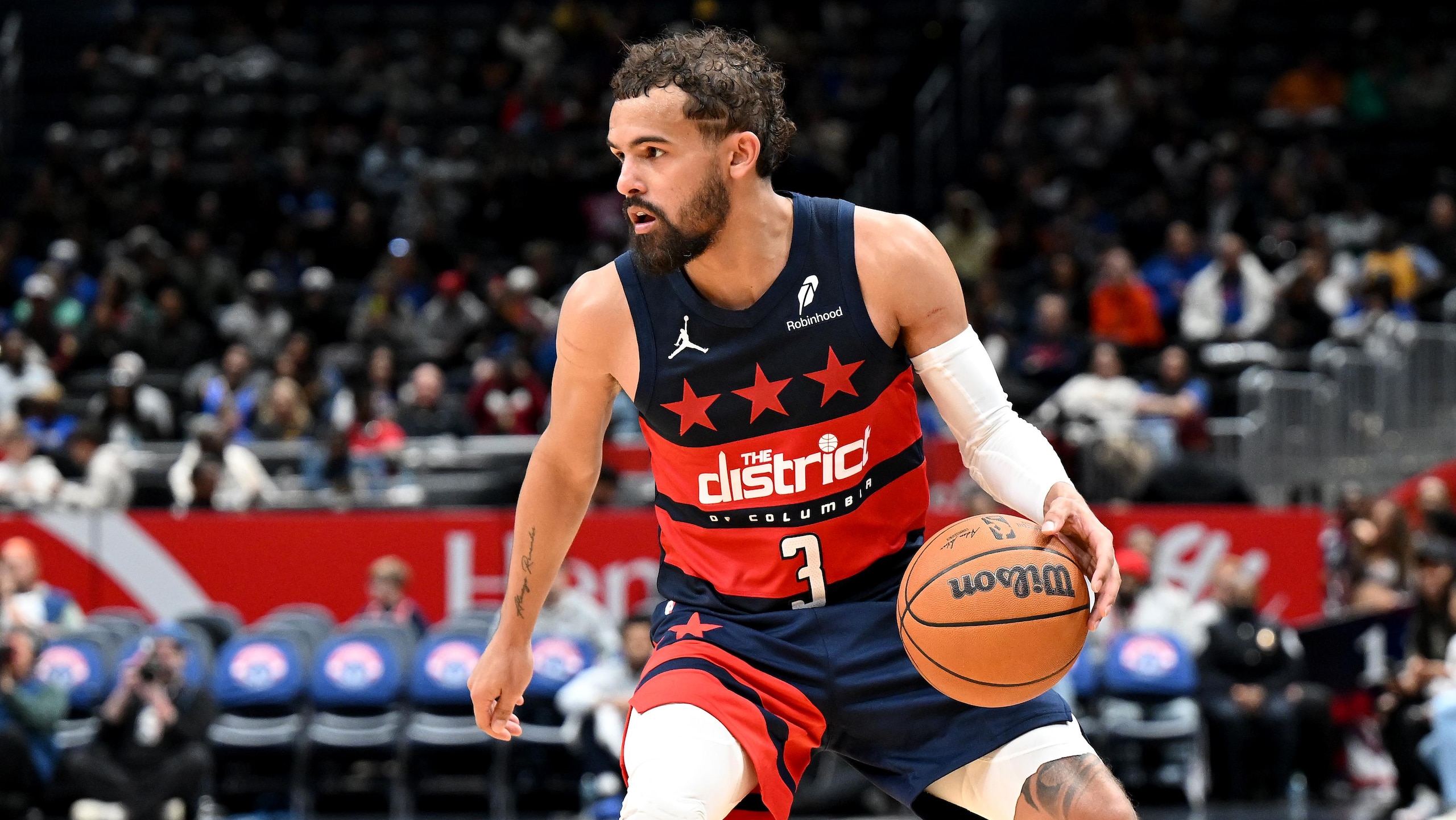
Very few teams have the money to pay Trae Young enough to justify him declining his $49 million player option to hit free agency, and none of them figure to have any interest in the first place.
That should allow the Washington Wizards to extract some concessions from Young on his upcoming extension. One possible option that would make sense for the Wizards: structuring Young's contract to decline in value.
Washington could offer Young a first-year salary as high as $50 million but step-ladder it down over a three or four-year term, easing the financial strain just as its young players, led by Alex Sarr and this year's No. 1 overall pick, start to get expensive. As a bonus, Young's trade appeal would only improve as his salary dipped toward the end of his prime.
In a couple of years, the Wizards might find themselves in a position to move on from Young and hand the keys over to someone else. A declining deal would make that move much easier.
Stats courtesy of NBA.com, Basketball Reference and Cleaning the Glass. Salary info via Spotrac.
Grant Hughes covers the NBA for Bleacher Report. Follow him on Bluesky and subscribe to the Hardwood Knocks podcast, where he appears with Bleacher Report's Dan Favale.

.jpg?w=2560 "Viral Dan Campbell Presser 💙")
.jpg?w=2560 "AD Trolls Bears WR on IG 😂")
.jpg?w=2560 "Cam Ward Says He's Not A Loser")
.jpg?w=2560 "Chargers Fall to 0-5 🤢")
.jpg?w=2560 "Report: Steelers WR to Miss 'Weeks'")