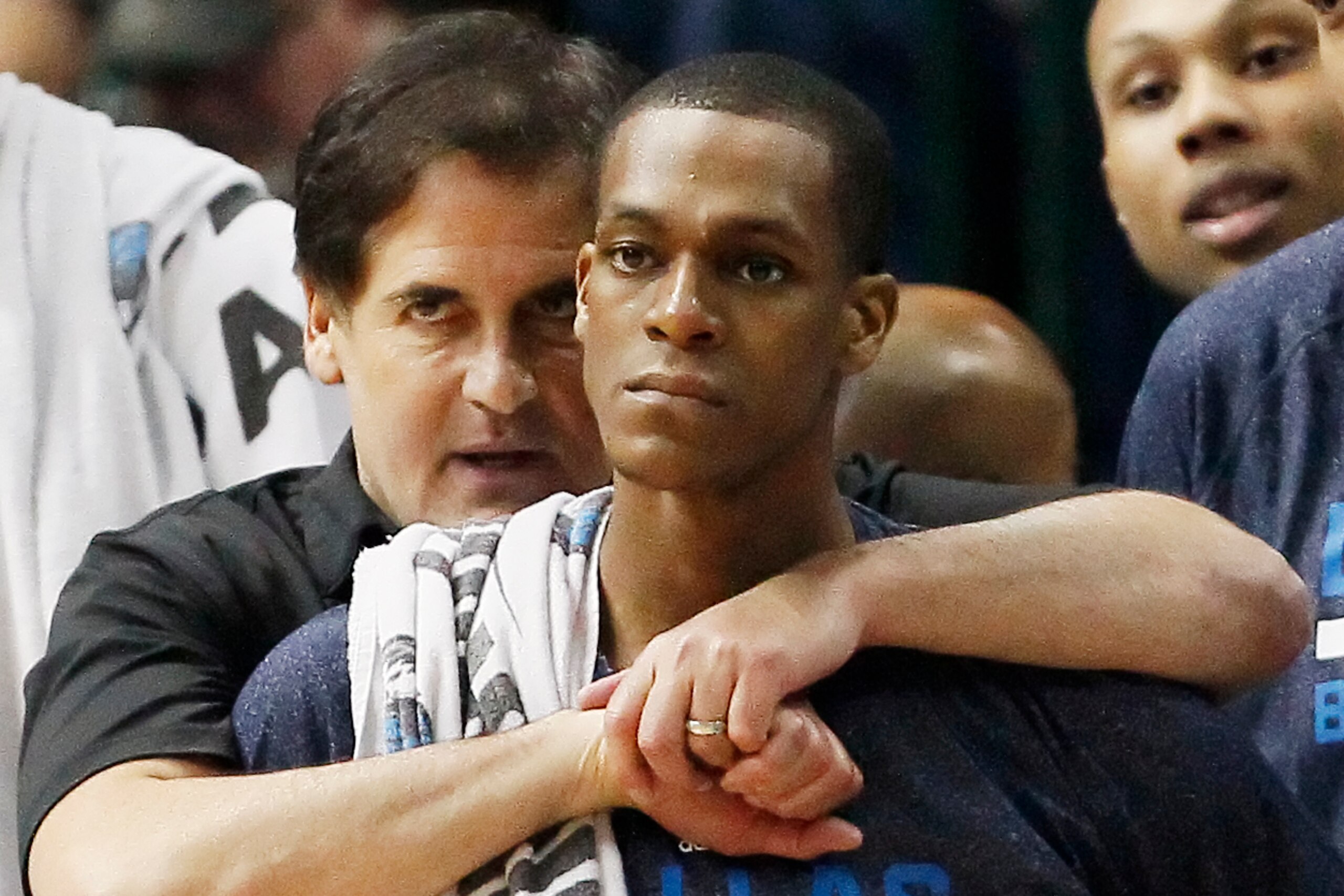

The Biggest X-Factor for Every Team in the 2015 NBA Playoffs
What, you might ask, is an X-factor?
Smart people are entitled to disagree, but my definition is this: An X-factor is that guy who could impact a game (or series) in a huge way—or not. There's an unknown quality. Something is less than certain about X-factors. They aren't stars. They don't carry the scoring load on a nightly basis.
They're the ones who can be stars on any given night. They have the potential to do great things, and their ability to do those things on the postseason stage can have significant implications.
Many of these players will be the difference between losing in the opening round and making a deep run to the conference finals or beyond. While X-factors come in a variety of shapes and sizes, they seem to share most of those characteristics.
Based on that entirely debatable metric for X-factors, here are the ones to watch in the 2014-15 NBA playoffs.
Brooklyn Nets: Jarrett Jack
1 of 16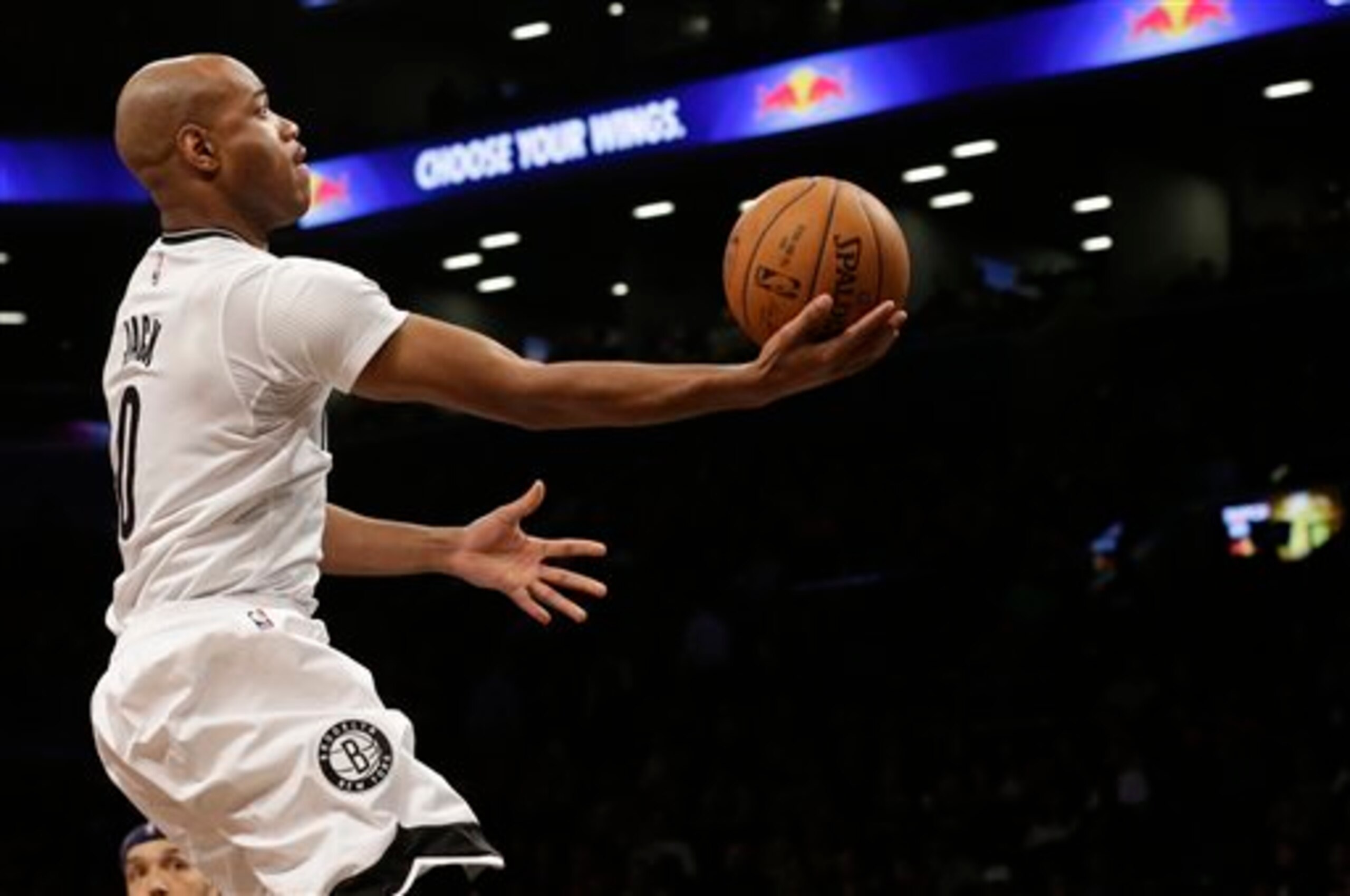
One could argue that Deron Williams is they key to the Brooklyn Nets' hopes of moving beyond a first-round series against the No. 1-seeded Atlanta Hawks. But Jarrett Jack averaged just one point less than Williams (13 vs. 12 per game), and he did it in three fewer minutes (31 vs. 28 per game).
Jack did his damage off the bench, providing the Nets an essential sixth man in an otherwise mediocre reserve unit. The 31-year-old also brings some experience to the table, along with the kind of fortitude and leadership that could salvage this season.
According to SBNation's NetsDaily, one executive described him to ESPN as a "tough, pick-and-roll scorer and not scared. Can have some really good games. He has nights where he fights with the top point guards. He just can't do it every night."
In the near term, that's a good remedy for Atlanta's tandem of Jeff Teague and Dennis Schroder. And if Brooklyn upsets the Hawks and advances to the conference semifinals, sustained point guard play will remain vital against the Toronto Raptors' Kyle Lowry or Washington Wizards' John Wall.
Yes, Williams will lead that attack. But Jack is his insurance option and a source of stability when Brooklyn's stars exit the game. It's hard to quantify that kind of value.
In the name of metrics, it's worth making power forward Thaddeus Young an honorable mention X-factor. On a sometimes offensively challenged team, his presence seemed to correspond with Brooklyn's best scoring efforts. Per NBA.com, the team scored 107.6 points per 100 possessions when he was in the game—and just 101.8 points per 100 possessions when he wasn't.
As the Nets' third or fourth option, Young has been awfully good. He and Jack should both be instrumental in their own ways.
Boston Celtics: Isaiah Thomas
2 of 16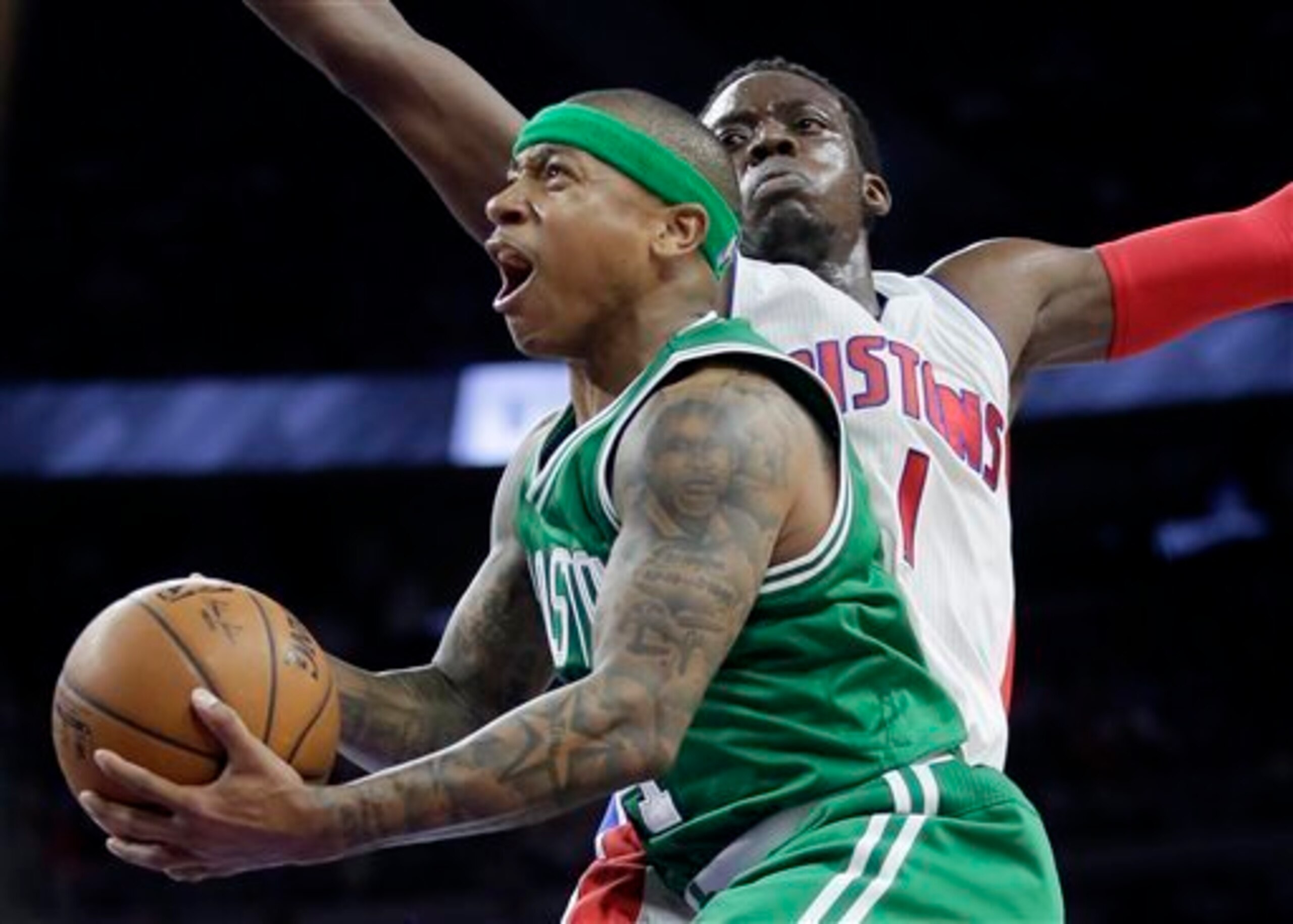
During his brief stint with the Boston Celtics, point guard Isaiah Thomas has already established himself as the team's leading scorer with 19 points in only 26 minutes per game. Ordinarily, that kind of production might preclude him from being considered an X-factor, but Thomas' situation is a bit unique.
He's the new guy—both to the Celtics and to the playoffs. How will he handle the bigger stage? Can he run this offense against a team as talented as the Cleveland Cavaliers in the first round? Does he stand a chance in his individual matchup with Kyrie Irving?
Thomas may be Boston's best scorer, but there are still plenty of questions about what happens next.
The 5'9" floor general is at the center of a perfect David vs. Goliath narrative. He's the engine behind an upstart team's unlikely trip to the postseason—the lone hope against a far more established club that boasts the best all-around player on the planet.
Even better, Thomas will likely do most of his damage off the bench. That's the role with which he's been saddled thus far in Boston, behind starting point guard Marcus Smart.
"Nobody's sold me on no sixth man role," Thomas told reporters earlier this week. "I've only had a few talks with (president of basketball operations) Danny (Ainge), a few talks with (coach) Brad (Stevens). This is the role for the team right now, and I'm going to take full advantage of it."
Thomas badly wants a starting job, but now isn't the time to make any noise. Boston is trying to do the impossible in this opening round, and that will require the ever-quick Thomas to bring his usual mix of deft drives and spot-on three-pointers.
Even if it's off the bench.
Milwaukee Bucks: O.J. Mayo
3 of 16
All season long, head coach Jason Kidd has been preaching defense.
"I think our defense has been something we can rely on all year," he told reporters in late March. "...Our energy into the ball, guys' deflections, getting stops, limiting our opponent to one shot and getting out and running and trying to get easy baskets."
The point is well-taken. But it doesn't diminish the Milwaukee Bucks' need for offense. And it just so happens that reserve O.J. Mayo has built a career of providing such offense. The trick will be ensuring he sees enough action to do so again in the playoffs.
Finding a consistent spot in Milwaukee's rotation hasn't always been easy for Mayo, but there's some rationale to giving him extended run in the postseason. Thanks to stints with the Memphis Grizzlies and Dallas Mavericks, Mayo is one of the more experienced guards at Kidd's disposal. That should count for something around this time of year.
Moreover, Mayo is arguably the team's best all-around perimeter threat. That's become all the more valuable after a trade that sent guard Brandon Knight packing.
If Mayo goes cold or otherwise finds himself stuck to the bench, the Bucks may be at a disadvantage—especially facing a team like the Chicago Bulls in the first round. The Bulls have a number of weapons, and it won't be easy for Milwaukee to keep up.
Not without someone like Mayo rising to the occasion.
The 27-year-old averaged just 11.4 points per game this season, but he's capable of exploding for 20—a mark he nearly averaged with 18.5 points per game as a rookie in 2008-09. That kind of scoring isn't a nightly occurrence anymore, but anything can happen in the playoffs.



Washington Wizards: Paul Pierce
4 of 16
This is what Paul Pierce gets paid to do. He really just has to show up for the playoffs, ideally making some big shots down the stretch of some big games. Regardless of whether those shots fall, his presence alone is supposed to help these Washington Wizards. He's meant to be a stabilizing presence, a source of confidence and championship pedigree.
Perhaps all that will happen invariably.
But the Wizards do need Pierce to produce. This isn't a purely symbolic farewell tour. Washington signed Pierce because it needed a starting small forward.
The 37-year-old averaged 11.9 points, four rebounds and two assists in just 26.2 minutes per contest this season. His numbers were solid, but probably not enough to prolong this team's playoff run beyond the conference semifinals. To go deep, Washington needs Pierce to do more.
After shooting guard Bradley Beal, Pierce is probably the team's next best perimeter option. He made 38.9 percent of his three-point attempts and can still create his shot in the mid-range. There are reasons to be hopeful, yes.
There just isn't a whole lot of evidence that Pierce is still capable of taking games over, at least for stretches. And that's something he may well have to do unless Beal and point guard John Wall are both at the very top of their games.
Toronto Raptors: Louis Williams
5 of 16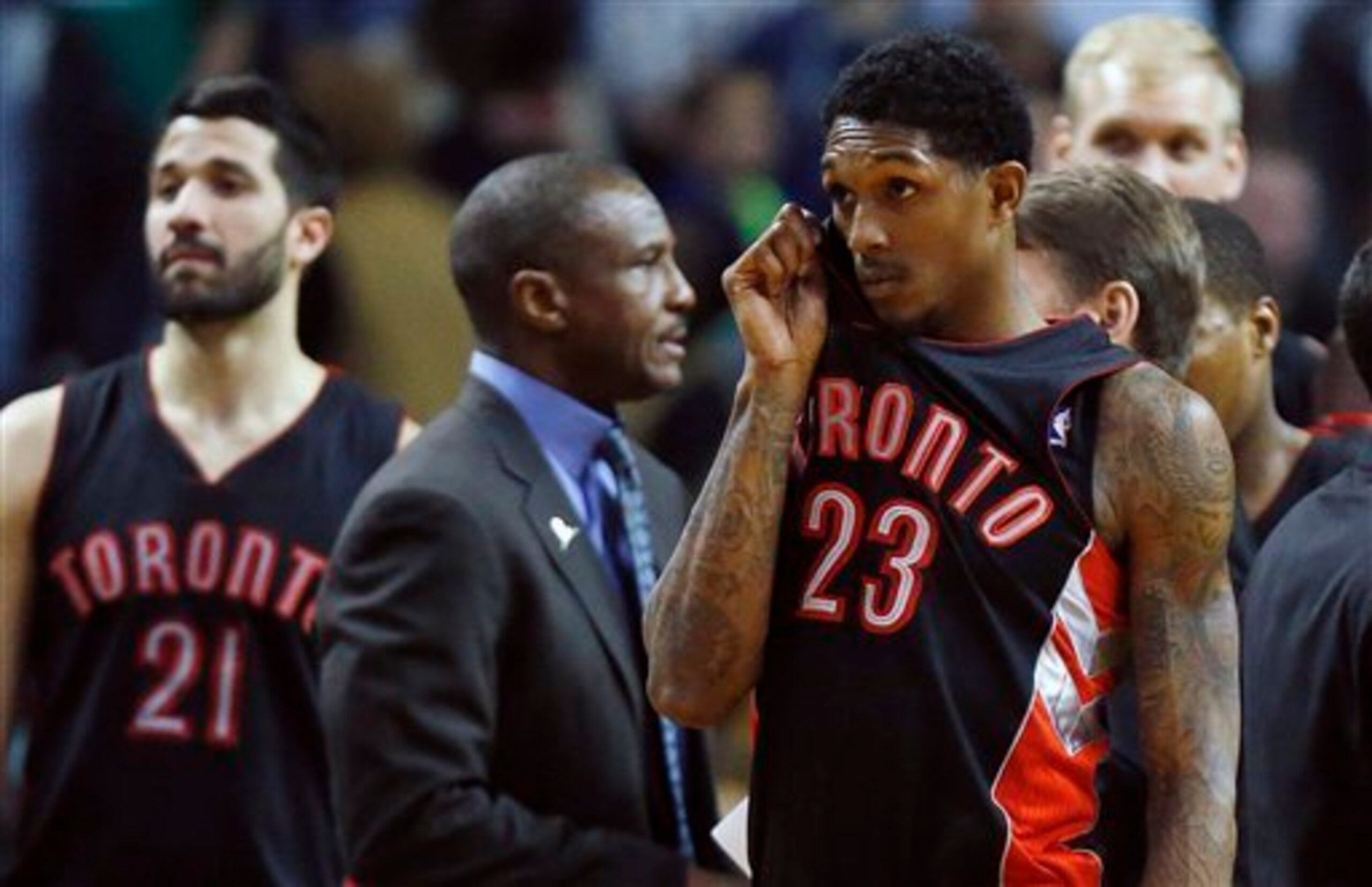
Louis Williams is almost by definition an X-factor. He's the guy who takes the Toronto Raptors offense to another level, playing a crucial role in its ability to score 108.1 points per 100 possessions—the league's third-highest offensive efficiency, according to Hollinger team stats.
He's a tad one-dimensional, sure. But oh how he can dominate that dimension.
Williams averaged a career-high 15.5 points per game this season, putting him front and center of the race for Sixth Man of the Year.
NBA.com's Steve Aschburner notes that Williams "had scored at least 10 points 63 times through the Raptors' first 80 games and 25 points or more on 11 occasions. Toronto is 14-3 when he leads the team in scoring and 14-6 when Williams scores at least 20 points."
That ability to dictate games with his bench scoring sets Williams apart. He was born to provide a spark and keep the offense humming nearly single-handedly.
"You have to take advantage of a guy's strength. Scoring is his strength," head coach Dwane Casey said recently, per Aschburner. "You're going to have some nights where he can't hit the side of the barn. But he's won us so many games by changing the game with his energy, his offensive energy. It's given our team an offensive identity. For better or for worse, it's helped us win a lot of games."
Yes, there are risks that come with relying on an undersized scoring guard (6'1", 175 lbs) with a penchant for perimeter shots. But those are risks Toronto has to take. Even with DeMar DeRozan and Kyle Lowry in top form, the Raptors need a third and fourth scorer to remain competitive.
Center Jonas Valanciunas will be in that mix, but Williams will be the one making a difference from a season ago.
Chicago Bulls: Derrick Rose
6 of 16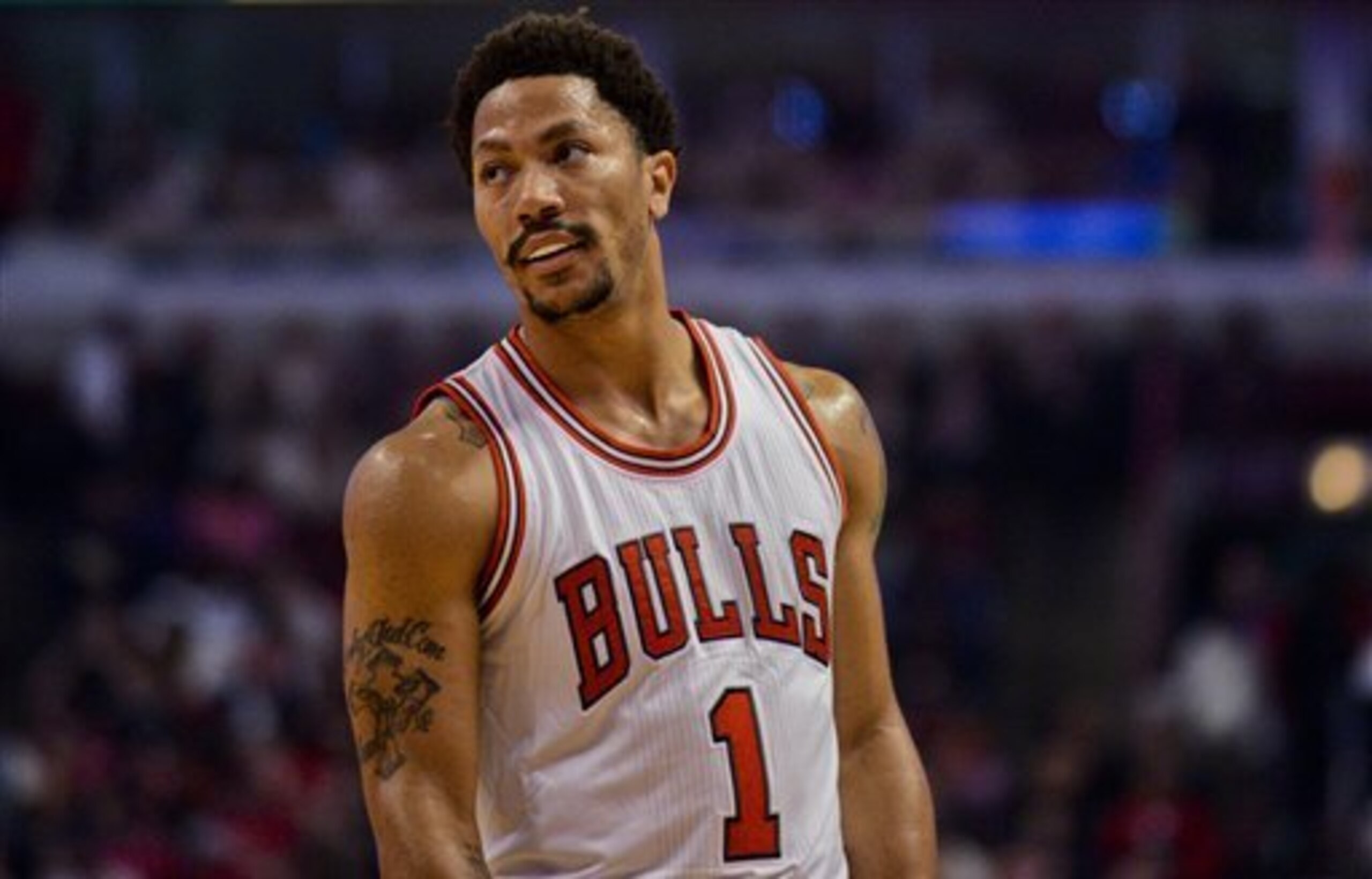
Ordinarily, a former MVP wouldn't qualify as an X-factor. But Derrick Rose is a different story.
The 26-year-old only played in 51 games this season, and he was still the Chicago Bulls' third-leading scorer with 17.7 points per contest. If Rose is getting enough help from leading scorers Jimmy Butler and Pau Gasol, that's good enough on most nights.
Will it, however, be good enough against potent offenses—against the Toronto Raptors or Cleveland Cavaliers?
That remains to be seen. Chicago may need more from Rose. It may need the old Rose, an explosive finisher who could control games by getting to the foul line.
His ability to replicate that on a consistent basis is in doubt, particularly after knee soreness sidelined him for the second half of Wednesday's season finale. Rose insists it's no big deal.
"I feel good," Rose told reporters after the game Wednesday. "I'm not worried about it coming up again or anything."
The bigger adjustment, he said, may be psychological.
"It's going to take some work to get my mental game ready because the playoffs are a totally different game," Rose added. "I think I'm ready for it."
If he is, and if his body allows him, Rose could keep these Bulls in the hunt for a title—or at least for the right to compete for one in the NBA Finals. But anything less than All-Star-caliber play at the point guard position would put a non-negotiable ceiling on this team's potential.
Cleveland Cavaliers: J.R. Smith
7 of 16
J.R. Smith is no longer a laughing matter. He's been instrumental to what the Cleveland Cavaliers have done since the All-Star break—the perfect shooting complement to a lineup featuring the elite playmaking of LeBron James and Kyrie Irving.
Put simply, Smith has probably become the difference for an offense that scored 107.7 points per 100 possessions this season, the fourth-best mark in the league, according to Hollinger team stats. Per NBA.com, that mark rose to 110.2 points per 100 possessions when Smith was on the floor.
Ridiculous hauls of three-point buckets tend to have that effect.
Smith has scored at least 20 points 10 times in his 46 appearances with the Cavaliers, an impressive feat considering he's playing alongside quality scorers like James, Irving and Kevin Love. Put simply, Smith is getting his share—and he's earning it.
The 29-year-old made 39 percent of his three-point attempts with the Cavs this season, which is remarkable for a guy who is attempting 7.3 treys per contest. Though one might like to see Smith penetrate and create more often, his job is to shoot three-pointers for this team. And when he's shooting like this, why not?
Smith may have established himself as this team's third scoring option, somewhat usurping a role presumptively designated for Love. That's not necessarily a bad thing, but it creates responsibility for Smith.
Now that he's playing alongside LeBron, there are newfound expectations on both ends of the floor. Smith has to do his job with greater focus and attention to detail, and he just might pass that test. One can't complain about the recent results.
Smith offered an argument against anyone who doubts his seriousness and professionalism, writing a piece for the The Cauldron.
"There have been unfair rumors that led people to have misconceptions about me: that I don't care; that I don't take my job seriously; that I'm not committed to my craft," he wrote this week. "It's unfortunate, but people have been saying this about me during my entire career.
"It obviously bothers me and naturally would bother anyone to feel that people don't take you serious as a person. ... (After getting to know me) someone tells me I am a completely different person than who they perceived me to be."
Maybe we owe Smith the benefit of the doubt. He has plenty of opportunities to prove doubters wrong in these playoffs.
Atlanta Hawks: Dennis Schroder
8 of 16
The Atlanta Hawks' starting five is a model of consistency. Its ability to share the ball and score in ensemble fashion is a testament to head coach Mike Budenholzer's philosophy. The Hawks know how to play team basketball, and it earned them a No. 1 seed.
But that starting lineup may need some help if a deep postseason run is indeed in the offing. On paper, teams like the Cleveland Cavaliers, Chicago Bulls and Toronto Raptors could also pose a threat. It's hard to argue Atlanta's eight-man rotation is better than Cleveland's at this point in the season.
But someone like Dennis Schroder could change that. This guy has quietly scored in bunches all season long, pouring in 21 points in just 17 minutes in a loss to the Bulls this week. The Hawks may not need that kind of production every night, but it could be the difference on others.
Schroder averaged an impressive 10 points and 4.1 assists in only 19.7 minutes per game this season. That made him easily one of the most efficient backup point guards, a nice little luxury for a team that gets plenty out of starter Jeff Teague. The Hawks were 8-2 when Schroder started games in place of Teague.
There's a risk Schroder's minutes will actually decrease in the playoffs, but he could probably change that with some inspired play—even if it means lining up alongside Teague for brief stretches of backcourt small ball.
The 21-year-old may not be the biggest name on this list, but he's made a legitimate impact on the Eastern Conference's best team. One can't help but wonder what he'll do on a larger stage.
New Orleans Pelicans: Jrue Holiday
9 of 16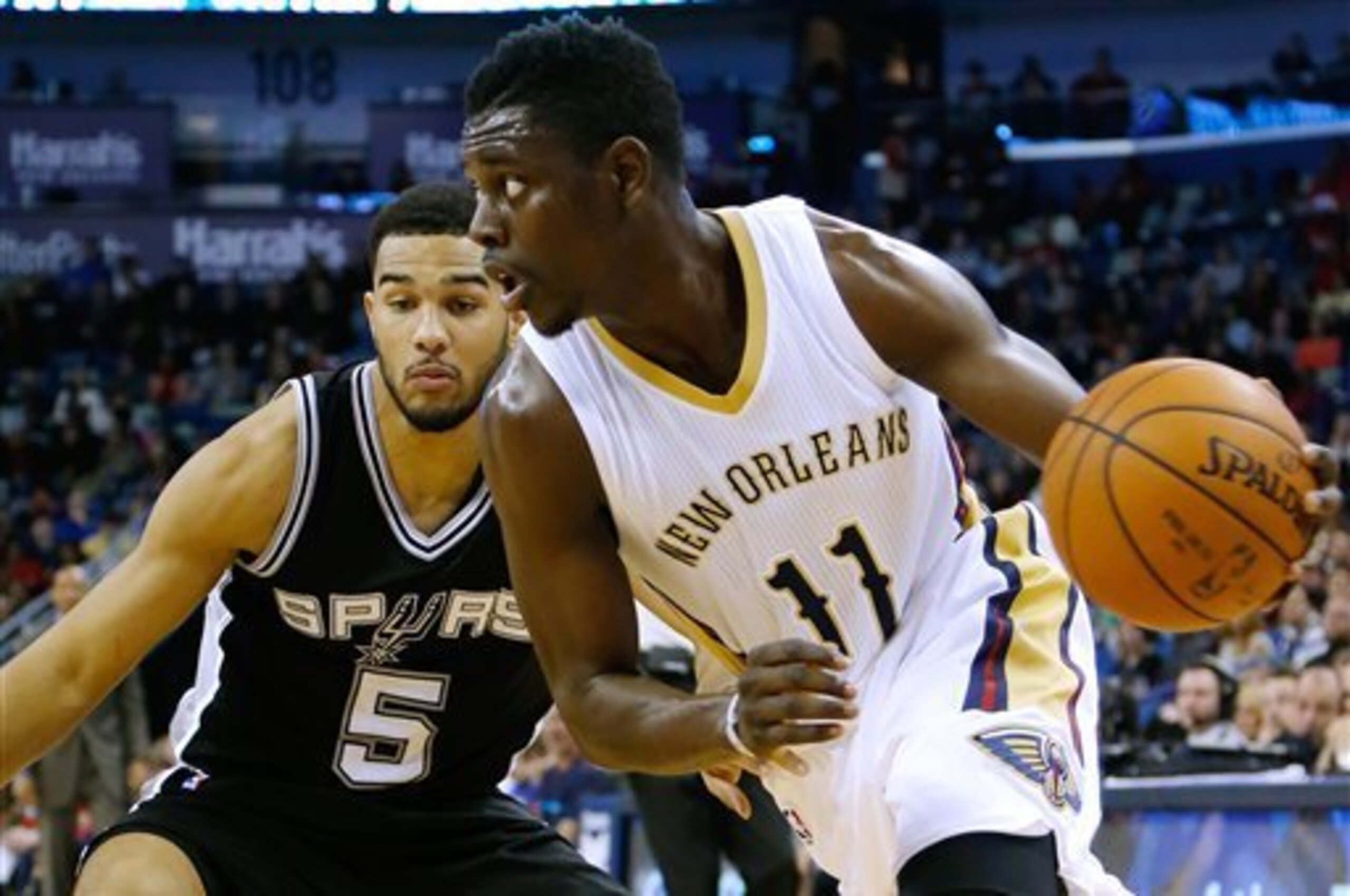
It's a point guard's league, and the New Orleans Pelicans need theirs to be in top form during the postseason—especially in an opening around against Stephen Curry's Golden State Warriors.
Jrue Holiday has shown some signs he may be up to the test. Though the 24-year-old has only made three appearances after being sidelined for nearly three months with a stress injury in his right leg, he made the most of his limited minutes in two of those appearances.
Holiday made all three of his three-point attempts in a 17-point outing against the Houston Rockets and racked up 11 points and four assists in this week's pivotal win against the San Antonio Spurs. New Orleans doesn't need Holiday to be an All-Star right now—it just needs him to show some consistency and defend his position.
Those long arms won't stop Curry, but they could bother him ever so slightly. That would be a small victory for the Pelicans.
For the season, Holiday averaged 14.8 points and 6.9 assists per game. Though Tyreke Evans filled in admirably as the club's chief playmaker during Holiday's absence, having another passer around is a necessity against a team that can score like the Warriors.
The big question is how Holiday will respond to what promises to be increased playing time. Thus far, he's been subject to minutes restrictions since returning from injury.
"Obviously like I said, they got to protect me from myself," Holiday told reporters earlier this month. "If I feel like I can go, even if I'm hurt, it's not like I'm going to tell somebody until I can't walk anymore. I guess we'll talk about it more."
Presumably, Holiday will see more action in the playoffs. But with a limited sample size in recent weeks, there's no way of knowing what he can do.
Dallas Mavericks: Rajon Rondo
10 of 16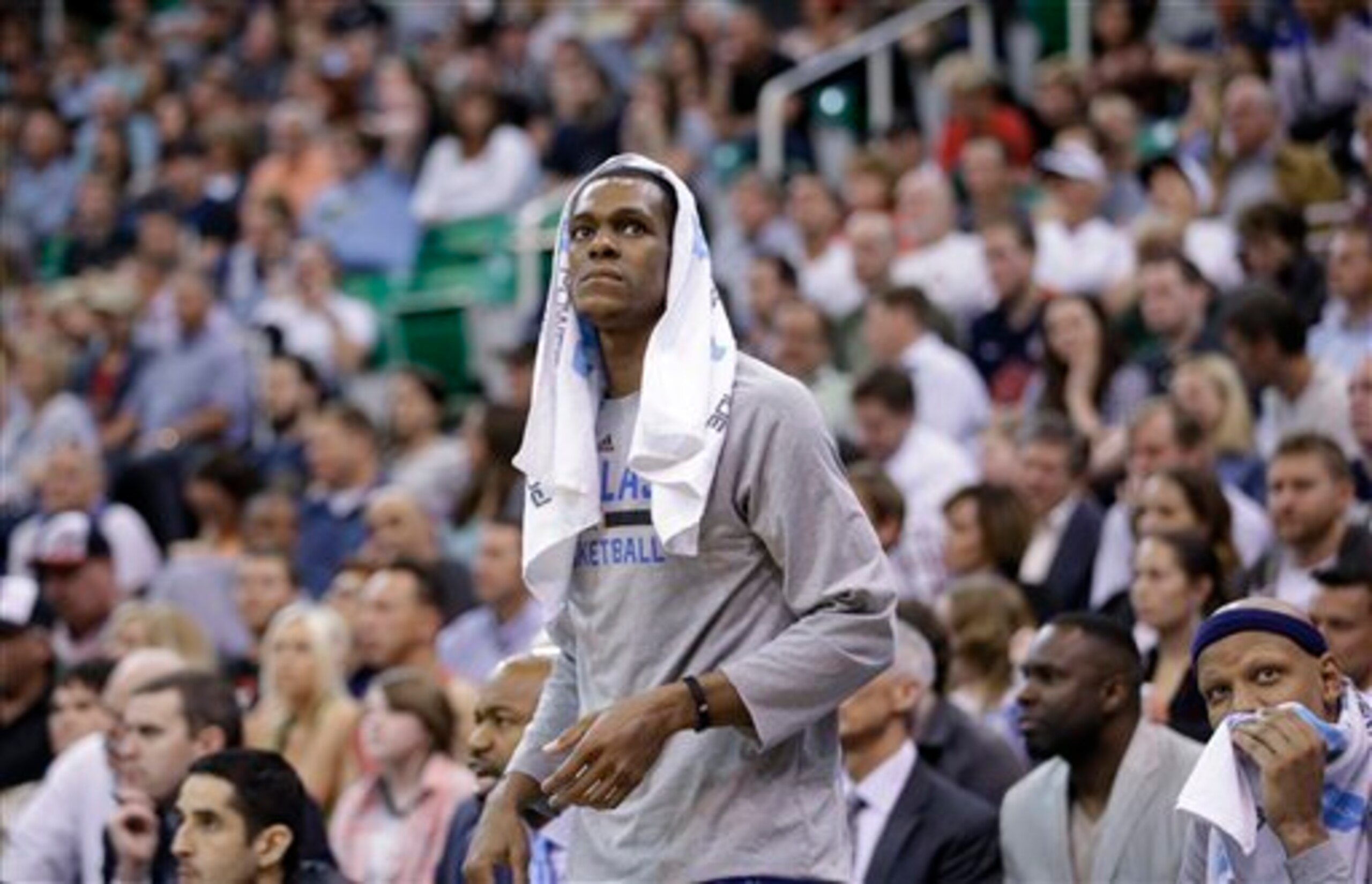
The Dallas Mavericks desperately need point guard Rajon Rondo to go into All-Star mode. Through 46 appearances with the club, he wasn't that—not by a long shot. Solid, sure. But the Rondo of old could have tallied 6.5 assists per game in his sleep. The 28.7 minutes per game weren't much, and he wasn't doing much to earn additional playing time.
This isn't about Rondo becoming a great scorer overnight. He's never really been one, aside from the occasional superstar outburst.
This is about Rondo becoming more aggressive and comfortable running Dallas' offense and creating for Dirk Nowitzki, Monta Ellis and Chandler Parsons. Rondo has a fantastic core at his disposal. But something is still off, and Dallas can only hope the postseason stage elicits another level of effort.
Without perfect chemistry, Rondo may simply have to fight in order to be a difference-maker. At his best, he's not just a passing maestro—he's also a defensive pest with the ability to stir things up in transition. The Mavericks will need those easy points more than ever against a stout Houston Rockets defense in the opening round.
The Washington Post's Josh Planos also argues that Rondo could be a useful tool in the collective effort to slow down MVP candidate James Harden. He cites a telling comment that head coach Rick Carlisle made about defending Harden in January.
"Right now, there's nobody playing better basketball on the planet," Carlisle told reporters at the time. "We have a lot of guys knowing where he's at. We have to create crowds. We have to throw a lot of different guys at him. It's a major, major part of the game plan."
So maybe Rondo is one of those guys and part of those crowds.
One suspects Rondo could also take advantage of his matchup with the 37-year-old Jason Terry, who was never known for his defensive pedigree. If the Mavericks can get the ball into the paint via penetration, there will be open shots—an especially good thing for a team at its best when catching-and-shooting. Creating those opportunities is a specialty of Rondo's, at least when he's at his best.
San Antonio Spurs: Danny Green
11 of 16
It was a career-best season for Danny Green. He made at least 41 percent of his three-point attempts for the fourth straight season, and his career-high 11.7 points per contest ranked fourth on the San Antonio Spurs.
But numbers don't tell the whole story here. Green's ability to alter the momentum of games with timely three-point barrages suggests he's more than just a good shooter. He's also clutch—and streaky in the most dangerous way.
The double-edged sword kind of way, too.
Green didn't attempt a shot in 18 minutes during Wednesday night's 108-103 loss to the New Orleans Pelicans. He went 0-of-7 against the Houston Rockets five days before that in a too-close-for-comfort 104-103 win. When Green struggles, the Spurs often follow suit.
He didn't struggle much in March when San Antonio went 12-3. Green made an unthinkable 48.8 percent of his 5.3 three-point attempts per game in March, averaging 13.1 points in just 27.9 minutes per contest. Before that, one could also argue that—more than any other Spur—Green carried this team's offense amid injuries to Tony Parker and Kawhi Leonard.
The in-between game could use some work, but you won't find a purer three-and-D specialist in the business. The 27-year-old creates stops and can shoot from any distance, often coming off screens or in transition. Give him a glimpse of daylight, and he cashes in more often than not.
A cold streak would doom San Antonio, however. That almost came to pass in last season's opening round against the Dallas Mavericks. Green scored just 17 points combined through the first five games of that series before totaling 33 points in Games 6 and 7.
That can't happen again if the Spurs have any hope of outscoring the ever-potent Los Angeles Clippers in this season's first round. Green's offensive output will be nothing short of indispensable.
Memphis Grizzlies: Jeff Green
12 of 16
This designation could have gone to the sometimes brilliant Mike Conley or defensively vital Tony Allen, but it remains unclear when or whether they'll even play in the Memphis Grizzlies' opening-round series against the Portland Trail Blazers.
The Grizzlies may well be without Conley (foot sprain) and Allen (hamstring) for some unknown portion of the postseason.
"When you're missing two starters, it's very difficult to gauge," head coach Dave Joerger told reporters earlier this week. "You don't know when they'll be able to play, and I'm not able to prognosticate whether they'll be able to play on Sunday or Wednesday next week. I don't know if either one of them will play."
With or without its full arsenal of assets, Memphis will need a little extra help on both ends of the floor—help that forward Jeff Green is well-positioned to provide.
Green's 13.1 points per game might not wow anyone, but the 28-year-old is capable of big performances. Since the All-Star break, he's scored at least 20 points on four different occasions. Unfortunately, he also scored in single figures six times during that span.
The Grizzlies acquired him via trade this season so that he could do the former and stabilize the wing while making Memphis a more dangerous offensive club. The grit-and-grind identity remains in full force, but defense alone doesn't count for much in a conference populated by so many high-scoring squads.
Except for a handful of off nights, Green has largely risen to the occasion. He made 36.2 percent of his three-point attempts for Memphis this season and quickly earned a starting job at small forward. There's plenty to like about his future with the organization—assuming he picks up his player option for next season.
But it's less clear that Green can carry a consistent offensive load in the near term. Is he destined to play a complementary role? Can he step up in the event Conley is absent or playing at reduced capacity?
These are the big questions for Green and—in turn—the Grizzlies.
Portland Trail Blazers: Nicolas Batum
13 of 16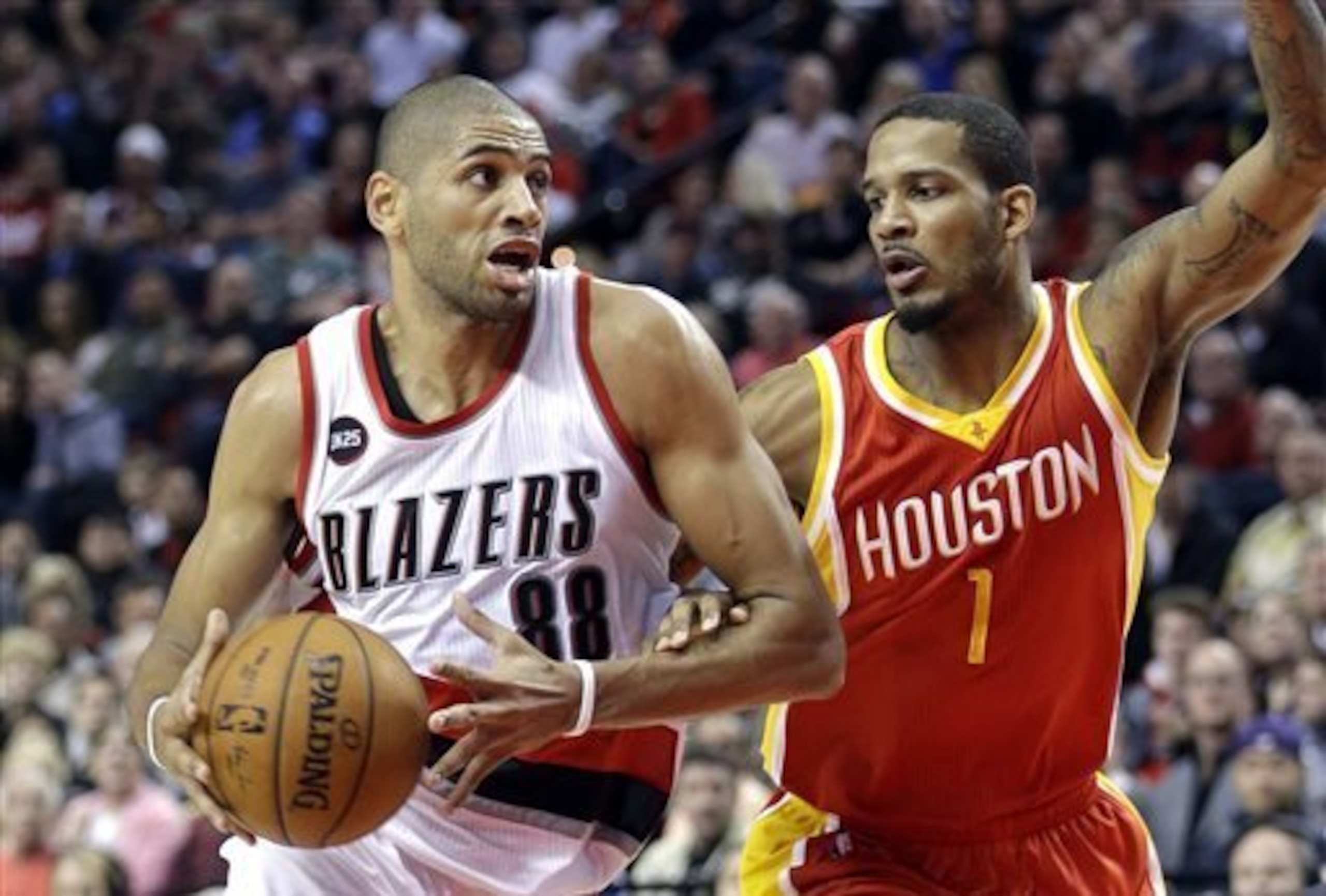
Though Nicolas Batum suffered a knee contusion late in the season, Portland Trail Blazers owner Paul Allen recently shared an update via Twitter: "MRI shows only inside knee bruise, he is day-to-day but likely OK for playoffs...Good news."
That's particularly good news for a team that's already missing shooting guards Wes Matthews and Arron Afflalo to injuries. Portland needs all the help it can get on the wing, and Batum may be the principal source of that help.
On paper, the 2014-15 campaign wasn't the 26-year-old's finest hour.
His 9.4 points per contest marked the first time since his 2007-08 rookie season that he failed to average double-figure points, and his 40 percent success rate from the field was even worse than that rookie season. By any metric, Batum took a step back as a scorer this year. He's still a versatile defender and capable playmaker (with 4.8 assists per game), but his own offense prompted no shortage of head scratching among the Trail Blazers faithful.
Put simply, that has to change fast.
Portland needs something—anything—from Batum. Maybe that means he becomes more of a cutter. Maybe it means he does some work out of the post. However head coach Terry Stotts opts to approach his half-court sets, Batum has to find a way to get involved.
Keep in mind that Matthews was averaging 15.9 points per game before he went down. And it's not just about replacing that production. It's about having a consistent third option who can take some of the defensive attention away from stars LaMarcus Aldridge and Damian Lillard. Their effectiveness may in part depend on the presence of another scorer, and Batum has the resume that fits.
Batum's challenge will be channeling his former self, showing more assertiveness and fearlessness on an offensive end where he's struggled this season. Now is the time for a short memory and here-goes-nothing attitude.
Otherwise, this will almost certainly be another shortened postseason for the depleted Trail Blazers.
Houston Rockets: Josh Smith
14 of 16
He only averaged 25.5 minutes per contest with the Houston Rockets this season, but Josh Smith established himself as a potentially vital cog in head coach Kevin McHale's rotation. Alongside Terrence Jones, he's become a mainstay of the club's interior rotation—mostly for the better.
Smith even made 33 percent of his three-point attempts in his 55 appearances with Houston this season, almost making one believe that such attempts are fair game for a guy who's historically done his best work around the basket.
This is part of what makes Smith such an unknown variable. He can fall in love with those perimeter shots, and he's never been especially shy about attempting long two-pointers, either. Success for Smith will in part mean playing within himself, focusing on the things he does well rather than fancying himself a legitimate stretch 4.
And what, you may ask, are the things he does well?
Taking the ball to the basket is fraught with its own danger—namely the fact that he only made 52.1 percent of his free-throw attempts for the Rockets this season. So on face value, Smith appears to be an offensive liability on some nights and a legitimate third or fourth option on others. As long as he's taking reasonably smart shots, Houston can live with that.
It's the defense that makes Smith so valuable. Even without the gaudy block numbers that characterized his early years, the 29-year-old still has the length and athleticism to disrupt offense. Houston only allowed 99.1 points per 100 possessions when he was on the floor, according to NBA.com. That figure increased to 105.1 points per 100 possessions when he wasn't on the floor.
The 1.2 blocks per game help, but so too—for example—do Smith's quickness and mobility when defending the pick-and-roll. He can quietly make an impact for a club that's increasingly built its identity on the defensive end.
Indeed, a quiet impact may be far preferable to a loud and potentially counterproductive one.
Los Angeles Clippers: J.J. Redick
15 of 16
His numbers were good enough to make J.J. Redick the Los Angeles Clippers' third-leading scorer (with a career-high 16.4 points per game), but he's been especially on point since March. The 30-year-old has averaged more than 20 points per contest in March and April, and he's been unstoppable from three-point range.
Put simply, Blake Griffin and Chris Paul aren't the only reasons this team wound up leading the league in offensive efficiency with 109.8 points per 100 possessions, according to Hollinger team stats. Jamal Crawford obviously played a critical role off the bench, but Redick spaced the floor for that starting unit.
He's one of the best when it comes to moving without the ball; he's a Reggie Miller-like shooter who uses screens to maximum effect. And whether he takes a shot or not, Redick's mere presence keeps defenders honest and deters them from crowding the paint in a bid to help defend Griffin and center DeAndre Jordan. When you make 43.7 percent of your three-point attempts, defenders tend to show some respect.
When that offensive impact is added up, the results are staggering. Per NBA.com, the Clippers scored 113.4 points per 100 possessions while Redick played this season and just 104.1 points per 100 possessions while he sat.
That said, Redick is a catch-and-shoot specialist. And that means his value hinges on doing one thing really, really well. He's not going to dribble his way to open jumpers or penetrate through a crowded lane. Redick's job is to make shots from the perimeter, as evidenced by the team-leading 5.9 three-point attempts he averaged per contest.
An untimely cold streak would render L.A.'s offense fairly average and far more dependent on Griffin and Paul's capacity for heroics. Against similarly high-powered offenses like the Golden State Warriors or San Antonio Spurs, the Clippers need more than heroism.
They need uncanny consistency from their starting shooting guard.
Golden State Warriors: Draymond Green
16 of 16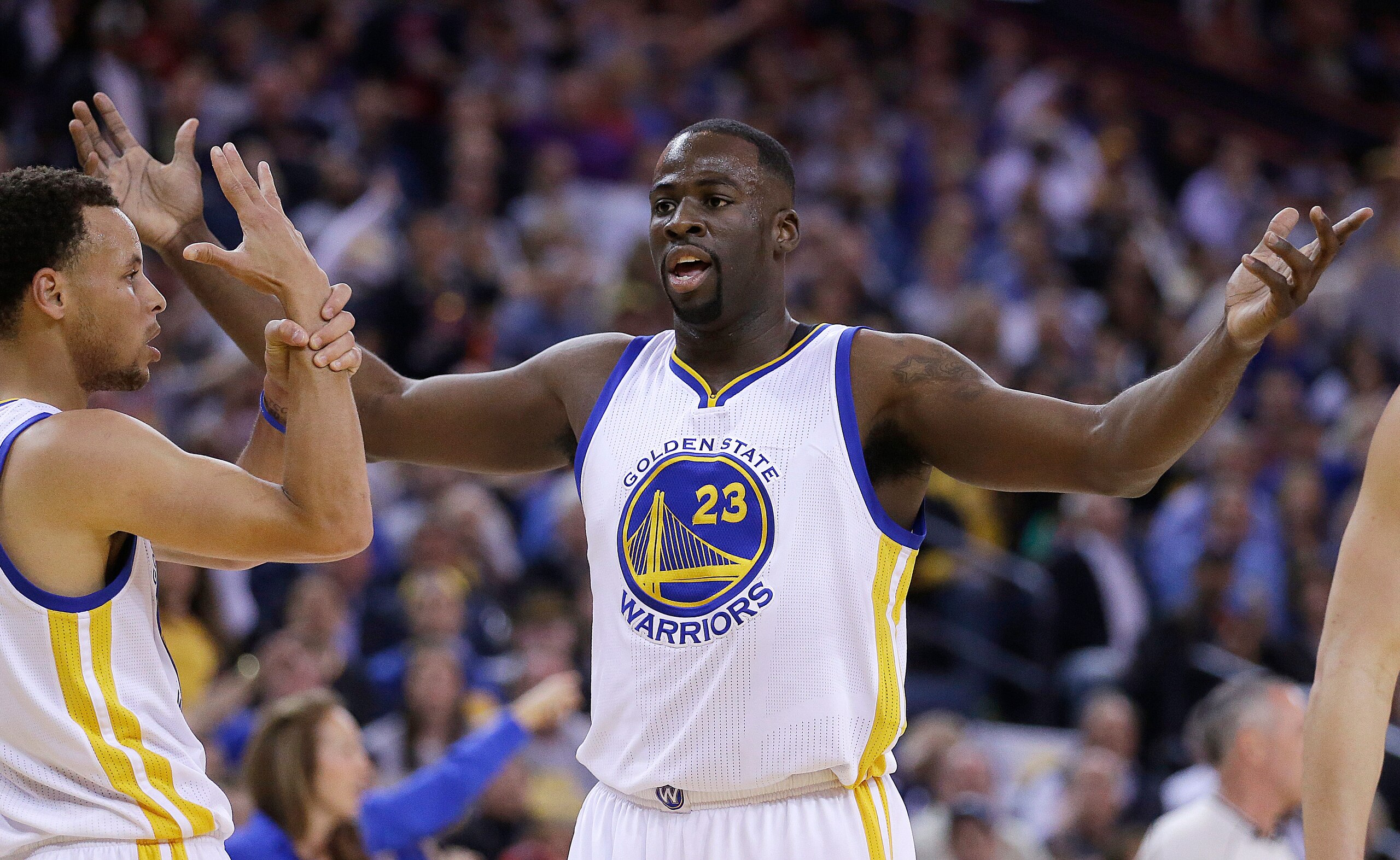
Draymond Green proved he could do a little bit of everything for the Golden State Warriors this season, usurping the starting job at power forward (from David Lee) and impacting games significantly on both ends of the floor.
He led the team in rebounds per game (8.2) while ranking second in assists (3.7) and third in scoring (11.7). Let there be no more doubt about whether this guy is an everyday contributor with a ridiculously diversified skill set.
And let there be even less doubt about his defensive ability. The Warriors only allowed 96 points per 100 possessions when Green was on the floor this season, according to NBA.com—a mark that increased to 102.1 points per 100 possessions when he wasn't on the floor. Some of that defense came in the ever tangible form of 1.56 steals and 1.25 blocks per game—but much of it manifested in sheer versatility.
Green can guard virtually anyone—all but the quickest point guards and biggest centers. His ability to check players in the post and on the wing allows Golden State to switch in pick-and-roll situations without sacrificing too much in the defensive mobility department. That's been central to this club's evolution as a two-way enterprise.
In the playoffs, the Warriors need Green to be just as consistent on the offensive end.
He made an unspectacular but solid 33.7 percent of his 4.2 three-point attempts per game, enough to space the floor but less than ideal for a guy with a relatively quick trigger. Of all Golden State's starters, Green's 44.3 percent mark from the field was actually the lowest—and well under the team's average of 47.8 percent.
There's also the danger that Green could disappear at inopportune times. In seven April appearances, he was limited to single-digit scoring four times. That kind of feast-or-famine approach to scoring is a bit worrisome now that each and every game counts for so much.
If Green rises to the occasion and hits the long ball with some regularity, the Warriors could comfortably contend for a championship. If he's less than consistent, however, things could get a little more interesting.


.jpg?w=2560 "NFL investigating 2 referees for separate viral exchanges")

.jpg?w=2560 "OBJ Calls Out Giants 😳")

.jpg?w=2560 "Love's Body Already 'Tired'")
.jpg?w=2560 "Ward Nearly Walks Out of Presser ▶️")
.jpg?w=2560 "Buzz: Tyreek Eyeing November Return")