
Predicting Which High Seeds in 2015 NCAA Tournament Won't Reach 2016 Big Dance
You think the NCAA tournament goes fast? The rest of April seems to flash by even quicker.
It goes from “One Shining Moment” to a bunch of coaches swapping schools and players either doing the same or moving on to the NBA. And all of a sudden we’re examining the 2016 NCAA field.
You say too soon, but we say why not? The beauty of it is the tournament isn’t a career recognition award. A bid must be earned every year. Not even highly seeded teams, like No. 6 and above, are a sure thing the following season, as we’ll examine.
Billy Donovan’s Florida teams won back-to-back championships, and then the Gators had to muddle through the NIT the following season (2008). John Calipari even had to take the same detour at Kentucky a year after winning the 2012 title.
Here’s a list of teams that will be on an upset alert of not getting back to experience the madness of March. Sometimes it’s because of losing a lot of talent or a star player. A few cases, we’ll admit, could be considered flat-out trolling, though there are reasons to be skeptical of some ongoing success rates.
But no team should consider itself safe. Here’s a slideshow of the highest at-risk teams for next season.
West Virginia Mountaineers
1 of 9
What they've done: No. 5 seed, advanced to Sweet 16
Why next season will be tougher: Leadership
Perhaps the Mountaineers’ two greatest assists toward next year happened in this last one. They were without Juwan Staten in four late-season games (turning into three losses) because of injury. That could’ve at least helped his younger teammates understand how to play without him.
The moxie shown by freshman Daxter Miles Jr. leading up to the Kentucky game could show WVU the importance of keeping mouths shut and just focusing on basketball.
But Bob Huggins has an interesting crew next year: There are expected to be 11 returning players who saw large chunks of time, led by 6'9'' junior forward Devin Williams.
It appears that Huggins will continue to be Press Virginia, but he’ll miss the stats of Staten (14.2 points) and Gary Browne (seven points) plus Staten’s nearly five-assist average.
Those two veterans provided reliability which could be hard to replace immediately. Staten, for one, was the guy who could keep teammates in the right place mentally or in line.
How old players react to new roles and new leaders will be critical parts of WVU’s 2015-16 season.
Northern Iowa Panthers
2 of 9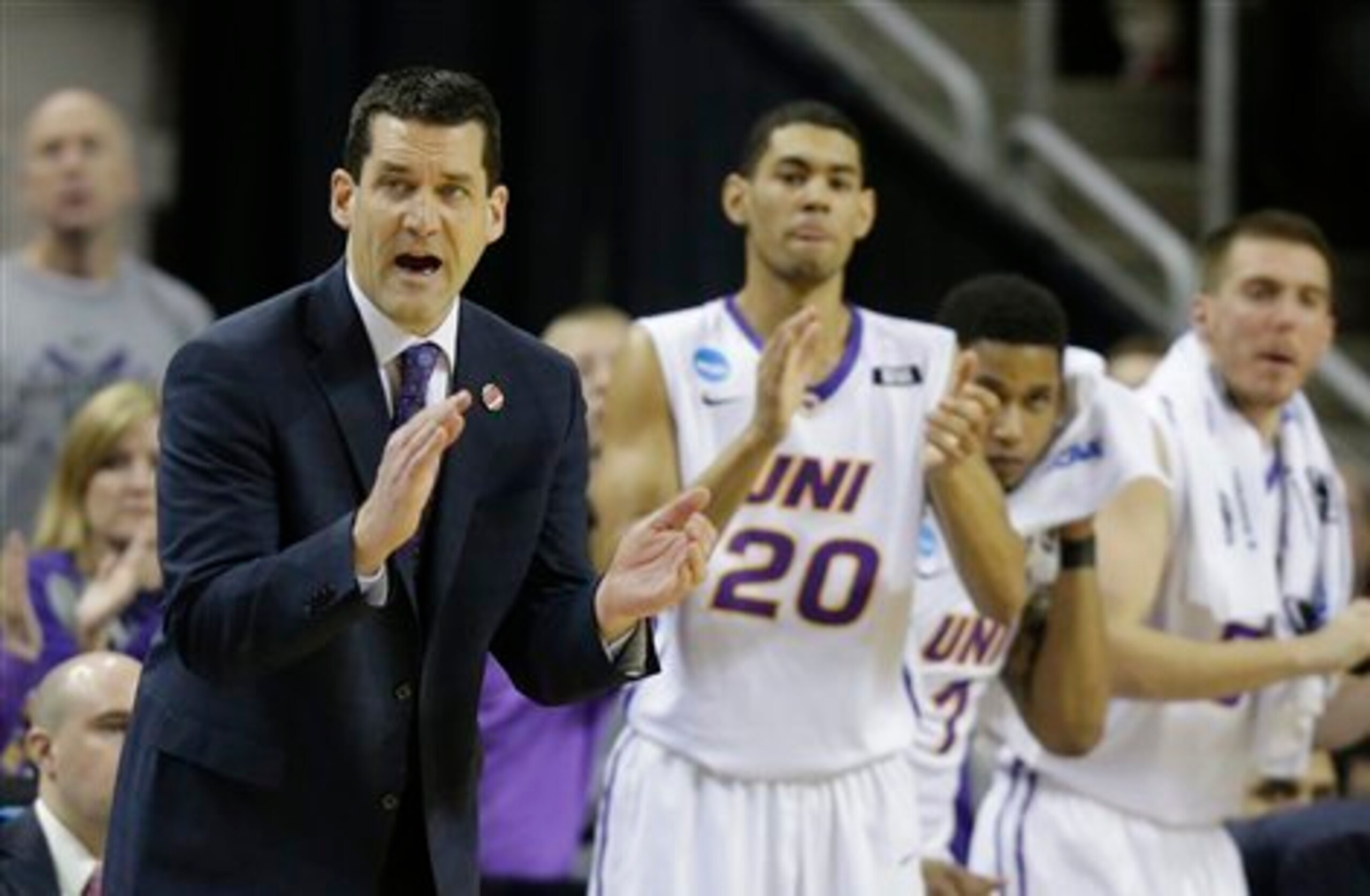
What they've done: No. 5 seed, lost in round of 32
Why next season will be tougher: Loss of a stud
Ken Pomeroy and his algorithms were big fans of Seth Tuttle. The graduation of the 6’8’’ senior forward will be super hard for a team like UNI to replace.
It wasn’t just that he shot 60 percent from the field (and 43 percent from three-point range), but he was KenPom.com’s No. 5 player of the year because he assisted on nearly 30 percent of his team’s made baskets when he was on the floor. His ability to get teams to focus on him then crisply alleviate that pressure is what star power is all about.
Two other starters are gone as well. Nate Buss and Deon Mitchell both shot better than 40 percent from the arc.
Missouri Valley Conference rival Wichita State didn’t make things any easier. The Shockers retained head coach Gregg Marshall along with senior guards Ron Baker and Fred VanVleet, which could make the Panthers a very distant No. 2 in the league. And that’s not a good thing come NCAA at-large bid time.
Providence Friars
3 of 9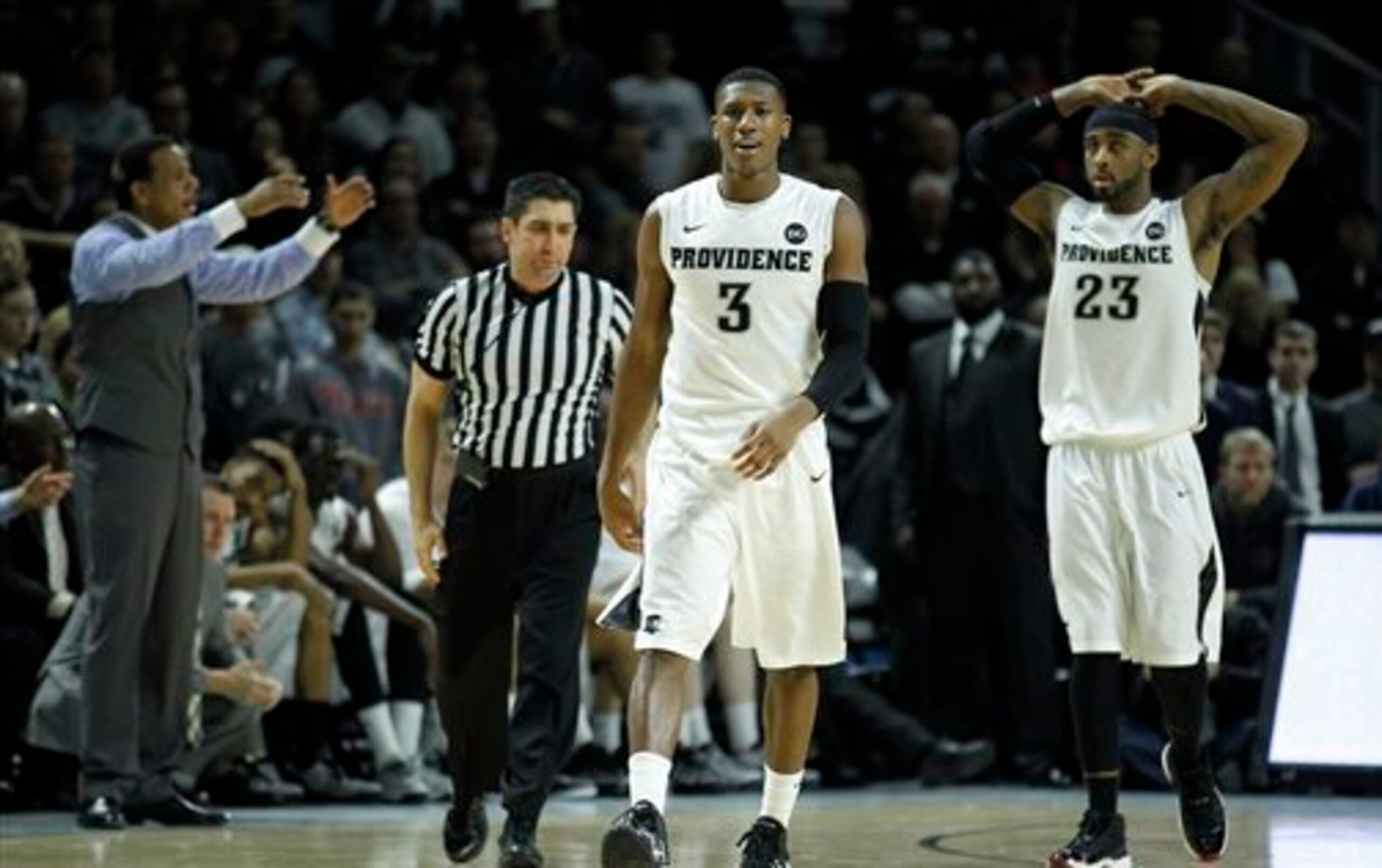
What they've done: No. 6 seed, lost in round of 64
Why next season will be tougher: Waiting on Kris Dunn’s NBA decision
Dunn has jumped up NBA draft boards since the start of 2015, and it’s no wonder. He’s a 6’3’’ sophomore who led the nation by KenPom.com’s ratings in assist percentage. He was also fifth in steal percentage.
Throw in the graduations of LaDontae Henton—who averaged a team-best 19.7 points while playing 37 minutes a game—and 7-foot shot-blocker Carson Desrosiers, and it could be too much to expect Ed Cooley’s team to live up to last season’s standards.
Also, Tyler Harris (9.9 points, four rebounds) will play his final year somewhere else.
The bright side is Cooley is used to growing a team fast. He only had three veterans heading into the 2014-15 season, and look at what his team accomplished.


Baylor Bears
4 of 9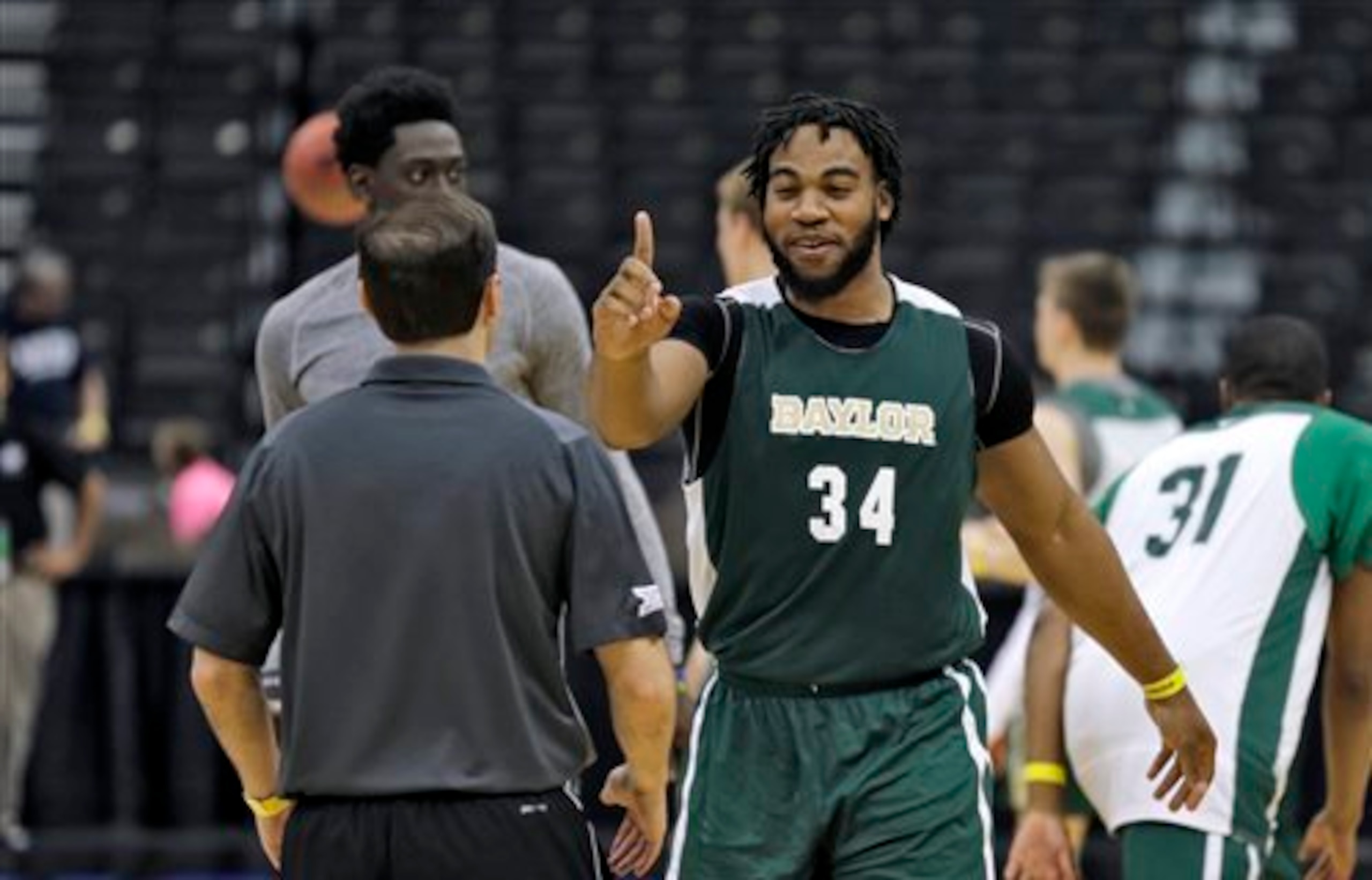
What they've done: No. 3 seed, lost in round of 64
Why next season will be tougher: Coach Scott Drew’s history
This is flat-out trolling in a large respect. It isn’t really a case of absent talent. The Bears have a high-caliber recruiting class coming in plus the likely return of Rico Gathers, who is already a family man but appears to have no intention to forgo his senior year for the NBA draft, according to 247Sports' Ashley Hodge.
But mentioning Baylor is an admittedly backhanded way to examine Scott Drew’s career. Baylor’s coach since 2003 has a history of drop-offs every few years. His team was the NIT champion in 2013 and didn’t make the NCAA tournament in 2011 either. Baylor also went to the NIT in 2009.
Perhaps looking at the Bears shows just how far (in consistency) they’ve come. But it’ll still be worth watching the April 26 deadline to see if Gathers changes his mind and takes his double-double average (11.6 points, 11.7 rebounds) to the next level.
Utah Utes
5 of 9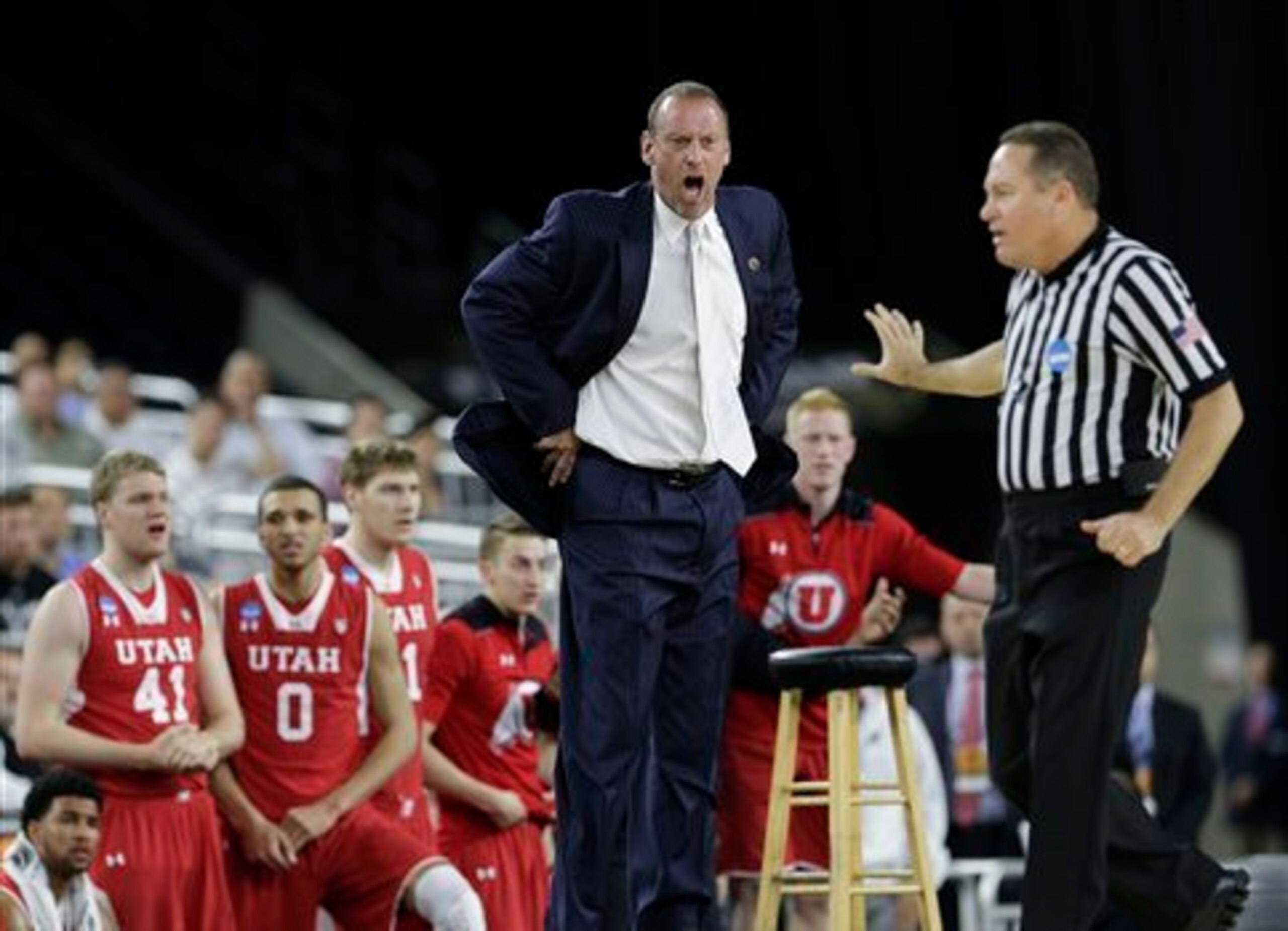
What they've done: No. 5 seed, lost in Sweet 16
Why next season will be tougher: Losing a talent like Delon Wright
Wright, a 6’5’’ senior guard, may be one of those guys outsiders can truly appreciate now that he’s gone.
The Utes have to hope the departure of the Bob Cousy Award winner (top point guard) isn't such a wide-ranging factor. But it could be. Wright could score but, more importantly, also pass and make teammates look better at both ends of the floor—not to mention dictate a game’s tempo when he had the ball in his hands.
Then you’ve got to factor in the potential loss of would-be sophomore center Jakob Poeltl, a 7-footer from Austria who went from unheard of to potential first-round NBA draft pick. He looked strong against Duke star freshman Jahlil Okafor in the Sweet 16—the Blue Devil had just six points, eight rebounds on three made shots—so that was something extra for the player and NBA suits to consider.
If Poeltl goes, the Utes will be without their top two big men—Dallin Bachynski graduates.
To have similar success next year, coach Larry Krystkowiak would really be earning his new contract.
Georgetown Hoyas
6 of 9
What they've done: No. 4 seed, lost in round of 32
Why next season will be tougher: So much loss besides a highly capable point guard
The Hoyas were one of those “easy” picks to lose quickly in the NCAA tournament. That didn’t happen, as they held off trendy Eastern Washington.
But John Thompson III’s team will again be a trendy team to be knocked off the NCAA field perch. The Hoyas had a 25-7 season in 2012-13 and went to the NIT the following year (18-15). That trend could repeat itself after losing three starters.
The key to rebuttal, however, is D’Vauntes Smith-Rivera backed out of his intentions to test the NBA draft waters. He hadn’t been high on mock draft boards despite averaging a team-best 16.3 points per game.
The starting front line is gone, as Mikael Hopkins and Josh Smith graduated.
The saving grace is that four freshmen who all averaged at least 13 minutes per game are back: Isaac Copeland, Paul White, Tre Campbell and L.J. Peak.
Thompson III is expected to have highly touted recruits Jessie Govan and Marcus Derrickson in the mix. And don’t forget Akoy Agau, a Louisville transfer who’s eligible at midseason.
The question mark for GU goes beyond the starting five and includes Smith-Rivera’s mindset, as he will be a senior trying to get on the NBA draft-board radar.
Gonzaga Bulldogs
7 of 9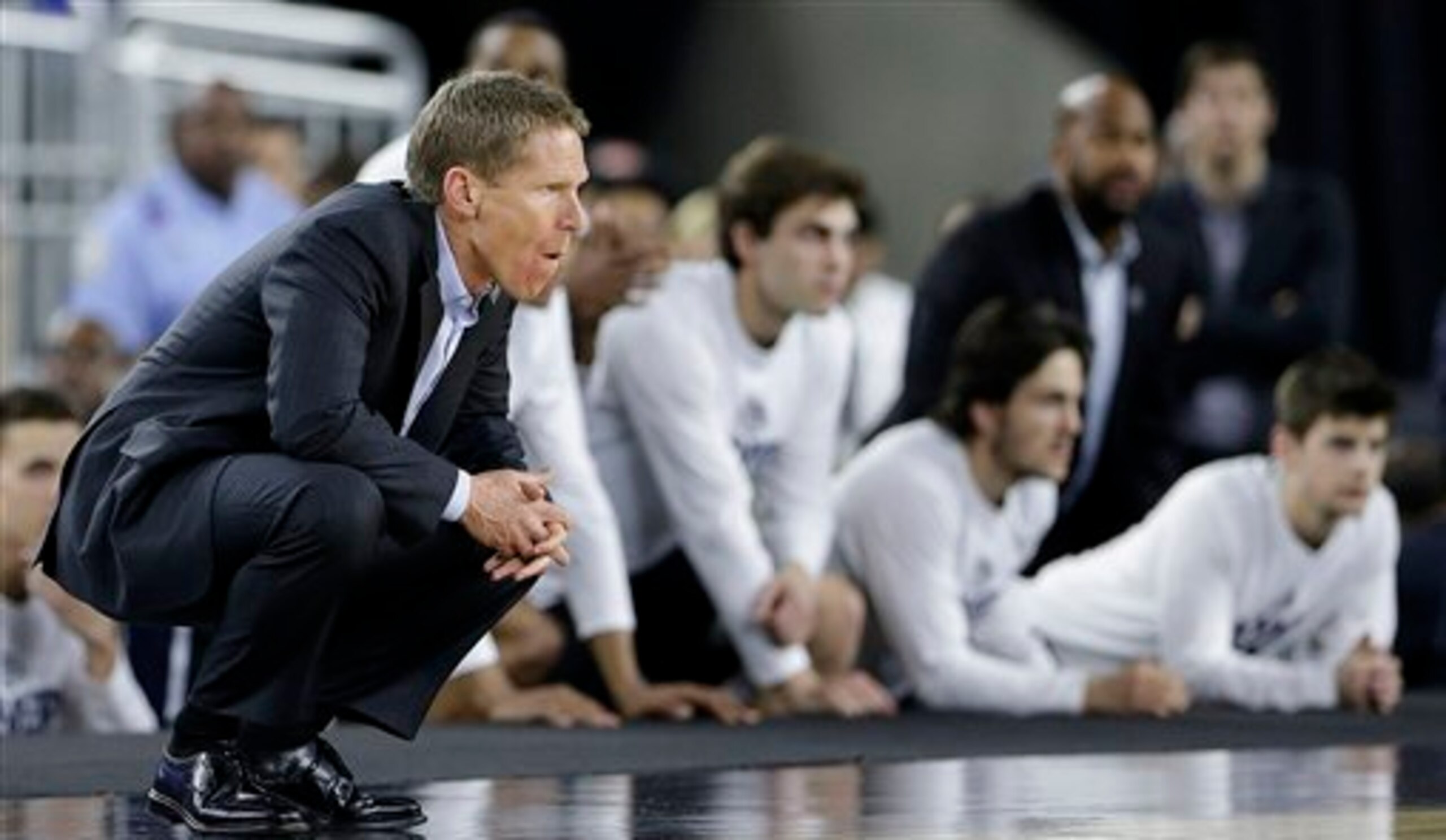
What they've done: No. 2 seed, lost in Elite Eight
Why next season will be tougher: Sometimes winning big becomes a next-year problem
Making a trip to the Elite Eight can be a boon for coaches and players alike. There’s no way Gonzaga is losing Mark Few, but some of his best players appear to be taking long looks at the NBA—longer than even The Spokesman-Review's Jim Meehan would have figured.
He said he would’ve put the odds on Kyle Wiltjer leaving at about 20 percent a month ago, but that number’s risen dramatically since the season ended.
GU already lost longtime starting backcourt players Kevin Pangos and Gary Bell Jr. to graduation. Domantas Sabonis, a 6’10’’ freshman, is staying around. But junior big man Przemek Karnowski is still testing the waters, per Meehan.
It could be a more topsy-turvy end to the season than even the most realistic Bulldogs fans could’ve imagined.
Not getting to the NCAA tournament would be a major, major upset. Few has advanced every year since his first shot in 2000. But there’s the potential for drastic turnaround and a just-good-enough West Coast Conference to make 2015-16 a trickier one than most for GU.
Arizona Wildcats
8 of 9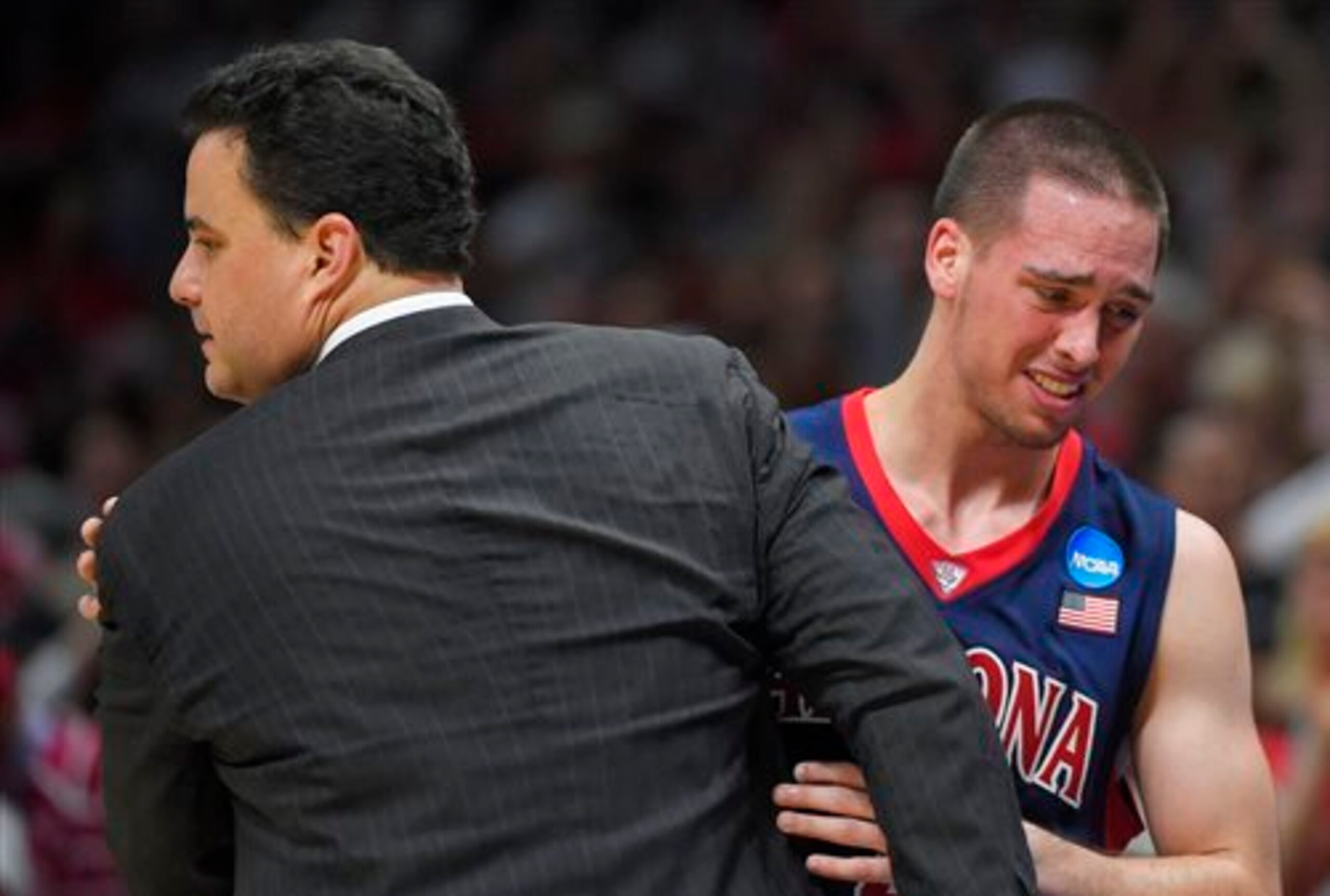
What they've done: No. 2 seed, lost in Elite Eight
Why next season will be tougher: A slew of roster turnover
Arizona puts the “A” in overhaul these days.
Point guard T.J. McConnell graduated. Rondae-Hollis Jefferson and Stanley Johnson were for-sure goners after this year. Now Brandon Ashley is gone too for his NBA dream.
Arizona will have to live for a while with being 34-4 last year and falling just short of the Final Four by losing to Wisconsin.
Kaleb Tarczewski announced he is returning to Tucson, per DraftExpress' Jonathan Givony, and Sean Miller’s team should be stacked with newcomers—including 6’9’’ Boston College transfer Ryan Anderson. The obvious talent reload plus Arizona’s high status in what should be a very average (putting it kindly) Pac-12 Conference next year could have UA in good enough position to get back.
But there will be three key parts to watch.
Kadeem Allen redshirted last year, but the 6’3’’ combo guard (a former junior college Player of the Year) will be key in replacing McConnell, if not necessary from a leadership standpoint. Miller should also have two scholarships available.
It’s a lot of change, though, and that could also bode some early-season issues, which could haunt UA come selection time.
Arkansas Razorbacks
9 of 9
What they've done: No. 5 seed, lost in round of 32
Why next season will be tougher: When the star goes, the galaxy may follow
You’re special if you can play in the SEC, not be on Kentucky and stand out as the league’s best player. Bobby Portis is indeed special.
Now, the more pertinent question was if he still was with Arkansas. Portis basically said "no" Tuesday by declaring for the NBA draft after a couple of understandable but agonizing (for Pig Sooie Nation) weeks of looking at the job market.
The sophomore forward could've been the keystone to a truly special season if he returned. Along with Michael Qualls, who also chose to leave for the NBA, it could have been the kind of year that overtook Kentucky, considering all the Wildcats lost from their one-loss season.
Coach Mike Anderson loses Rashad Madden and Alandise Harris to graduation but shouldn’t suffer much because of a solid recruiting class, per Hawgs Illustrated, though the 6’5’’ Madden was a special complementary aide to the 6’11’’ Portis as a point guard.
A special season hinged on Portis coming back. Now, the Razorbacks' NCAA hopes are looking very shaky.
Unless otherwise stated, recruiting information courtesy of 247Sports.
.jpg?w=2560 "Cardinals Giants Football")
.jpg?w=2560 "Tyreek Deal May Come Soon")

.jpg?w=2560 "Ward Nearly Walks Out of Presser ▶️")