

Martin Snedden Pursuing FIFA World Cup for New Zealand
It may be a long shot, but there is increasing talk of New Zealand launching a bid to host the FIFA World Cup in either 2026 or 2030. Dylan Cleaver of the New Zealand Herald revealed as much in an exclusive with Martin Snedden, in which the sporting-events guru and former New Zealand test cricketer was optimistic about New Zealand's proposal.
Snedden, a key figure in the organisation of the 2015 Cricket World Cup co-hosted by New Zealand, as well as the 2011 Rugby World Cup in which New Zealand were exclusive hosts, believes that the country now has proven their ability to host mega-sporting events.
TOP NEWS

New NFL contenders starting to emerge after Week 4

Deion Playbook Found at Hotel
.jpg?w=2560 "Cardinals Giants Football")
NFL investigating 2 referees for separate viral exchanges
"In the past four years we've hosted two major events and haven't just done them okay, we've done them brilliantly, far beyond the expectations of ourselves and of those who granted us the events," he told Clever.
His words are true. The 2011 Rugby World Cup and recent Cricket World Cup were runaway successes from a hosts point of view, helped undoubtedly by New Zealand's successes on the field in both.

Hosting, or co-hosting, the FIFA World Cup is a different kettle of fish, but there were doubts over New Zealand's capability to host the Rugby World Cup in 2011; who is to say they will not rise to this challenge?
To get a grasp of the magnitude of the two mega-events the country has already hosted, you really need to look at some numbers.
Clever writes that the Rugby World Cup saw 133,000 visitors arrive in the country, a huge amount for a nation whose population is a shade under 4.5 million, while also being televised in over 200 countries. The event was one the New Zealand public got swept up in and the game attendances were high, even to the matches featuring minnow teams in smaller cities.
The 2015 Cricket World Cup, which was co-hosted with Australia, similarly captured the country's imagination, turning from a nation that supported the game, to one which was fanatical about it. Worldwide the event naturally attracted attention too.
As Clever noted, one single pool match, that of India versus Pakistan, attracted a global television of one billion people, with an estimated 25 million tuning in via live streaming. Of course this match is arguably the biggest rivalry in world sport, but to attract that sort of attention for a match before the event has even reached the finals stage shows the enormity of the event.
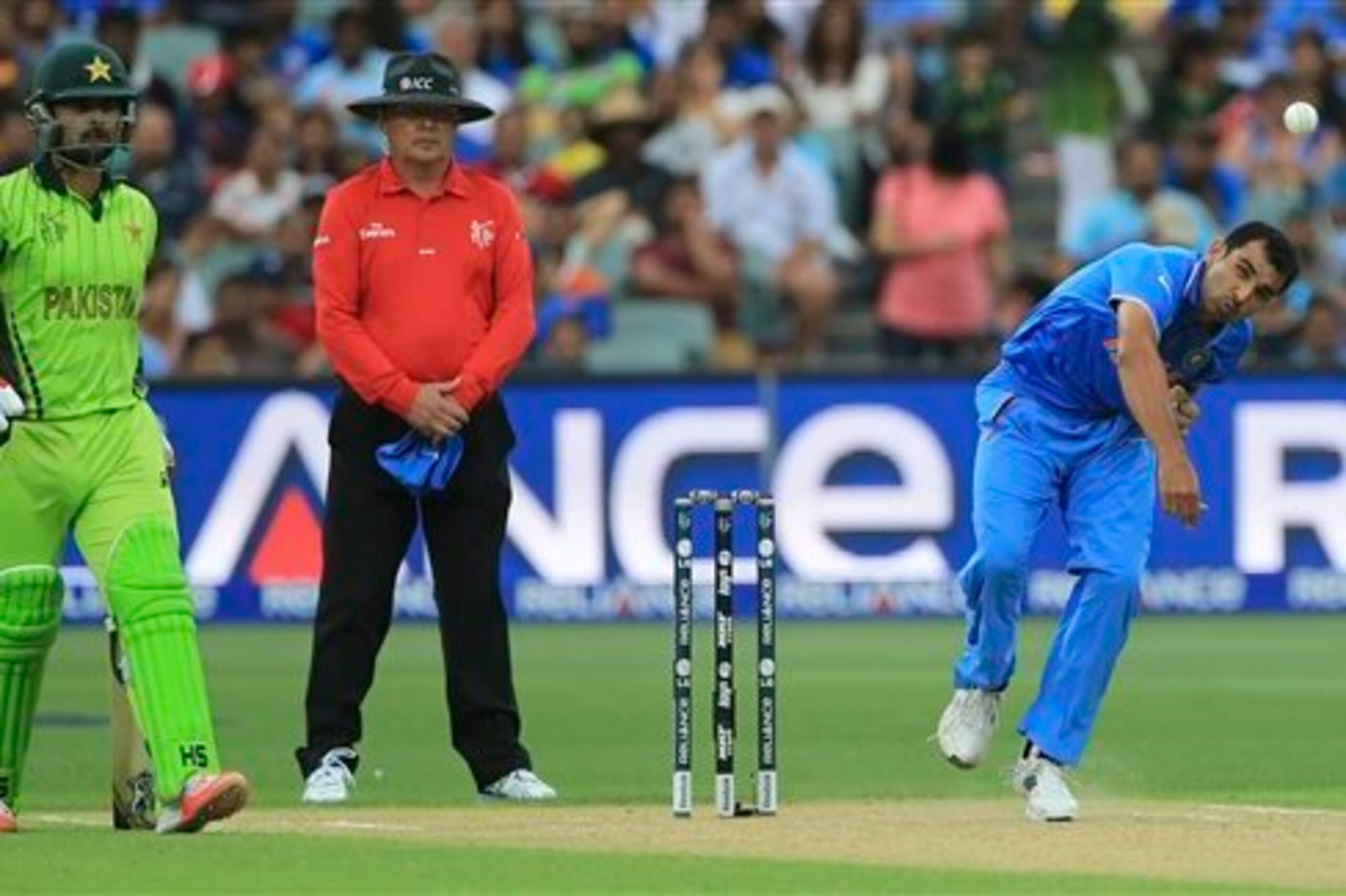
Yet the FIFA World Cup is on a different scale all together. The amount of fanatical support on a worldwide scale is significantly greater and would attract far more attention.
A joint bid with Australia seems the logical way to go. That would provide the World Cup with a bigger market, bigger hosting cities and bigger stadiums.
Realistically New Zealand only has four stadiums capable of hosting games. Eden Park is their largest stadium, capable of holding 60,000 spectators, while Westpac Stadium is the home to the Wellington Phoenix and is proven as a football venue. Beyond that you have the world-class, although perhaps slightly small, Forsyth Barr Stadium in Dunedin, as well as talk of a new stadium for Christchurch.
Those numbers are probably not going to cut it though. So the only viable option would be a co-hosting venture with Australia.
That way you would have access to the former Olympic stadium in Sydney, the Melbourne Cricket Ground and Brisbane's Suncorp Stadium, along with others. All would provide satisfactorily big and quality stadiums.
Given the huge popularity the sport is enjoying in Australia at the moment, it would hugely strengthen New Zealand's chances if they launched a joint bid.
In the coming weeks New Zealand will host the FIFA Under 20 World Cup, something of a trial run on a much smaller basis.
There is no doubting New Zealand have proven themselves as capable of hosting mega-events. Whether or not they are ready to host the FIFA World Cup though, remains to be seen.
.jpg?w=2560 "Titans Giants Football")



.jpg?w=2560 "Ward Nearly Walks Out of Presser 😳")
.jpg?w=2560 "Tyreek makes another cryptic post amid Chiefs rumors")