Sizing Up the Resumes of Potential AC Milan Buyers
Each new day brings another report or rumor about the impending sale of AC Milan.
Since the beginning of the year there have been reports about Silvio Berlusconi's willingness to sell at least a small stake in the team. Even when they issued a stern denial that an agreement had been made for a majority takeover they reiterated that the club was in the market for minority investment.
Three major candidates have emerged as the front-runners for such investment. All come from Asia, which isn't a huge surprise. Milan has one of the largest followings of any European club in the Asian market, so it's only natural for an entrepreneur from the region to take advantage of that popularity and try to make something out of it.
TOP NEWS

Final Men's Ballon d'Or Rankings 📊
Live Highlights and Viral Moments 🍿
Most to Blame at Man Utd? 😡
Given everything that's happened at Parma this season, it's worth taking a close look at the men who might one day be calling the shots at Milan. Who are these men? Where do they come from—and more importantly where does their money come from? What kind of money would they be able to contribute to the transfer market if they do enter the picture?
Today we'll briefly profile the potential buyers and what their chances are of acquiring a stake in the team.
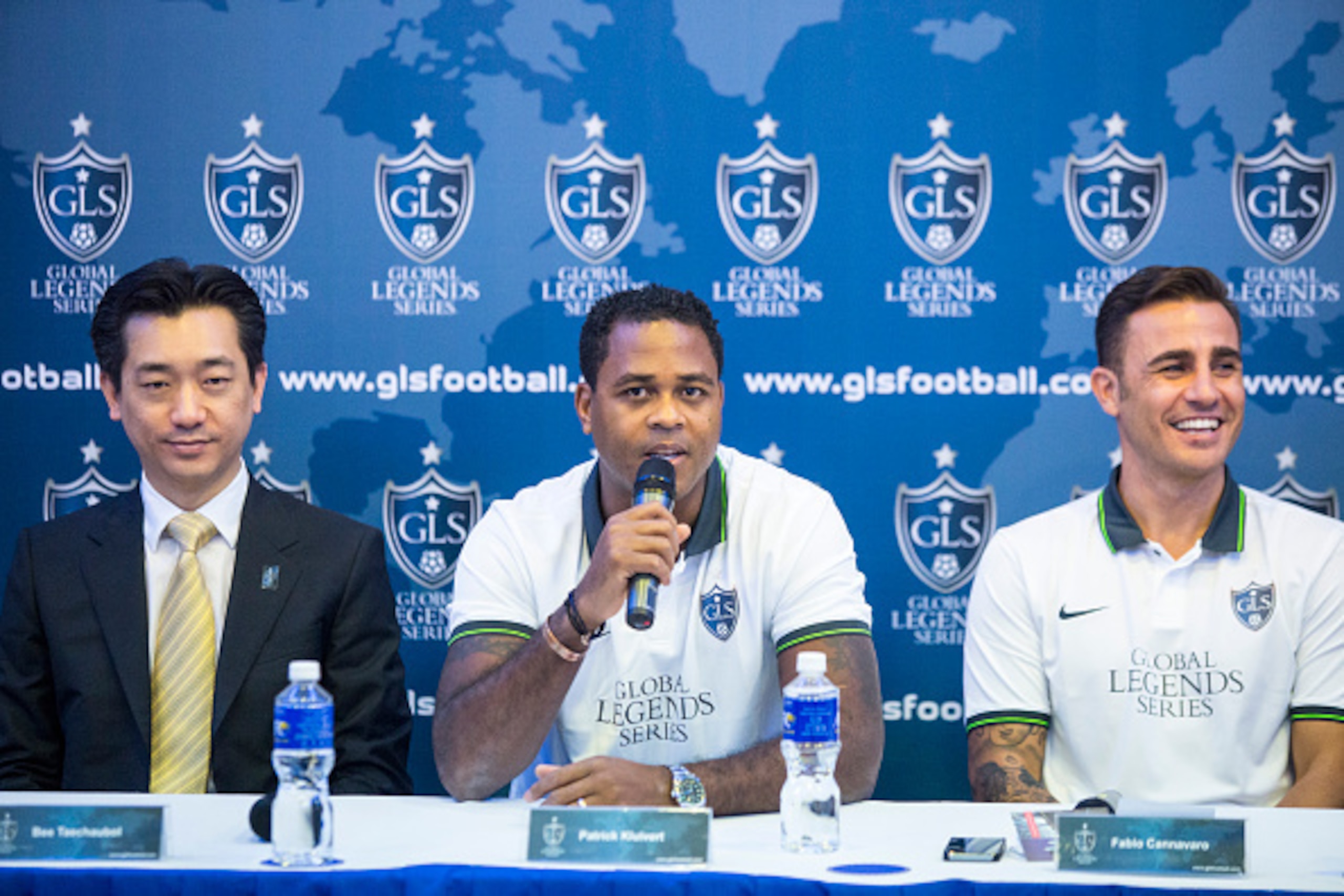
Bee Taechaubol
The first man connected with a possible purchase of Milan is Bee Taechaubol.
Taechaubol is not a total soccer outsider. He is the co-owner of the Global Legends Series, which organizes exhibitions between the game's greats around the Asian region. He hasn't had any position at any club, however, so he would be learning the dynamics of the owner role on the fly.
Taechaubol was born in Thailand but spent much of his childhood in Australia. That mix of eastern and western influences on his life has allowed him to succeed in business all over the world.
His family's holding company, Country Group Thailand, specializes primarily in real estate, but has also branched into cable TV, movie producing, mobile communications and stock brokerage. He also has a history of taking struggling businesses and turning them into major successes, as he did for a construction business in Thailand as a construction boom swept the country.
That can be an encouraging sign for a team that has been in the doldrums, but there are some red flags. Taechaubol has kept an extraordinarily low profile in his dealings, which raises questions as to whether he can handle the rigors of the Italian media if Milan continues to struggle under his watch. There's also the question of money.
Forbes sports business blogger Mike Ozanian has reported that Taechaubol's company only cleared $100 million of profits in the 2012-13 fiscal year. In Goal.com's profile of him in February he was quoted as saying "while I don't have billions of baht [the Thai unit of currency] in cash lying around I know where to get it."
That is a major issue. If Taechaubol is going to purchase Milan, it's going to have to be heavily financed by outside forces. It's not known for sure whether he's already found such partners, but it raises some doubts as to what kind of spending power the team would have under his control.
Taechaubol has a reputation for succeeding after buying low and then profiting immensely, but as Simon Kuper and Stefan Szymanski convincingly argue in their excellent book Soccernomics, running a soccer club like a business tends to have an adverse affect on the competitiveness of the team. His bid, however, could face a stiff test from his main competition.
Zong Qinghou and Poe Qiu Ying Wang Shuo
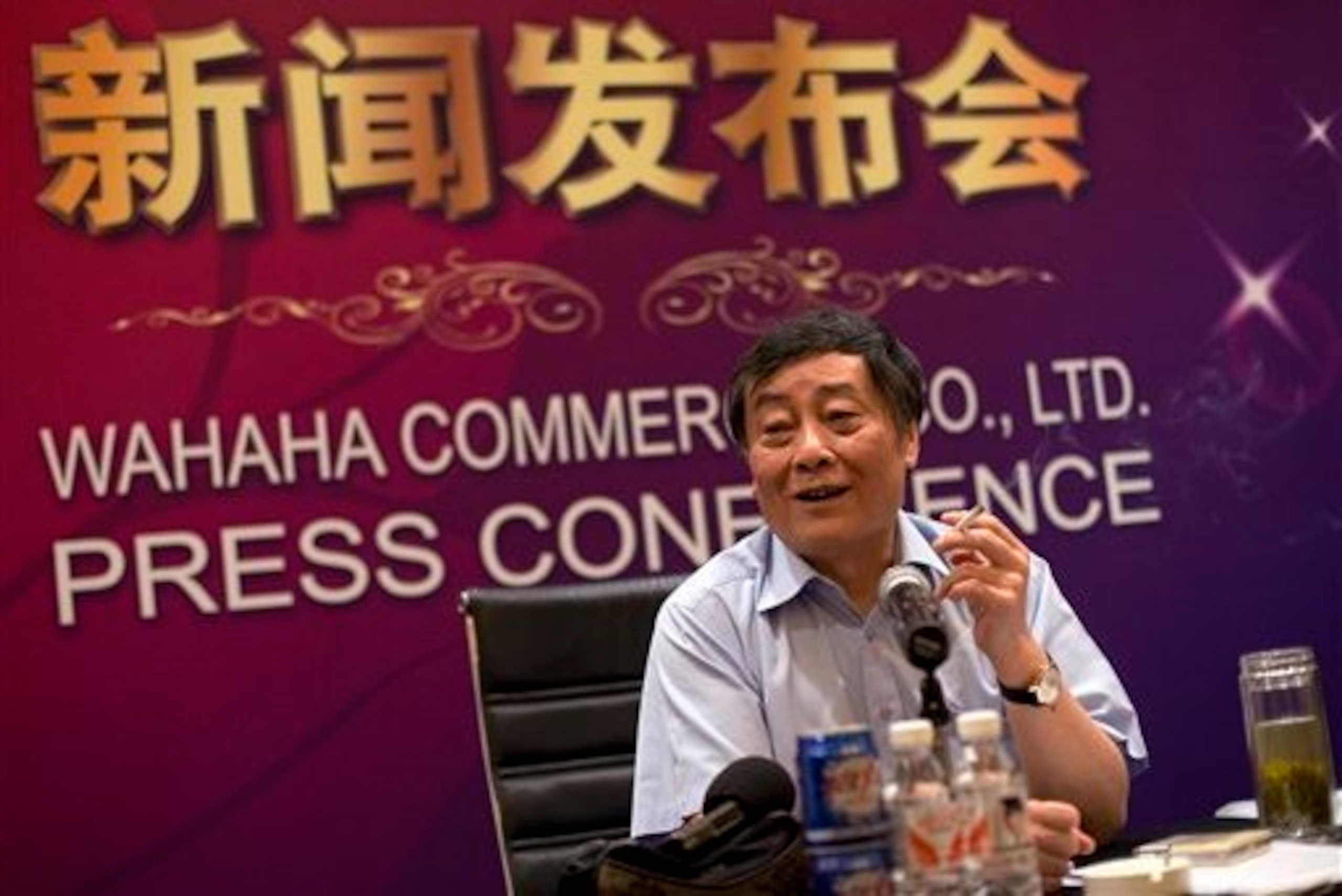
The other contenders in the sweepstakes are both from China. Both made their fortunes in the beverage industry. Zong's Hangzhou Wahaha Group Co. specializes in soft drinks, which gives rise to his nickname Mr. Cola. Poe is known for the popular energy drink he distributes, whose rosy hue bequeathed him a nickname of his own—Mr. Pink.
On the first of the month Corriere dello Sport reported (h/t Football Italia) that Zong had agreed to a deal with the Berlusconis to acquire some share of the club. Zong's company officially denied that claim, but he is now firmly ensconced in the news along with Poe as a major contender.
As for Poe, he has been connected to Milan since March, when sensational reports from Romanian web site wowbiz.ro (h/t Football Italia) claimed that Berlusconi had agreed to sell 51 percent of the club to him. That prompted the denial that was linked to earlier.
The prospect of Chinese investment in Milan was examined in detail last week by B/R's Anthony Lopopolo. The country is soccer-mad and, as the most populous nation in the world, is a huge market to be tapped. The national team is currently ranked 83rd in the FIFA World Rankings and has only made the World Cup once, in 2002 when they finished 31st of 32 teams.
The country's higher-ups hope to change that, and they took a step in the right direction in January when Chinese company Dalian Wanda Group bought a 20 percent stake in Atletico Madrid. Dutch side ADO Den Haag is also part-owned by a Chinese group, and a Hong Kong-based consortium is about to purchase most of Ligue 1 side Sochaux.
None of those teams have such a huge following in the region as Milan. It's an attractive prospect for the Chinese investors—both of whom have a major advantage over Taechaubol. Both have hefty personal fortunes that would make a purchase much easier because they won't need to look for outside money.
One of these two men is the more likely to win the race to become a stakeholder in Milan. How big a stake that turns out to be is a matter for the future to decide.


.jpg?w=2560 "5 Teams Eyeing Jonathan Taylor")
.jpg?w=2560 "Mahomes Told Teammate to Leave Meeting")


.jpg?w=2560 "Jonathan Taylor Landing Spots 📍")