

FA Cup Success Would Boost Liverpool but Without Top Four It Would Be Tainted
Liverpool progressed to the semi-final of the FA Cup with victory over Blackburn Rovers in their quarter-final replay on Wednesday night, meaning Brendan Rodgers' side will face Aston Villa in the final four at Wembley on Sunday 19 April.
The Reds are therefore two victories away from collecting the club's first silverware since 2012, and the first under manager Brendan Rodgers.
While success in the cup is far from guaranteed—especially with Arsenal, who face Reading in the other semi-final, the likely opponents in the final—it would be a huge boost to the club and provide Rodgers' young squad with that winning feeling.
TOP NEWS

Final Men's Ballon d'Or Rankings 📊
Live Highlights and Viral Moments 🍿
Most to Blame at Man Utd? 😡
Jamie Carragher, writing in Men in White Suits, discussed Liverpool's failure to win the league during the '90s and notes the importance of creating that winning habit.
"Had Liverpool beaten a major rival to a trophy in the mid-'90s, giving the players that unique taste of victory, history might have been different," writes Carragher.
It's a fair point, but football has changed dramatically in the 20 years since, and it's now much harder to break into the top four, as Liverpool and Tottenham Hotspur well know. Only Manchester City have done it and maintained their place there in the last decade—and they spent billions to do so.
It's for that reason that any success in the FA Cup this season would be hugely negated by the failure to maintain a place among Europe's elite in the Champions League.
Cup success vs. top-four qualification
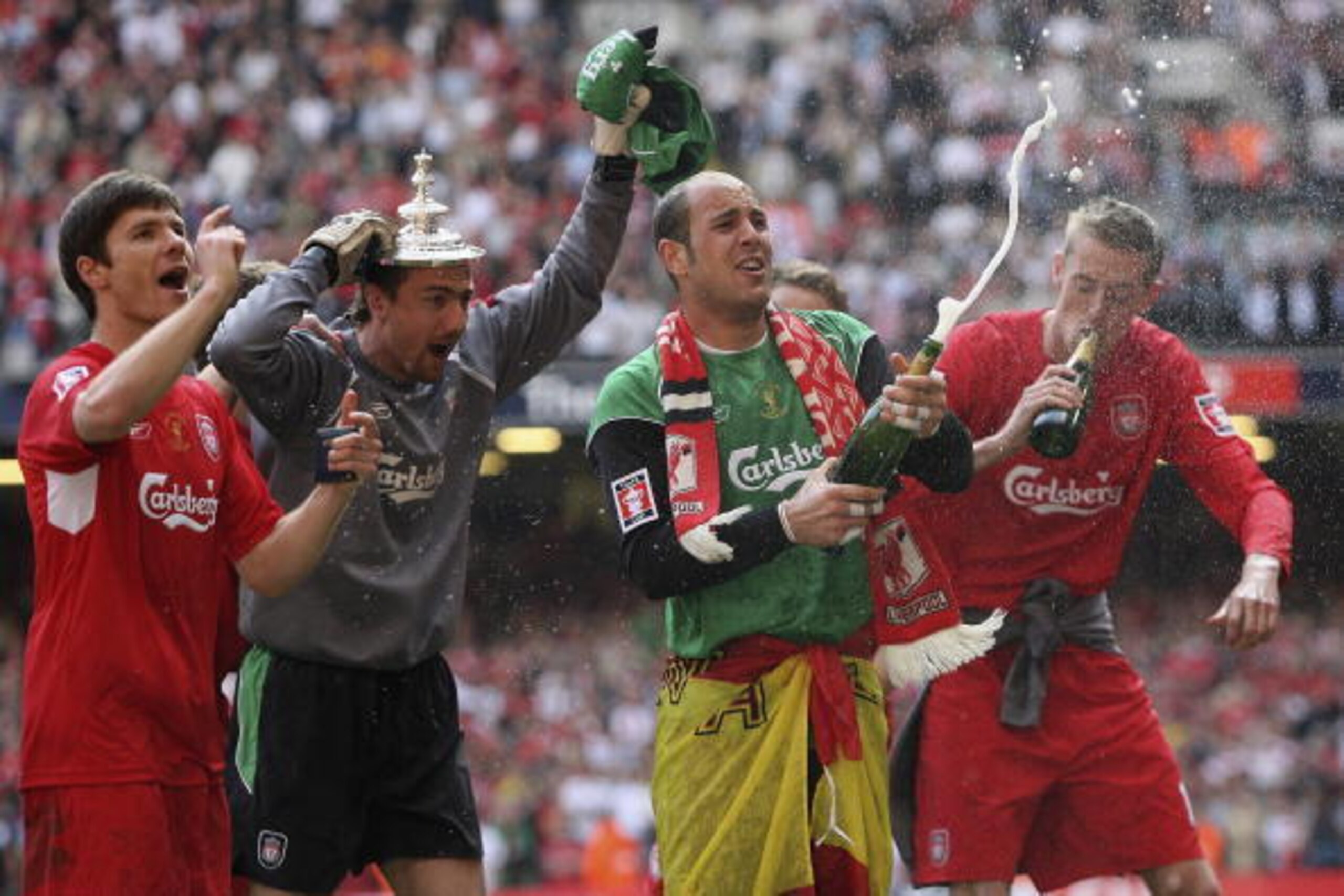
There is quite a debate, at least among supporters, of the importance placed on domestic cup success versus qualification for the Champions League.
On one side is the group who claim that Liverpool "only exists to win trophies." On the other side is those who realise the importance of Champions League football to a modern top European club.
It might not be as romantic as winning a trophy, but the cold truth is that qualifying for the Champions League should be Liverpool's number one aim each season due to the knock-on effect it has thereafter.
Winning the FA Cup would be nice, but by the time the whistle has blown for full time, it has absolutely no gain for the football club. Alexis Sanchez didn't sign for Arsenal because they won the FA Cup, he signed for them because they could (almost) guarantee Champions League football year after year—well, that and the London lifestyle.
The FA Cup offers very little financial reward so that's not part of the equation, while success in the competition means nothing for the following season.
Whereas Champions League qualification means more money (in all three revenue areas; TV, matchday and commercial), and more chance of keeping your best players, signing better players, being more successful the following season and requalifying again. Repeat cycle.
Arsenal won the FA Cup and qualified for the Champions League last season. Which was more important to the football club? The latter. The former was irrelevant no sooner had the trophy been lifted under Wembley's arch.
Yes, of course fans want their club to win trophies, and players want success too. But the modern footballer, if offered the choice of a day out at Wembley or trips to places like the Bernabeu, Camp Nou and Allianz Arena the next season, would always pick the European experience. It's where every player wants to be.
It's also where the hierarchy at any football club wants to be, for the reasons outlined above.
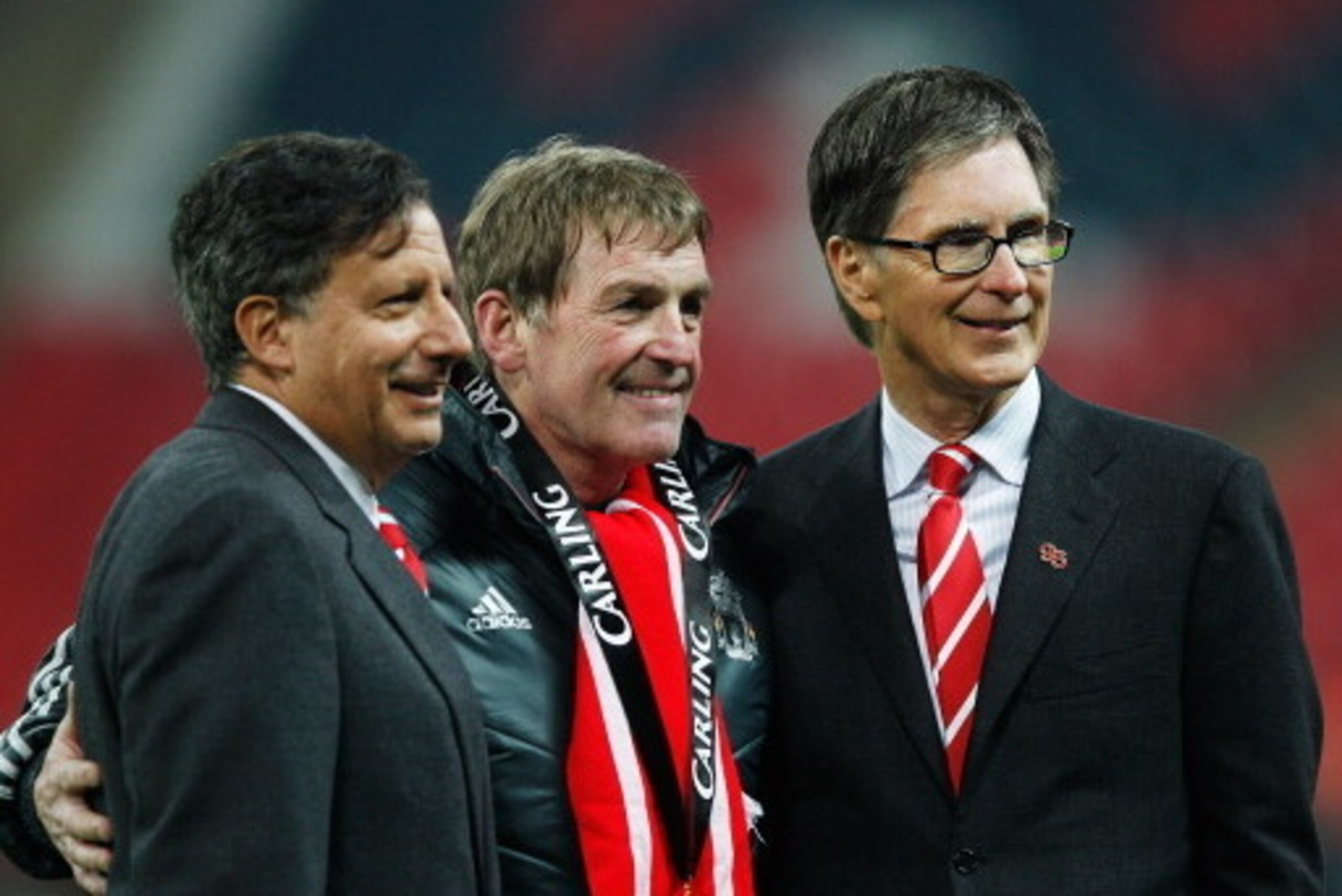
Just ask Kenny Dalglish. He got the Reds to two cup finals, winning one, in 2012. But failure to finish in the top four meant he was dismissed come the end of the season.
"Lots of fans (unspecified allegiance) saying FA Cup/no top four doesn't mean success - call me old-fashioned but still like idea of trophies
— Phil McNulty (@philmcnulty) April 9, 2015"
Missed opportunity
Even if Liverpool go on to lift the FA Cup and finish fifth in the Premier League, it will be a campaign of missed objectives.
The Reds will have missed the opportunity to consolidate their place among Europe's elite, while participation in the Champions League group stages next season has a significant financial benefit—TV money will increase by 40 percent due to BT Sport's new deal with UEFA, per the Mirror.
That means the gap between those in the competition and those who are not will only widen. After five years out of the Champions League, it could be a while before Liverpool are able to bridge that divide again.
If Rodgers' side were to finish in the top four this season, and mathematically there is still an outside chance of course, it would be at the cost of one of their main rivals—most likely Manchester United.
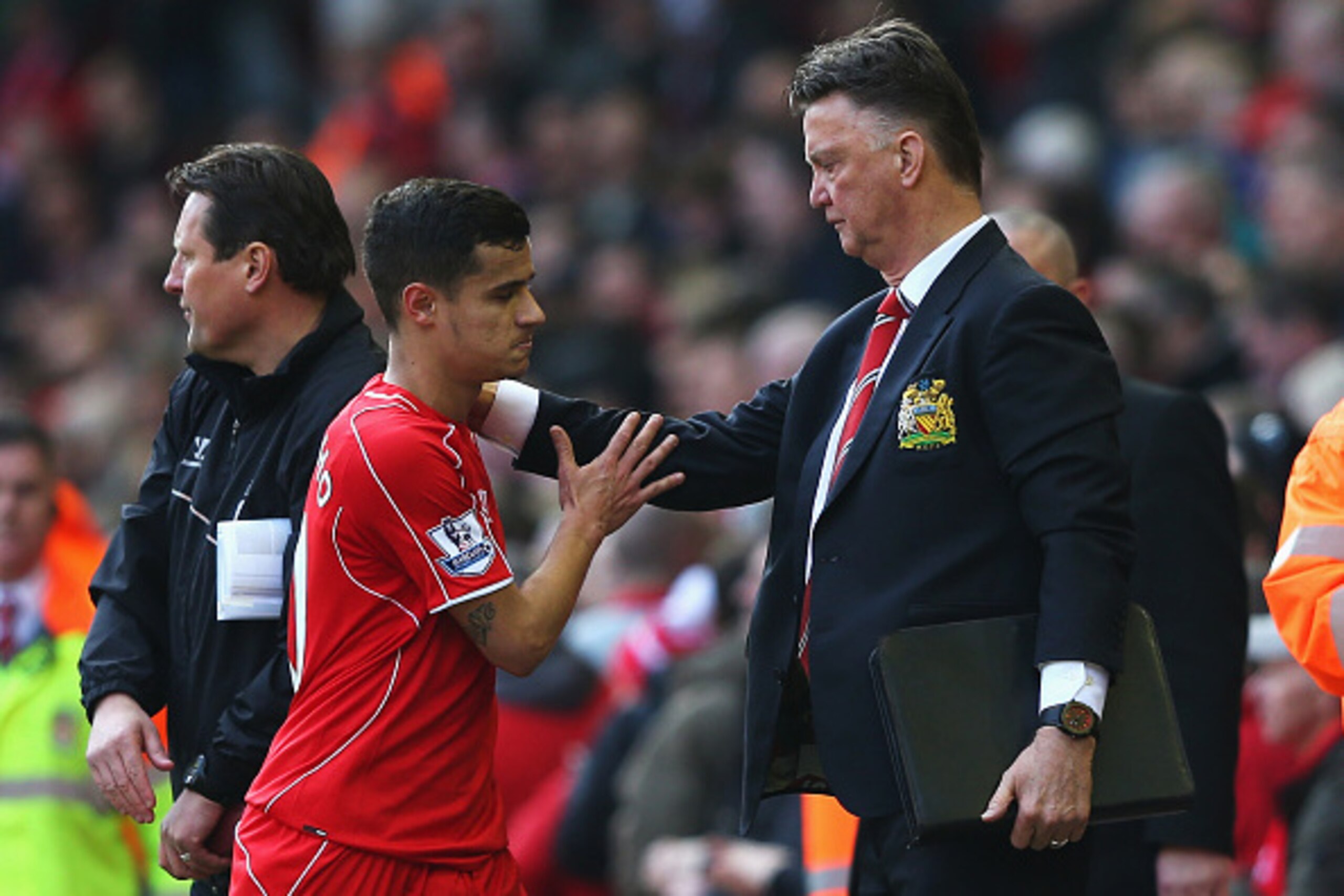
The effect that two years not in the Champions League would have on Man United would be huge. Liverpool had an opportunity this season to not only massively progress on and off the pitch themselves, but also damage their main rivals.
Alas, Rodgers has put a high priority on domestic cup success. "‘I want a trophy this year," he said in pre-season, per the Daily Mail.
But he too understands the importance of Champions League football at Anfield. "My sole aim in the first three years was to get us into the Champions League. I knew what it meant to the city and the supporters, so my drive in that period was to get us back," he noted.
To win a trophy but not be in the Champions League after that third season is therefore a failure. We're back at 2012.
Prior to the Blackburn replay, Rodgers admitted that a top-four finish and a trophy was his aim for the season, with his comments passed on by the Daily Mail. "I think if we didn’t get in the top four and we didn’t have a trophy this year, we would be disappointed," he said.
There is, of course, a very real chance that Liverpool will end the season with neither. And a very slim chance of ending it with both.
As Rodgers admits, one without the other will be considered a disappointment.
To have an FA Cup without a top-four finish would be more damaging to the club's mid-to-long-term future. It may be a sad reality for some to realise, but domestic cup success is secondary to Champions League qualification in modern day football.
We all want to win a trophy, but what Liverpool need is Champions League football.




.jpg?w=2560 "Mahomes Asked OT to Leave Meeting")
.jpg?w=2560 "Jonathan Taylor Landing Spots 📍")

.jpg?w=2560 "Five Teams Eyeing Taylor")

