

B/R NBA Draft Expert Hands out Post-NCAA Tournament Awards
With the 2014-15 college basketball season now complete, it's time to hand out some awards to this year's 2015 NBA prospects.
We covered everything from the biggest disappointment and safest pick to prediction-based awards like 2016 NBA Rookie of the Year.
This was ultimately a fun season to scout and project, given the superstar freshmen and breakout upperclassmen.
In what was supposed to be a down year in terms of talent, the upcoming 2015 class could ultimately be one of the better ones of the past decade.
Highest Ceiling: Karl-Anthony Towns, Kentucky, 6'11", PF/C, Freshman
1 of 10
If Karl-Anthony Towns can tie his versatility all together, there won't be a better player from the 2015 NBA draft class.
Nobody covers more two-way ground. Towns is an excellent athlete with the body of a center and the mobility of a power forward.
Over the course of the season, his low-post game improved significantly. And he finished the year shooting 81.3 percent from the line, a tribute to his shooting touch.
Towns ultimately has the potential to pose as a go-to back-to-the-basket option, as well as a stretch big who can knock down jumpers off pick-and-pops and drive-and-kicks.
On top of his offensive upside, he finished the season having blocked 4.3 shots and grabbed 12.7 rebounds per 40 minutes. He offers rim protection and a heavy presence under the boards.
He isn't as polished as Duke's Jahlil Okafor or Ohio State's D'Angelo Russell, but neither prospect's ceiling reaches the height of Towns. There just isn't anything on the floor he isn't capable of doing.
2016 NBA Rookie of the Year: Jahlil Okafor, Duke, 6'11", C, Freshman
2 of 10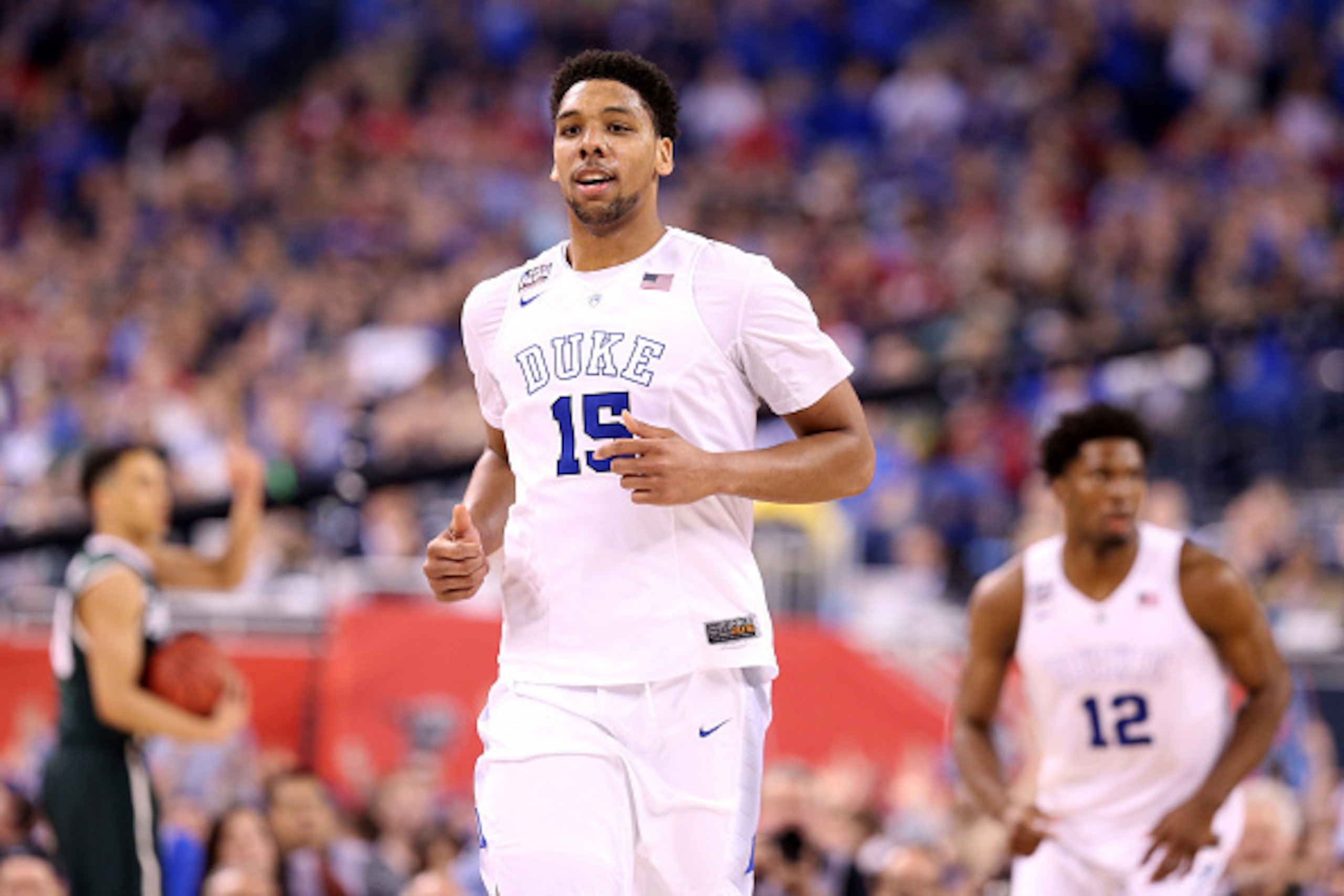
While team fit could play a role in the 2016 Rookie of the Year, it's tough to imagine Jahlil Okafor not coming home with the award.
At 6'11", 270 pounds, he has a body built for the NBA paint, as well as the sharpest post game we've seen for a prospect in recent memory.
Nobody had an answer for him in college, where he consistently drew double-teams and still averaged 17.2 points per game on 66.4 percent shooting.
Okafor just blends spectacular footwork with soft hands and an overpowering frame. He has go-to moves and counters, from drop-steps and face-ups to up-and-unders and spins.
Whoever drafts him is likely to land an immediate contributor and option to feature.
Best Defender: Willie Cauley-Stein, Kentucky, 7'0", C, Junior
3 of 10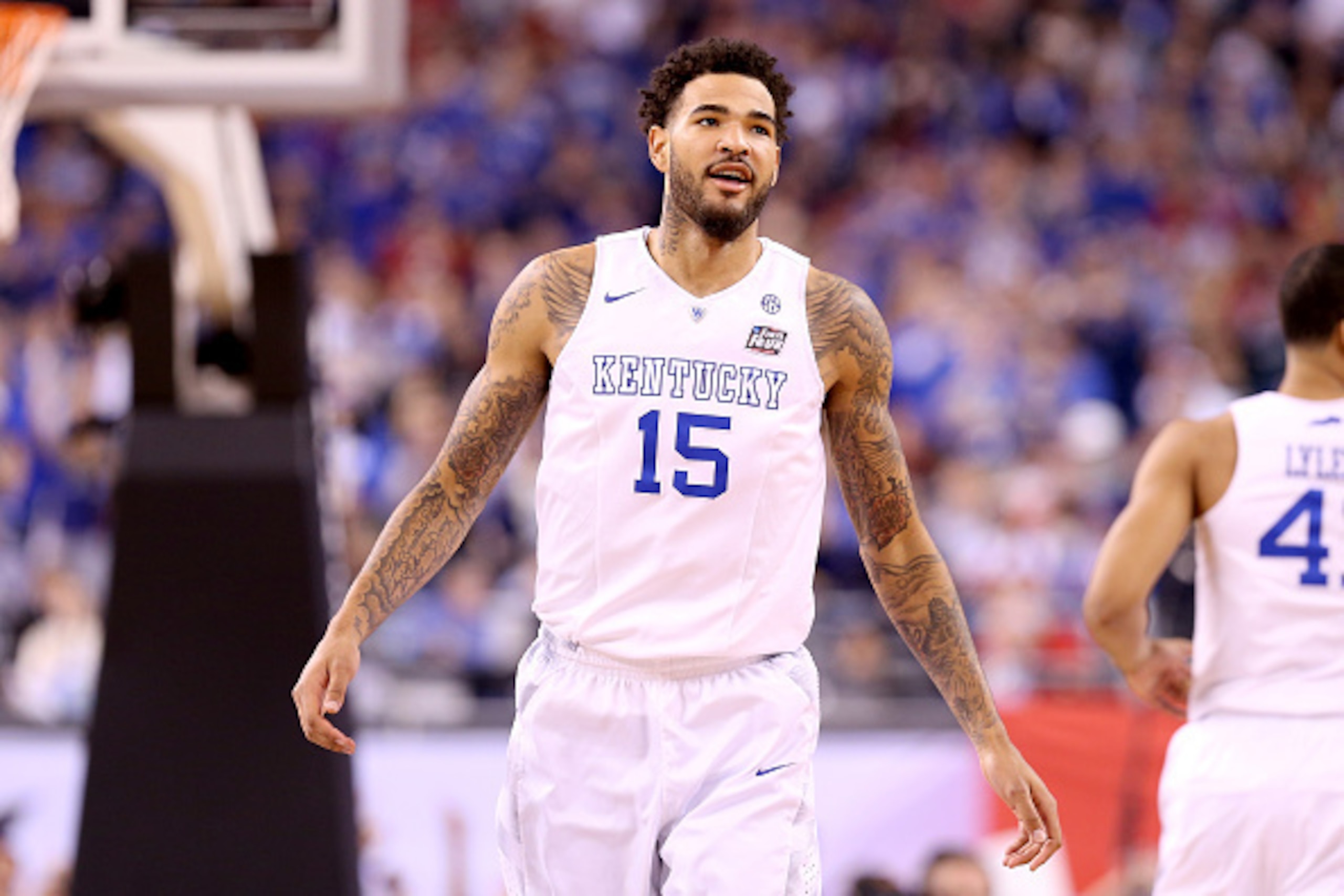
No surprise here—Willie Cauley-Stein projects as the most valuable defensive prospect in the class.
He finished second in the country in defensive rating, per Sports-Reference.com, while showcasing some unmatchable versatility.
At 7'0", he clearly has the size and athleticism to protect the rim, but he also has the foot speed to switch onto guards and pressure them full court.
The last minute of Kentucky's win over Notre Dame in the Elite 8 was essentially a Cauley-Stein defensive showcase. With the Wildcats up one in the closing seconds, Cauley-Stein ran baseline to baseline alongside ball-handler Jerian Grant, who was forced into an off-balance heave that never came close. A few plays earlier, Cauley-Stein switched onto Grant and blocked his step-back three-point attempt.
Cauley-Stein ultimately covers a ridiculous amount of ground, as well as airspace around the basket. Even if his offensive game never improves, he should still be able to make a fine living off his defensive versatility.


Biggest Sleeper: Cameron Payne, Murray State, 6'2", PG, Sophomore
4 of 10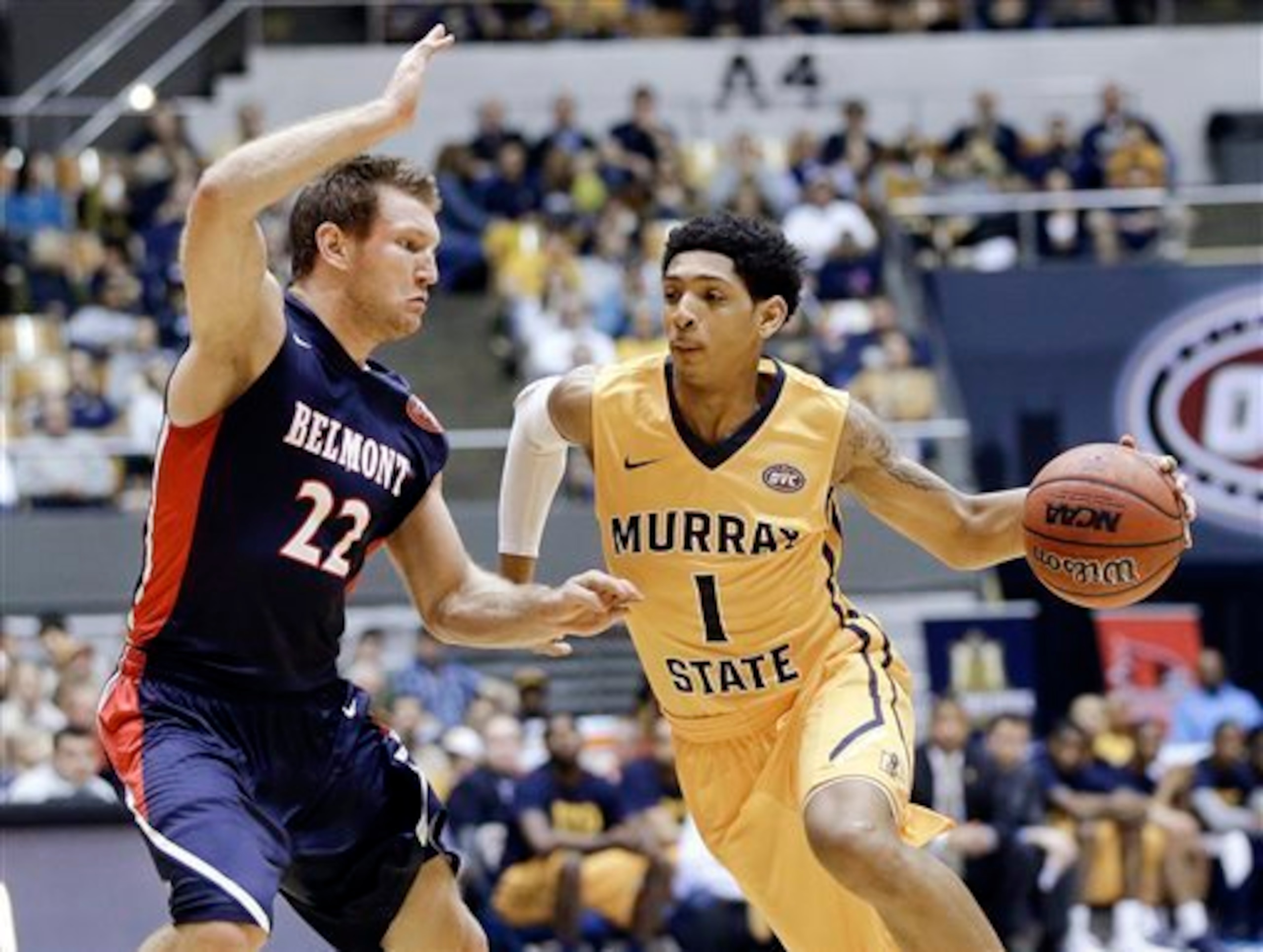
Cameron Payne didn't get much national love playing in the Ohio Valley, where he led the Racers to an undefeated conference record while averaging 20.2 points and six assists per game.
The production wasn't just a result of inferior competition. Payne is exceptionally talented and skilled, from his ball-handling and passing to his shot-making ability.
He nailed 84 three-pointers and a whopping 99 two-point jumpers consisting of pull-ups, step-backs and floaters, according to Hoop-Math.com.
Payne even racked up 1.9 steals per game on defense.
On top of everything, he's demonstrated a high basketball IQ, plenty of confidence and admirable leadership.
The big question stems from the quality of opponents he faced. But Payne was simply too convincing. I have him ranked No. 16 on my latest Big Board.
Biggest Disappointment: Cliff Alexander, Kansas, 6'8", PF, Freshman
5 of 10
Cliff Alexander looked like a legitimate top-five overall candidate out of high school. Now, he could be lucky to draw first-round interest.
Alexander averaged just 7.1 points and 5.3 rebounds before missing the final eight games for eligibility issues.
He showed very little ball skills in terms of dribbling, creating in the post or shooting. And at 6'8", he's undersized for a big man who plays strictly in the paint.
Even his own coach admitted to size being an issue.
“He’s not tall enough, and it was very evident tonight, to score over that length,” coach Bill Self told the Chicago-Sun Times' Steve Goldberg after Alexander shot 2-of-7 against Kentucky back in November.
Alexander's perceived ceiling ultimately plummeted since the start of the year. Once viewed as a potential dominant power forward, Alexander's best-case scenario in the pros might now be as an energizer up front.
Biggest Boom-or-Bust Prospect: Kevon Looney, UCLA, 6'9", PF, Freshman
6 of 10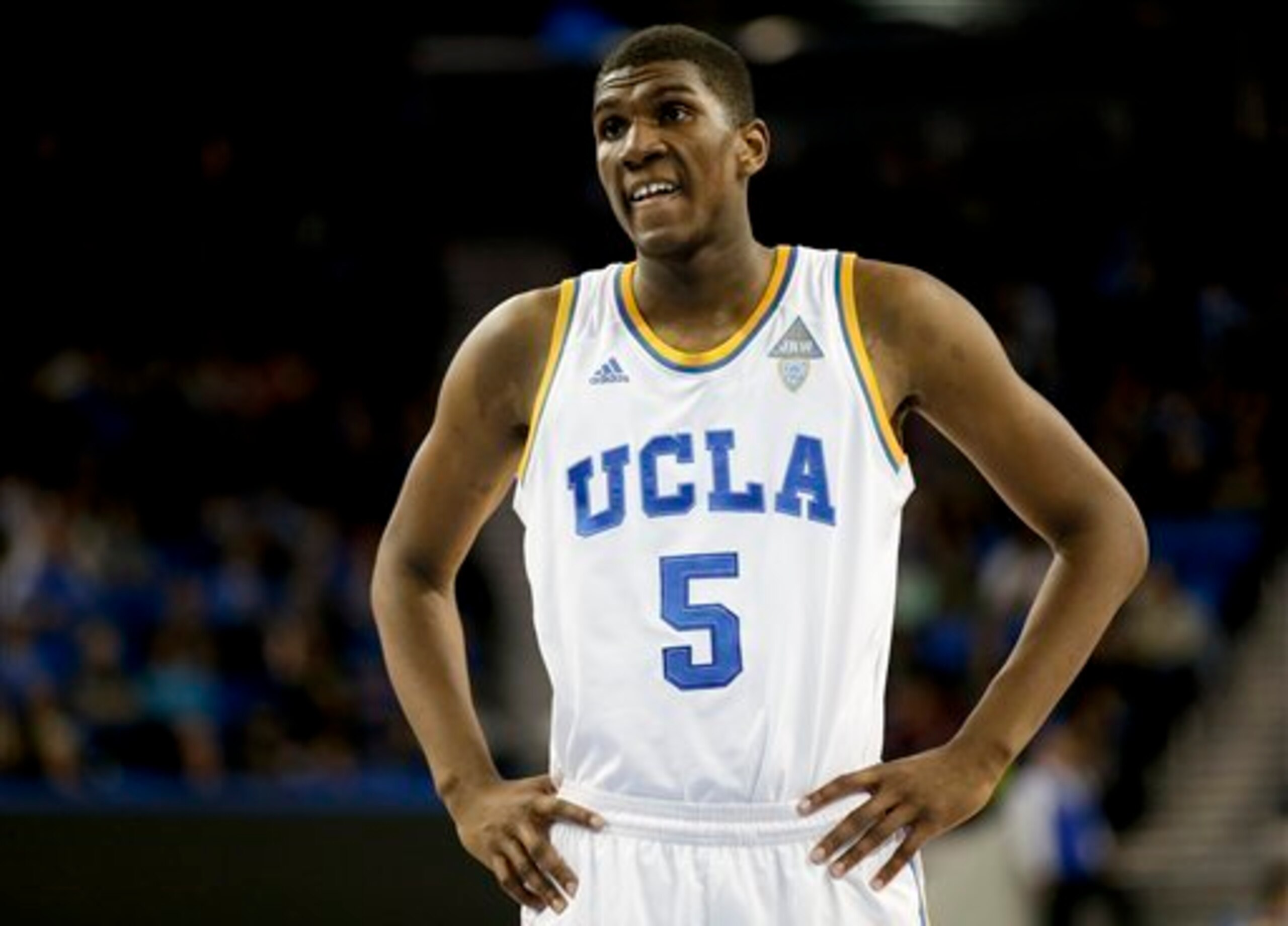
Kevon Looney is loaded with upside fueled by some unique versatility. But does he project as a mismatch or a tweener?
At 6'9", he's comfortable operating out on the perimeter, where he made 22 of 53 three-pointers and a handful of other jumpers in the mid-range.
He also has a strong nose for the ball on the glass, having pulled in 9.2 rebounds and put back 54 offensive boards into buckets, according to Hoop-Math.com.
However, at 220 pounds, he doesn't quite have the strength or body to bang down low, where he lacks a back-to-the-basket post game to begin with.
As a small forward, Looney lacks the explosiveness to blow by defenders off the dribble. And though he made his open threes, there are questions as to just how sharp the jumper really is, given his 62.6 percent free-throw clip.
If Looney figures it out, his inside-out skill set could cause all sorts of matchup problems up front. But unless he adds bulk to his frame or polish to his one-on-one attack, he could be vulnerable to falling in between the 3 and 4 positions.
Toughest to Project: Myles Turner, Texas, 6'11", PF/C, Freshman
7 of 10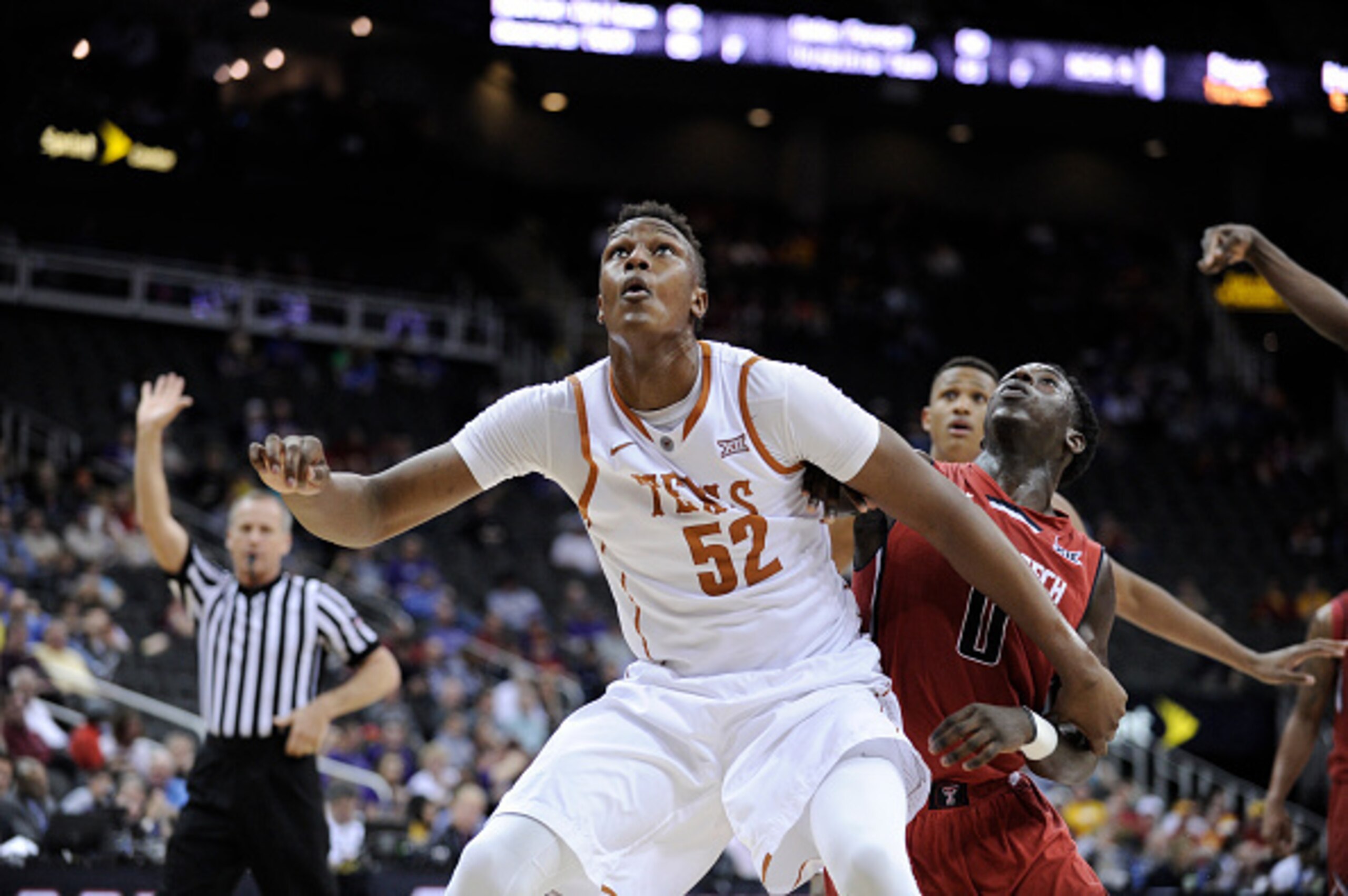
A 6'11" big man who can create his own jumpers in the mid-range or post and stretch the floor from downtown, Myles Turner looks like a top-five talent when he's on his game. But he looks like a major project when he's off.
And Turner was off quite often this past season. He finished with single digits in scoring 11 times over Texas' last 14 games.
He doesn't move particularly well, nor is he overwhelming or explosive around the rim, where only 23.8 percent of his total field-goal attempts came from, according to Hoop-Math.com.
Plus, as promising as his perimeter game looks, he only made 27.4 percent of his threes.
Then again, if Turner's stroke, which looks awfully good (83.9 percent from the line), starts connecting with consistency from outside, his NBA value gets a major boost. You just don't see many rim protectors who can also shoot.
Turner blocked 2.6 shots a game in only 22.2 minutes. He has solid defensive instincts and a 7'4" wingspan.
We could eventually be talking about an inside-out scorer and shot-blocker, which could make him one of the more unique players in the game. But there's also a chance his offensive game or body never develops. Will he be strong enough to play down low or accurate enough to hang around the arc?
There are a ton of questions attached to Turner's outlook, which is all over the place.
Most Overvalued: Kelly Oubre, Kansas, 6'7", SF, Freshman
8 of 10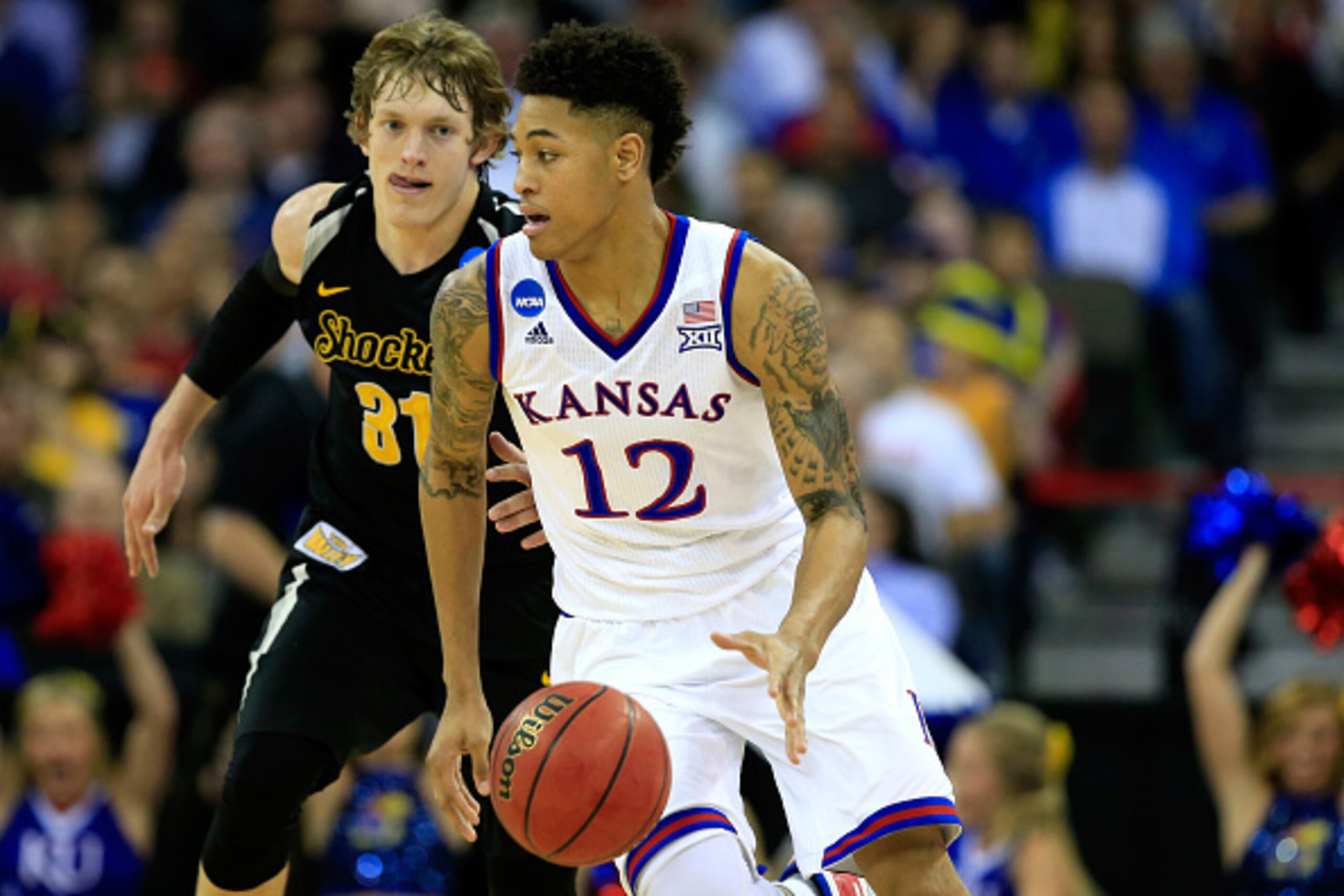
With 6'7" size, electric athleticism and a promising jumper, Kelly Oubre offers upside likely to generate late lottery interest.
But are Oubre's strengths being overvalued?
His 55.5 percent true shooting percentage (via Sports-Reference), 35.8 percent three-point percentage and 71.8 percent free-throw clip aren't particularly impressive numbers.
Oubre also showed little ability to create, either for himself or his teammates. He finished with just 28 assists in 36 total games and struggled to find himself good two-point looks in the half court.
And despite some sharp defensive tools, Oubre's motor sputtered and awareness faded.
He also shot 3-of-9 in Kansas' NCAA tournament loss to Wichita State, after scoring just three points in 17 minutes in the Jayhawks' conference tournament loss to Iowa State.
I'd take my chances on a different prospect in the lottery, but someone is bound to reach on Oubre's potential.
Safest Pick Outside Top Four: Justise Winslow, Duke, 6'6", SF, Freshman
9 of 10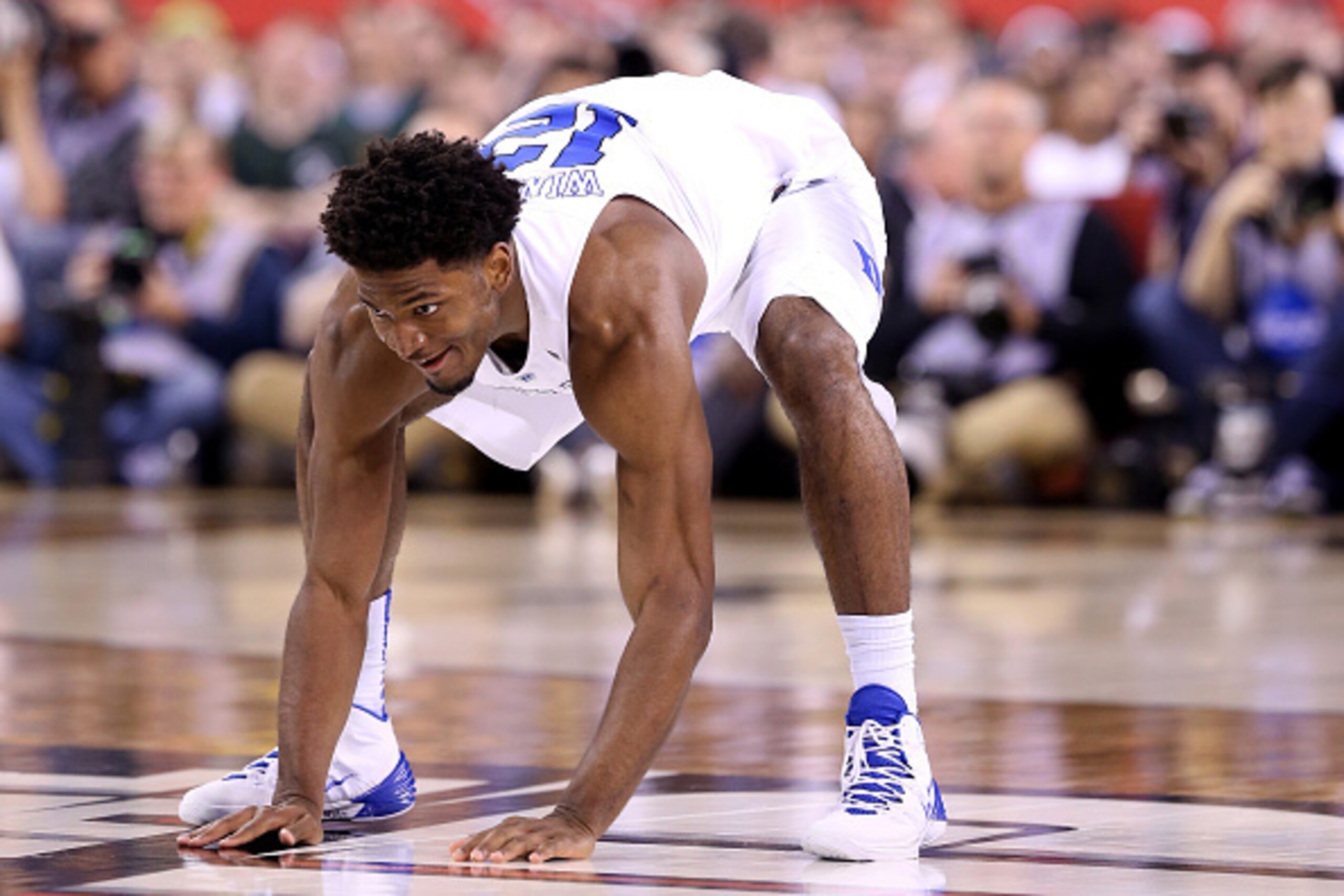
After Karl-Antony Towns, Jahlil Okafor, Ohio State's D'Angelo Russell and China's Emmanuel Mudiay, nobody offers more certainty and safety than Justise Winslow.
At 6'6", 225 pounds, he has the body to match up with shooting guards and wings tomorrow. He's going to be an asset on defense no matter what. And regardless of how much his ball skills improve, Winslow's athleticism, motor and intangibles are sure to translate to positive plays.
However, having just turned 19 years old, Winslow has flashed enough offensive promise to suggest improvement will come with time. He hit a three-pointer in 33 of Duke's 39 games, and though his one-on-one attack lacks polish, he's made strides throughout the year as a scorer off the dribble.
Either way, Winslow's energy, explosiveness and body control are bound to result in easy buckets off transition opportunities, cuts and slashes.
His basement floor is high. Even if his worst-case scenario outlook played out, Winslow would still have something to offer.
Although, something suggests he isn't going to plateau anytime soon.
Second-Round Senior Steal: Norman Powell, UCLA, 6'4", SG, Senior
10 of 10
A 6'4" senior 2-guard who only hit 31.9 percent of his threes, Norman Powell's first-round chances are slim. But that only makes him a value pick in the second round.
Powell just might be one of the top few athletes in this draft. And he's a fantastic defender who can guard either backcourt position. He makes up for an inch or two in height with spectacular explosiveness, a massive 6'11" wingspan and a strong 215-pound frame.
Though his jumper struggled to connect with consistency, Powell was still capable from outside, where he made 1.1 triples per game. Powell also led UCLA in scoring with 16.4 points per game. He's automatic in the open floor and tough to slow down on the way to the rim.
With a little optimism and imagination, Powell might ultimately have some Tony Allen in his game and outlook. A limited ceiling should keep him out of the top 30, but not the NBA.



.jpg?w=2560 "NFL investigating 2 referees for separate viral exchanges")
.jpg?w=2560 "OBJ Calls Out Giants 😳")


.jpg?w=2560 "Tyreek makes another cryptic post amid Chiefs rumors")
.jpg?w=2560 "Ward Nearly Walks Out of Presser 😳")