England's Ongoing Shortcomings Brought into Focus by Experimental Italy Side
Perhaps Andros Townsend will always be there to bail England out, to rescue something from the fire after all else has failed for Roy Hodgson and his team. It's April Fools' Day, after all, the day when people are supposed to believe anything.
He did it against Montenegro back in October 2013 to effectively send England to the World Cup and—after missing that tournament through injury—Townsend performed a similar trick on Tuesday night.
“It was going to have to be a strike from 20, 25 yards today to beat them—and thankfully I got it,” Townsend told ITV, after scoring the late equaliser in England’s 1-1 draw with Italy. “It’s a good result, on their home pitch—it’s a good way to end the trip.”
TOP NEWS

Final Men's Ballon d'Or Rankings 📊
Live Highlights and Viral Moments 🍿
Most to Blame at Man Utd? 😡
The Tottenham midfielder then took to Twitter to take another shot, this time at some of his critics. This seemed to be the general message out of the England camp after the game; that this had been a positive result, one that showed the squad's progress and improvement.
For someone who has been in the game as long as he has, Hodgson is unusually sensitive to criticism, so perhaps what will be written about him and his side in the coming days will sting more than it should. The friendly in Italy was a significant engagement for him—taking on a European powerhouse (with a weakened squad), a country where he worked and is remembered with some fondness—and, in that light, coming away with a draw that extends England’s unbeaten run to nine games (eight since the World Cup) is likely an outcome he will believe deserves more praise.
“I am satisfied with the result, as it is never easy to win in Italy,” Hodgson told Sky Sports, setting out his own stance. “But most of all I am satisfied we were able to pick ourselves up after that performance in the first half that fell way below what we are looking for.”
Hodgson pinpointed the second-half performance as particular cause for encouragement, and indeed the overall assessment of England’s efforts in Turin perhaps turn on your individual interpretation of that second 45 minutes, when both sides made a slew of changes and the Three Lions roared back into the contest.

To Hodgson, that was his side addressing the shortcomings of the first half with pride and purpose. Others might be less generous: All those changes certainly seemed to rob the game of its established structure (and, in the likes of Giorgio Chiellini and Matteo Darmian, Italy had withdrawn their most influential performers), something that invited England's resurgence but would never happen in a competitive encounter.
If this had been a tournament game, Italy’s defence would doubtless have remained robustly in place, and England's assault resolutely toothless. As it was, personnel changes created circumstances conducive to a player like Townsend—direct, pacy, always a threat with his shooting from distance—to produce a moment of magic.
“There were a lot of changes tonight, and at the end of the game, even more changes,” Hodgson acknowledged. “[Kyle] Walker was lively, [Kieran] Gibbs played well throughout the game, so there are an awful lot of positives to take out of the game now.
“There would not have been that many positives to take out of the game had we played in the second half like we did in the first and drifted to a defeat in a stale encounter.”
Nevertheless, the value of friendlies is not in the results but the performances. If England’s qualification group offers few real tests ahead of next summer’s European Championships, then encounters like these against classy opposition are of increased significance and value to a young squad that desperately needs to become battle-hardened.
As it transpired, the game drew England’s shortcomings into focus. In many ways full debutant Harry Kane embodied the struggles of his team. The striker worked hard and occasionally created openings, but ultimately lacked the quality—that additional bit of guile, or that technical quality—to evade a defender as experienced and proficient as Giorgio Chiellini.
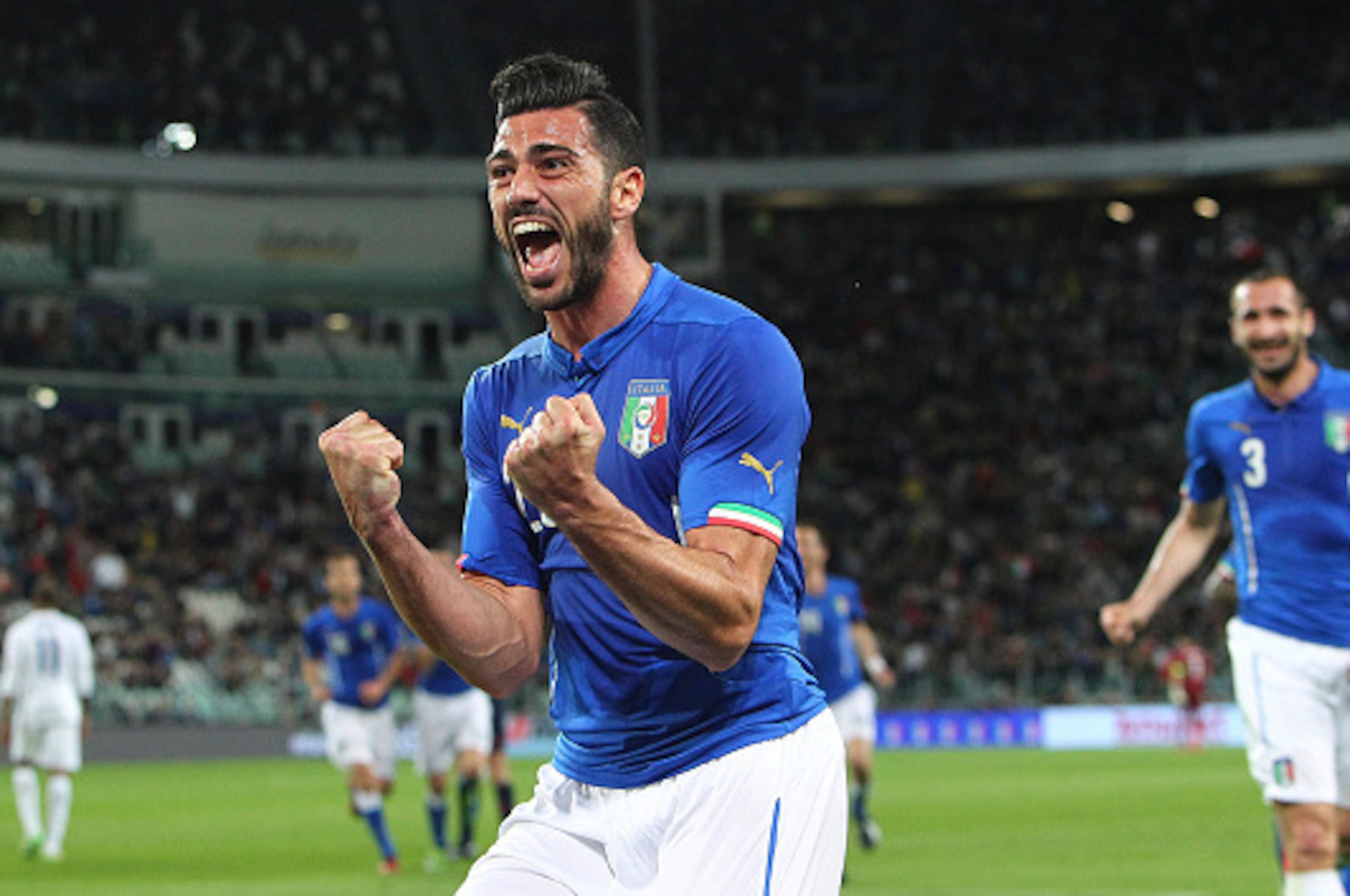
Chiellini also provided the assist for Graziano Pelle’s first-half opener, but the relative weakness of England’s own defence had been exposed regardless of that unlikely attacking contribution. Nathaniel Clyne has only just become England’s first-choice right-back but his horribly tentative 45-minutes display will have put new doubts in Roy Hodgson’s mind, while too often the defensive trio of Chris Smalling, Phil Jagielka and Phil Jones were forced into desperate last-minute interventions.
Those moments look like great defending but the real secret, as Chiellini and Leonardo Bonucci were showing at the other end, is actually to anticipate the danger and deal with it sooner.
Jones started the game at the base of midfield—Hodgson would later call it the “destroyer” position—but it was an experiment that clearly did not work, with Smalling’s injury allowing Hodgson to switch things, bringing on Michael Carrick, without losing too much face.
Right now, Carrick seems to be the only player England have who can be relied to play that crucial role between the defence and midfield, a player simultaneously able to anticipate danger when in defensive sets and then move the ball around the pitch with precision once possession is regained (it was something of an insult when Italy, not bothering to call upon Andrea Pirlo, were able to bring on Marco Verratti in the second half).
In and out of the national team throughout his career, Hodgson would surely be wise to play Carrick in his preferred role at every opportunity heading towards next summer. The Manchester United man is one of the few players capable of elevating his team's play, but he (and his teammates) need time on the pitch to adjust to each other in order to do so.
The diamond midfield employed on Tuesday night was another failed move—as Jonathan Wilson details here—although that was perhaps, at least in part, a consequence of the huge number of personnel changes Hodgson had to accommodate.
Nevertheless, the longer the game went on the more England dominated the ball. Daniel Sturridge, Danny Welbeck and Raheem Sterling were all missing this game, yet even without them Wayne Rooney was influential, Kane kept his opponents honest, and Ross Barkley came off the bench to great effect.
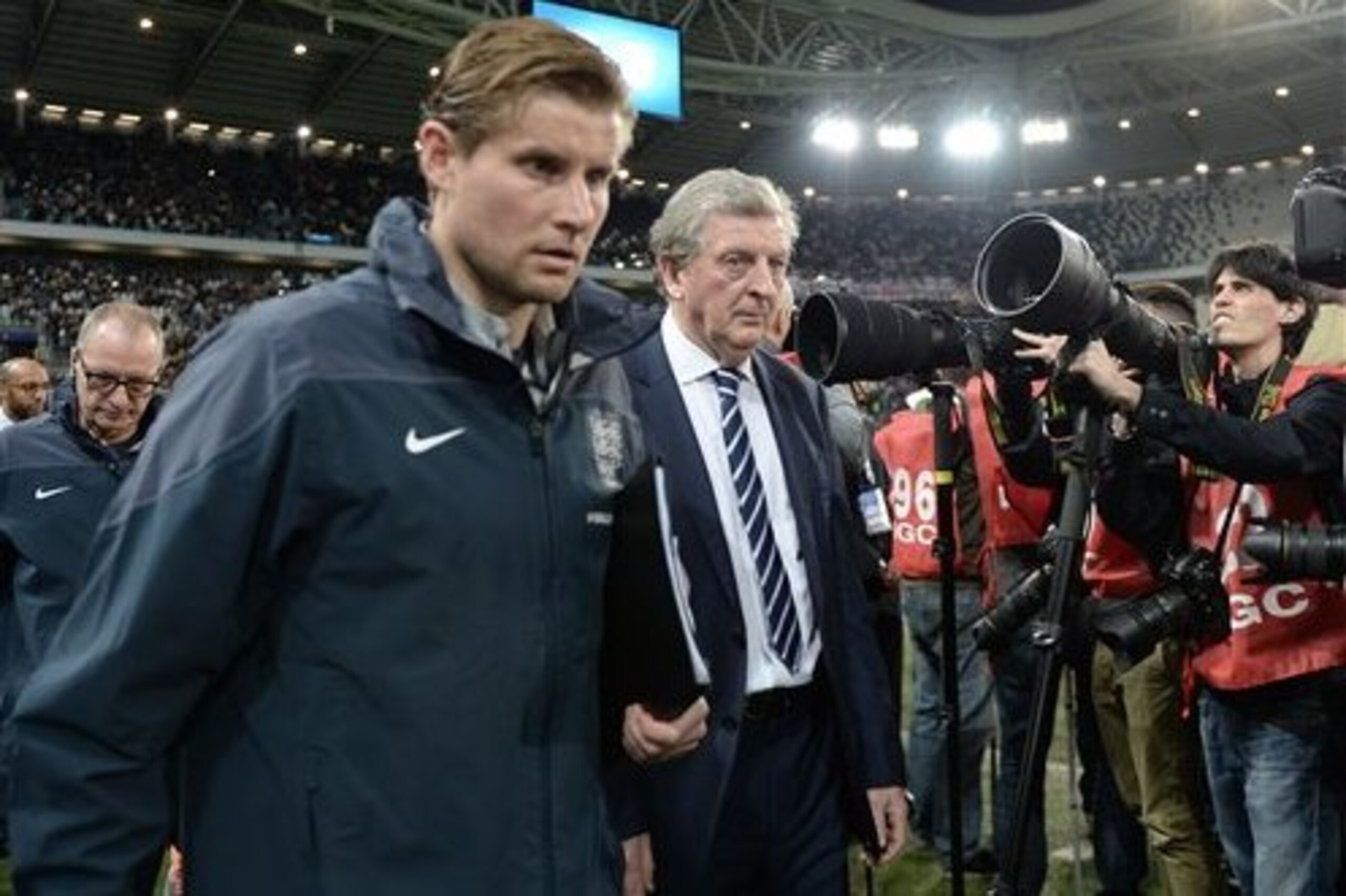
With Townsend and Theo Walcott showing flashes of their own attacking threat (the former more so than the latter, despite playing fewer minutes), it was easy to forget that the likes of Alex Oxlade-Chamberlain, Adam Lallana and James Milner were all unavailable.
Whatever they might lack as individual players, England at least have the sort of attacking options that will stretch and strain any opponent. Maybe the final 20 minutes of games will always be when Hodgson's side surge.
“Obviously fatigue set in after a while and we went too deep, even though we still had chances to score more goals,” Italy coach Antonio Conte noted (per Football Italia). “I think the draw was the right result.”
He continued: “We knew these games would have little friendly about them. Let’s not forget England were coming off seven consecutive victories, so they’ve found self-confidence and belief in their abilities.
“We wanted to remain unbeaten too and achieved that against a strong opponent like England. I had hoped to win, but I think at the end of the day the draw is the right result.”
After losing to the Azzurri in the group stages of last summer’s World Cup (although both sides would ultimately fail to reach the knockout stages), securing an away draw is a tangible sign of improvement for England—albeit in markedly different circumstances.
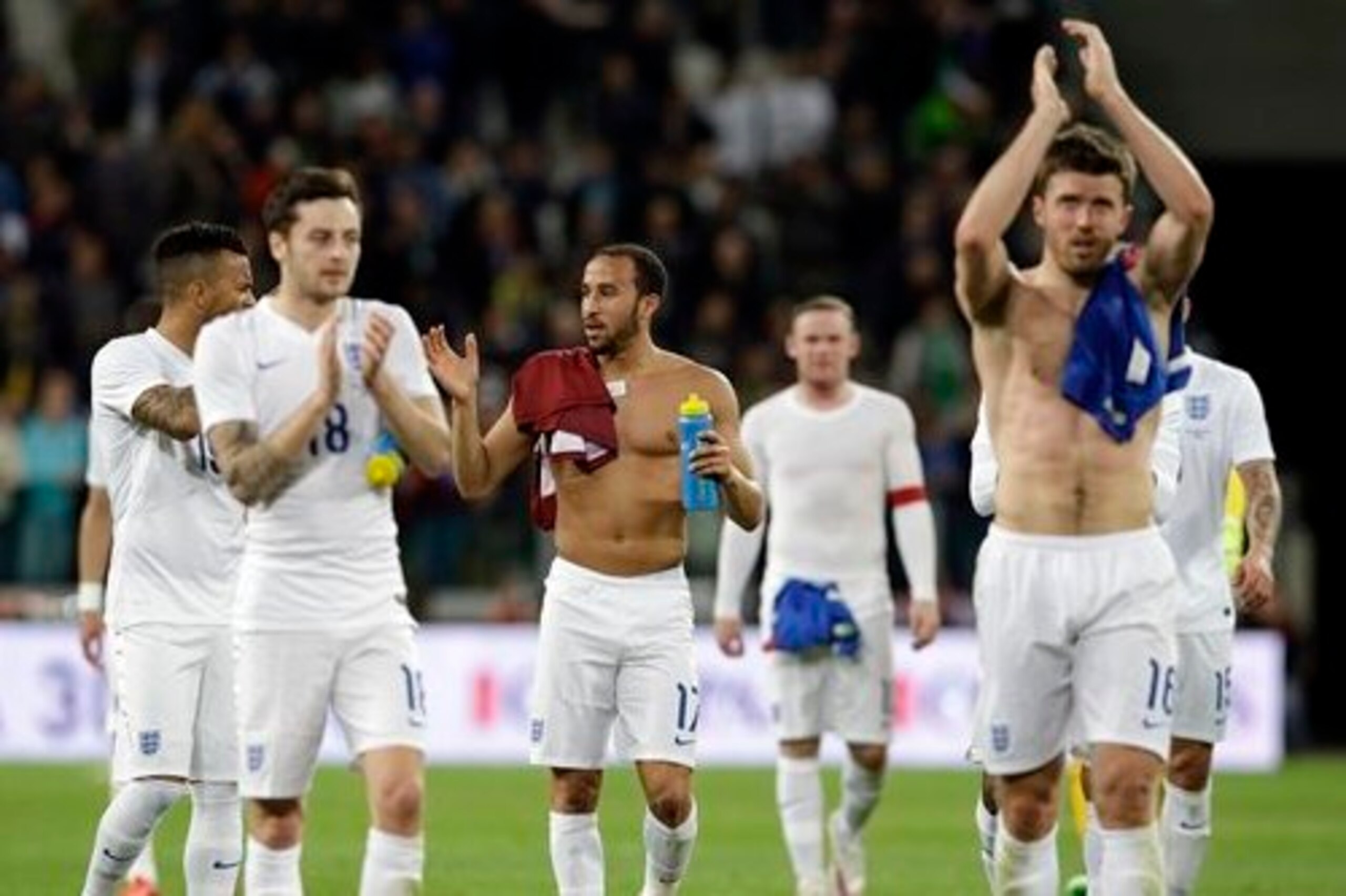
The game asked many of the questions observers wanted, but perhaps gave us the sort of answers we feared. An unfamiliar and experimental Italy side still held them at arms’ length for 60 minutes: Tactically and technically, England still have a great deal of improving to do over the next 15 months.
“We have definitely moved on from the World Cup, but we have a lot more moving on to do,” Hodgson acknowledged. “It is still obvious that we cannot just turn it on like we, the coaches, would like to see the players turn it on.
“But we have a year and a bit before we play Italy and these sort of teams again. And then we will have to make certain that, friendly though it may be, we do not allow ourselves to go behind in that way we went behind today—and then have to work very hard to get ourselves back in the game.”


.jpg?w=2560 "5 Teams Eyeing Jonathan Taylor")
.jpg?w=2560 "Mahomes Told Teammate to Leave Meeting")


.jpg?w=2560 "Jonathan Taylor Landing Spots 📍")