

Why Formula 1 in 2015 Will Be Way More Exciting Than 2014
OK, we'll admit it: The Australian Grand Prix was a dismal weekend for Formula One.
The anticipation surrounding the start of the new season was already dampened a fortnight ahead of the Melbourne race when Fernando Alonso, arguably the finest driver of his generation, was ruled out of the event following a crash in winter testing.
And F1 never truly compensated for his absence.
TOP NEWS
.jpg?w=2560 "Chiefs Giants Football")
Mahomes Told Teammate to Leave Meeting
.jpg?w=2560 "Titans Colts Football")
5 Teams Eyeing Jonathan Taylor

Jokic says booing fans not welcome in Denver
The sport's dark side came to prominence as Giedo van der Garde's court case against Sauber dominated the buildup to the weekend, before the Dutchman gave up in his quest to drive for the team just hours ahead of qualifying.
A Manor-less qualifying session came and went without incident, although the grid lost yet another leading driver through injury as Valtteri Bottas suffered what Williams confirmed as "a very small tear" in a disc in his lower back, forcing the team to run just one car on race day.
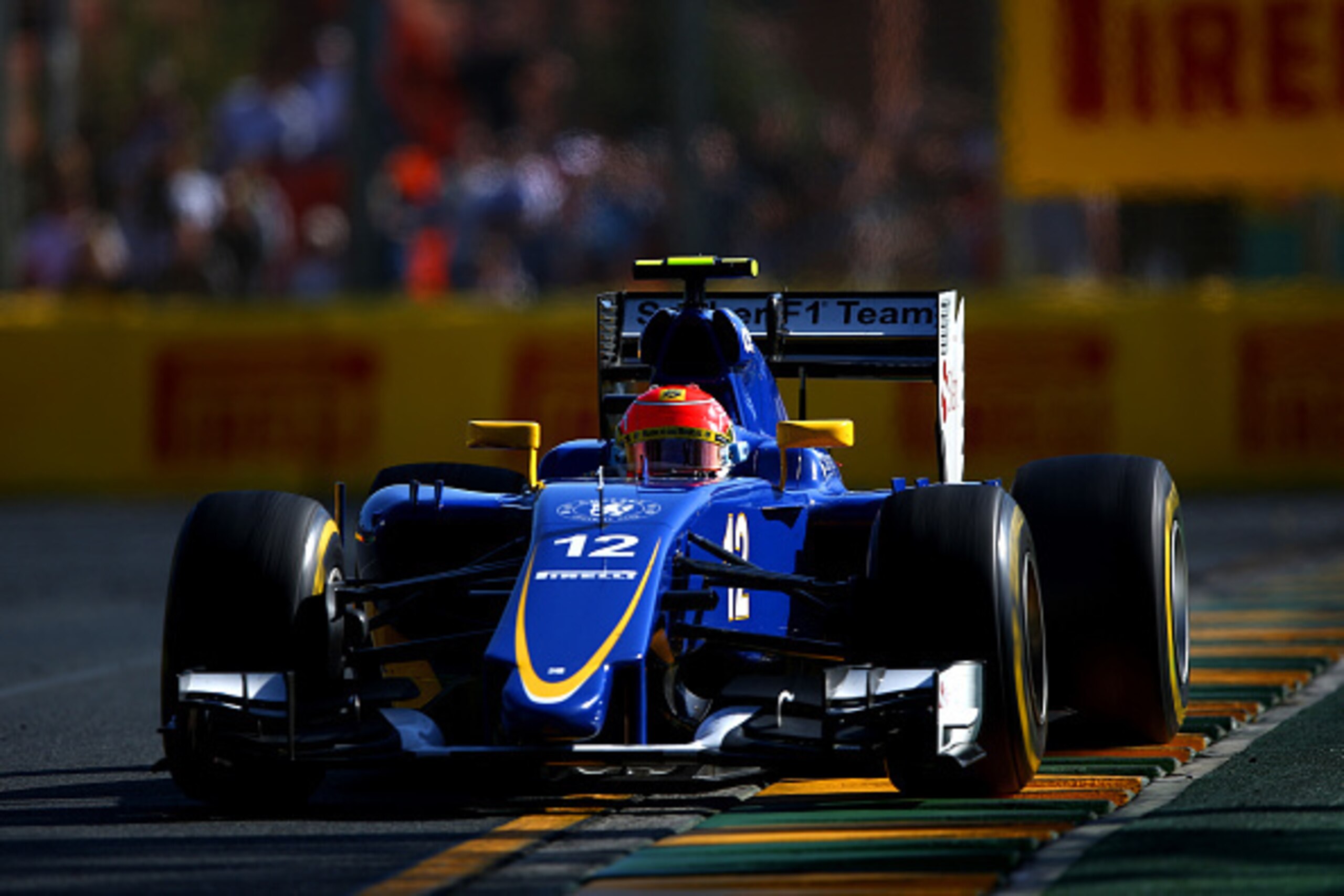
The field was further depleted just 30 minutes before the start of the race when the cars of Kevin Magnussen, Alonso's replacement, and Daniil Kvyat suffered terminal problems and were unable to make the grid.
The 15-car grid, as the Mercedes' of Lewis Hamilton and Nico Rosberg took off into the distance, became the overriding theme of the grand prix.
And the main source of excitement as the race ticked toward the saving grace that was its conclusion?
Whether enough cars could retire to let Jenson Button, the 2009 world champion no less, score a point—a solitary point!—for McLaren-Honda, one of the most sacred names in the sport's history.

As strange it may seem following the Albert Park event, a weekend that promised so much but ultimately delivered so very little, there is still hope that the 2015 campaign will prove to be more exciting, and far more fascinating, than last season.
The reason behind that ultimately comes down to one thing: knowledge.
With 2014 being Formula One's season of change—featuring the biggest-ever overhaul of the technical regulations as V6 turbo hybrids replaced the previous V8 engines—much of last year was spent just getting to grips with how the new technology works.
Why must we now refer to the engines as power units? What on earth is brake-by-wire? Are these MGU-H and MGU-K things as frightening as they sound? And how is it that these hushed power packs can make an F1 car go as fast, if not faster, than a screeching V8 despite a limited fuel supply?
And it wasn't just your average armchair enthusiast who was forced to relearn everything they thought they knew about F1.
Drivers and engineers alike were forced to learn as they went along, with Mercedes' boss Paddy Lowe, for instance, telling ESPN F1 in the aftermath of the Bahrain Grand Prix how "the game of energy deployment" had revolutionised the art of close racing.
But this year? With 12 months' experience under our belts, it no longer feels as if we need a textbook nearby whenever a car takes to the track, placing a greater emphasis on our enjoyment of races and embracing the latest era of F1 for what it is.
The increased knowledge of the new formula, too, has been reflected in the tighter field in 2015.
Although Mercedes remain in a league of their own—Hamilton's pole lap last weekend, according to Formula1.com, was 1.391 seconds quicker than the fastest non-Mercedes driver, Felipe Massa, while the No. 44 car crossed the finish line 34.523 seconds ahead of third-placed Sebastian Vettel per the same source—the battle behind the Silver Arrows is extremely close.

Almost every team that participated in Australia, it seems, has made at least one step forward over the winter, with seven different outfits scoring points on Sunday.
Although the season-opening race failed to offer a real indication of where each outfit stands—Red Bull, McLaren and Force India all carried their underwhelming pre-season performances into the first grand prix—it remains difficult to predict with confidence just how the pecking order will shape up when every team runs at their optimum.
That, you would assume, can only suggest the midfield will produce exciting racing, which will be a necessity if Mercedes really are going to run away with the championship and Ferrari and Williams scrap to be the best of the rest.
And even if Mercedes do leave the field behind—and do the impossible by winning every single race—there should still be enough intrigue in the inter-team battle between Hamilton and Rosberg to provide a spectacle that is just as exciting, if not more so, than last year.
Their head-to-head scrap throughout the 19 races of 2014 provided a thorough examination of both drivers, with their strengths and weaknesses—Hamilton's blunted qualifying pace, Rosberg's brittleness on race day—evident even prior to their title showdown in the Abu Dhabi Grand Prix.
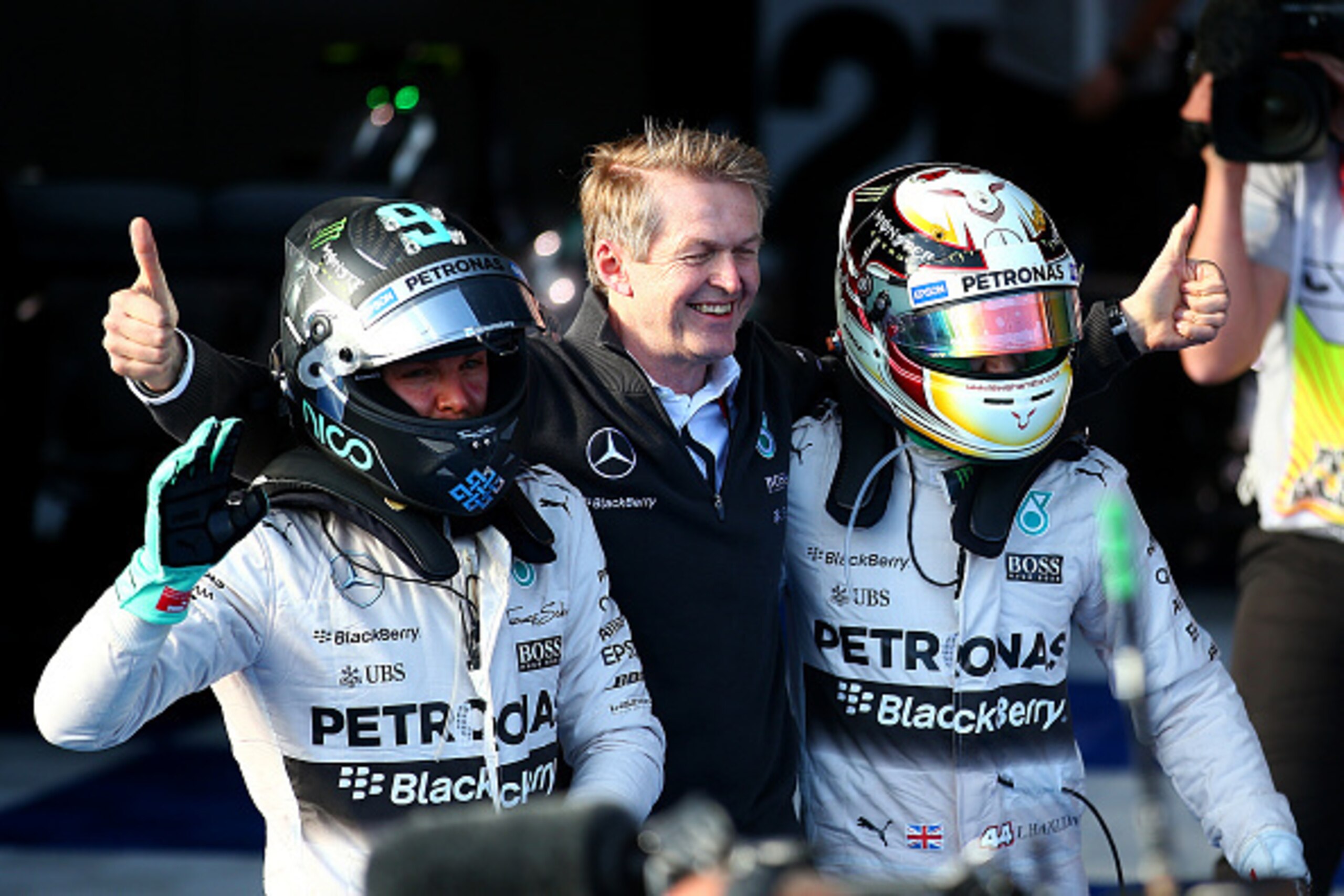
Since 2015 is, to all intents and purposes, a continuation of last season, both Mercedes drivers will be competing with clear targets in mind, effectively creating a development race between the two.
If Rosberg and Hamilton learned anything from 2014, it is that no driver can afford to waste chances to score extra points, with a single technical problem having the potential to destruct an entire title challenge.
Their rivalry simmered gently at the beginning of last year—it was only when the German ran off track in Monaco qualifying that their relationship turned hostile—and neither Mercedes driver can allow themselves the luxury of easing into the new season this time, which should be attacked from the outset.
In recent years, Formula One has had a knack of producing glorious, exhilarating races when the sport seems on the verge of a crisis.
It happened in 2010, when a tedious affair in Bahrain marked an underwhelming start to the non-refuelling era, only for the second round in Australia to produce a sprinkling of rain and with it the most insane grand prix of that season.
And, of course, it happened a year ago in Bahrain, where the race to end all races between Rosberg and Hamilton compensated for the previous processions at Albert Park and Sepang.
F1's habit of reeling us back in, reminding us why we fell in love with it in the first place, when we're just about to give up on it is the sport's redeeming feature and one that, on the back of the Australian GP, should mean an exciting race is well and truly on the horizon.
And if that exciting race doesn't arrive any time soon?
Well, as the Guardian's Richard Williams explained last week, the World Endurance Championship would no doubt welcome a few extra followers.

.jpg?w=2560 "Colts Football")
.jpg?w=2560 "Baker Gets Glove From Rays 🧤")

.jpg?w=2560 "NFL investigating Eagles")

