

Teams on Upset Alert on Day 4 of the 2015 NCAA Tournament
One of the endearing traits of March Madness is that major upsets are almost commonplace.
At least one team seeded 13th or worse has won its opening NCAA tournament game each of the past seven years. Three 15th-seeded teams have beaten No. 2 seeds the past three years, and during that same three-year span, No. 12 seeds have an inexplicable 8-4 record against No. 5 seeds.
One of those streaks continued this year, as on Thursday the No. 14 UAB Blazers knocked off the third-seeded Iowa State Cyclones, 60-59, in the South Region. Not to be undone, in the West region, 14th-seeded Georgia State used a late three-pointer from RJ Hunter to upset No. 3 Baylor.
Some highly seeded teams are almost certain to fall victim to upsets the rest this weekend. But which ones? Is it mere luck, or do certain matchups lead to upsets?
We take a look at the 16 games scheduled for Friday's Day 4 of the NCAA tournament and offer seven teams that should be on upset alert.
Kansas
1 of 7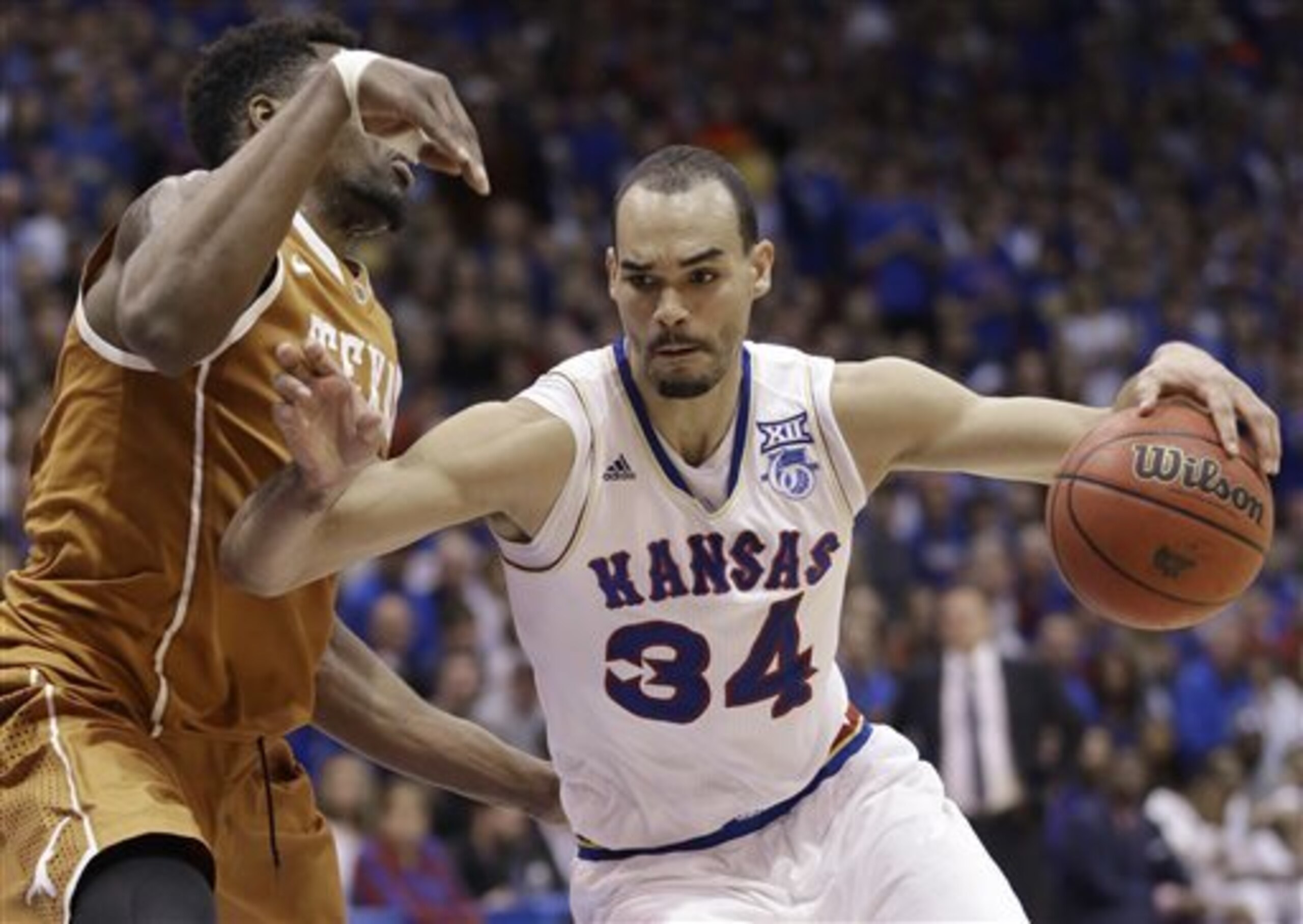
No. 2 seed Kansas vs. No. 15 seed New Mexico State (Midwest Region)
This is a dangerous game for the Jayhawks.
Start with the premise that this Kansas team is simply not as talented as most versions Bill Self has had at the school. The fact that the Jayhawks won the Big 12 regular-season title again is a credit to Self's coaching, though they are the weakest of the four No. 2 seeds.
The Jayhawks' best player, forward Perry Ellis, may not be completely healthy. He missed the final regular-season game and the first contest of the Big 12 tournament with a knee injury he suffered March 3 against West Virginia. He returned to play the final two matchups of the conference tournament but was just 6-of-21 from the field, and opponents limited him to 18 points in the two games combined.
Ellis will have trouble getting good shots against New Mexico State's tall, physical and underrated frontcourt. The Aggies start a front line that goes 6'10", 6'9" and 6'8", and it rebounds well and anchors an active zone defense that could give the Jayhawks problems.
Opponents need to shoot well from the perimeter to beat the Aggies' zone, and the Jayhawks' two best three-point shooters have been in a slump. Frank Mason III is just 4-of-16 on three-point shots over the past eight games, and Wayne Selden Jr. is only 1-of-17 from long range over the last seven contests.
All three of New Mexico State's big men can score, and center Tshilidzi Nephawe has been particularly effective lately, averaging 17.3 points and 11.0 rebounds over the past four games. He missed 12 games this season because of a bone bruise in his leg, and starting guard Daniel Mullings missed 12 games with a broken finger.
The Aggies had a number of their losses with both on the sidelines midway through the season. Since both returned to the lineup, they have gone 13-0, albeit against Western Athletic Conference competition.
Northern Iowa
2 of 7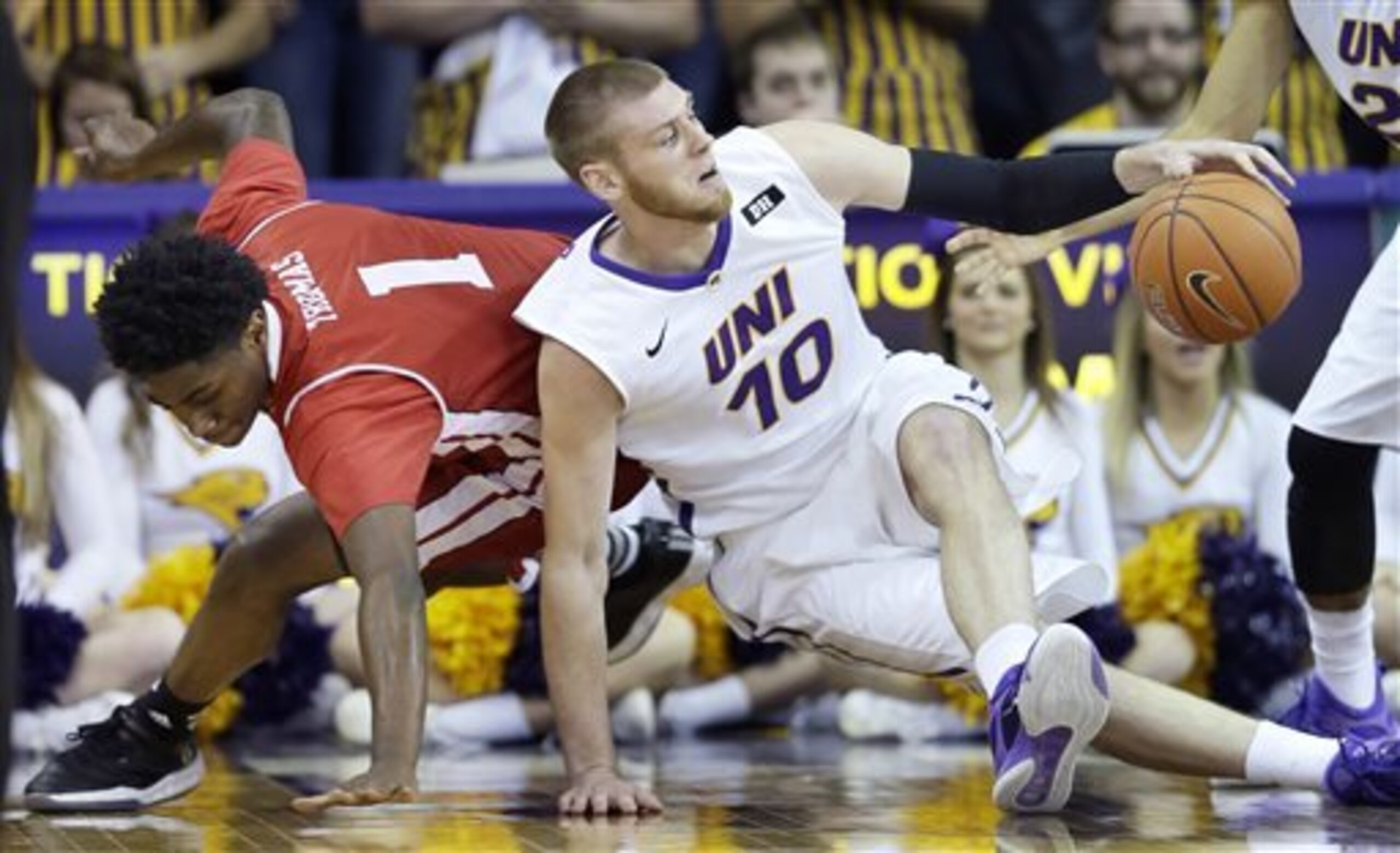
No. 5 seed Northern Iowa vs. No. 12 seed Wyoming (East Region)
The recent success of No. 12 seeds in the opening round of the NCAA tournament is well-documented. Wyoming might continue that trend.
Northern Iowa is a solid team that plays outstanding defense, and the Panthers have a chance to go far in the tournament. However, they have three issues that also make them vulnerable to an early upset: They don't score many points, they don't rebound well and they rely heavily on one player.
An inability to score points (65.4 PPG, 223d in the nation) makes it difficult to blow out any opponent, and the pressure mounts on the favorite if a game is close in the second half.
Panthers center Seth Tuttle, the Missouri Valley Conference Player of the Year, is an outstanding, underpublicized force whose value cannot be appreciated unless you see him over several games.
He is averaging 15.3 points per contest while shooting 61.6 percent from the field and 42.9 percent on three-pointers. He is also an excellent passer, and the Panthers offense runs through him. If he has a bad game, however, the Northern Iowa may not have enough talent around him to overcome it.
Wyoming also has an underrated frontcourt player in Larry Nance Jr., a versatile, athletic 6'8" talent who may cause problems for Tuttle. He played particularly well late in the season, helping the Cowboys to consecutive wins over Mountain West regular-season co-champions Boise State and San Diego State to win the conference tournament.
Like Northern Iowa, Wyoming does not score a lot of points (61.7, 308th overall) and relies on its defense, so a tight, low-scoring game is likely. Wyoming knows how to win close contests, winning two of its three conference tournament games by two points and the third in overtime.
Perhaps the most significant factor is that the Cowboys are on a roll, and teams with momentum and confidence are dangerous.
West Virginia
3 of 7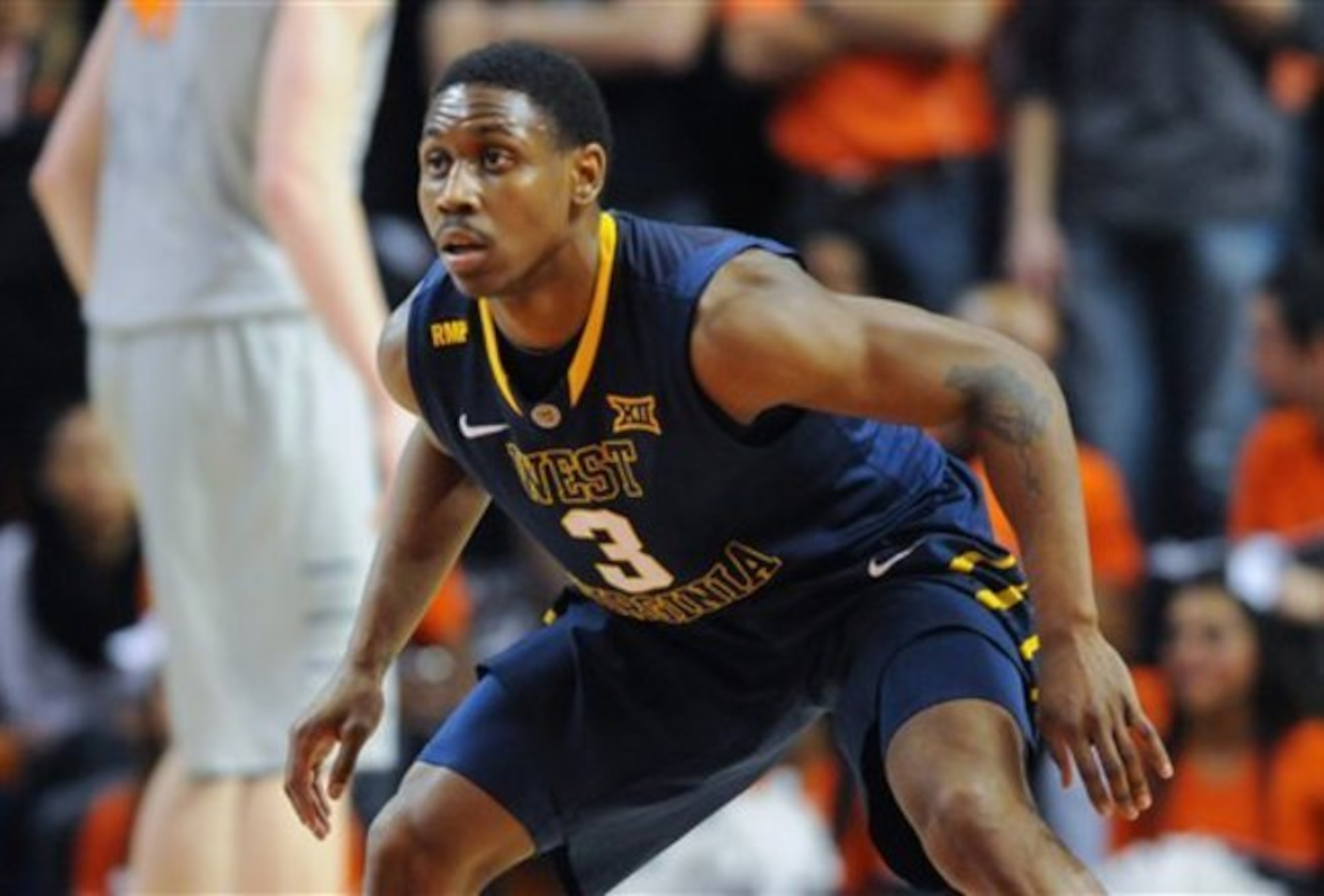
No. 5 seed West Virginia vs. No. 12 Buffalo (Midwest Region)
Quite frankly, this game could be a blowout. If Buffalo cannot handle West Virginia's chaos-creating defensive pressure, the Mountaineers may take Buffalo out of the game in the first half. WVU leads the nation in steals at 10.9 per game, and the Bulls showed a penchant for committing turnovers against an athletic team when they turned it over 17 times against Kentucky.
However, if the Bulls can limit their mistakes, they have a good chance to win the game and continue the trend of postseason upsets by the No. 12 seed over the No. 5 seed.
West Virginia has several concerns. First, the Mountaineers do not shoot well, hitting just 41.2 percent of their field-goal attempts and 31.8 percent of their three-pointers. If they don't create steals to convert into easy buckets, they can't score.
Another problem is the uncertain health of guard Juwan Staten.
An all-conference player who is the Mountaineers' only reliable offensive threat, Staten missed the final four games with a knee injury. Coach Bob Huggins insists Staten is fine, claiming he could have played in the Big 12 tournament if necessary, per WV MetroNews' Allan Taylor. But until Staten proves on the court that he is 100 percent, questions remain.
West Virginia has struggled with teams that have length, as evidenced in matchups against LSU, Texas and Baylor, and the Bulls have enough size to pose problems. The biggest obstacle for West Virginia will be Justin Moss, a powerful 6'7" forward who was the Mid-American Conference Player of the Year.
The Bulls have enough offensive weapons to score plenty of points, and they limited their turnovers in the final two games of the season. They are riding an eight-game winning streak, so they are feeling pretty good about themselves. Meanwhile, the Mountaineers lost three of their final four games, albeit without Staten.
The biggest issue may be that Bobby Hurley's Bulls are simply better than most people realize. Kentucky and Wisconsin are No. 1 seeds, and Buffalo led both of them at halftime on the road this season.
.jpg?w=2560 "Chiefs Giants Football")
.jpg?w=2560 "AP Poll Top Five Week 9")
Louisville
4 of 7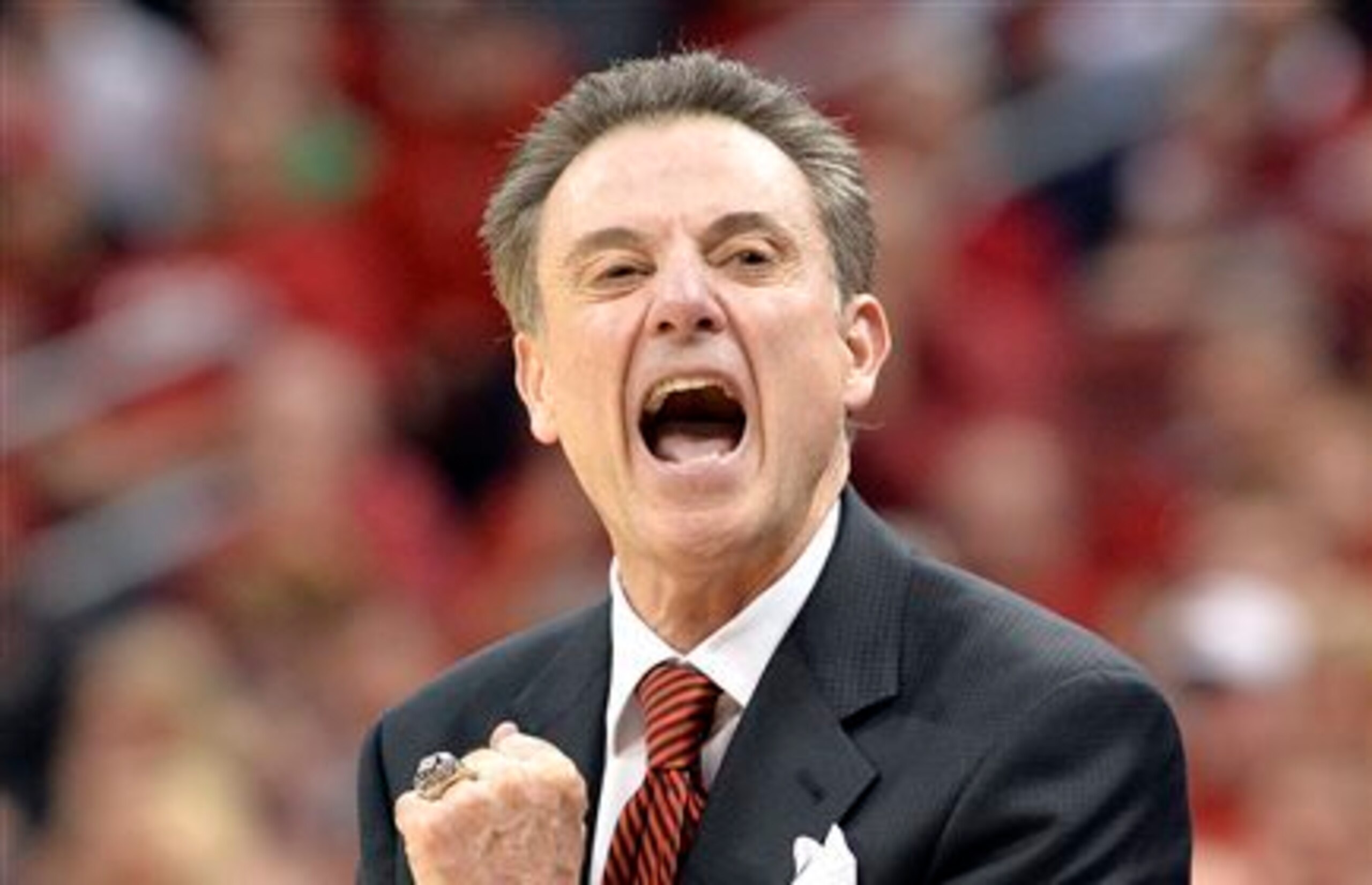
No. 4 seed Louisville vs. No. 13 seed UC Irvine (East Region)
Louisville is seeded higher than it should be and therefore is more vulnerable than its position suggests.
There were questions about the Cardinals' offensive capabilities before the school dismissed point guard Chris Jones on Feb. 22. Now, without him, Louisville has serious issues. Louisville went just 3-2 without Jones, and one of those wins was a come-from-behind, one-point victory over Georgia Tech, which was 3-15 in the Atlantic Coast Conference.
Louisville depends on its pressure defense to create turnovers and easy scoring opportunities, and Jones, an outstanding defender, was a major factor in that approach. His 13.7 points per game also gave the Cardinals a third scoring option besides Terry Rozier and Montrezl Harrell.
The Cardinals are one of the worst three-point shooting teams in the country, making just 30.4 percent of their long-range shots. That deficiency may be critical against UC Irvine, which plays a zone defense that is susceptible against teams that shoot well from the perimeter.
Anchoring Irvine's zone is 7'6" Mamadou Ndiaye, the tallest Division I player in the country. He missed 19 games with foot problems this season, but the Anteaters have played better since his return Feb. 26, including a three-game run through the Big West tournament.
Ndiaye is not a polished player, nor is he the best on the team. But his huge defensive presence may cause problems for a Louisville squad that already has offensive shortcomings.
The key for Irvine will be taking care of the ball against the Cardinals' pressure defense. Irvine did not commit more than 10 turnovers in any of its final five games, and guards Alex Young and Luke Nelson had just one turnover between them in the conference tournament title game against Hawaii. If they come close to matching that feat, the Anteaters have a chance.
Maryland
5 of 7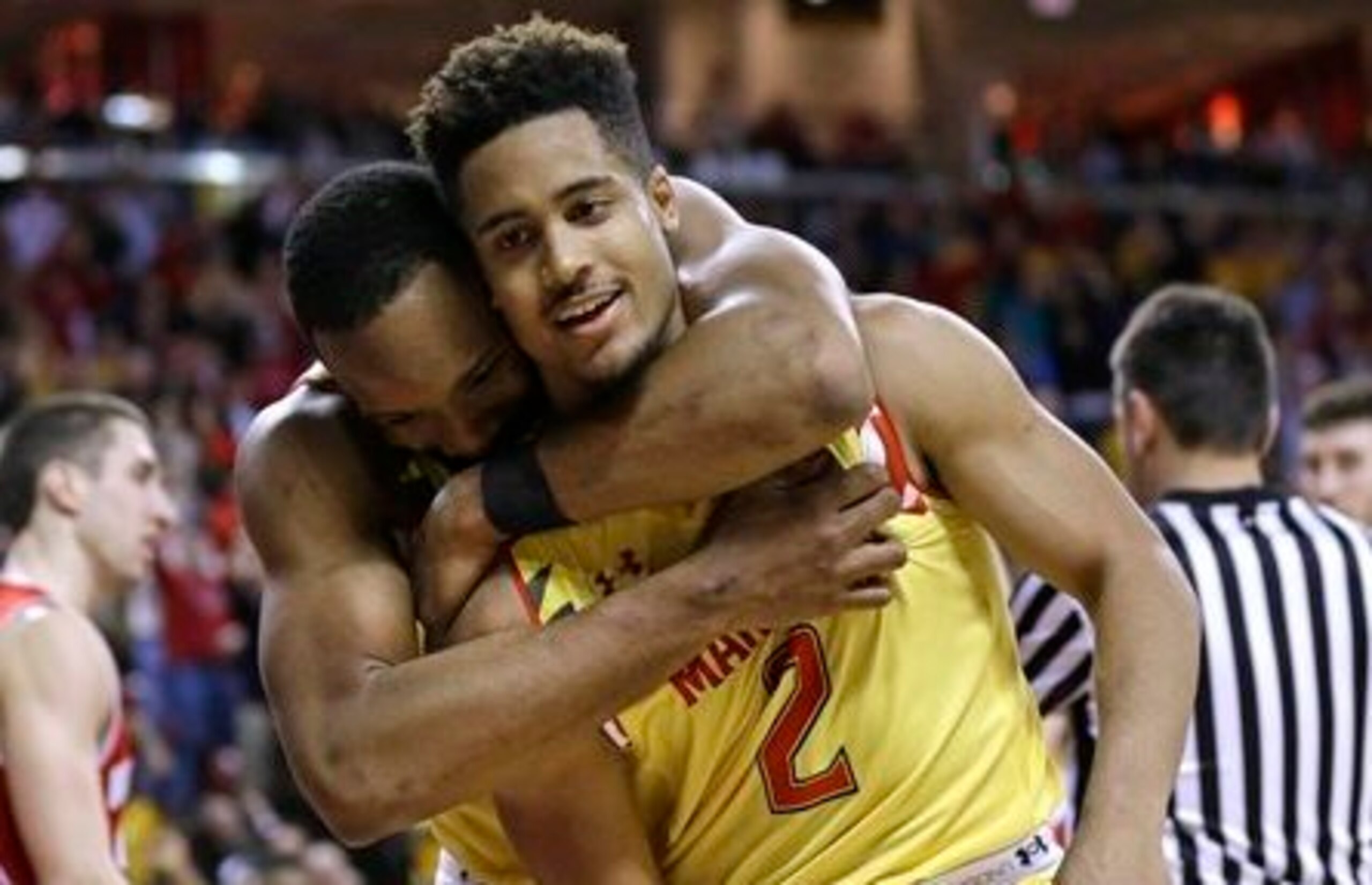
No. 4 seed Maryland vs. No. 13 seed Valparaiso (Midwest Region)
Maryland is an excellent team that has the components to give Kentucky a serious challenge if they should meet in the Sweet 16. The Terps, who have wins over Iowa Sate and Wisconsin, probably should have received a better seed, which would have allowed them to avoid a team as challenging as Valparaiso in their opening game.
Maryland's unexpected success this season resulted in large part from the surprisingly strong play of freshman point guard Melo Trimble. He has played particularly well down the stretch, but you can't tell how a freshman will react to postseason pressure.
Like Maryland, Valparaiso had surprising success this season, winning both the regular-season and tournament titles in the Horizon League. The Crusaders lack individual stars, but they play excellent defense. They allow opponents to shoot just 38.0 percent from the field, eighth best in the country and good enough to frustrate Maryland.
The Crusaders limited Green Bay to 44 points in the Horizon title game, and Green Bay guard Keifer Sykes, a two-time conference Player of the Year, shot just 11-of-45 (24.4 percent) in three games against Valparaiso this season.
The wild card may be Valparaiso's Alec Peters. He is a matchup problem for nearly every team because he is 6'9" but hits 46.2 percent of his three-point attempts while averaging 16.7 points per game. He certainly is not as good as Wisconsin's Frank Kaminsky, but he provides the same kind of dilemma for opposing defenses.
The final issue revolves around March Madness magic. When Valparaiso pulled off its upset of Mississippi in the 1998 NCAA tournament, it was the No. 13 seed, just as it is this year. The player who made the game-winning three-pointer that day 17 years ago was Bryce Drew, now the Crusaders coach.
Oklahoma
6 of 7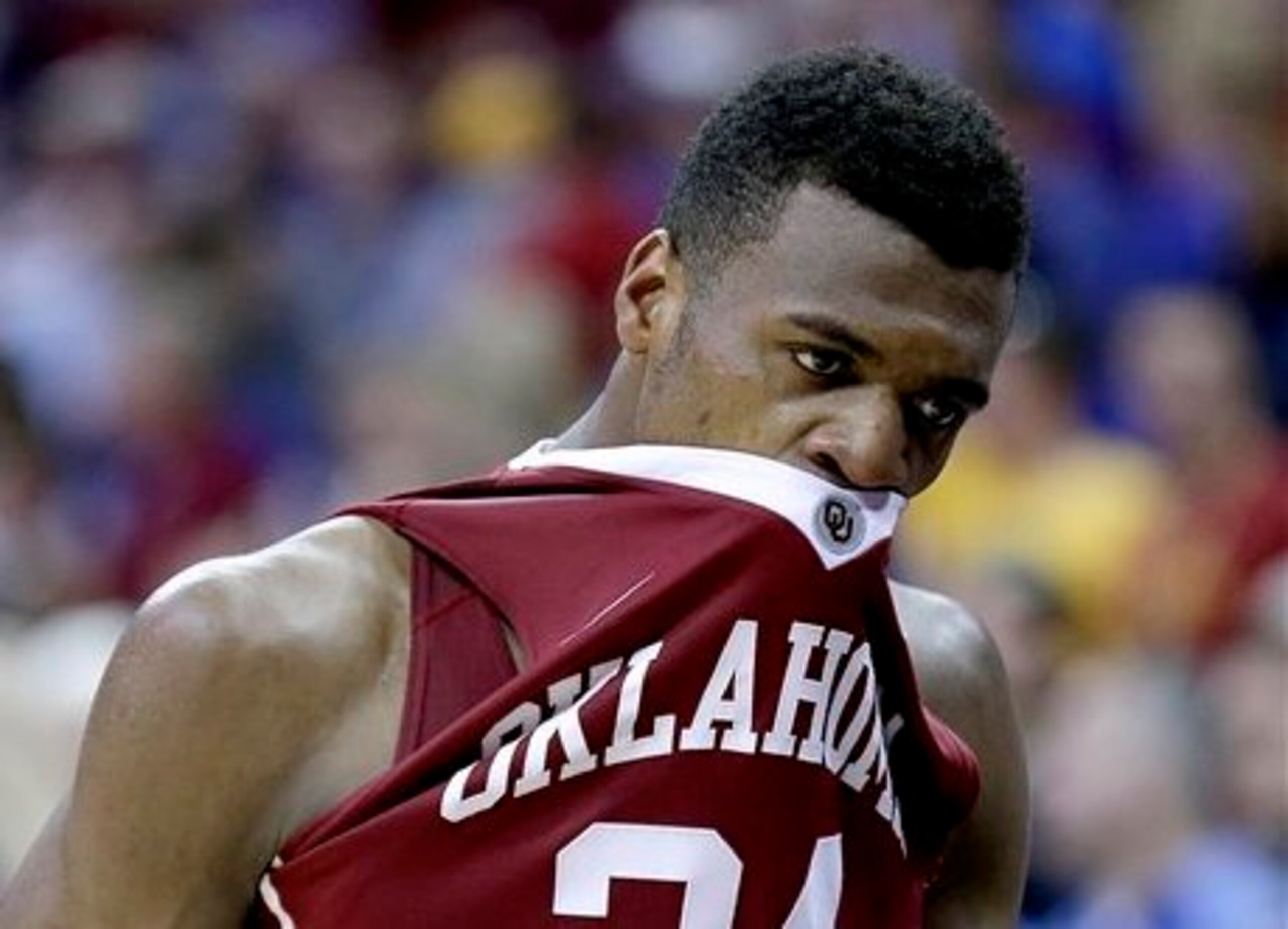
No. 3 seed Oklahoma vs. No. 14 seed Albany (East Region)
Albany will be the sentimental favorite after Peter Hooley, who missed eight games this season to be with his dying mother, made the game-winning three-pointer in the America East tournament finals.
Elsewhere, Albany will look to its postseason experience and strong guard play. Albany is in the NCAA tournament for the third consecutive year, and Hooley and Sam Rowley, the team's top two scorers, were prominent members of the past two Albany teams, which gave a good account of themselves in losses to Duke in 2013 and Florida last year.
Playing a big-name opponent on the postseason stage will not intimidate the Great Danes, and coach Will Brown has a way of formulating effective game plans. Albany brings plenty of momentum into the postseason, having won 19 of its last 20 games.
Meanwhile, Oklahoma has one of the nation's top guards in Buddy Hield, but he has struggled with his shot recently. He is just 17-of-55 (30.9 percent) from the field over the past three games, including 2-of-13 on three-pointers in his most recent contest.
Sooners coach Lon Kruger has won NCAA tournament games at five different schools, including Oklahoma. However, Kruger and the Sooners have not had much postseason success in recent years. No. 12 seed North Dakota State upset the Sooners, a No. 5 seed, last season. Two years ago, Oklahoma lost its first NCAA tournament game to San Diego State.
This season, the Sooners have been prone to blowing big leads and playing poorly against mediocre teams. They had to go to overtime to beat last-place Texas Tech on Feb. 21, and a week later they had to overcome a deficit in the final five minutes to win at home against TCU, which finished 4-14 in the Big 12.
Oklahoma let an 18-point second-half lead disappear in a loss to Creighton early in the season, and it blew a 21-point second-half lead in a loss to Iowa State on March 2.
If Hield struggles again and the Sooners have one of those bad streaks Friday, the Great Danes may have enough experience and talent to take advantage.
Duke
7 of 7
No. 1 seed Duke vs. No. 16 seed Robert Morris (South Region)
A No. 1 seed has never lost to a No. 16 seed. But it's going to happen sometime, and Duke looks like the best candidate this year.
Despite their tremendous success in the NCAA tournament (four national championships, 15 Final Fours), the Blue Devils have also had some colossal failures in the event, especially recently.
Three years ago, Duke was a No. 2 seed when it lost to Lehigh, a 15th-seeded team out of the Patriot League. Last year, No. 14 seed Mercer, a Southern Conference team that had lost twice to North Florida and subsequently lost to Tennessee by 20 points in the next round of the NCAA tournament, took down the third-seeded Blue Devils.
A loss to Robert Morris is only slightly less likely than the Blue Devils' losses to Lehigh and Mercer.
Many blamed Duke's early-round upsets on its heavy reliance on three-point shooting, an attribute that can disappear in any given game. The Blue Devils presumably solved that problem with the addition of 6'10" Jahlil Okafor, probably the best low-post player in the country.
However, three-point shooting is still a major element for the Blue Devils.
When they shot just 6-of-21 on three-pointers against Miami, they lost by 16 points at home to a team that did not make the NCAA tournament. When they were 7-of-27 from long range against North Carolina State, the Blue Devils lost by 12 to a team that was (and still is) unranked. When they were 3-of-17 on three-pointers against Notre Dame in the ACC tournament, the Blue Devils lost by 10.
That's a lot of three-point attempts and lot of negativity.
A bigger issue is that Duke is not a good defensive team. The Blue Devils rank 172nd in the country in field-goal-percentage defense, and Mike Krzyzewski often went to a zone defense to counter problems handling the pick-and-roll.
The Blue Devils have three freshmen in their starting lineup, and as effective as they have been throughout the season, you can never be sure how they will react to the pressures of their first NCAA tournament game, even if it is in nearby Charlotte, North Carolina.
Robert Morris has already relieved its postseason jitters with a first-round victory over North Florida. The Colonials are riding a seven-game winning streak, and they have two attributes that might keep them in the game against Duke: They get a lot of steals, and they can shoot three-pointers.
Robert Morris ranks 13th nationally in steals per game, and it may be able to disrupt the potent Duke offense a bit. That must be accompanied by a great shooting day.
The Colonials are hitting 38 percent of their three-pointers as a team, and their top two scorers, Rodney Pryor and Marcquise Reed, both have made better than 41 percent of their treys this season. Pryor has been particularly hot from beyond the arc, hitting 50 percent of his attempts (26-of-52) over the past eight games.
The last time Robert Morris was in the NCAA tournament, in 2010, the 15th-seeded Colonials led second-seeded Villanova by eight points with less than four minutes left before losing in overtime. So they have reason to believe they can beat Duke.
Okafor will be a handful for the Colonials, and if both teams play their normal game, Duke will bury Robert Morris. But if the Colonials are hitting their long-range shots and Duke isn't...

.jpg?w=2560 "Steelers Buccaneers Football")
.jpg?w=2560 "Steelers Roll Saints in Paris")

.jpg?w=2560 "NFL investigating Eagles")
.jpg?w=2560 "5 Teams Eyeing Jonathan Taylor")
.jpg?w=2560 "Updates from EVERY Game")