

Could Lewis Hamilton Be His Own Worst Enemy in 2015 Formula 1 Season?
There was a certain familiarity about Lewis Hamilton's victory in last weekend's Australian Grand Prix.
A reigning world champion, having secured his breakthrough crown at the previous year's season-ending Abu Dhabi GP, sets a comfortable pole position behind the wheel of the fastest car before winning the first race of his title defence with ease?
For Hamilton's routine victory at Albert Park on Sunday, see Sebastian Vettel's triumph at the same venue four years ago.
.jpg?w=2560 "Chiefs Giants Football")
.jpg?w=2560 "AP Poll Top Five Week 9")
Vettel, you'll recall, claimed the 2010 championship with a win at the Yas Marina circuit, his third victory in four races, after maintaining his calm in the high-pressure situation of a title showdown, with his triumph transforming his status in Formula One.
Despite a raft of rule changes over that winter—Pirelli replaced Bridgestone as F1's sole tyre supplier, while the return of KERS and the introduction of DRS were set to revolutionise the art of racing—Vettel returned in 2011 as an almost unrecognisable performer.
The silly mistakes which almost ruined his title challenge at various points in 2010 suddenly disappeared, while the reliability problems which had reeled Vettel into the clutches of Fernando Alonso, Mark Webber, Jenson Button and Hamilton also died down significantly.
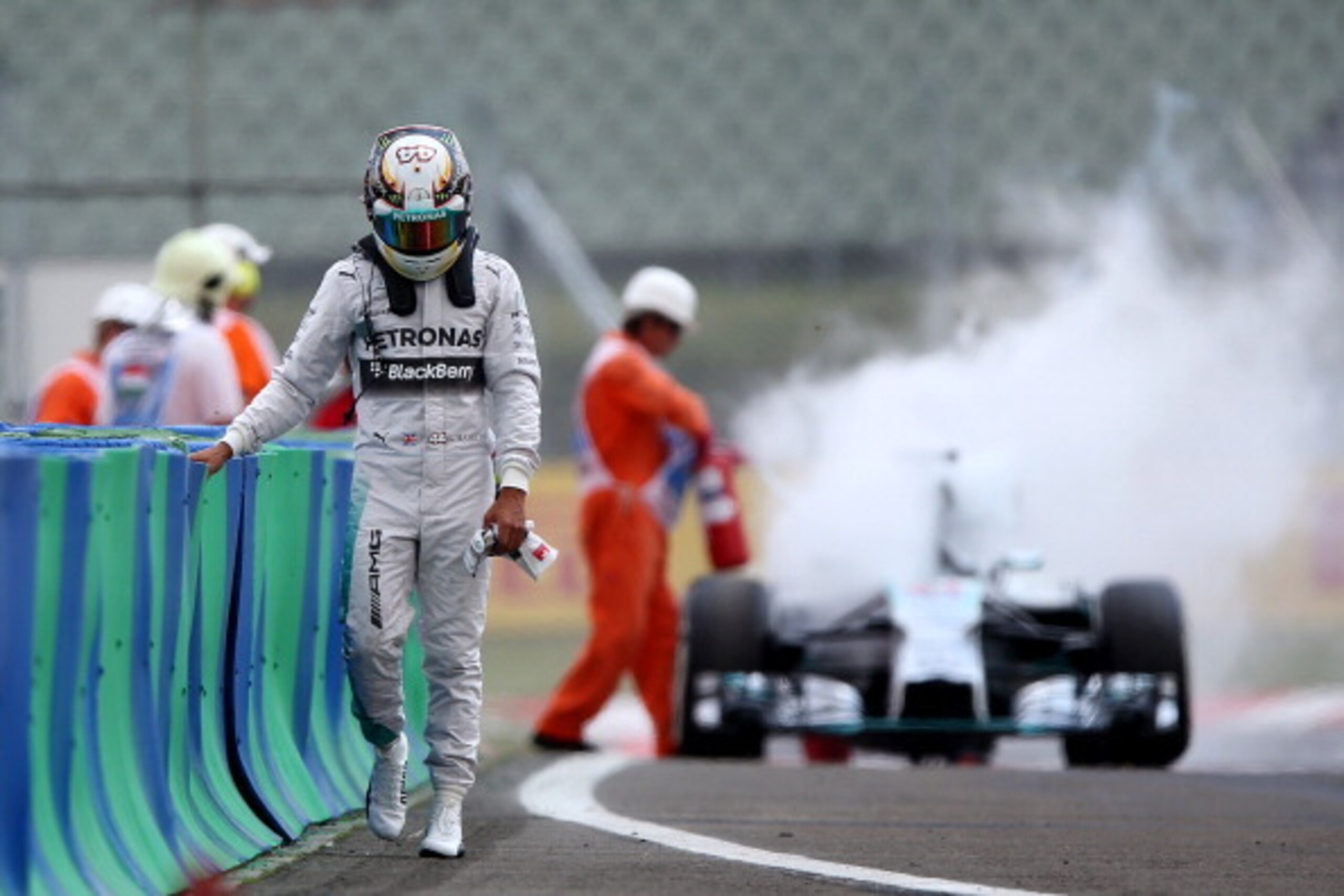
With those lingering threats to his supremacy finally banished, and with the monumental boost in confidence that was his first title triumph, Vettel soon set the benchmark for F1 drivers.
And the Red Bull driver's run of six wins in the opening eight races of 2011 effectively sealed his second consecutive title by the mid-season stage.
On the back of his win on Sunday, his 12th victory in the last 12 months, Hamilton must surely fancy his chances of emulating the man who, now in the colours of Ferrari, stood to his left on the Australian GP podium.
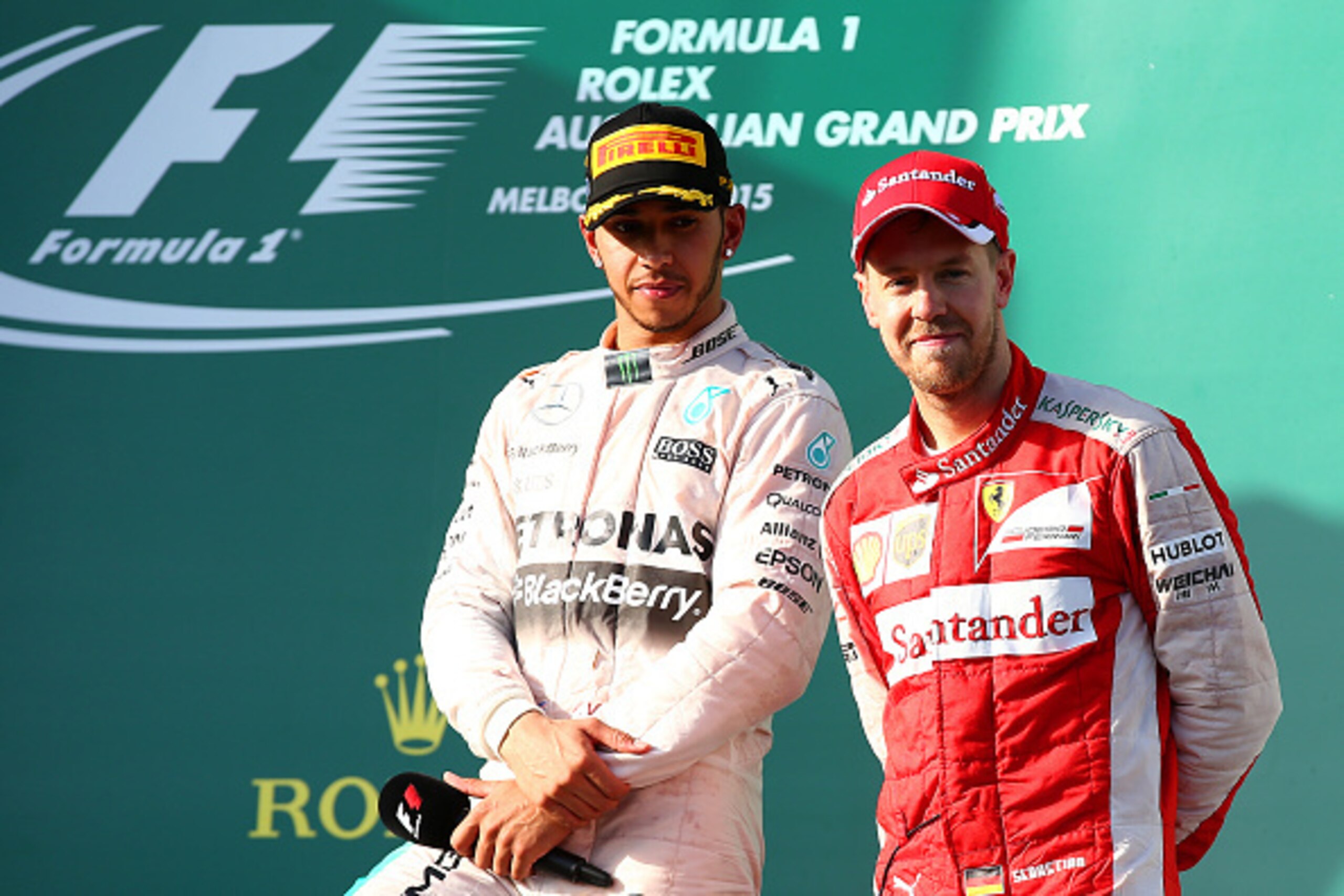
Hamilton's winning margin over his Mercedes team-mate, Nico Rosberg, at the Melbourne race, 1.36 seconds (according to Formula 1.com), disguised his true advantage over the chasing pack.
And just like Vettel in the aftermath of the 2011 Australian Grand Prix—Red Bull team principal Christian Horner, as per BBC Sport, dropped a bombshell in confirming the German didn't even have KERS fitted to his RB7 after his dominant display—there is more to come from the reigning world champion.
Yet as promising as it seems for the British driver heading into the next sequence of grands prix in Malaysia, China and Bahrain—three tracks where he won last year—Hamilton still retains the aura of a performer who tends to make life harder than it might be otherwise.
His inherent unpredictability—the feeling that despite his status as the overwhelming favourite for the 2015 crown, he could still find a way to lose it—is a fundamental part of his global appeal and the reason why he is so enthralling to watch, but it is not inconceivable that some off-track circumstances could undermine his on-track exploits in 2015.
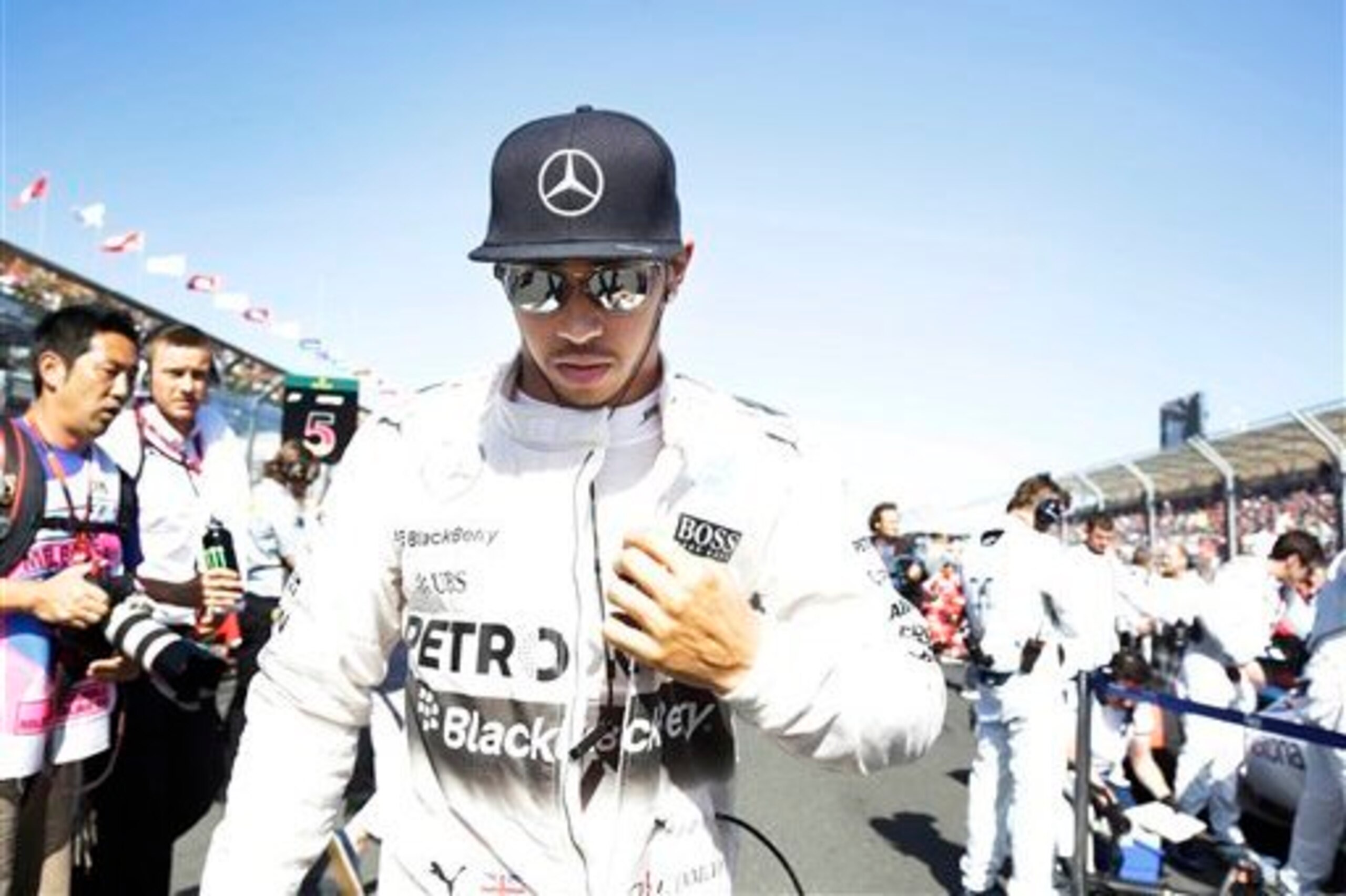
Both team and driver, for instance, have still failed to reach an agreement on an extension of the three-year deal Hamilton signed to join Mercedes at the beginning of 2013, despite the two-time world champion and team principal Toto Wolff implying to Sky Sports post-Abu Dhabi that a renewed contract was a certainty.
Wolff claimed to Sky Sports' James Galloway over the Melbourne weekend that the discussions are now "down to the detail," with Hamilton backing this up in his BBC Sport column, in which he referred to "a few teeny little bits that we will probably iron out over the next few days."
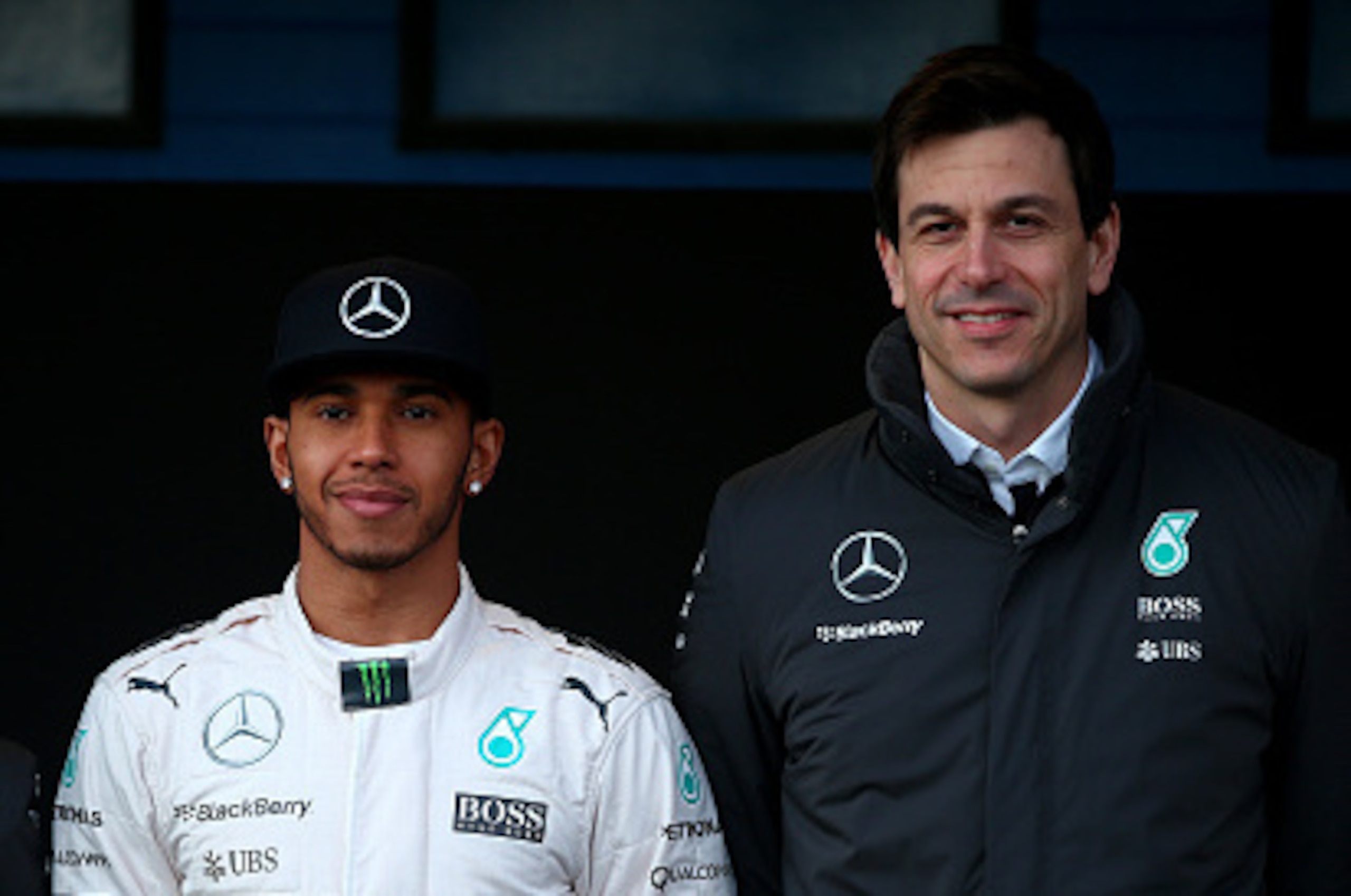
The fact that both parties were seemingly content to allow contract negotiations to bleed into the new season, though, was curious, especially when you consider that Hamilton, as he mentioned in the column, is conducting the talks himself, balancing the roles of grand prix driver and businessman.
Such is the modern era that "silly season" is now a year-long event rather than one confined to the second half of a given season, making it all the more bizarre that Hamilton and the team were content to let the 30-year-old be subjected to as many thoughts and media queries about the dotted line as the racing line.
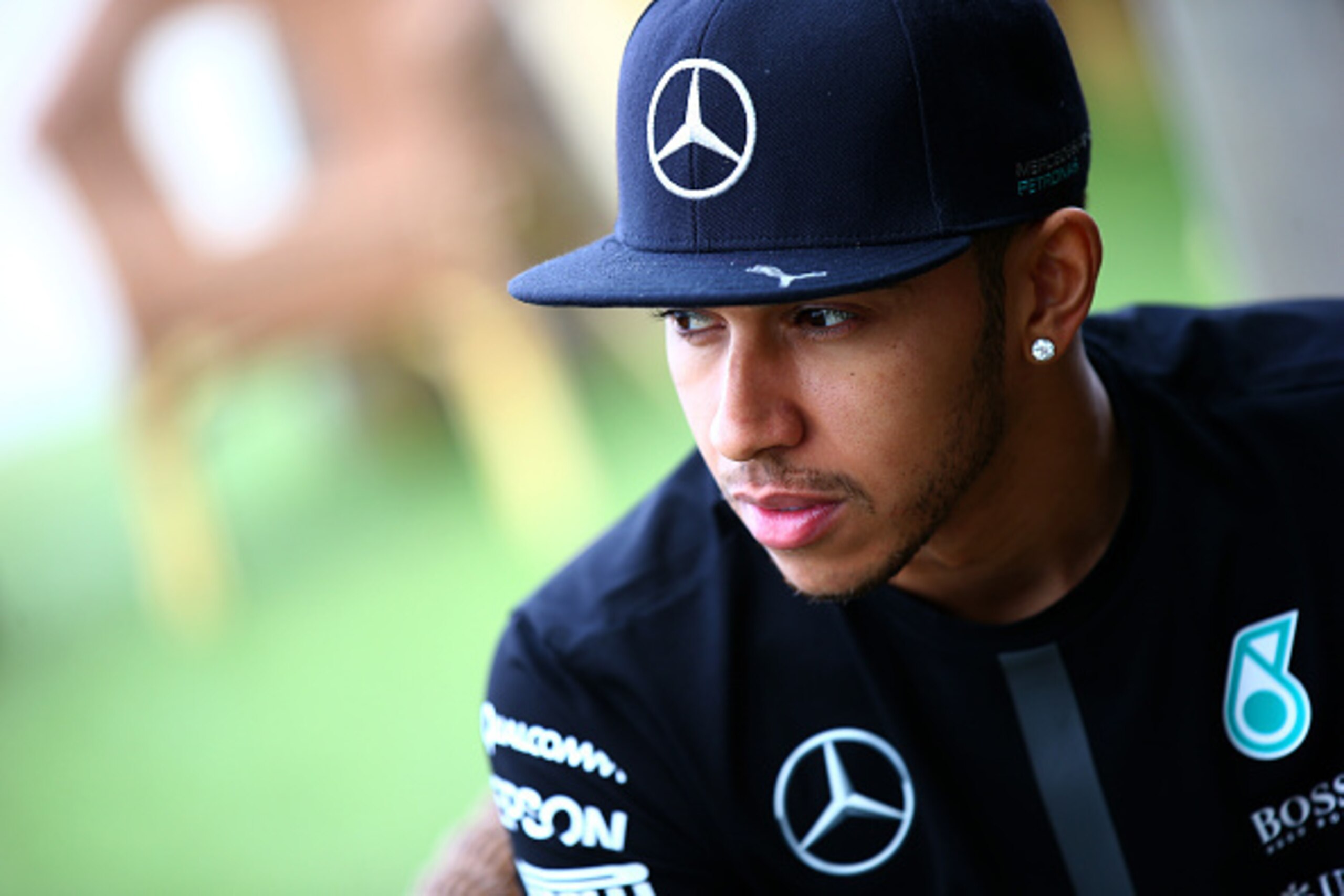
How Hamilton handles the man on the other side of the garage, too, will shape his title defence.
The more the British driver wins at the start of the season, the more desperate Rosberg will grow to regain some momentum of his own, which will make a repeat of the German's 2014 antics in Monaco and Belgium far more likely.
When Rosberg took to the Mirabeau run-off area in qualifying for last year's Monaco Grand Prix, preventing Hamilton from setting a final effort in Q3, the British driver reacted too emotionally and made mistakes of various significance across each of the following seven race weekends, up until his lacklustre start at Monza in September.
Hamilton, in stark contrast, almost seemed to view the Mercedes' collision at Spa, which saw Rosberg give his car a puncture after an ill-judged overtaking manoeuvre went badly wrong, as a form of flattery, utilising the fallout of the crash to embark upon a career-best run of five consecutive race wins.
And should Rosberg adopt a similar style of warfare in 2015, turning to the dark arts as a means of destabilising his team-mate, the emphasis will be on Hamilton to respond with self-control once again.
There is also relevant question marks about the one thing that hangs above athletes at the summit of their given sport: focus.
In the winter between 2013 and '14, Hamilton went on something of a self-imposed exile, telling Peter Windsor in the March 2014 print edition of F1 Racing magazine how he spent the winter months training in the mountains of Colorado, USA, in a bid to lose weight, preparing for a season he simply couldn't afford to waste.
"Good to see my friend @aloeblacc last night! Such a talented and humble guy. pic.twitter.com/qg0UImm7mt
— Lewis Hamilton (@LewisHamilton) January 21, 2015"
This time, however, the world champion was far more visible during the cold winter months—though who could blame him for letting his hair down after his 2014 success?—appearing at fashion shows and goofing around at awards ceremonies.
Could it be that despite his dominant Australian GP display, Hamilton has entered the new campaign without the concentration and dedication of a year ago?
Potentially, yet the beauty of his current situation—behind the wheel of the dominant car on the grid—is that he doesn't need to consistently operate at his best to achieve success, as would have been the case in years gone by.
He merely needs to beat Rosberg more often than not to rack up the race wins and championships. And with Rosberg hardly among the leading drivers on the grid, the German will be banking on his team-mate being distracted by external factors, being knocked out of his rhythm and, essentially, being his own worst enemy.
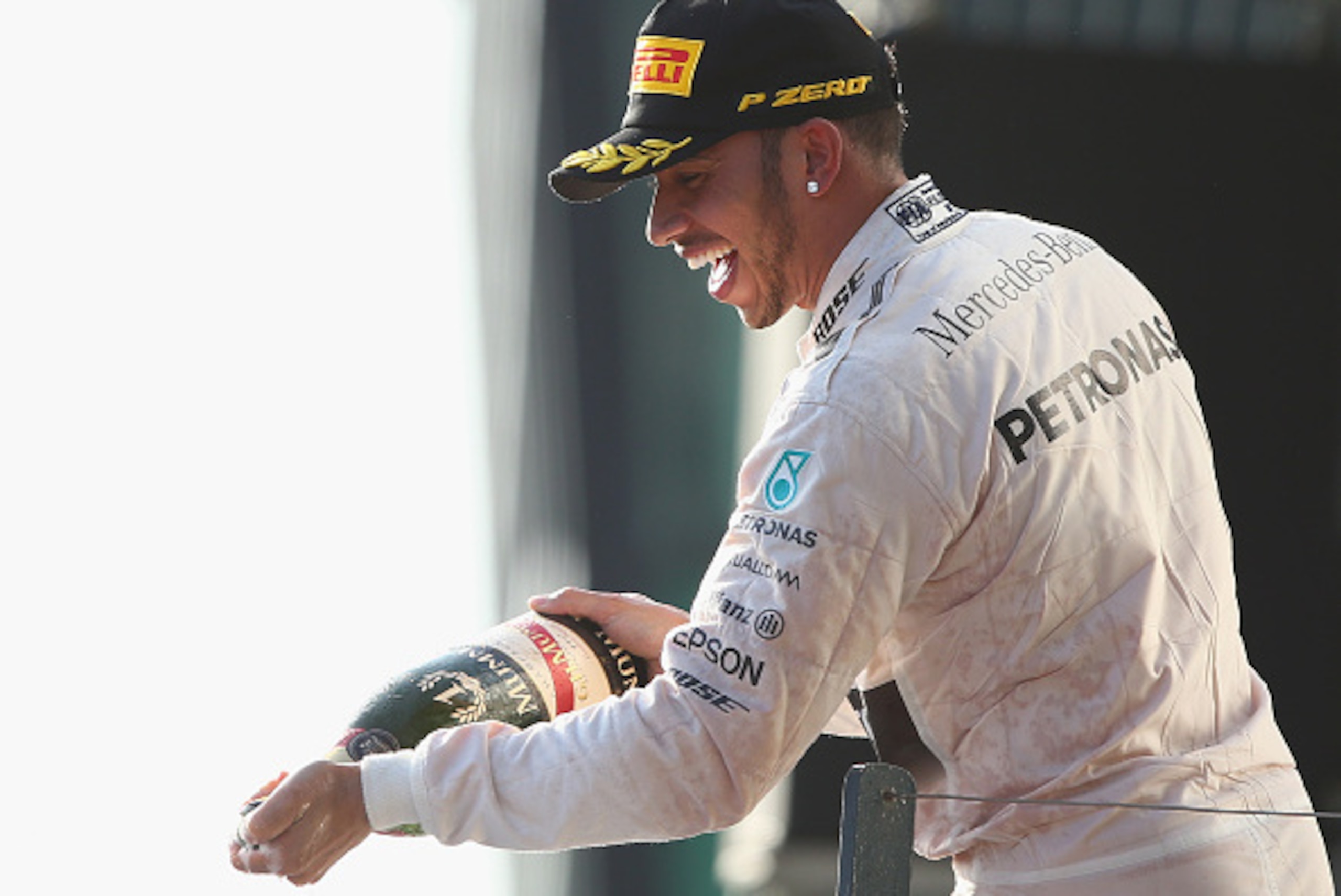
The title will not be snatched from Hamilton in 2015; it can only slip from his grasp.
But with the world champion now currently performing with more composure and confidence than perhaps ever before, there is a slim chance of Hamilton letting that happen.
.jpg?w=2560 "Steelers Buccaneers Football")
.jpg?w=2560 "Steelers Saints Football")
.jpg?w=2560 "5 Teams Eyeing Jonathan Taylor")
.jpg?w=2560 "NFL investigating Eagles")
.jpg?w=2560 "Updates from EVERY Game")