
Players to Watch in 2015 NCAA Tournament's First Four
The First Four may have been mocked at first—were a few extra games really going to make a huge difference?—but it has managed since 2011 to annually create an upset winner against a No. 4, 5 or 6 seed in the "first round" stage.
There's plenty of talent to be found in the NCAA tournament's opening round of games Tuesday and Wednesday in Dayton, Ohio.
An all-time scorer. A triple-double maestro. A guy who stayed home and made good. A guy who returned home to fare better for himself and family. And there's even a leader named Lucky among this group of 10.
Here's a group that stands out based on their production this season and the central role they'll likely play in deciding their team's First Four fate. They should be looked at to make the most of an opening-round chance.
Emmy Andujar, Manhattan
1 of 10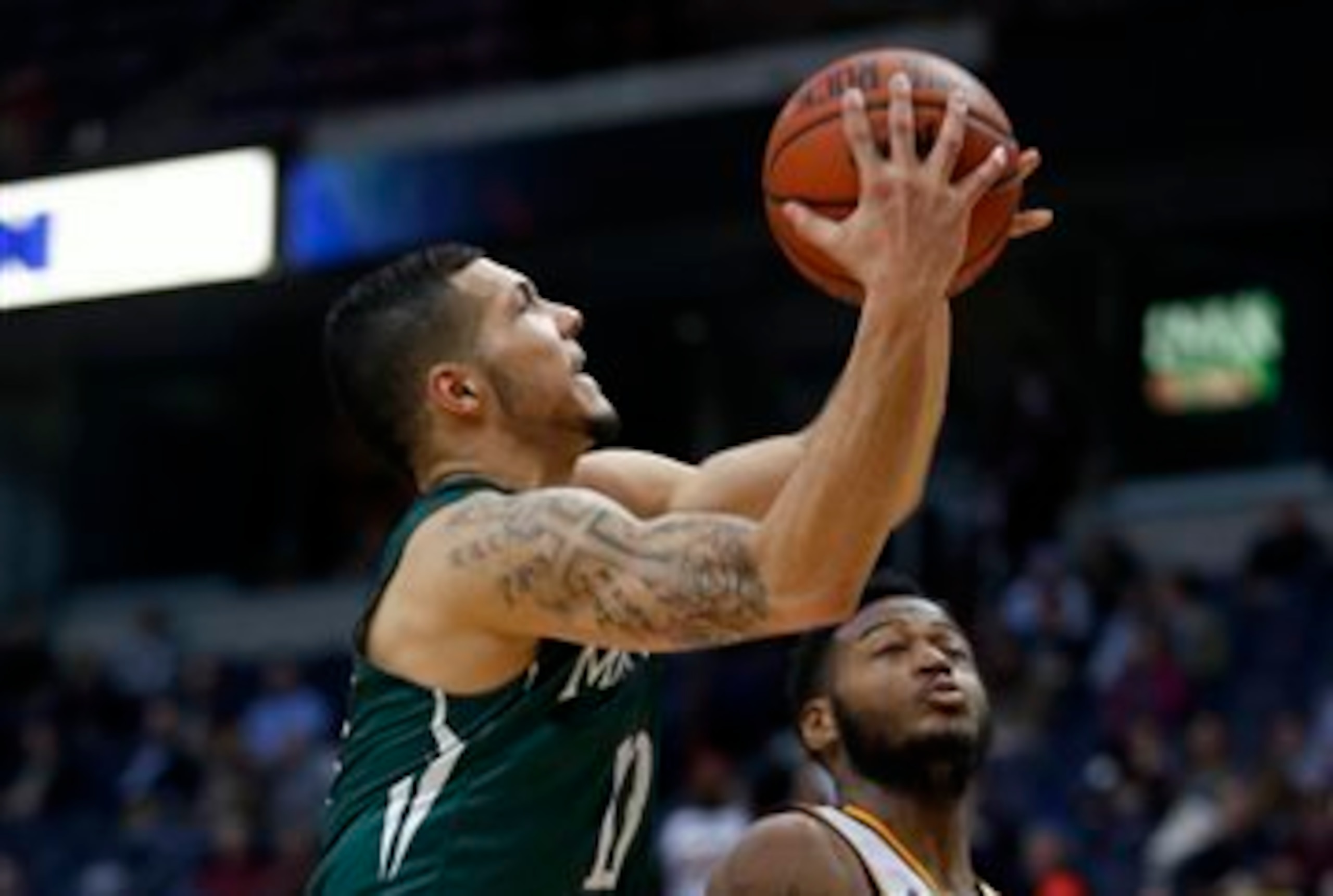
What stands out: Emmy Andujar was a role player who stepped up in his senior season, nearly doubling his points per game.
Best weapon: He's not a three-point threat but still shoots 52 percent from the field and adds nearly eight rebounds and four assists. Andujar is an all-around player with a variety of ways to score between 17 feet and the rim.
First Four outlook: Hampton (16-17) lost its top scorer and rebounder, Dwight Meikle, in its Mid-Eastern Athletic Conference tournament opener (ankle). So the similarly sized, and quite versatile, 6'6" Andujar could have his run of the roost if Meikle can't go full speed.
Derrick Marks, Boise State
2 of 10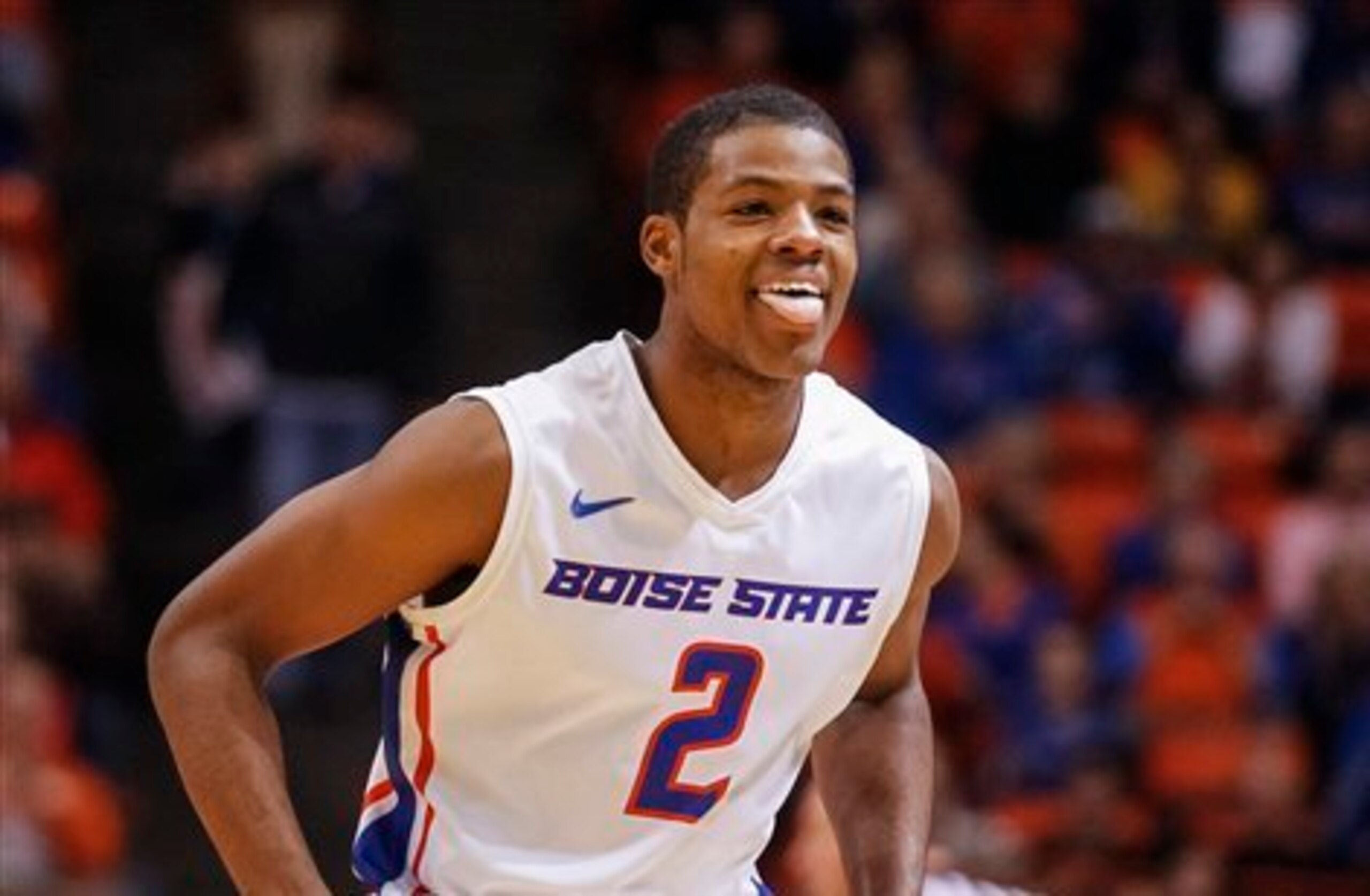
What stands out: After a big win against Colorado State, Broncos coach Leon Rice remarked, "Thank God for Derrick Marks." Marks launched his game dramatically to become the Mountain West's best player.
Best weapon: Marks makes his mark by constantly being fed the ball. He's seventh by KenPom ratings in percentage of possessions used. It's typically smaller-school names around him, but Le'Bryan Nash of Oklahoma State (10th) and Nebraska's Terran Petteway are right behind in that get-him-the-ball category.
First Four outlook: The 6'3" guard has found foul trouble in two of the last three games. Dayton plays mostly man defense, and what will be fascinating—for the uniqueness of this game—is if Marks finds some road-court whistles against a defense that isn't flashy but did go 1-1 against guard-heavy VCU.
Quinton Chievous, Hampton
3 of 10
What stands out: Tennessee transfer Quinton Chievous has major bloodlines—his father is Derrick Chievous, the all-time leading scorer at Missouri—and helped the Pirates rally into the NCAA field despite a rocky season.
Best weapon: Chievous picked his spots to impress on offense but averaged 6.2 rebounds, a strong number for a 6'6" player. After scoring and rebounding leader Dwight Meikle injured his ankle in the first round of the MEAC tournament, Chievous had 23 points and 16 rebounds in the semifinals against Norfolk State in his absence.
First Four outlook: Chievous could get swallowed up by a bigger front line, especially if Meikle isn't at his best after spraining an ankle. Meikle's availability and activity is worth following, and guard Reginald Johnson will be critical either way in setting up Chievous for opportunities.
.jpg?w=2560 "Chiefs Giants Football")
.jpg?w=2560 "AP Poll Top Five Week 9")
Kendall Pollard, Dayton
4 of 10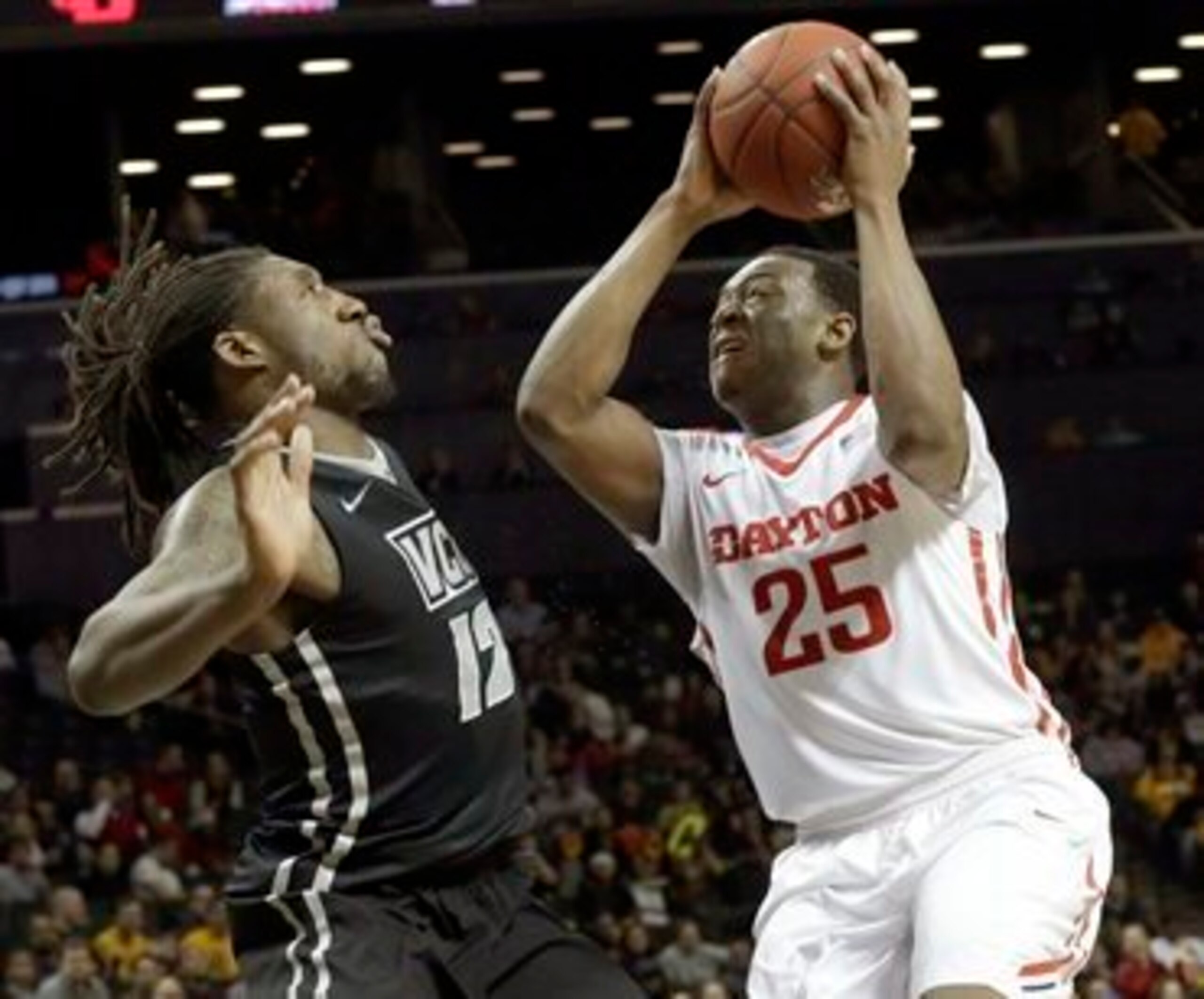
What stands out: Dayton will be a fascinating story behind a slew of players—led by Kendall Pollard—who take the 17th-most free throws in the country.
Best weapon: He's crafty at the rim. The 6'6" sophomore leads the Flyers with 197 free-throw attempts.
First Four outlook: It remains to be seen how a referee crew will call a very unique circumstance of an NCAA tournament team getting a true home game. Pollard is hardly automatic at the line (59 percent), and Boise State may even choose to hack-a-Pollard.
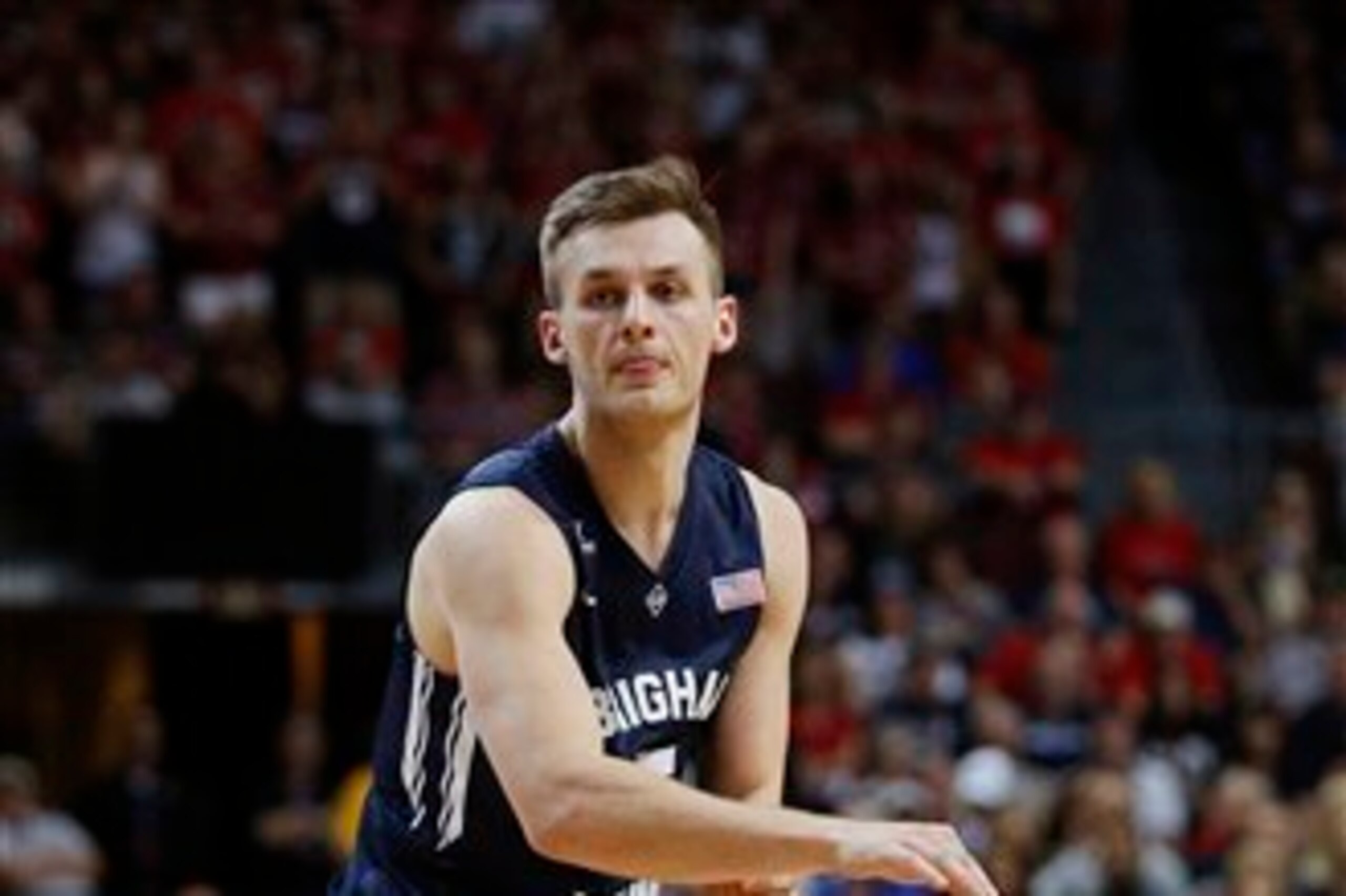
Kyle Collinsworth, BYU
5 of 10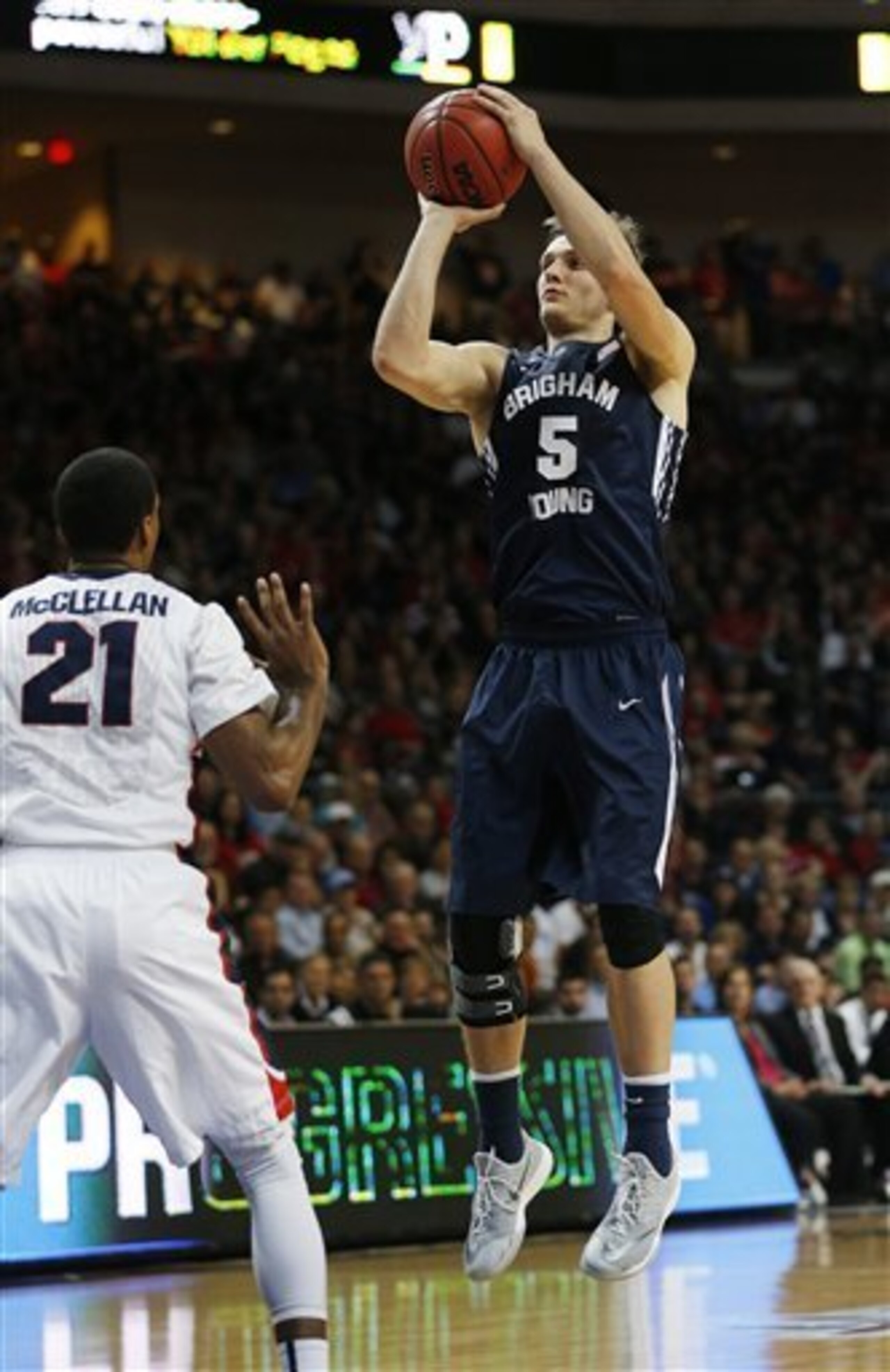
What stands out: He's only 6'6", but he's comparable to Shaquille O'Neal. Kyle Collinsworth, who happens to be a point guard, recently set the NCAA record for triple-doubles in a season. Getting to six tied him for the career record with Shaq, along with Michael Anderson, who played at Drexel three decades ago.
Best weapon: Collinsworth is not a three-point threat (29 percent), yet his success attacking the rim comes because of his size, first step and ability to read angles and situations.
First Four outlook: Facing an uptempo team like Ole Miss to start plays right into his wheelhouse. But the Rebels will likely focus on teammate Tyler Haws first, which will put a little more scoring load on Collinsworth. He's considerably better at shooting free throws this year, so he'll keep attacking.
LaDarius White, Ole Miss
6 of 10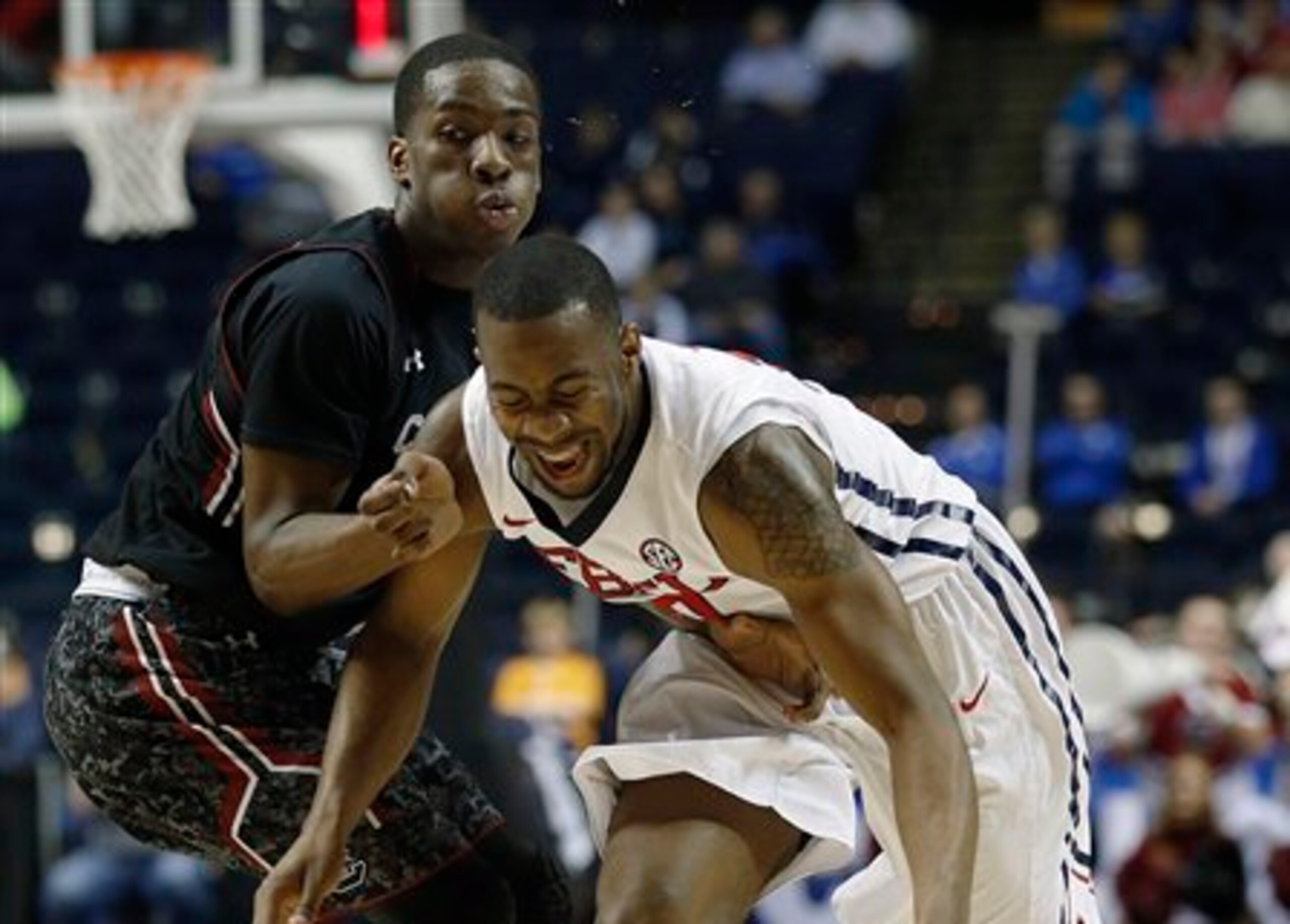
What stands out: LaDarius White and the Rebels are getting a second chance. With less than a second left in a second-round SEC tournament game, Ole Miss looked like it would win. But White's foul on a desperation shot near midcourt afforded South Carolina an upset win that made it an excruciating wait for Ole Miss to Selection Sunday.
Best weapon: White is a complementary part to Stefan Moody, one of the SEC's best scorers. But in White's sixth-man role he is still the team's third-leading scorer (11.2) and shoots a team-best 41 percent from three-point range.
First Four outlook: White is a relatively efficient player (42 percent shooter) who has produced 46 points in his last three games. His 6'6" size around other Rebels really isn't that tall, however, which will afford size-challenged BYU some reasonable chances to guard him.
Ashton Pankey, Manhattan
7 of 10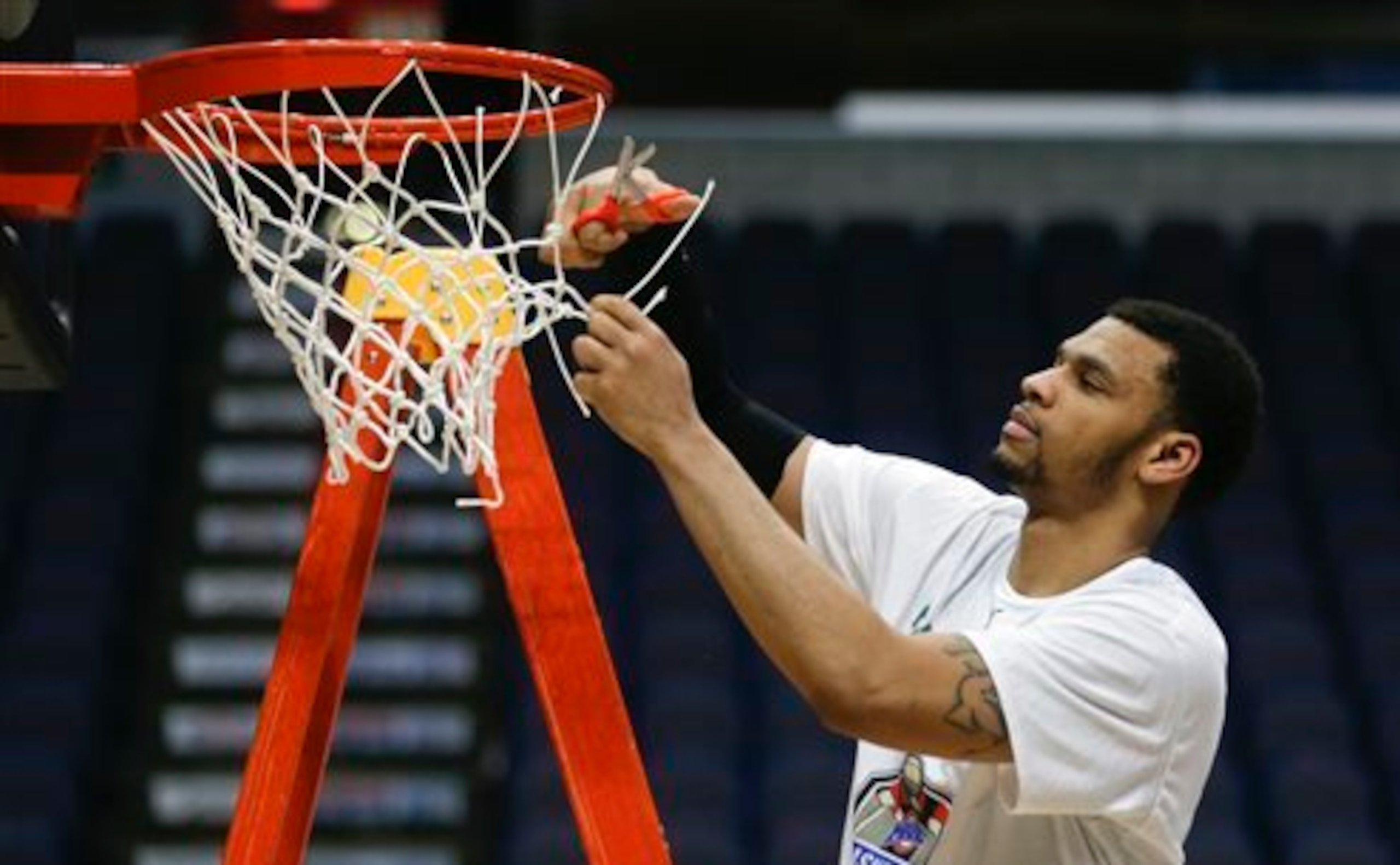
What stands out: Ashton Pankey is a Maryland transfer who returned home and made good, taking care of family and forming a tight bond with his coach to produce a long-awaited shot in March.
Best weapon: Pankey runs the floor well and is more chiseled than your typical mid-major forward, as Manhattan coach Steve Masiello noted (hence starting his career at Maryland). He made 15 of his 29 shots at the MAAC tournament, and the Jaspers pulled off a mild upset of fast-paced Iona in the final.
First Four outlook: The 6'10" Pankey shoots 54 percent from the field, so he could be tough for Hampton to stop.
Lucky Jones, Robert Morris
8 of 10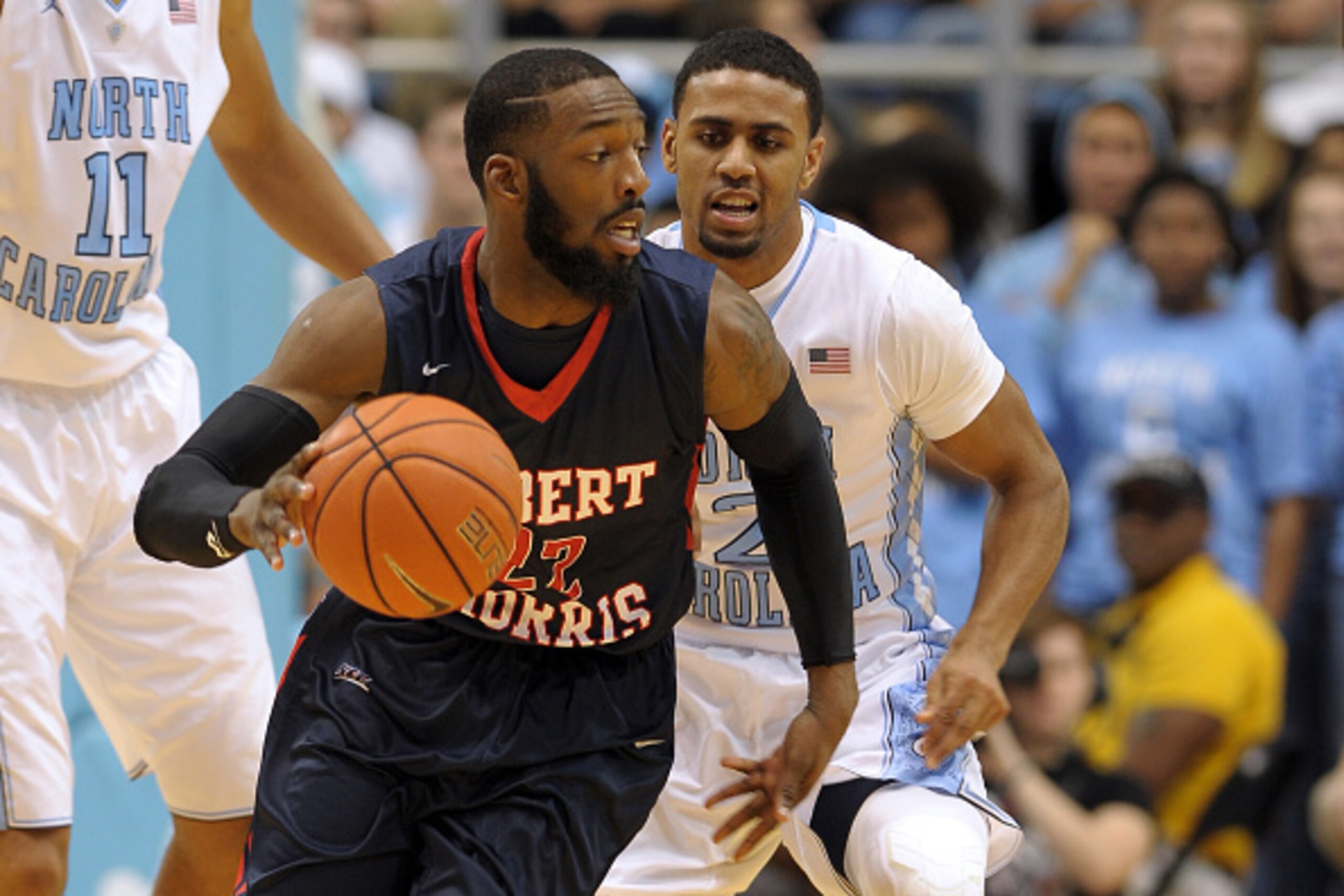
What stands out: Could there be be a more wonderful March name than Lucky Jones? Megan Ryan of the Pittsburgh Post-Gazette recently did a terrific piece on Jones, noting that the 6'6" senior didn't always feel so lucky growing up. He's hardly the star of Robert Morris, but he's a grizzled veteran whom the team relies upon.
Best weapon: We forget that college basketball still has four-year players, and Jones has steadily climbed in production each year. He's also become the school's all-time leading rebounder.
First Four outlook: Jones is the Colonials' third-best scorer (14.3) and just needs to be careful with the ball; he averages a whole turnover more than his assist average. If he focuses on protecting the ball and continues to have a nose for rebounds, Robert Morris could earn a chance to play top seed Duke.
Beau Beech, North Florida
9 of 10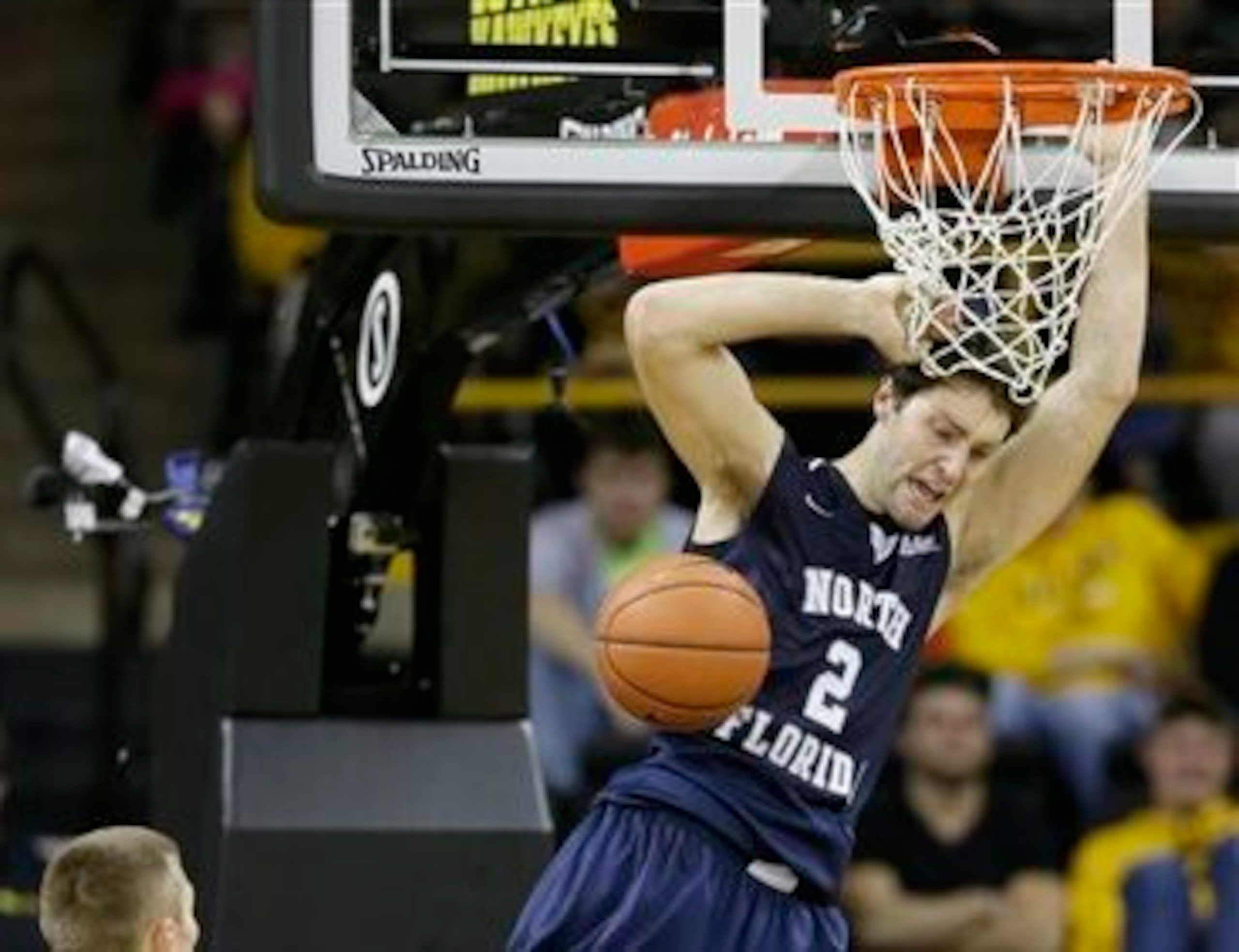
What stands out: The hometown kid Beau Beech stuck to his beliefs, and his backyard, to help the Ospreys turn from a sleepy NAIA program to one that's in the NCAA tournament despite being just six years old in Division I.
Best weapon: The Ospreys average nine made three-pointers a game, and Beech—a 6'8" junior—takes nearly seven tries per contest. While he suffered an 0-of-11 slump in the last two games of the Atlantic Sun tournament, Beech made five of 11 from beyond the arc in the opening round. He has supreme confidence and sturdy enough range (37 percent).
First Four outlook: It's a ripe opportunity for a tall sharpshooter, though he'll have to be better than 6-of-20 like he produced against three teams that made the NCAA field. Twice this year Beech made seven threes in a game. Robert Morris is 130th nationally in defending the arc.
Tyler Haws, BYU
10 of 10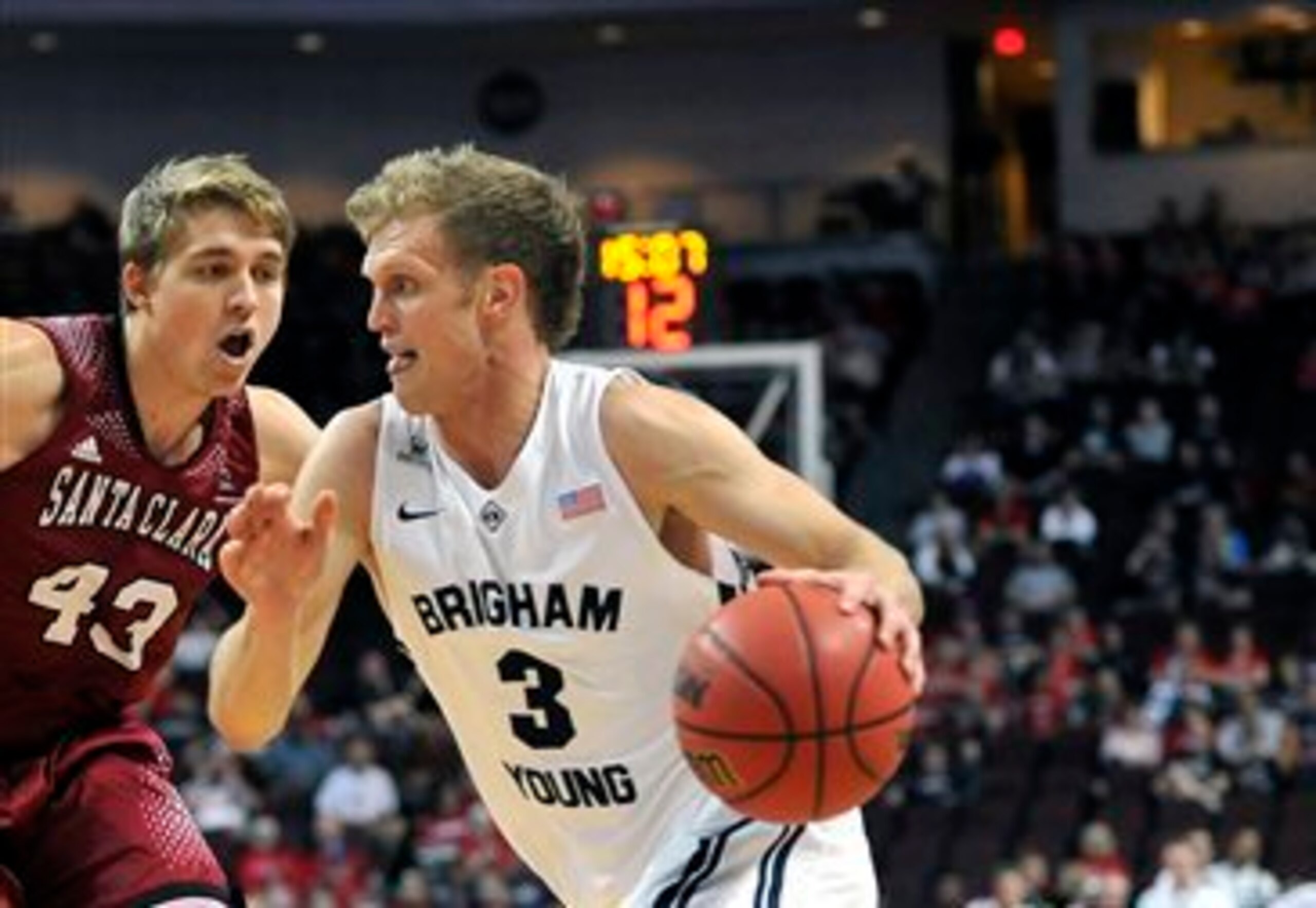
What stands out: Tyler Haws has a uniquely old-school game that focuses on mid-range jumpers. The senior isn't quite like his BYU predecessor, Jimmer Fredette, but Haws passed him as the school's career scoring leader.
Best weapon: Haws averages about seven free-throw attempts per game and makes nearly 88 percent. He can take on points in a hurry, and also get a team in foul trouble. Every game, it's intriguing to analyze how teams choose to guard him—and what referees will allow regarding contact.
First Four outlook: Neither Ole Miss nor slated second-round opponent No. 6 Xavier is particularly great defensively, and Haws (48 percent from the field) would presumably have space and time to find his shot. That could have the makings of a big senior-year bang.

.jpg?w=2560 "Steelers Buccaneers Football")
.jpg?w=2560 "5 Teams Eyeing Jonathan Taylor")
.jpg?w=2560 "Steelers Roll Saints in Paris")
.jpg?w=2560 "NFL investigating Eagles")
