


It's been said that love is blind, but comparing blind resumes of NCAA tournament hopefuls is just plain fun.
Minor conference tournaments are well underway, and the major conference tournaments will be here before you know it. This, of course, means we are right on the brink of nonstop debates about who's in, who's out and what needs to happen in the remaining conference tournaments for all of that to change.
What it also means is that we have reached the optimal time for some blind-resume comparisons.
TOP NEWS
Ole Miss Men's CBB Punished for Violations
.jpg?w=2560 "Chiefs Giants Football")
Mahomes Told Teammate to Leave Meeting
.jpg?w=2560 "AP Poll Top Five Week 9")
🚨 Week 8 AP Top 25 Poll
If you're unfamiliar with the concept, we strip away the team names and simply compare two computer resumes to one another. Deception is the name of the game, and you may be surprised to find that you prefer the resume of a projected No. 9 seed to that of a No. 4 seed, or even the resume of a likely NIT team to that of a likely NCAA tournament team.
Along with each set of resumes, we'll provide a little extra information about each team—hopefully without revealing its identity—and then it's up to you to vote for which one you think is better.
The identity of each team can be found at the bottom of the page.
Ready, set, vote!
(KP is rating on KenPom.com; BPI is ESPN's Basketball Power Index; SOS is strength of schedule; NCS is nonconference strength of schedule. All data as of the start of play on Friday, March 6.)
| Resume | Record | RPI/KP/BPI | SOS/NCS | vs. RPI Top 25 | vs. RPI Top 50 | vs. RPI Top 100 | Bad Losses |
| Team A | 27-3 | 6 / 4 / 3 | 20 / 12 | 2-2 | 7-2 | 15-2 | 1 |
| Team B | 27-3 | 7 / 2 / 4 | 46 / 97 | 4-0 | 6-0 | 14-2 | 1 |
In case it isn't clear, these aren't bubble teams. We're starting you out with what should be a very popular debate among No. 2 seeds that could potentially be in line for a No. 1 seed if one of those top teams takes a tumble.
We can probably all agree that the records as well as the RPI/KP/BPI numbers are a wash, bringing us to strength of schedule and quality of wins.
Team A has played a more difficult overall schedule and played a rather significantly more challenging nonconference schedule, but it went just 2-2 against top teams. Team B went 4-0 against the RPI top 25, but it suffered three losses to teams outside the RPI top 50.
So what's more important for a potential No. 1 seed: Beating the vast majority of the teams that you should and having a couple of letdowns against elite teams or going undefeated against top teams while slipping up three times against schools that might not make the tournament?
You be the judge.
| Resume | Record | RPI/KP/BPI | SOS/NCS | vs. RPI Top 25 | vs. RPI Top 50 | vs. RPI Top 100 | Bad Losses |
| Team A | 21-9 | 17/38/29 | 3 / 1 | 1-2 | 4-5 | 11-7 | 2 |
| Team B | 22-8 | 32/15/10 | 92 / 214 | 1-2 | 1-5 | 7-8 | 0 |
This seems like the perfect time to note that KP and BPI include margin of victory while RPI does not, and Team B has Team A pretty well covered in both of those categories.
However, Team A has a better RPI and has played a drastically more difficult schedule—particularly during the nonconference portion of the season. So, yes, Team B wins games more comfortably than Team A, but that makes sense given the gap in level of competition.
Despite that stark difference in SOS, Team B doesn't have any terrible losses, which is a rarity for most schools this season. Team A has two bad losses but also has an extra three wins against the RPI top 50 to help make up for those.
Which is better: Challenging aggressively and picking up a few ill-advised losses or looking good while taking it relatively easy for the first seven weeks of the season?
Cast your vote now.
| Resume | Record | RPI/KP/BPI | SOS/NCS | vs. RPI Top 25 | vs. RPI Top 50 | vs. RPI Top 100 | Bad Losses |
| Team A | 18-12 | 39/22/28 | 9 / 88 | 2-9 | 3-11 | 6-12 | 0 |
| Team B | 19-12 | 52/50/49 | 34 / 65 | 1-6 | 2-7 | 5-10 | 2 |
Well, it certainly didn't take long to go from projected No. 2 seeds to the heart of the bubble.
If you've been following bubble talk for the past few weeks, you probably already know who Team A is by its ridiculous number of RPI top 25 losses, but humor us by pretending you don't already have a strong bias for or against that team.
Instead, focus on comparing Team A to Team B and deciding which resume is better and by how significant a margin, because they aren't separated by much in most projected brackets.
Team A does have that extra marquee win, but at what point do you just say enough is enough in terms of "quality losses"?
| Resume | Record | RPI/KP/BPI | SOS/NCS | vs. RPI Top 25 | vs. RPI Top 50 | vs. RPI Top 100 | Bad Losses |
| Team A | 23-4 | 53/45/60 | 252/178 | 0-2 | 0-3 | 2-3 | 1 |
| Team B | 15-15 | 80/81/75 | 14 / 152 | 5-6 | 7-9 | 8-11 | 4 |
These two resumes could not possibly be more different, right?
Yet, this could be an interesting bubble debate if Team A fails to secure its conference's automatic bid.
Team B has 11 more losses than Team A and considerably worse RPI/KP/BPI numbers, but just look at how different their schedules have been. Team A has played a whopping five games against the RPI top 100, while Team B has five wins against the RPI top 25.
Yes, Team B has 11 more losses, but it has also played 14 more quality opponents. Does that count for anything? Are either of these teams actually on the bubble with those nonconference schedules?
(Actually, hold that thought, because we've got a doozie coming up between dreadful nonconference schedules in a moment.)
Do you prefer the team that picked up a ton of quality wins while taking more than a few losses or the one that has a nice record but without any wins worth boasting?
| Resume | Record | RPI/KP/BPI | SOS/NCS | vs. RPI Top 25 | vs. RPI Top 50 | vs. RPI Top 100 | Bad Losses |
| Team A | 25-5 | 24/16/14 | 115/330 | 3-3 | 5-3 | 9-5 | 0 |
| Team B | 21-6 | 30/28/27 | 121/245 | 1-3 | 2-3 | 7-4 | 2 |
Two bloated records against terrible schedules, and yet their RPI/KP/BPI numbers are much better than the ones we just got done looking at.
The major difference between these two resumes appears to be the two extra RPI top 25 wins for Team A, as well as Team A's exceptionally awful nonconference strength of schedule.
2013-14 SMU had more losses than either of these teams, but the Mustangs were held out of the tournament largely because of a nonconference strength of schedule that ranked 303rd, so one ranking 330th looks really bad.
Outside of those two differences, though, pretty similar, yeah? Not many losses for either team, solid ranks in the rating systems, mutually dreadful strengths of schedule and a pretty respectable record against teams ranked 26-100 by RPI.
Time to make the call.
| Resume | Record | RPI/KP/BPI | SOS/NCS | vs. RPI Top 25 | vs. RPI Top 50 | vs. RPI Top 100 | Bad Losses |
| Team A | 20-9 | 48/43/34 | 89 / 135 | 0-3 | 0-6 | 6-9 | 0 |
| Team B | 18-12 | 61/60/55 | 35 / 90 | 2-5 | 3-6 | 4-12 | 0 |
Here we have a nine-loss team with no great wins and no terrible losses against a 12-loss team with a few quality wins and no bad losses.
Because of the sheer number of losses, Team B's rank in the computer ratings is quite middling. Though it doesn't have any losses to teams outside the RPI top 100, those six RPI 51-100 losses are really weighing this school down.
Meanwhile, Team A is 6-3 against that collection of teams, which is more than enough to keep its computer numbers ahead of Team B's, despite the not-insignificant edge to Team B in the strength-of-schedule department.
What's more important for teams without terrible losses: Actually beating a few quality opponents or simply not accumulating too many "quality losses"?
| Resume | Record | RPI/KP/BPI | SOS/NCS | vs. RPI Top 25 | vs. RPI Top 50 | vs. RPI Top 100 | Bad Losses |
| Team A | 21-7 | 47/74/84 | 110/133 | 0-3 | 2-5 | 5-6 | 1 |
| Team B | 20-8 | 61/51/56 | 102/81 | 0-2 | 1-5 | 2-5 | 3 |
This will be our last comparison, and it just seems fitting to close with a pair of ugly resumes for bubble teams, because you should have to experience at least some of the pain we've gone through in evaluating these types of resumes for the past several months.
Team A has a slightly better RPI, but Team B more than makes up that ground in KP and BPI, so let's call that a wash. The SOS numbers are basically a wash, too, though Team B was at least a little bit more aggressive with the part of the schedule it has some control over. Neither one has any outstanding wins, but Team A picked up a few more RPI 51-100 wins.
Tough call, right?
Well, what if we tell you before you cast your vote that Team A has an additional loss to a D-II school that isn't even factored into its record, RPI, SOS or bad losses? Does that help inform your decision?
Hopefully you voted in all the polls, because here's the big reveal.
No. 1: Team A is Wisconsin and Team B is Arizona
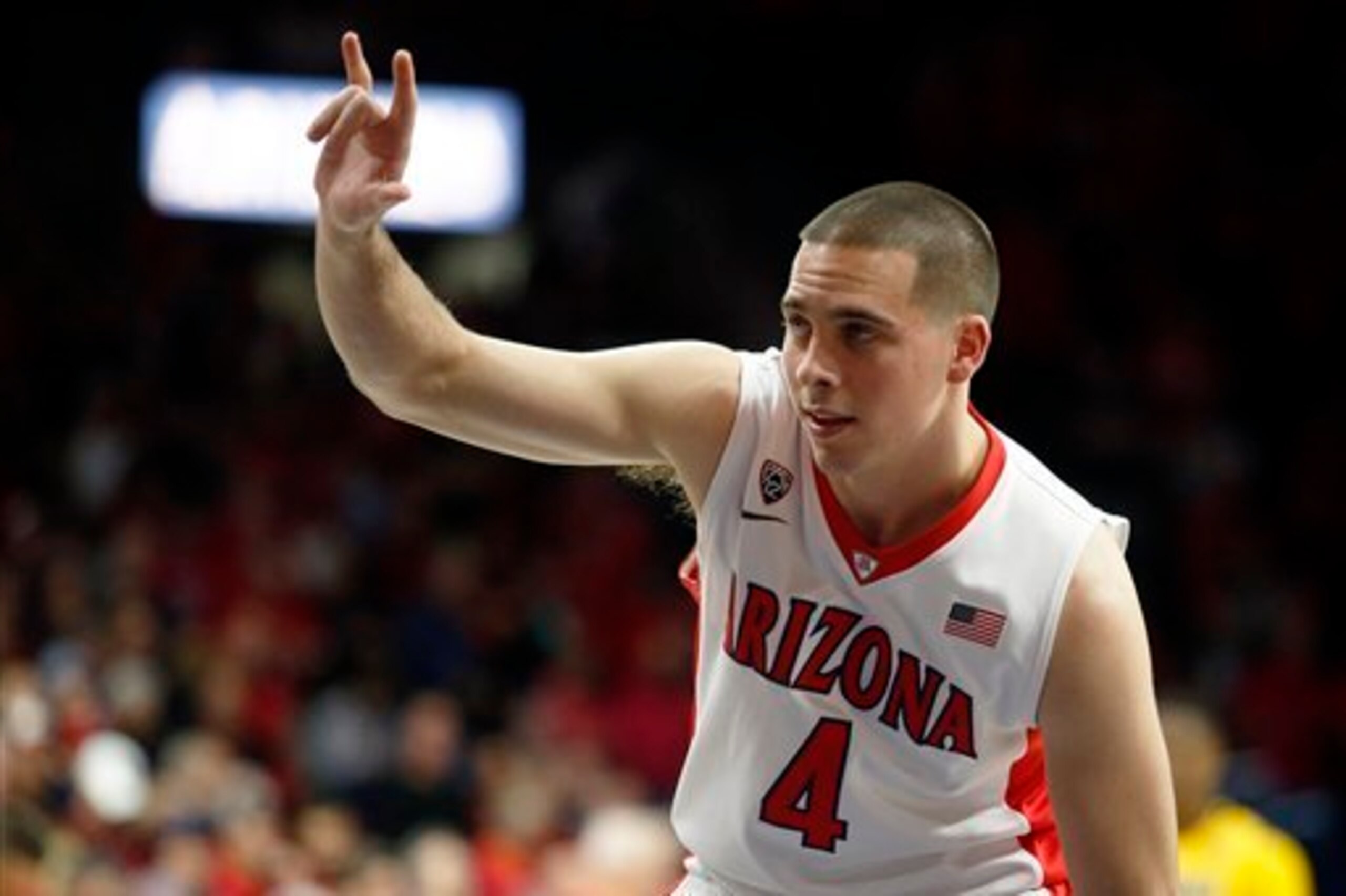
If both of these teams win their respective conference tournaments, this is going to be a very tough debate. I would personally lean toward Arizona because I feel a great win brings more positive than a bad loss brings negative, so two more great wins and two more bad losses means advantage Wildcats.
No. 2: Team A is VCU and Team B is Ohio State
The point in this comparison is twofold: Ohio State played a pathetic schedule, and VCU played an incredible one but is currently losing games left and right without Briante Weber. What to do with the Rams will be a hot debate, as will where to seed the Buckeyes if they're bounced early in the B1G tournament.
No. 3: Team A is Texas and Team B is UCLA
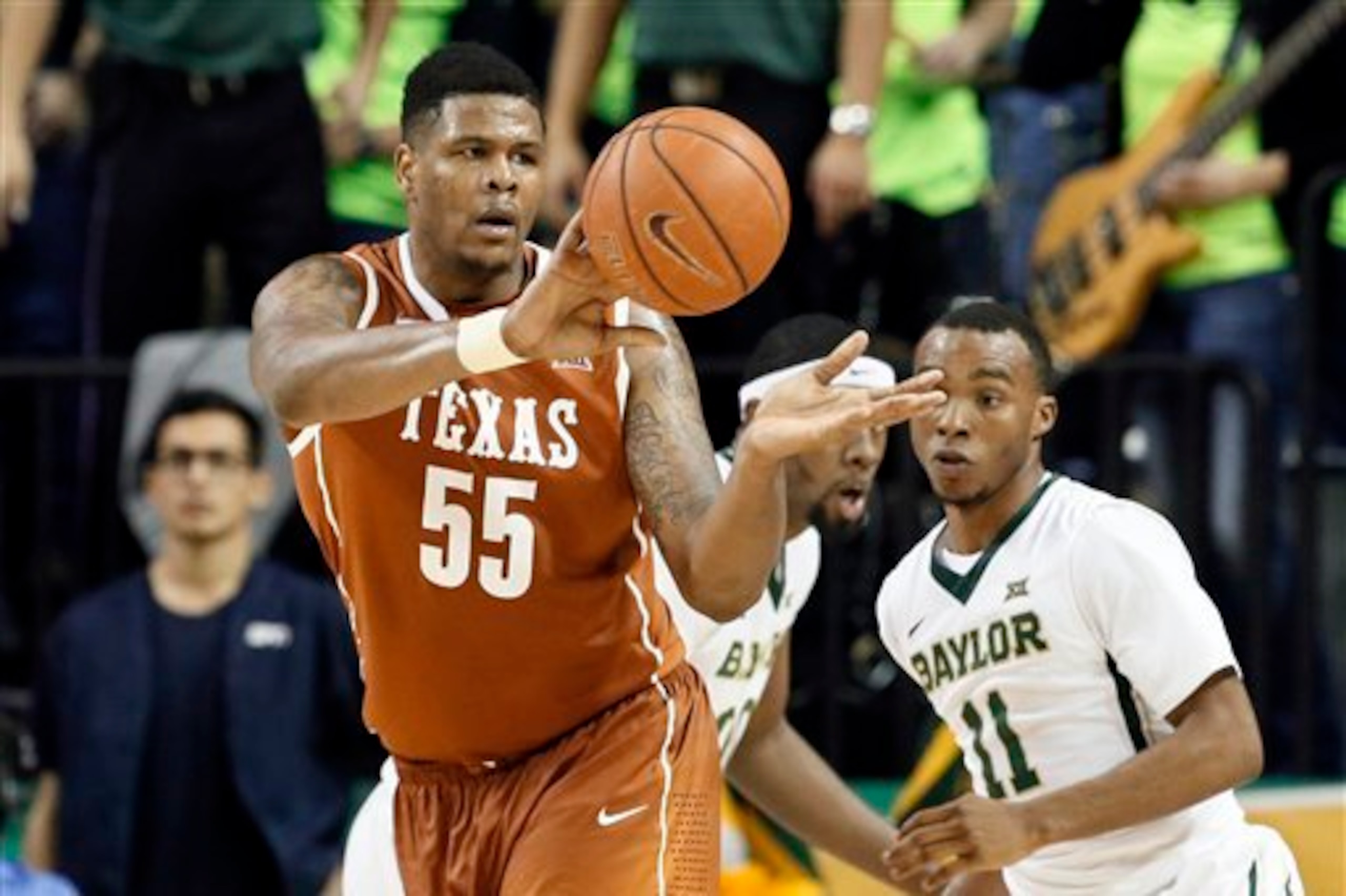
It seems crazy that these teams are both among the first four out on the latest Bracket Matrix, doesn't it? Texas has much better computer numbers except for nonconference strength of schedule, one additional marquee win and four fewer losses to teams outside the RPI top 50.
No. 4: Team A is Stephen F. Austin and Team B is Kansas State
If the Lumberjacks lose in the Southland conference tournament, this is probably the first head-to-head decision that needs to be made. If they aren't better than a 15-loss team with seven quality wins, can you really argue they're better than an eight-loss team with three quality wins?
Also, a friendly reminder that Texas and Kansas State face off Saturday in one heck of a bubble battle. If the Wildcats pick up an eighth RPI top 50 win in that game, do we really care how many losses they suffered?
No. 5: Team A is Notre Dame and Team B is Davidson
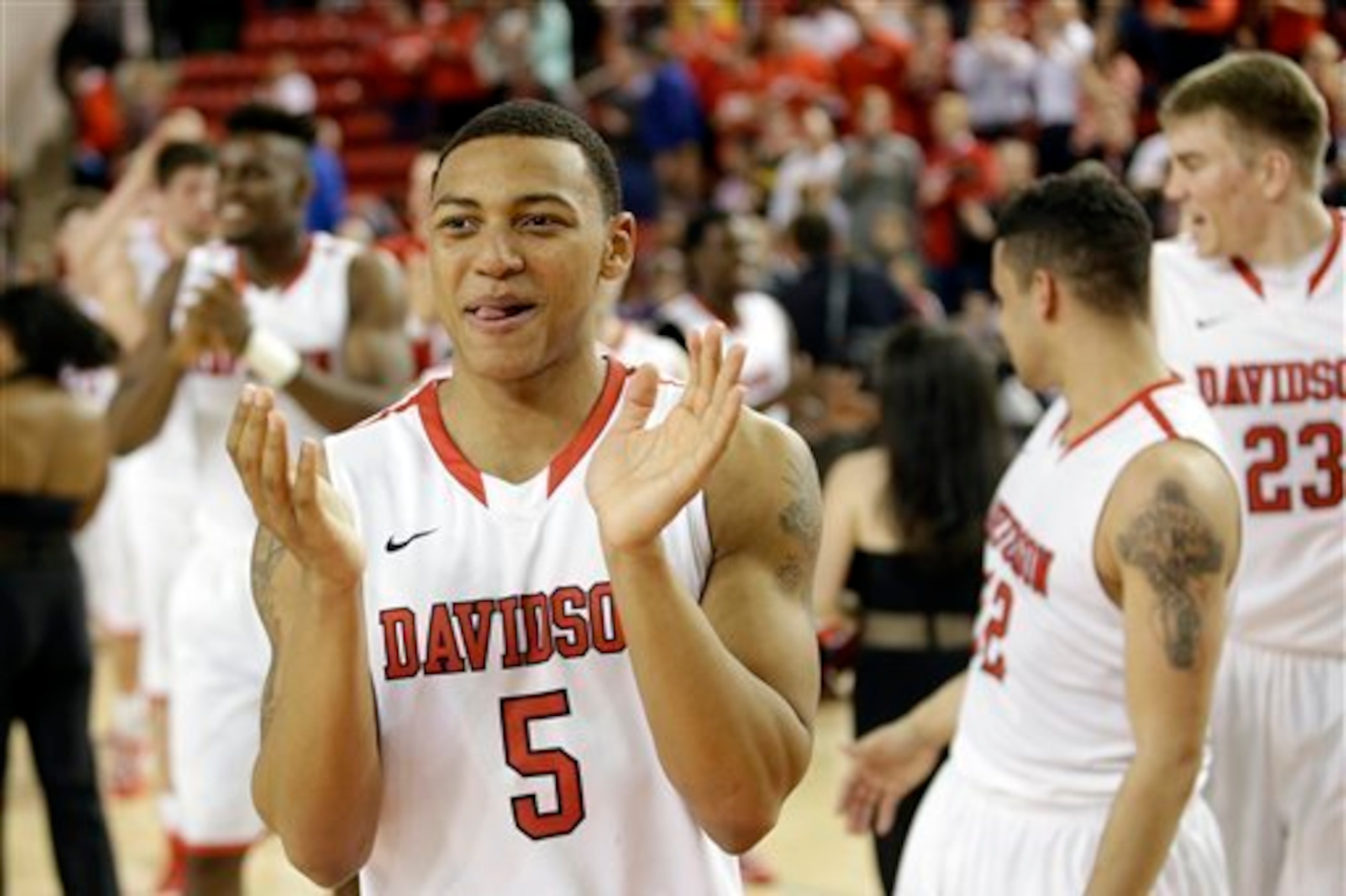
Notre Dame may well get 100 percent of the votes in this comparison, but we wanted to point out that its strength of schedule is atrocious. Louisville got a No. 4 seed last season with a 29-5 record and a nonconference SOS rank of 161, so how is Notre Dame projected for a No. 3 seed at 25-5 with a nonconference SOS rank of 330?
Also, Davidson is much better than most people want to believe.
No. 6: Team A is Texas A&M and Team B is Syracuse
Hey, remember when everyone said Syracuse self-imposed that ban because it had no hope of making the tournament? There should be a pretty decent percentage of voters who picked the Orange ahead of a Texas A&M team that's currently projected to make the field, so that knee-jerk response to Syracuse's ban was pretty idiotic.
Even if we hadn't used Syracuse as the foil, though, the point remains that Texas A&M doesn't have any great wins, and that could ultimately be the Aggies' undoing.
No. 7: Team A is Tulsa and Team B is Saint Mary's
You were absolutely manipulated to pick Saint Mary's—a team that really isn't all that close to the bubble right now—with that final note about the D-II loss. But even without that, it probably wasn't going to be a landslide victory for Tulsa.
Even though that loss to Southeastern Oklahoma State doesn't mathematically count against Tulsa's RPI, it still happened, and it's going to count against the Golden Hurricane when the selection committee discusses their resume.
Kerry Miller covers college basketball for Bleacher Report. You can follow him on Twitter @kerrancejames.

.jpg?w=2560 "Steelers Buccaneers Football")
.jpg?w=2560 "5 Teams Eyeing Jonathan Taylor")


.jpg?w=2560 "Steelers Roll Saints in Paris")
.jpg?w=2560 "NFL investigating Eagles")
