

Could Red Bull and Renault Be Suffering from a Lack of Communication?
Despite ending last season with three grand prix victories—the only team other than the all-conquering Mercedes to win a race—last season was, by their lofty standards, a poor one for Red Bull Racing.
After claiming four consecutive Formula One World Drivers' Championships as well as four consecutive World Constructors' Championships with Sebastian Vettel, the only direction was down for the Milton Keynes-based outfit as the technical regulations were ripped to shreds.
The reset effect, the trading of V8 engines for these exotic V6 turbo power units, was always bound to shake up the order, but even Red Bull would have been surprised by just how far they—not to mention the rest of the field—were behind the Mercedes cars of Lewis Hamilton and Nico Rosberg.


And the real frustration of their performance deficit? None of it was their fault.
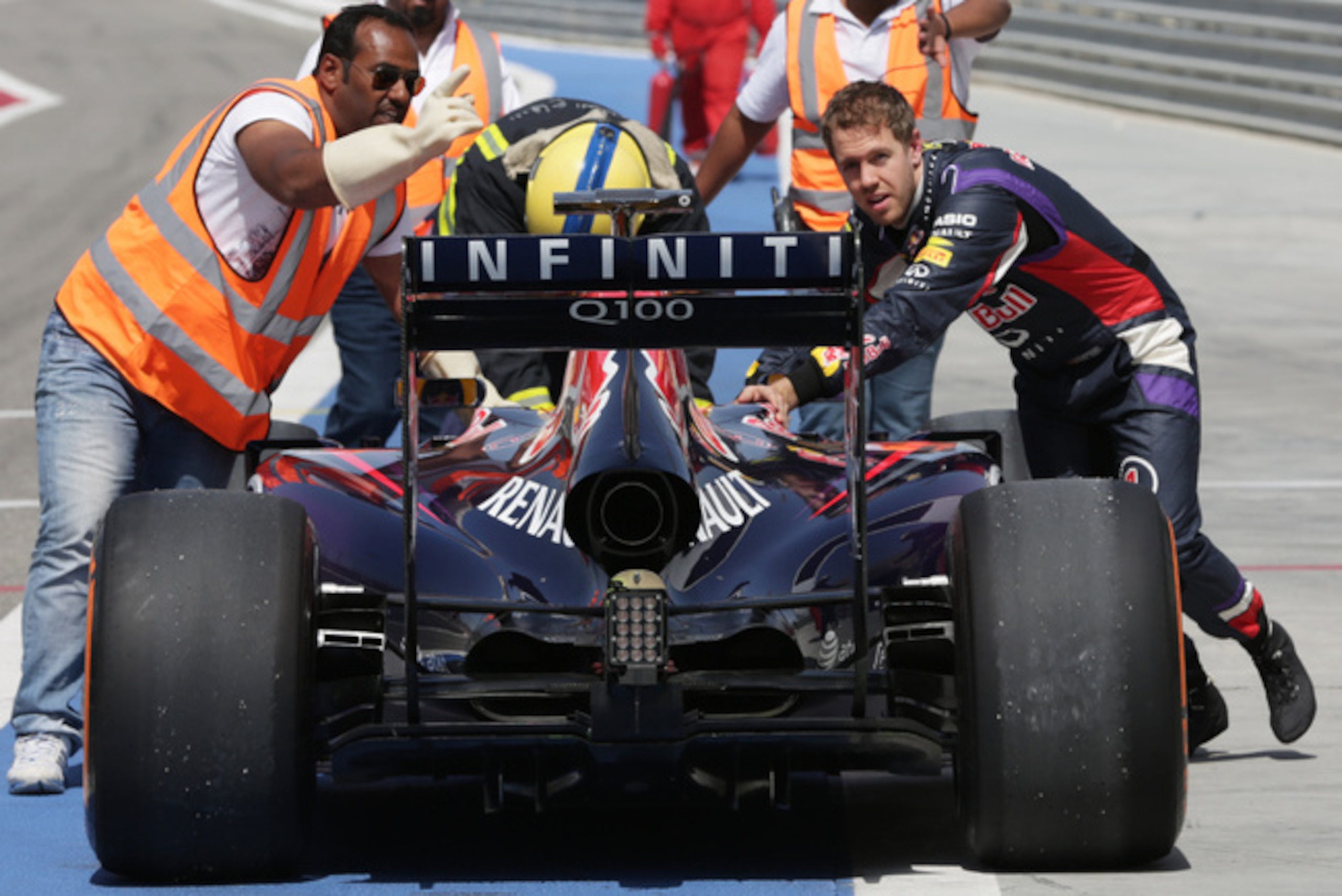
The RB10 chassis, raced by Red Bull in 2014, was arguably the finest aerodynamic specimen on the grid, as has always been the norm with Adrian Newey-designed cars.
The team, despite their many triumphs between 2009 and 2013, were not drunk on success and had retained the swagger, arrogance and intensity that took them to the top in the first place.
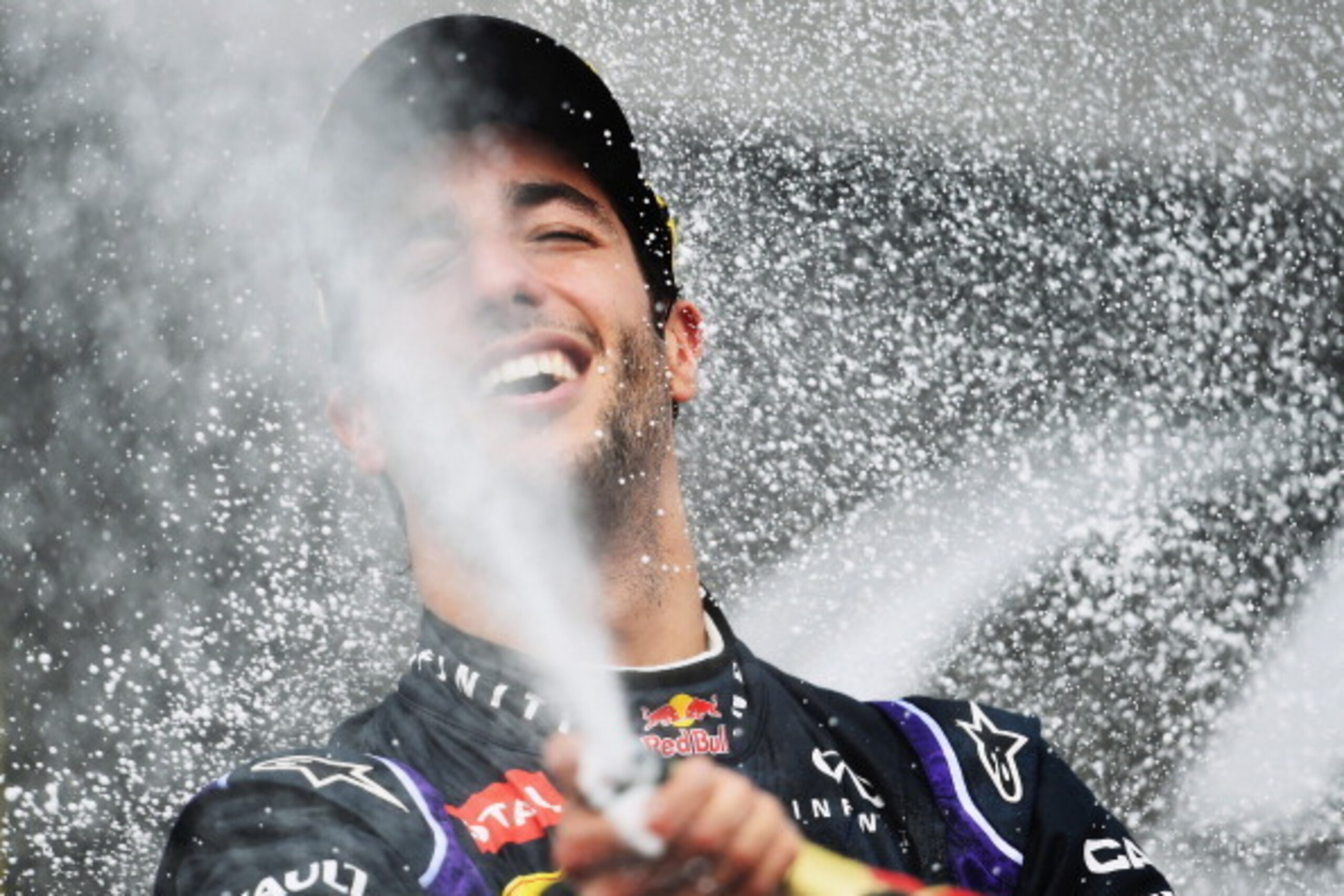
Daniel Ricciardo's trio of wins in Canada, Hungary and Belgium—taken on the only days both Mercedes drivers ran into trouble—and their transgressions at the Australian and Abu Dhabi grands prix proved that Red Bull had lost no motivation and were still willing to push every possible boundary.
Instead, the main—if not the sole—reason behind Red Bull's loss of world-champion status last season was the Renault power unit, as team principal Christian Horner was so often at pains to point out.

Slating Renault almost became a part-time job for Horner, who bemoaned the French manufacturer's sluggishness in developing the new engine, as per Sky Sports' James Galloway.
Perhaps most memorably, he told BBC Sport's Andrew Benson after the team's home race in Austria—at a circuit that bears the Red Bull name—that the performance and reliability of the power train were "unacceptable" and called for "change."

And change, for 2015, is what he got.
Upon the announcement of their updated engine, Renault managing director Cyril Abiteboul boasted about a "refresh," "a number of steps forward," a "new structure," "a very big step in performance" and reliability.
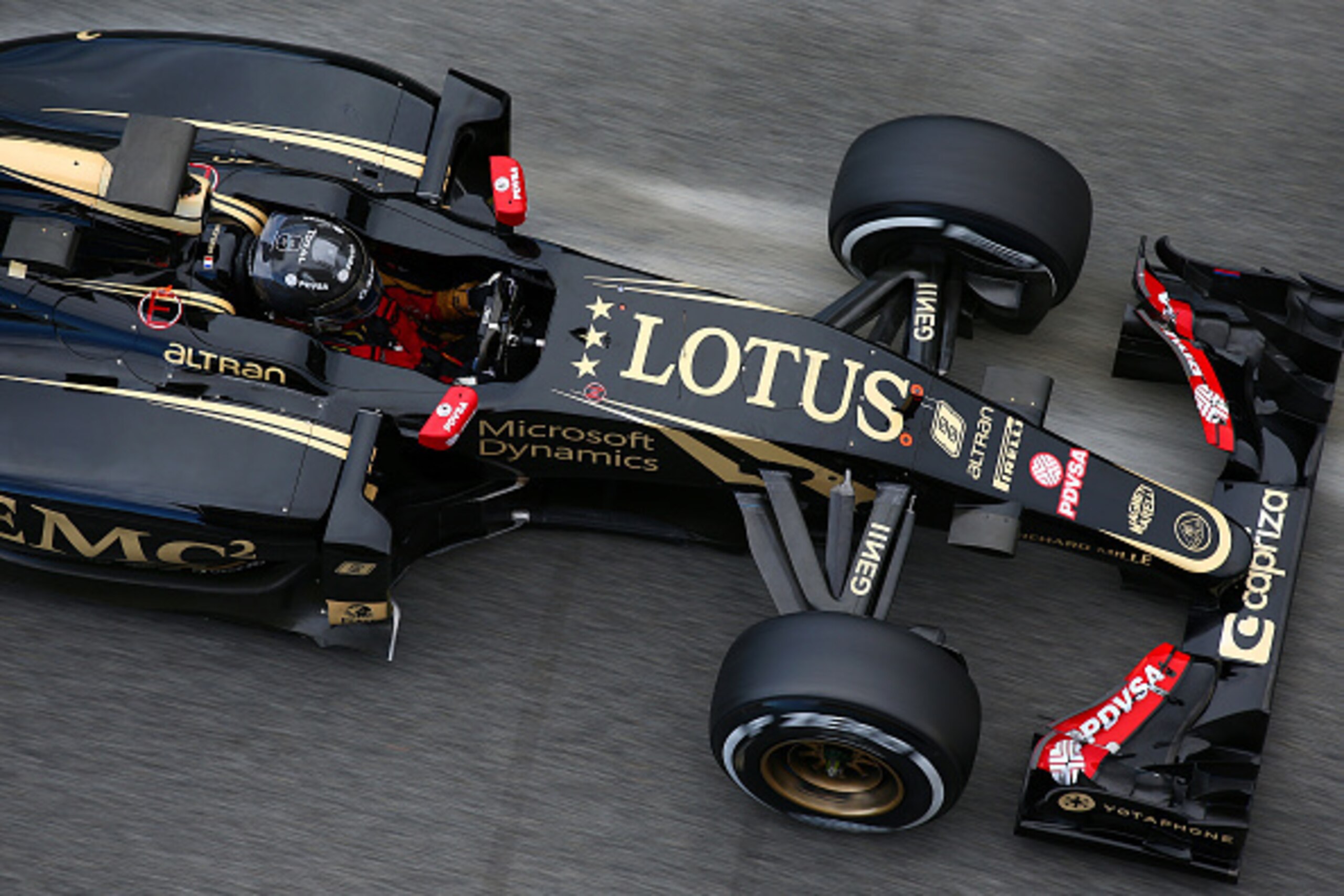
Meanwhile, the switch of a fellow unsatisfied customer, Lotus—which up until 2011 were the Renault works team—to Mercedes power for this season has left Red Bull as the prime Renault-powered outfit, which in theory should give Horner and Co. the advantage of having an engine effectively tailored to their liking.
But observing the RB11 of Ricciardo and Daniil Kvyat, Vettel's replacement, across pre-season testing, there was no sense that this was a joint venture between team and engine partner.
Despite Red Bull and Toro Rosso, their fellow Renault-powered team, completing a combined total of 2,149 laps across the winter, as per the official Formula One website—which suggests some progress has been made in terms of reliability—the latter, according to Sky Sports' David Croft, are "still very unhappy with the lack of horsepower."
And although, with a completely revised power unit, it is perhaps understandable for Renault to take a relatively cautious approach at the start of the year, the decision to prioritise reliability over outright pace and performance is completely at odds with the philosophy of Red Bull Racing.
This is the team, after all, that defied many a technical problem as they dominated the sport for four successive years.
From Vettel bouncing back to win the 2010 title at the final round after retiring from the lead in Korea, to the German triumphing in 2012 despite an Italian GP retirement dropping him 39 points behind championship leader Fernando Alonso, Red Bull have always compensated for a patchy reliability record with a thunderous turn of speed.
Newey's approach to car design—packaging the rear end as tightly as possible—is a reflection of the extreme all-or-nothing perspective of Red Bull, a team that would rather not finish at all than finish below first place.
The prospect of this outfit, then, entering the season aiming for solid points finishes and podiums—rather than pole positions and grand prix victories—is most unlike Red Bull, pointing toward a lack of communication between team and engine supplier.
Or, perhaps, a conflict of interest.
In February, Autosport's Jonathan Noble reported that Renault were in the process of evaluating their "Formula One strategy," with Abiteboul telling the same source that the manufacturer's current situation—supplying two teams under the one Red Bull-shaped umbrella—may not be ideal "from a marketing perspective."
It is, Noble claims, an operation that could result in the French company returning to the grid with their very own team.

With that in mind, therefore, is the focus on building an ultra-reliable, bulletproof engine a case of Renault putting their own interests ahead of Red Bull's in the hopes of shifting some more road cars?
Or are we witnessing the first steps toward the rebirth of the Renault Formula One Team, an operation that could eventually emerge as a direct rival to Red Bull?

Either way, it seems the four-time champions are competing as Red Bull and Renault—not Red Bull-Renault—as the new season rapidly approaches.
A new season it may be, but the same old frustrations are likely to hold Red Bull back in 2015.
.jpg?w=2560 "Cardinals Giants Football")



.jpg?w=2560 "Tyreek Deal May Come Soon")
.jpg?w=2560 "Mahomes' Wife Trolls Kubiak 💀")