

Gonzaga's Kyle Wiltjer Discovers Inner Superstar After Transfer from Kentucky
SPOKANE, Wash. — He'd been told all season that he wasn't good enough.
Whether it came from rowdy Arizona students during warm-ups, hecklers seated near the bench at BYU or fans needling him as he boarded the bus at San Francisco, someone was always there to tease Gonzaga's Kyle Wiltjer about his career at his previous school—the place where he won a national championship.
Finally, Wiltjer cracked.

.jpg?w=2560 "Rams Raiders Football")

"Nice shot, Kyle!" someone yelled from the Santa Clara stands Feb. 5. "No wonder you couldn't cut it at Kentucky."
Moments later, instead of showing mercy and dribbling out the clock in a 77-63 win, Wiltjer burst into the lane for a two-handed "take-that" slam as time expired. The road crowd peppered Wiltjer with boos as he trotted off the court. By the end of the next day, the 6'10" forward had phoned Santa Clara coach Kerry Keating and one of his players to apologize for his poor sportsmanship.
"That dunk was so out of character," Gonzaga coach Mark Few says. "I don't know why he'd give a comment like that any credence."
Few smirks.
"I mean, everyone knows Kyle can play," he says.
Wiltjer has proved that and more during his first season at Gonzaga, where he leads the third-ranked Zags with 17.0 points per game while shooting 54.1 percent from the field.
In one of the top performances of the college basketball season to date, Wiltjer scored 45 points in a Feb. 19 victory at Pacific. Two nights later, he hit some key baskets down the stretch to help Gonzaga rally from a 17-point deficit to defeat Saint Mary's and win the West Coast Conference title.
All of a sudden, the guy who spent two years operating in the shadows of Anthony Davis, Michael Kidd-Gilchrist and Nerlens Noel at Kentucky is on the cover of Sports Illustrated. College basketball analysts are hailing Wiltjer as a potential All-American, and, largely because of his impact, Gonzaga fans have suggested that this is the best Zags squad in Mark Few's 16 years.
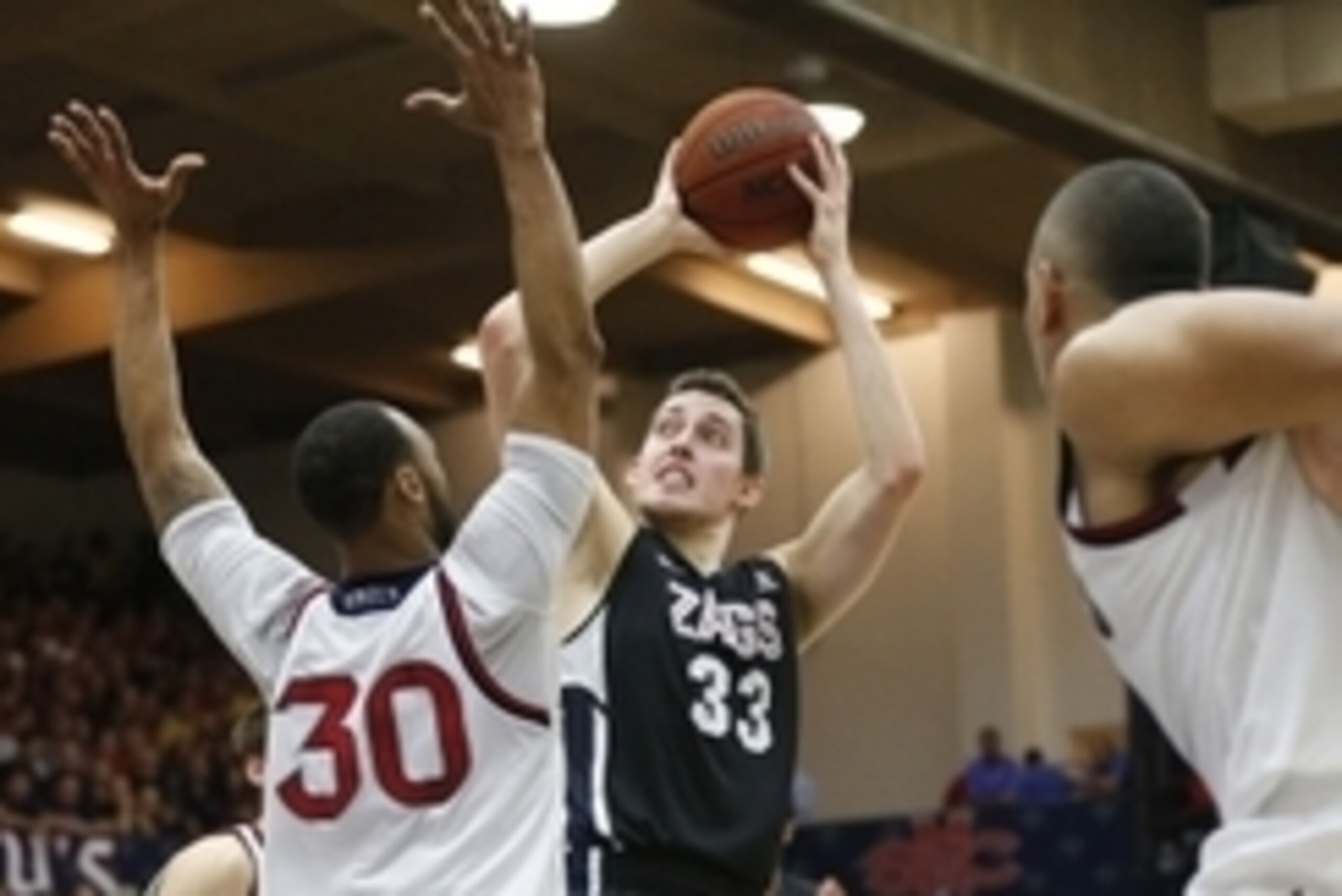
"I'm having a blast," says Wiltjer, who sat out last season under NCAA transfer rules. "I feel free out there. It's nice to be able to be myself and compete like I always knew I could."
Wiltjer had hoped to experience that vibe in Lexington. But after his sophomore season, he came to a realization that was difficult to accept.
Kentucky wasn't a good fit.
At least not for him.
Even though he averaged 23.8 minutes and 10.2 points en route to SEC Sixth Man of the Year honors as a sophomore, Wiltjer (according to his father, Greg) didn't believe Kentucky's strength and conditioning program was a good match for his body type. He wasn't developing and improving physically.
And when it came to basketball, Wiltjer felt his game had "another level" that he wouldn't be able to reach in the Wildcats system.
So in the summer of 2013, Wiltjer packed up his belongings (and his NCAA title ring), said goodbye to his teammates in the Wildcat Coal Lodge and then drove from Lexington to the Pacific Northwest with his dad.
A few weeks later, he enrolled at Gonzaga.
"Most people were supportive," Wiltjer says, "and, of course, I had a few people calling me a quitter. But I think now it's pretty obvious: That was the best decision I've ever made."
Mark Few was at a recruiting event in Washington, D.C., when Kentucky's John Calipari took a seat next to him in the stands.
"You heard anything?" Calipari asked the Gonzaga coach.
Few shook his head
"Nothing," he said.
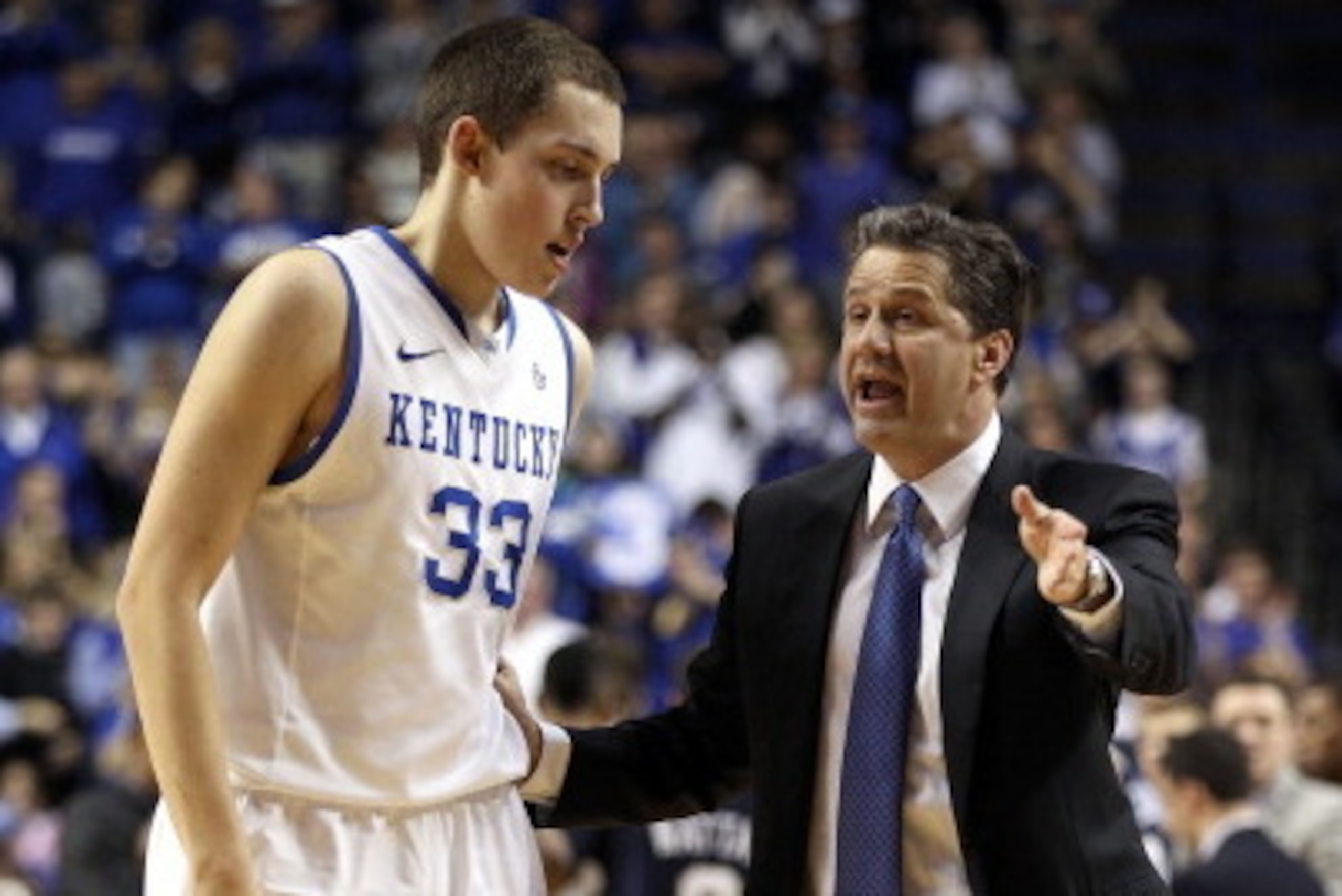
It was July 2013, and both men were awaiting word about the future of Wiltjer, who had announced one month earlier that he was exploring the possibility of transferring. Remaining at Kentucky was still an option, Wiltjer had said, but Gonzaga had become a serious contender for the Oregon native.
Having spent the previous two weeks in Kazan, Russia, competing with the Canadian national team at the World University Games, Wiltjer had been unable to contact anyone with his decision. But after about 30 minutes in the bleachers that afternoon, Calipari's phone buzzed with a text. After reading the message, he nudged Few and pointed at the screen.
"Coach Cal," it read. "Thanks for everything you've done for me. I've decided to transfer to Gonzaga."
Calipari patted Few on the back and shook his hand.
"Congratulations," he said. "You're getting a great player, a great kid."
Beneficial as it ended up being, Wiltjer's decision to leave Kentucky wasn't easy—for either side. Wiltjer said he was "torn" throughout the summer and often had trouble sleeping. When he finally revealed his plans to transfer, Kentucky assistant Kenny Payne said the Wildcats coaches and players were rattled.
"Devastated," Payne said.
The angst had little to do with basketball.
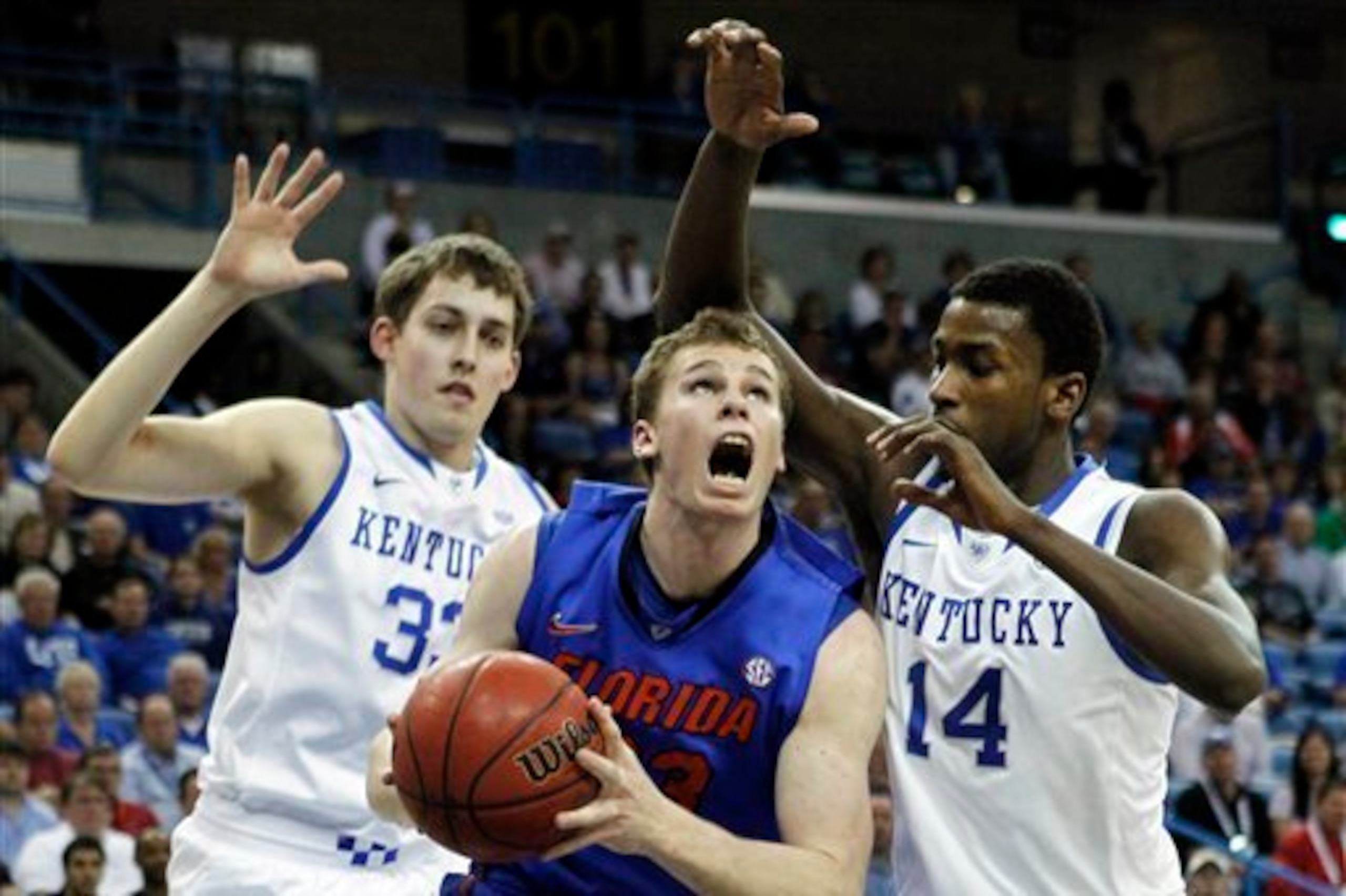
Off the court, Wiltjer loved everything about Kentucky. The fans who camped out more than a month for Big Blue Madness...the teammates he maintained relationships with even after they became lottery picks...the coaches like Payne and Calipari, who would summon him into their offices just to shoot the breeze.
Wiltjer will never forget watching from a hotel balcony as fans swarmed Bourbon Street in New Orleans following the Wildcats' NCAA title win over Kansas in 2012. Even after the next season, when Kentucky lost in the first round of the NIT, Wiltjer felt the love from Big Blue Nation, almost always being stopped for autographs when out in public, treated like a hero whether his team won or lost.
"I was enjoying myself," Wiltjer said. "I have nothing but good things to say about everyone there. It's hard to just pack up your stuff and leave all of your friends and people that are such big part of your life—especially when you're on good terms.
"It's wrong to say I was in a bad situation at Kentucky. I wasn't.
"I just thought that, to get to where I want to go as a player, there may be a better situation somewhere else."
Wiltjer found it at Gonzaga.
According to Greg Wiltjer—a former standout at Oregon State who played professionally overseas—one of the main things limiting his son's progress in Lexington was that Kentucky's workouts and developmental plans were geared toward elite, world-class athletes such as Kidd-Gilchrist, Davis and Noel, NBA lottery picks who were brought along at an accelerated rate.
Wiltjer doesn't fit that description.
Although he certainly appears to have an NBA future, Wiltjer and his father felt he'd flourish more in a system where he could enhance his body and his game at a more realistic rate.

"A lot of the kids at Kentucky are thoroughbreds," Greg said. "They show up in college ready to step onto an NBA court, both physically and in terms of skill. With Kyle, there is no doubt the skill was there. But physically he needed time to develop. He's more of a four- or five-year player, a guy who needed time to improve his body."
Kentucky's coaches encouraged Wiltjer to make those improvements in Lexington.
Payne said Calipari offered Wiltjer the chance to redshirt during his third season so he could focus on getting stronger, quicker and more agile.
"We never overlooked any of his deficiencies," Payne said. "We addressed them. The lack of athleticism, the awkward running, the movement...he was working on it, but he still needed some time.
"We told him, 'Do your redshirt year here. You can accomplish what you want to accomplish here. We'll make sure of it.'"
While Wiltjer hoped that would be true, Gonzaga offered a prime example to prove that its system would work.
After averaging just 5.8 points and 3.8 rebounds as a sophomore, former Gonzaga center Kelly Olynyk sat out the 2011-12 season to focus on reshaping his body and enhancing his conditioning and agility.
When the 7-foot Olynyk returned to the court one year later, he was virtually unstoppable, averaging 17.8 points and 7.3 rebounds for a team that finished 32-3 while earning a No. 1 seed in the NCAA tournament.
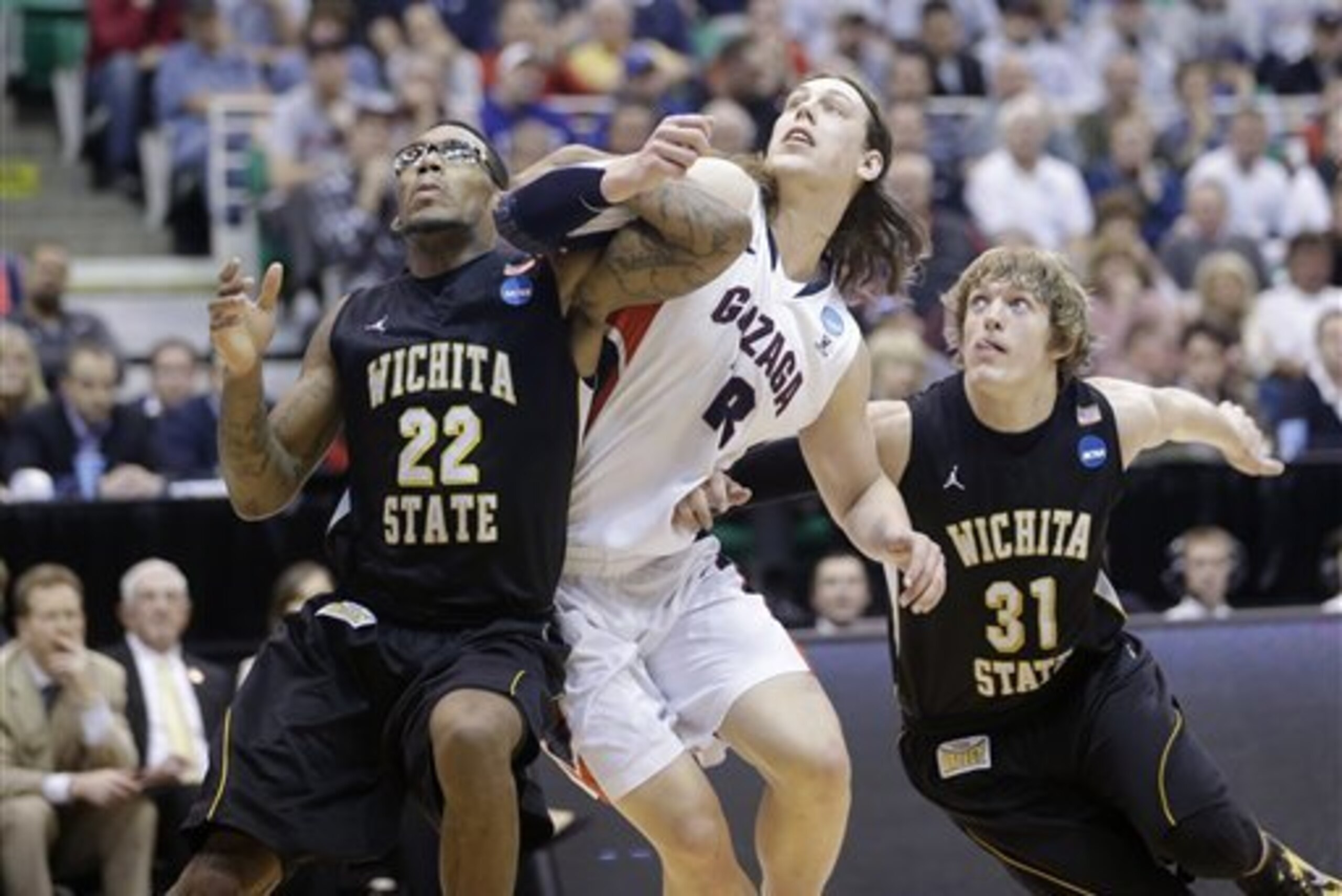
Capitalizing on the newfound success, Olynyk left school a year early and entered the 2013 NBA draft, where he was selected No. 13 overall by the Boston Celtics. Even though Wiltjer and Olynyk play different positions, Wiltjer was convinced Gonzaga strength coach Travis Knight could help him achieve a similar level of improvement.
"I just decided to put my faith in him," Wiltjer said.
Knight told Grantland, per Jordan Ritter Conn, that when Wiltjer showed up in Spokane, he ran "like a 40-year-old man." His joints often ached and his posture was poor. Wiltjer's outside game was solid. But when he ventured into the paint in practice, his lack of physical strength, especially in the lower body, resulted in him being pushed around and manhandled by 7-foot center Przemek Karnowski.
Slowly, though, Wiltjer began to change.
Although Karnowski still won most of the battles, he had a tougher and tougher time dislodging Wiltjer in the paint.
His improved conditioning enhanced his outside shooting. Wiltjer said he added 15 pounds of muscle while losing nearly that much weight in body fat.
When he finally took the court as a Zag in November, Wiltjer had more bounce and energy than ever.
"That's what makes all of this so satisfying, just knowing how hard I worked," Wiltjer says. "It's funny, because I think people assume I'm just the same guy they saw on the court at Kentucky, like I just walked off the court there and onto the court here without changing anything.
"That's not the case at all. I may look the same, but I'm a completely different player."
And Gonzaga is a different team.
Gonzaga guard Eric McClellan still remembers the first words Kyle Wiltjer ever said to him: Wanna go to breakfast?
A Vanderbilt transfer, McClellan was moving into the Zags' on-campus housing complex last summer when he bumped into Wiltjer as he got off the elevator. Within minutes, the "veteran," who had yet to play a minute for Gonzaga, was cruising through Spokane, pointing out everything from the local McDonald's to the grocery store to the top breakfast spots.
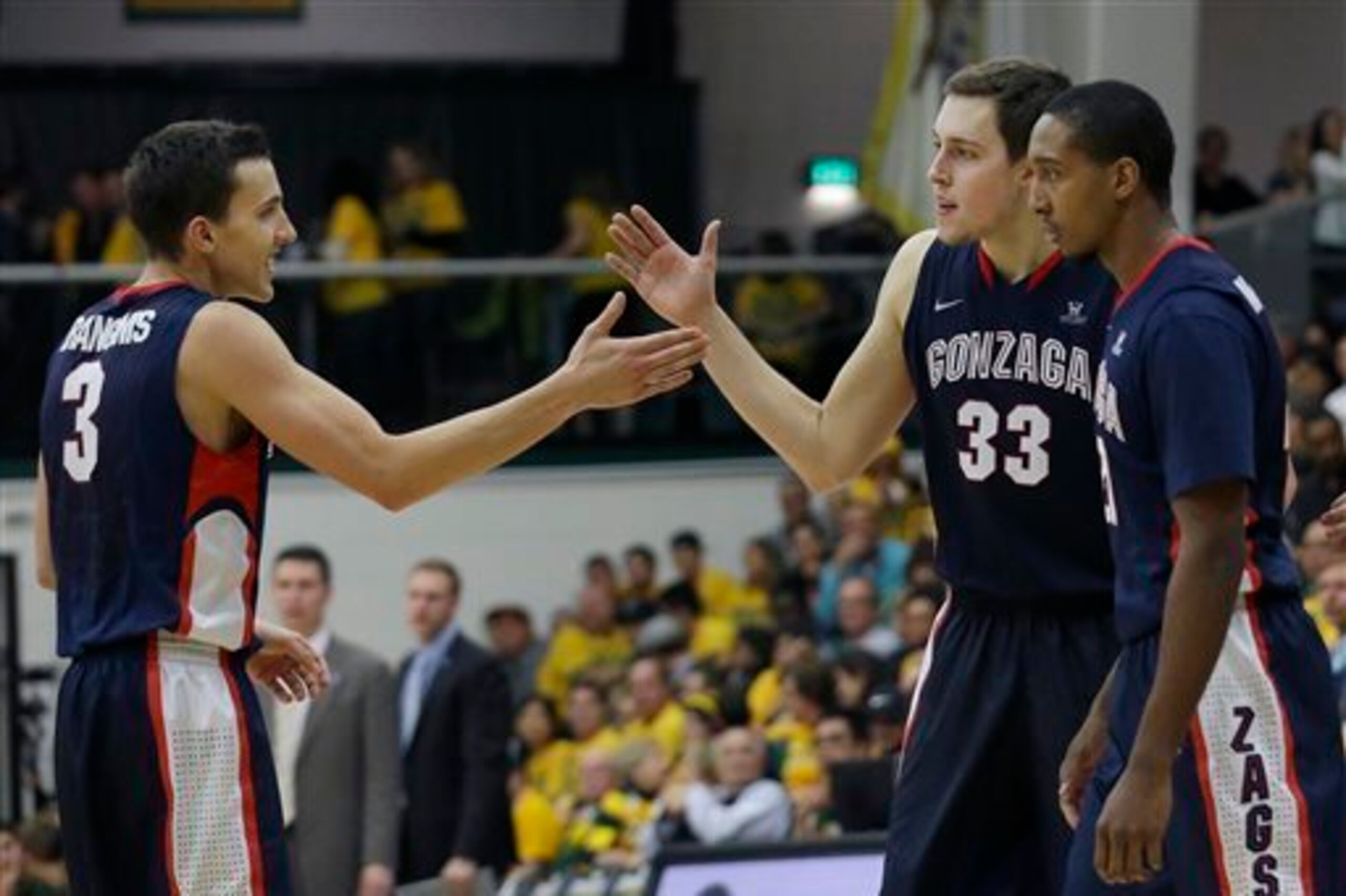
"And then we went out to eat," McClellan says. "That's just how Kyle is. He goes out of his way to keep everyone on the same page, to make sure we're a team."
It's not as if Gonzaga lacked a leader before Wiltjer's arrival. Point guard Kevin Pangos is regarded as one of the top floor generals in college basketball. His backcourt mate, Gary Bell Jr., also carries a lot of clout. Both players are seniors.
Wiltjer, though, brings something vital to the Gonzaga locker room, too.
He knows what it takes to win a championship.
Even though he was a role player who averaged 5.0 points on Kentucky's 2012 championship squad, Wiltjer learned firsthand what type of chemistry and mentality it takes to reach college basketball's ultimate stage.
He said he'll never forget the air of selflessness that season in Lexington, where players celebrated the achievements of teammates more than their own, where eventual No. 1 overall pick Davis was as proud of a blocked shot or steal as he was a dunk, where guards passed up good shots so someone else could take a great one.
"All of that is a result of chemistry, of guys liking each other and having the same goal," Wiltjer said. "And when you have chemistry like that, it usually starts off the court."
That's why Wiltjer invited McClellan to breakfast that morning before he could even introduce himself. It's the reason he spends his free time shooting trick shots with teammates in the gym instead of going to parties. It's why he spends his evenings watching other college games from the Zags' locker room instead of at home.
"We all do it," Wiltjer says. "There's a big leather couch in there with a big TV. We'll watch the first half of a game, go out into the gym and shoot at halftime and then go back into the locker room for the second half.
"Little things like that go a long way."
Gonzaga has certainly operated with cohesion in the past. A program doesn't win 14 WCC titles in 16 years and reach 16 straight NCAA tournaments if there isn't some semblance of unity in the locker room.
Few, though, believes the unity on this squad is at a different level. And the depth and talent may be, too, thanks to the addition of Wiltjer.
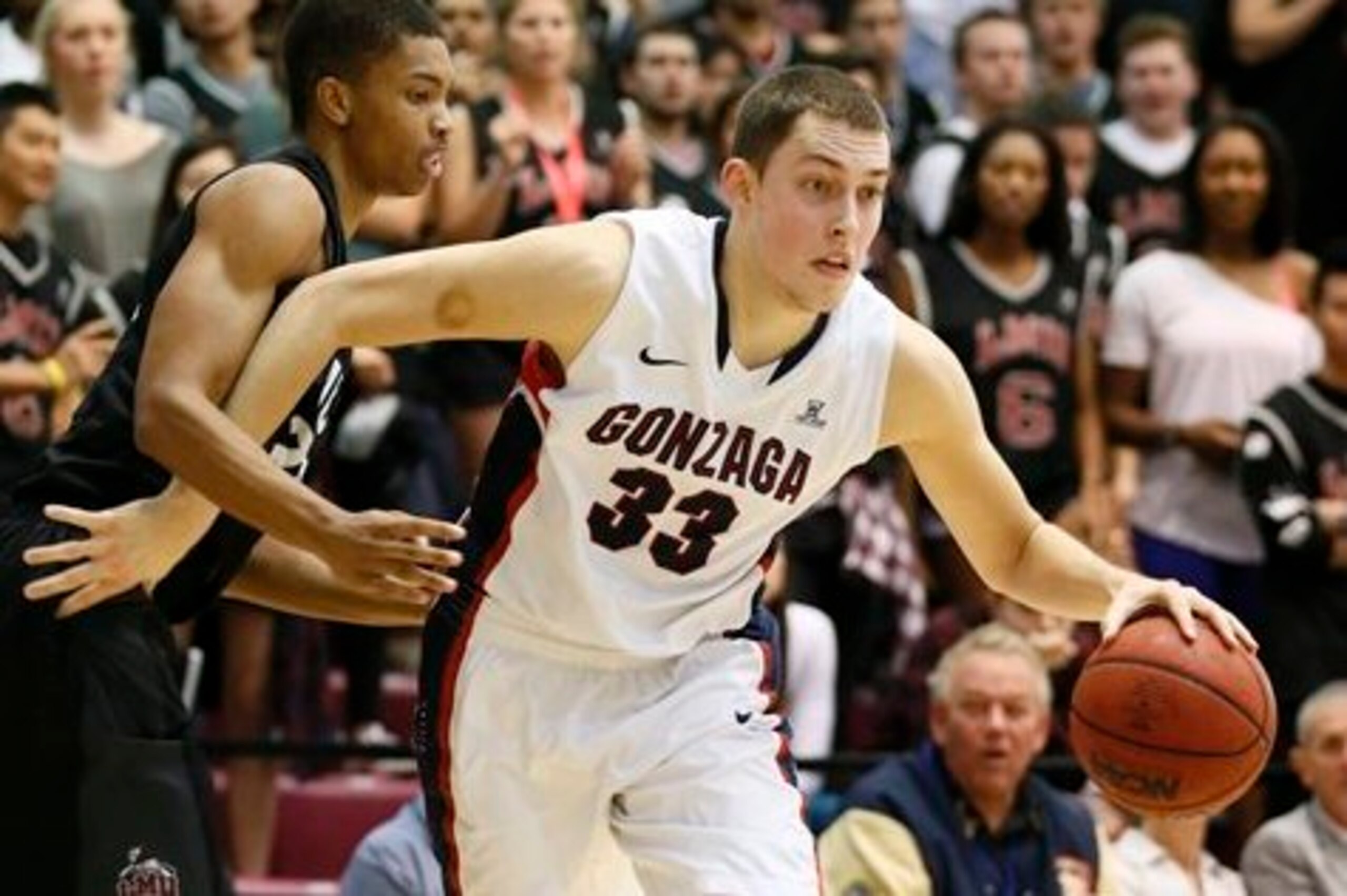
"Offensively, he has no weakness," says Payne, a former Oregon assistant who recruited Wiltjer for years before his hiring at Kentucky. "No matter who you put on him, he's going to be able to score. Now that the rest of his game has improved, he's at a completely different level."
Gonzaga fans hope he's the missing piece for a program that, despite its winning ways, won't be taken seriously in some circles until it has more success in the postseason.
The Zags have yet to reach a Final Four, and not since 2009 have they appeared in the Sweet 16.
"I haven't advanced to the second weekend of the tournament since I've been here," Pangos said. "But hopefully things will be different this year.
"Having Kyle definitely increases our chances. He's obviously a great player, but the intangibles he brings to the table—being a part of a championship team, knowing what it takes in tough situations—could help us more than anything."
Wiltjer says he'll do his best to ensure good things happen in March.
"I want this team to be special," he says.
The day after Wiltjer's 45-point effort against Pacific, Payne walked onto Kentucky's practice court and teased junior Willie Cauley-Stein about his former teammate.
"You better hope we don't play Gonzaga in the tournament," Payne said. "He might score 50 on you."
Cauley-Stein just laughed.
Halfway across the country, the Wildcats couldn't be happier for Wiltjer.
Payne says he communicates with Wiltjer regularly, while Calipari calls Few, his close friend, nearly every week to check in on his former player.
"Situations like this can be so difficult," Few says, "but the way John has handled this has been unbelievable. It's a side of him people don't see. The first thing he asks me every time we talk is, 'How's Kyle? How's Kyle doing?' His main concern is that he succeeds."

As the NCAA tournament approaches, there will certainly be a buzz about what could happen if both Gonzaga and Kentucky—the Wildcats are 28-0—play to their projected No. 1 seeds and reach the Final Four. Wiltjer could become the first player in NCAA history to win a title at two different schools.
And he would likely have to go through his former team to do it.
Whatever the case, Wiltjer will always have at least one championship reunion to attend every 10 or so years back in Lexington, where he'll be more than welcome.
"Kyle helped us win a national championship," Payne says. "We're big Kyle Wiltjer fans here. He will always be a part of Kentucky basketball. He will always be a part of our family."
Wiltjer appreciates that sentiment.
He loves his old family.
And—every bit as much—his new one, too.
Jason King covers college sports for Bleacher Report. You can follow him on Twitter @JasonKingBR.

.jpg?w=2560 "Steelers Saints Football")

.jpg?w=2560 "🚨 Week 8 AP Top 25 Poll")
.jpg?w=2560 "Packers Safety Slams Refs 🤬")

.jpg?w=2560 "Fantasy Waiver Wire Stars 🤩")