

2015 Daytona 500: Why Being 1st Works Best for NASCAR's Biggest Race
One of the aspects of NASCAR that confuses and dismays fans familiar with other sports is the fact that stock car racing’s train seems led by its caboose.
Other sports logically end their seasons with the biggest event, one with an exalted name like the Super Bowl or the World Series. NASCAR’s Sprint Cup Series opens on Sunday with its biggest event, the Daytona 500.
What the hell is that all about?

.jpg?w=2560)
Comparing baseball, with its bats, balls, gloves and 162 regular-season games to NASCAR, which involves 43 cars, drivers and teams going around and around every week, competing collectively instead of one-on-one, is impossible, despite the ungodly impulse of humans to try.
The Daytona 500 became NASCAR’s flagship precisely because it gives every season a fresh start. It’s a great event that would be less great were it held at some other time. Teams whose hopes will later subside come to Daytona Beach, Florida, with ample resources and the benefits of three months preparing where normally they have three days.
Winning it is hard, as owner Joe Gibbs noted in a media conference after one of his drivers, Matt Kenseth, won the introductory Sprint Unlimited on Feb. 14.
“I can’t tell you how hard that 500 is,” he said. “For us, it has been gut-wrenching. I can’t tell you how many times we’ve been disappointed walking away from here.”
| Driver | Races | Wins | Average Finish | Driver Rating |
| Kyle Busch | 20 | 1 | 19.0 | 96.2 |
| Matt Kenseth | 30 | 2 | 17.2 | 91.6 |
| Kurt Busch | 28 | 0 | 17.5 | 90.5 |
| Dale Earnhardt Jr. | 30 | 3 | 13.4 | 90.3 |
| Jeff Gordon | 44 | 6 | 16.2 | 87.1 |
| Jimmie Johnson | 26 | 3 | 18.0 | 87.0 |
| Denny Hamlin | 18 | 0 | 19.6 | 86.4 |
| Joey Logano | 12 | 0 | 19.8 | 82.5 |
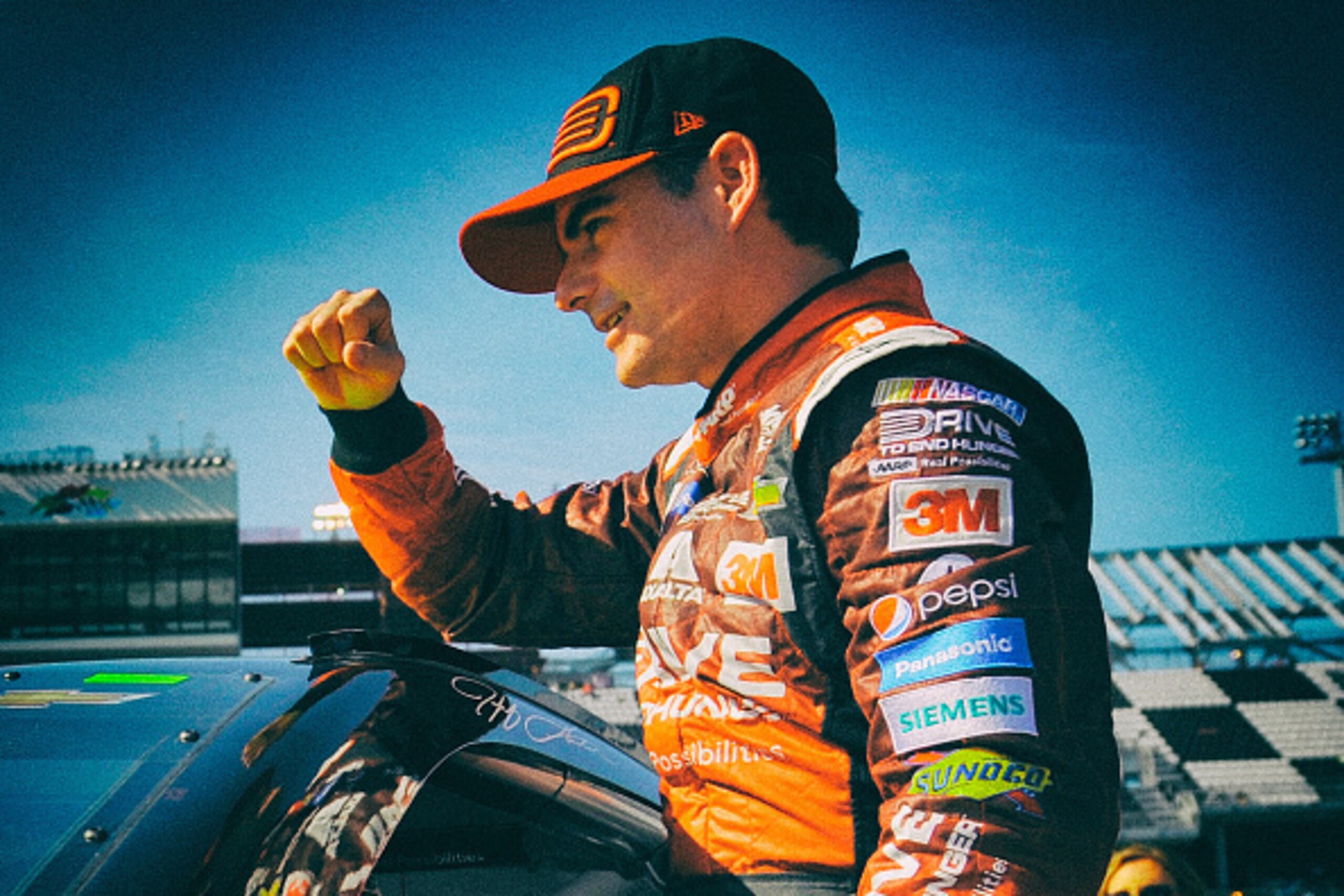
After Jeff Gordon won the 500 pole the following day, he told a little fib that can be overlooked in the flush of success.
“I can’t think of anything cooler than to start this season, the Daytona 500, my final Daytona 500, final full season, on the pole,” Gordon recited to the assembled media.
Yes, he can. Winning his 93rd race in his final Daytona 500 would be cooler.
No one is tired of the Daytona 500, with the possible exception of Gordon, who doesn’t plan to compete in it any more after this year.
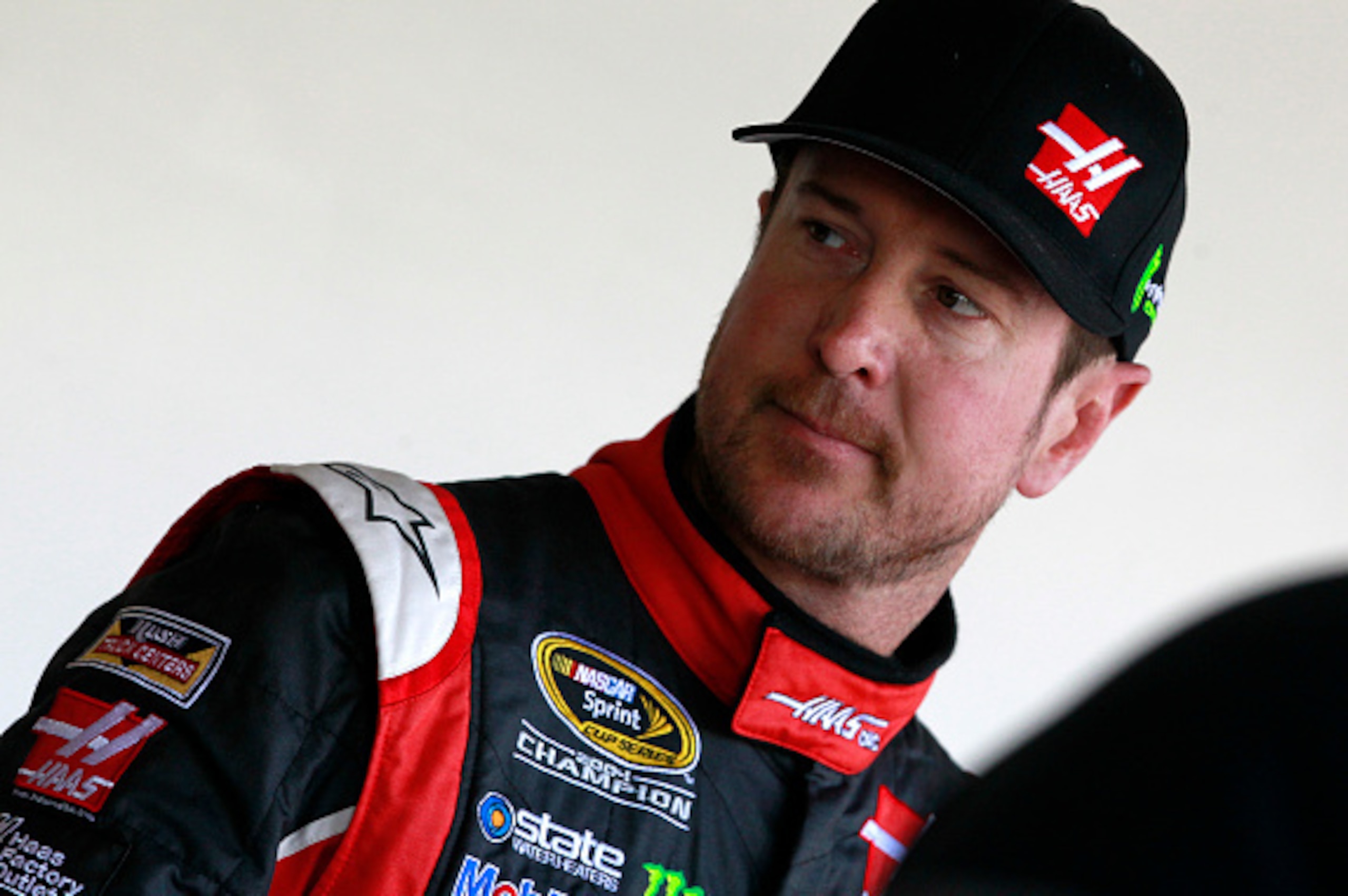
One driver after another was asked on Daytona International Speedway’s annual media day, Feb. 12, how many cars in the field of 43 are capable of actually winning. The overwhelming majority said all 43. A few might say that of the season’s other three so-called restrictor-plate races, one at Daytona and two at Talladega. But the only true “roulette wheel,” in Kurt Busch’s words that day, is the 500.
“They’re beautiful cars, with the most man-hours put into them,” Busch said in his media session. “There’s strategy. There’s drafting. A lot of it is luck, being in the right place at the right time.”
Stunning upsets do occur in the Daytona 500, the most recent being by Trevor Bayne in 2011, but not often.
“There is a luck factor,” said Brad Keselowski during media day. “It’s a little higher at Daytona and Talladega, but at the end of the day, more times than not, the guy who deserves to win, wins.”
Denny Hamlin, who, like Keselowski, has yet to win the 500, said, addressing the same subject at media day, “Everyone says everyone has a shot here, but, realistically, you’ve got to have half sense to win these [plate] races, and it took me, like, eight years to figure out how to win one. Realistically, there are probably 20 guys who have the mental capacity to win the race.
“Anyone can do it if things work out perfectly for you, but if all 43 cars are still on the track at the end of the race, 20 are smart enough to put themselves in position to actually win the race, I believe.”
The second reason the Daytona 500 towers above all other races is a common measure of importance in society: money. First was worth $1,506,363 to Dale Earnhardt Jr. and Hendrick Motorsports last year. By comparison, Joey Logano’s Texas victory was worth $577,281, Jimmie Johnson won $465,626 in Charlotte’s Coca-Cola 600 and Gordon’s take at Indy was $434,376.
Bayne’s 2011 upset was extraordinary in other ways. That race set records for lead changes (74) and caution flags (16). The last five Daytona 500s have averaged 37.6 lead changes and 8.1 caution periods.
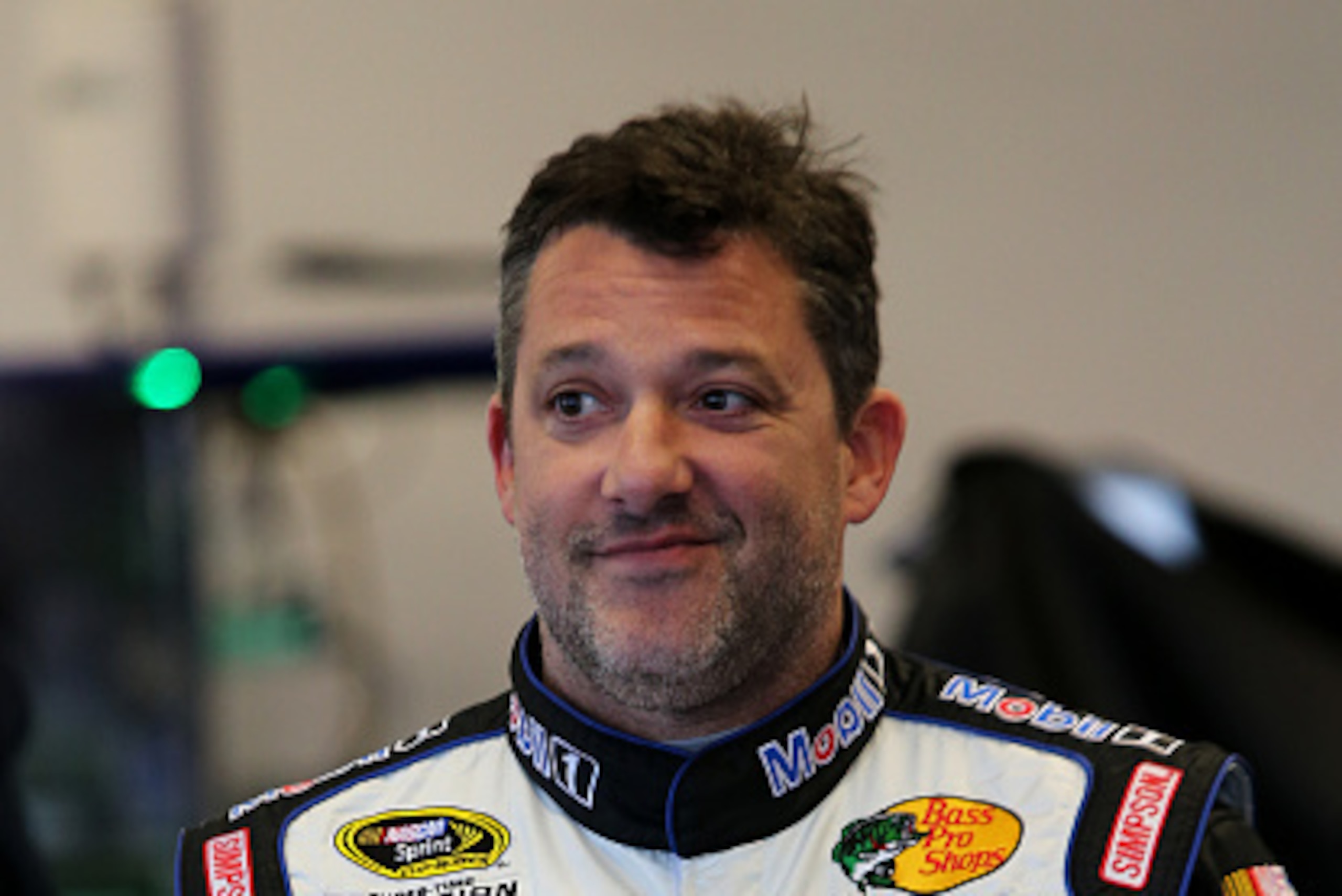
Champions like Rusty Wallace and Terry Labonte never won it. Tony Stewart hasn’t yet. This is his 17th try. He figures the track owes him two he could’ve tasted and said at media day, “Everybody has a shot here, so it’s just a matter of…we’ve been in that position before. That gives you confidence you’ve got a shot.”
Whether it’s 20, or 35, as Greg Biffle estimated, or half the field in Paul Menard’s way of thinking, suffice it to say that everyone in the field will flip the switch feeling as if he, or in Danica Patrick’s case, she, has a shot.
On media day, Clint Bowyer said, “Everybody is excited, and it’s the first day of school, but, oh, by the way, it’s the biggest day of school.”
Hope springs eternal for the 500, even for Justin Allgaier, who said, “I’ve been dreaming of winning the Daytona 500 since I was five years old. It’s one of those places. Granted, now that you’re here and you’re doing it, it’s a lot closer to that dream than it was back then.”
So close, and yet, so far.
As it turns out, the Daytona 500 is neither the Super Bowl, nor the World Series, nor the BCS championship game. As Bowyer said, it’s the first day of school, and when it’s all over on Sunday, some will be taken there. It won’t be that long until some flunk out.
It’s as good a way of explaining it as any other.
First works for NASCAR's premier event and sets it apart from the climactic endings, which, by the way, NASCAR gets to have, too.
All quotes are taken from official NASCAR, team and manufacturer media releases unless otherwise stated.



.jpg?w=2560 "Viral Rams Coach Vid 🖕")

