Coaches Who Made Really, Really Bad Decisions
While it's the players in the game who ultimately decide the final outcome, the head coaches are the people who instruct them what to do.
Getting paid a lot of money to do so, a few coaches have shown us sports fans that they can, at times, make the wrong choice, thus costing their team a victory.
Often the ones who get blamed—leading to firings way too often—here are some head coaches who probably regret these decisions because they were really, really bad.
Marty Mornhinweg
1 of 14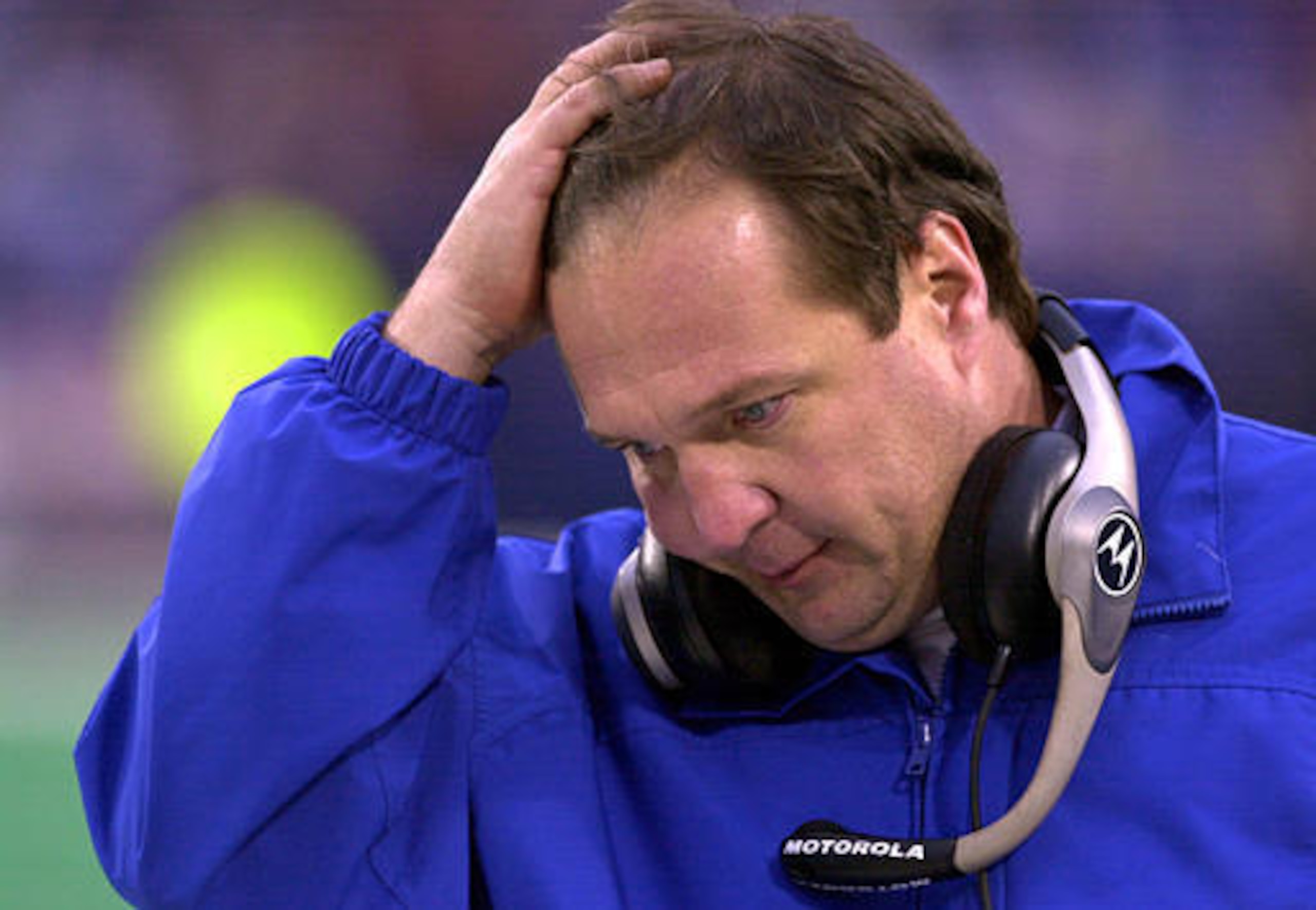
Ladies and gentlemen, this is why the Detroit Lions get a bad rap.
During a tie game against the division-rival Chicago Bears in 2002, then-Lions head coach Marty Mornhinweg's team won the overtime coin toss, allowing them to choose either the ball or direction to defend.
When games are decided by sudden death, always take the football, Marty.
Unfortunately, Mornhinweg ignored any advice to do that, choosing wind direction over possession, only to then watch the Bears march up the field for a 40-yard, game-winning field goal.
Again, this is why they're the Detroit Lions.
Pat Riley
2 of 14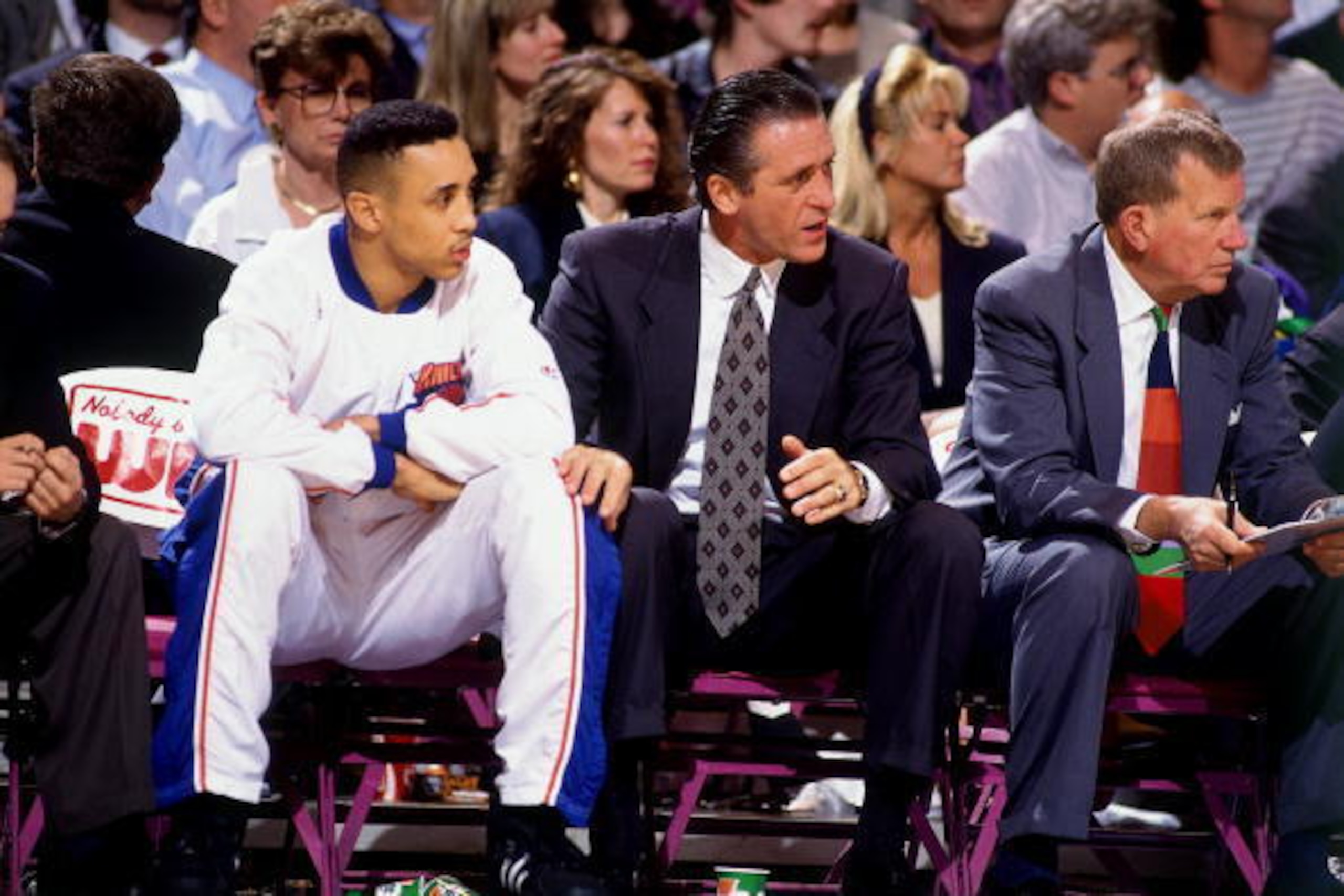
Finishing with a dreadful 2-of-18 shooting night, former New York Knicks shooting guard John Starks had one believer who told him to keep playing in order to break the funk during Game 7 of the 1994 NBA Finals—head coach Pat Riley.
Rather than sit Starks, Riles thought he was the best option for his team to earn its first NBA title since 1973.
Seeing how the Houston Rockets won the game 90-84 to earn their first of two championships and Starks went 0-of-11 from three-point land, it's easy to see why Riley's decision has been second-guessed for the past 20-plus years.
Barry Switzer
3 of 14Yeah, former Dallas Cowboys head coach Barry Switzer won a Super Bowl with players he inherited, but he proved he wasn't always the sharpest tool in the shed during a late-season game against the Philadelphia Eagles in 1995.
Sitting on his own 29-yard line with two minutes left, Switzer told his offense to stay on the field and go for it on 4th-and-1 during a tie game, trusting running back Emmitt Smith to pick up the first down.
Instead, Smith got stuffed—twice—as the refs gift-wrapped Switzer a second chance to make the right decision, which he failed to take advantage of.
Three plays later, the Eagles hit a 42-yard field goal for a 20-17 victory.

.jpg?w=2560)

Guy Lewis
4 of 14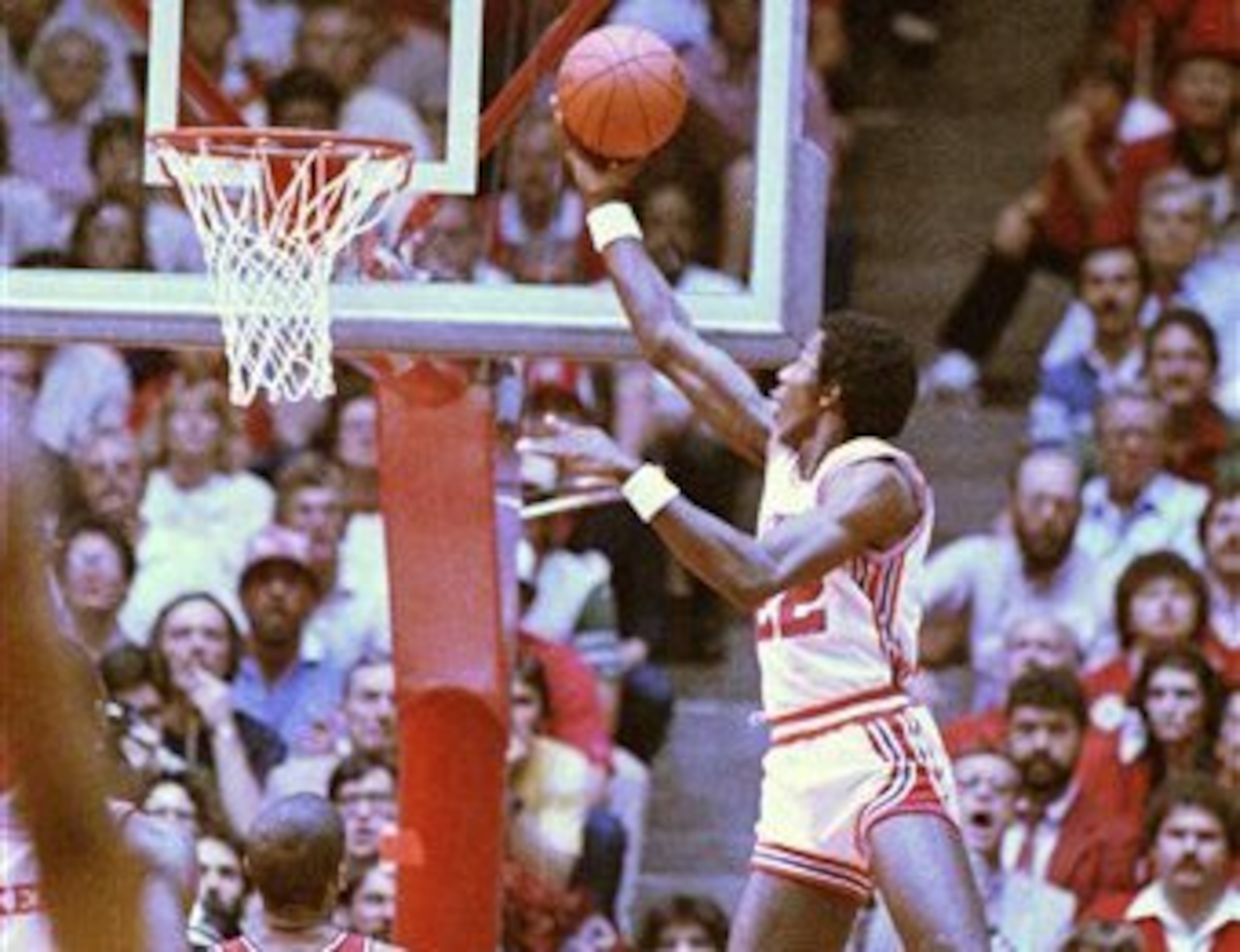
When a player gets in foul trouble—especially a star player—it's always tricky for a head coach to gauge how to alter his playing time.
Former Houston Cougars men's basketball head coach Guy Lewis didn't change a thing, though, and it might have cost his team a national title in 1983.
With All-American Clyde Drexler sitting on three fouls in the first half in the national title game against North Carolina State, Lewis went against conventional wisdom and kept Drexler on the floor—which, in respect, he was pleaded to do by the player.
Bad move, Guy.
Drexler picked up a charging foul moments after persuading his coach to keep him in, no doubt altering the aggressiveness and playing time that the future Hall of Famer played with the rest of the game.
NC State would win on a last-second slam, completing an upset for the ages.
Viktor Tikhonov
5 of 14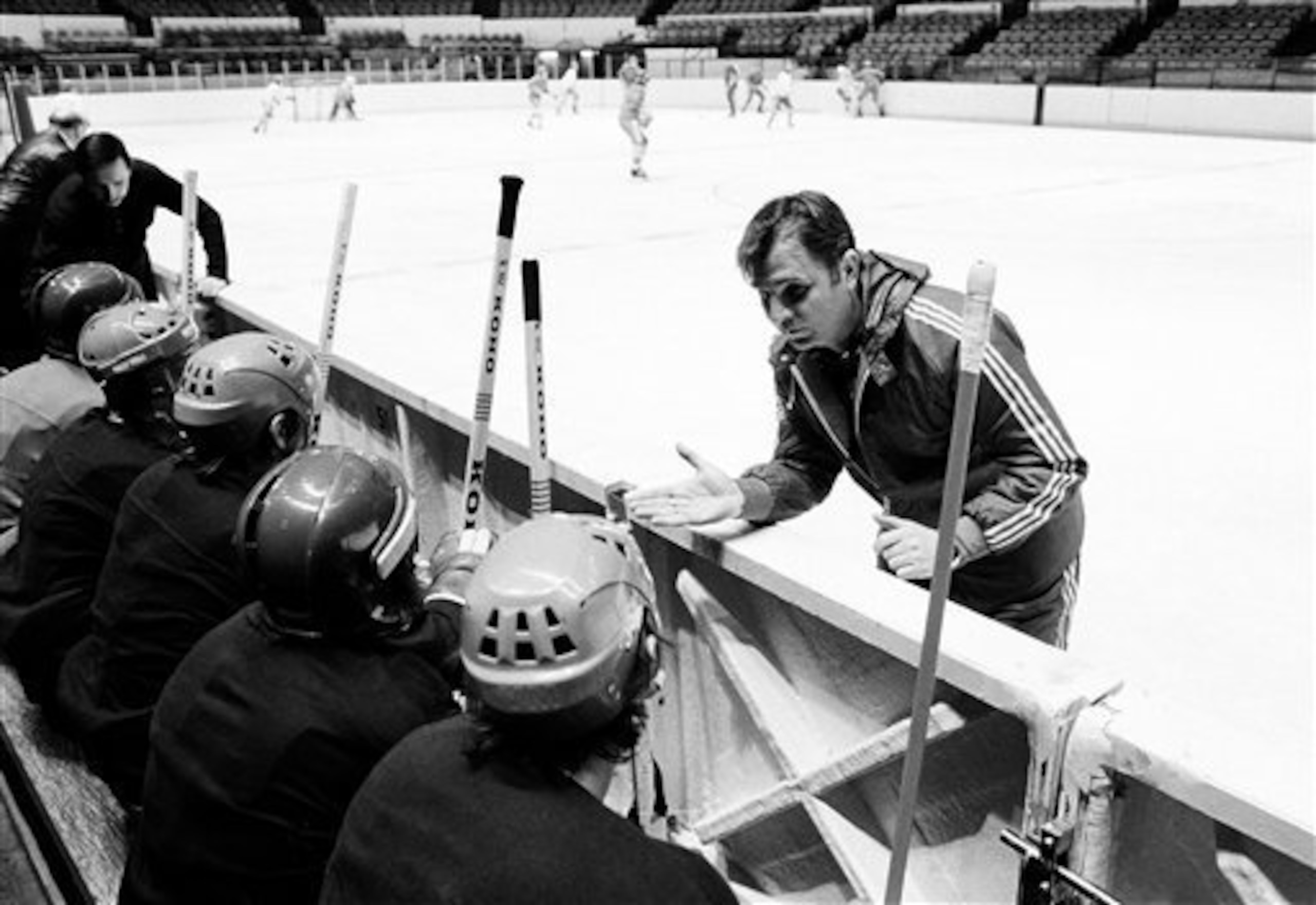
The Miracle on Ice is considered one of the biggest upsets sports has ever seen.
With a ratty and young United States team beating the powerhouse USSR during the 1980 Winter Olympics, the game acted as more than just a win on the ice for the Americans—it reflected a cultural change, too.
But it almost could have been avoided if not for a decision by legendary Soviet coach Viktor Tikhonov, who decided to pull his starting goalie, Vladislav Tretiak, between the first and second periods.
Replaced by backup Vladimir Myshkin, the U.S. scored two third-period goals to take home the victory and, eventually, earn the gold medal in the following game.
For the Soviets, the loss stung—hard.
Tom Osborne
6 of 14You can say one thing about former Nebraska Cornhuskers football coach Tom Osborne—he was bold.
Following his team's 24-yard scamper to pull within one point of the Miami Hurricanes during the final minute of the 1984 Orange Bowl, Osborne could have played it safe and just kicked the extra point for the tie.
Evening the score at 31 apiece would have delivered a share of the national title for the Huskers.
But really, who likes ties?
Hoping to be the definitive champion of college football, Osborne went for two. The pass was broken up by a Hurricanes defender, leading to a Miami victory.
It wasn't until 10 years later that Osborne would collect his first national title ring.
Bob Gibson and John McVay
7 of 14It's every quarterback's favorite play—the victory formation.
When lining up to take a knee, it symbolizes that all of the hard work in practice and the film room has paid off, and their team is about to win the game.
But back in 1978, New York Giants head coach John McVay and offensive coordinator Bob Gibson went against the simple kneel-down, costing them a game in one of the wildest fashions ever.
A frequent target of complaints by his players, the play-calling Gibson intimidated offensive guys to the point that Giants quarterback Joe Pisarcik was actually fearful of changing the play from his coach, sticking with the call to hand it off to running back Larry Csonka.
Botching the exchange with his backfield mate, Pisarcik fumbled the football, allowing Philadelphia Eagles defender Herm Edwards to scoop it up and return it for the winning score.
Sometimes, just taking a knee is the best play call.
Bill Belichick
8 of 14Four-time Super Bowl-winning New England Patriots head coach Bill Belichick is, at times, his own worst enemy.
No more did he prove that than back during a game against the Indianapolis Colts in 2009 when, with just over two minutes left in the game and leading by six points, the future Hall of Fame coach kept his offense on the field to go for it on 4th-and-2 in hopes of icing the game.
That's not the worst part, though. The fact that the Pats stood on their own 28-yard line made this an even more terrible call.
Though quarterback Tom Brady completed the pass to running back Kevin Faulk, he fell short of the first-down marker, turning the ball over on downs and setting the Colts up for the game-winning score.
There isn't another coach in football who has an ego big enough to make that call. Yet, there was Belichick doing it, knowing he could handle the criticism if it failed—which he did while flashing his (at the time) three Super Bowl rings.
Rick Pitino
9 of 14With 2.1 seconds left in an East Regional Final NCAA tournament game between his Kentucky Wildcats and the Duke Blue Devils, then-UK head coach Rick Pitino made a decision that has forever been criticized: He didn't defend the inbounds pass.
Allowing Duke's Grant Hill to wind up and heave a football-like pass down the floor, he found teammate Christian Laettner at the foul line, who deaked one way and turned the other to hit one of the most famous game-winners in college hoops history.
It was a fitting end to one of the best games in college basketball history, too—unless you're a Kentucky fan, in which case you still wonder why Pitino hadn't instructed one of his players to get up in Hill's face to make the toss more difficult.
Sam Rutigliano
10 of 14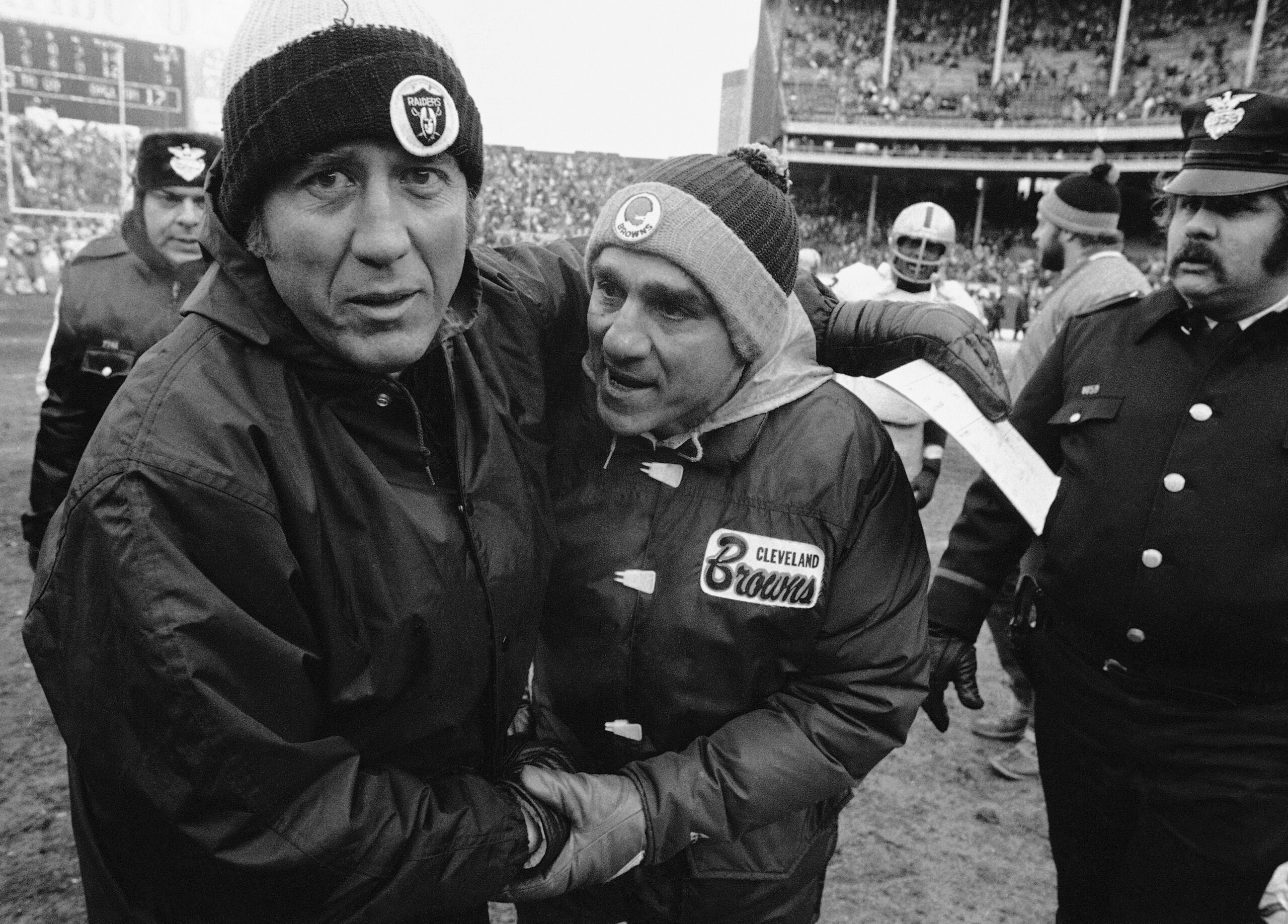
As a Cleveland sports fan, the play Red Right 88 is something that will forever bring heartache.
That was the name of the call former Cleveland Browns head coach Sam Rutigliano made during a 1981 playoff game against the Oakland Raiders, costing his team a chance to play in the AFC Championship Game the following week.
Played in freezing weather, Rutigliano called for the pass from the Raiders' 13-yard line with 49 seconds left, rather than play it safe and try his hand at a field-goal attempt for the win.
Browns quarterback Brian Sipe's pass was picked off in the end zone by Oakland's Mike Davis, ending the season for Cleveland and adding another bad memory for us locals.
It has been one of the most disputed head coaching calls for the past 30-plus years.
John McNamara
11 of 14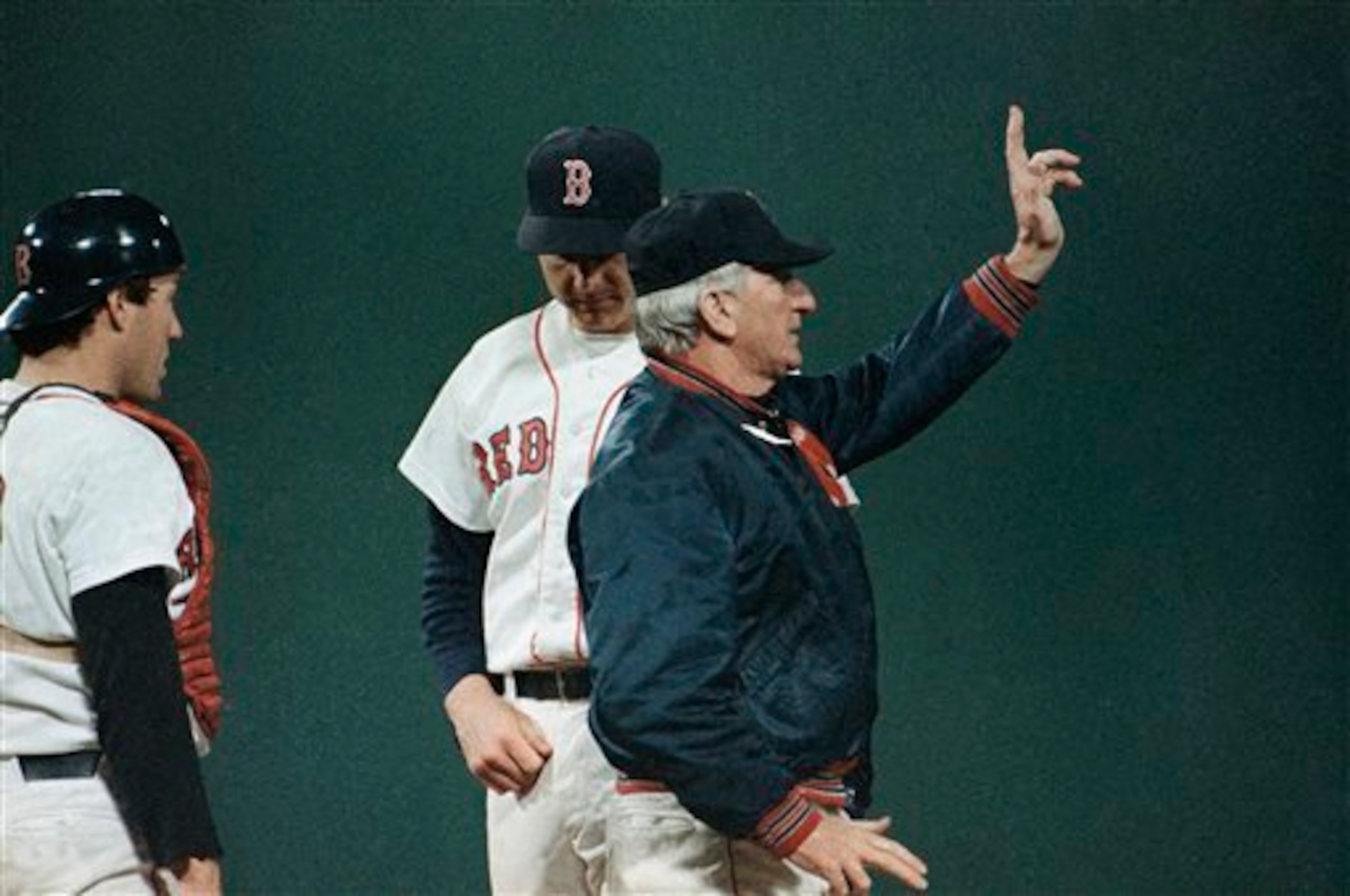
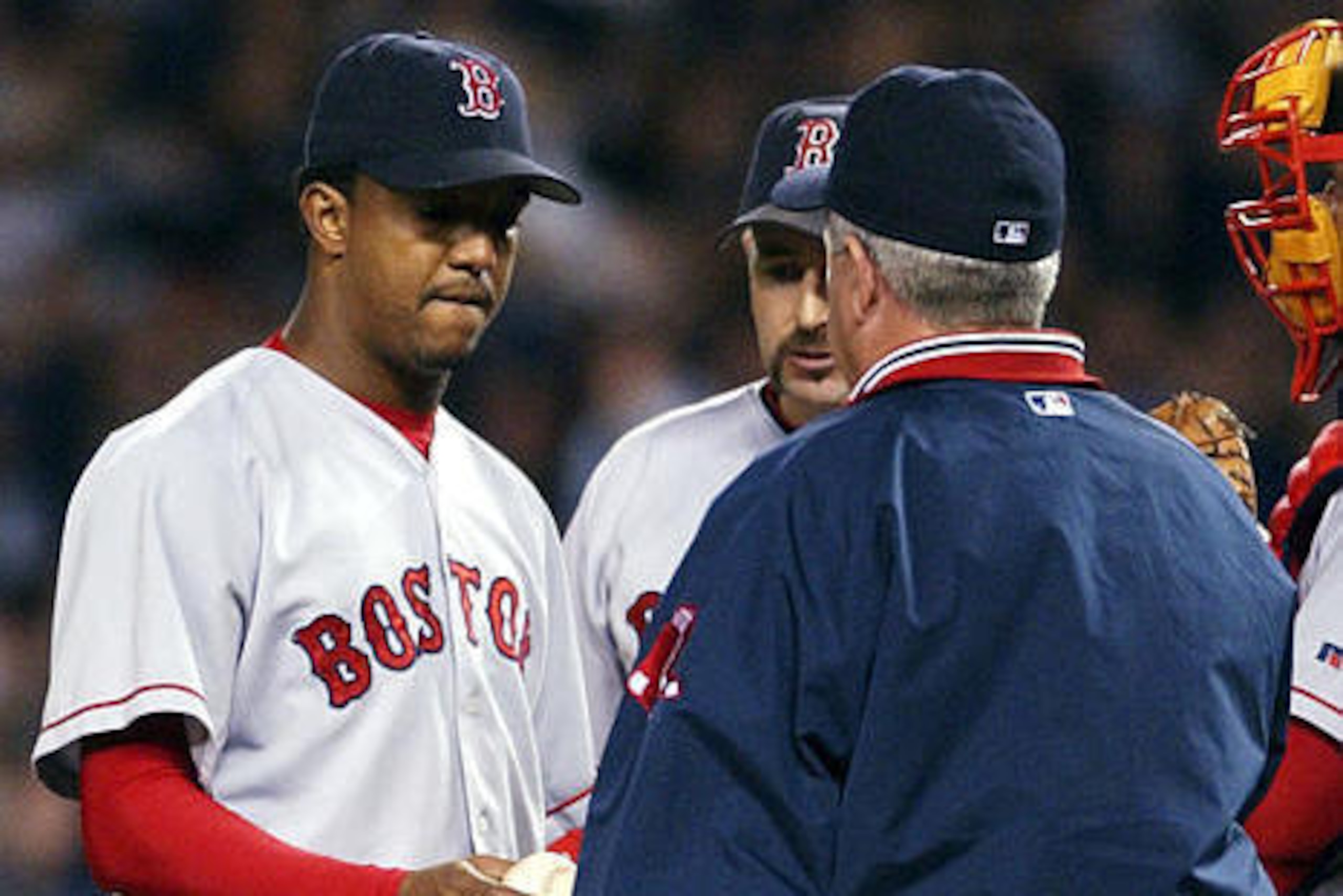
John McNamara was a pretty good manager during his four years at the helm for the Boston Red Sox, but one of the most lasting memories Sox fans have of him came during the team's devastating World Series loss to the New York Mets in 1986.
With Boston leading and needing just one more out to win its first title since 1918 and end the Curse of the Bambino, McNamara opted to keep Bill Buckner in the game to play first base instead of bringing in Dave Stapleton as defensive insurance—as he did in two of the other games in the series.
Stating that he believed Buckner deserved to be on the field when they won, the first baseman had, arguably, the costliest error in MLB history, allowing a ball to go through his legs, which won the game for the Mets and sent the series to a seventh game—which the Mets won for a title.
Gregg Popovich
12 of 14Recently exceeding 1,000 victories as a head coach in the NBA, the San Antonio Spurs' Gregg Popovich has made few bad decisions in his time at the helm.
And if the number of wins on his resume isn't enough to prove that point, maybe the five championship rings on his fingers are.
Still, one of his worst decisions came during Game 6 of the NBA Finals against the Miami Heat, when, during the closing seconds of the closeout game to win a championship, Pop sat future Hall of Fame big man Tim Duncan.
Hoping to match up with Miami's small lineup, Duncan was left on the bench, giving the Heat a better chance to crash the boards for one last heave—which ended up in the hands of the best three-point shooter in league history, Ray Allen, who buried a game-tying trey to send the game to overtime.
The Heat went on to win both the game and the series, making Popovich's decision highly questionable.
Grady Little
13 of 14Here's a little reminder to all those head coaches who are leading a team openly known for bad luck—don't do anything that will cause criticism.
In Grady Little's case, while managing the Boston Red Sox in 2003, he should have gone with that thought, because he ended up botching the American League Championship Series against the rival New York Yankees.
With the Red Sox leading the Yanks 5-2 and heading into the bottom of the eighth inning, Little made the risky decision to keep his ace, Pedro Martinez, on the bump, though he had already exceeded 100 pitches.
Yes, Martinez had won 14 games and led the American League in ERA that year, but Little putting him back out there seemed more like a "go make history" ploy than anything else.
After allowing consecutive hits to four of the first five Yankees batters that inning to tie the score, Martinez was finally pulled in the eighth—but not before releasing the lead.
Some guy named Aaron Boone hit a walk-off, series-clinching win to knock Boston out of the postseason and, ultimately, led to Little getting canned.
Pete Carroll
14 of 14Arguably the most controversial play call in Super Bowl history—or dumbest, depending on who you're talking to—when Seattle Seahawks head coach Pete Carroll went ahead and threw the ball on 2nd-and-goal with 26 seconds left in the game against the New England Patriots, many were left wondering what he was thinking.
Considering the Hawks had a running back named Marshawn Lynch lined up in the backfield, better known as "Beast Mode," and still had a timeout to burn, the conventional wisdom was to rush the ball three straight times, if necessary, for the winning score.
Sometimes, though, over-thinking happens—and during the most critical play of the biggest game of the year is the worst time for it to happen.
Carroll can say what he wants to, but the play definitely cost the Seahawks their second straight title.
.jpg?w=2560 "Rams Eagles Football")
.jpg?w=2560 "Falcons Saints Football")
.jpg?w=2560 "Injury-stricken Seahawks signing veteran RB")


.jpg?w=2560 "2 NFL Officials Suspended")
