

Realistic Expectations for Renault-Powered Formula 1 Cars in 2015
Once upon a time, a Renault engine was highly prized.
In the mid-1990s, Williams and Benetton used the French manufacturer's power units to devastating effect, winning all but one of the drivers' and constructors' titles between 1992 and 1997.
Renault were also on the winning side in the final years of the V8 era, powering Red Bull to four consecutive titles—for both teams and drivers—between 2010 and 2013.

.jpg?w=2560)
But the dawn of the V6 turbo hybrid era has seen many a long face down at Viry-Chatillon. After years of relative equality between the manufacturers, Mercedes' PU106A proved by far the best power unit of 2014.
Renault's teams—Red Bull, Lotus and Toro Rosso—were significantly down on power and struggled all year.
But 2015 is a new season, and Renault have been working hard on improvements. Will they have done enough?
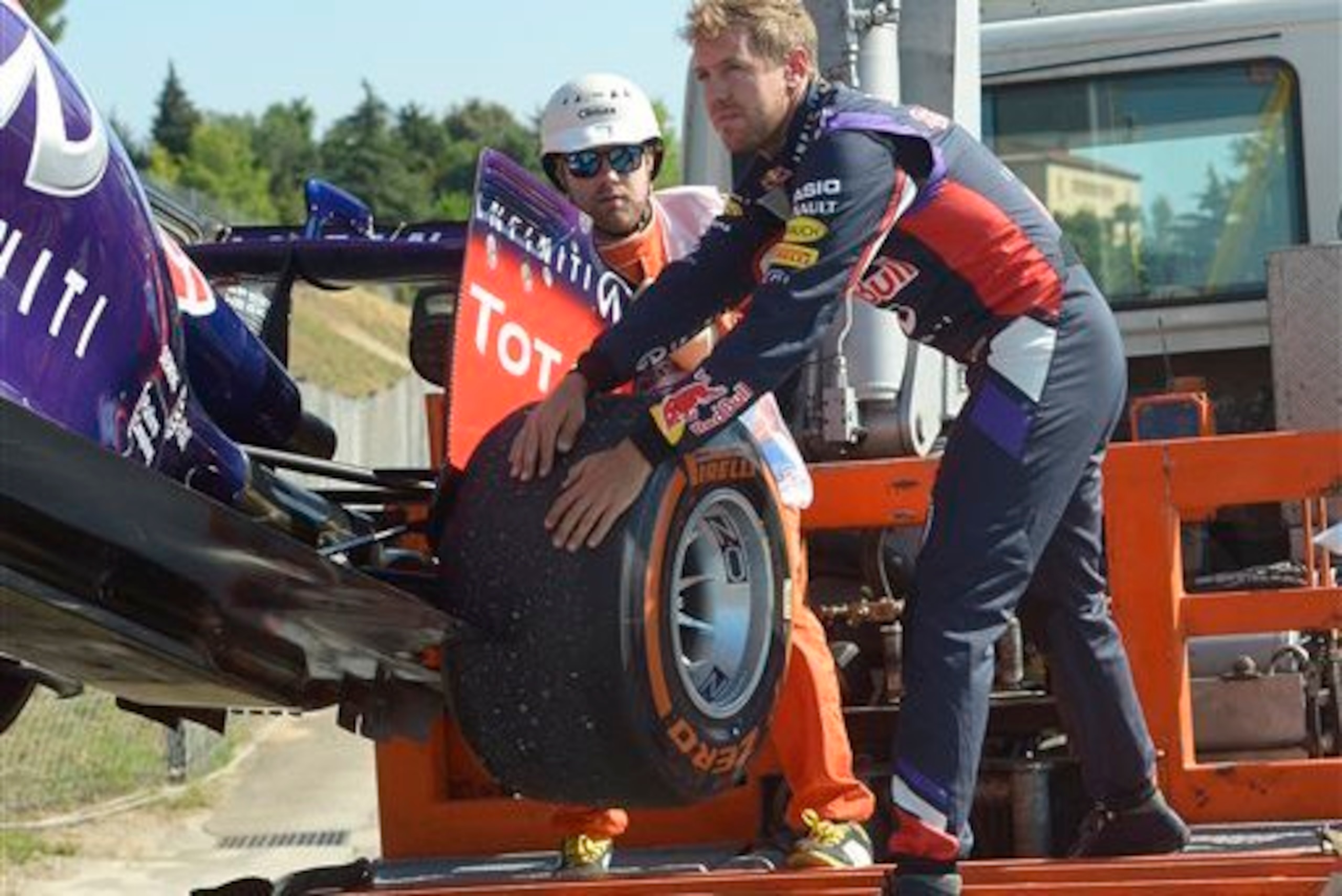
Red Bull won the drivers' and constructors' championships every year between 2010 and 2013, but they fell back to Earth with a jolt in 2014.
From having the quickest car, Red Bull dropped back to second or third-fastest as Mercedes dominated the year. After the first race, Crash.net reported team principal Christian Horner claimed his team were losing as much as a second per lap on the straights.
Autosport reported Renault denied the gap was this great, but acknowledged they had work to do. Some improvements were made in the software, and a new fuel mix from Total cut the gap a little.
But it was never enough to make up for the deficiencies in the unit itself. A major knock-on effect was that Red Bull were forced to run their cars with less downforce than they would have liked in order to improve straight-line speed.
The RB10 never really got a chance to use its beautiful aerodynamics properly—the team will be hoping the RB11 will.
Toro Rosso are the only other team using a Renault in 2015. They were affected in a similar way to Red Bull last year but perhaps felt the pain even more because of what could have been.
The STR9 appeared to be a genuine step forward on the chassis side; despite using the weak Renault power unit, Toro Rosso were able to regularly fight Mercedes-engined rivals like McLaren and Force India.
Had the car been fitted with a Mercedes engine, the team could easily have finished in the top five or six in the constructors' championship.
As it were, they came a distant seventh—one place higher than in 2013 but with three fewer points.
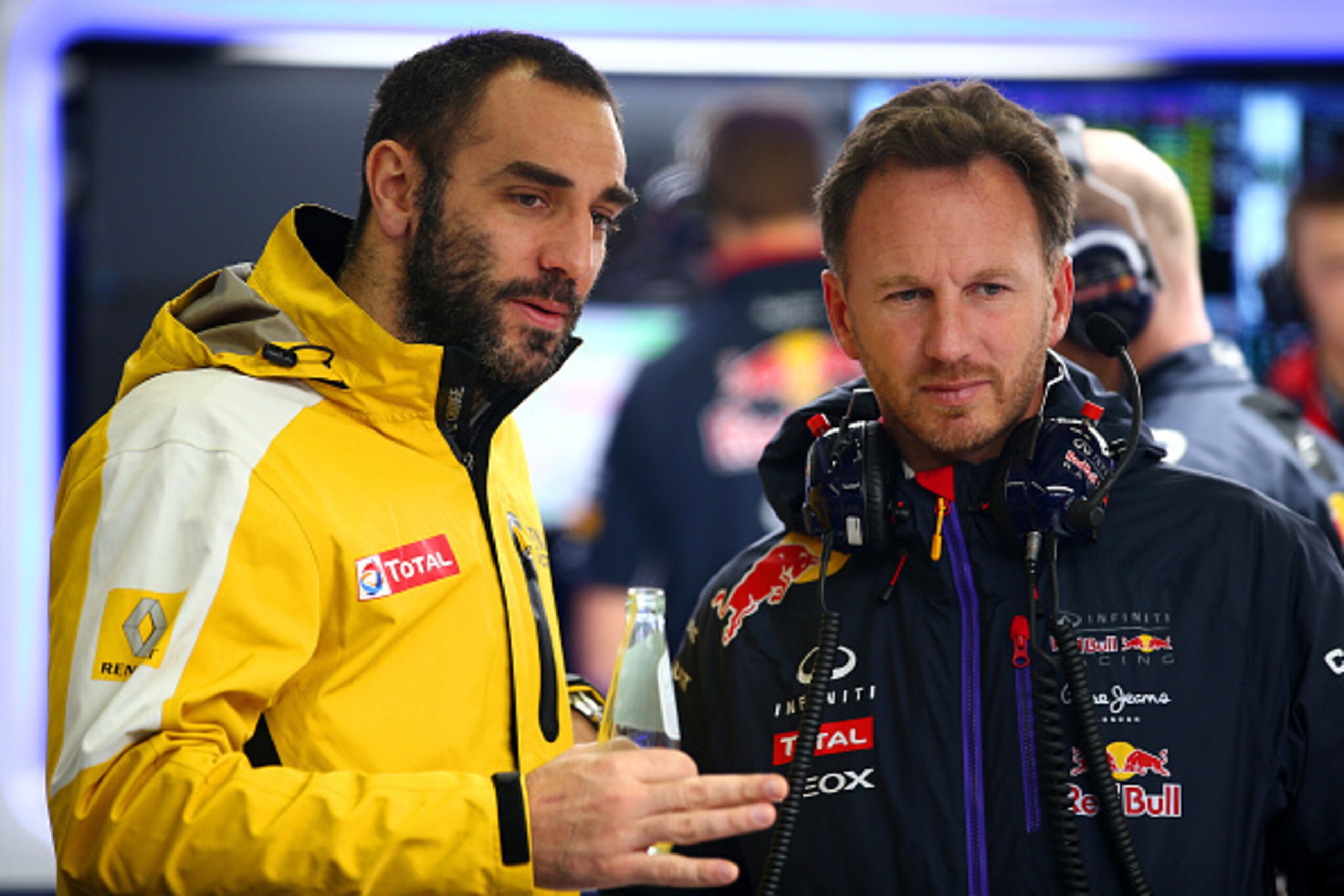
The 2015 Renault Energy F1 will undoubtedly be a step up from its predecessor. In a pre-season press release, Renault Sport F1 managing director Cyril Abiteboul said:
"We knew what we had to do over the winter and we know what we have achieved. We believe we have made a very big step in performance and will be more reliable. In the short gap between seasons we have taken a number of steps forward.
"
But the optimism was tempered with a note of caution—and an admission the power unit is highly unlikely to be a match for Mercedes. Abiteboul went on:
"We do not know where the others will be: we may not have erased all the gaps, but we are confident that we have gone a long way to making up the deficit of last season. Our objective is to close the gap as much as possible and give Red Bull Racing and Scuderia Toro Rosso a more competitive car on most circuits, independently of their characteristics and sensitivities.
"
The problem is that Renault are coming from too far back.
Precise figures on how much of a deficit they had in 2014 are impossible to obtain but most land in the same ballpark. A report in Auto Motor und Sport (h/t motorsport.com) gave the Renault 2014 deficit at 85 horsepower, while Sky Sports' Mark Hughes states a figure of around 70 horsepower.
Exact numbers for their gains ahead of 2015 are similarly elusive, but Hughes reported Renault are believed to have found around 70 horsepower.
If 100 percent accurate (and for the purpose of the article, we'll say they are), this would only bring their new power unit level with the 2014 Mercedes. Hughes said the German manufacturer is expected to have made 60 horsepower worth of improvements, meaning a net gain for Renault of just 10 horses.
That's not going to be enough to have a significant impact on their teams' performance.
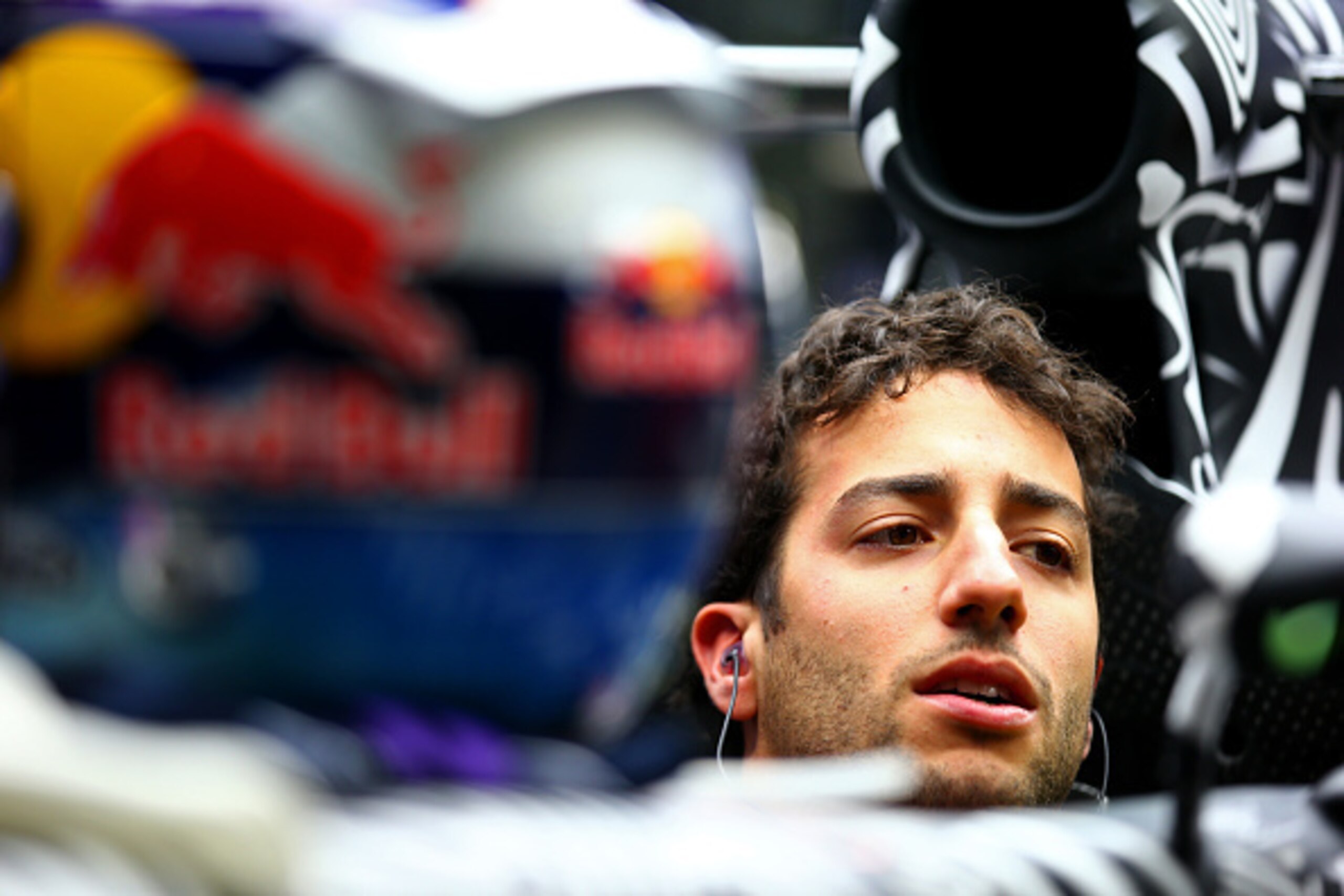
For Red Bull, this will mean another season in the chasing pack, probably compromising the aerodynamic performance of the RB11 in order to stand a chance in a straight line.
Providing Mercedes don't make a hash of the W06, the two Silver Arrows will again be too far ahead to be beaten on pure pace. There'll be no world title fight for Daniel Ricciardo or Daniil Kvyat.
They and their team will instead be looking over their shoulders for competition, likely to come from Williams and—if their promising first test times are representative—Ferrari. McLaren could also join the party if Honda have produced a reasonable power unit.
Realistically, Red Bull can aim for second in the constructors' championship—a goal they will probably achieve. Any lower would be considered a disaster.

Toro Rosso look set for another disappointing year, perhaps even worse than 2014. They'll have the same Renault-powered problems their sister team will face, with the additional hurdle of having two unproven, rookie drivers.
Mercedes, Red Bull, Williams and Ferrari will be well out of reach. Lotus and Force India, both with Mercedes power, are likely to be ahead of Toro Rosso too.
McLaren are the great unknown. If Honda do an especially poor job they could be sitting ducks, but it's hard to see a team with Fernando Alonso and Jenson Button finishing behind one fielding Max Verstappen and Carlos Sainz Jr.
The realistic target for Toro Rosso would be to again come seventh in the championship. But to do so they would need to beat either a Mercedes-powered team or McLaren, which is unlikely—they may have to settle for eighth.
There's always a (very, very tiny) chance Renault will find some wonderful, otherworldly upgrade and will find themselves on a par with Mercedes.
But the overwhelmingly likely scenario is at least one more tough year for their teams.



.jpg?w=2560 "2 NFL Officials Suspended")

.jpg?w=2560 "Viral Rams Coach Vid 🖕")