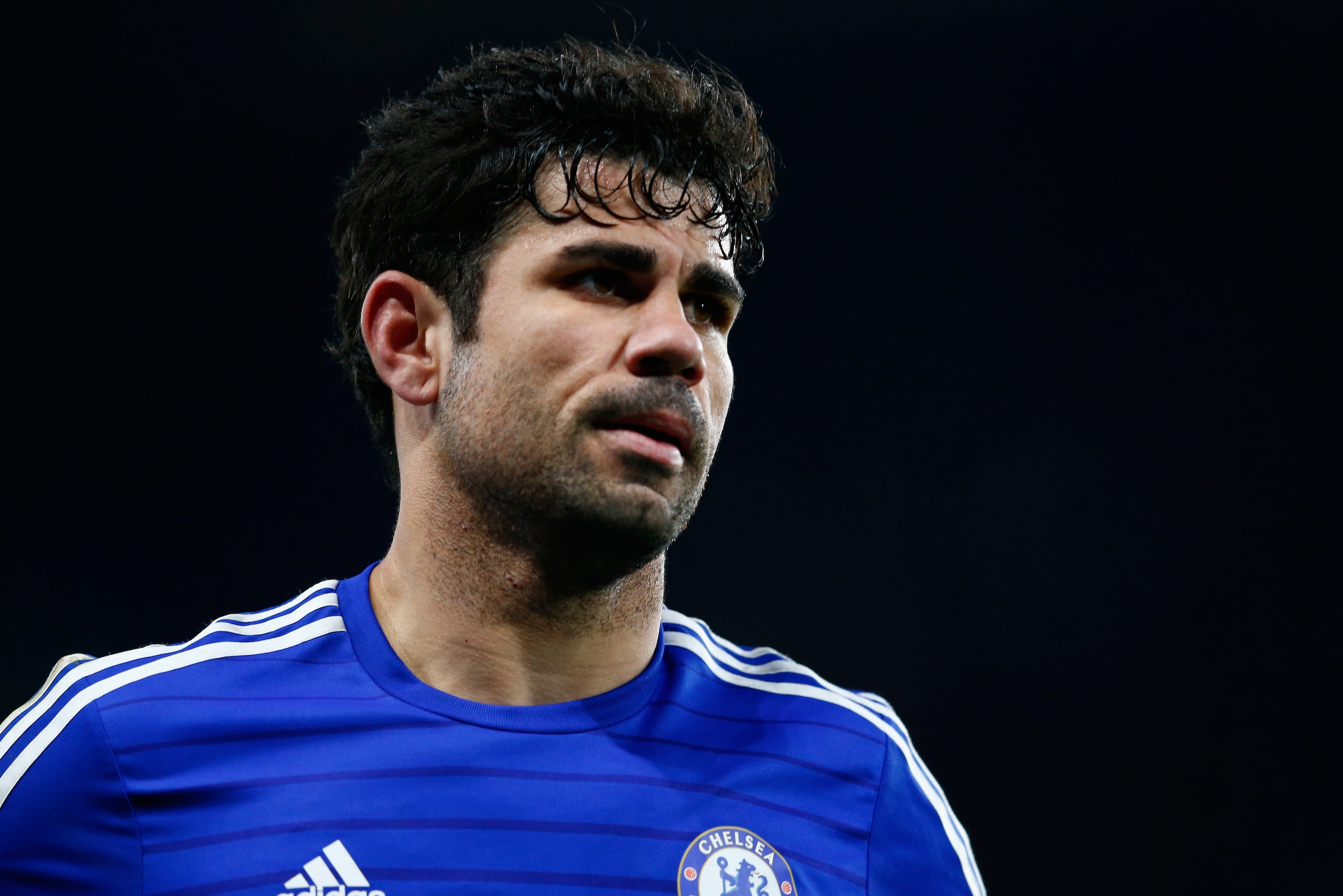

Reputation, Not Evidence, Condemns Chelsea's Diego Costa to Three-Match Ban
Perhaps now Diego Costa has a little insight into how Al Capone felt.
You would hope all but the most myopic Chelsea fans would acknowledge that Costa has done a few things worthy of serious punishment this season, but the striker's ban for “stamping” on Emre Can feels similar to the infamous Prohibition-era gangster ultimately being imprisoned for tax evasion.
Friday’s Football Association announcement that Costa would be banned for three games for his altercation with Can in the early part of Tuesday’s Capital One Cup semi-final was perhaps another example of the unpredictable, often inconsistent way that disciplinary justice seems to be handled in English football. The incident in question hardly seems to be among the worst of Costa’s crimes this season (or even just in the game against Liverpool); indeed it remains debatable whether it was even a crime at all.
TOP NEWS

Messi Sends Farewell Message ▶️

Explosive Ronaldo Statement 😮

Live Messi's Argentina Farewell 🐐
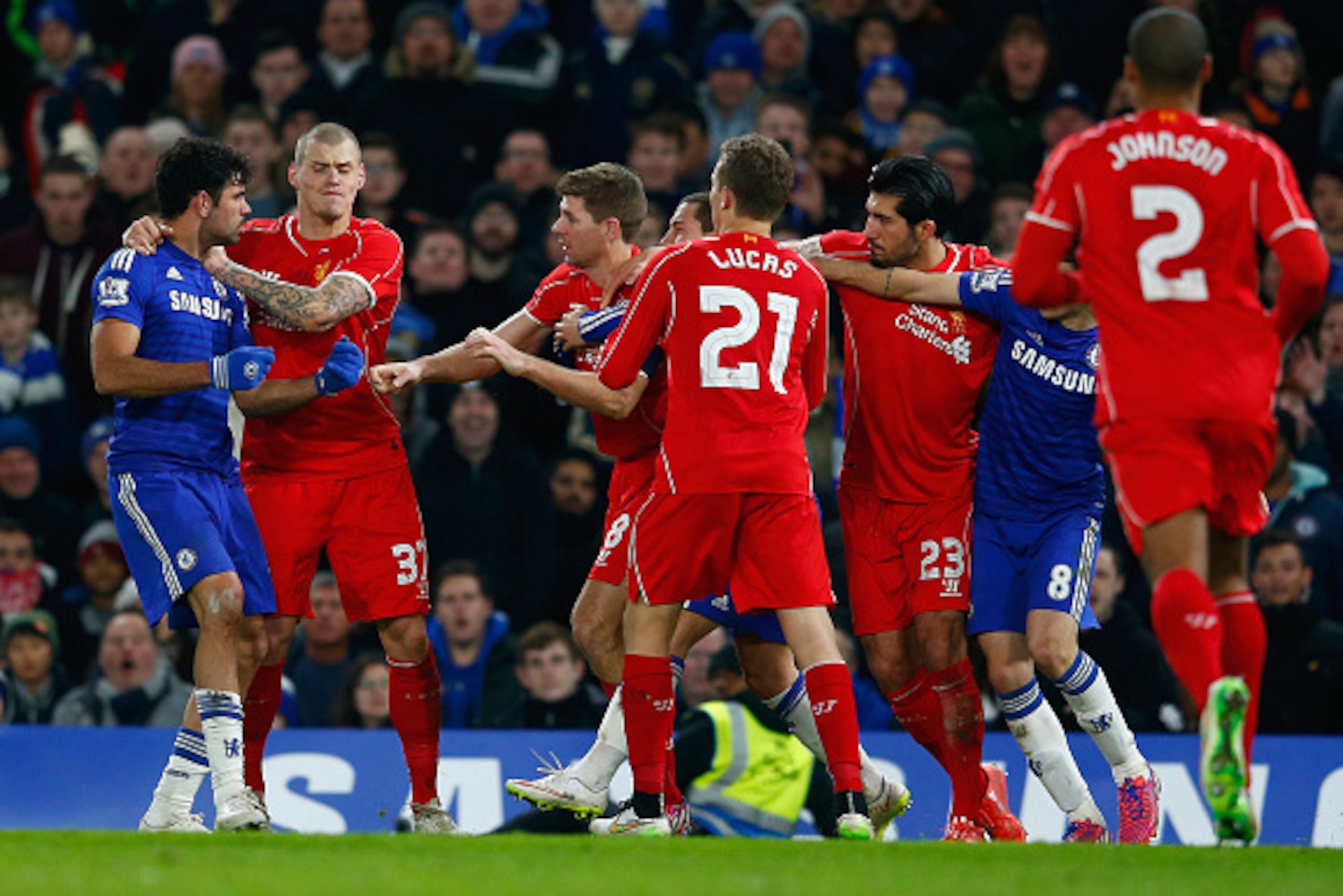
Costa’s clash with Can in the 12th minute certainly seemed to be less violent than one later in the match with longtime nemesis Martin Skrtel, yet because the referee saw that second incident and supposedly took action (i.e. he talked to the players involved), it could not be referred for retrospective action. The same went for an ensuing clash with Steven Gerrard, one both players were booked for, along with various tangles with Jordan Henderson.
As the Can challenge was missed by referee Michael Oliver, the FA were able to step in and make a charge. That it was upheld seems harsh—you can watch the video as many times as you want, but it is impossible to say with certainty that Costa was acting deliberately with the placement of his foot—and leads to the obvious conclusion that the Spain international has paid the price for his reputation.
Costa is known to be “that sort of player,” by those in the game and (more importantly) in the media, and so officials seem to have assumed intent on that basis. It is surely not the way justice should be administered, lending a subjective air to proceedings that Chelsea boss Jose Mourinho has unsurprisingly leapt upon.
"There is a campaign on the television,” as Mourinho said on Tuesday, per the BBC. The Portuguese subsequently cancelled his press conference ahead of the Manchester City game in response to Costa’s FA charge, a calculated move presumably designed to deflect attention from the incident while also forging a siege mentality among his squad.
While his manager, fellow players and Chelsea supporters have lined up behind Costa, the general view of most neutrals is less kind. Even if the Can challenge was not deliberate, the Brazilian-born player has got away with more than enough bad challenges over recent seasons that the books are still far from balanced.
"He has that edge to him. He could easily hurdle over [Can], and he directs his studs right on to his ankle, which could've been nasty," Liverpool manager Brendan Rodgers said in midweek, per the BBC.
"Again, the one with Martin Skrtel, there's no need to do it. That's the sad thing. He's a top-class player, and he's clever enough that the officials don't see it."
That is true: Costa certainly has a remarkable ability to needle opponents away from the referee’s wandering eye. At this point, it is worth noting that Costa has only been sent off once in his career since his emergence at Atletico Madrid, and that was in an ultimately meaningless Europa League group-stage game.
Yet in that time he has also gone toe-to-toe with countless opponents; even though Costa has since left the Vicente Calderon, he is a key reason why there remains such bad blood in clashes between Atletico Madrid and Barcelona.
“Costa is as cool and calculating as they come,” as Mike L. Goodman wrote for Grantland this week. “All the taunts, the tugs, the kicks, the stomps— they’re all designed to walk exactly up to that line, dare the referee to make a game-changing call, and then live on to fight another underhanded battle.”
Costa is one of the most interesting modern footballers to watch precisely because, unlike most players of such undoubted talent, he seems to relish the darker side of the game. Few games go past where Costa will not indulge in some off-the-ball, physical confrontation with an opposing player—yet what is so unsettling for so many is that he never appears to lose his cool; the confrontations seem to mean nothing to him on any deep emotional level but so frequently upset and unsettle opponents (sometimes precisely because Costa does it with such detached calculation).
It is worth noting, also, that in the position he plays—and the threat he carries—he is often kicked all ways to Sunday by defenders who, lacking the same technical grace, fear his threat and decide the only way to counter him is by getting physical.
“I see it differently to the rest,” ex-Manchester United midfielder Paul Scholes wrote in his Independent column. “I thought his actions were at the lower end of the scale of dangerous and that he was under extreme provocation from Martin Skrtel, who has wound him up before this season.
"My view of it was that Costa gets kicked a lot, and actually his patience is to be admired in many, if not all, situations."
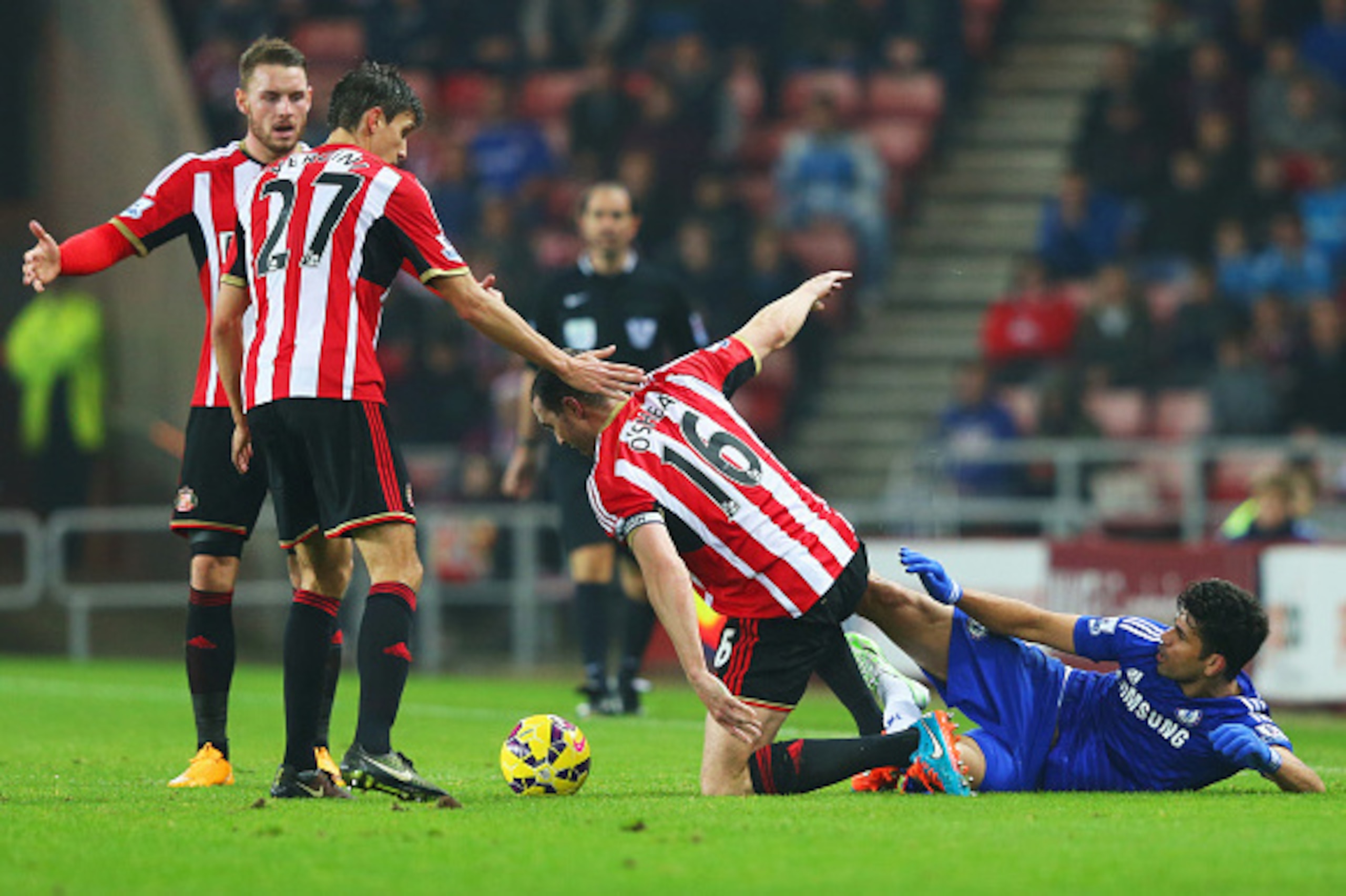
Costa is no innocent, of course. His Skrtel stamp was worse than the Can incident, and Oliver should have better dealt with it (or, if he did not see it, leave it to the FA to deal with). Earlier in the season, it should not be forgotten that Costa aimed a particular egregious kick in the direction of Sunderland’s John O’Shea during a game at the Stadium of Light, another incident that was incorrectly handled by the referee.
Some will say the three-match ban he deserved then has finally been visited upon him now.
Even so, that should not be a cause for celebration. The disciplinary process has failed twice in this instance: Firstly, in allowing Costa to get away with some dangerous incidents on more than one occasion this season, and then secondly in finally punishing him on what is effectively a trumped-up charge, one that—with full reasons still to be published—seems to have been upheld based more on prior reputation than any clear evidence.
"Only Diego Costa knows if his stamp was intentional,” as Gary Lineker tweeted. “He certainly wasn't looking in that direction, therefore it's difficult to ban him."
Only Costa knows the truth. Only Costa knows whether, on the scales of justice, he has still got away with more than he has been punished for. Perhaps he will reflect on his conduct during his time on the sidelines and realise that he needs to curb some of his less savoury habits in order to better assimilate into English football and its particular vagaries (Didier Drogba, his Chelsea teammate, had similar difficulties initially—albeit with diving).
But that does not mean that being banned for the specific incident with Can was not harsh, even wrong. Costa has much to reflect upon, certainly, but so too do the FA—particularly how and why its disciplinary process remains such an inconsistent mess, and why its referees have not been able to handle and discipline the player properly where they are supposed to: on the pitch.



.jpg?w=2560 "Terrell Owens Being Sued for Defamation")


.jpg?w=2560 "CJGJ Shares Cryptic Post 🤔")