

Financial Fair Play Villains Man City and PSG Boosted by Rich-List Rankings
The 18th edition of the Deloitte Football Money League, released late Wednesday, heralded good news for Financial Fair Play (FFP) villains Manchester City and Paris Saint-Germain.
According to last season's data, both clubs once again posted impressive revenue figures that, when entered alongside the numbers for the 2012-13 campaign, will only boost them in their respective fights against UEFA's FFP regulations.



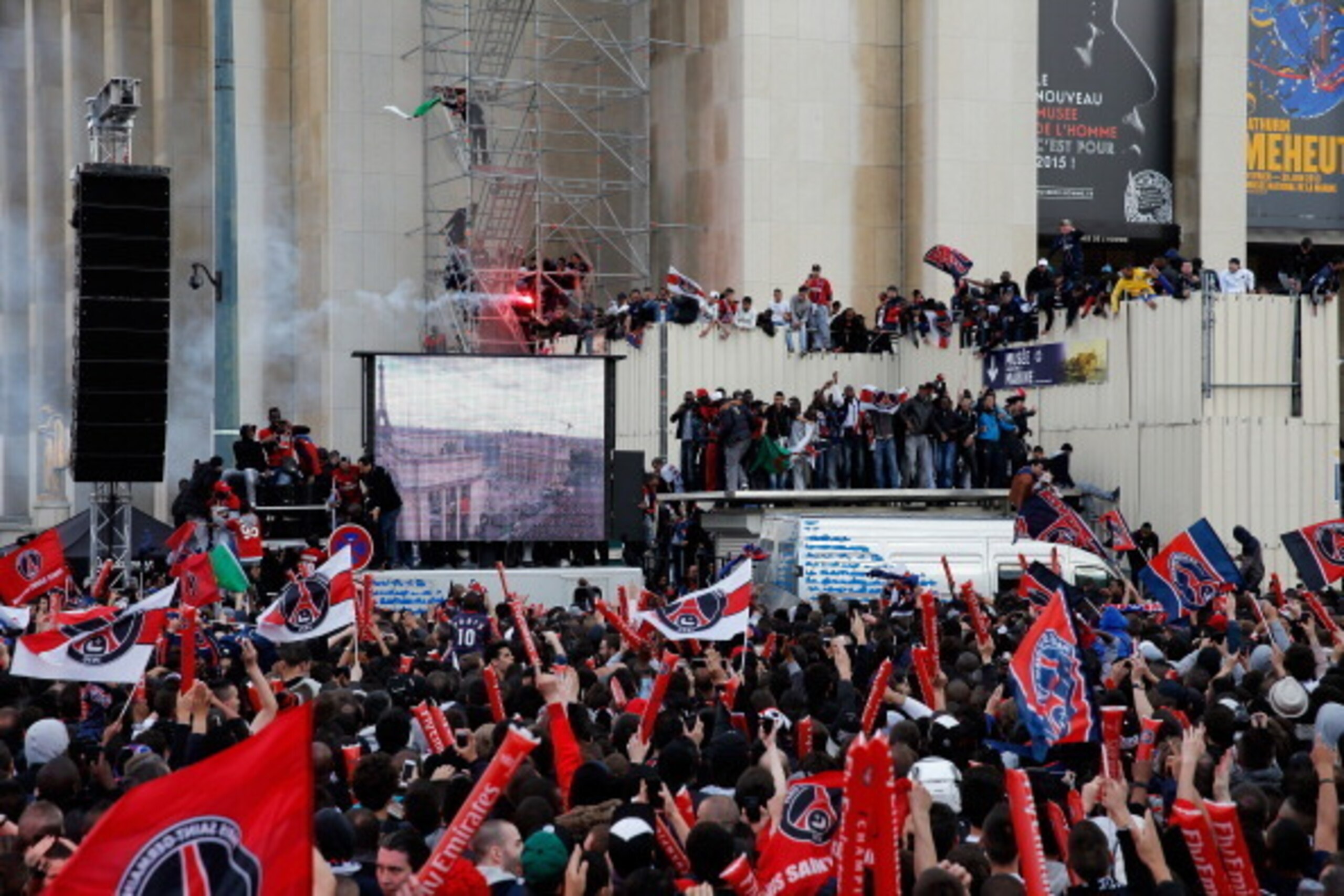
City, who won the Premier League title in May, grew their revenue by nearly €100 million in 2013-14 while PSG, the Ligue 1 champions, saw gross income balloon by more than €132m.
That's a 28 percent improvement for the English outfit and 29 percent growth for their French counterparts, and it's important because European football's governing body takes trends into consideration when crunching the numbers and doling out punishments, which can range from fines to squad reduction and even banishment from its competitions.
Buried near the end of UEFA's bulky regulations document is a paragraph that essentially moots much of the previous text and allocates the interpretation of FFP to the case-by-case discretion of the organisation's Club Financial Control Panel.
"The larger the quantum of a break-even deficit relative to a [club's] relative income...the less favourably it will be viewed," reads item 1.a of Annex XI.
It continues: "An improving trend in the annual break-even results will be viewed more favourably than a worsening trend."
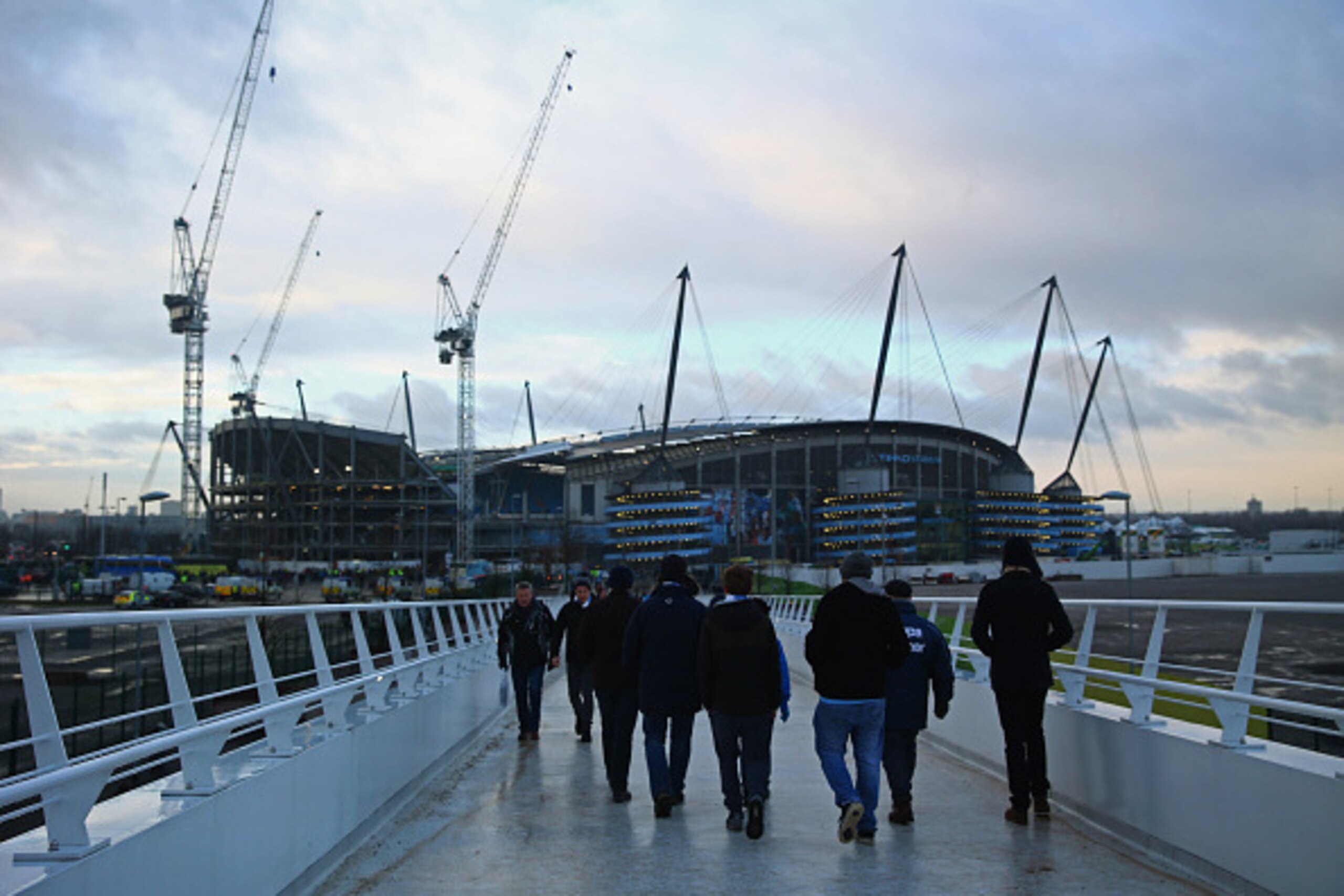
It's the second sentence that most concerns, and conceivably excites, City and PSG as it functions as a potential out clause, and it may have already come to the aid of both.
Despite previously breaking FFP rules—the two clubs were fined €60 million apiece, and City were also handed a squad penalty ahead of the current Champions League tournament, as per Eurosport—neither was prevented from participating in European football's most prestigious club competition, and their sanctions, in the context of their revenues, were little more than slaps to the wrist.
Then, in September, City were granted a further reprieve when UEFA allowed them to exceed their non-EU quota, according to The Independent—a move that prompted football law expert Daniel Geey to assert that the governing body had "effectively rewritten" its regulations.
The decision no doubt enhanced the perception that UEFA makes up and enforces its rules as it goes along, but what might be—and sensibly—construed as incoherence should be viewed in the light of Annex XI, which favourably illuminated the circumstances at the Etihad Stadium and Parc des Princes.
And circumstances at each will only get better.
Pointing out that Manchester City had shown the "largest absolute increase" in revenue among the top 10 clubs on its rich list, Deloitte also revealed a 16 percent boost in commercial sales at the club and a scheme to grow matchday income through stadium development.
PSG, meanwhile, posted commercial revenues that bettered all continental rivals while compensating for relatively modest television earnings.
Their finances now safe within the framework of Financial Fair Play, both clubs can now resume the spending sprees that brought them into the Deloitte ranking in the first place.
And if they happen to fall foul of one directive or another, they have their trends—arrowing ever upward—to back them up.

.jpg?w=2560 "Seahawks Chiefs Football")





