All-Star Selections Are Flawed but Still Matter on NBA Resumes
Perhaps more so than ever before, the process of selecting NBA All-Stars is extremely flawed, to the point that we can guarantee controversy as soon as the starters are announced. But it doesn't matter, as these selections still carry plenty of meaning that lasts well beyond the lifespans of the inevitable "He shouldn't have made it!" discussions.
As quickly as you can, tell me who the league's premier players were during the 1967-68 NBA season.
Maybe you can come up with a few names, relying on your brain telling you that Oscar Robertson, Bill Russell, Wilt Chamberlain and Jerry West were still at or near their peaks during the late '60s. But would you have remembered that players like Walt Hazzard, Archie Clark, Don Kojis and Clyde Lee submitted campaigns that deserve to be memorialized?

If you did, kudos to you. Consider finding a local bar with a night for sports trivia and then try to make some wagers on the side. At the very least, you'll get some free food out of it. But if your memory has more gaps or has never been complete enough to recall every name of significance from nearly five decades ago, you can just look at an All-Star roster and be reminded of what you need to know.
And we don't have to be operating 50 years in the past for this to work.
Looking at the 2012 roster reminds us that Andrew Bynum used to be quite good at playing center in the Association. In 2013, both Jrue Holiday and Brook Lopez made the cut, though neither receives much All-Star hype at this stage of their respective careers with the New Orleans Pelicans and Brooklyn Nets.
But All-Star selections are by no means perfect. The fan vote, in particular, is often the source of major criticism, as it can lead to some rather strange choices.
Notable Flaws in All-Star History
During the 2010-11 season, Yao Ming was voted in as an All-Star starter, due more to his international popularity than his production on the basketball court. After all, he'd missed the entire 2009-10 campaign with a foot injury, and in five 2010-11 games, he'd averaged just 10.2 points, 5.4 rebounds and 1.6 blocks per game while uncharacteristically shooting only 48.6 percent from the field.
Did he deserve to make the game? Based on his on-court performance, absolutely not. But he did, and now his resume will eternally claim that he's an eight-time All-Star, not just a seven-time one.
As Kelly Scaletta wrote for Bleacher Report while arguing one inevitable controversy with this year's voting, that's a big deal:
"However, there is more importance put on the contest than it being a mere exhibition. Many players have clauses in their contracts that give them more money if they're selected to an All-Star Game. And players who start two All-Star Games on their rookie contract are eligible for 30 percent of the salary cap when determining their next contract instead of just 25 percent.
Furthermore, when we're considering players for the Hall of Fame and their place in history, the number of All-Star appearances is used as a barometer.
At the time the teams are named, we say it's a popularity contest, but retroactively, it's treated as though making the team is based on merit. That inconsistency is problematic, and that's why this argument matters.
"
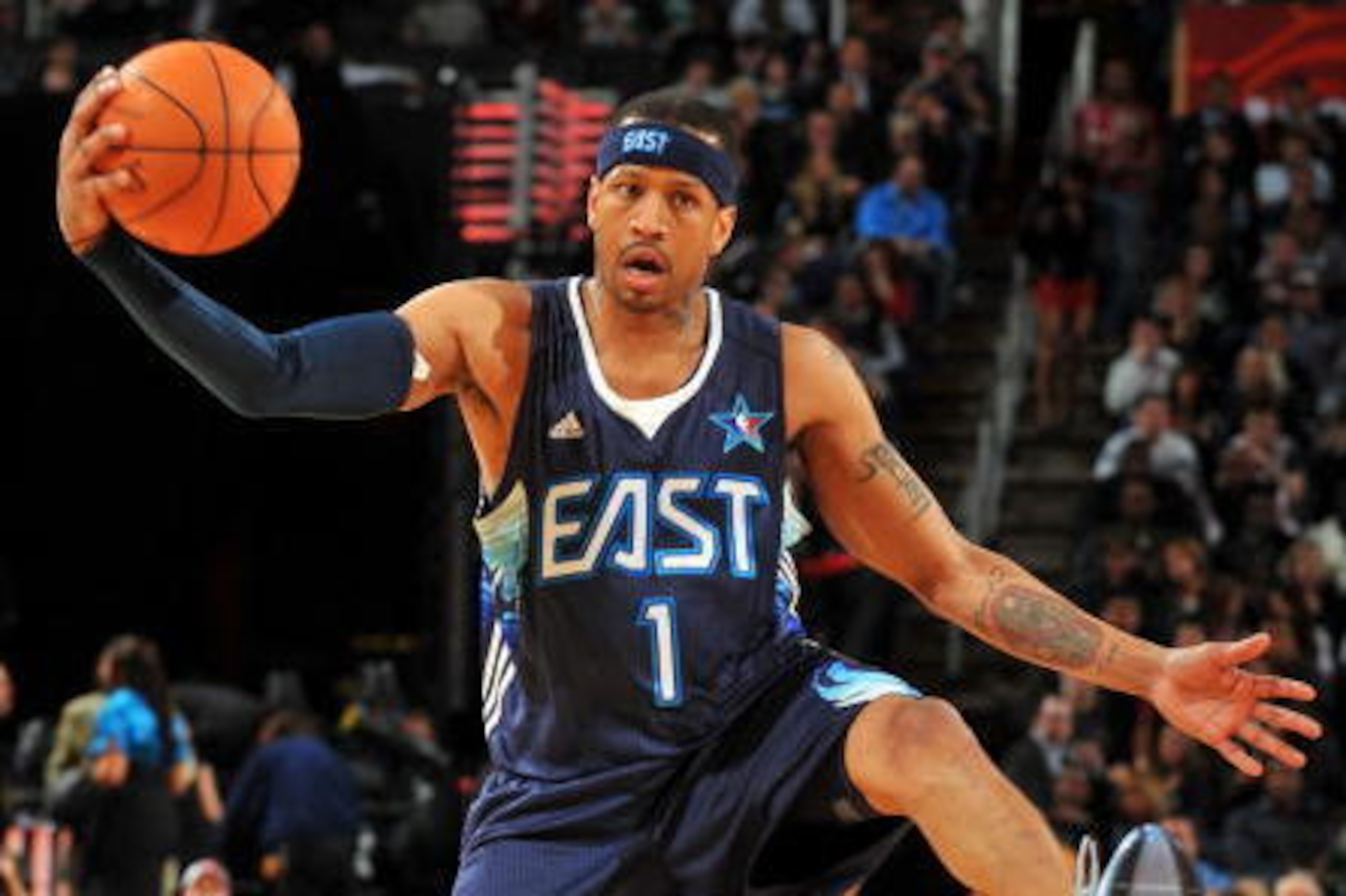
Fortunately, that doesn't matter when the flaw of the process involves Allen Iverson.
The diminutive scorer was a Hall of Fame lock well before his unjustifiable—again, unjustifiable based on on-court work—selections in both 2009 and 2010. He'd already made the team nine times while racking up scoring titles and memorable moments in both the regular season and the playoffs.
The same is true of Kobe Bryant, who's the biggest reason this issue is coming up again.
Last season, the legendary 2-guard played in only six games all year, delaying his start as he rehabbed a ruptured Achilles and then going back to the bench after a major knee injury. He was an All-Star all the same, thanks to the fan vote.
And even he didn't agree with what happened.
"With all due respect to the fans who voted me in, and I certainly appreciate that...but you've got to do the right thing as well," the future HOFer told reporters, via Mike Bresnahan of the Los Angeles Times. "My feeling is you've got to reward these young guys for the work that they've been putting in."
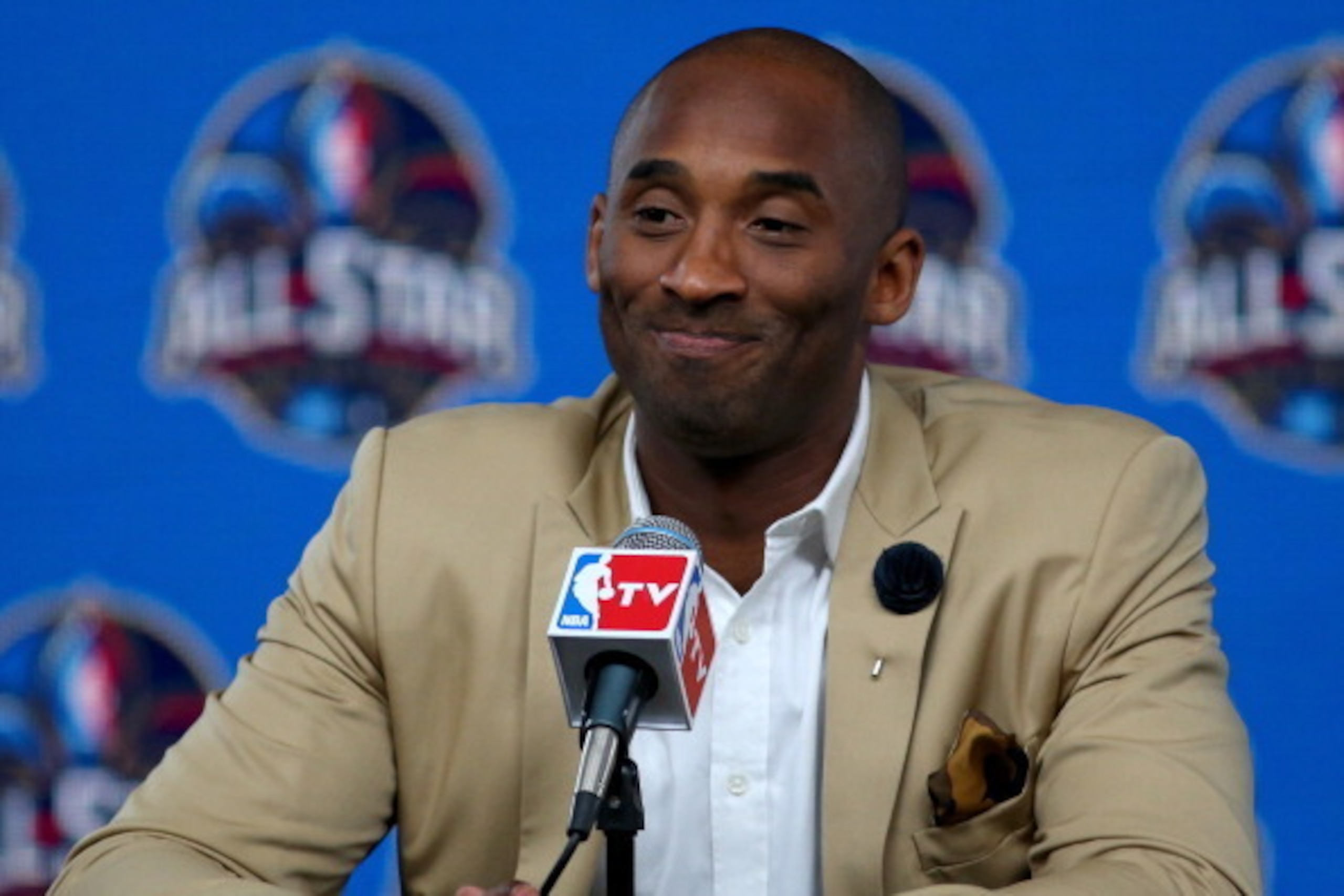
And this year, Bryant's total number of selections is going to be increased once more, even though his production in no way merits such an honor.
"The argument, which is used to justify this sort of disparity, is that this is an All-Star Game, and the fans are just voting for who they want to see," Scaletta explains. "To a point, that's true, and it would be fine if the All-Star Game were otherwise viewed as only being that."
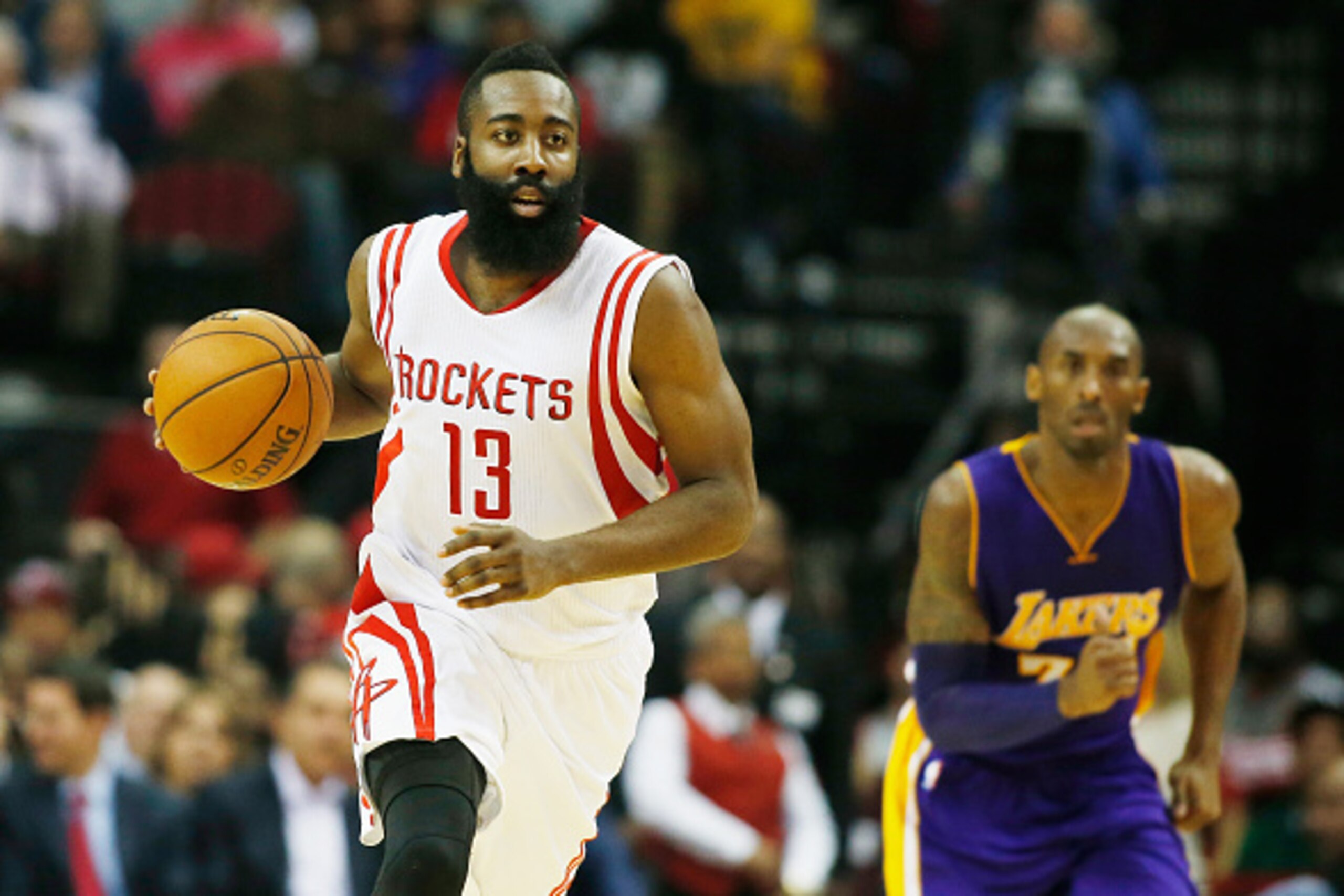
So maybe, especially when we're dealing with the aftermath of an inefficient Bryant taking a starting spot away from James Harden, who's very much an MVP front-runner at this point of the season, it's time to start thinking of All-Star selections in a different light.
Selections Still Matter
In most cases, mistakes are rectified.
Harden, for example, will still make the final roster, even if he doesn't get the starting nod. And is that really too big an issue? He's still going to wear the Western Conference jersey and get that boost on his resume all the same, and it's not as though starting spots matter down the road.
When was the last time you heard a player referred to as an X-time All-Star and a Y-time starter? There's no differentiation made at any time but the present, when it seems like the discrepancy is far more relevant than it actually is.
Starting the game is a matter of in-the-moment prestige, but it ultimately carries little historical significance.
After all, the only players who have gained inexplicable nominations are those who already matter. Ming resonated on a global scale, Iverson was one of the most popular players in NBA history, and Bryant is, well, Kobe Bryant. It's not as though any of them were gaining a slice of history that the rest of their careers didn't merit.
And that's why we need to revamp our thoughts about All-Star selections.
Are they perfect measures of ability during any given season? No, and they never have been. Even decades ago, when fans weren't making the selections (that began in 1975), coaches weren't perfect and could easily be swayed by glamorous play rather than actual production.
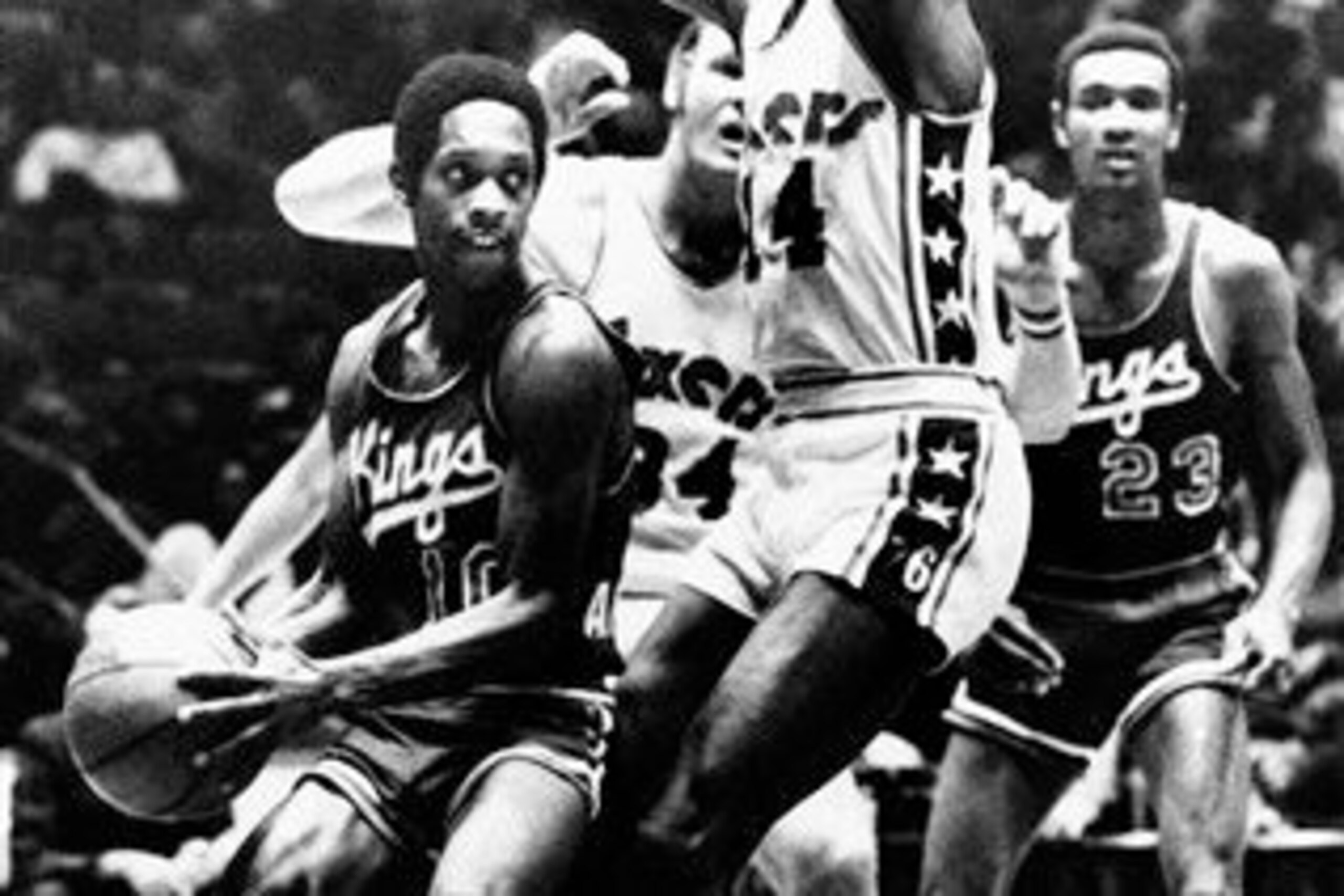
In 1971-72, Nate Archibald was left off the Eastern Conference All-Star squad despite averaging 28.2 points, 2.9 rebounds and 9.2 assists per game while shooting 48.6 percent from the field. His player efficiency rating was a stellar 23, per Basketball-Reference.com, and that was the fourth-best mark in the league. Only Kareem Abdul-Jabbar beat him in the scoring race, while Jerry West and Lenny Wilkens were the lone players to record more dimes per contest.
Meanwhile, John Johnson (17 points, 7.7 rebounds and 5.1 assists per game with a 15.4 PER) and Butch Beard (15.4 points, 4.1 rebounds and 6.7 assists per game with a 15.7 PER) were on the All-Star squad at Archibald's expense.
Inexplicable, right? Nonetheless, that's how things were decided, and it's a clear indication that Archibald didn't yet matter as much to the NBA as he would one year later, when he became the first and only player to pace the league in both scoring and assists.
But when coaches made decisions like that one, it fell perfectly in line with what tends to happen nowadays, especially with the sport more globally popular than ever before, which involves more international voters.

All-Star rosters, which are by their very nature designed to provide fans with some midseason entertainment in a game that's often free of defense, have never been intended to include the league's best players from a statistical sense. They capture the pulse of the NBA, and sometimes that pulse includes players who have made limited impacts during the campaign in question.
Has Bryant been better than Harden this year? Absolutely not, and arguing otherwise would be nonsensical.
Fans don't necessarily want to see him play more than the bearded shooting guard right now, either. Some certainly do, but television numbers and attendance figures point in the opposite direction for the non-Los Angeles part of the basketball world.
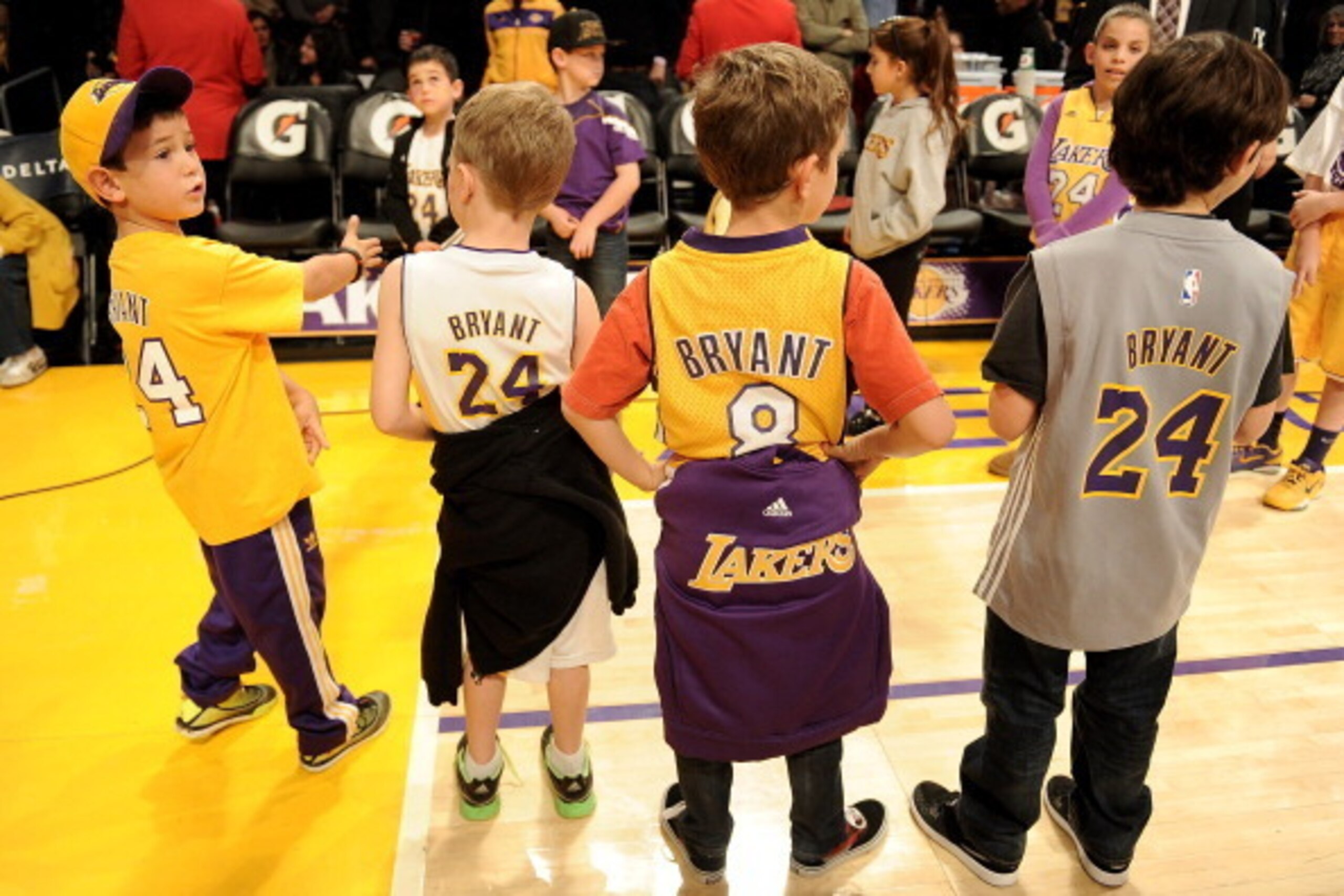
But Bryant still matters. He moves the needle in a way that Harden can't right now, no matter how well the Houston Rockets 2-guard plays in 2014-15.
And that, in turn, should matter.
At this point in the information age, you shouldn't need All-Star selections to summarize a player's place in NBA history. You have access to so much data, to the point that you can see every shot a player has taken during the current season or go back and look at the on/off differences from three years ago. Need to find out the last time a 36-year-old was able to record more than 15 assists in a game? That's available at the click of a mouse.
There are infinite ways of capturing a player's value in the modern era, thanks to the wealth of information at our fingertips, and that job doesn't have to be left to the number of All-Star berths a player received any longer.
Those selections, flawed as they may be in some instances, still matter.
Just not for the same reasons they once did.

.jpg?w=2560 "Chiefs, Steelers Eye WR Trades")