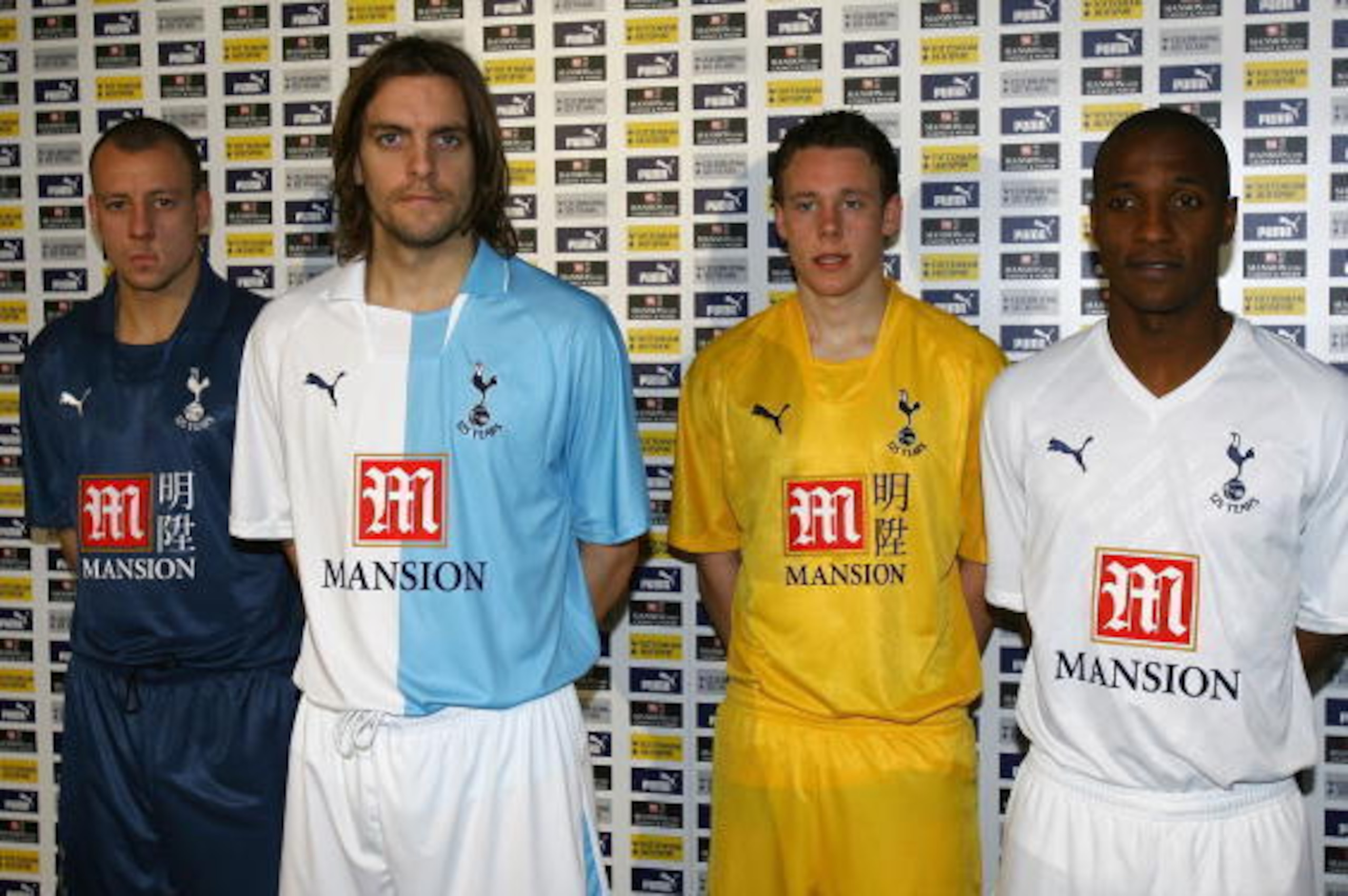

Tottenham Hotspur's Best and Worst January Signings of Premier League Era
What—if anything—the remainder of the January transfer window has in store for Tottenham Hotspur will become apparent soon enough.
Since the transfer window became a fixture of Premier League life, Tottenham have used it to fill supposed gaps in their squad, as well as bring in talent with an eye on the future. On a couple of occasions when bosses were installed mid-season, it was the new man in charge's first opportunity to shape the team to his liking.
The following list of Spurs' best and worst January signings during this era—five of each—features players procured in those circumstances.
The impact had by those regarded as the best ranged from the short to long term, but in all cases, their arrival was for the betterment of the team. Those selected as the worst signings were not bad players. However, for reasons explored in the article, none achieved (or have yet to in one case) what was set out for them in the beginning.
For those looking to keep it positive, the five best signings will be put up first. Before we get there, we'll list some honourable mentions.
Honourable Mentions
1 of 9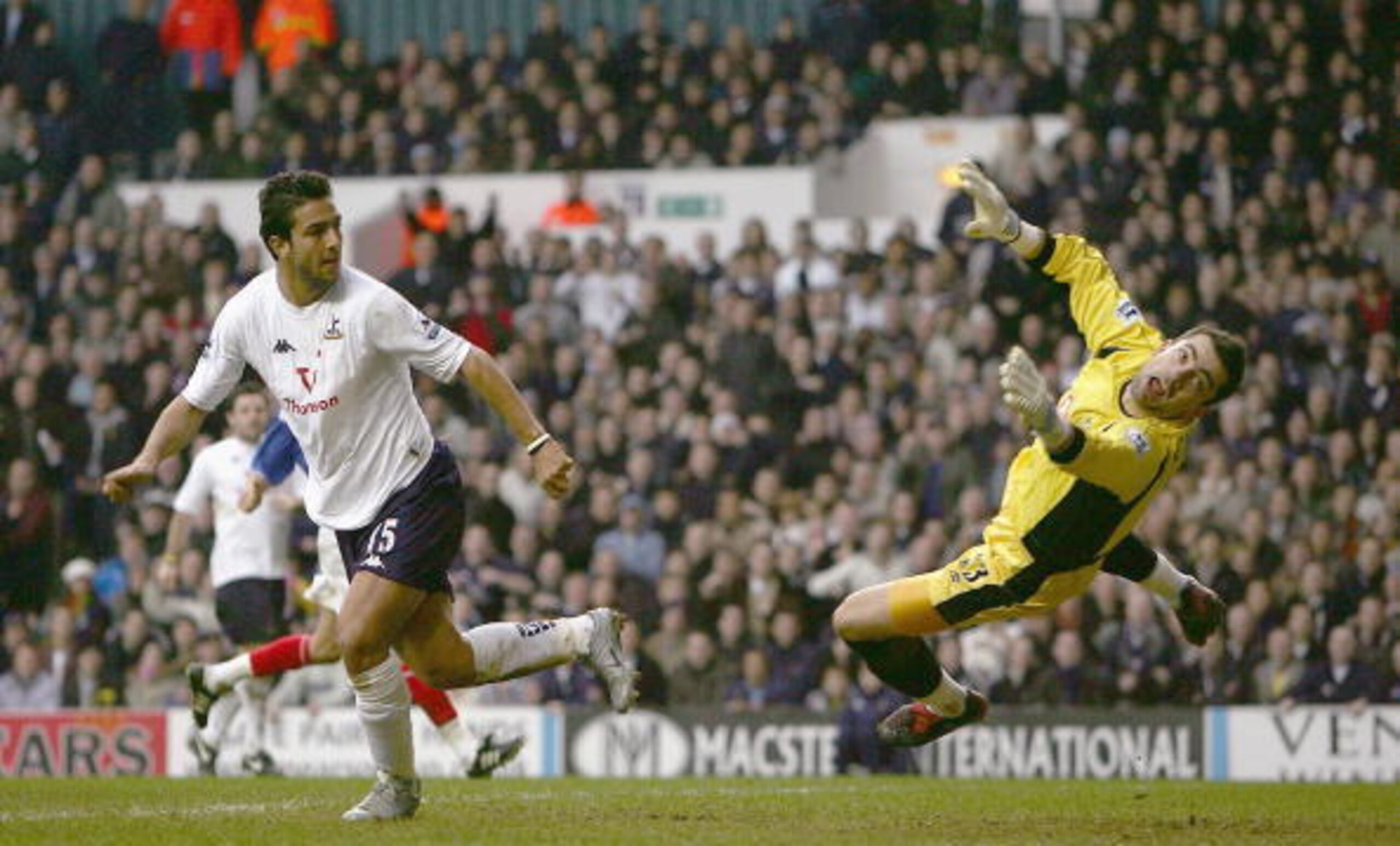
Strikers are an obvious choice for managers looking for a mid-season boost of goals to enhance a team's league position and give the fans something to cheer about. Tottenham's men in charge have gone down this route several times to semi-successful effect.
A lack of match fitness from a troubled spell with Roma precluded Mido from immediately following up his two-goal debut in 2005. Signed on an 18-month loan deal, the Egyptian was ready for the subsequent campaign.
Mido's 12 goals helped build momentum in Spurs' push for a return to European football, at least before a dip in form in the aftermath of a controversial dispute at the Africa Cup of Nations. He was signed on a permanent basis in summer 2006 but fell behind new signing Dimitar Berbatov in the pecking order.
Eidur Gudjohnsen proved to be a useful loan addition during Spurs' next legitimate hunt for Champions League football in 2010. He scored in a tough away win at Stoke and also helped the north London club to an FA Cup semi-final, in which they lost to Portsmouth.
The Iceland international was signed in part to replace the departed Robbie Keane, who had been brought back a year earlier. The Irishman's second spell at Spurs did not work out long term, but he did help Spurs move away from the relegation zone in the months after his return from Liverpool.
Michael Brown (2004), Carlo Cudicini (2009), Radek Cerny (2005) and Younes Kaboul (2010) led the other January signings to have had largely positive impacts on the club.
Of those to narrowly miss out on the worst list, Andy Reid (2005) and Danny Murphy (2006) just about escape because of goalscoring contributions to winning efforts during their stays. Both were also notably talented players for whom Spurs just did not quite prove the right fit.
Best: Jermain Defoe, 2004 and 2009
2 of 9
Since joining West Ham United as a teenager, all of Jermain Defoe's permanent transfers as an established professional have come mid-season. His status as one of the Premier League's better marksman of recent times tempted Sunderland into bringing him back from Toronto FC just this month.
Tottenham signed Defoe during the season on two occasions—in 2004 and 2009—and for that he takes up two of this article's "best" slots.
After half a season in the second tier following West Ham's relegation, Spurs caretaker manager David Pleat brought him back to the top flight. In exchange, the Hammers received £7 million and striker Bobby Zamora.
Spurs were struggling in 2003-04, barely keeping their heads above the drop zone. Defoe scored seven goals following his transfer to help steer his new club to safety.
From there, he was Spurs' top goalscorer in 2004-05, as they pushed up the table under Martin Jol. Starting opportunities became limited thereafter, as Dimitar Berbatov and Robbie Keane moved ahead of Defoe in the pecking order—though he still scored plenty of goals.
The continued lack of opportunities under Jol's replacement, Juande Ramos, saw Defoe join Portsmouth. He was there for just one year before his Pompey boss Harry Redknapp, recently installed as Spurs manager, had the popular striker rejoin him in north London.
The England international again helped Tottenham to safety. Over the next four-and-a-half seasons, he played a key part in sustained (and in one campaign, successful) challenges for a top-four place. He ultimately joined the ranks of Spurs' 100-plus goal men and also become their all-time top goalscorer in European competition.
Best: Michael Dawson, 2005
3 of 9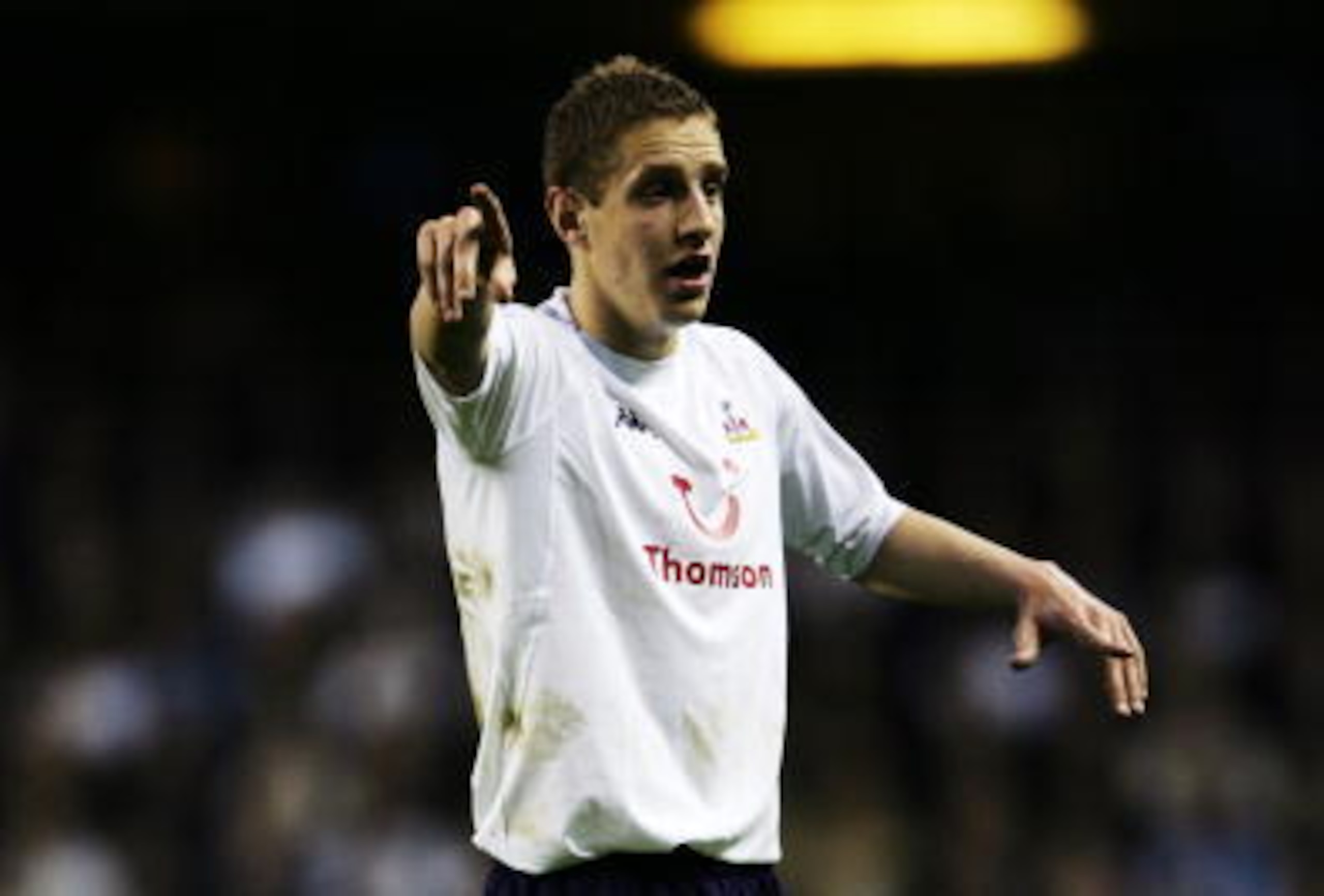
Michael Dawson left Tottenham last summer after nine-and-a-half years with the north Londoners. Rated as one of the best prospects outside of the Premier League, he and the aforementioned Reid joined in 2005 from Nottingham Forest.
"Michael is a great prospect, has captained England under-21s and outside his obvious playing talents, has a leadership quality in his personality," sporting director Frank Arnesen said at the time to Spurs' official website, here via BBC Sport.
"These are young players who will not only add to our squad now but will take us forward in the next couple of years."
Reid fell out of favour within a year, not so well equipped for the pacier midfield model heralded by the arrivals of Aaron Lennon and Wayne Routledge. Dawson did live up to Arnesen's prediction, though, becoming one of several young players who helped transform Spurs into a top-four-bothering side.
He got his chance late in 2004-05 and soon formed a strong centre-back partnership with Ledley King.
Still in his early 20s, Dawson at times struggled to account for King's frequent, injury-enforced absences post-2006. However, by the time Spurs qualified for the Champions League in 2009-10, the leadership qualities Arnesen had talked about had more than come to the fore.
Spurs supporters voted Dawson their player of the season for his efforts. He became club captain after King's retirement in 2012 and earned admiration when he proved his worth to Andre Villas-Boas after the new boss had initially dropped him.


Best: Jonathan Woodgate, 2008
4 of 9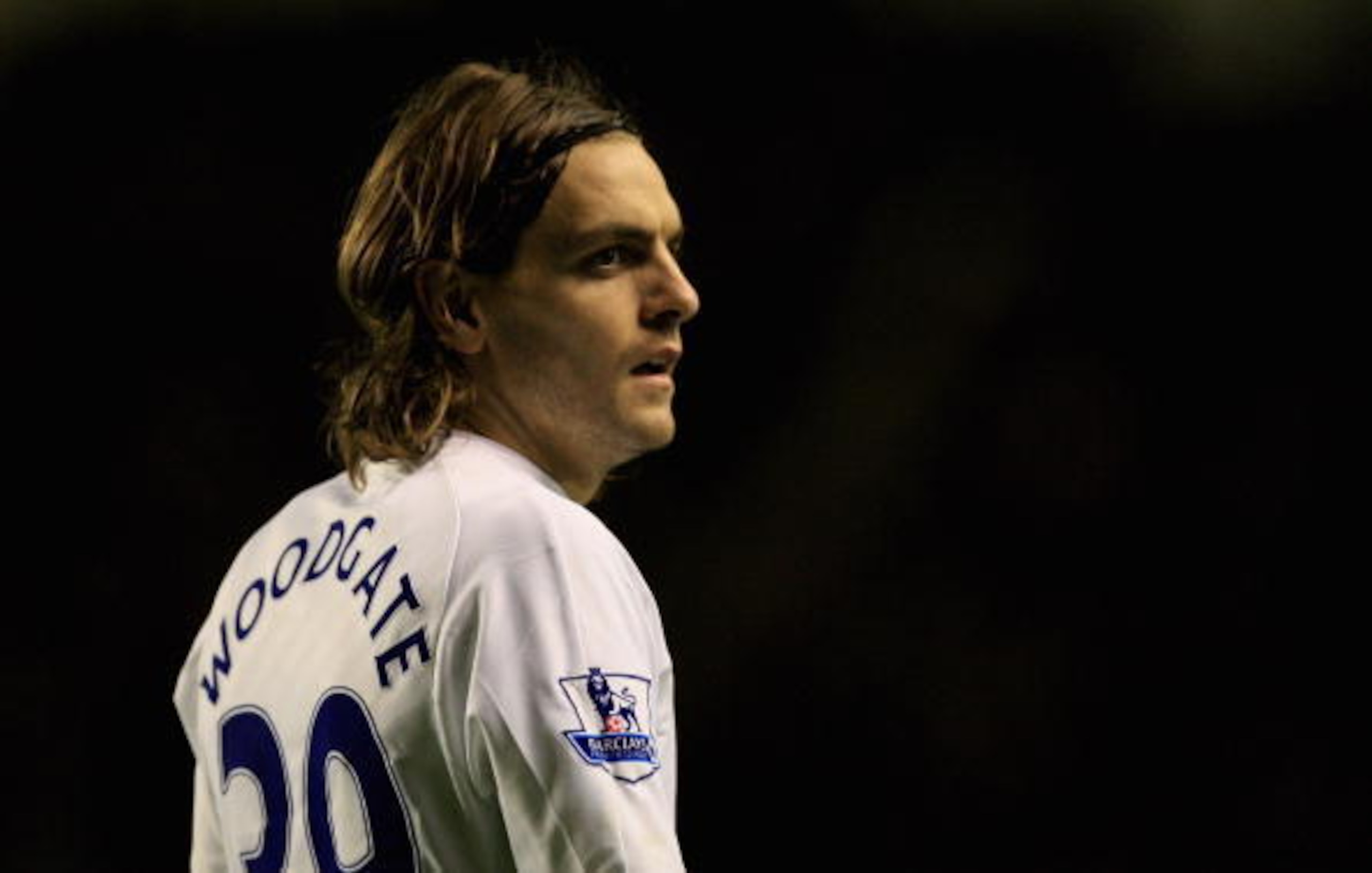
The injuries that have sadly blighted Jonathan Woodgate's career also ultimately derailed his time at Tottenham. Highly regarded from his spells with Leeds United, Newcastle United, Real Madrid and Middlesbrough, the centre-back featured throughout his first year-and-a-half, but his talent was all too fleetingly glimpsed in the capital thereafter.
Woodgate's part in Spurs' last major honour success more than earns him recognition as one of their best January transfer window captures, though.
The recent arrival from Boro replaced the injured Dawson in Ramos' starting XI for the 2008 League Cup final versus Chelsea—the first, incidentally, at the new Wembley Stadium.
Spurs went a goal behind to a Didier Drogba free-kick before Berbatov equalised in the second-half from the penalty spot. Tied at 1-1, the match headed into extra-time.
The Lilywhites won a free-kick just four minutes in. Jermaine Jenas launched it deep into the box and up jumped Woodgate to instigate the kind of release so rarely experienced by Spurs supporters on such occasions these days.
Goalkeeper Petr Cech could not connect and the defender guided the ball past him into the empty net. It proved to be the decisive goal.
Best: Wilson Palacios, 2009
5 of 9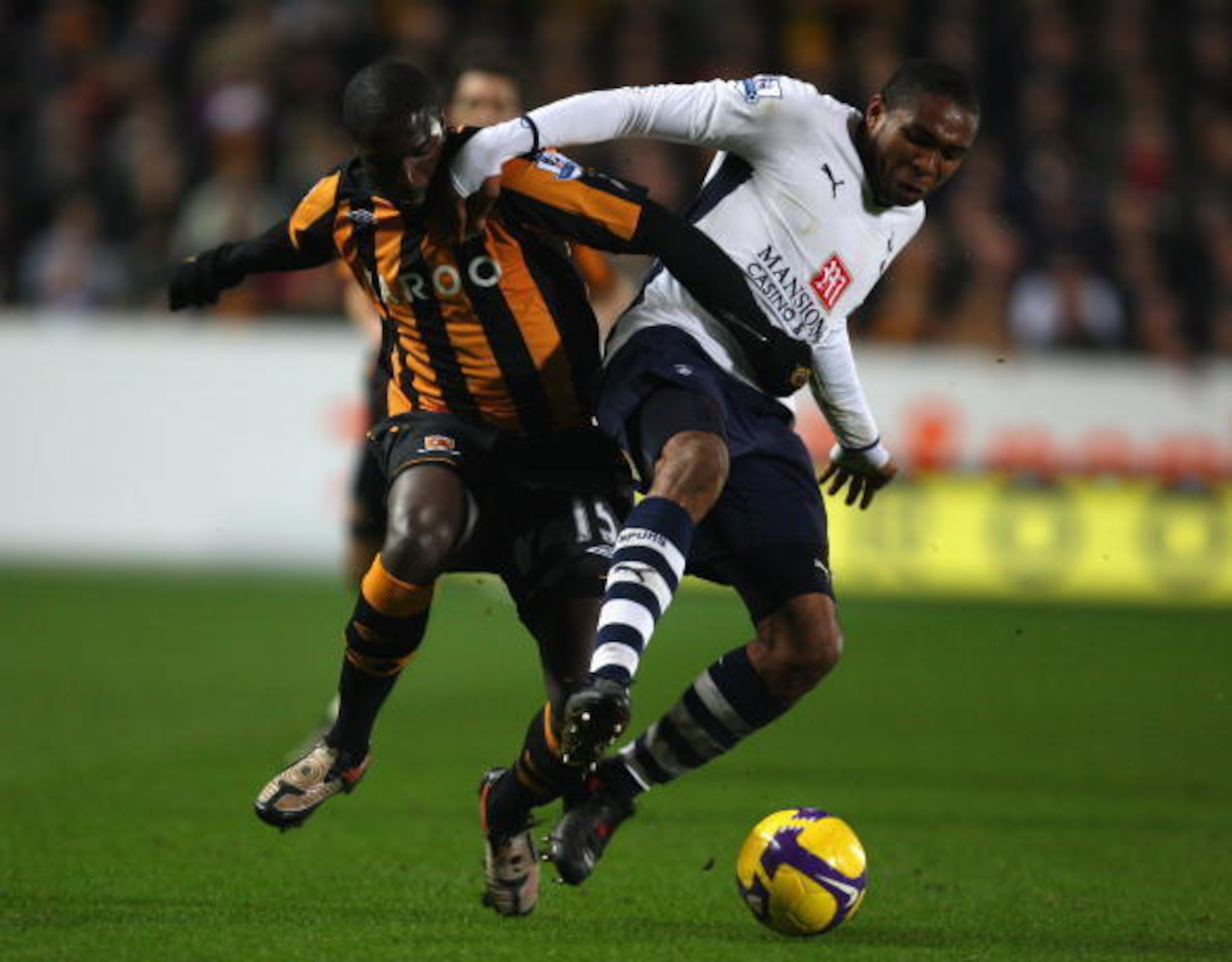
Wilson Palacios was one of Redknapp's five season-salvaging signings drafted in midway through 2008-09. Only he and Cudicini were new to Tottenham. Pascal Chimbonda, Defoe and Keane had all departed during the Ramos regime.
Goals and a little help at the back were certainly needed. Extra bite in the form of Palacios was also required for a team that had proved too soft and submissive all season.
Wigan Athletic had certainly benefited from the Honduran's sound positional placement and willingness to make a tackle. He had been a fixture of Steve Bruce's side that went on to finish 11th (something Latics, currently struggling in the Championship, would love to have now).
Redknapp had seen Palacios' qualities up close at the beginning of January in two encounters with Wigan. Spurs won their FA Cup clash but were shut out in the league a week later.
Duly signed, Palacios suffered a 3-2 defeat to Bolton Wanderers on his debut. He soon showed his mettle in a couple of games, which helped Tottenham finally turn around their season.
He played all 90 minutes in the 0-0 draw with Arsenal and the 2-1 win over Hull City. They were hard-fought encounters Spurs would maybe have lost months earlier. Palacios's presence ensured they were not so easily overwhelmed.
Safety secured, Spurs would quickly regain their confidence and just a little swagger. Palacios' defensive proclivity was still useful from time to time, but his limited comfort in possession was highlighted by the presence of technically proficient team-mates such as Tom Huddlestone and Luka Modric.
Palacios did enjoy one last significant showing in a Tottenham shirt. He was excellent alongside Sandro as Spurs beat AC Milan 1-0 in the Champions League in 2011.
Worst: Kazuyuki Toda, 2003
6 of 9
Tottenham had bought foreign players in the aftermath of the World Cup before 2003. Notably, Ossie Ardiles and Ricky Villa arrived in 1978 (fresh from winning the tournament). Ilie Dumitrescu, Jurgen Klinsmann and Gheorghe Popescu came in 1994.
Of those names, only Dumitrescu failed to adapt to the English game.
Kazuyuki Toda was signed by Glenn Hoddle on a year long-loan midway through 2002-3.
The midfielder had started all four of host-nation Japan's games in the previous summer's World Cup. Perhaps Hoddle had former team-mates Ardiles and Villa in mind when he handed a chance to the relative unknown.
"Toda is an immensely impressive midfielder and we are delighted to welcome him to the club," Hoddle announced, per BBC Sport.
"His addition to the squad will give us more options in this area, and I am sure the fans will quickly see the benefit of his strengths."
The latter statement did not come to fruition. Toda appeared just four times for Spurs, and three of those games were losses.
In a 2-0 defeat to Manchester United, the Japanese was outclassed by Roy Keane and Paul Scholes in the midfield battle. Tidy enough on the ball, Toda was just not prepared for the fierceness of the competition in England.
After a short stay in the Netherlands, Toda returned to Asian football.
Worst: Ricardo Rocha, 2007
7 of 9
Ricardo Rocha did not enjoy an auspicious start to life at Tottenham in 2007. In his second appearance, a League Cup semi-final second-leg against Arsenal, the defender was caught out for the Gunners' deciding extra-time goals.
Signed from Benfica, Rocha did settle down later in the campaign and helped Spurs finish a commendable fifth for the second season in a row.
Brought in to alleviate the numbers problem in central defence caused by King's injury issues, the Portuguese would soon sadly suffer his own fitness woes.
Within a year of joining Spurs, Rocha had played his last game for the club. By the time he got back to playing readiness his new boss, Ramos, was not interested.
Rocha left for Standard Liege in 2009. His time in England impressed enough for Portsmouth to bring him back soon after. But as far as his time at Spurs goes, it was not a success.
Worst: Gilberto, 2008
8 of 9
Gilberto da Silva Melo was one of four signings to arrive at Spurs in January 2008 as the squad was shaped for new boss Ramos.
Woodgate was a relative success, as recalled earlier. Alan Hutton did not live up to his initial billing but performed decently enough. Chris Gunter was worth a look, but has since found his level in the Championship.
Gilberto can always recall a contribution to a 4-0 win over London rivals West Ham, but the left-back did little else to endear himself to Tottenham.
In fairness, he could probably say the same about his English hosts.
The optimism created by the League Cup success just after his arrival did not last long in what proved to be a muddled reign for the Spaniard Ramos.
Gilberto was thrown into a team that, at its worst, was disheveled and listless. The Brazilian unsurprisingly struggled to acclimatise. Bar the odd moment—such as his goal against West Ham—he rarely impressed.
Ramos' replacement, Redknapp, used Gilberto a couple of times in the UEFA Cup a season later. But by then, the defender's heart was just not in it anymore.
Worst: Bongani Khumalo and Steven Pienaar, 2011
9 of 9
Steven Pienaar joined Tottenham in January 2011, full of hope and excitement about the prospect of playing with a side then in the Champions League.
"I’m delighted to be here," he told his new club's official website. "As a player, you want to play in a good team and challenge yourself and that’s what I always try to do as an individual."
In Pienaar's first few months, the signing from Everton achieved just that. He started both legs of Spurs' Champions League round-of-16 win over AC Milan and competed with Gareth Bale and Niko Kranjcar for game time out on the left flank for the season's remainder.
Despite some initial optimism, the challenge of earning a place in this aspirant Tottenham team soon gave way to frustration.
Redknapp was loath to leave the increasingly prominent Bale out of his team. Unfortunately for Pienaar, he could not accommodate him elsewhere.
In 2011-12, Pienaar appeared only seven times and was soon on his way back to Everton. Chances proved more forthcoming back on Merseyside, where he quickly re-established himself.
One of the reasons Pienaar stated for initially coming to Spurs was the good word put in for the club by another recent recruit—fellow South Africa international Bongani Khumalo.
The defender had enjoyed a successful time with SuperSport United back home and hoped to achieve plenty in England too.
"I want to win games here, I want to win titles—that’s what the game’s about," he told Spurs' official website. "I’ve been fortunate to experience some success in my career back home lifting trophies and I would like to do the same here."
Khumalo did temper his stated ambition with an admittance of the challenge ahead. Unfortunately, the experience has proved more difficult than he would have anticipated. In four years at Spurs, he not played for the first team.
The meantime has seen him go on four different loan spells—three in the Football League, one in Greece. It was understood Khumalo would need time to familiarise himself with the English game, but he would have hoped to have earned his chance at Spurs by now.
Recently recovered from a long-term knee injury, his contract (going by a UEFA.com article from 2011) is set to expire this summer and seemingly with it his Tottenham dream.
.jpg?w=2560 "Seahawks Chiefs Football")






