

Red Bull Should Not Be Underestimated Ahead of 2015 Formula 1 Season
Not since 2009, the year of their first grand prix win, have Red Bull Racing entered a Formula One season surrounded by such little fanfare.
The team who ended the 2014 campaign last November is not quite the same outfit who will begin 2015 at the season-opening Australian Grand Prix in March.
Gone is Sebastian Vettel, the face of Red Bull's four consecutive championship victories, with the polished German replaced by the mere potential of Daniil Kvyat, the 20-year-old Russian.
TOP NEWS
.jpg?w=2560 "Seahawks Chiefs Football")
Chiefs, Steelers Eye WR Trades

J-Dub, Wallace May Miss Entire Season
Alexia Wins Ballon d'Or 🏆
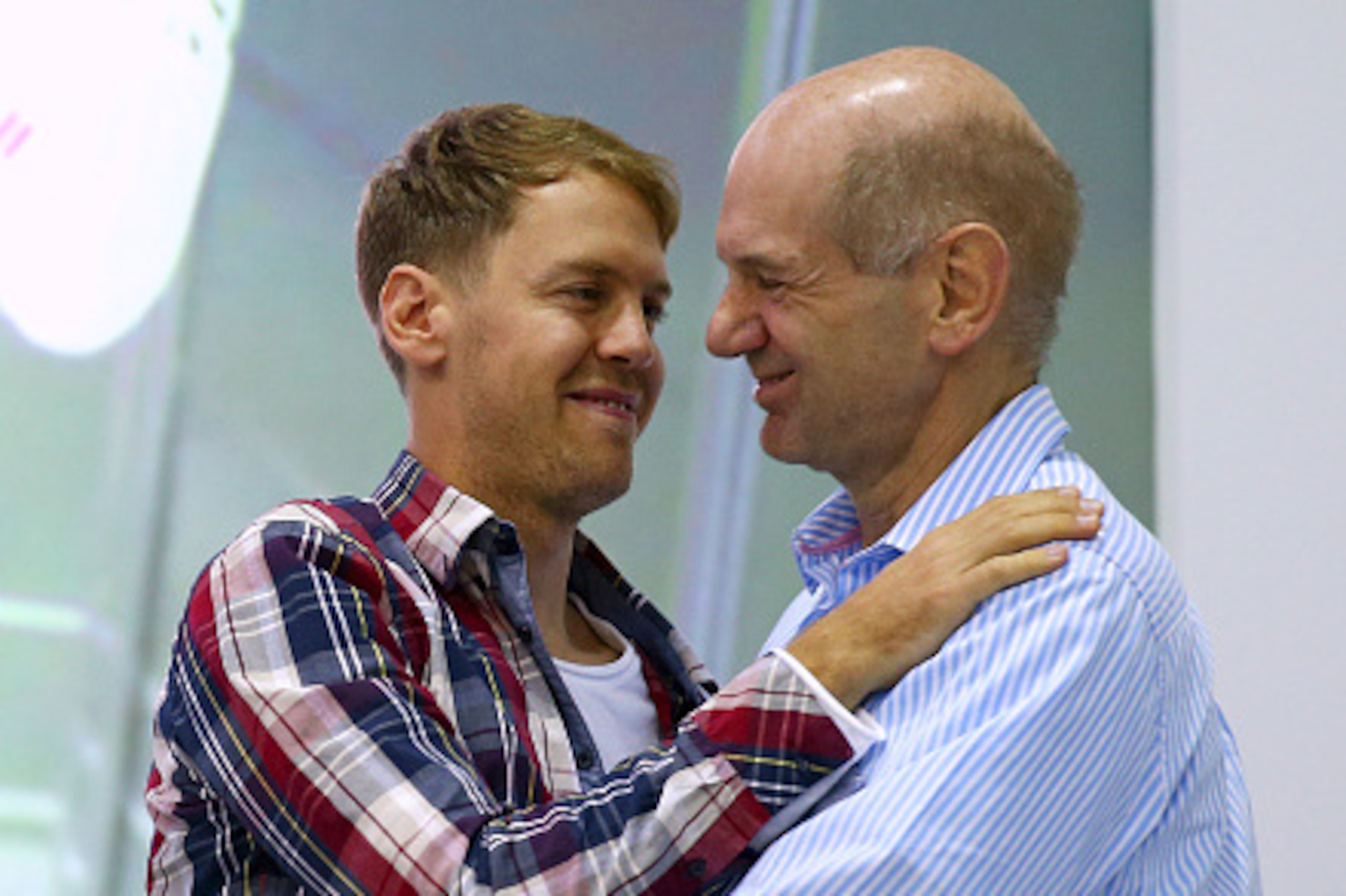
Meanwhile, chief technical officer Adrian Newey and race engineer Guillaume Rocquelin—integral members of Vettel's glory gang—will begin new roles within the organisation this year, marking the end of an era.
Those changes alone have made Red Bull a blander, less attractive operation than they were just 12 months ago, with the actions of their rival teams only enhancing that feeling ahead of the new season.
Ferrari, Vettel's new employers, have embarked upon an aggressive restructuring strategy under the stewardship of new team principal Mauricio Arrivabene in their desperation to return to the top of F1.
Mercedes, who inherited Red Bull's place as the sport's dominant team last season, will be hoping to exceed the achievements of 2014's W05 Hybrid car as Round 2 commences between Lewis Hamilton and Nico Rosberg.
And McLaren—with the great unknown that is the new Honda power unit and arguably the strongest driver pairing on the grid in Jenson Button and marquee signing Fernando Alonso—must fancy their chances of returning to the top step of the podium for the first time since 2012.
There is a certain buzz and a sense of excitement, anticipation and focus around Formula One's iconic teams that is, strangely, no longer attached to Red Bull.
With the company, unlike the Ferraris and McLarens of this world, hardly woven into F1's fabric, there was always a chance that—when that wave of unprecedented success came to an end—there would come a point when the bubble would burst and Red Bull would become a fading force.

And although, due to the departure of Vettel and Newey effectively entering semi-retirement, we may just be witnessing the initial signs of Red Bull's fall, the Milton-Keynes team should not be underestimated heading into the 2015 season.
Newey himself has admitted to Sky Sports' Pete Gill that it will be "very difficult" for Renault, Red Bull's engine supplier, to produce a power unit of the standard of Mercedes in 2015.
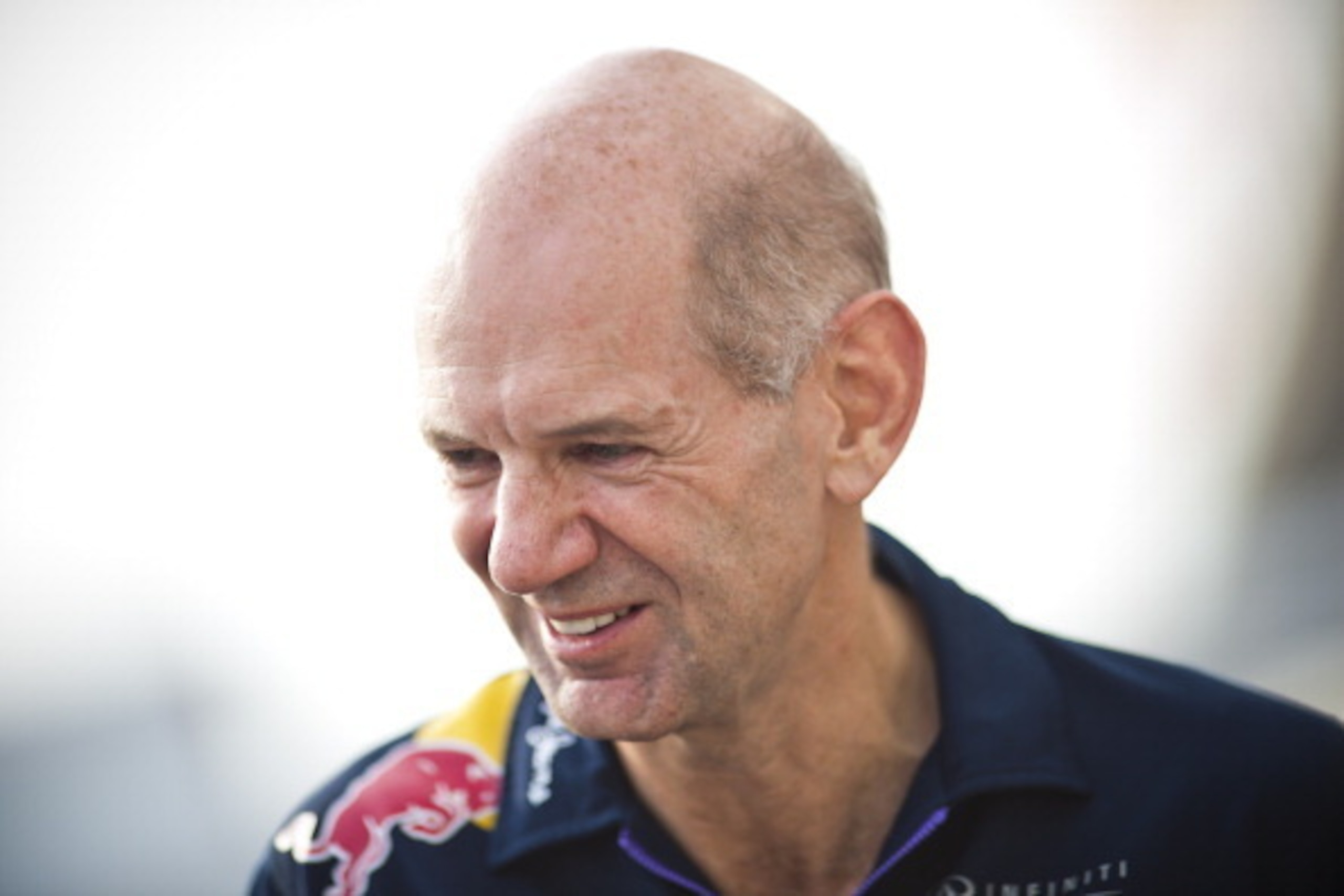
Indeed, it will be a near-impossible task if—as Auto Motor und Sport (h/t motorsport.com) have claimed—Mercedes have already found an extra 50 horsepower for 2015.
Yet as Newey alluded to Gill, "a slightly weaker engine" can be rescued by a "superior chassis."
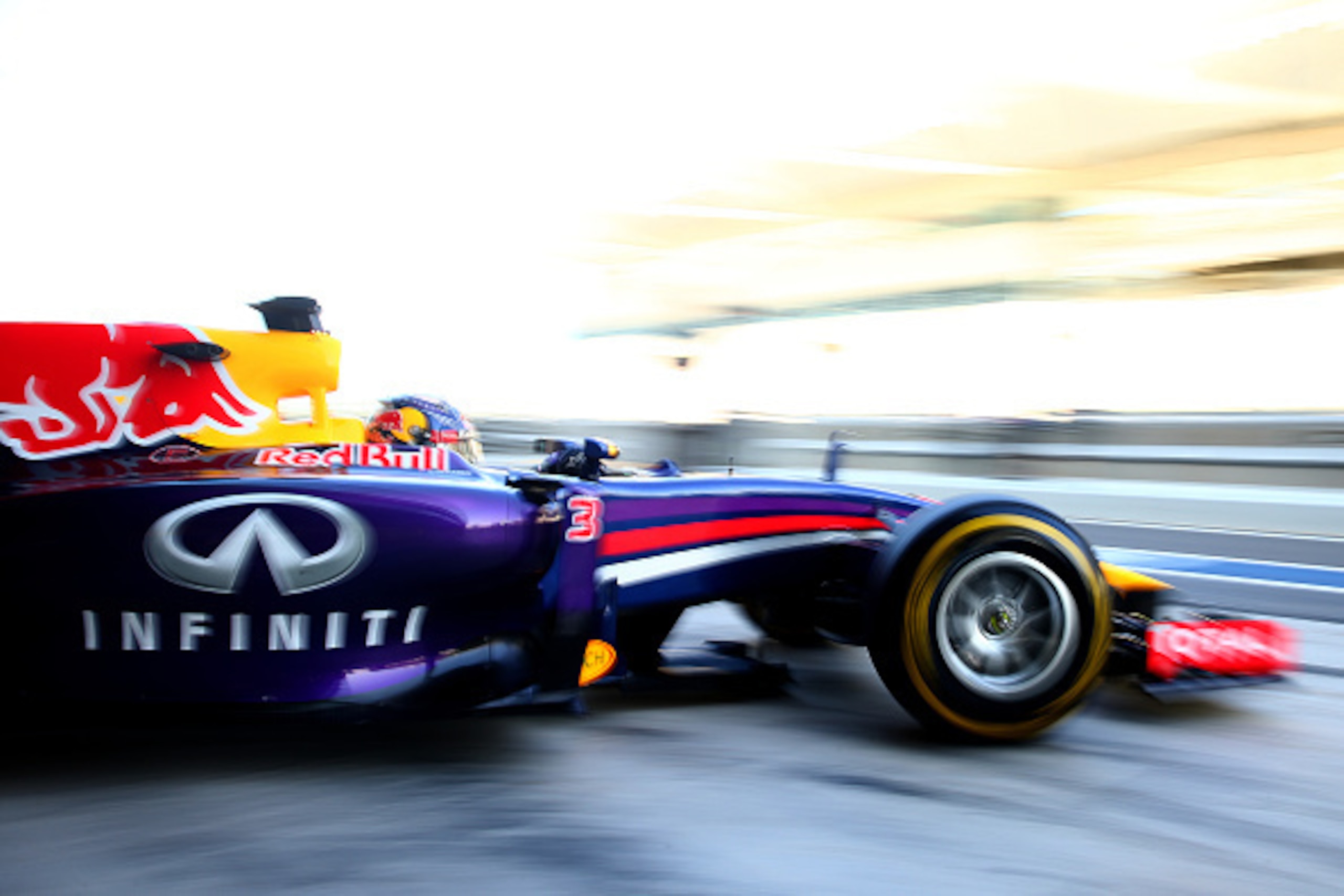
And with team principal Christian Horner telling ESPN F1 that Newey—arguably the finest technical brain in F1 history—has "overseen the design" of the RB11, the outfit's 2015 machine, Red Bull are almost certain to have the strongest car on this year's grid from an aerodynamic perspective.
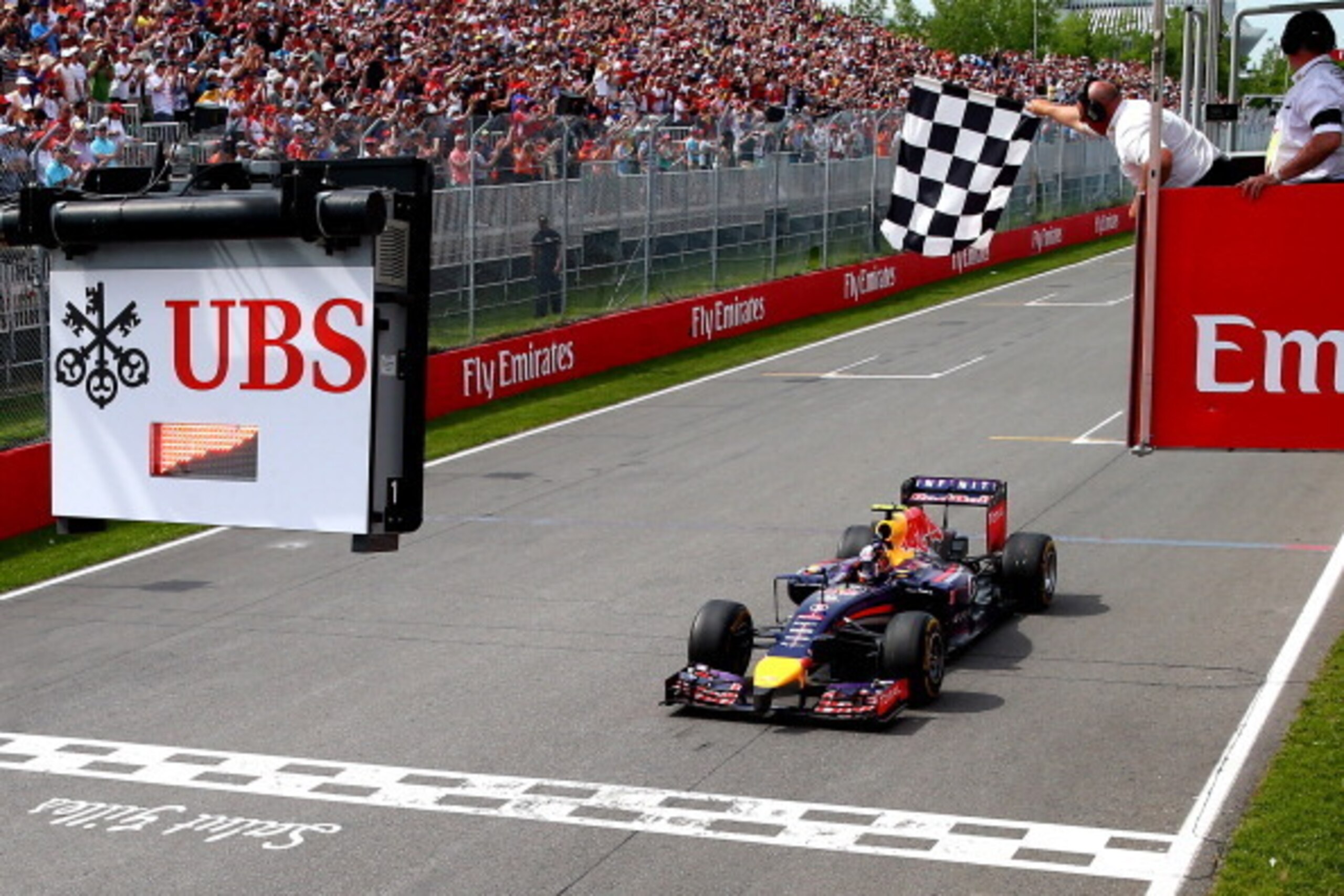
Despite losing their status as world champions in 2014, Daniel Ricciardo's three expertly taken wins in Canada, Hungary and Belgium showed that Red Bull still retain the aura of a formidable sporting team.
Masters of the art of winning, claiming a half-century of grand prix victories in the space of just six seasons, Red Bull have developed the habit of snatching triumph from the jaws of defeat, a trait which characterises the most relentless of competitors.
Not only does that provide the team with extra confidence, it can meddle with the thinking processes of their rivals, who compete with the trepidation that one mistake or one instance of bad luck could lose a race.
The Mercedes' drivers suffering technical problems in Montreal, the safety car being deployed at just the right time at the Hungaroring and Rosberg colliding with Hamilton at Spa were all examples of the ever-shrewd Red Bull team picking up the pieces and winning races that, in normal conditions, they had no right to.
In winning those three grands prix, becoming the only non-Mercedes driver to win a race in 2014, Ricciardo established himself as Red Bull's team leader as Vettel struggled to get to grips with the new-spec cars and eventually fled to Ferrari.
Great title-winning teams are often built in the image of their No. 1 drivers—think Michael Schumacher's effect on the Scuderia between 1996 and 2006—and it could be that Red Bull's understated stance this winter is, in part, a result of Ricciardo's rise.
Vettel's Red Bull, after all, was at its peak a reflection of the man himself.
For Sebastian defying team orders to overtake Mark Webber in Malaysia 2013, see Red Bull ignoring the FIA's fuel flow requests in Australia 2014.
For the driver pushing Alonso off the track at Monza in 2012, see the team being excluded from qualifying at the Abu Dhabi Grand Prix for illegal front wings.

Ruthless. Selfish. Cold.
But now? Now it's all about Daniel.
Just as Ricciardo quietly hung on to the coattails of Hamilton and Rosberg at the mid-season stage last year, threatening to creep up on the Mercedes drivers and take their title away, Red Bull are currently operating under the radar as Ferrari and McLaren, in particular, capture the pre-season imagination.
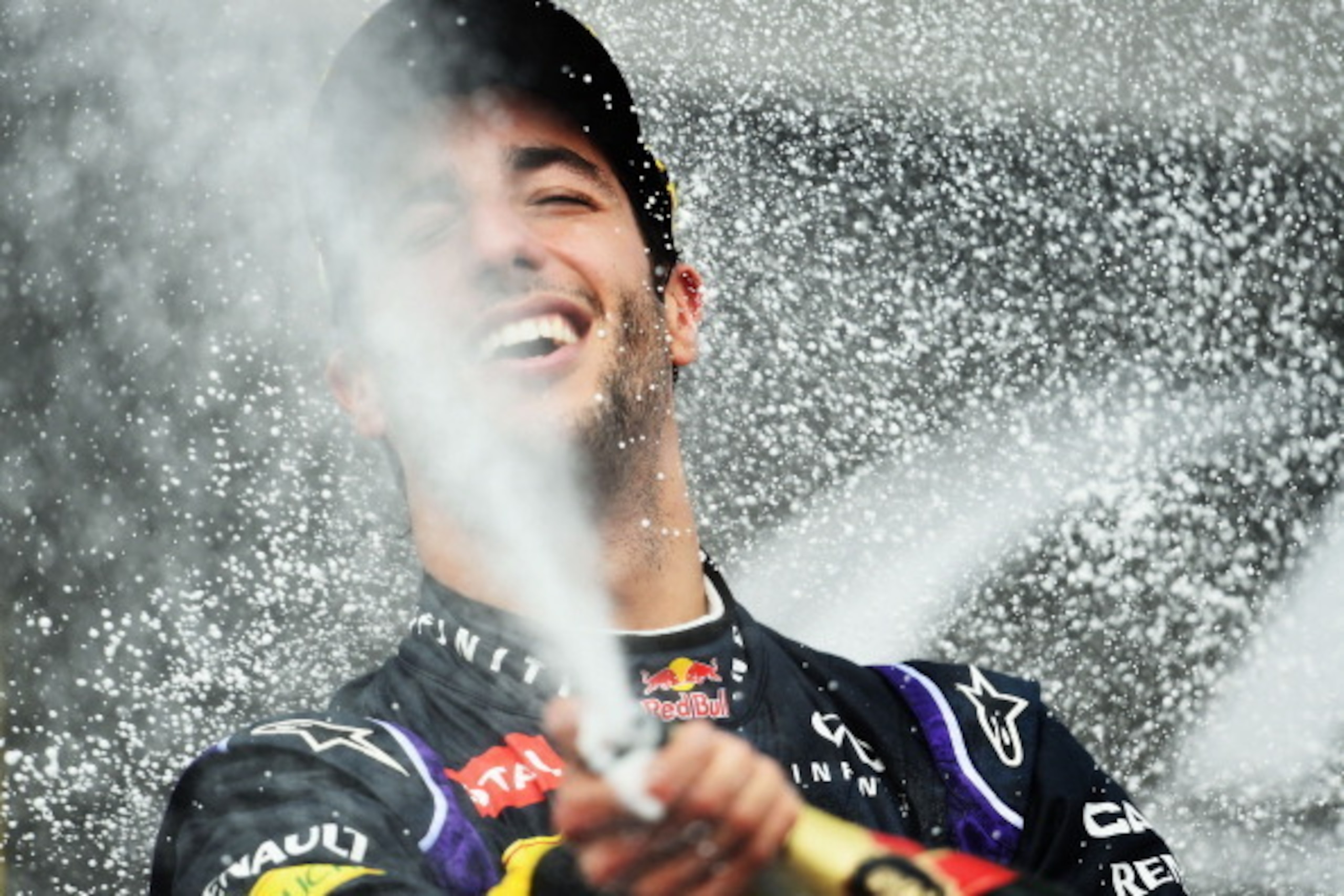
It might seem bizarre to refer to a team who have won both the drivers' and constructors' championships in four of the last five seasons as a dark horse, but it should suit Ricciardo's Red Bull just fine.
Don't count them out in 2015.





.jpg?w=2560 "WWE Raw Live Grades 🔠")