
10 Controversial Club Punishments in World Football History
Newspapers and television stations revel in the scandals fed to them by errant football players. Controversy and intrigue makes up a large part of media coverage, but it is by no means just those out on the pitch, or indeed those coaching them from the sidelines, who can step out of line.
Just as a two-footed tackle or swift elbow will be punished by the sport's authorities, clubs can expect the same when they step out of line. Often, the sentences handed down by those in charge can cause great uproar indeed, as can the crime and misdemeanours that provoke those punishments.
From match-fixing scandals to supporter deaths, three-point deductions to bans on travel and stadium shutdowns, here are 10 of the most memorable club sanctions imposed across the world of football.
Hatters Maddened by Draconian Penalty
1 of 10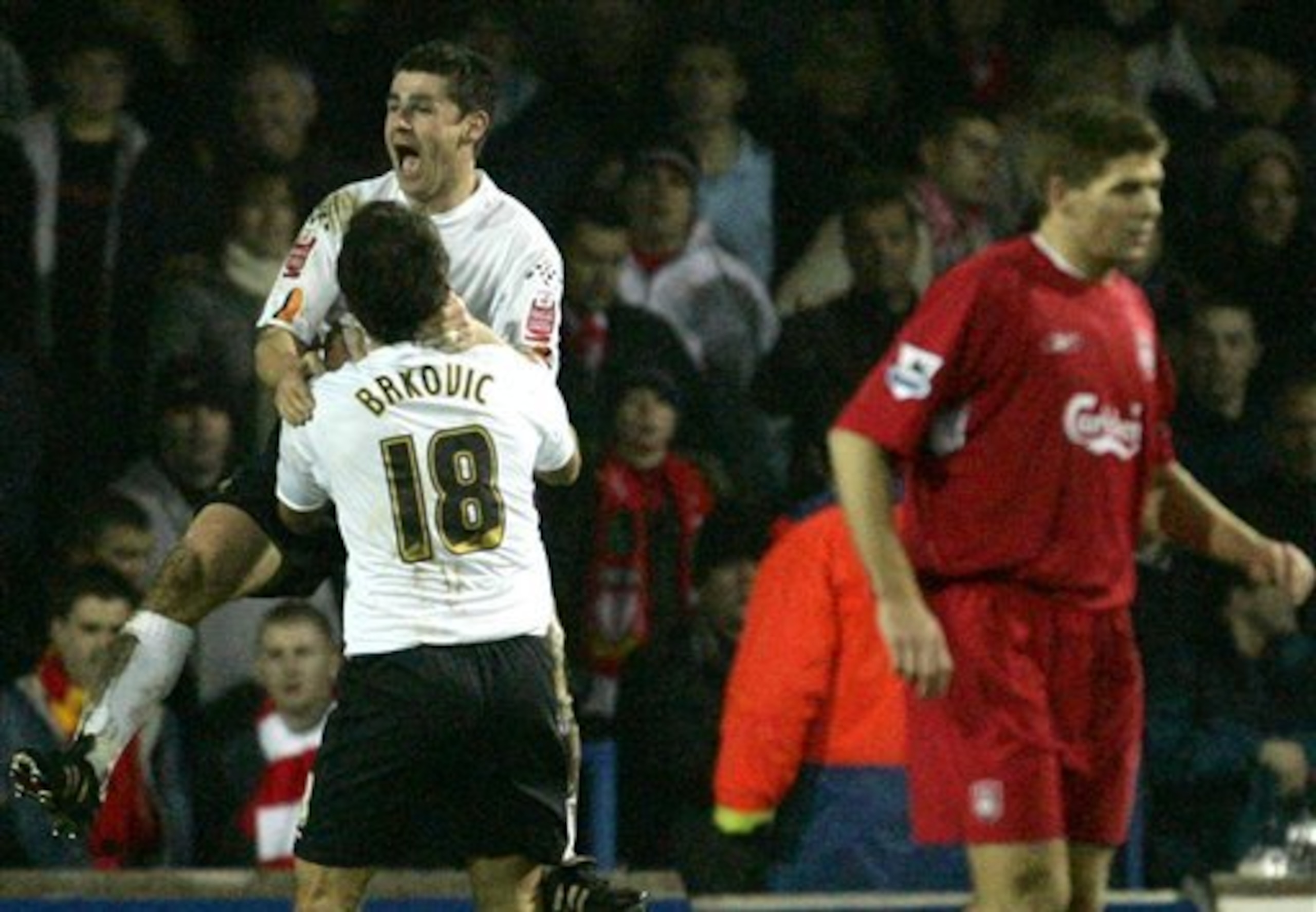
As mountains go, few in the history of football have been harder to climb than than the disadvantage with which Luton Town started their 2008/9 League Two campaign. Found guilty of an array of financial misdealings and discrepancies, as documented by ESPN, the Hatters had to be made an example of.
The punishment handed down was extreme: Luton started the season with a massive 30-point deduction. The English side enjoyed a solid season, even lifting the Johnstone's Paint Trophy, but the penalty was too severe to overcome and they fell into non-league football for the next five years.
Leeds United Rise out of Tainted Ashes
2 of 10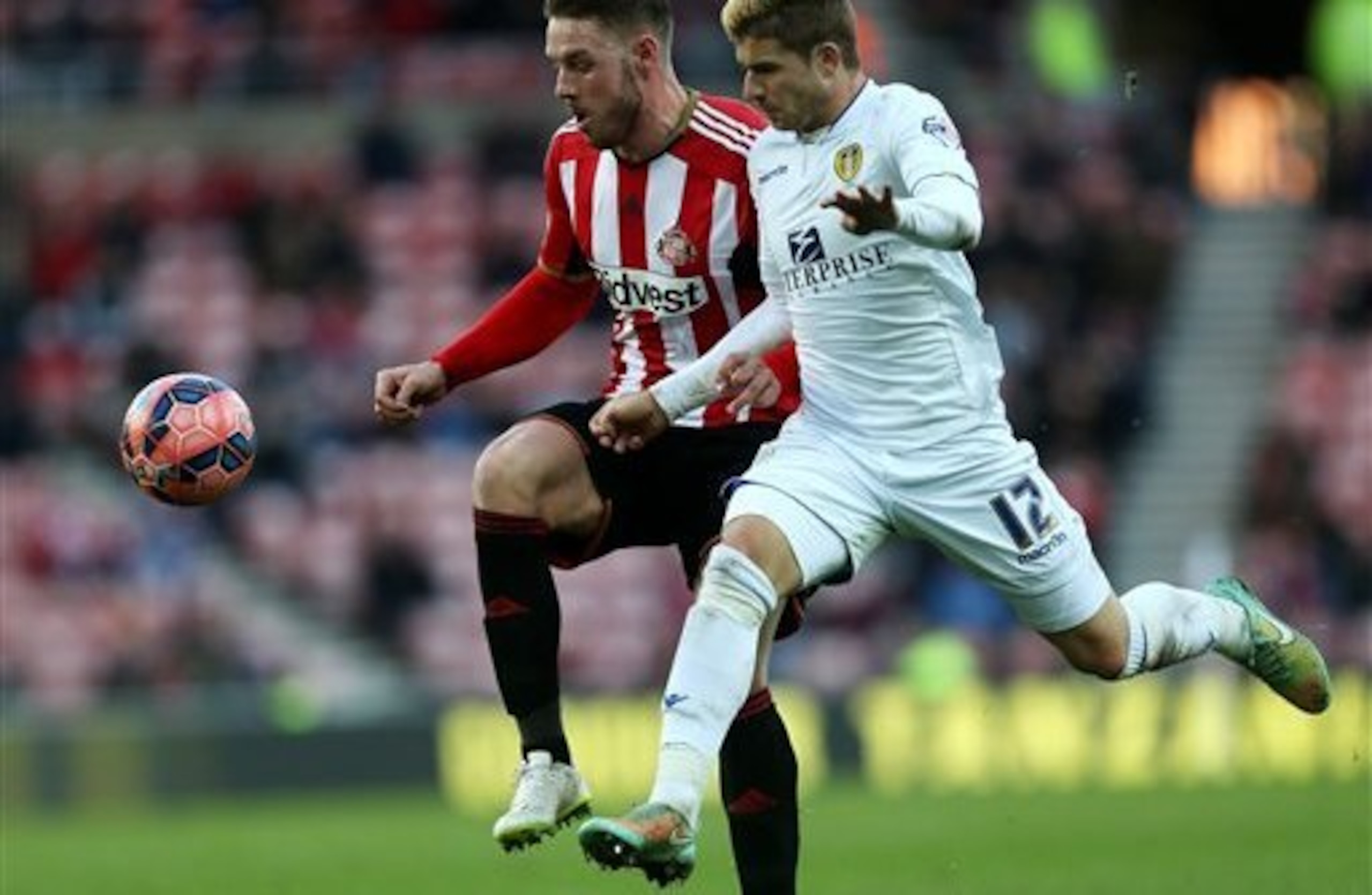
Illegal payments, strange results and suggestions of foul play are nothing new in the club game. Indeed, one of England's historically strongest clubs, Leeds United, was born out of the mess left by a rather crooked predecessor in the South Yorkshire city.
Leeds City had, up to 1919, reached only as far as the old Second Division, but having hired later Arsenal great Herbert Chapman as manager prior to the First World War and finishing fourth, there were signs that the city's strongest side was on the up. Eight games into the 1919/20 season, however, disaster struck.
As chronicled by the Mighty Leeds fansite, City were weakened first by conflicts among the board of directors and later by allegations of financial mismanagement. Accusations that the club had paid their players during the war, strictly against FA rules, put them further in trouble.
Just eight games into 1919/20 the club were thrown out of the Second Division and disbanded, the only team in English history expelled in the middle of a season. Port Vale took over the club's remaining fixtures, while new club Leeds United would take over the city mantle the following year.
L'OM: From European Champions to Ligue 2
3 of 10
At the beginning of the 1990s no French team had ever won the European Cup. Stade de Reims had come closer than anyone, but in two final appearances in 1956 and 1959, the team inspired by masterful goalscorer Just Fontaine came up short against Alfredo Di Stefano's all-conquering Real Madrid.
Marseille would eventually go one step further in 1993, as the southern French club bankrolled by larger-than-life Bernard Tapie downed Milan to win in the final. But L'OM's triumph will always carry an asterix by its side for most football fans, tainted by what was to come next.
Just one year after Basile Boli's winner in the European Cup, Tapie and Marseille faced accusations that several Valenciennes players had been bribed in order to ensure an easy ride domestically, per New York Times. The punishment was severe.
The club were stripped of their 1992/92 Ligue 1 title, and sent down to the second tier. Tapie also spent time in jail, but the Champions League remained in Marseille's trophy cabinet.
.jpg?w=2560 "Saints Cowboys Football")

Tevez and Masche Get Hammers in Trouble
4 of 10
The 2006/7 season was enlightening for the Premier League in more than one way. Not only was the league introduced to the talents of Carlos Tevez and Javier Mascherano, the international pair who appeared at perennial mid-table strugglers West Ham, but the phrase "third-party ownership" also entered everyday use.
Both Argentinian stars' contracts belonged to outside investors, which made their extrication from Corinthians and across the Atlantic all the more easy when the time was right. But it also threw up all sorts of legal implications for the Premier League, worsened when Mascherano promptly moved on loan to Liverpool after just months at Upton Park, per BBC Sport.
Having only avoided relegation on the final day of the season thanks to Tevez's strike, the Hammers' fate would have been sealed with a points deduction. But the FA let them off the hook, partially; no points were removed, but West Ham had to pay a massive £5.5 million fine for their actions.
Death and Deductions in Nueva Chicago
5 of 10Even in the passion-soaked, often violent world of Argentinian football, the fans of Nueva Chicago merit extra care. No supporters relish an away day in Mataderos; indeed, such are tensions within the club that rival factions of the barra brava hooligans stand in different sections of the stadium, separated by armed police to avoid confrontations.
But in 2007, the club stepped over the line. A poor season meant Chicago were forced to play Tigre in a play-off to avoid relegation to the second-tier B Nacional. When the team was 3-1 down on aggregate in the second leg, all hell broke loose as fans invaded the pitch, attacking both Tigre and Chicago players as well as stealing their clothes.
The celebrating away fans were then set upon. As ESPN Deportes (in Spanish) recalls, Tigre follower Marcelo Cejas was hit by a brick thrown by Chicago thugs, and later died of his injuries. An eventual 18-point deduction for the next season, banishment from their home stadium for a whole year and another drop in 2007/8 was the result of that tragic encounter.
Portuguesa's Polemic Relegation
6 of 10
Compared to many of the punishments on this list, a four-point deduction for Portuguesa in Brazil's 2013 Serie A stands as one of the mildest. But the fact that those lost points meant the club, and not Rio de Janeiro giants Fluminense, went down to Serie B caused great controversy.
Having finished in the relative safety of 12th place, Portuguesa looked forward to another year among Brazil's strongest clubs. But the Brazilian Sports Court, as reported by Goal.com, came down heavily on the team for having mistakenly fielded a suspended player, Heverton, in their final match.
The stipulated punishment in such cases for Brazil clearly reads a three-point penalty, which would have been enough to keep Portuguesa afloat. But to the club's outrage, another point was added to the deduction, taking away the result in which Heverton had played, and sealing their fate.
The four points were just enough to put the Sao Paulo institution down past Fluminense and into the second division. To make matters worse, Portuguesa suffered another drop at the end of 2014, this time in more orthodox circumstances, and will this year play in the depths of Serie C.
English Clubs Kicked out of Europe
7 of 10
While Liverpool were ostensibly the club responsible, the famous decision to kick English teams out of European competition in 1985 affected all teams. Even more strangely, the order was made by the nation's Football Association under great pressure from "Iron Lady" prime minister Margaret Thatcher.
As the BBC recalls, 39 people lost their lives in that year's Heysel disaster, during a charge from Liverpool fans in the European Cup final against Juventus. The FA and Thatcher's response was to exclude clubs from competition for a total of five years, with Liverpool given an extra year for their part in the tragedy.
"We have to get the game cleaned up from this hooliganism at home and then perhaps we shall be able to go overseas again," the prime minister said at the time, confirming the heavy sentence that affected an entire nation.
Juventus Calciopoli Relegation
8 of 10
Match-fixing scandals are nothing new in football. But they rarely ensnare the biggest players in the sport. In 2006, however, Italy was rocked as the Old Lady herself, Juventus, became involved in the highest-profile scandal, known across the world as "Calciopoli."
Milan, Juve, Lazio and Fiorentina were the biggest names in the controversy, which, as James Burke explains for The Guardian, revolved around the influencing of referee designations in Serie A. Milan escaped with an eight-point deduction, while the other three were sentenced to relegation.
Of the trio, however, Juventus (who would have played C1 football under the original ruling) were the only side who eventually played in Serie B, with a nine-point deduction to boot.
Despite their disadvantage, the Old Lady made a swift return to the top flight, where with three straight Scudetti, Turin dominance was swiftly restored.
Rangers Sent Down to the Basement
9 of 10
Alongside eternal city rivals Celtic, Glasgow Rangers are one of Scotland's most illustrious football names, making up one half of the fierce Old Firm. With 54 titles, the Gers hold the world record for most leagues won.
All that history, however, counted for little in 2011/12 when financial trouble led to a meltdown at Ibrox. A corporate restructuring and a new holding company, as reported by the Daily Record, did not save Rangers from a humiliating punishment handed down by other clubs.
A vote of the Scottish Premier League members blocked entry to the top division, and those teams who make up the Scottish Football League pyramid sealed the heavyweight's fate. Rangers would be sent down all the way to the third division, and the current season finds the giants still one division off the Premier League.
Middlesbrough Point Deduction 1997
10 of 10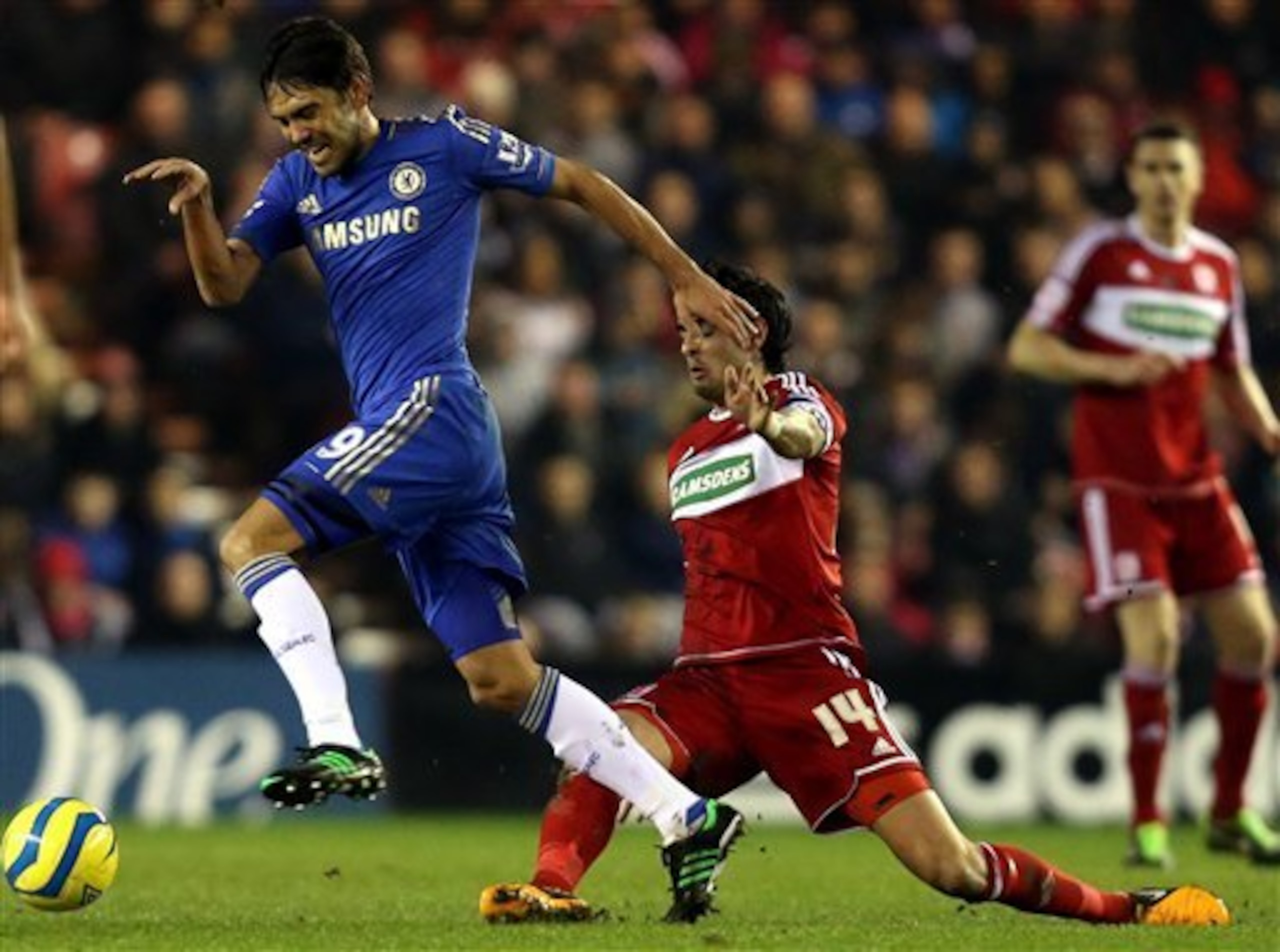
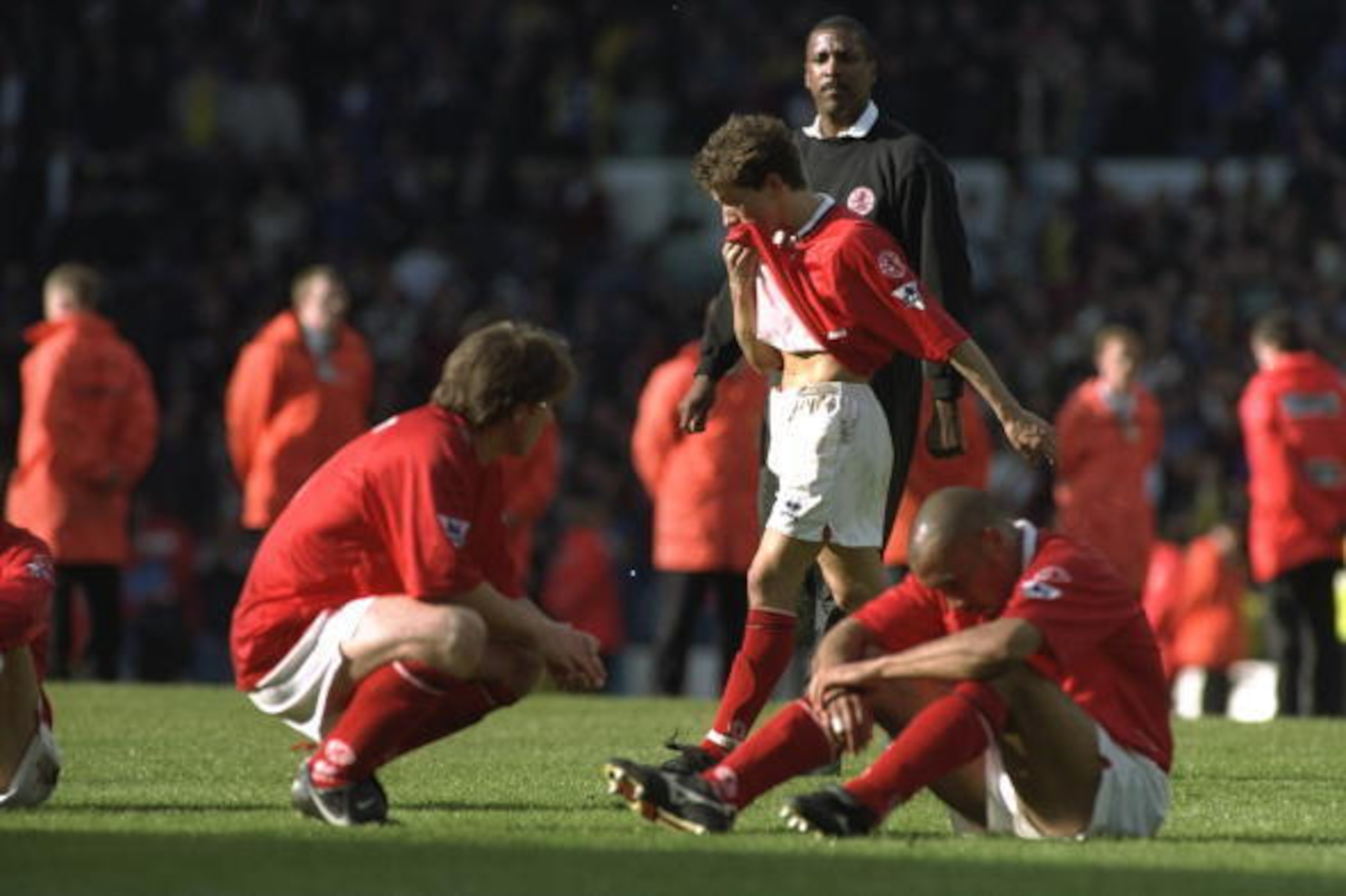
Football coaches are liable to blame all manner of events for failure. Putting the responsibility on a mass flu outbreak is a stretch; but that is exactly what sealed Middlesbrough's Premier League fate 18 years ago to the day in an unbelievable piece of misfortune.
The Independent reports that on December 21, 1996, Boro illegally called off a game against Blackburn Rovers with less than 24 hours notice. The club claimed at the time that 23 players were out sick, injured or suspended, giving them little to no chance of success in what was already shaping up to be a crunch relegation clash.
The FA did not agree with the Teessiders' reasoning. A three-point deduction further hurt the club's bid to stay up, and those points proved crucial as Boro went down just two points shy of safety, and with a better goal difference than those above them.

.jpg?w=2560 "Aiyuk Slammed by Ex-Teammates 😬")


.jpg?w=2560 "Josh Jacobs Can Play in Week 7")
.jpg?w=2560 "Ranking Tarik Skubal's Top Landing Spots 🛬")