

Where Can Tottenham Hotspur Improve Defensively in 2015?
Tottenham Hotspur's defensive work in 2014 is probably best described as fluctuating.
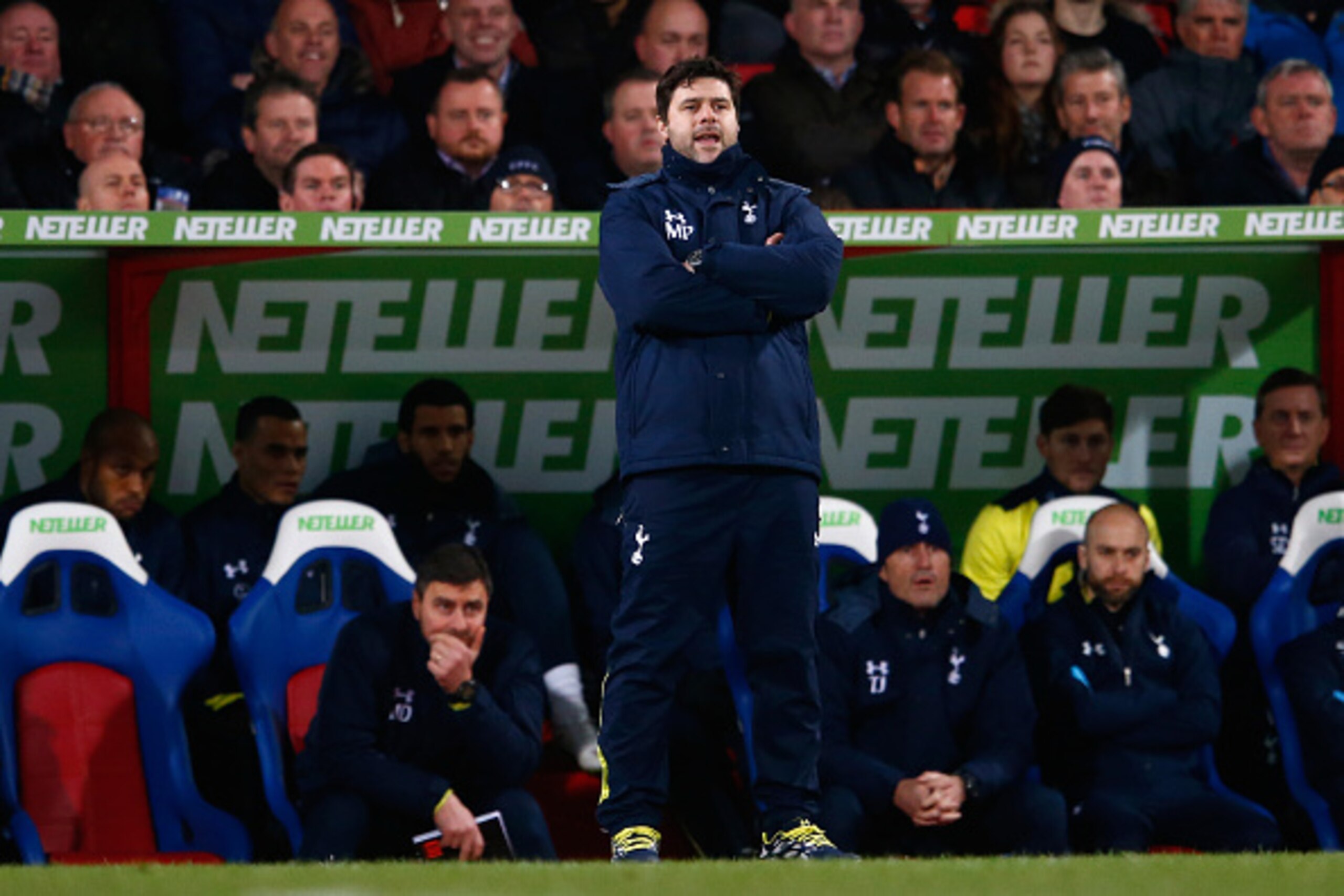
Having inherited the issues that informed this inconsistency, current head coach Mauricio Pochettino will naturally want to improve things in 2015. Positively, there have been signs he is on the right track.
The pairing of Federico Fazio and Jan Vertonghen at centre-back—after a period of rotation involving them, Vlad Chiriches and club captain Younes Kaboul—has unsurprisingly seen Tottenham look more solid.


.jpg?w=2560 "Seahawks Chiefs Football")
Familiarity among a defence is a basic tenet of the position. It is the attribute that allows its parts to function cohesively, well aware of where the others stand and how they are likely to react to a situation. It covers for mistakes and can be an antidote for exhaustion (certainly useful this time of year), giving a team its best chance of stopping some of the most dangerous attacks around.
Spurs' best spells in recent years amid the Premier League and Europe's elite have come when this is the case, especially in central defence.
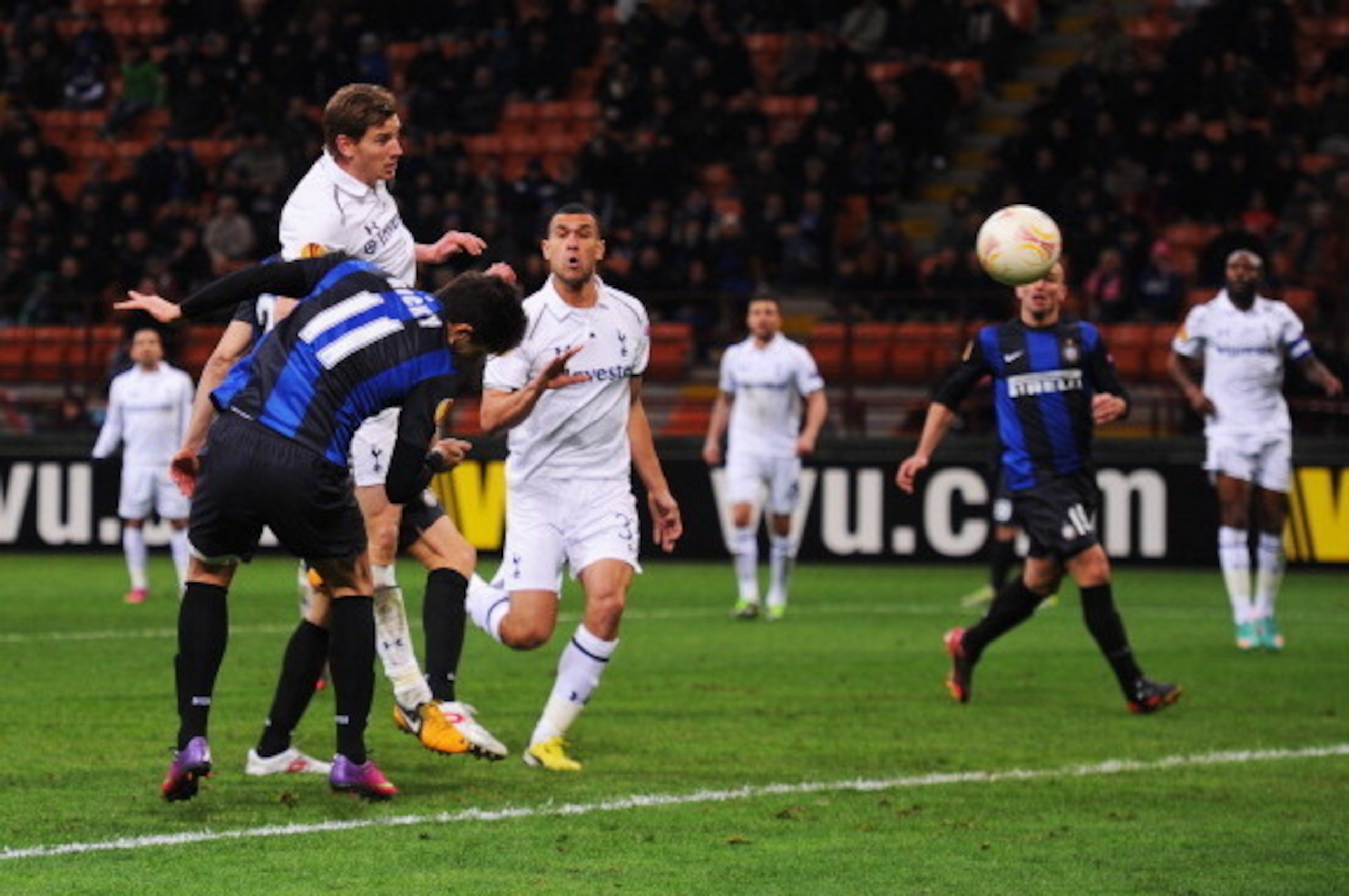
Michael Dawson and Ledley King were often together in the club's most serious top-four tilts in 2006, 2007 and 2010 (with Sebastien Bassong providing good back-up to the latter in '10). King and Kaboul impressed during a strong run in 2011-12. Over the last couple of seasons, Dawson and Vertonghen were usually on protection duty in the team's better showings.
Ideally, there is consistency around the centre-backs too. Spurs have not always had this at full-back but have notably benefited when the likes of Benoit Assou-Ekotto at left-back and Kyle Walker on the right have marshaled the flanks on a regular basis.
Because of injuries and successive managers' perplexing tendencies to rotate without cause (or at least ill-advisedly), Spurs have not always applied this fundamental principle of defence.
The north Londoners' Champions League qualification and Europa League progression hopes crumbled during the spring of 2013, in part because of Andre Villas-Boas' frequent rotation. The Portuguese did not field the same back four for two matches in a row once during a costly seven games in which they conceded 15 goals and won just once.
It has not been the only reason for Spurs' failures. Harry Redknapp was not helped by Dawson's and King's injury problems in 2011-12, but he hurt himself with questionable decisions elsewhere in the team. A year ago, Tim Sherwood's more erratic managerial traits and the team's general malaise were just as culpable as the run of injuries that left them without an experienced centre-back to call on at one point.
In the present, however, the frequent selection of Fazio and Vertonghen together has undoubtedly contributed to Spurs' upturn in form. They have appeared together in 12 of 14 games since November's international break and have lost only twice when in the same team.
Compared to the frequent losses that blotted Spurs' form book in the autumn, it is a definite improvement. Then, a worrying mix of confusion and somnolence reigned. The only frequent starter, Kaboul, was not so strong as to cover for it, and in some cases (such as losses to Manchester City and Stoke City), he was in large part responsible for it.

"They've had games together now and they are progressing every week," goalkeeper Michel Vorm told Tottenham's official website after the 1-1 FA Cup draw with Burnley.
"The best way to learn is by playing games and you can see it’s something they’ve worked on. Week to week they are getting stronger, getting better, the communication between them is getting better and they look very solid."
Pochettino sticking with two preferred full-backs on either side of the centre-backs would also contribute to his defence becoming a tighter, more organised unit.
The amount of football played of late has given cause for some of the changes out wide. Walker was still feeling his way back to peak condition after his lengthy layoff. Danny Rose got his chance at left-back against Chelsea, his goal and mostly bright performance a testament to the value of such opportunities.
"There is a lot of competition for places at the moment," Rose said after that 5-3 win, via Spurs' official website. "I can only speak for myself but that has brought a new side out in me this season. I’m hoping to improve every game I play."
Of course, consistency should never be at the expense of healthy competition for places. Complacency can be just as costly as mixing it up too much.

Rose and fellow left-back Ben Davies have pushed each other on this season, and, as the former noted, the hope is it will improve both further.
Establishing a unit of players who pride themselves on stopping other teams is key, though. It does not exclude a next-man-up mentality when needed, but it does provoke a motivation for defenders to be the best they can be if they want to be part of it.
From there, Pochettino (a former defender himself) and the Tottenham defence can get to work on the points of their game that still need fine-tuning.
Ball-watching, particularly from the far-post-covering full-back, has been problematic (notably in Walker's woeful outing at Leicester City). Individual responsibility needs to improve, as there is only so much warning a team-mate can give sometimes.
Spurs have also been prone to incisions from the flanks. The likes of Eden Hazard and Wilfried Zaha have bamboozled their way through to costly effect.
Whatever the situation, in 2015, Tottenham most of all need to buy into the idea that a defence works best when its players are all on the same page.






