

Complete Analysis of Louis Van Gaal's First 6 Months at Manchester United
Aaron Sorkin, the creator of The West Wing and The Newsroom, finishes either the season or the run of many of his shows with an episode entitled "What Kind of Day has it Been?"—for Louis van Gaal and Manchester United, the time has come to ask "what kind of six months has it been?"
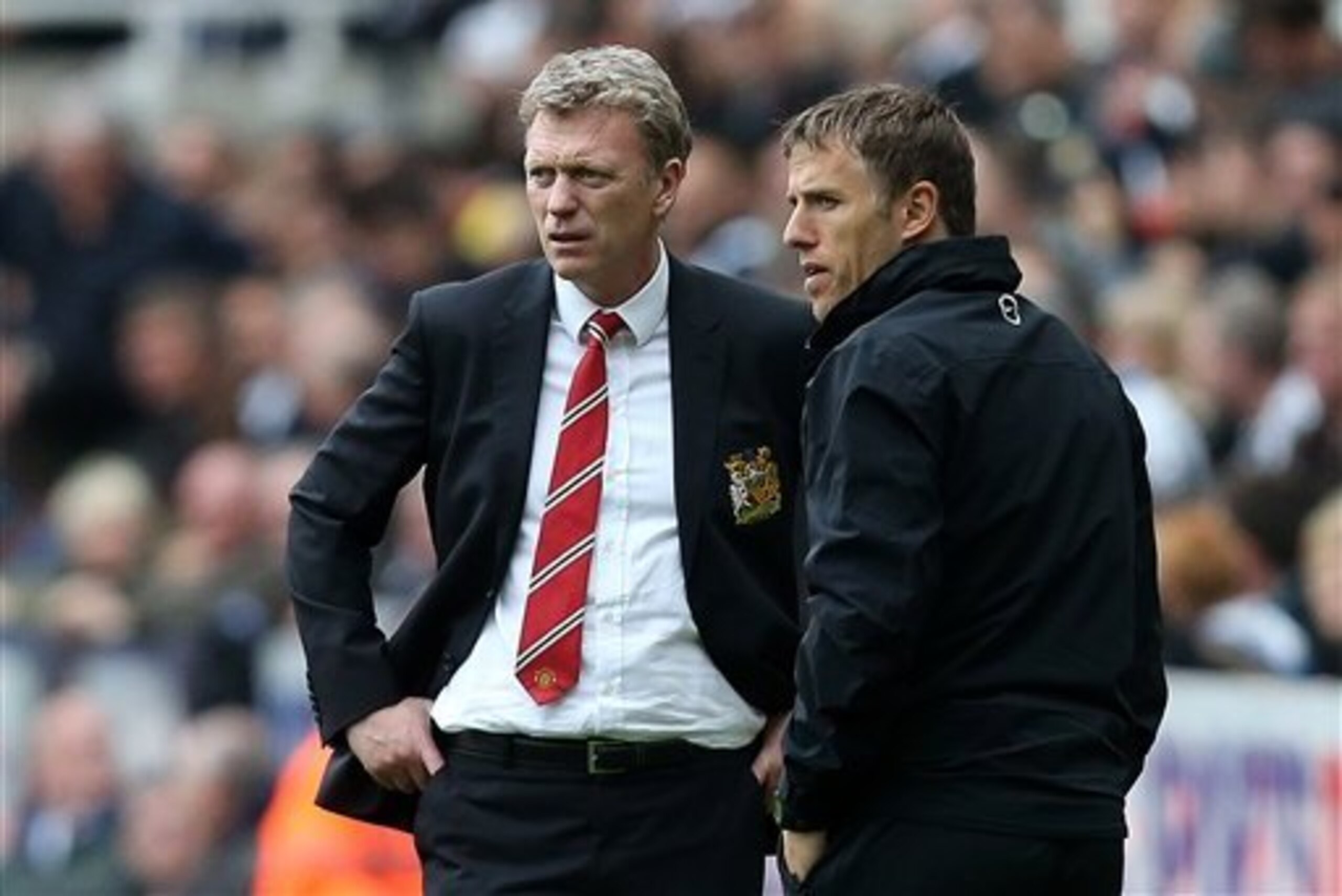
The short answer is that it has been mixed. The toothless performance at home to Southampton on Sunday left his side on the same number of points as David Moyes had managed to acquire by the same point last season.
TOP NEWS
Alexia Wins Ballon d'Or 🏆
Live Ballon d'Or Ceremony Winners 🎉

Final Men's Ballon d'Or Rankings 📊
This unwanted symmetry has given rise to another raft of opinion pieces comparing the tenures of the two men, something Van Gaal would certainly have wanted to be free of by now.
Van Gaal infamously said he should be judged after three months, then later publicly regretted that assertion, per BBC Sport. Doing so after six is equally arbitrary, and indeed three games ago, this article would have struck a more positive note when analysing his time in charge so far.
However, the struggles away from home over the Christmas period and Sunday's loss to Southampton have taken the shine off the preceding winning run.
When Van Gaal arrived, he did so in a tide of optimism. Watching the World Cup as a United fan was a thrilling experience as our new manager guided a team that looked light on individual talent (bar a couple of superstars) to a third-place finish.
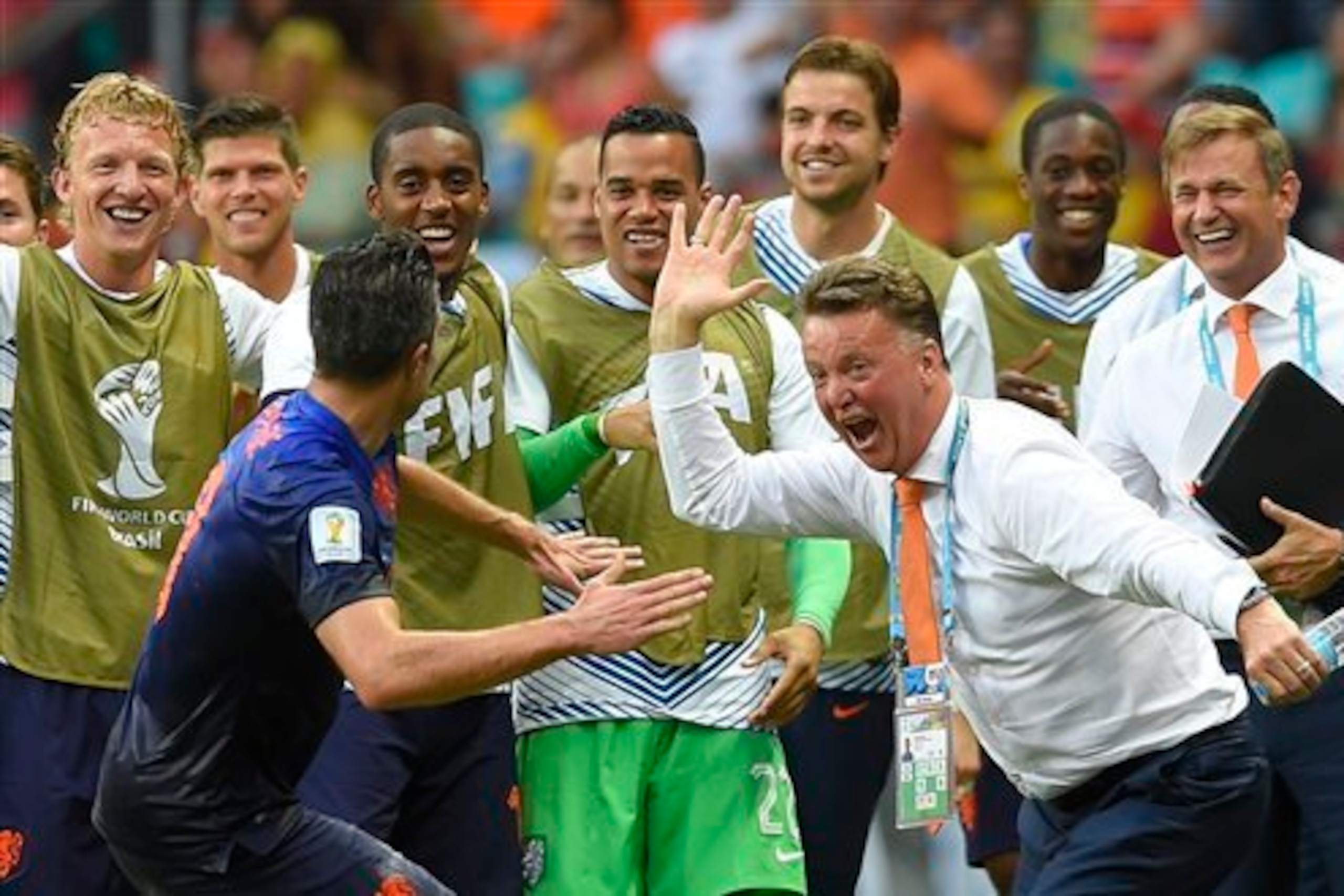
Van Gaal seemed assured and in control, making important decisions that paid off, like switching formation against Mexico and changing his goalkeeper ahead of a penalty shootout.
Then came pre-season, and United—lining up in the formation that that had served the Netherlands so well—played like world beaters against the LA Galaxy (something of a mismatch, as it turned out). Further pre-season joy was wrought from a comfortable victory over Real Madrid.
With Danny Welbeck injured in that game, the system that had relied heavily on his energy in transition was less effective against Liverpool, although United eventually prevailed.
When Old Trafford re-opened its doors—for the final friendly of the year—United's lacklustre display against Valencia set some muted alarm bells ringing. The opening of the season proper saw the Van Gaal hype train threatened with serious derailment as United lost at home to Swansea.
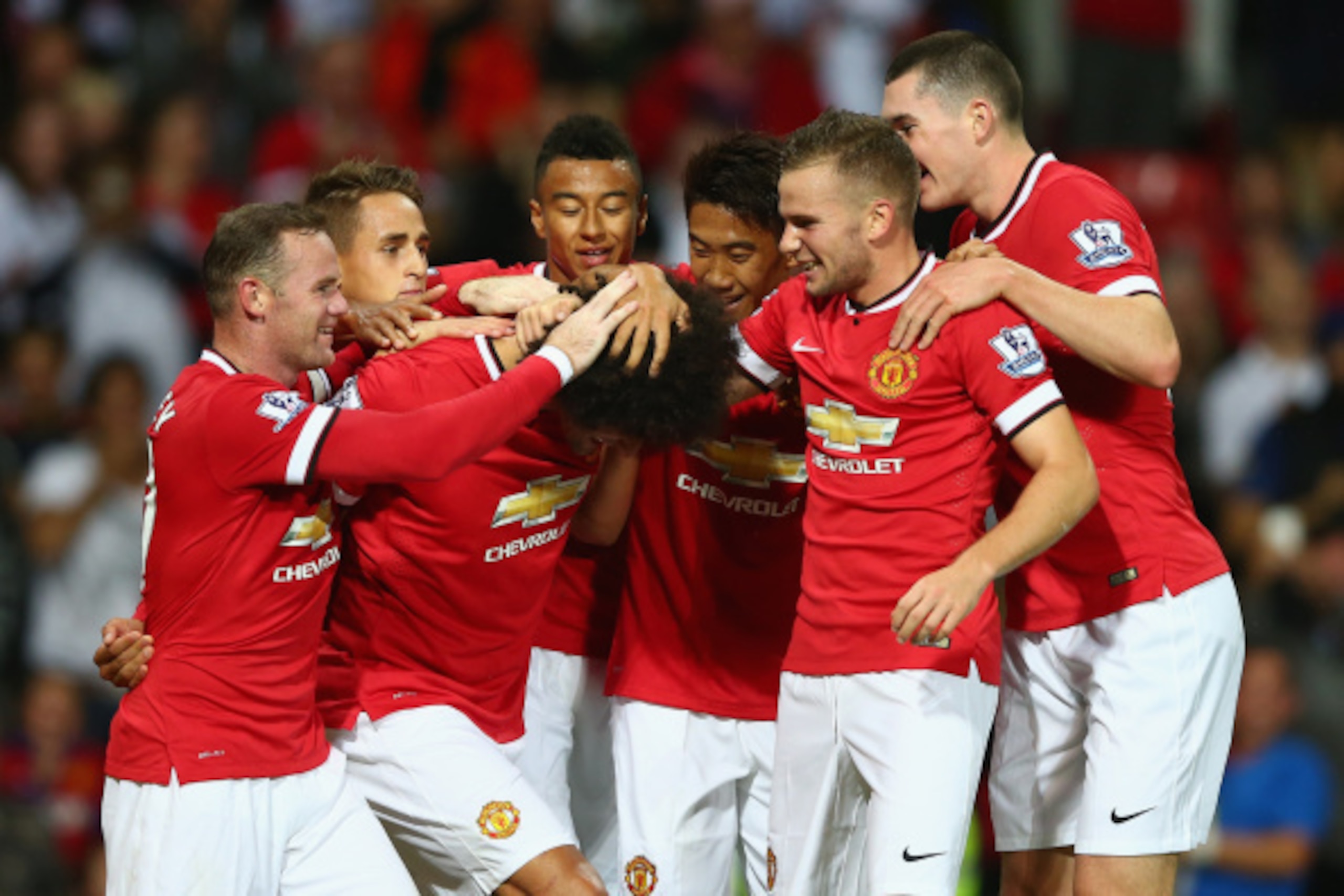
The back three was abandoned at half-time. Injuries and performances combined to make the switch necessary. The injury crisis that began at the end of pre-season seemed to intensify week-on-week and has been one of the reasons why that formation was the second of at least four that Van Gaal has used so far.
The draw against Sunderland that followed was not enough to stoke the hype-train's engine once more, but the spectacular end to the transfer window certainly was. Angel Di Maria's arrival was a (pleasing) shock to the system. The squad had already been improved by Ander Herrera (finally! A proper central midfielder!) and Luke Shaw (a much-needed replacement for Patrice Evra).
Marcos Rojo was a relatively unknown quantity to most United fans, but he'd had a good World Cup. It has never been clear why Daley Blind's transfer was left so late in the window, and it is hard not to think that it is because he was not Van Gaal's first choice. Rather he seemed to be the player Van Gaal had in his metaphorical back pocket should higher-profile targets fail to arrive.
Nonetheless, given Van Gaal's experience with the player, he presumably thought he could add value to United's squad.

Di Maria was box-office, and the last-minute gamble on Radamel Falcao fell into the same electrifying category. Of course, it was an expensive loan deal, but if he was able to get back to anything like his best then suddenly anything seemed possible.
United destroyed Queens Park Rangers at Old Trafford, with new signings playing a huge role, and the difference was remarkable. Van Gaal's impact was being felt—his jovial bullishness in press conferences an absolute world apart from David Moyes' defeatism and buck-passing.
At 2-0 against Leicester City, with two brilliant goals in the bag, it felt like United were on the verge of something remarkable.
The subsequent collapse deflated expectations once more, and a couple of battling home wins followed. The back-three experiment had been abandoned, and the diamond midfield—Blind at the base, Herrera on the right, Di Maria on the left and Rooney at the point—looked good.

Injury to Herrera unbalanced the side again, and Van Gaal, away to West Bromwich Albion, deployed the 4-3-3 that he has long favoured.
That system took United through a very decent draw at home with Chelsea, and a 1-0 derby defeat at the Etihad. Although they lost, with 10 men for much of the game, United looked the better side for long periods of that game. It was a huge step up from recent derby disappointments.
4-3-3, though, did seem to stifle Angel Di Maria, who had been wonderful in his first few games for the club. This reached its nadir against Crystal Palace, when United laboured to a 1-0 win, with masses of sterile possession and very little penetration.
The back three returned against Arsenal, a smash-and-grab victory that set the tone for a winning run that saw the defensive shape fluctuate and the level of performance vary considerably.
Crucially, Liverpool's 3-0 win at Old Trafford last season was avenged thanks to a brilliant goalkeeper and brilliant forward play. In the middle of a winning streak, beating Liverpool by the same margin that had embarrassed Moyes' United felt like definitive proof that things had got much better.
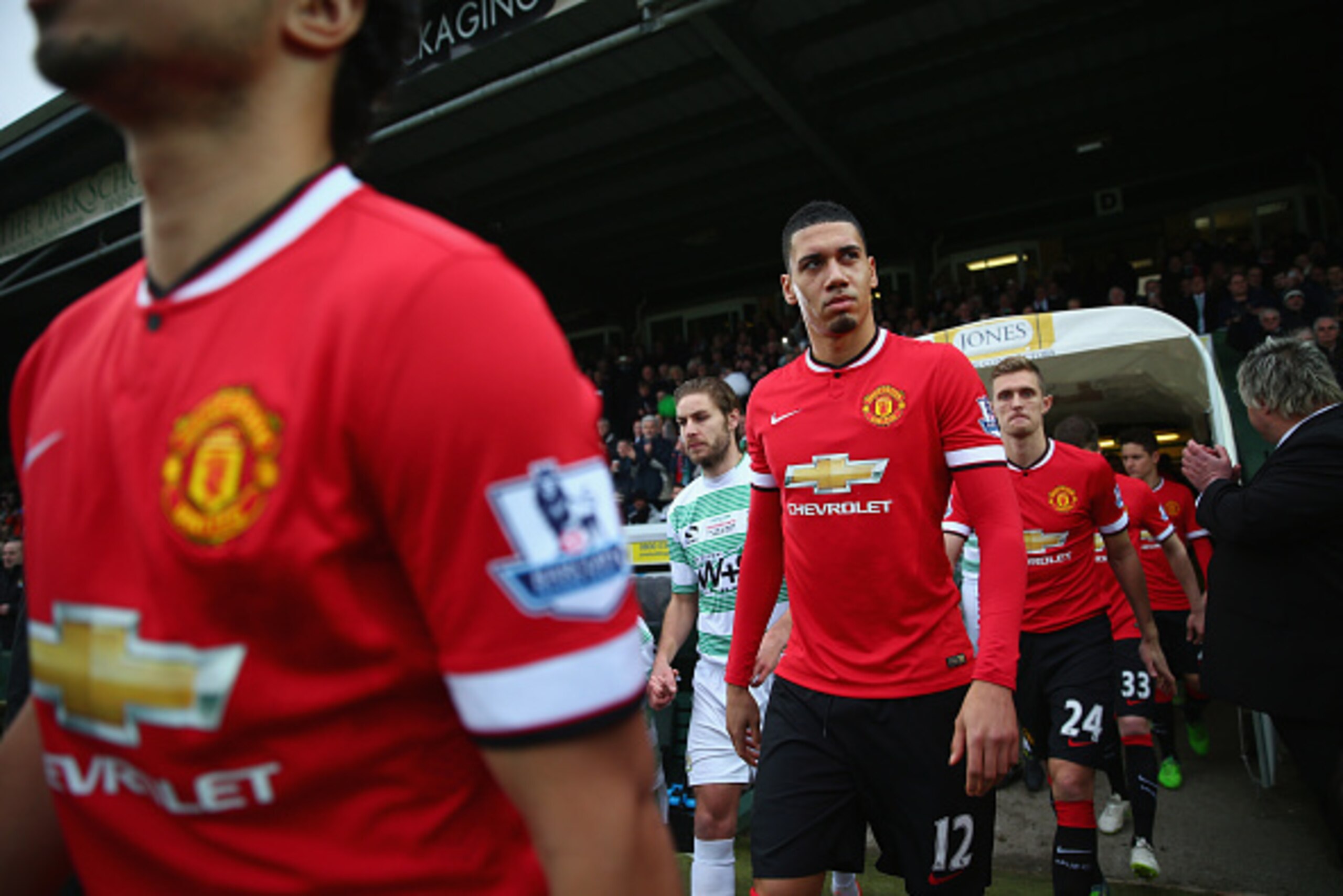
Then came Christmas, and with it, lots of games and not many of them particularly good. United looked impressive at home against Newcastle. The rest of the festive period was best forgotten—two away draws and a win over Yeovil Town that was much harder work than it should have been.
Van Gaal used a back three throughout that run, at first because he had no fit full-backs and did not feel he could play Ashley Young and Antonio Valencia in out-and-out defensive roles. Once Luke Shaw and Rafael had returned to fitness, though, he persisted with the back three, as apparently unsuccessful as it had been.
The Southampton game was probably the worst United had played at Old Trafford since the opening-day defeat to Swansea, and it conveyed the (probably inaccurate) impression that there had not been much progress. Di Maria was ineffective, Herrera was only on the bench and Falcao watched from an executive box, in spite of apparently being fit.
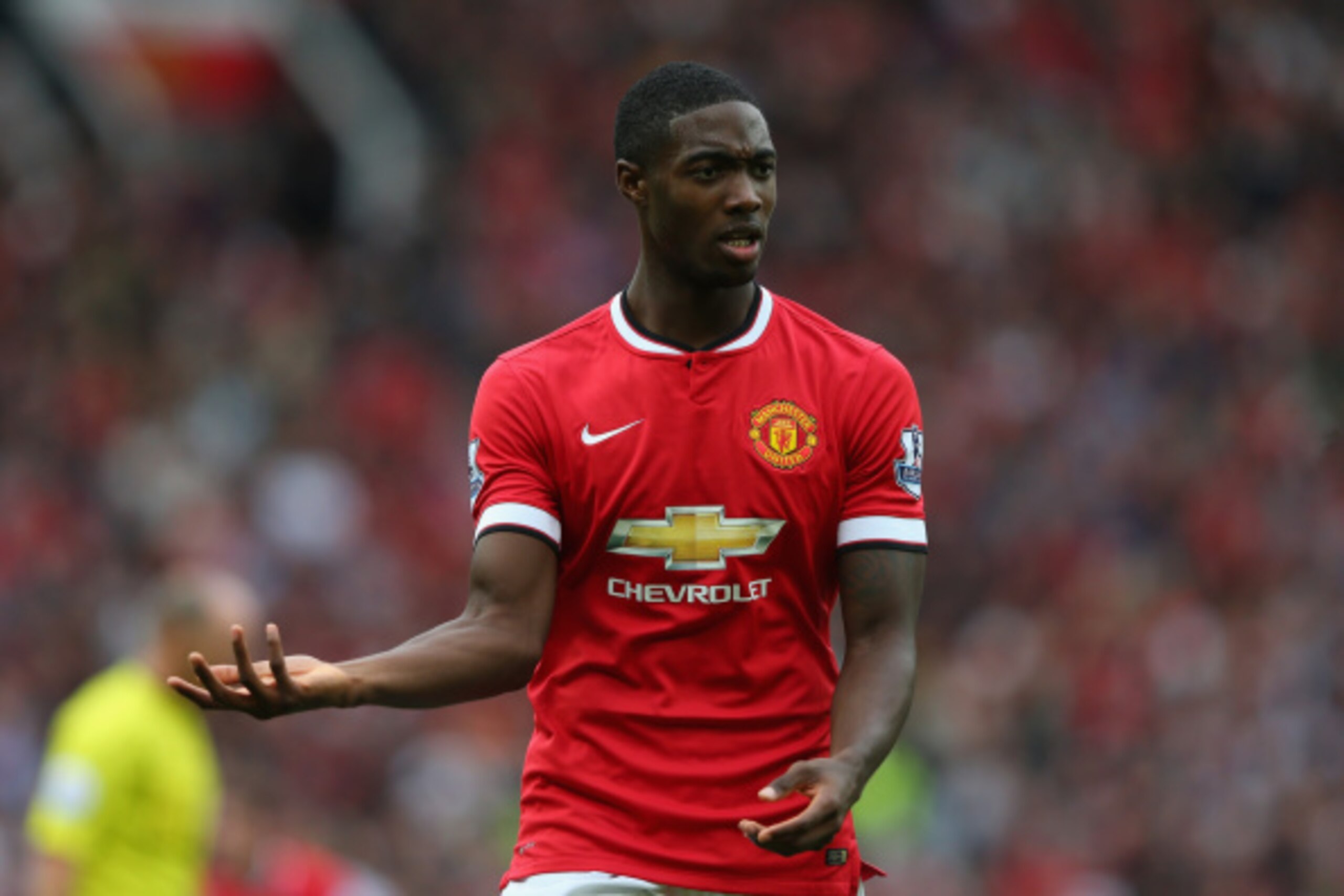
It is important to mention another defining trait of Van Gaal's United career so far, and that is his trust in youth. When Welbeck was replaced with Falcao, though it appeared an obvious upgrade, there were nonetheless fears that in replacing an academy product with an established superstar, United were turning their back on one of their proudest traditions.
Nothing could have been further from the case, as Van Gaal has been quick to blood youngsters when he has needed to. I have heard many reds opine that if Sir Alex Ferguson had been faced with a similar defensive injury crisis, he would have played a senior midfielder out of position rather than trusting Tyler Blackett or Patrick McNair.
So, on one hand, some fine performances, some great signings, a morale-boosting win against a rival, great press conferences, bringing through young players and the capacity to match last season's champions and this season's probable champions blow for blow.
On the other, some very peculiar tactical decisions (the insistence on a back three that has so rarely worked), some very poor in-game changes (against Aston Villa away, for example, where momentum was lost after United's substitutions), an epic injury crisis and the sense that things are behind schedule.
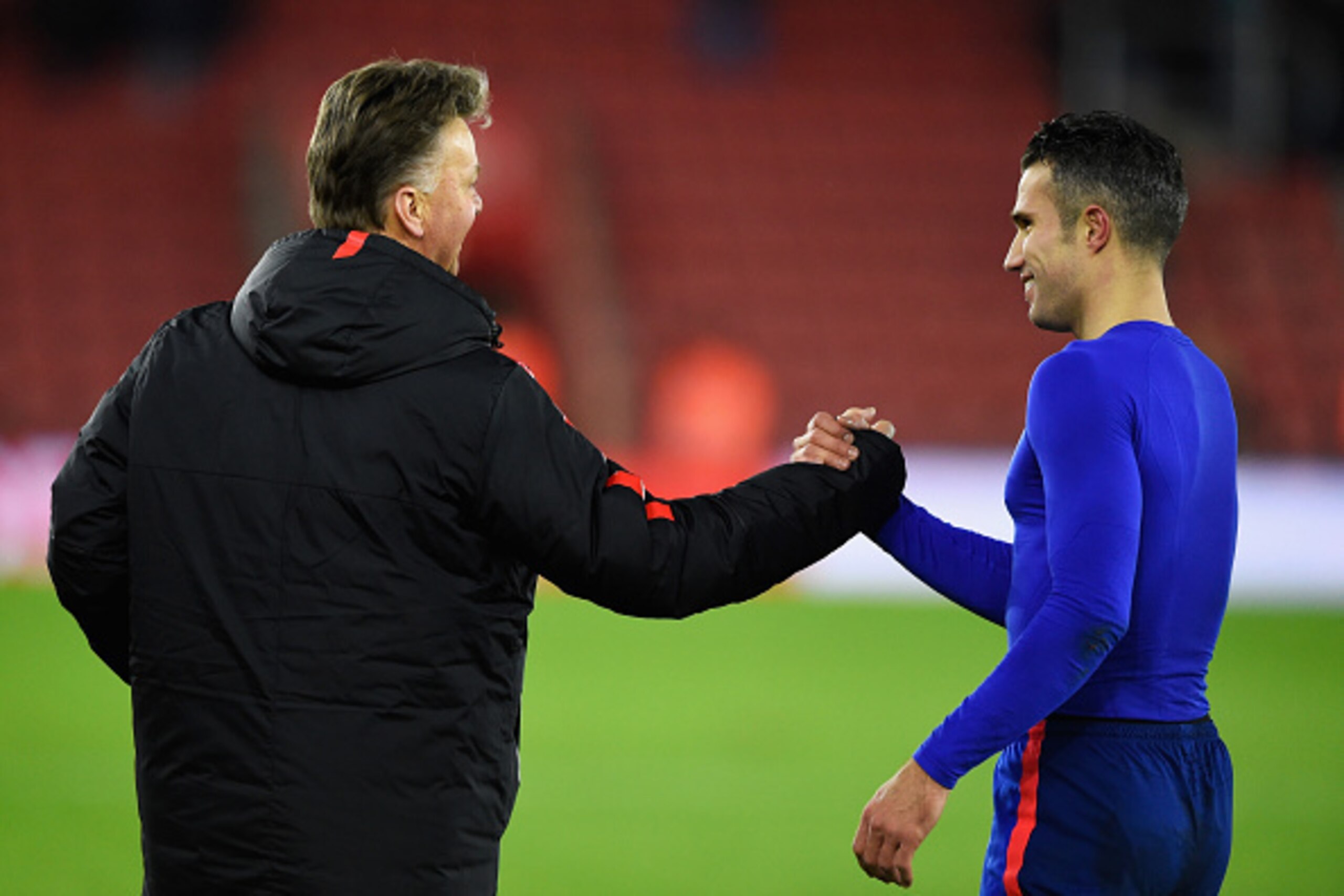
Mixed, in other words. Where Van Gaal goes from here will be fascinating. Another season out of the Champions League would seem to be disastrous, so points will be at a premium between now and the end of the season.
The January transfer window has already seen some action, with the arrival of Victor Valdes, but players who can strengthen United's first XI, particularly in defence and the heart of midfield, would be most welcome.
More important than new signings, though, is Van Gaal finding a system that works, and sticking with it, whoever he needs to leave out in order to do so. Of course, specific opponents may require tactical flexibility, but less chopping and changing will presumably lead to more fluency.
Hopefully the last couple of weeks will seem like a blip as the boss gets his side back to winning ways. Van Gaal is a serial winner, who has had struggles during his career but normally manages to right the ship.

The answer to the question "What kind of season has it been?" should be a lot more positive.


.jpg?w=2560 "Chiefs, Steelers Eye WR Trades")

.jpg?w=2560 "WWE Raw Live Grades 🔠")
.jpg?w=2560 "Multiple NFL Trades Predicted")


