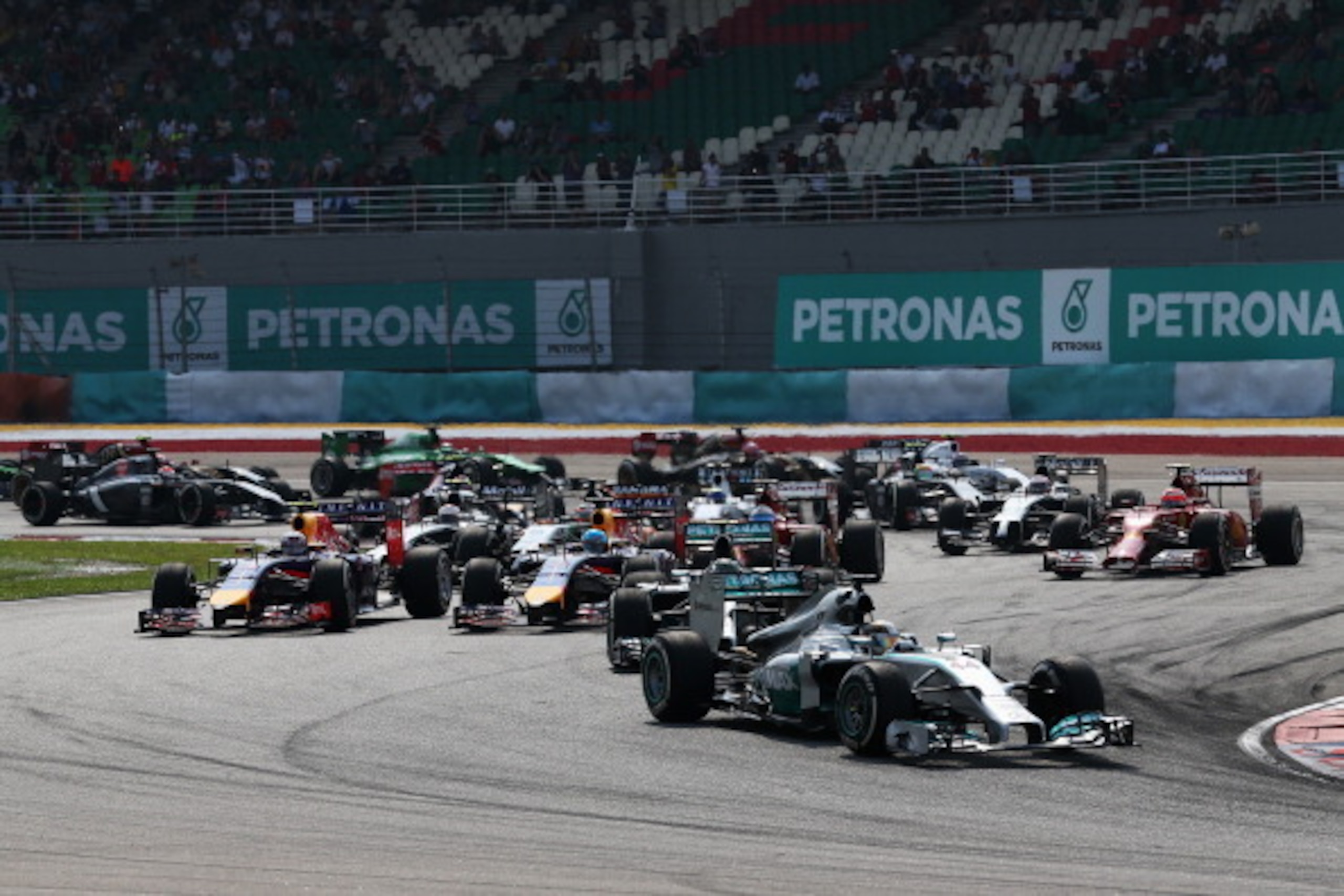

Positives and Negatives of New Formula 1 Super Licence System
The FIA recently announced changes to the system that sees drivers awarded a super licence, the accolade which allows them to compete in Formula One.
According to the sport's official website, the amendments mean drivers must not only complete a minimum of 300 kilometres behind the wheel of a contemporary F1 car but hold a road licence, pass a test on the sporting regulations and have a minimum of two years' single-seater racing experience under their belt.
A minimum age of 18 has also been introduced, but the biggest change concerns the addition of a points system.
Drivers must score a minimum of 40 super licence points over a three-year time frame in junior categories, with the amount of points earned dependent on both their success and the prestige of the series in which they compete.
It is hoped that these changes will ensure that only the best drivers make it to Formula One, but they have already led to a number of interesting talking points.
Here are the positives and negatives of the new rules.
Positive: Stronger Overall Talent Pool
1 of 6
The introduction of a points system as a means of obtaining a super licence should ensure that the overall quality of drivers entering Formula One will increase.
In recent years, F1 grids have been made up of drivers who deserve to be there on merit and those who paid their way toward a race seat.
The direct result of that, of course, is F1 has no longer been the home of the 20-odd finest drivers on the planet.
But with an emphasis now placed on success in junior formulae—Autosport's Jonathan Noble has outlined how points will be awarded in each individual series—championship winners will have a clear advantage over the driver who finishes seventh but has a a big budget and links to an F1 team boss.
It should mean that there will be more Nico Hulkenbergs than Marcus Ericssons in future F1 seasons.
Negative: An Unbroken Record
2 of 6
Records, as the saying goes, are there to be broken, but the one that Max Verstappen will claim at the start of 2015 will remain untouched as long as the new super licence rules remain in place.
The 17-year-old, son of former F1 star Jos Verstappen, will become the youngest driver in the sport's history at the Australian Grand Prix, comfortably beating Jaime Alguersuari's existing record by almost two years.
But with a minimum age of 18 set to be introduced, there is no opportunity for another whizz kid to come along and beat Verstappen's benchmark in the future.
Those who believe that teenagers have no place at the highest level of motorsport may welcome the move—and they might be right to—but isn't sport about pushing boundaries and challenging conventional beliefs?
It was not inconceivable to imagine a 16-year-old upstart—or at the very least, a youngster aged around the crossover point of 16 and 17—being handed an F1 race seat by a decent team in the coming years, but the new restrictions will prevent this from happening.
Positive: Junior Success Is Rewarded
3 of 6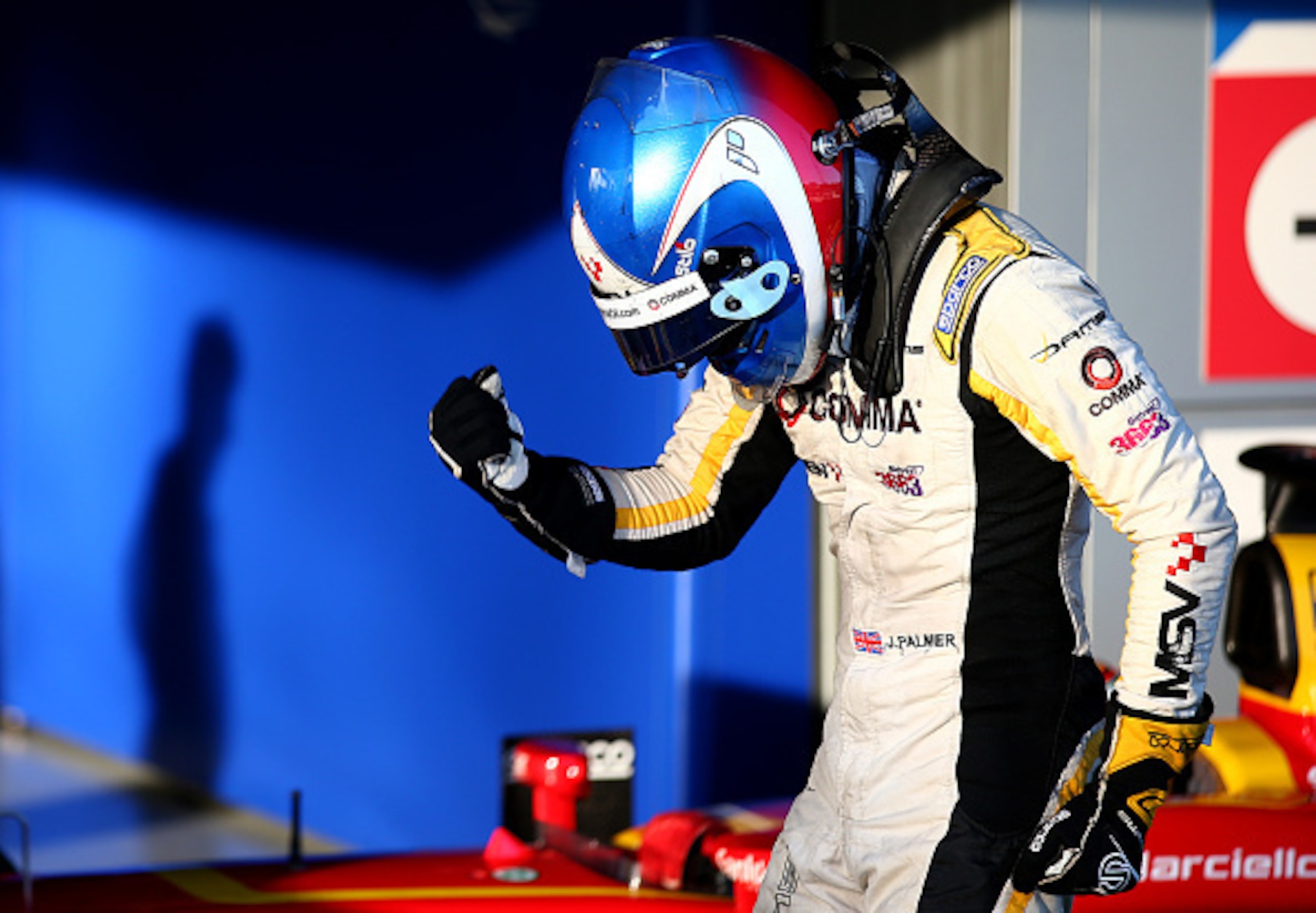
The GP2 championship has, in recent seasons, provided perfect examples of a driver's success being unrewarded.
Although previous winners of the series such as Nico Rosberg (2005), Lewis Hamilton (2006) and Nico Hulkenberg (2010) found full-time F1 seats immediately after their triumphs, the last few victors haven't been as fortunate.
Not since Romain Grosjean in 2011 has a GP2 champion graduated to F1 the following year, with Davide Valsecchi, Fabio Leimer and Jolyon Palmer all finding their options limited.
Adding insult to injury was the fact that a number of their rivals—Max Chilton, Marcus Ericsson and Felipe Nasr—all made the jump despite achieving a fraction of their success.
The new rules, however, make GP2 the most lucrative series in existence for young drivers—50 points are awarded to the title winner despite only 40 being required for a super licence—which should end the trend of champions being overlooked.
Instead, they will now be in pole position to graduate to F1.

.jpg?w=2560)
Negative: Formula E, DTM Are Dead Ends for F1 Prospects
4 of 6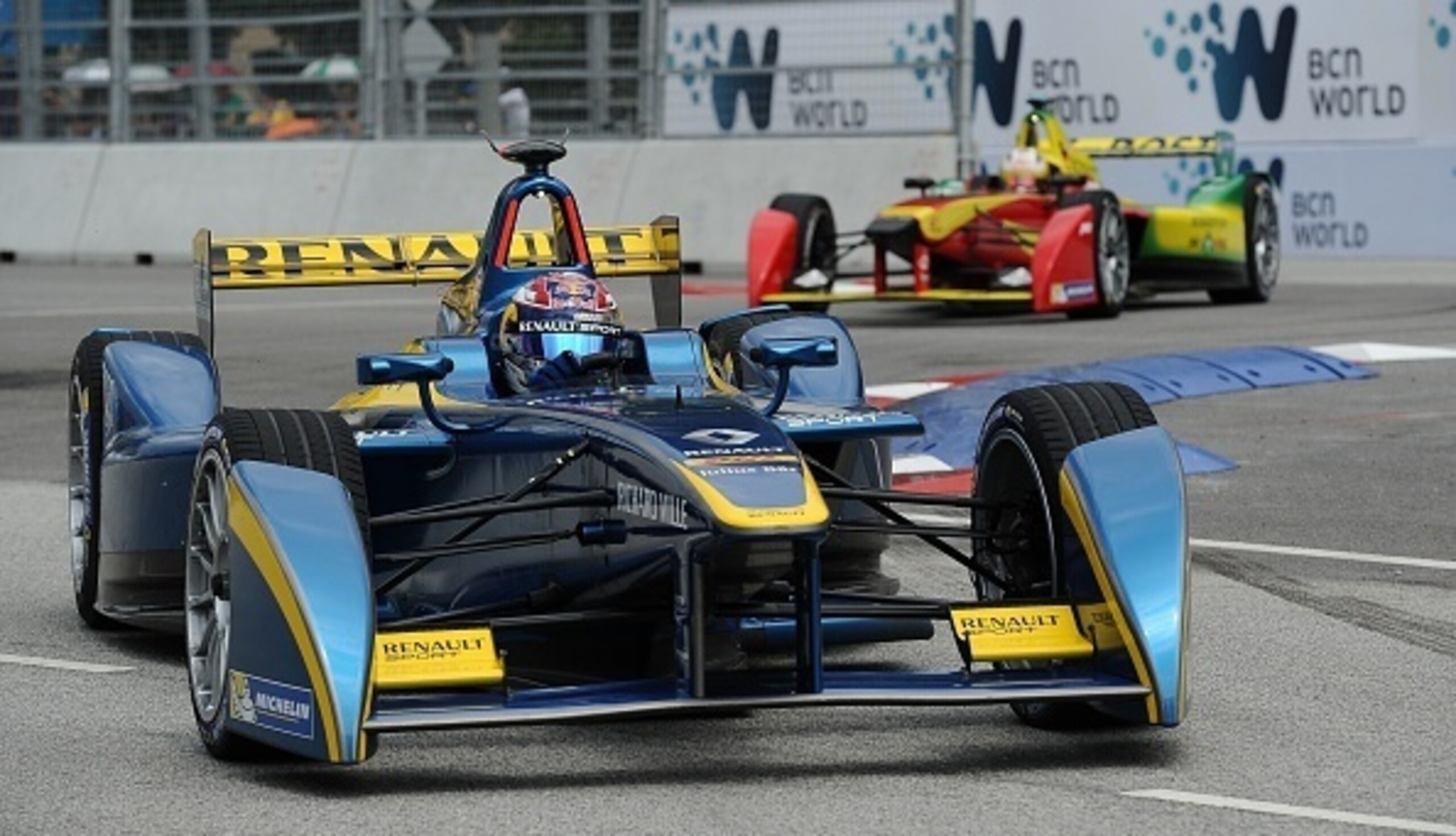
We all suspected it, but the new F1 super licence system served as confirmation that Formula E is the place where racing drivers' careers go to die.
The electric-powered single-seater series was arguably the most notable omission from the list of categories from which drivers can qualify for a super licence.
It was hardly surprising, given that 14 ex-F1 drivers are currently competing in the inaugural Formula E season, but the FIA have missed a trick by leaving out the world of the "ePrix."
Not only would the inclusion of Formula E have given the new series an even greater sense of purpose, it would have taught up-and-coming drivers the art of resource management, with F1 heading in the direction of efficiency.
Also not included was the DTM, even though Paul Di Resta earned a Force India F1 race seat after winning the title as recently as 2010 and returning to the German touring car series in 2014.
Despite the omission of these categories, the LMP1 class of the World Endurance Championship—which has also been something of a retirement home for F1 drivers, such as Mark Webber, in recent years—has been included and is worth as many as 40 super licence points to the world champion.
Work that one out.
Negative: Teams Unable to Sign Who They Want
5 of 6
Formula One teams are businesses. And like all businesses, they should have the right to hire and fire whomever they like.
Drivers are employees of these businesses, but the nature of the new super licence rules means teams will no longer have an unlimited array of options when it comes to signings.
This could play havoc with young driver programs.
For instance, none of the Red Bull Junior Team's talents—including Formula Renault 3.5 champion Carlos Sainz Jr.—would have been eligible to replace Daniil Kvyat at Toro Rosso for 2015 under the new restrictions.
That would have forced Toro Rosso to either keep Jean-Eric Vergne for a fourth year or take the unprecedented step of looking outside the Red Bull bubble, with neither option suitable for a team which prides itself on developing young talent.
More worrying, however, is that it could lead to disaster where financially troubled teams are concerned.
If the new GP2 champion, for example, has the necessary points for a super licence but limited financial backing, and a midfield runner in the same series has a £30 million budget that would secure the team's future but has no licence, the outfit in question would have no option but to take the title winner and face possible extinction.
At best, the new rules might make F1's "silly season" a little more predictable. At worst, silly season could soon become very, very stupid indeed.
Negative: Outstanding Talents Denied a Place on the Grid
6 of 6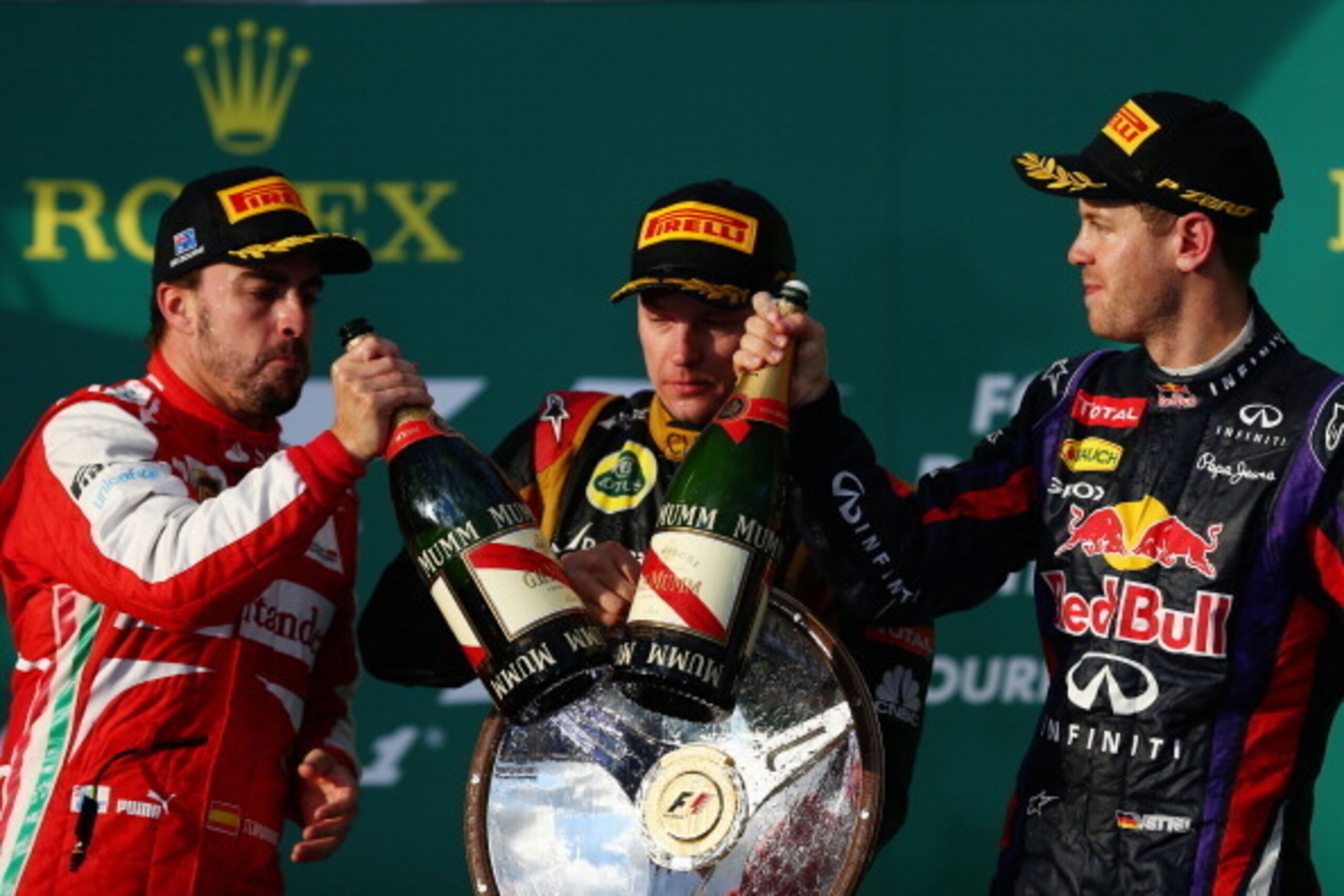
According to F1 journalist James Allen, half of the 2015 grid's 18 drivers—including world champions Sebastian Vettel, Fernando Alonso, Jenson Button and Kimi Raikkonen—would not have been allowed to enter F1 if the new rules had been in place when they all arrived in the sport.
And if you thought that was bad, Martin Brundle stated via his official Twitter account that even Ayrton Senna, arguably the greatest driver in F1 history, would have been denied entry in 1984.
The idea that such formidable talents could be left to waste in junior categories just to accumulate super licence points is concerning. As David Coulthard told Autosport's Edd Straw, the new restrictions should have a greater degree of flexibility to allow "exceptional" talents to pass through.
Although it would be highly controversial if one driver was identified as having greater potential than his peers, the stars of tomorrow should not be made to wait unnecessarily for their big break.
.jpg?w=2560 "Seahawks Chiefs Football")
.jpg?w=2560 "Colts Vikings Football")
.jpg?w=2560 "🚨Jay-Z Headlining Super Bowl")


.jpg?w=2560 "JT's Projected Trade Cost")