

Are Brazil in a Stronger Position Under Dunga Than Luiz Felipe Scolari?
How do you gauge Brazil’s year on the football pitch? Taking the broadest strokes of the brush to the page, it can only be viewed as a failure.
There was only one target in 2014—success at the FIFA World Cup. Anything less than seeing the Selecao captain raise the trophy with both hands over his head is always looked upon as a failure in this corner of the world, but the manner of that defeat to Germany in Belo Horizonte looks to have finally made people stand up and take note.
Brazil clearly are not the force they once were. And it is no longer satisfactory to live off the glories of the past, their last World Cup victory coming back in 2002.
TOP NEWS
Sullivan, Hall Lead USMNT to Big Win 💥
.jpg?w=2560 "Titans Giants Football")
OBJ Calls Out Giants After Release

🚨 Week 5 AP Top 25 Poll
But, as the year comes to an end and we wait to beckon in 2015, is the country in a stronger or weaker position than this time last year?
It was interesting to watch the changing emotions of the people as the World Cup drew nearer. Speaking to fans on the street—and here, everyone has an opinion on the subject—the majority were absolutely convinced, with the tournament still a safe way off in the distance, Brazil had no chance of lifting the trophy on home soil.
Mano Menezes’ failure at the 2011 Copa America, followed by that gut-wrenching Olympic final defeat to Mexico, appeared to have settled it. This team, or certainly with Menezes at the helm, could not compete with the best.
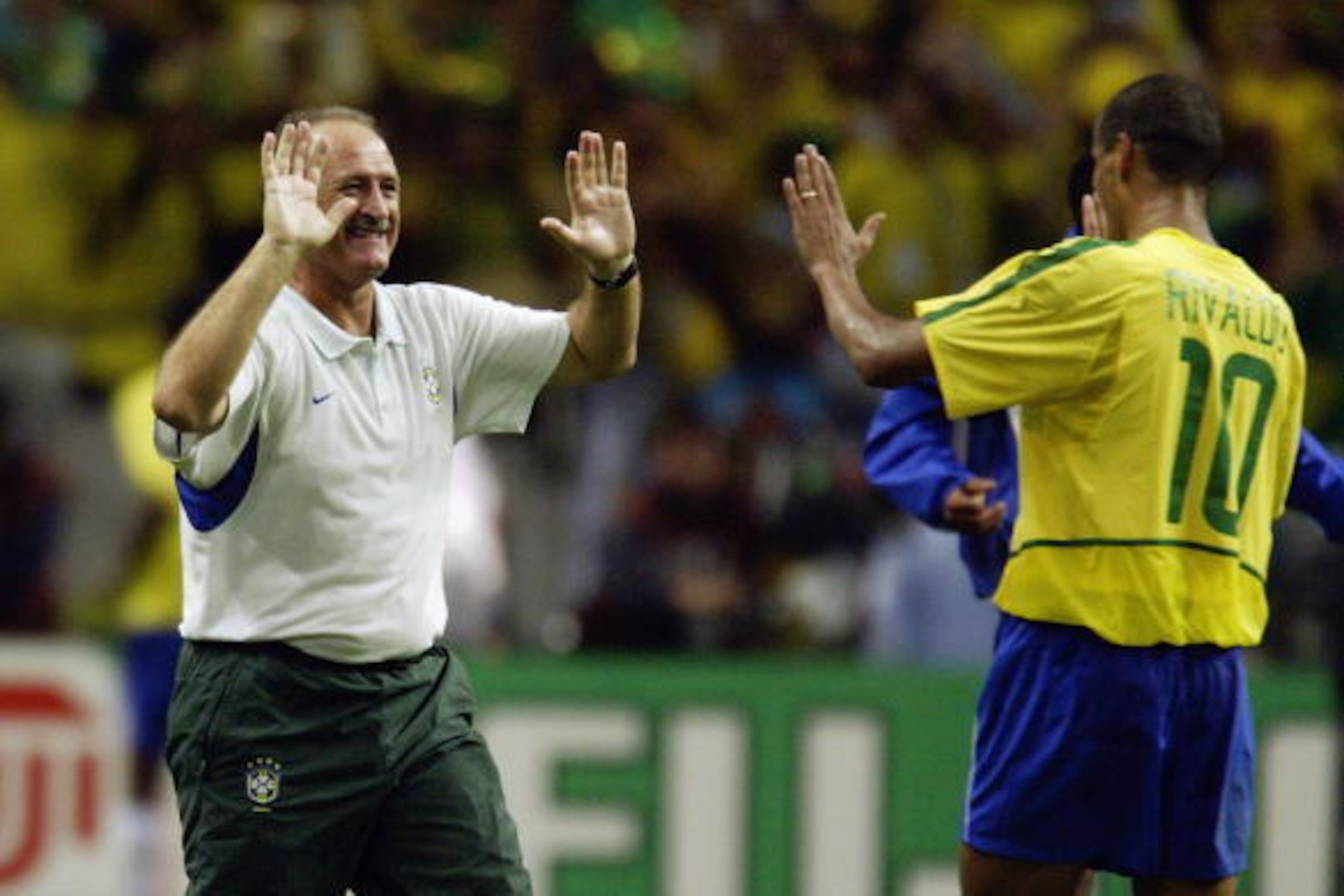
Even with the appointment of Luiz Felipe Scolari, things did not change in an instant. It was exactly a year until the World Cup when the turning point came.
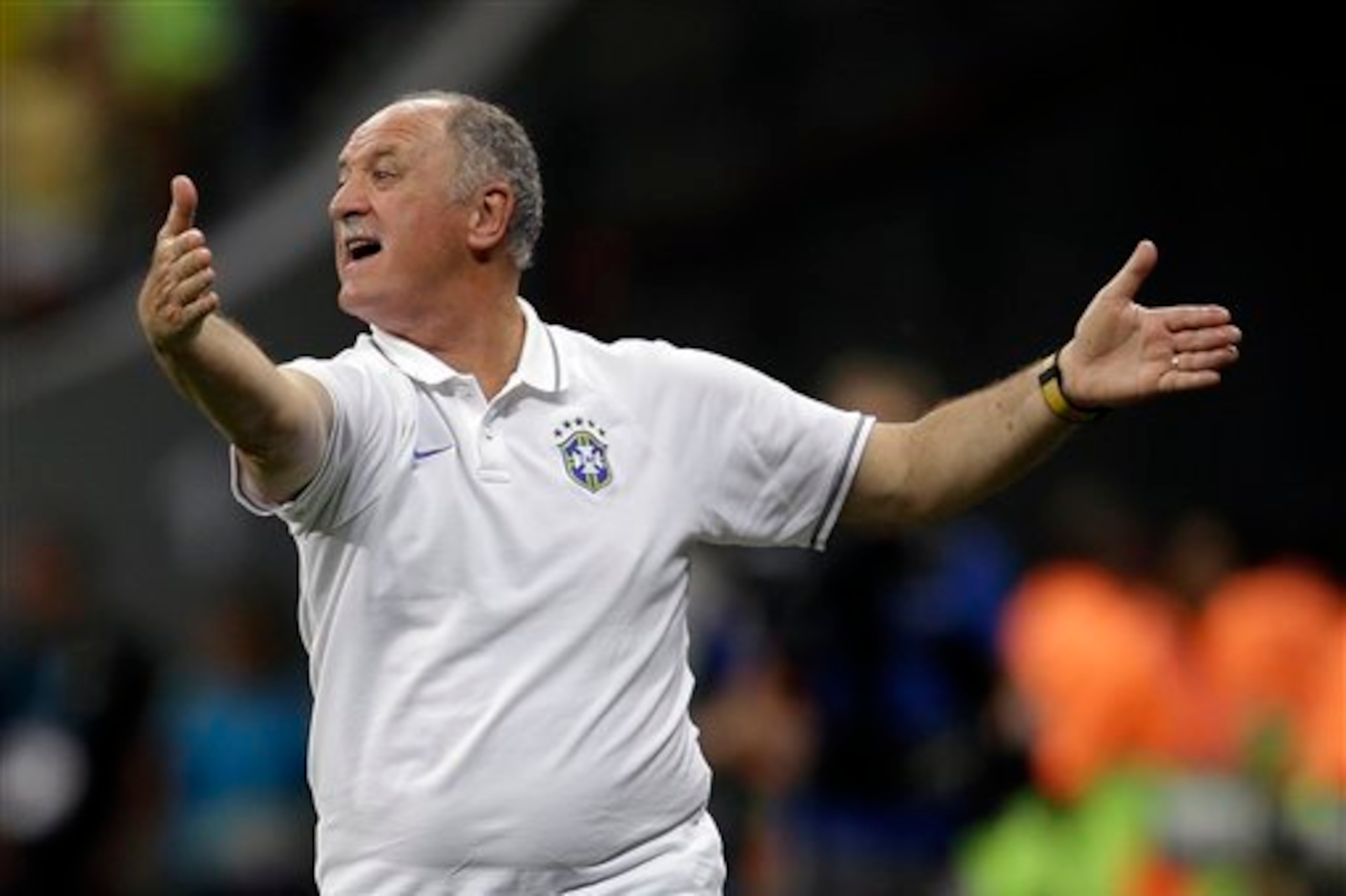
Felipao had changed the tactical shape and, when it mattered, Brazil got results. At the Confederations Cup, Brazil hit three past Japan, four past Italy and comprehensively dispatched then-world champions Spain 3-0 in the final.
As 2014 neared, there was belief again. A 4-2-3-1 formation, using three playmakers behind a target man centre forward, had reaped benefits when it mattered most.
A run of nine successive friendly wins, albeit not against the most stringent opposition, also bred belief. Perhaps, not with the best team but a fatherly coach, Brazil could lift the biggest cup of them all.
That theory was blown out of the water in the crudest of fashions by the most streamlined team at the tournament. Scolari’s position became untenable, and the whole process started again with Dunga.
While he may not have been the most inspiring of choices at the time, not only results, but performances on the pitch suggest Brazil are now a more cohesive unit.
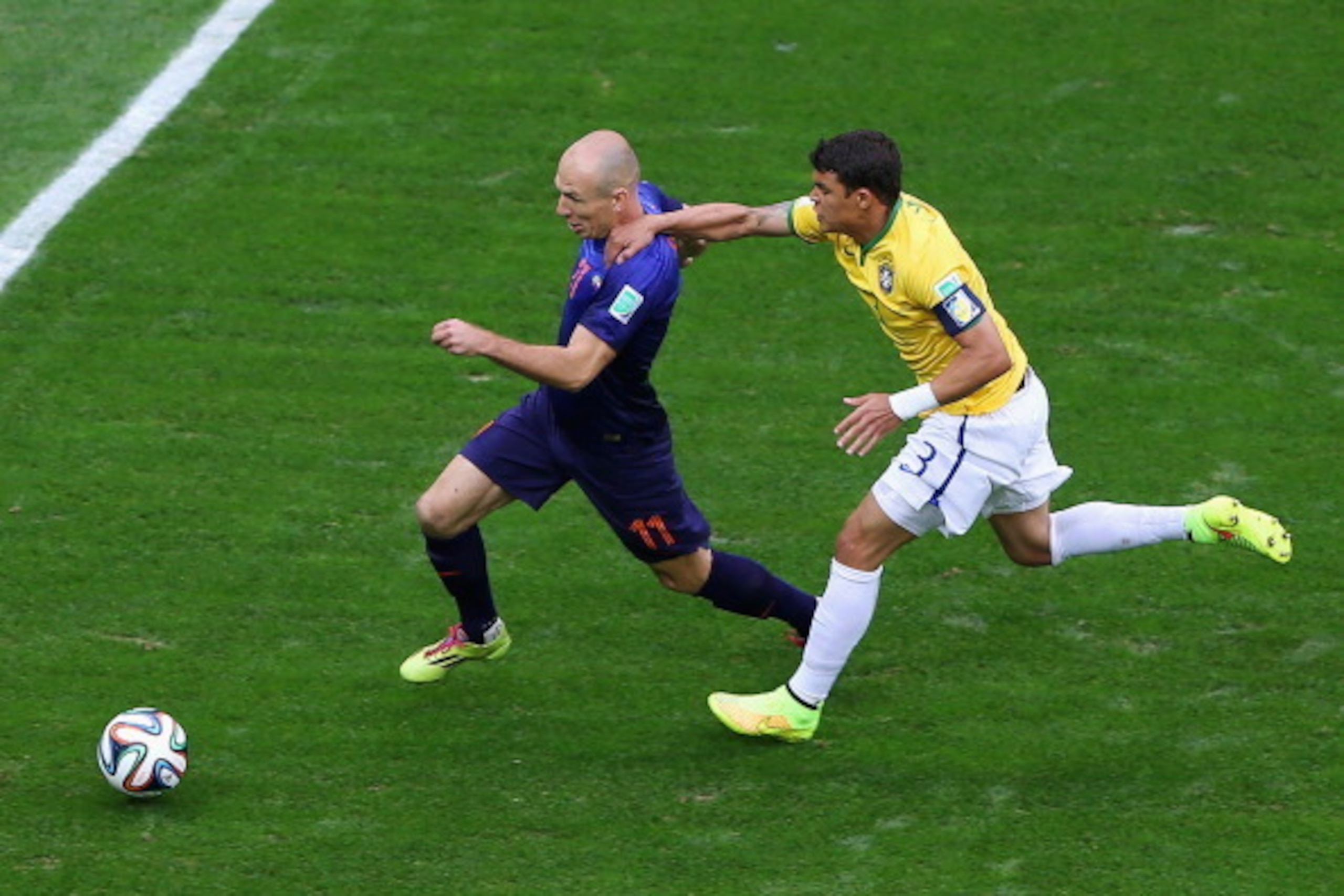
Dunga has used some of the same fundamental pieces as his predecessor, but he has not been afraid to make drastic changes. Arguably the biggest surprise of the lot is the dispensing of former captain and bedrock Thiago Silva.
Has it made the side more defensively vulnerably? Early evidence suggests not.
The only goal Brazil have conceded since the World Cup came in the final friendly of the year, a penalty against Austria.
Now, the boss and his charges look towards their major challenge of the calendar year, the Copa America. It of course cannot compete with the global event, but as the rebuilding projects begin in earnest, which simply had to happen following Brazil’s capitulation on July 8, it would be a starting point for the redesign of Brazilian football.
Are Brazil in a stronger position than this time last year? Possibly, from a purely psychological standpoint, yes. There can be no more burying the heads in the sand and indications of glories past for validation of a clearly below-par, in terms of world-class standards, team.
Brazil’s objectives have been cut down to size, and it can be no bad thing. As 2015 breaks, Brazil really are back to square one. It is for the best.




.jpg?w=2560 "Saquon Out for Game")