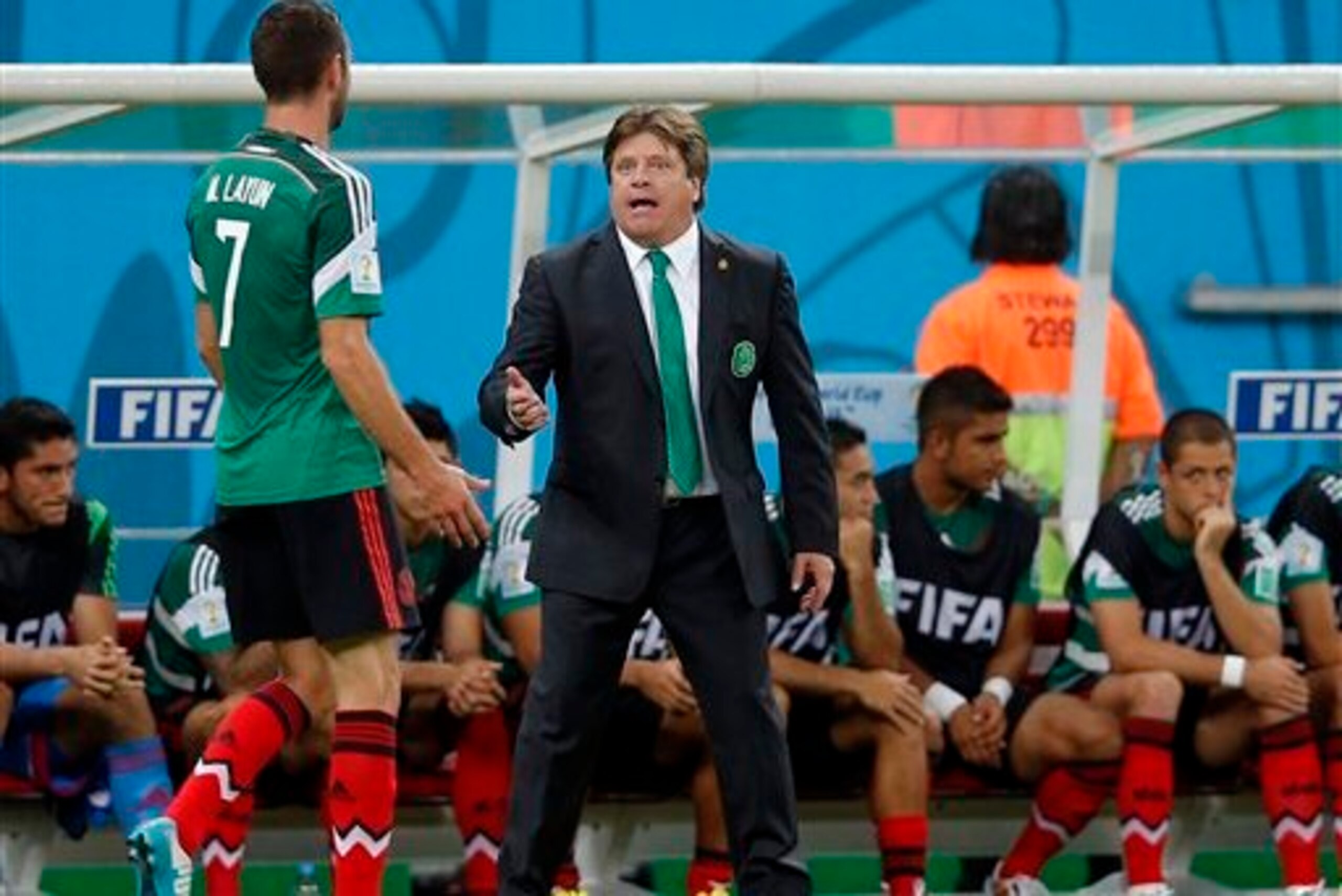

5 Ways Miguel Herrera Can Make Mexico Better in 2015
Miguel Herrera proved to be the right man for the job when Mexico were in their worst scenario since 1982. After one year, El Piojo has two tough competitions ahead; can he keep the momentum going?
He can, actually. But different from what happened in 2013, he has had more time to put together a strong team. Herrera has tried several players in a bid to find the right balance.
El Piojo has also assessed his options regarding the veterans. Rafael Marquez, for instance, was left out of last year's friendlies because he was getting used to his new team, Hellas Verona.
The coach couldn't count on Luis Montes and Hector Moreno, as they were both still recovering from the injuries they suffered.
Despite it all, Herrera had the chance to include Carlos Vela, who returned to the squad after a three-year hiatus, and Jesus Manuel Corona, one of the newest Mexican talents.
Here are ways El Piojo can make Mexico better this year.
Define the Starting Lineup
1 of 5
After the 2014 World Cup, Mexico played six friendlies. Herrera capped 37 players (George Corral and Jorge Torres didn't play due to injury), but he never repeated the same lineup.
It's true that he is trying to put together two different teams, but he needs to make up his mind soon if he wants his footballers to play together in the upcoming preparation games.
When he took over El Tri, the squad worked like a Swiss clock because he capped 10 America footballers, and they knew each other very well.
Before the World Cup, he had seven warm-up games, which were enough to make the necessary adjustments.
It's time to start working with both teams separately to determine the areas that need more work or the players that have to step up.
Variety
2 of 5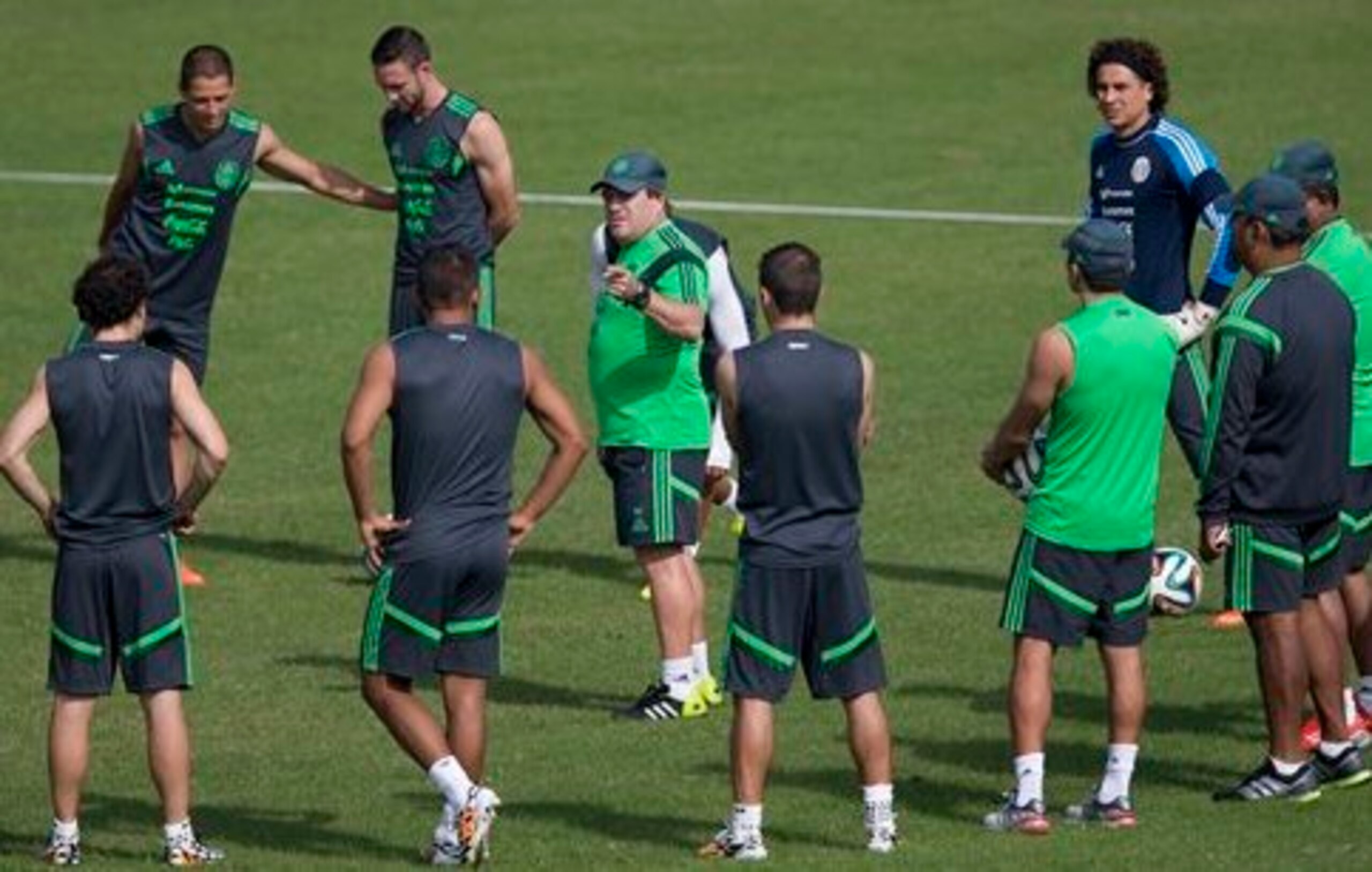
Herrera needs to use a formation different from his trademark 3-5-2.
Mexico have become very predictable. Their heavy dependence on the flying full-backs limits their chances of surprising their rivals.
Although this system can easily turn into a 5-3-2, which places emphasis on the defense, it puts a lot of pressure on the central midfielder, who needs to be in superb shape to fulfill the requirements of the position.
El Piojo went with a traditional 4-4-2 in the match against the Netherlands. Although the team wasn't as dynamic and vertical as in previous games, it helped contain the powerful attack of the Dutch and gave Mexico attacking options through the center of the pitch.
Strengthen the Back Line
3 of 5
Mexico's back line has been the weakest since the World Cup. Marquez, Moreno and Francisco Rodriguez haven't appeared with the squad, and it has hurt El Tri deeply.
Hugo Ayala and Julio Dominguez did a good job in the center of the pitch, mainly due to their experience. But those who hadn't worn Mexico's jersey in the past fell short.
Perhaps the only one who managed to stay afloat was Miguel Herrera (not related to the coach). If the Pachuca defender keeps working hard and getting playing time with his club, he can achieve great things.
Mexico suffers a lot in set pieces and with through balls, therefore El Piojo needs to find reliable center backs soon.


Tough Preparation Games
4 of 5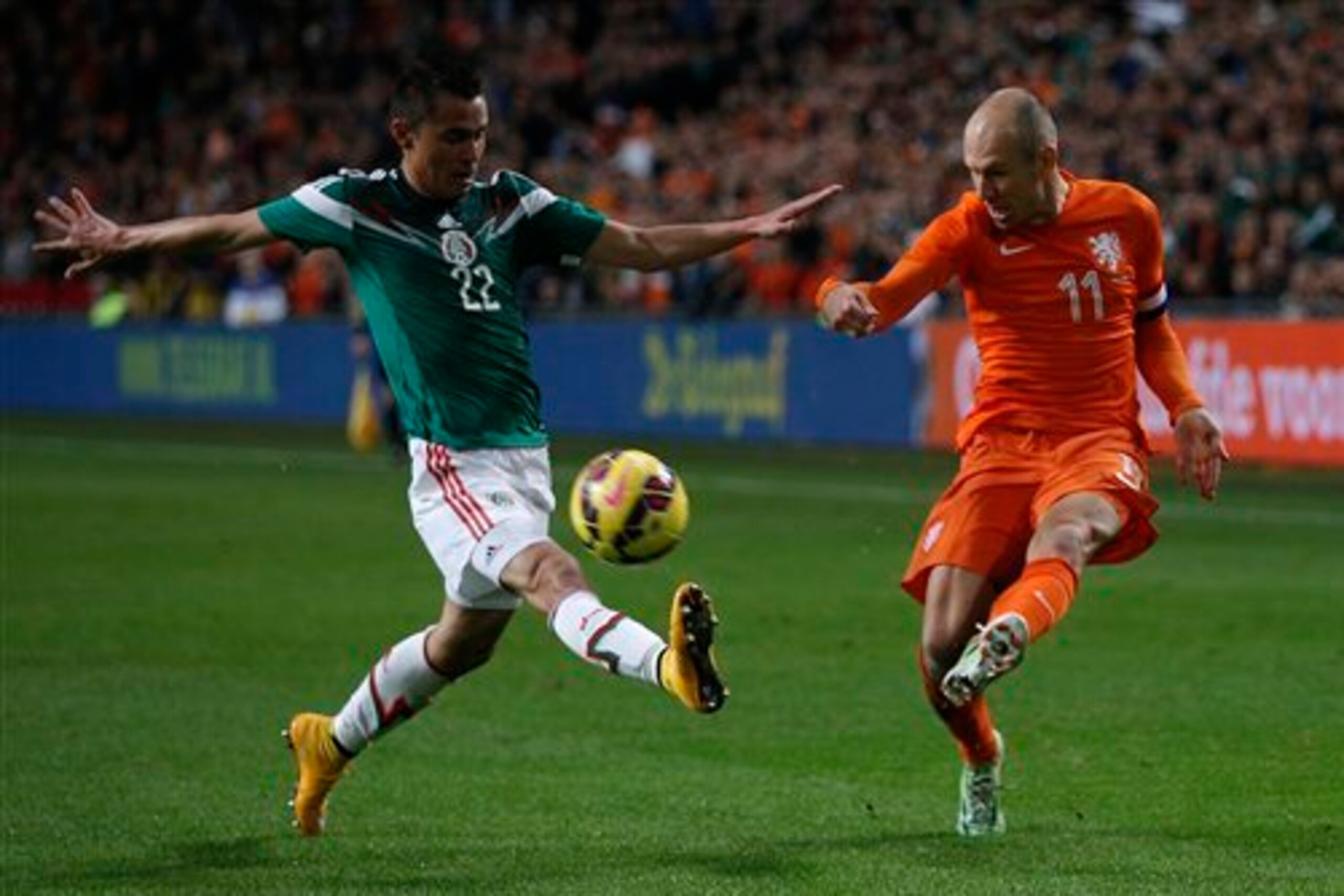
El Tri need tough opponents, period.
Although Mexico hold a winning record against the teams they'll face in the group stage of the Copa America (vs. Chile 13-3-9, vs. Ecuador 11-5-2 and vs. Bolivia 9-1-0), it is highly probable that they will send a U23 squad.
Winning the 2015 Gold Cup is a must, as it would set up a playoff match against the United States for a berth in the 2017 Confederations Cup. But this tournament is always a great challenge for El Tri because the CONCACAF squads know Mexico very well, and they are getting better by the minute.
Manager Miguel Herrera has always been respectful about his opponents, and it all starts with the warm-ups. According to Mexican website MedioTiempo.com (in Spanish), Colombia, Paraguay and Costa Rica are among El Tri's options.
Make a Smooth Generational Transition
5 of 5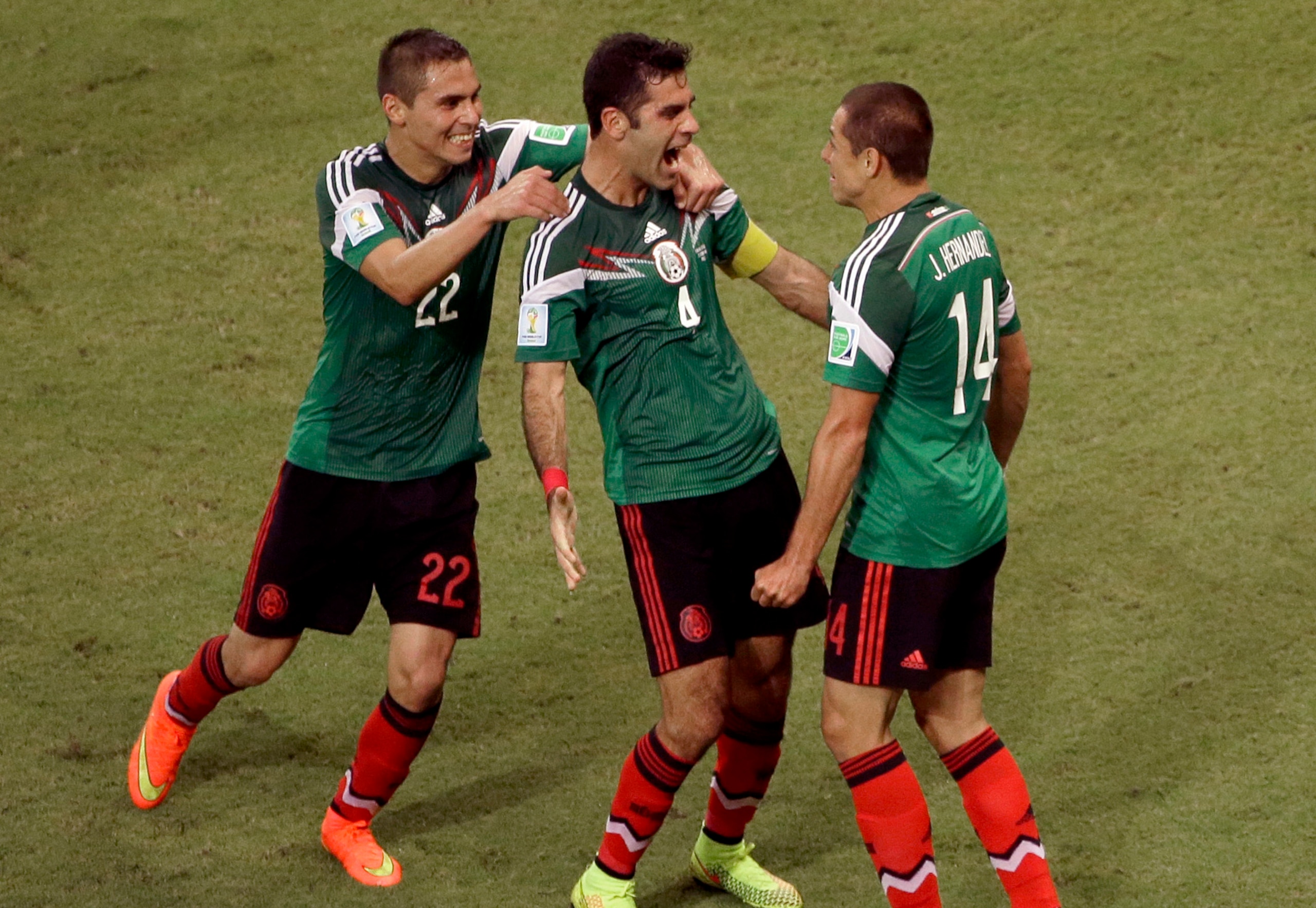
This year, we will see a very interesting mixture between veterans and youngsters.
Marquez proved to be at his best; it's no wonder why he returned to play in Europe despite being 35 years old. It’s even more impressive that he is an undisputed starter with Hellas Verona.
It's the same with Oribe Peralta, who at the age of 30 is the oldest forward in Herrera's plans.
There are also promising youngsters, like Jesus Manuel Corona, who in his first appearance with the Mexico senior team, assisted Vela.
Speaking of Vela, his return to El Tri gave the squad a lot of power in the last third of the pitch, and he is just 25 years old.
Don't forget about Javier Hernandez, Hector Herrera and Raul Jimenez.
El Piojo needs to make this transition as smooth as possible. If he starts in 2015, he will have three years to adjust his squad ahead of the upcoming World Cup.
All advanced stats appear courtesy of Squawka, unless otherwise noted.

.jpg?w=2560 "Seahawks Chiefs Football")





