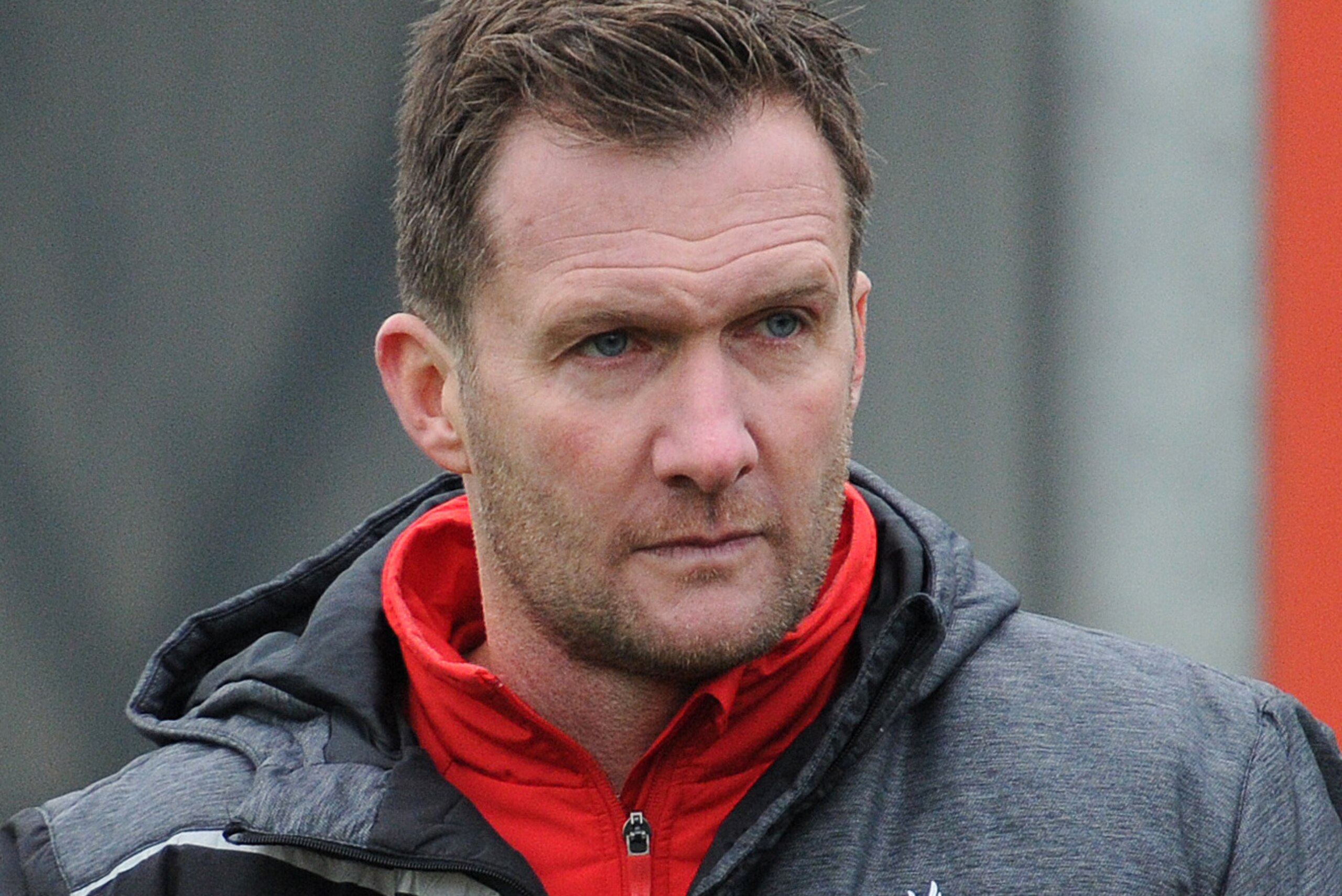

Liverpool Academy Director Alex Inglethorpe on Brendan Rodgers, Coaching & More
It's Inside Liverpool FC Academy week at Bleacher Report, and day three brings an exclusive interview with the man who oversees the entire project, Academy Director Alex Inglethorpe.
TOP NEWS

Sullivan, Hall Lead USMNT to Big Win 💥
.jpg?w=2560 "Titans Giants Football")
OBJ Calls Out Giants After Release

🚨 Week 5 AP Top 25 Poll
Alex Inglethorpe joined Liverpool from Tottenham Hotspur in 2012 as an under-21 coach but has swiftly risen through the developmental ranks to take over as director from the 2014-15 season. Here he chats to B/R about his new role, his relationship with Brendan Rodgers and how he divides his focus and attention.
Aside from not being on the training pitch with the team, what is the biggest single change in your role since moving from U-21 head coach to Academy director?
I am still on the training pitches everyday working across all the age groups from U-21 to U-6. The main difference is that now I am not responsible for any particular team. It gives me a great opportunity to get to know all of our players, and the pathway that is best suited to them. I am very fortunate to be surrounded by a lot of talented staff both on and off the pitch, which makes it easier for me to try and find the right balance between working with the players and dealing with the issues surrounding the day to day running of the Academy.

Why did you take the decision to move into this role and how does it benefit a) yourself b) the academy c) the players on the fringe of the first team who have now got a new boss in Michael Beale?
It wasn’t on my radar to become a head of the Academy because I had always seen myself as progressing within the sphere of coaching in a developmental capacity, but when I was offered the opportunity I decided to take the role as I believe that I have worked for enough years within development to bring something to Liverpool FC. I am very grateful for the faith they have shown in me and I intend to work my hardest to vindicate their decision. I hope that my legacy here builds upon the good work that has already been done through previous regimes.
Michael Beale has outstanding potential.
We both know that he needs time to fulfil this, but his work ethic, imagination and dedication to the players will stand him in really good stead for the future. He worked alongside me for most of last season, so I feel as though the transition will be a smooth one.
We have a few players either on loan or currently at the Club who are on the fringes of the squad. We have recently put a better structure in place to support these players through what can arguably be the most difficult time of their potential career. The psychological stamina needed now to get through the 17-22 age bracket is quite considerable as it can often feel as though your career has gone into reverse.
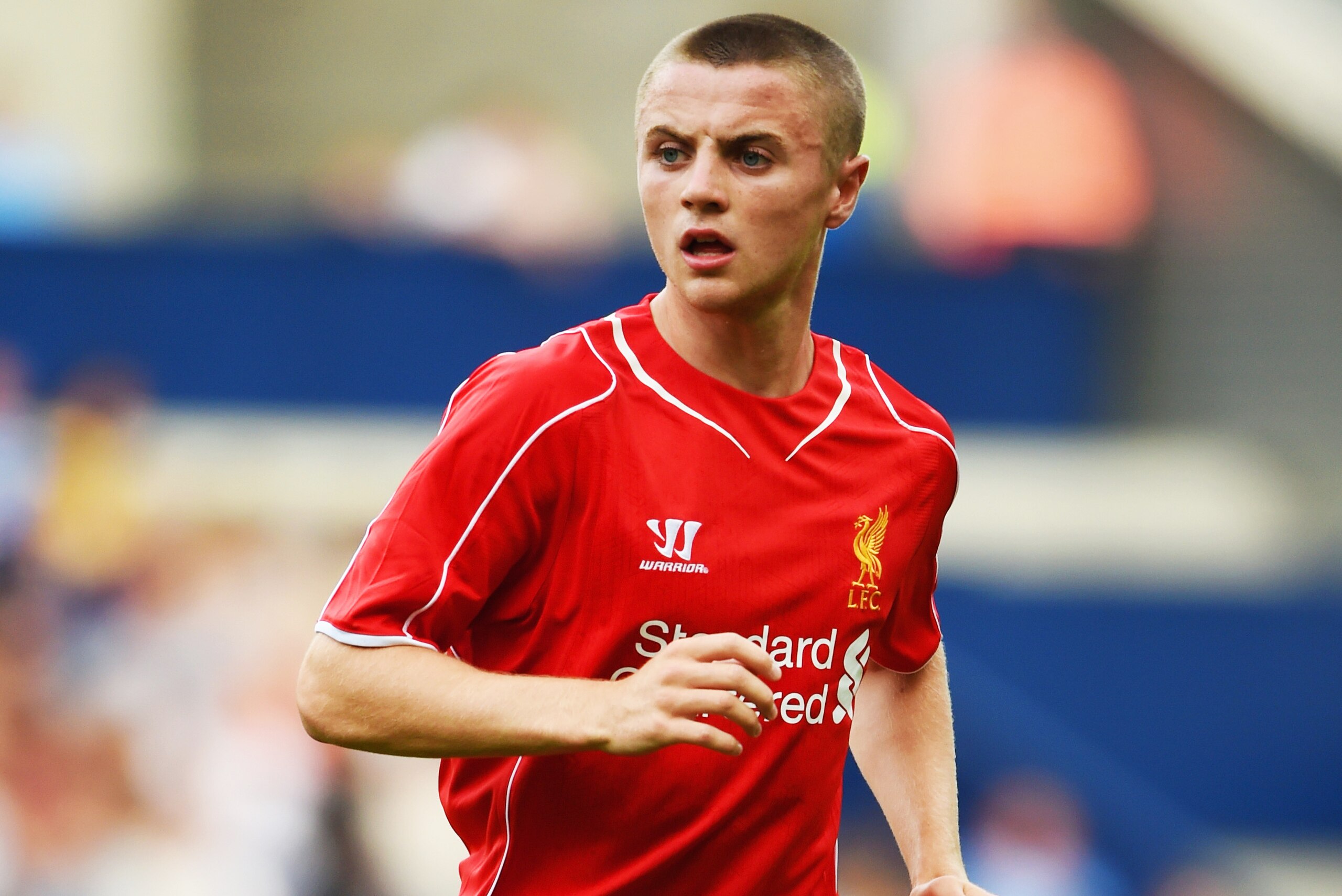
Much has been made of the good communication between Academy and first-team staff; is that still the case this year and how frequently might you have specialist, focused discussion with Brendan Rodgers?
The relationship between ourselves and Melwood is still really strong. We have daily communication around which players will train with the first team, and we do our best to mirror their schedule so we are able to accommodate any last-minute changes of plan.
I speak with our Manager regularly on players and philosophy. He is quite unique in that he knows the names of all the scholars in our system, and often asks how certain individuals are progressing. The first-team staff are equally supportive with the Academy. John Achterberg, Mike Marsh and Colin Pascoe are all frequent visitors to games at the Academy. You will often find them all watching any game from the formative age groups right the way through to the 21s. Their expertise and opinion is both valuable to staff and inspirational to the younger players.
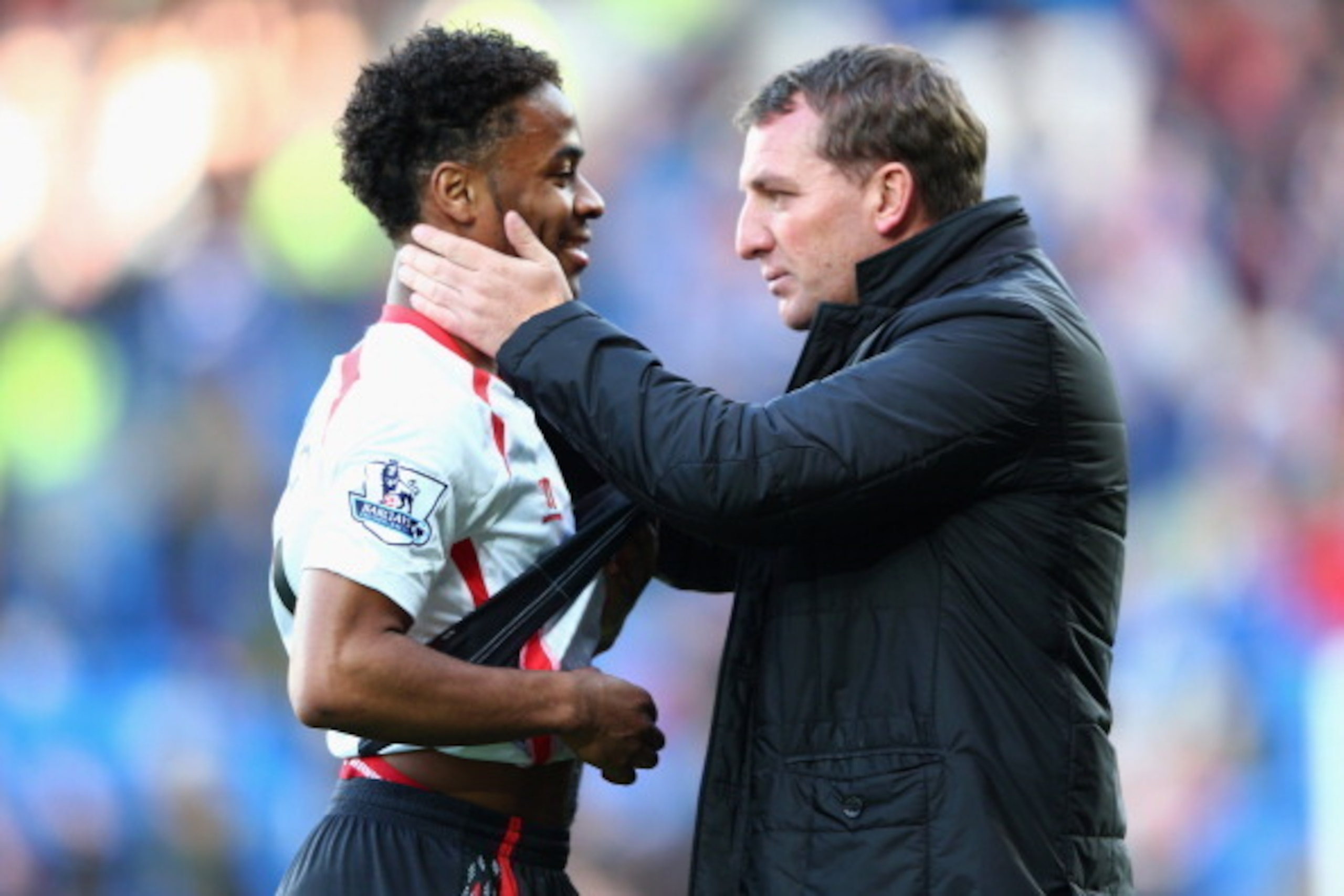
Do you still have frequent involvement with individuals in the youth teams or is your role now more structured around the coaches and other non-playing staff?
I’m finding that I’m having more interaction with our players now across all the different age groups. It’s been good for me to find out more about the younger players in our Academy. Much of coaching is actually hidden. I feel that you need to earn the right to coach someone. They need to trust what you are saying and believe in the advice before it’s actually offered. Most people in life only respond to a critique of themselves or their work if the person offering the advice has found ways of earning their respect. This of course takes time and effort, but is so worthwhile because without it, the whole coaching on the grass becomes too hit and miss.
I also work with the coaches regularly. My role is to support them in delivering our philosophy in their own particular way. It’s important to retain your identity as a coach, and to think for yourself as opposed to becoming a pastiche of someone else’s work.
Who makes the decisions on who should step up to first-team level, and when—and also who handles the comedown for players who are then sent back to train or play with the youth teams again? How do you encourage the youngsters to go again and keep improving after this type of setback?
The manager will always make the decision around who he wants to play in his team. He will of course listen to advice from those members of his staff he feels know the individual but ultimately he has got to win games and therefore the inclusion of a young player from the Academy has got to improve his chances of doing this, and not just be a token gesture.
I don’t think that the players see it as a setback if they make a debut and then return to the Academy. They know that the pathway in to the first team can take a number of routes. Raheem Sterling joined our Academy at 15 and was in the first team at 17, whereas for most other players this might be a longer process with potential loan appearances elsewhere before becoming a regular.
The most important thing for us to remember is that we don’t really want a large amount of debuts unless there is a subsequent number of appearances afterwards. It is my opinion that they can only really say that their Liverpool career has truly begun once when they have started more than 10 games in the Premier League. Up until that point they are just rehearsing!
Under the previous Academy directorship, the aim was to have around 50 per cent of the first-team squad made up of academy graduates. Is this still feasible or still the objective, or have aims changed in different ways?
We currently have four Academy graduates in our first-team squad (Jon Flanagan, Steven Gerrard, Suso and Sterling). Of course it remains the aim of the Academy to increase this figure and given time I believe that we will achieve this.
What is most difficult: Seeing a player you believe to be good enough for the first team not being given a shot as the manager doesn’t share your opinion, or having to tell a player they aren’t going to be good enough to make it at all?
Both situations are tough but I believe that if a player is good enough, then he will come through irrespective of opinion. It is then more about when and in which circumstances than if. The hardest thing in my job is to let a player know that his journey at Liverpool has come to an end.
Often this doesn’t mean that the young lad won’t have a career elsewhere, but it is heart wrenching to deliver the news to him and often the family as well, as they have most likely invested a huge amount of time and effort to represent the Club at a professional level.




.jpg?w=2560 "Saquon Out for Game")