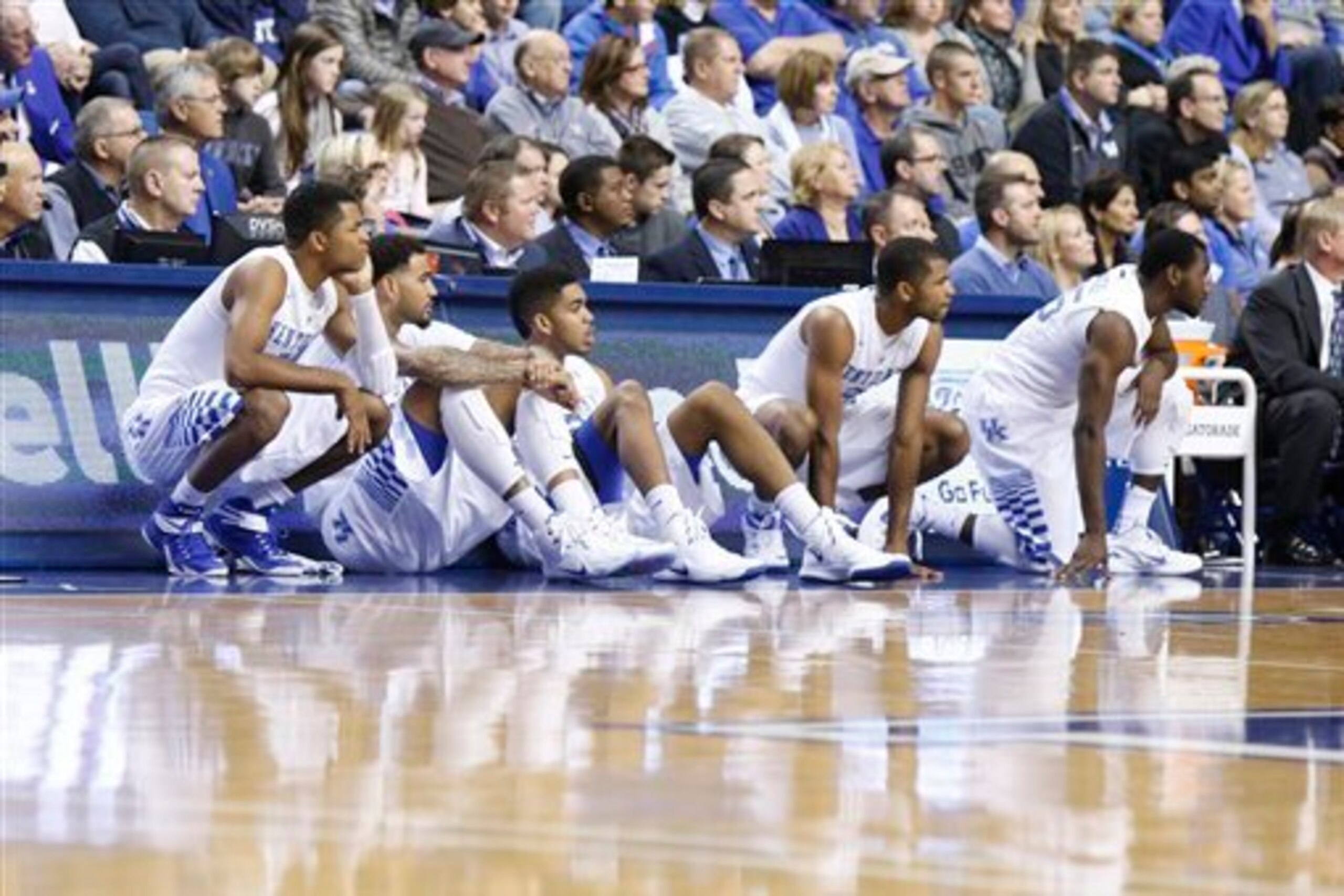

Kentucky Basketball: 5 Early Adjustments Wildcats Should Consider
Kentucky basketball is sitting at 7-0 and has held opponents to under 20 points in seven of the 14 halves of basketball its played.
So, saying there are early adjustments to consider will be nitpicking. However, that's exactly what this slideshow is going to do. Despite having the perfect record, there have been times of sloppy basketball or little tweaks that can be made to improve the team.
Some of these adjustments won't necessarily be felt immediately, especially with a clash against Texas on Friday looming. But, these are things that Kentucky head coach John Calipari should consider as the season goes on and conference play starts to get underway.
Let Andrew Harrison Post on Offense
1 of 5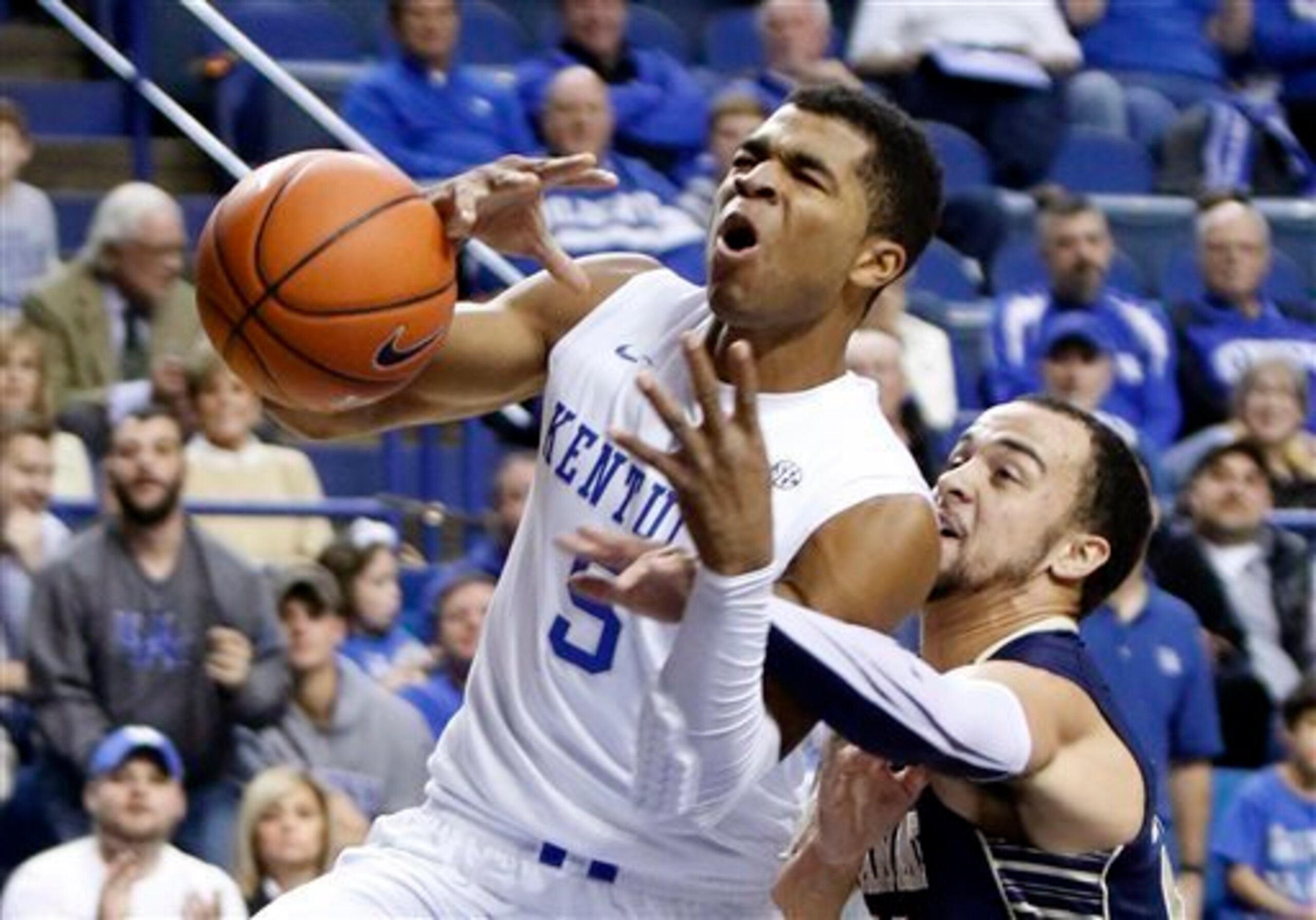
Andrew Harrison is 6'6". Most point guards aren't 6'6". The smartest thing Calipari and the Kentucky staff can do offensively is let Harrison post up those smaller guards.
He's done it a couple times already this year. After he makes the first pass, Harrison makes a dive cut to the post and will plant himself on the low block, looking for the ball. It's a designed play that needs to be run more.
With his body size and ability to finish creatively at the rim, Harrison posting up will either draw fouls on opposing starting point guards or get easy buckets for Kentucky. This is something Kentucky should run early into the game to see what happens.
The other positive of having Harrison in the post is it gives Kentucky an exceptional passer from the low blocks. If he catches the ball down low and can't make a move to the rim, the look should be either back out to his brother for an open shot or to a cutting big man down the lane.
Run a Full-Court Trap
2 of 5
Willie Cauley-Stein is one of the most athletic players in the country. If he's only going to be playing in four- to five-minute spurts, Kentucky needs to take advantage of that.
Let Cauley-Stein run the top of a full-court trap on made baskets and dead-ball inbounds. So far this season, Cauley-Stein will apply light pressure, standing in front of the guy inbounding the ball and then retreat to the half court.
Once in a while, switch it up. Let Cauley-Stein use his 7'0" length to his advantage by trying to trap a guard with one of the Harrison twins in the corner. If done correctly, it will force the guard to try to throw a cross-court pass, where Alex Poythress, Karl-Anthony Towns or Aaron Harrison will be waiting to intercept for an easy dunk.
Run Small on Big Screens
3 of 5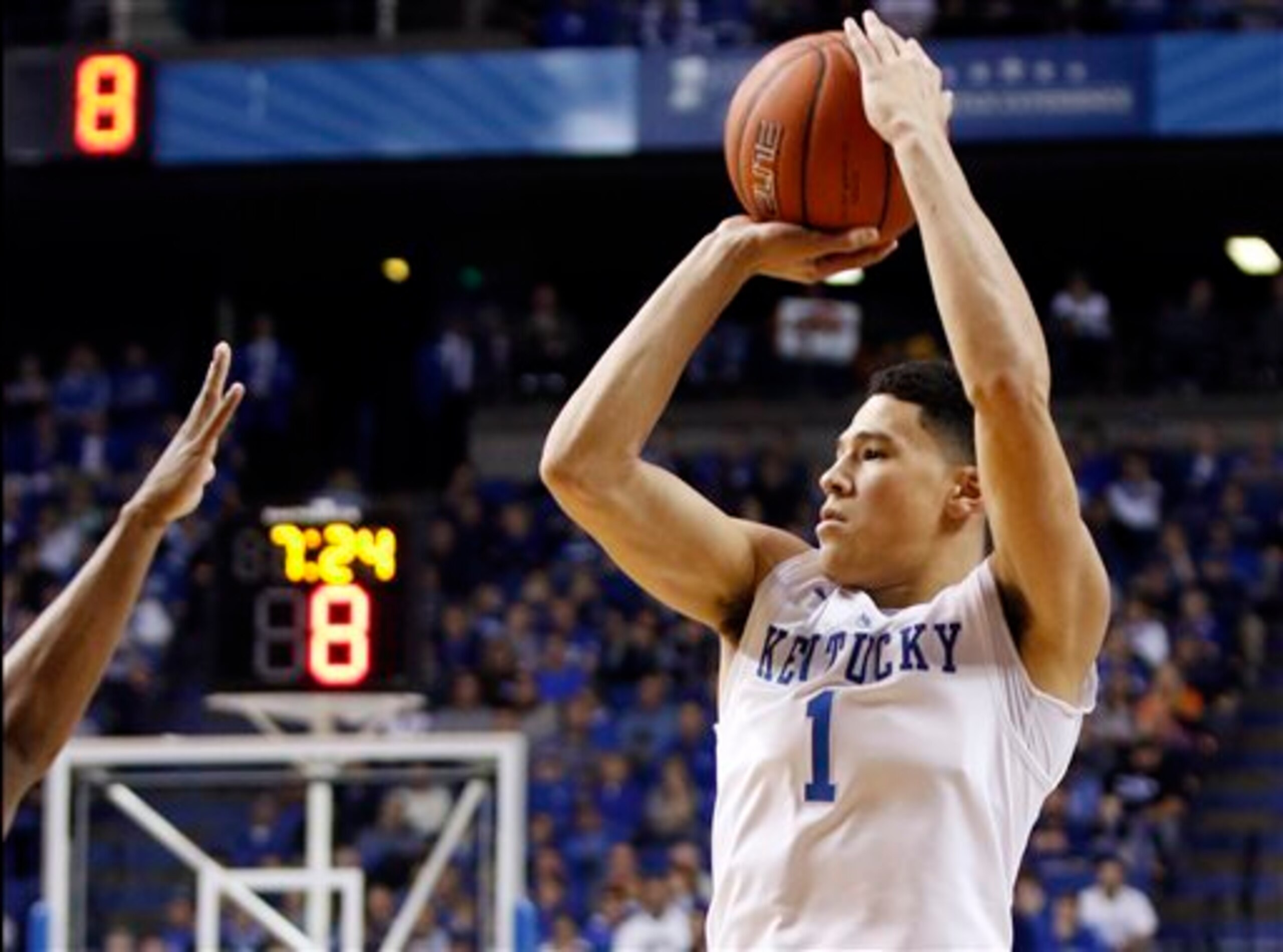
Kentucky runs a lot of ball screens. Usually it's Cauley-Stein or Dakari Johnson coming up to the high post to set a screen for Andrew Harrison or Tyler Ulis.
Change it up. Small on big screens work almost better than the typical ball screen where a center comes up to set one for the point guard. This will cause defensive confusion, and with the talent of Kentucky's bigs to handle the ball either allow them to get to the rim easily or set up a shooter for a wide-open shot.
Now "small" is a relative term when it comes to Kentucky basketball, outside of Ulis, but the best combination to run this with would be Devin Booker and Trey Lyles or Andrew Harrison and Karl-Anthony Towns.
.jpg?w=2560 "Titans Giants Football")
Trap in All Corners
4 of 5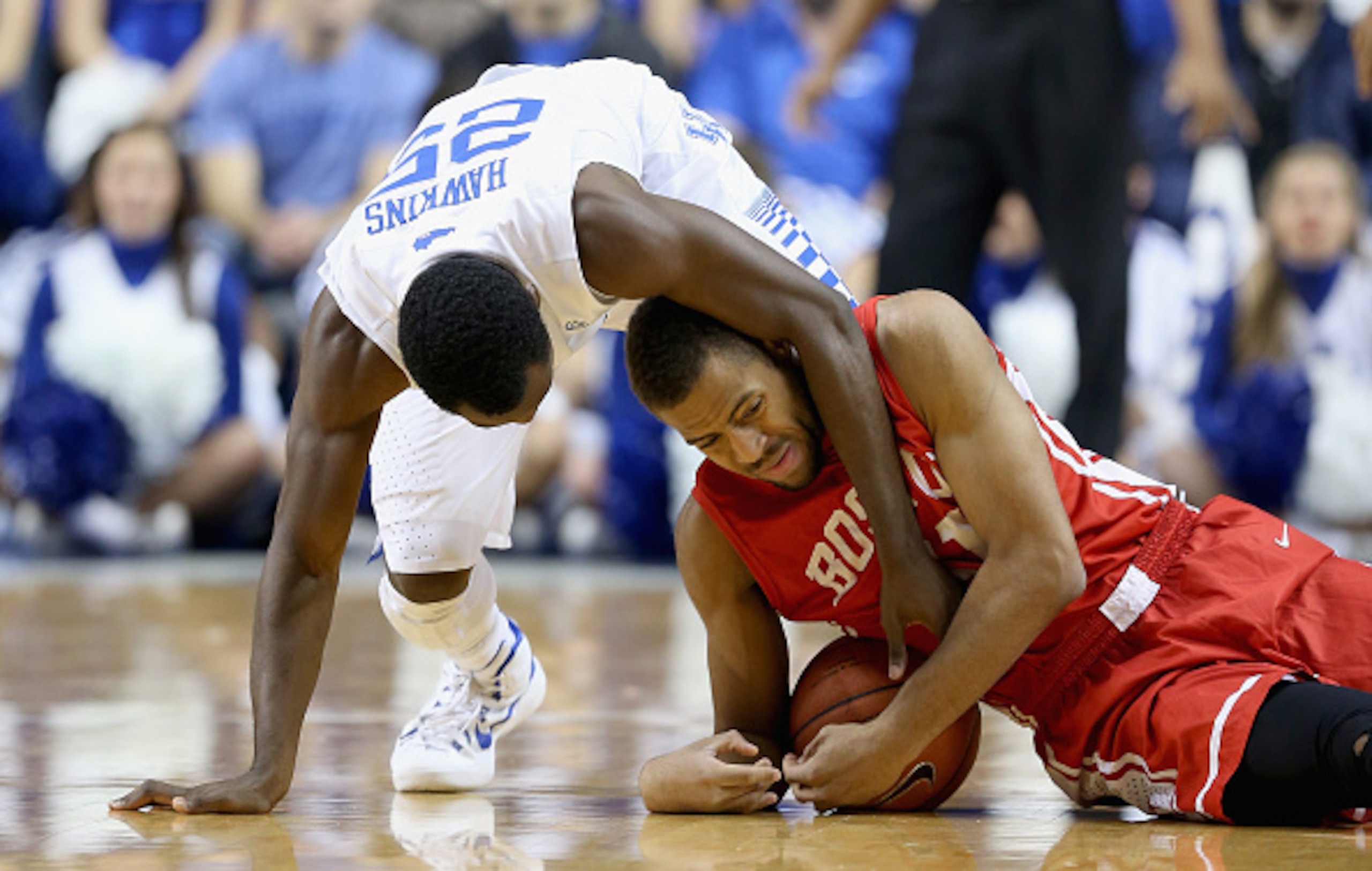
It's hard to find problems with Kentucky defensively when it holds opponents to less than 20 points in a half the majority of the time. However, this will help against stronger teams and provide a twist to the defense Kentucky is currently running.
The Wildcats need to use their length and athleticism to their advantage. Trap in every corner of the court. Use the sidelines, baselines and half-court line as another defender. Try to force your opponent to pick his dribble up in the dead corners and run the closest guy to trap.
With the size of Kentucky's guards and the defensive instincts of this team, it becomes a natural rotation, something the Wildcats are used to when they switch defensively. This will allow Kentucky do what it does best, which is play an uptempo game and get out and run on the offensive side of the ball.
Much like the full-court trap, this can be done here and there, so teams don't know when it's coming.
Abandon the Platoon in the 2nd Half
5 of 5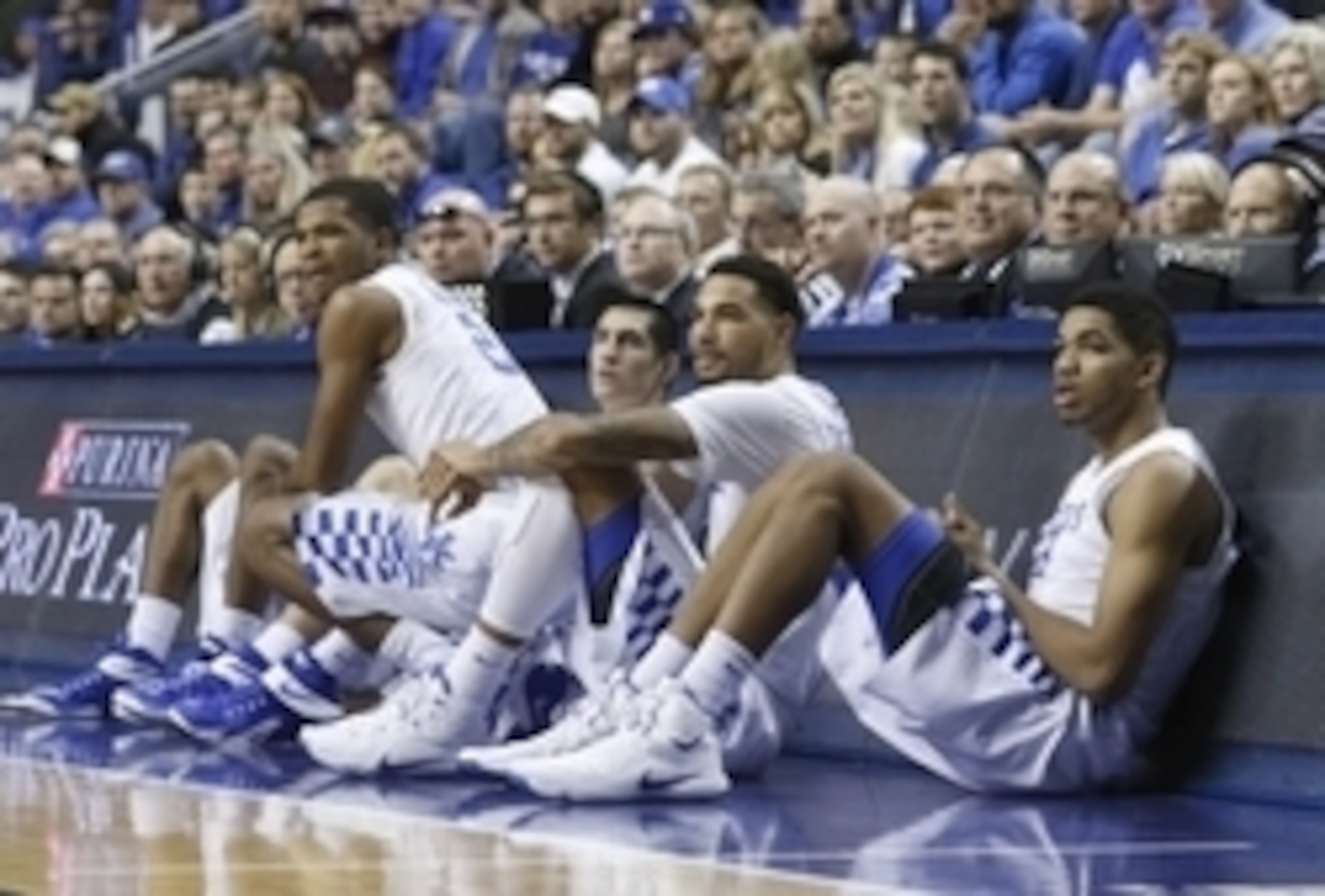
Look, everyone has heard Calipari talk about the platoon, and national writers talk about the platoon. Heck, if you live in Kentucky, your Thanksgiving dinner was probably dominated by platoon talk.
It's okay, it's supposed to be that way. It's one of the goals Calipari had when he instituted this idea, and it's hard to knock it as the Wildcats are undefeated. However, this can't possibly work come March. Right?
Well, to a degree. In the first half there is no problem with running the platoon system. Let all 10 of your players get a feel for the game and play in spurts so they can play like a bat out of hell. More importantly, it lets the coaching staff get a look at who came to play today.
After halftime, start making adjustments. Go with situational lineups and the players who are performing the best. The subbing pattern should start to resemble a normal type of team, just with more depth.




.jpg?w=2560 "Saquon Out for Game")
