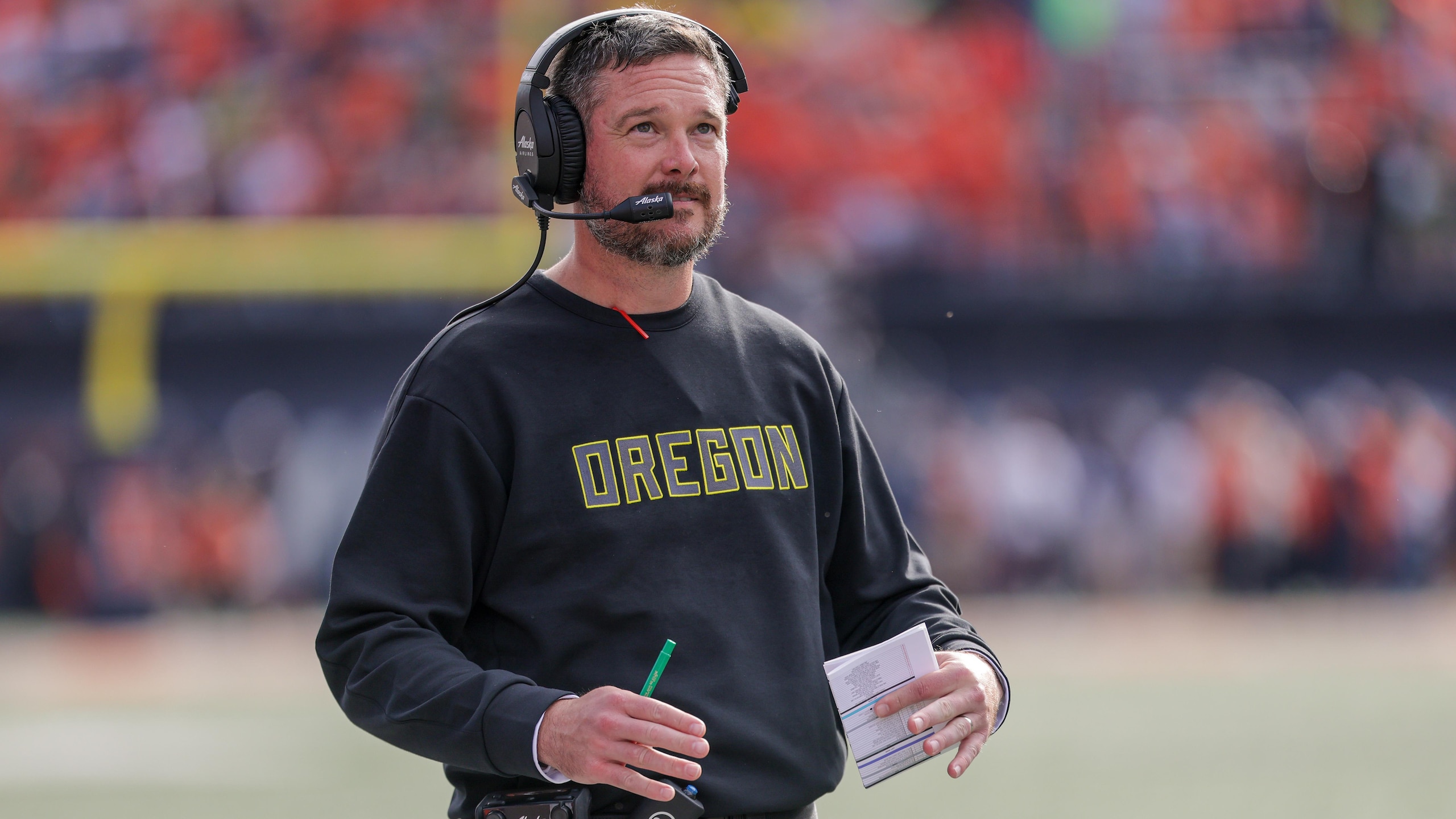
Stan Van Gundy Finding out Detroit Pistons' Problems Run Deeper Than Expected

Even if he didn't fully subscribe to the theory, Stan Van Gundy had to like the armchair doctors' diagnosis for the Detroit Pistons. The franchise's problems, so many have said, do not come from a lack of talent.
Maybe that train of thought, coupled with the seemingly limitless potential of 21-year-old centerpiece Andre Drummond, is what lured Van Gundy back to an NBA sideline. Perhaps he figured his basketball mind, utilized as both the team's head coach and president, was sharp enough to bring all of this on-paper talent together.
If he did, he wasn't the only one leaning that direction.
TOP NEWS
.jpg?w=2560 "NBA Gambling Charges")
Malik Beasley Negotiating Plea Deal (AP)

Yaxel: Luka Not MJ 🗣️
Knicks, Spurs On Wrong Side of History
"The Pistons have a lot of talent and should get a massive coaching upgrade with Stan Van Gundy," Basketball Insiders' Nate Duncan wrote before the season. "If he can work his Magic (pun intended), particularly on defense, Detroit could surge into the mid-40s in wins."
This was more than blind optimism. If those amateur physicians had called it correctly, the Pistons had the players to compete. The roster just needed a better of sense of direction, and Van Gundy seemed like the perfect choice to help the franchise navigate its way down the road to relevance.
The problem is Detroit has more than superficial wounds. No matter how Van Gundy has played his hand, he has yet to make the right move. Considering the Pistons have a worse record (3-14) than every team outside of the blatantly tanking Philadelphia 76ers, it's very possible the right move simply isn't available to him.
Believe it or not, Van Gundy has made strides with Detroit's defense.
| 2013-14 | 47.0 | 27th | 107.3 | 25th | 73.4 | 23rd |
| 2014-15 | 45.4 | 18th | 104.7 | 20th | 75.1 | 11th |
Unfortunately, this "progress" equates to moving from a terrible defense to a bad one. Making matters worse, it's also been accompanied by a complete collapse at the opposite end of the floor.
As one might expect from an offense that relies heavily on the inefficient contributions made by Josh Smith and Brandon Jennings, the Pistons struggled to find consistency last season. They tied for 19th in offensive efficiency, averaging 102.9 points per 100 possessions.
Despite already ranking in the bottom half, Detroit has managed to take a significant step backward this season. The team has nosedived to 28th in offensive efficiency (96.9). In 17 games, the Pistons have reached triple digits only once.
They have no offensive rhythm. They lack both a go-to scorer and No. 1 distributor, with no one averaging even 17 points or six assists. They get bogged down in the half court, yet they play at the sixth-slowest pace. Their transition game is nonexistent. They average 9.94 fast-break points a night, per NBA Miner, which seems criminally low given their overall level of athleticism.
"They don't steal the ball, move it, or shoot it effectively," wrote MLive.com's David Mayo. "... They don't get to the line enough, and when they do, it's only a two-thirds proposition that they make the shot."
Every thing about the offensive end has been an issue.
Of the seven Pistons averaging at least six field-goal attempts, only two have converted at least 43.0 percent of their chances. One of those two is Drummond, whose 44.8 field-goal percentage is down nearly 20 points from last season's 62.3 mark. The other is Greg Monroe, who could be speeding toward the exits after signing only his one-year, $5.5 million qualifying offer this past summer.
Part of the problem comes from change. The Pistons haven't been able to mask the fact they are still learning this offensive scheme.
"Every cut and pass is telegraphed to the point that we can practically read the script. Such robotic execution saps a set play of any action-to-action momentum," wrote Sports Illustrated's Rob Mahoney. "... There's simply no way for Detroit to be but awkward. Too much is too new."

But writing these all off as growing pains suggests their solutions will come about organically. Establishing an identity, something this team currently lacks, does not happen without some focused work.
The Pistons have a big, bruising look with Smith, Monroe and Drummond all suiting up on Detroit's most common opening lineup. But the biggest pieces of this offensive pie are divvied up between Smith (14.5 field-goal attempts per game), Jennings (12.8) and Kentavious Caldwell-Pope (12.2). Monroe (11.5) comes next, and Drummond, arguably the most important piece of the franchise's future, checks in at No. 5 (10.2).
Personnel is a major piece of this issue. Either someone oversold the strength of all these individual players, or they fit so poorly together that the whole has become significantly worse than the sum of those parts.
The fact that Van Gundy's offseason wagers have yet to pay off has only made this transition more difficult.
Clearly looking to create space for his building-block big man, Van Gundy brought in four different shooters who hit at least 39 percent from distance last season: Jodie Meeks, Cartier Martin, Caron Butler and D.J. Augustin. Meeks, the most expensive of the four, has yet to make his debut because of a lower back injury. The other three have shot a combined 30 percent from distance.
With no real spacing to speak of, the Pistons have had a brutal time trying to manufacture high-percentage scoring chances. Detroit's 41.2 field-goal percentage is the league's worst and a direct reflection of this team's execution.
"I don't think we are getting good shots overall," Van Gundy said, per Mike Brudenell of the Detroit Free Press. "I don't think we are executing well enough or with enough energy. ... In large part our shooting percentage reflects our inability to get clean shots."
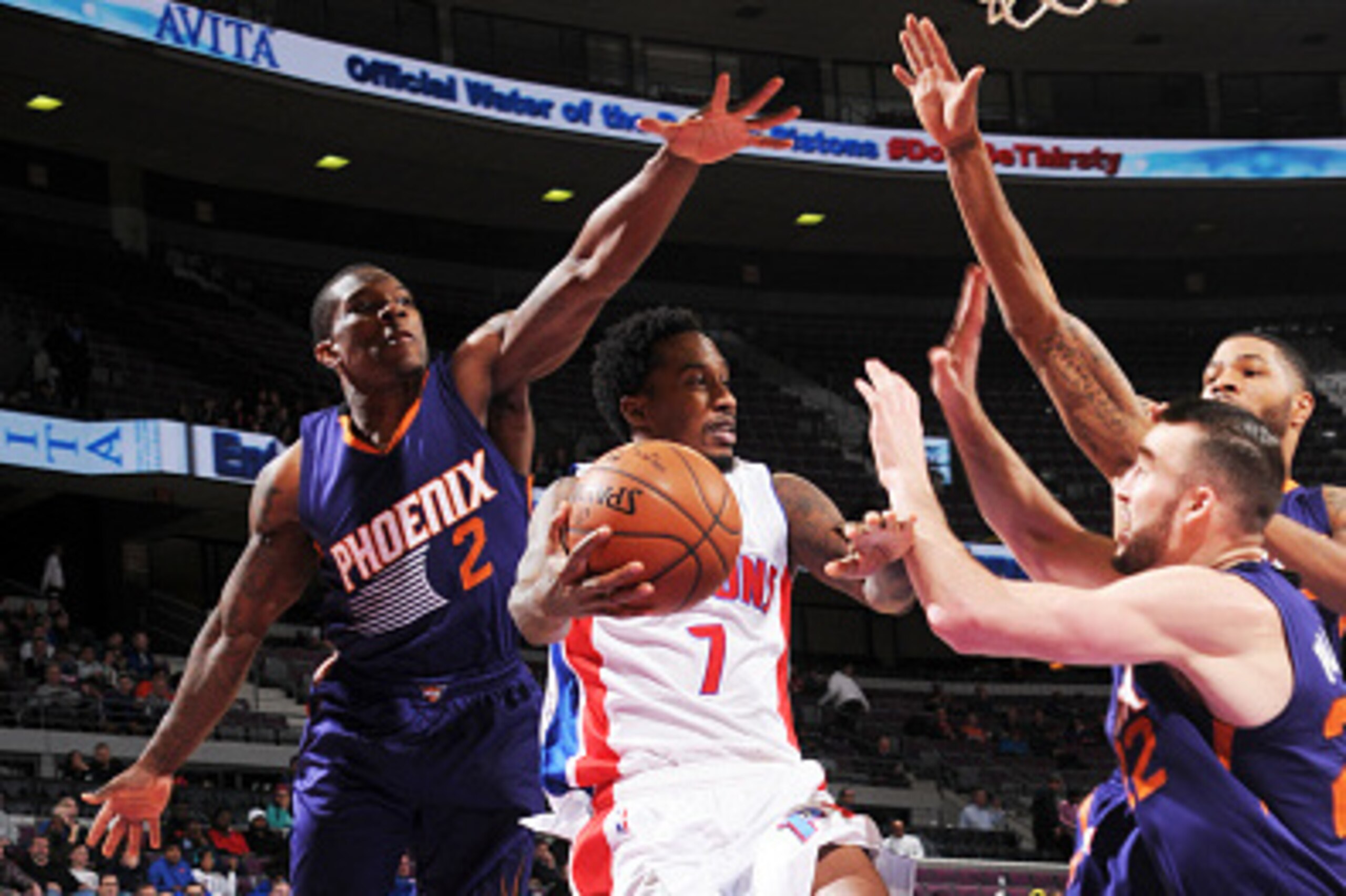
Van Gundy cannot create ways for his players to become better decision-makers or more discerning shooters. He's also, as he is learning, incapable of controlling his team's level of effort.
"Our energy level in general, at both hands—half court, full court—needs to improve," he said recently, per Anthony Fenech of the Detroit Free Press. "It's probably to me the No. 1 priority and it encompasses a lot of things. We just have to get a higher energy level."
Good coaching can have an impact, but not as significant of one as this team needs. Personnel changes need to come, really from all angles of the roster.
This oversized frontcourt simply is not built for today's NBA. Drummond needs a rangier player than Monroe at the 4, and Smith, assuming he's stuck in Detroit (with $13.5 million coming his way each of the next two seasons, he is), has to find his way off the perimeter.
But that's far from being the only change Detroit should make. The Pistons should keep Drummond firmly in their grasp and value Caldwell-Pope as highly as they can without making him officially untouchable. Beyond that, anyone should be available if the Pistons can find a deal to their liking.
They need more perimeter shooting, and Meeks alone won't fill that void. If they need to wait until next summer's free-agent class, they should already be planning pitches for Mike Dunleavy, Mike Miller and Gerald Green. A three-and-D wing like Danny Green or Wesley Matthews would be a dream find and should be a high-priority target.
The Pistons cannot let Smith's contract determine the direction of their frontcourt. If they can afford a legitimate stretch 4 like Tobias Harris, Paul Millsap or Michigan native Draymond Green, they have to explore that option regardless of how it would impact Smith's playing time.
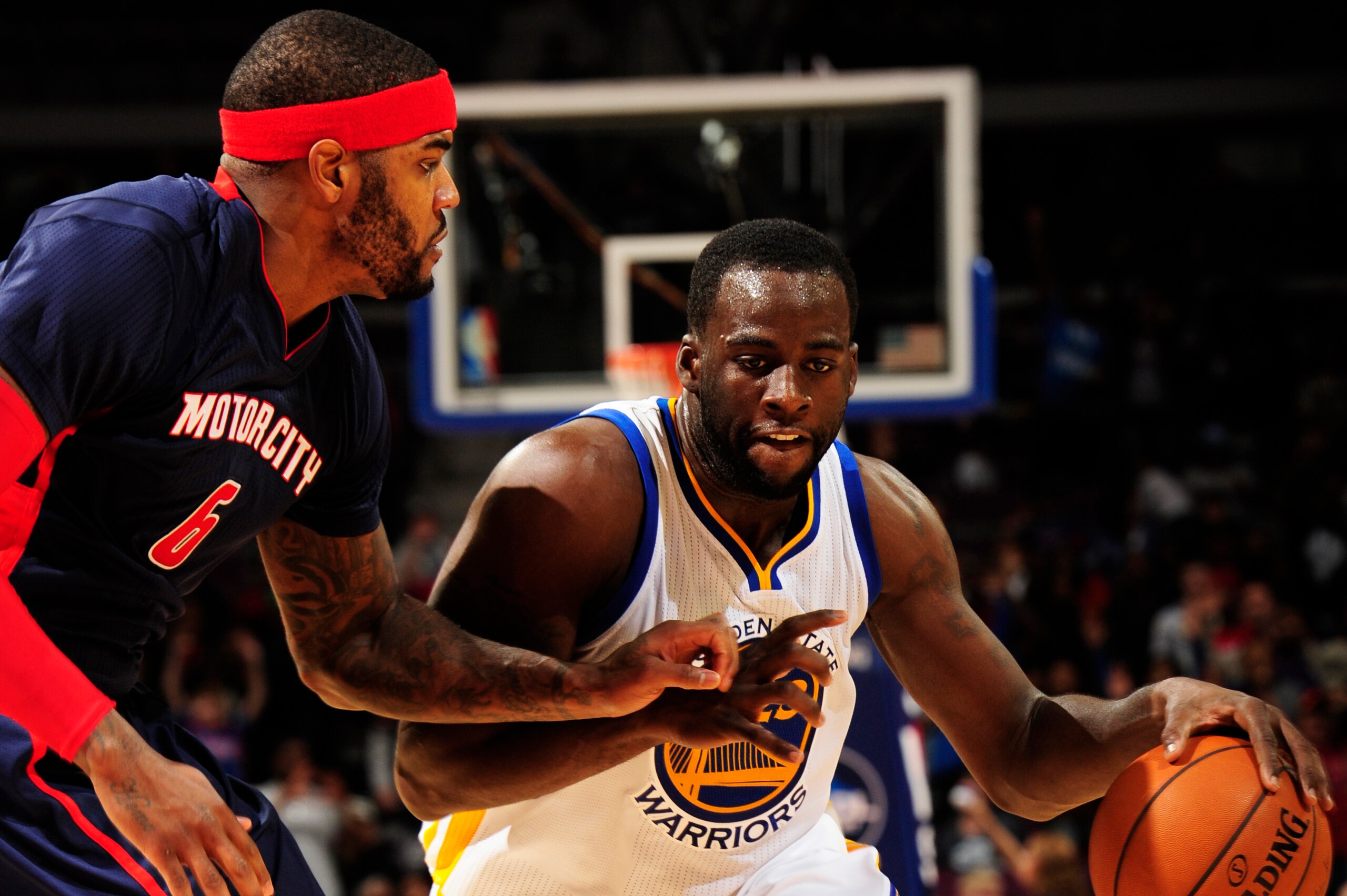
"The team is still several roster moves from competing, and they have to do something about the frontcourt rotation," wrote NBC Sports' Sean Highkin. "If there’s any coach who can turn this team around, it’s Van Gundy. But it’s going to take time."
Trapped in a five-year drought, Pistons fans may not be high on patience. But time is on Detroit's side and will be as long as Drummond hints at centerpiece-quality potential. The Pistons could still have an elite force under the basket, which could be their ticket to elite standing within the basketball world.
That massive ceiling hasn't dropped, but their basement is clearly lower than even the bleakest preseason projections had pegged. They look woefully short on talent and leadership, both necessary ingredients of any worthwhile recipe.
Detroit has entrusted Van Gundy with finding both and creating an environment for them to grow. If his front-office skills are even half of his coaching acumen, the Pistons are in good hands.
They just aren't in the shape Van Gundy might have expected to see.
Unless otherwise noted, statistics used courtesy of Basketball-Reference.com and NBA.com.



.jpg?w=2560 "Aikman Blasts Cowboys WR 🫣")
.jpg?w=2560 "Jonathan Taylor Landing Spots")