Unlocking the Secrets Behind New York Knicks' Wins and Losses This Season
Don't say the New York Knicks have lost 11 games because they don't play defense—because they do. Don't say the triangle offense doesn't work—because it does. The real differences between a W and a disappointment aren't so crudely explained. The truth is more nuanced.
Where do the Knicks fail? Too many fouls committed. Not enough fouls drawn. Poor defensive rebounding. Woeful perimeter defense.
Where do the Knicks succeed? Interior defense. Shooting efficiency. Bench points.
TOP NEWS
Jaylen Brown Calls Out Tatum 🧢
LeBron on President Trump's Criticism
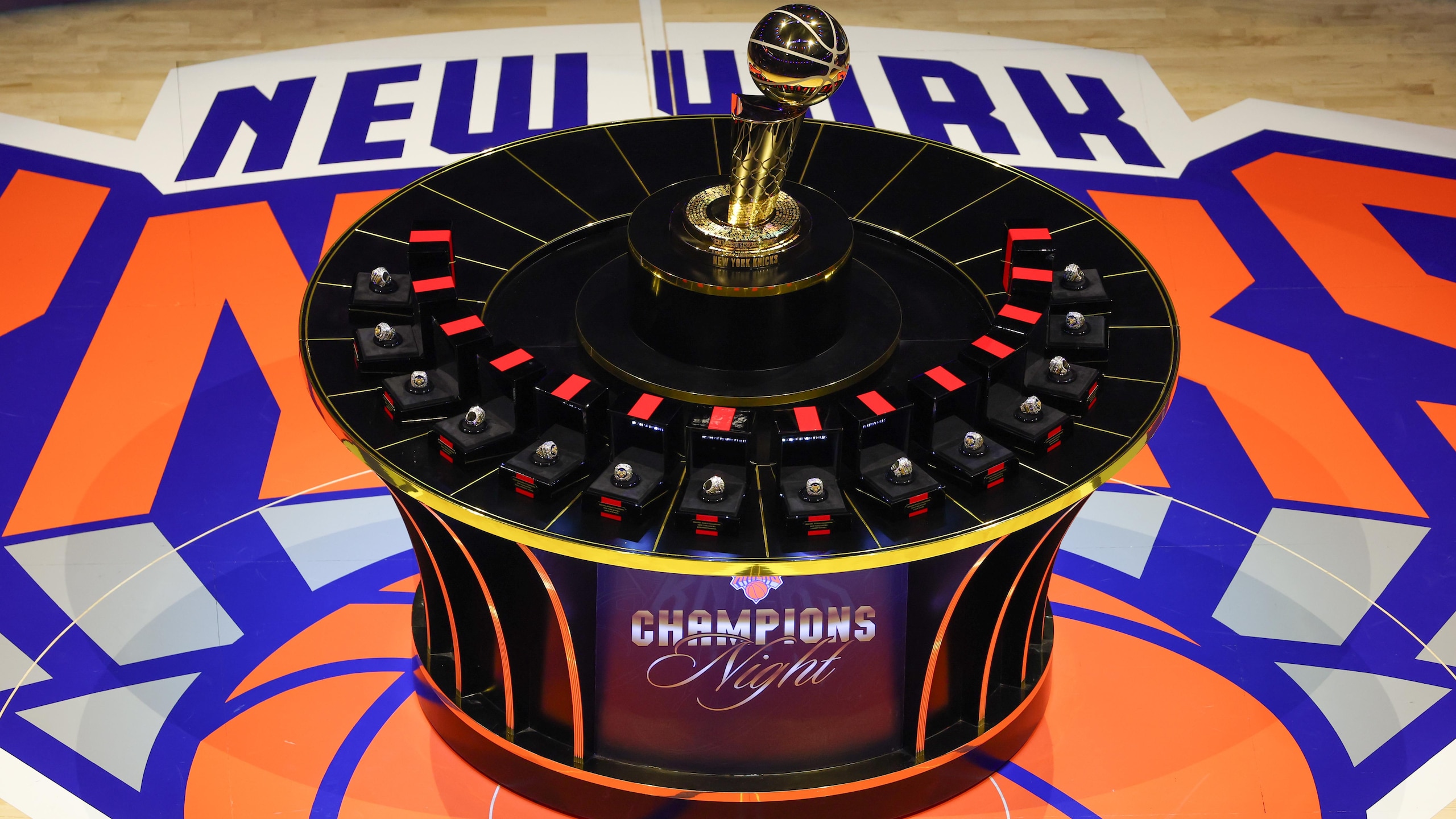
Knicks Staff Didn't Get Rings 🤔
Allow me to explain further. I hope you took your ginkgo biloba this morning, because this is a bit complex.
Free-Throw Differential
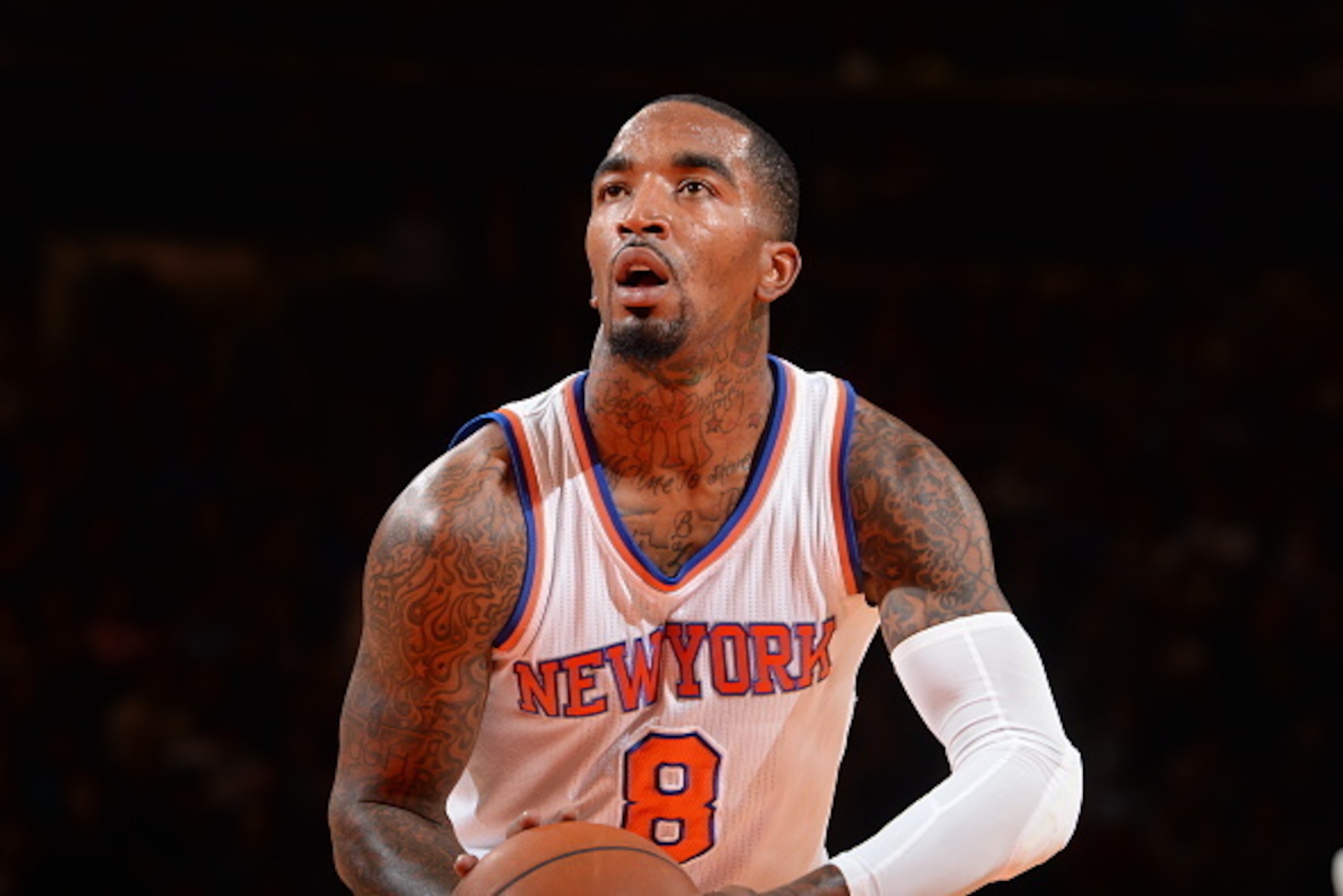
The Knicks are one of the league's worst teams at both drawing fouls and committing them. Nothing has caused them to lose more games than that huge disparity.
All other things being the same, if the Knicks had simply made as many free throws as their opponents, they would have won six more games.
I'll say that again. They would have won six more games if the free throws made by both teams were equal. The Knicks’ record would be 10-5 instead of 4-11, and they'd be ranked fourth in the conference instead of 12th.
| Game | Actual Result | If FTM Equal |
| Nov. 5 @ DET | DET wins 95-88 | NYK wins 103-96 |
| Nov. 8 @ ATL | ATL wins 103-96 | NYK wins 116-103 |
| Nov. 10 vs. ATL | ATL wins 91-88 | NYK wins 95-91 |
| Nov. 12 vs. ORL | ORL wins 97-95 | NYK wins 107-97 |
| Nov. 14 vs. UTA | UTA wins 102-100 | NYK wins 103-102 |
| Nov. 18 @ MIL | MIL wins 117-113 | NYK wins 121-117 |
It isn't that the Knicks are shooting poorly at the line—they're averaging a respectable 78.4 percent (10th in the league). The troubles are that they don't get to the line often enough and they send opponents there too often.
The boys in blue and orange only average 17.9 free-throw attempts per game—that's last in the league. They are 28th in the league at drawing fouls, averaging only 19.6 per game. (The Sacramento Kings lead the league with 28.0.)
Mind you, this team isn't prissy. They aren't pussyfooting around the perimeter protecting their manicures.
The Knicks get into the paint. However, they get there mostly by passing inside, not driving into the lane. They duck around defenders more often than they plow through them, picking up and-1s on the way.
This is a potential drawback of great ball movement. The Knicks will likely strike a better balance between passing and driving as they improve their execution of the triangle offense.

Meanwhile, if they're not going to get to the line as often, they need to stop sending the other guys there. Unfortunately, New York is tied with Sacramento for second-most fouls committed per game (24.0), and the team gives opponents 26.5 free-throw attempts.
Fans may declare that it's all the referees' doing and that all zebras hate Carmelo Anthony, the New York Knicks and fluffy kittens snuggling with cuddly puppies. Granted, some of the referees' recent behavior is suspect.
As Marc Berman of the New York Post wrote, Monday's loss to the Houston Rockets "ended with [head coach Derek] Fisher shouting at the referees as they refused to call an intentional foul on Iman Shumpert, who was trying to grab Harden to stop the clock with three seconds left and the Knicks down five."
After the game, Amar'e Stoudemire took a thinly disguised jab at the officiating. "It was like an angel came down and started calling calls for [Houston guard James Harden]. Down the stretch, I don’t see how he was getting those foul calls."
Nevertheless, when opponents are attempting 25 more free throws in a night than the Knicks (like the Atlanta Hawks did on Nov. 8), it’s hard to place all the blame on the guys in stripes.
Good Interior Defense
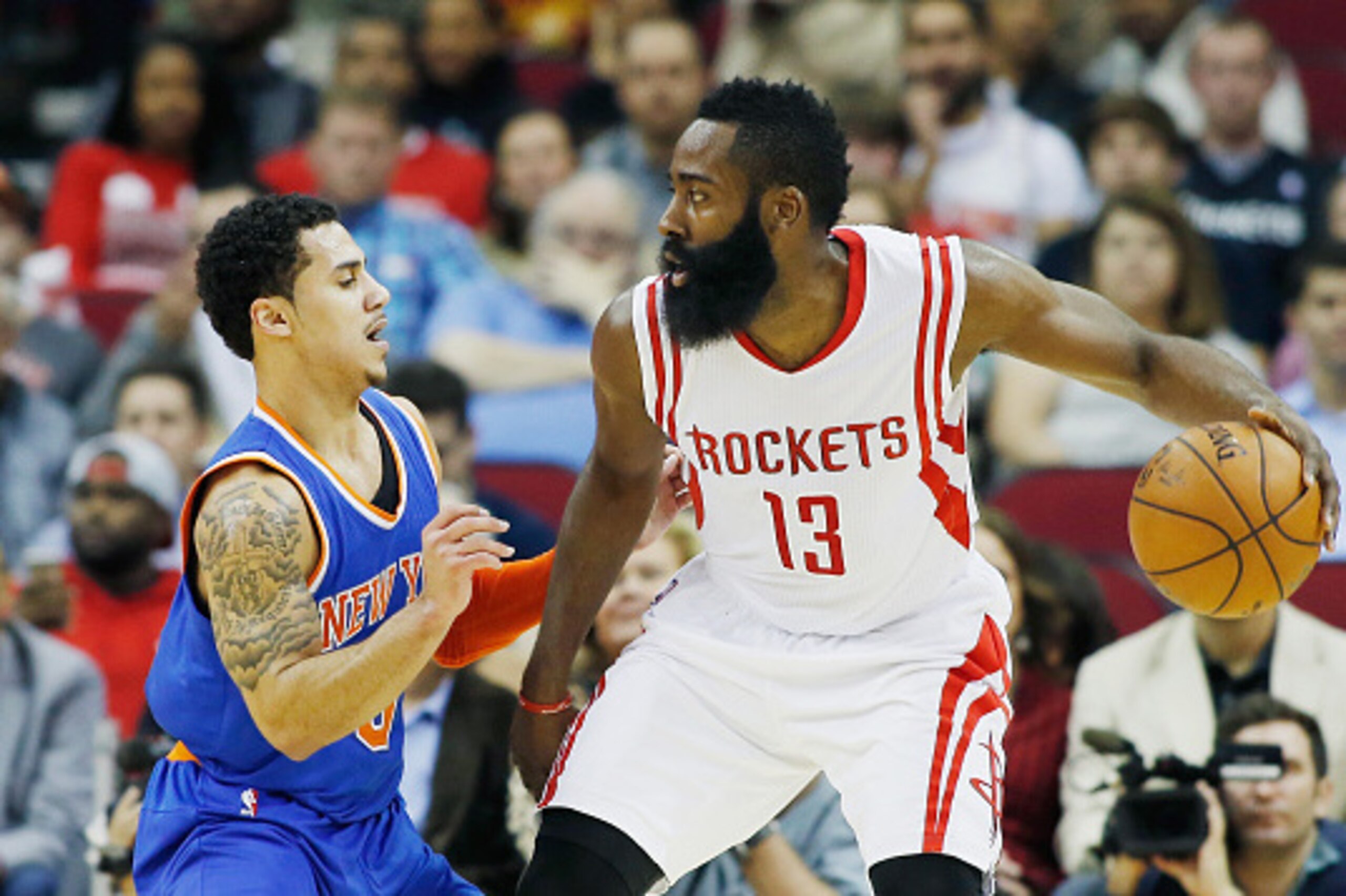
The Knicks are not lazy on defense. On the contrary, they’re so zealous on interior defense they are prone to being sloppy—that's what causes the foul trouble. The effort is there. The finesse is not.
New York holds opponents to 99.0 points per game—that’s 13th in the league. How? Because the team protects the paint better than nearly every other team.
The Knicks don’t beat opponents with blocks and steals. They do it with plain old pressure—staying in front of ball-handlers, sticking to them like fly paper, taking away their easy shots inside the arc and forcing them to make mistakes.
| Per Game Defensive Stats | # | Rank |
| Blocks | 3.5 | 28th |
| Steals | 6.5 | 22nd |
| Opp. Points | 99.0 | 13th |
| Opp. Field Goals Made | 34.7 | 3rd |
| Opp. Field Goals Attempted | 76.3 | 1st |
| Opp. FGM in Restricted Area | 13.7 | 3rd |
| Opp. 3-Pointers Made | 9.7 | 28th |
| Opp. Free Throws Made | 20.0 | 23rd |
Unfortunately, the Knicks do not always do a great job scoring off the turnovers they force. When they are aggressive in transition, it makes a big difference. When they win, they average 20.3 points off turnovers; when they lose, they only average 14.1.
Dreadful Perimeter Defense
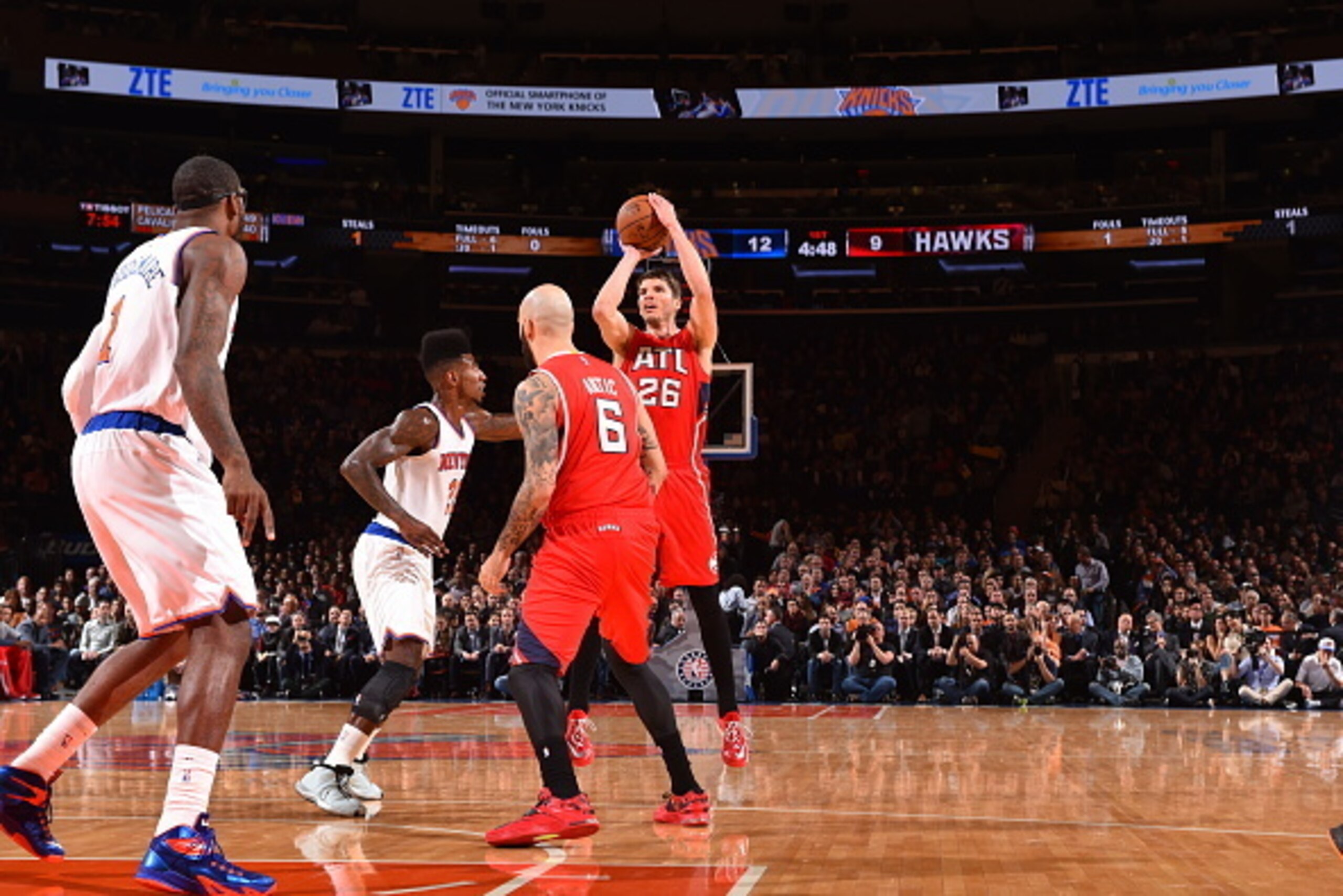
The Knicks are as bad at protecting the perimeter as they are good at protecting the paint. While they rank third in opponent field goals made, they're a miserable 28th in opponent three-pointers made.
The kindly explanation is that they’re doing such a good job locking down the interior, they simply push opponents outside the arc. The trouble is, they don't push them far enough. Defenders back off their man too much, allowing them to shoot barely contested threes at the closest possible range.
Other times, the Knicks get a little too generous with the help defense and double-teaming—so much so that they leave a man wide-open behind the arc.
Defensive Rebounds
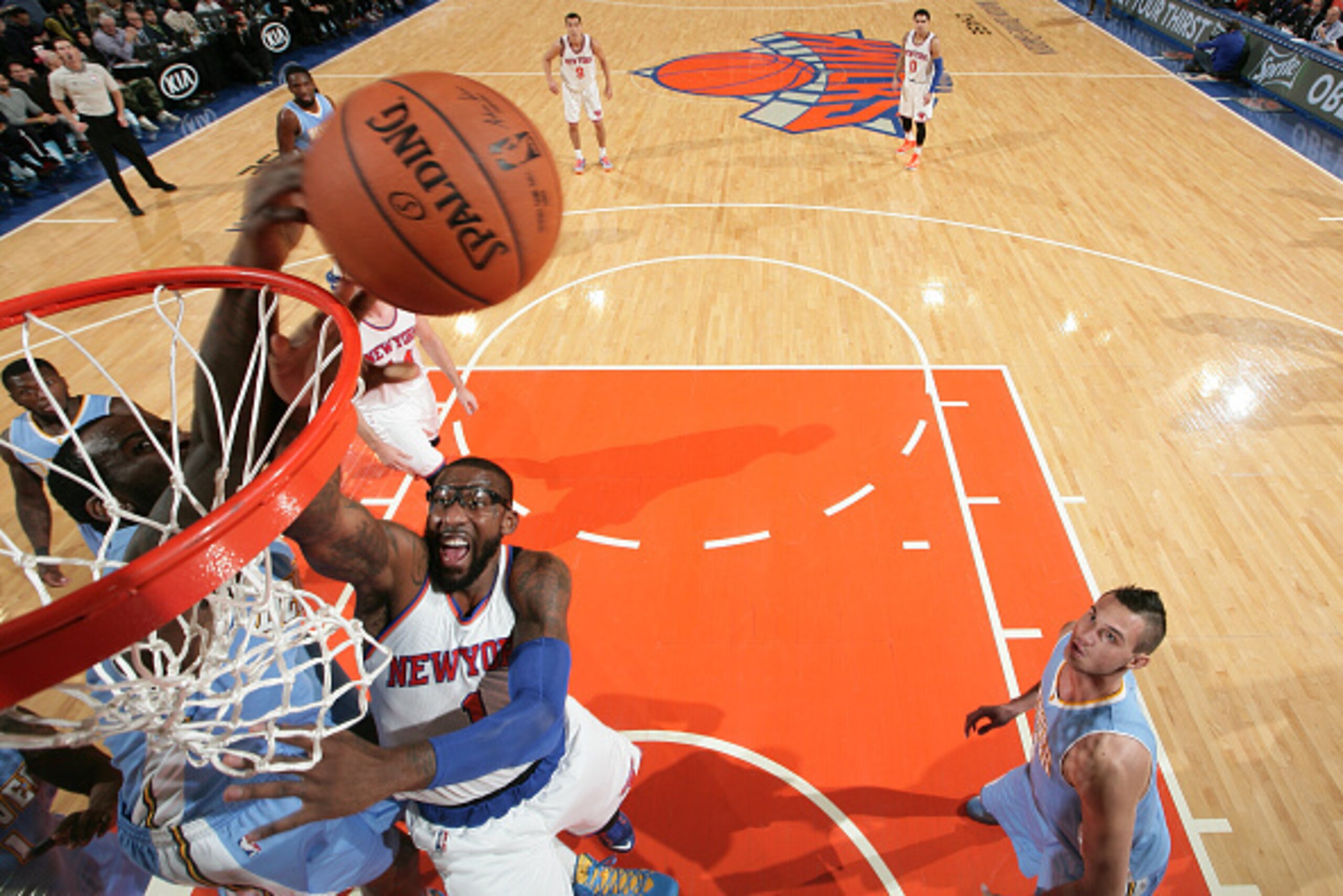
The Knicks are last in the league in defensive rebounds, only grabbing 28.0 per game. In comparison, the Golden State Warriors nab 36.2, leading the league in defensive rebounds and leading the Western Conference in wins.
The trouble with losing the battle of the boards: They're giving opponents too many second chances to score. The Knicks allow the competition to score 13.6 second-chance points per game on them. It makes a difference.
Although the Knicks never hit Warrior-level numbers, the more defensive rebounds they get, the more likely they are to win. They average 30.5 defensive rebounds when they win and 27.1 when they lose.
Triangle Offense Leading to Efficiency and Bench Points

The triangle offense is not intended to help Carmelo Anthony score more—he's a born shooter who can nearly perform aerial acrobatics if he needs to.
Rather, the triangle offense is intended to help Carmelo Anthony win more. The offense is supposed to help Melo's teammates score so that he doesn't have to carry the team for 48 minutes. And in that, it has been effective.
The Knicks showed that clearly Monday night against the Rockets. Anthony left the game with back spasms at the end of the first half, but the Knicks held together.
With Anthony in the first half, the Rockets outscored the Knicks 51-46. Without Anthony in the second half, the Knicks tied the Rockets 40-40.
The Knicks bench has outscored the opponent's bench in 11 of the 15 games by 9.5 points on average.
| Offensive Stat | # | Rank |
| Points Per Game | 94.8 | 25th |
| Field Goal % | 46.2 | 8th |
| 3-Point % | 39.5 | 1st |
Although the Knicks are only 25th in points per game right now, they're one of the most efficient scoring teams. They rank first in three-point percentage and eighth in field-goal percentage inside the arc.
There are two ways the offense gets in trouble: when the team gets so caught up in passing that players forget to shoot and when players abandon the game plan altogether. When the ball stops moving and players start tossing up ill-advised shots, they lose. When they win, they take fewer shots and make more shots.
Exhibit A: the heartbreaking 102-100 loss to the Utah Jazz, in which Melo scored a season-high 46 points to no avail—all too reminiscent of last season's foibles.
So what's next? Maybe Shane Larkin and J.R. Smith will unleash their speed more often, drawing fouls on their way down the lane. Maybe Quincy Acy will take ballet classes and learn how to gracefully leap for rebounds without mauling opponents.
However it happens, the Knicks need to flip the script at the foul line if they want to start converting close contests into wins.
All stats and game logs are from NBA.com. Follow Sara Peters on Twitter @3FromThe7.