Examining the 10 Formula 1 Title Races Double Points Would Have Affected
Formula One's decision to award double points for the 2014 Abu Dhabi Grand Prix—the final race of the season—was met with a mixture of disbelief, horror and dismay among fans.
The system was implemented with the unanimous approval of every team on the grid and championed by promoter Bernie Ecclestone. The FIA stated it was brought in "to maximise focus on the championship until the end of the campaign."
It was a purely commercial decision with no thought for the sporting consequences, and in the end it wasn't needed. The title race would have gone down to the wire anyway.
We are now faced with the prospect of seeing a tainted champion crowned, all for the sake of an ill-conceived, unwanted and unnecessary gimmick.
Had the rule been in place since the beginning of the F1 world championship, we'd have seen 10 of those already.
Starting with the first, here they are.
My thanks to grandprix.com, whose additional data and race reports proved very useful for several races, particularly those from long ago.
1953: Juan Manuel Fangio from Alberto Ascari
1 of 11
Points system: 8-6-4-3-2, one point for fastest lap. Best four results of the nine-race season count.
Alberto Ascari was already champion as the F1 circus arrived in Italy for the final race of the 1953 season. In fact, he'd been champion since the seventh round after winning four races, including the final three of his nine consecutive victories (the non-F1 Indy 500 shouldn't break the streak).
But in double points world, it would have gone right to the wire with 18 points on offer for the victor. Guiseppe Farina was 10.5 points adrift of Ascari, with Juan Manuel Fangio 14 points in arrears.
Ascari and team-mate Farina were running one and two on the final lap, and they entered the final corner side-by-side, duelling for the lead*. Ascari spun and was hit by lapped Onofre Marimon, putting both out of the race, while Farina ran off the track avoiding his team-mate.
Fangio gratefully accepted the opportunity and won his only race of the year. Farina was third.
Having also set the fastest lap, Fangio's 18 points would have given him on 38.5 for the season. He'd drop 1.5 from a shared fourth place in Switzerland for a total of 37.
Ascari would have been stranded on 34.5.
The Italian would have lost the title that was rightfully his, despite winning five races to Fangio's one—perhaps one of the most unjust results in this article.
* This one may have played out differently had double points actually existed. Ascari would surely have settled for second and won the title, rather than fight with Farina.
1956: Stirling Moss from Juan Manuel Fangio
2 of 11
Points system: 8-6-4-3-2, and one point for fastest lap. Best five scores of the eight-race season count.
Juan Manuel Fangio took an eight-point lead over Jean Behra and Peter Collins into the season-ending Italian Grand Prix. Stirling Moss was 12 points back, and out of the title contention.
But a whopping 16 points for the winner, plus two for the fastest lap, would have given him a shot.
Fangio qualified on pole for the race at Monza, but was forced out with a broken steering arm after 30 of the 50 laps. In those days, a driver could take over a team-mate's car and they'd share the points—Collins incredibly allowed Fangio to do just that, giving up his own championship hopes.
Maserati driver Moss had a brief scare of his own, running out of fuel with five laps to go. Fortunately he had a nice team-mate as well—Luigi Piotti, who pushed the Brit back to the pits for more.
Moss went on to win the race, also setting the fastest lap. Fangio was champion.
But under double points, Moss would have scored 18, pushing his total to 36 from his best five races (dropping one point).
Fangio shared second place with Collins, which would have given him six points. Though he'd have 36 points in total for the season, only the best five results would count. Dropping the required one result would have left him on 32.
Instead of being the sport's great nearly man, Moss would have won his first world championship.
1958: Stirling Moss from Mike Hawthorn
3 of 11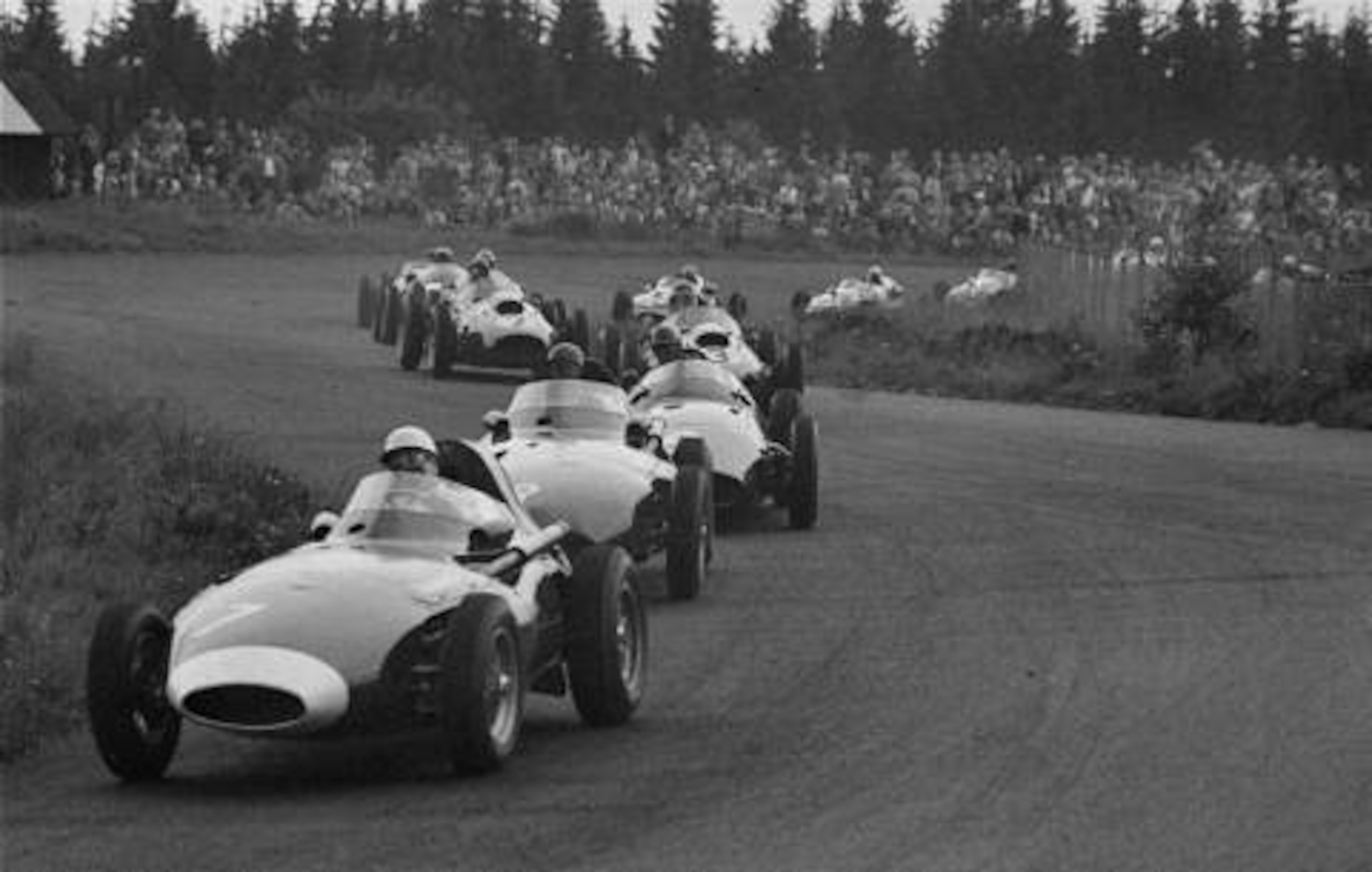
Points system: 8-6-4-3-2, and one point for fastest lap. Best six scores from the 11-race season count.
Ferrari's Mike Hawthorn went into the season-ending Moroccan Grand Prix with an eight-point lead over fellow Brit Stirling Moss, who was driving for Vanwall.
Due to the points system, Hawthorn could only increase his points total and be sure of the title with a result of second or better. Moss, who had only finished four races to that point, could increase his by nine if he won and set the fastest lap.
In double points land, he could score an extra 18.
Hawthorn was on pole but Moss took the lead at the start. He pulled away and set the fastest lap while Hawthorn was passed by Ferrari team-mate Phil Hill and Vanwall's Tony Brooks. At this stage, even without double points, Moss was set for the title.
But Brooks' engine blew and Hill slowed to allow Hawthorn through into second. Moss won, over a minute clear. Hawthorn was champion.
With double points, the 18 received by Moss would have put him on 50, dropping none as he'd only finished five races.
Hawthorn's second place would have been worth 12 points, putting him on 52 points. But after the four points from his third place at the season-opener had been dropped, he'd have had 48.
Moss, after also taking a double points crown in 1956, would have been a two-time world champion.
.jpg?w=2560 "Chargers Mack")
.jpg?w=2560 "Green Bay Steelers Football")

1970: Jacky Ickx from Jochen Rindt
4 of 11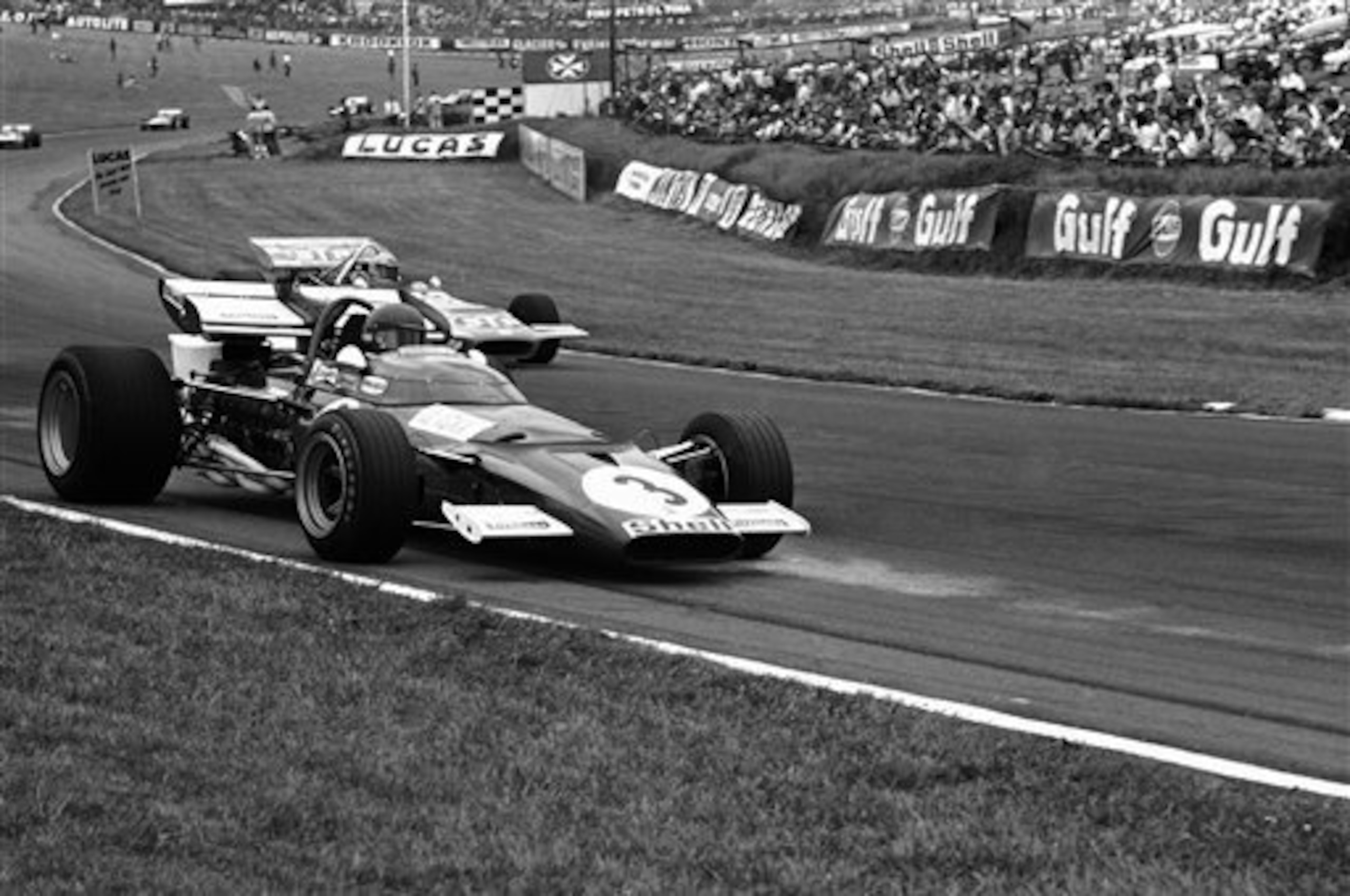
Points system: 9-6-4-3-2-1. The best six results from the first seven rounds and the best five from the final six counted towards the championship. No one finished enough races to drop points under this rather odd arrangement.
Jochen Rindt tragically lost his life during qualifying for the Italian Grand Prix. At the time he was leading the championship by 20 points. Denny Hulme was 25 points down, and Jacky Ickx 26.
Four rounds remained.
The Austrian was posthumously crowned as champion at the penultimate race. Ickx, his closest challenger, was 14 points behind heading into the final round. With nine points for a win, he could not close the gap.
But with double points, there would have been 18 points on offer—enough for Ickx to take the championship if he won.
He qualified third and took the lead at the start, followed by Tyrrell's Jackie Stewart and team-mate Clay Regazzoni. Stewart retired, leaving the Ferrari duo of Ickx and Regazzoni to cruise home for a one-two finish.
Ickx would have received 18 points for his win, pushing his total for the season to 49. Rindt's total of 45 would have been overhauled.
Fortunately, it didn't happen.
1979: Gilles Villeneuve from Jody Scheckter
5 of 11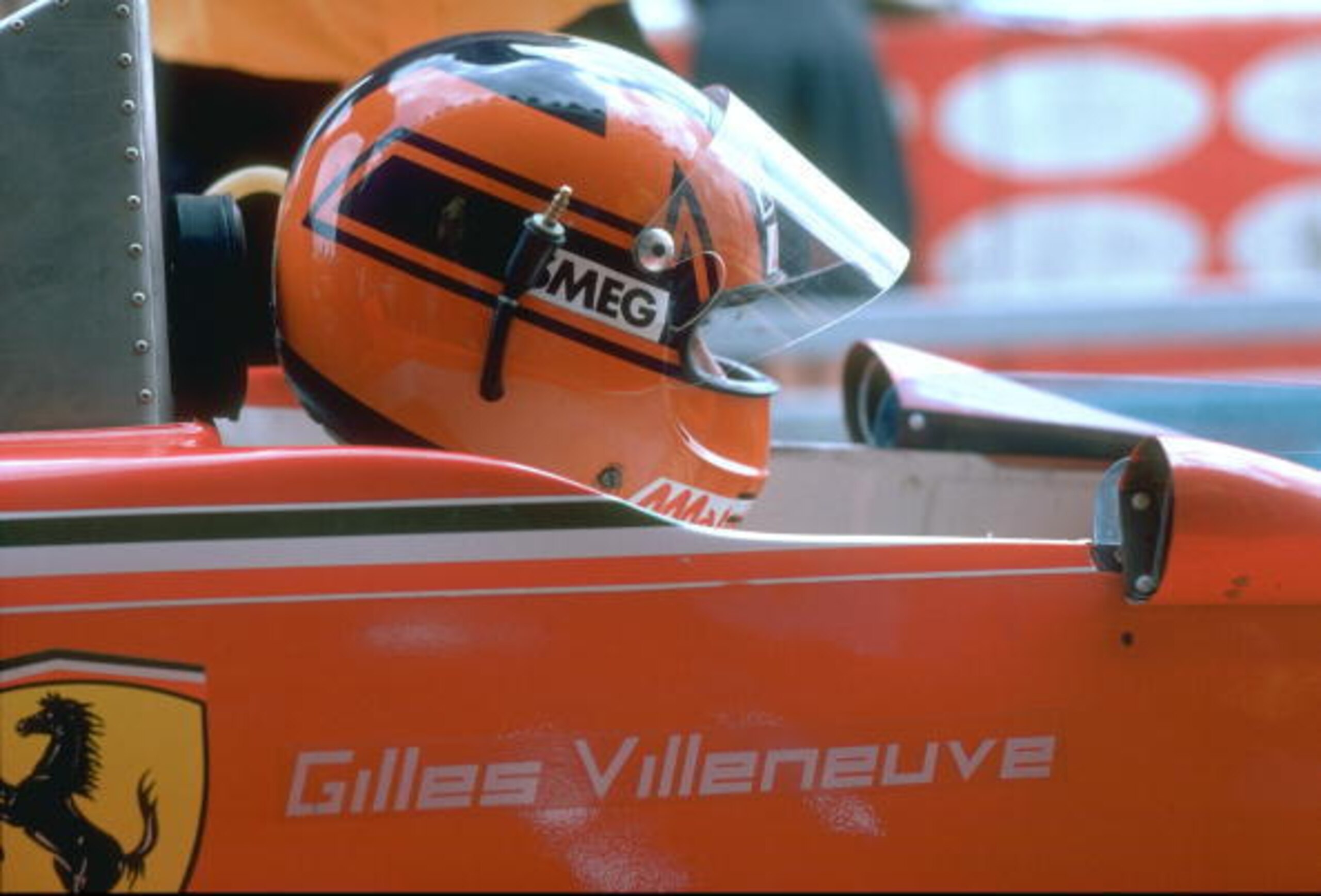
Points system: 9-6-4-3-2-1. The best four results from the first seven races and the best four results from the remaining eight races counted towards the title.
Jody Scheckter had clinched the world title with two races to spare. Heading into the season-ending United States Grand Prix, Ferrari team-mate Gilles Villeneuve was his closest challenger, seven points behind.
Even if Villeneuve won the race, he could only increase his total by three, as he would have to drop a second place (three being the difference between the points for first and the points for second).
Throwing double points into the mix, he could increase his total by 12.
Villeneuve qualified third and took an early lead on the wet track. He later pitted for slicks, briefly surrendering first place to pole-sitter Alan Jones. The Australian stopped shortly afterwards and was set to rejoin close to Villeneuve.
However, a wheel had not been fitted correctly and he was forced to retire when it came off after he rejoined.
Scheckter was taken out of the race by a tyre failure, and Villeneuve won.
The 18 points he would have received would have given him 62 for the season. Dropping six for a second place, he'd have 56. Scheckter, by virtue of finishing far more often, would drop nine points from his total of 60.
Villeneuve would have been champion with a five-point margin.
1981: Alan Jones from Nelson Piquet
6 of 11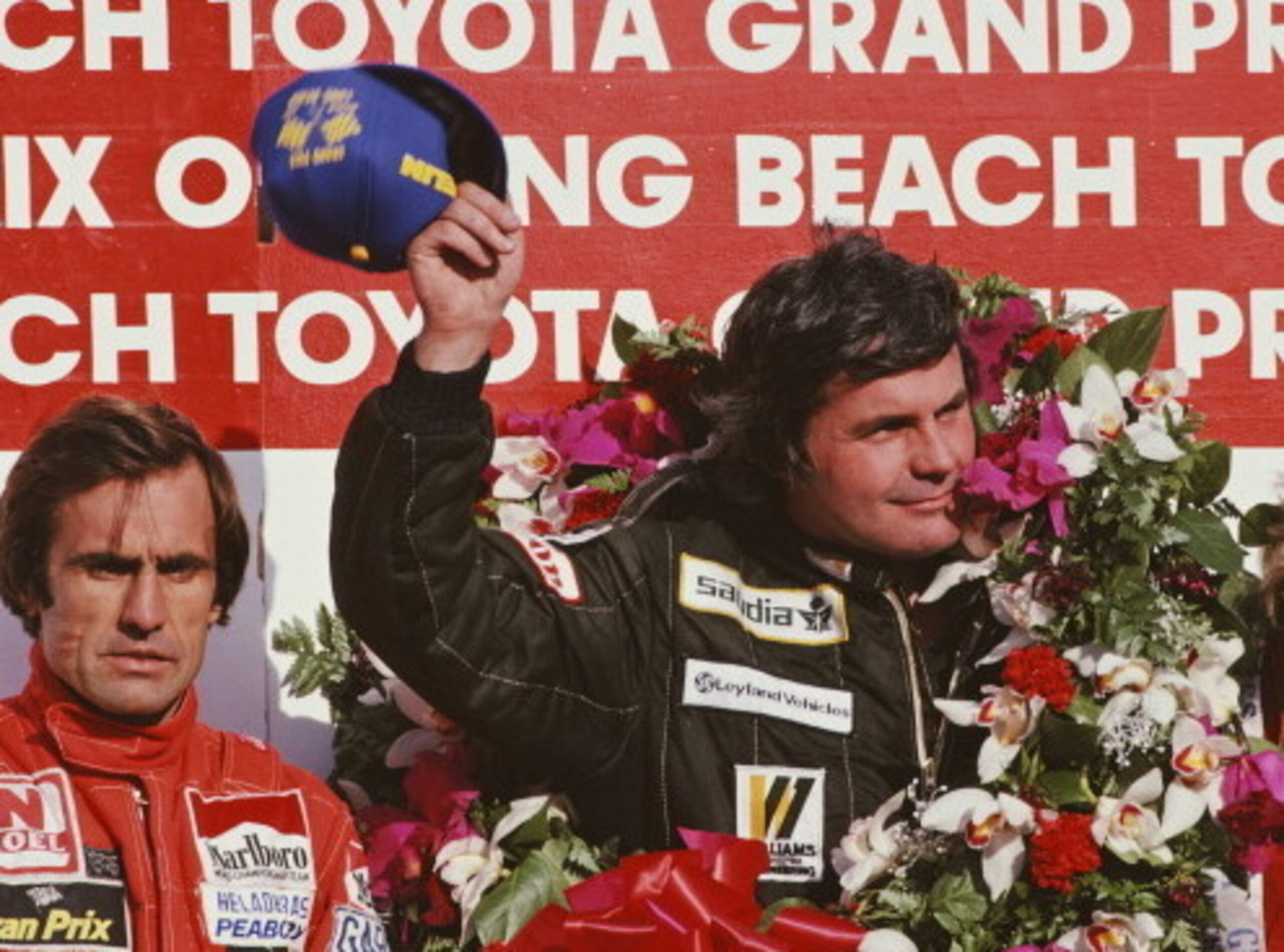
Points system: 9-6-4-3-2-1.
Three drivers went into the 1981 Caesars Palace Grand Prix with a chance of taking the title. Carlos Reutemann led the way on 49 points, with Nelson Piquet on 48. Jacques Laffite completed the trio on 43.
But in double points world with 18 points for the win, Alain Prost and Alan Jones (both on 35 points) would have entered the fray in a five-way scrap for the championship.
Reutemann started on pole with Jones alongside, but the Argentine had a bizarre afternoon. He slid back through the order rapidly, while Jones sped off into the lead. Prost settled into second.
Laffite was 12th on the grid, and never looked likely to haul himself into championship contention, while Piquet made a poor start and remained around the low end of the top six.
Jones won the race, with Prost second. Piquet finished fifth, Laffite sixth and Reutemann eighth. Under the normal points system, Piquet was champion with 50 points—one more than Reutemann.
With double points, it would have gone to a driver not even in the hunt before they were added.
The 18 points for winning the race would have catapulted Jones to 55. Piquet's two points for fifth, doubled, would have left him on 52.
The Australian would have won his second consecutive title—a somewhat less-deserved one than the first.
1984: Alain Prost from Niki Lauda
7 of 11
Points system: 9-6-4-3-2-1.
The 1984 season was dominated by a titanic battle between McLaren team-mates Niki Lauda and Alain Prost.
Going into the season-ending Portuguese Grand Prix, Lauda had a 3.5-point lead over his French rival. With a difference of three points between first and second, even if Prost won, Lauda knew where he had to finish.
Double points would have changed that.
Prost started on the front row, but was beaten to the first corner by Nigel Mansell and Keke Rosberg. By the start of the 10th lap he had overtaken both to take the lead.
Lauda, struggling with a broken turbo, was down in ninth.
But as the race went on, the Austrian veteran began to climb through the field, moving up to third. Mansell was the meat in the McLaren sandwich until failing brakes caused him to spin twice, elevating Lauda to second.
He remained there until the end, with Prost winning his seventh race of the year. Lauda was champion by half a point.
But taking 18 points for the win, Prost would have finished the season with 80.5 points. Lauda, even with his six points for second doubled, would have had 78.
Prost would now be a five-time champion, while Lauda would only have two.
2003: Kimi Raikkonen from Michael Schumacher
8 of 11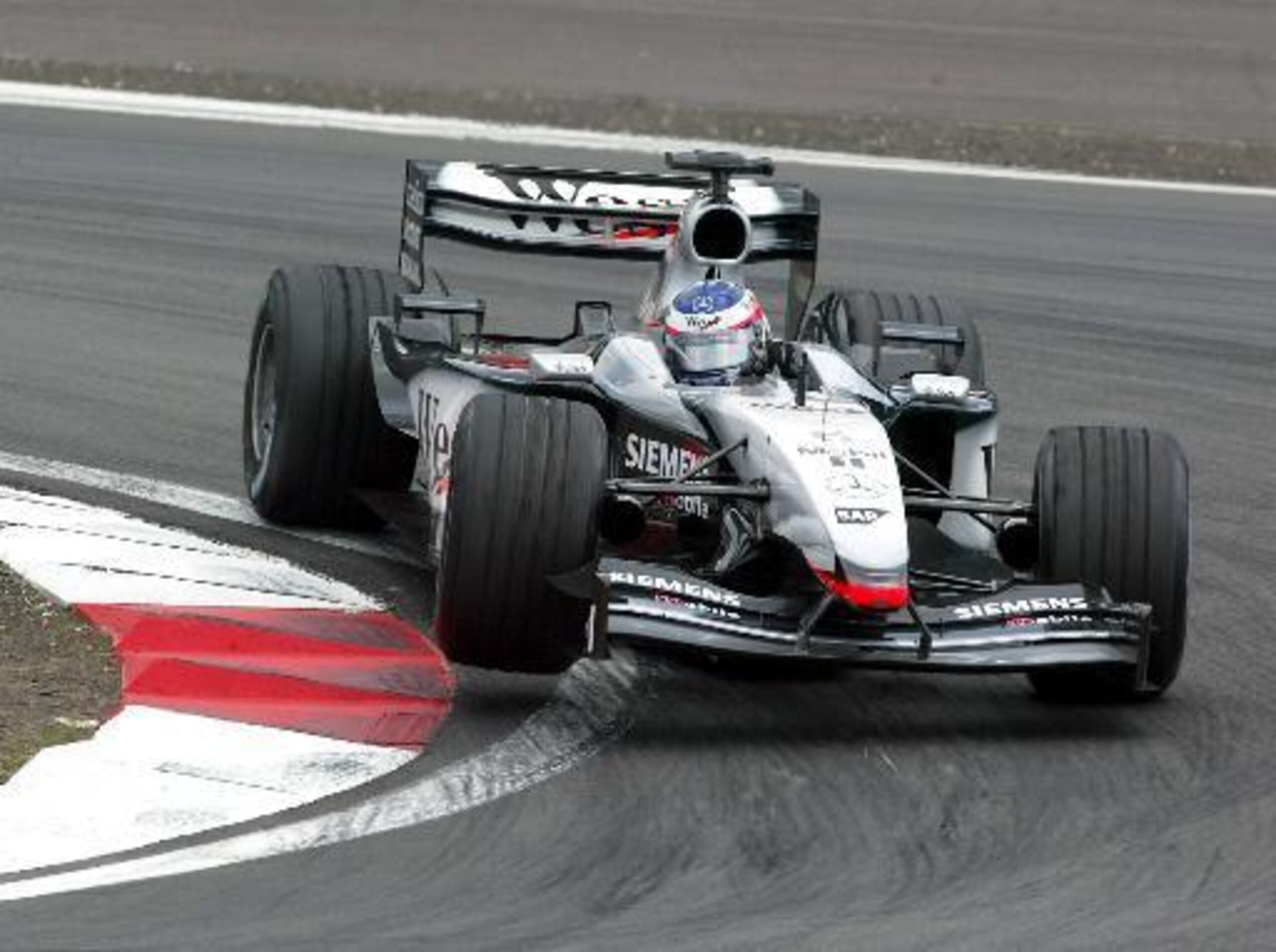
Points system: 10-8-6-5-4-3-2-1
Michael Schumacher went into the 2003 Japanese Grand Prix with a nine-point lead over the only other man capable of winning the title, Kimi Raikkonen.
With five wins to Raikkonen's one, Schumacher needed just one point to be sure of the crown.
With double points, he needed a few more.
Changeable weather turned qualifying into a lottery. Raikkonen was eighth, with Schumacher way down in 14th. Both had work to do.
The Finn set about making his way through the pack in a fairly controlled manner. Meanwhile, Schumacher was having perhaps the most interesting race of his life.
While trying to pass slower cars, he lost his front wing on Takuma Sato's BAR. After pitting for a new one, he again set about recovering into the points—then suffered a huge lock-up when attempting to pass Cristiano da Matta.
He avoided the Toyota but collided with brother Ralf, fortunately escaping with nothing more than some badly flat-spotted tyres. They made for an uncomfortable run to the flag, but the elder Schumacher couldn't pit because he'd lose eighth.
It didn't matter in the end. Raikkonen could only manage second, giving Schumacher the crown by two points.
But with double points?
Raikkonen's 16 points would have bumped him up to a total of 99. Schumacher's single point for eighth, doubled, would have left him on 94.
The record-breaking streak of five titles in a row would have been ended at three, and Raikkonen would now be a two-time world champion.
2008: Felipe Massa from Lewis Hamilton
9 of 11
Points system: 10-8-6-5-4-3-2-1.
Lewis Hamilton had a seven-point lead over Felipe Massa as the two title-contenders entered the final round of the 2008 season, the Brazilian Grand Prix.
At that point, both had five race wins. If Massa won, Hamilton needed to be fifth to take the title by a single point. Sixth for the Brit would have seen Massa crowned by virtue of having won more races.
Massa qualified on pole by almost four-tenths of a second, a lifetime around Interlagos. Hamilton was fourth.
Both held their positions at the start, and as the race went on, Hamilton seemed to be driving for the championship. Anything above fifth was OK, and he was fourth when the rain began to fall a few laps from the end.
Massa pitted and retained the lead. Hamilton had to do the same, but dropped to fifth. A few cars stayed out on the dry tyres—among them, Timo Glock in the Toyota.
Hamilton was still looking good for the championship, with just three laps to go, a personal disaster struck. Robert Kubica stuck one down the inside at Juncao to un-lap himself; Hamilton ran wide, and Sebastian Vettel sneaked through into fifth.
With Massa set to win, this wasn't enough for the McLaren man.
The Brazilian took the chequered flag and the Ferrari garage erupted into celebration. He was champion...or was he?
But Ron Dennis had been doing a rain dance in the pits, and on the final lap it began to drizzle a little bit more. Glock, having stayed out on dry tyres, suddenly had no grip and was losing a lot of time.
Hamilton swept past the Toyota at the final corner of the final lap to finish exactly where he needed to. An innocent piece of glass in the Ferrari garage was caught in the crossfire.
Putting double points into play here does the same as it has on every slide so far.
Massa's 20 points for the win would have put him on 107. Hamilton, with his eight points for fifth, would have finished with 102.
Brazil would have had its fourth world champion, and Hamilton would still be waiting for his first crown.
2012: Fernando Alonso from Sebastian Vettel
10 of 11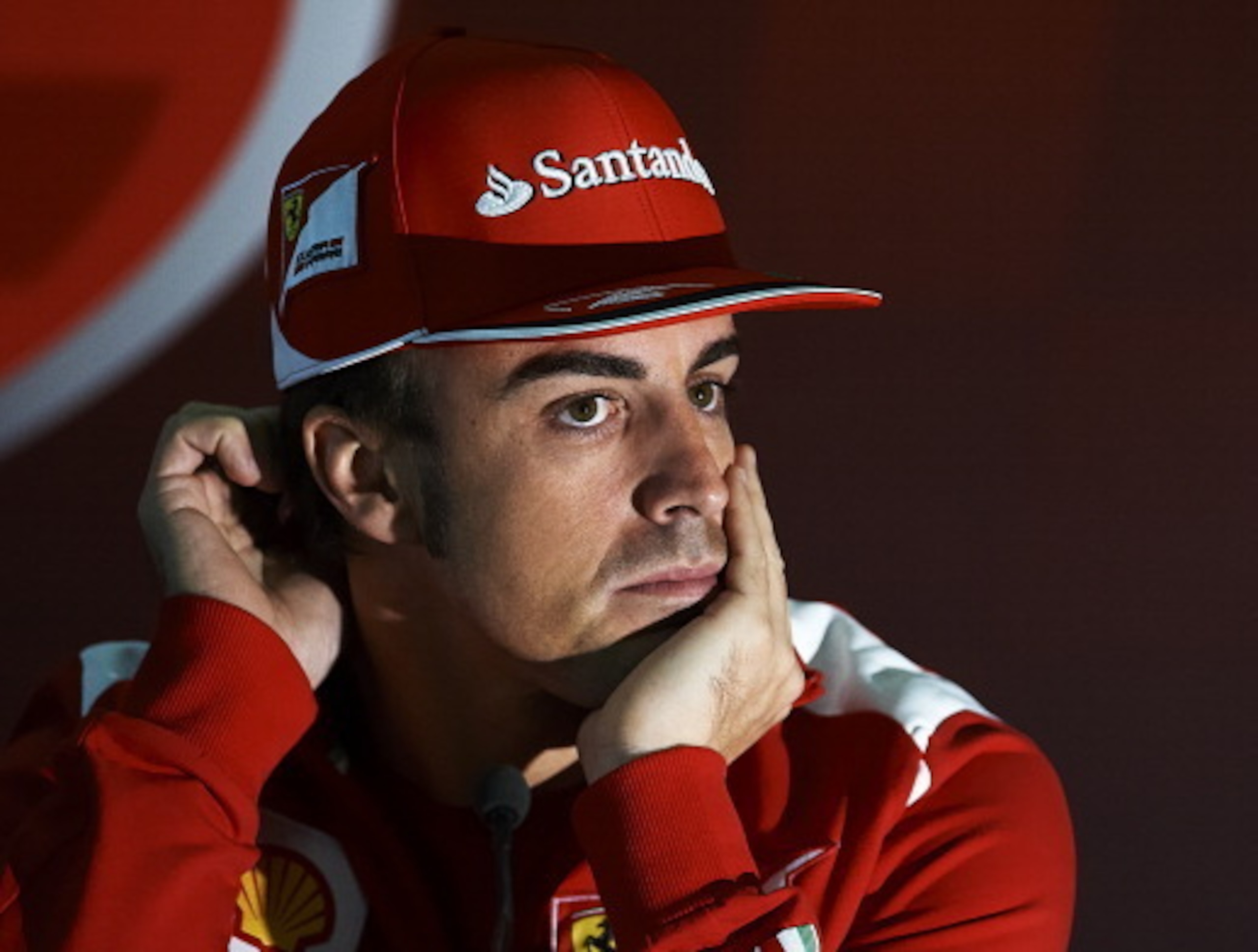
Points system: 25-18-15-12-10-8-6-4-2-1
Sebastian Vettel took a 13-point lead into the 2012 Brazilian Grand Prix. His only rival was Fernando Alonso, who had somehow remained in contention.
Providing Vettel scored at least 12 points, he would be champion even if Alonso won the race.
Everything looked good for the German after qualifying. Though he could only manage fourth, Alonso was down in seventh. But things got a little more interesting on race day.
Alonso made a blinding start and was up to fifth after the first corner. Vettel, meanwhile, got a stinker and was relegated to seventh. He seemed to brake very early into the fourth corner and narrowly avoided being rear-ended by Kimi Raikkonen.
He then turned in from the outside to the apex, where Bruno Senna was attempting to pass. The two collided and Vettel was pitched into a spin. He collected Senna again as he swung back across the track, incredibly suffering only minor damage from the very heavy collision.
But the Red Bull man was down in last, and as Alonso overtook both Felipe Massa and Mark Webber down the pit straight to claim third, the title looked like it was slipping away.
The race continued in changeable conditions, and Vettel fought his way back into contention. Alonso was slipping back, but when Nico Hulkenberg took Lewis Hamilton out the Spaniard was back in the top three.
Felipe Massa gave him second, but he wasn't going to catch leader Jenson Button and Vettel was seventh. The defending champion moved up to sixth, and that's where he finished. Alonso remained in second.
Vettel was champion by three points, 281 points to Alonso's 278.
But with double points, Alonso would have chalked up a whopping 36 points for coming second. His season total would have risen to 296, while Vettel's 16 points for sixth would have left him on 289.
Alonso and Vettel would both be triple world champions.
In Closing...
11 of 11
You may have read through that and thought, "hang on, they deserved it that year."
Maybe they did. I'd say at least two on the list "deserved" the title and there's another name I'd like to have seen win at least one world crown.
But awarding double points, placing one race so far ahead of all the others, is wrong even if we're happy with the outcome.
Hopefully 2014's season finale won't be a tainted one.


.jpg?w=2560 "Top NFL Trade Targets")