The Good, Bad and Ugly from Chicago Bulls' Early-Season Results
The 2014-15 season is still in its infant stages, but the Chicago Bulls already have some good and some bad performances under their belt.
The Bulls' new additions are paying off already, drastically improving one of the league's most anemic offenses over the past few years. With Derrick Rose, Pau Gasol, Jimmy Butler and a deep bench, Chicago has had no problem putting up points.
However, rebounding has been a bit of an issue and surprisingly so, as the Bulls have previously built a reputation as an elite squad on the glass.
TOP NEWS

NBA Power Rankings Entering Preseason 🔢
Giannis' Warning to NBA ⚠️
Wizards Guard Admits Tanking 😨
Chicago is 4-1 with a favorable schedule ahead, and the Eastern Conference is there for the Bulls' taking. With a struggling Cleveland Cavalier team and a handful of fringe contenders, Chicago is in perfect position to take the East crown.
To do so, it will have to continue to build on the good, correct the bad and eliminate the ugly.
The Good: Jimmy Butler and the Offense
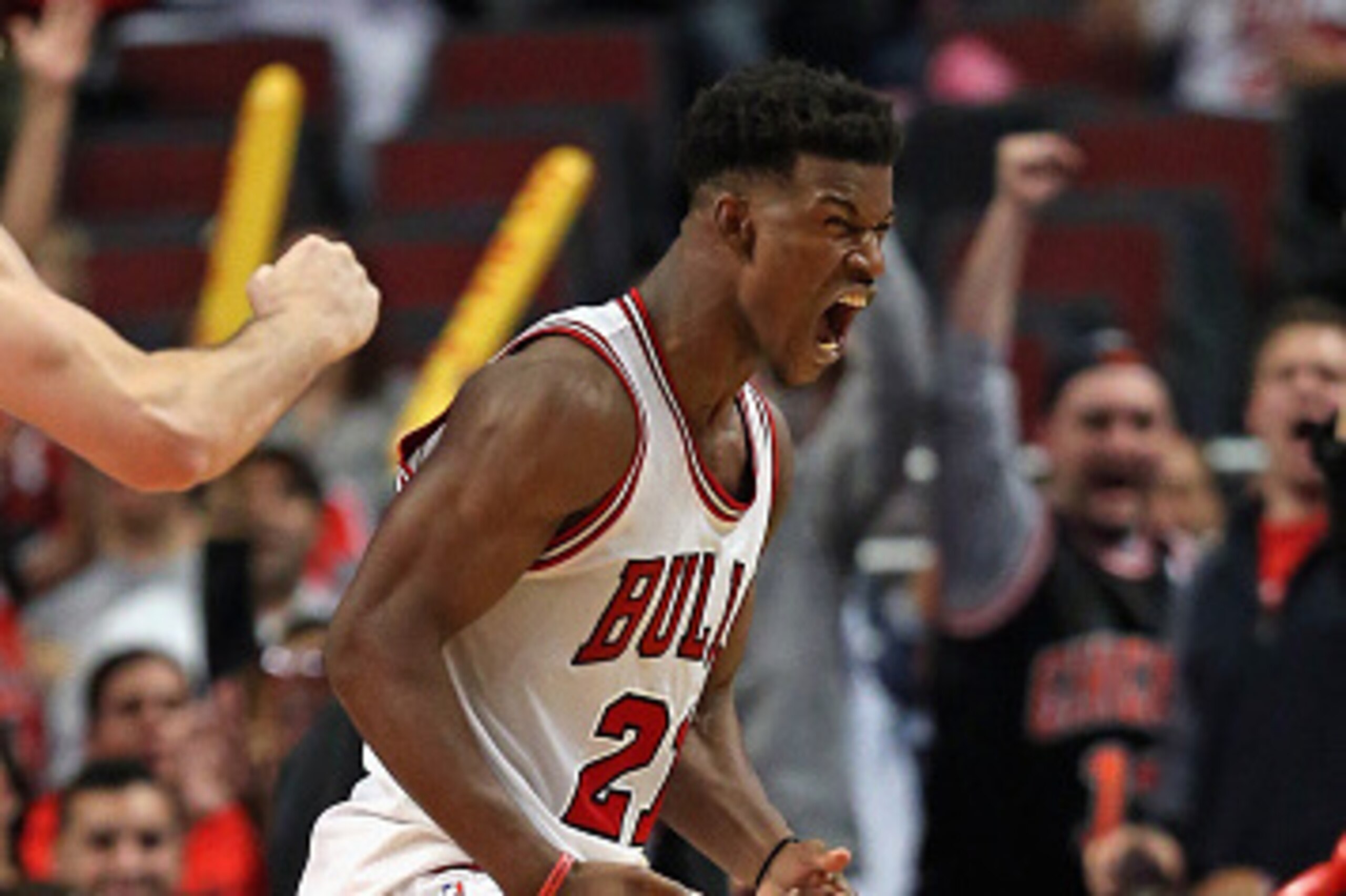
The Bulls are scoring points!
After being cellar dwellers in the scoring department over the past few years, the new-look Bulls are scoring in bunches so far this season. Chicago's offense has surpassed 100 points in three of its first five games.
The Bulls' ball movement has been very fluid in the early going, averaging over 20 assists per game. Both Gasol and Joakim Noah are working well from the top of the key, and players are cutting hard toward the basket and coming off screens to get open looks.
The Bulls' second unit has played a huge role as well. Taj Gibson, Kirk Hinrich and Aaron Brooks are averaging double digits in scoring, although the two guards' averages will likely diminish as Rose continues to settle in.
The biggest component of this new offense, though, has been the strong perimeter shooting. The Bulls are attempting four more three-pointers than last season while making two more. They have been more efficient as well, increasing their percentage up two points from 35 percent in 2013-14.
Newcomer Brooks and 13-year vet Mike Dunleavy are the standouts so far. They are two of four Bulls who are shooting over 37 percent from beyond the arc, with Brooks at an astronomical 61 percent.
Chicago has accomplished all this without much help from Rose, who has missed two-and-a-half games. Fortunately for the Bulls, Butler filled the No. 1 option role in the former MVP's absence.
The four-year guard returned Nov. 1 against the Minnesota Timberwolves and was quick to make his presence felt. He has become a true offensive weapon for Chicago, aggressively attacking the rim and showing patience with his jump shot.
Butler is playing to his strengths: He's not a good outside shooter, but he possesses great size, speed and athleticism. He's using that to his advantage by working on his post game, per Bulls.com's Sam Smith:
"I'm not saying I am him, but I watched a lot of film this summer on Mike [Jordan] and Kobe [Bryant] and their footwork and how they play [in the mid-post]. It's where I want to get to...
It's confidence for me (now). I'm in a rhythm. My teammates are giving me the ball in great position. But that's what the summer was, to be confident in your game. You're here for a reason. I'm happy we're winning. It doesn't get too much better than this.
"
Head coach Tom Thibodeau praised Butler's game, giving a nod to his versatility and late-game heroics. Chicago will need Butler to fulfill the prospects of this breakout season, especially with Rose wstill shaky from his ankle injuries.
The Bad
Rose's Ankle Injuries

With Rose still looking a bit shaky from his ankle injuries, he knows he will have to take his time before asserting himself the way he wants to, but he proved he can still play a big role in games, per the Chicago Tribune:
"Of course (my ankles) weren't 100 percent, but I felt like we needed this win. I really couldn't get to the hole as much as I wanted to. I didn't have any fast-break points, but I was able to still affect the game and draw people in with double-teams to help my teammates.
"
It certainly doesn't help that Rose aggravated the injury.
It's all part of the game, but it's frustrating for a fanbase that has seen three postseasons cut short due to injuries, mainly to its star point guard.
The ankle issue will surely impact Rose's game until he's fully healed, but Chicago has a deep team. While Brooks won't give the Bulls what Rose can, it's a solution to a problem that should only be temporary if Rose and the Bulls are patient. After all, it is an 82-game season.
Thibodeau is confident Rose will get back to speed sooner or later: "This comeback's not going to be easy, and he knows that, understands that. He just has to keep grinding away. It will work out."
The Bulls will have to hope it does work out.
Rebounding
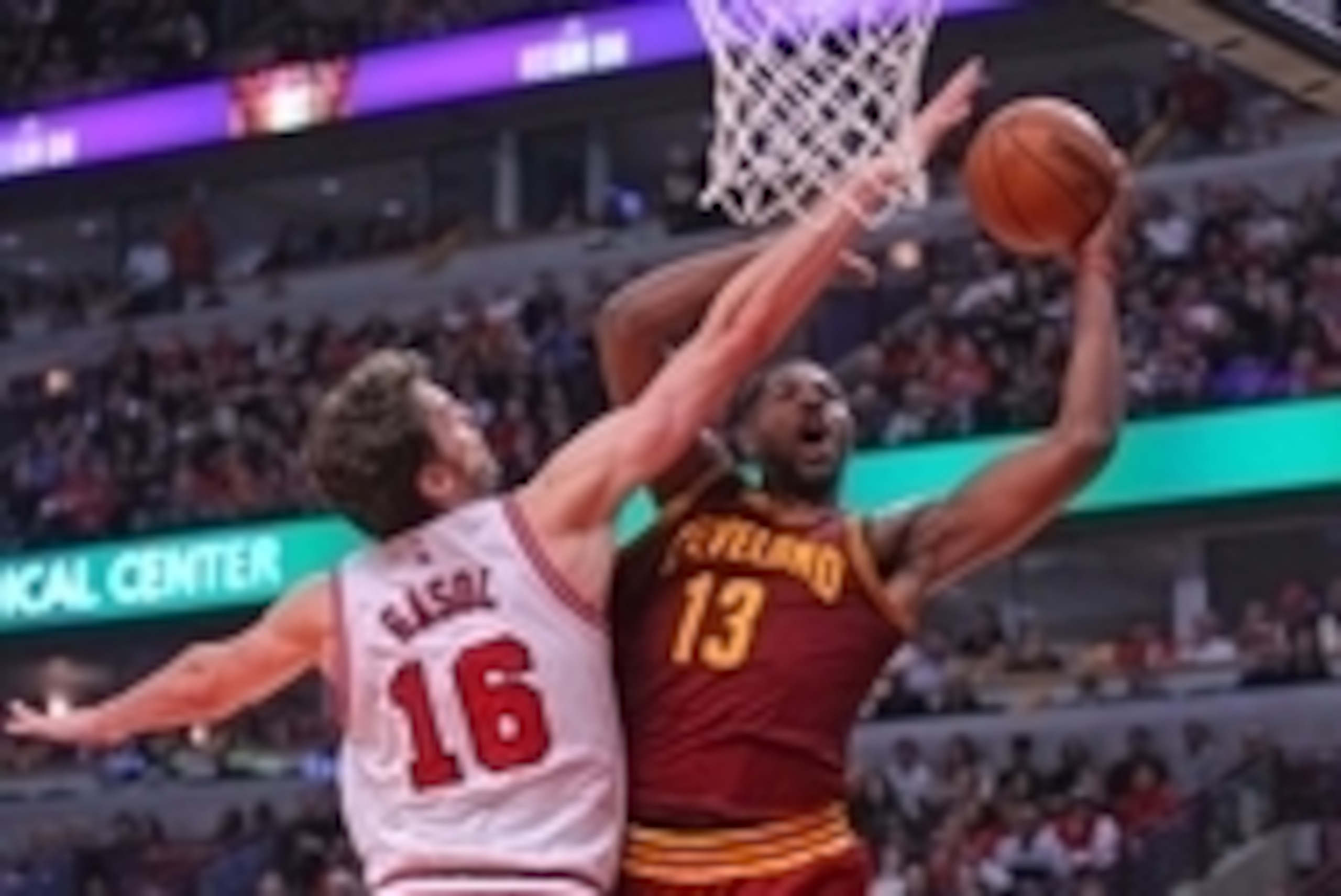
Chicago has been among the league leaders in rebounding over the last few years, but so far this season, it has been out-rebounded in three of its five games. It was the main reason the Cavs beat the Bulls in the latter's home opener on Oct. 31. Cleveland grabbed 20 offensive rebounds that led to 22 points.
It was a similar story the following night in Minnesota, where a couple of offensive boards led to a Kevin Martin three-pointer that put the Wolves up one point with just over two seconds left in the game. The Bulls wound up winning the game on two Butler free throws, but it's something that will definitely hurt them going forward as they start to face off against some of the league's top teams.
Their struggles continued against the Milwaukee Bucks on Nov. 5, as the Bulls allowed 18 offensive rebounds leading to 16 Milwaukee second-chance points. While injuries to the frontcourt have contributed to this, Chicago still has enough size up front to beat most teams on a nightly basis.
As a team known for its hustle and grind-it-out nature, it's very uncharacteristic for the Bulls to allow over 15 offensive rebounds per game, let alone lose the rebounding battle.
The Ugly: Butler Extension
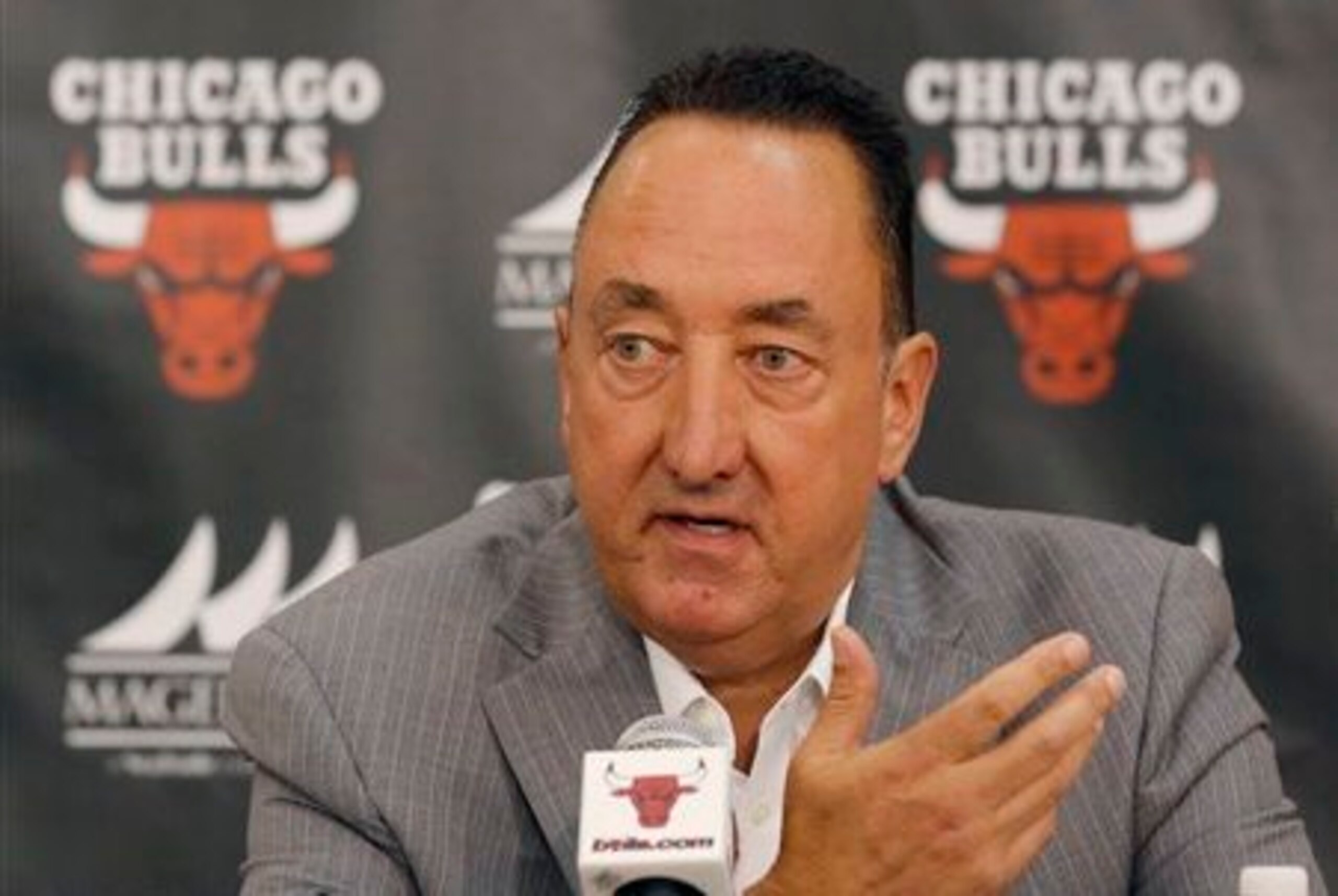
This has been perhaps the biggest miscue of the season.
Butler and the Bulls failed to come to an agreement on a long-term contract extension. K.C. Johnson of the Chicago Tribune reports that the Bulls offered a multi-year deal with about $11 million in yearly salary, but Butler ultimately turned that down and negotiations stalled.
"This is where I want to be. ... I think I still will end up in this city," said Butler about his NBA future. It's encouraging to hear him say that, but at the end of the day, it's a business, and money talks. By failing to reach an agreement, the Bulls gave teams with cap space a chance to nab him away from Chicago.
If the Bulls plan to match—and they should—why didn't they just make the deal before the deadline? Butler is coming off an NBA All-Defensive Second Team appearance and has an improving offensive game. His value is high and could increase if he continues to perform at an All-Star level.
Chicago is risking two things: overpaying—Butler could go as high as $14 million in the market—or worse, losing him to a team with cap space that is desperate for a two-way guard.
Both sides seem confident they'll work out a deal next summer when they can continue negotiations, but it's a risk that probably shouldn't have been taken.
.jpg?w=2560 "Every Trade's Best Trade Asset 🔁")
.jpg?w=2560 "Insiders: Cowboys Overpaid for Porter")
.jpg?w=2560 "Top NFL Trade Targets")