Minnesota Timberwolves Put Rebuild at Risk with Massive Ricky Rubio Extension
Fear of the unknown can do funny things to a franchise's willingness to break open the piggy bank.
In a bid to keep their young core intact after the painful departure of star forward Kevin Love, the Minnesota Timberwolves have made a significant investment in their 24-year-old point guard.
Yahoo Sports' Adrian Wojnarowski reported on Friday that the organization agreed to pay Ricky Rubio $55 million over the next four seasons, with another million bucks available should certain incentives be met during that span.
TOP NEWS
Jaylen Brown Calls Out Tatum 🧢
LeBron on President Trump's Criticism
Report: Knicks to Sign Knecht
"I am really thrilled," Rubio told Wojnarowski via email. "I couldn't be happier. They showed they believe in me, and I'm up for the challenge. I want to lead this young team."
The Timberwolves also showed they apparently believe in miracles—or at least in Rubio's potential to become a significantly improved shooter. How else does one explain a franchise's readiness to spend an annual average of $13.8 million on a guy who only made 38.1 percent of his field-goal attempts a season ago?
As CBSSports.com's James Herbert noted after the new deal, "Minnesota hired Mike Penberthy to work with Rubio on his jumper, and the 24-year-old is well aware that he needs to be better at finishing around the rim."

So there's certainly a chance Rubio becomes a more effective scorer in time. There's just no guarantee—and that makes the $55 million hard to stomach. Now in his fourth season, the former No. 5 overall draft pick may well have already reached his ceiling. It's difficult to predict how much he'll improve, particularly when surrounded with an ever-younger supporting cast.
Rubio fans will highlight any number of things he admittedly does very well.
He's averaged 8.1 assists and 2.3 steals per game on his young career, establishing himself as a skilled contributor on both ends of the floor. He rebounds well for his position and has generally shown the makings of a capable leader—albeit one who's been largely overshadowed by Love thus far.
But there's no getting around his fundamental limitations and the extent to which they impact Minnesota's ability to space the floor and find good shots. Rubio's 15.35 player efficiency rating ranked 28th among qualified point guards last season, according to Hollinger Stats.
That trailed most starters, along with a few reserves.
While there's certainly intangible value to things such as maintaining continuity and building chemistry, the numbers are compelling in this case. And they don't justify Minnesota's expenditure.
Consider the extensions other young point guards received in recent years, particularly in light of their effectiveness the season prior to receiving said extensions.
| Player | New Contract | PER | PTS | FG% | AST | REB | STL | TO | MIN |
| Ricky Rubio | 4 yr, $55 million | 15.35 | 9.5 | .381 | 8.6 | 4.2 | 2.3 | 2.7 | 32.2 |
| Kemba Walker | 4 yr, $48 million | 16.82 | 17.7 | .393 | 6.1 | 4.2 | 1.2 | 2.3 | 35.8 |
| Ty Lawson | 4 yr, $48 million | 19.43 | 16.4 | .488 | 6.6 | 3.7 | 1.3 | 2.4 | 34.8 |
| Jrue Holiday | 4 yr, $41million - 46 million | 14.74 | 13.5 | .432 | 4.5 | 3.3 | 1.6 | 2.1 | 33.8 |
| Stephen Curry | 4 yr, $44 million | 21.23 | 14.7 | .490 | 5.3 | 3.4 | 1.5 | 2.5 | 28.2 |
That's right. Starting with the 2015-16 season, Rubio will be making substantially more than emerging superstar Stephen Curry.
Let that sink in for a moment.
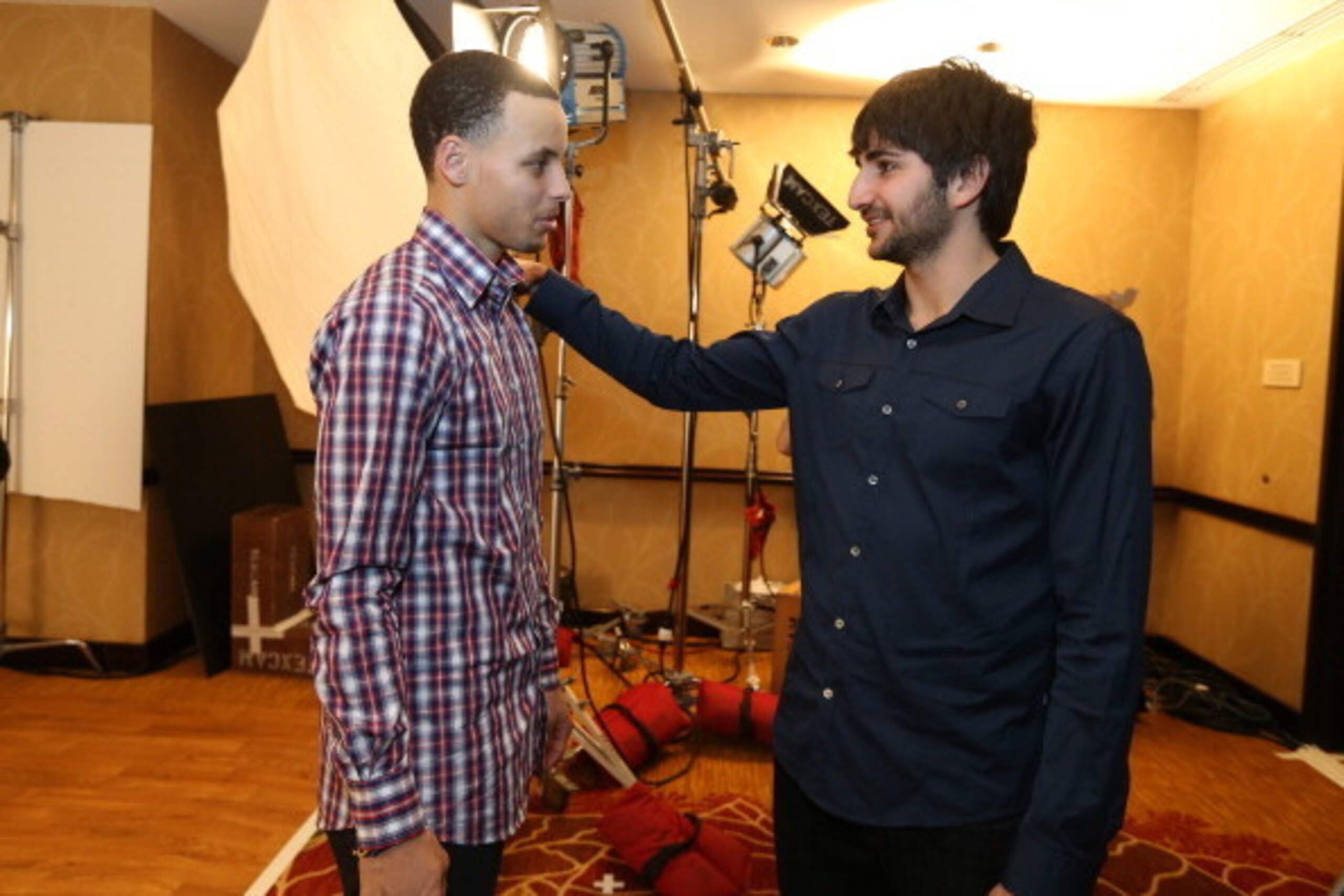
It should be noted that those numbers preceding Curry's extension came from a career-worst season in which he was limited to just 26 games by injury. There's little doubt durability questions had an impact on his deal's final dollar amount.
Even so, it's hard to argue that the 2011-12 campaign was any worse than the season Rubio just had.
If you really want a bargain, recall that Isaiah Thomas agreed to a four-year, $28 million contract as per this summer's sign-and-trade from the Sacramento Kings to the Phoenix Suns.
That deal came on the heels of a season in which Thomas' 20.54 PER ranked fourth among point guards. Last season's 20.3 points and 6.3 assists per game put Rubio's production to shame, to say nothing of the fact Thomas was far more efficient from the field (and has credible three-point range).

Rubio's deal is worth approximately twice as much as Thomas'.
No, it's not all about scoring. And yes, Rubio is arguably more well-rounded than some of his peers.
Outside of Boston Celtics star Rajon Rondo, however, it's hard to think of a modern point guard who truly excelled without a reliable perimeter shot. Moreover, Rondo has found other ways to score, especially in the mid-range. He's made a very solid 47.6 percent of his career field-goal attempts.
Put simply, Rubio is no Rondo—at least not yet.
The Timberwolves' pricey retention of Rubio becomes even more confusing when imagining the alternatives. This league is full of excellent floor generals and regularly infused with new ones. Whether it happened next summer or the offseason after that, you have to believe general manager Milt Newton could have gotten his hands on one—perhaps for far less money.
Outside of restricted free agents Reggie Jackson and Brandon Knight, 2015's crop of available point guards is admittedly weak—especially now that Kemba Walker is extended and off the market.
But someone like Jackson offers an intriguing example of the opportunity cost associated with inking Rubio long term.

As Wojnarowski reported on Friday, "Jackson is determined to pursue restricted free agency as a means to hunt a starting job in the NBA, league sources told Yahoo Sports."
He showed some flashes of his potential as a full-timer a season ago, filling in for an injured Russell Westbrook and starting 36 games for the Oklahoma City Thunder. On the season, he averaged 13.1 points and 4.1 assists in just 28.5 minutes per contest, making a respectable 44 percent of his field-goal attempts in the process.
With the Thunder's funds otherwise tied up in stars Kevin Durant, Serge Ibaka and Westbrook, Minnesota could have made general manager Sam Presti think twice about matching a highly lucrative offer—at least if the Wolves could have created enough cap room to make it happen.
The organization will have considerably more financial flexibility in 2016, when Mike Conley and Brandon Jennings are both scheduled to become unrestricted free agents.
There's also a real possibility that the best option to lead the Timberwolves of the future isn't on anyone's radar just yet.
This is a team in the midst of a nascent rebuilding project. Its new core includes raw talent such as Andrew Wiggins, Anthony Bennett and Zach LaVine. Maybe this club's best point guard option will be found in next summer's draft or the draft after that. Maybe there's something to be said for taking that chance, knowing that rookie contracts are considerably more attractive than the one Rubio just inherited.
The Timberwolves owe Nikola Pekovic and Kevin Martin a whole lot of money until 2018 and 2017, respectively. Adding Rubio to that mix will further limit Minnesota's ability to become serious players in free agency at a time one might have expected the Timberwolves to focus on unloading pricey contracts rather than creating new ones.
Instead, the post-Love era begins with a very expensive bang.
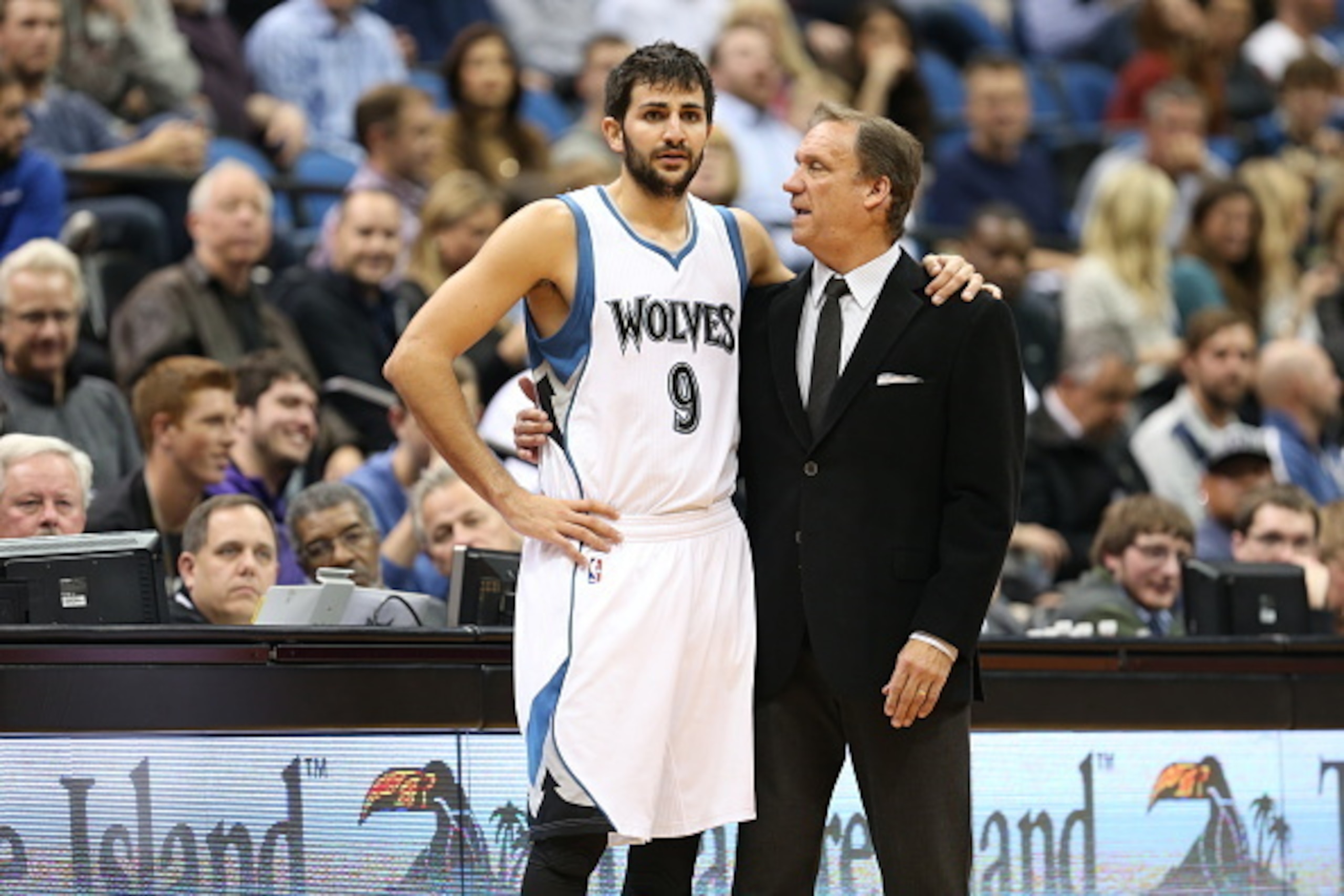
Who knows—maybe it will pay off.
"You're getting paid more; you have to earn it," Rubio told The Associated Press after the deal, via ESPN.com's Marc Stein. "You have to show why you're getting paid this money. Of course there's going to be extra pressure. I wanted to be more of a leader and take this team to another level."
He's certainly saying the right things, and so are the Timberwolves.
"He came to us with such high expectations, and he immediately proved why we were so high on him," owner Glen Taylor told reporters. "Unfortunately, he got hurt at the end of his rookie season, but he has worked so hard to come back, and we believe he has a long and successful career ahead of him.
"He's a great foundation for our franchise, and we're very happy to keep Ricky here long term to work and grow with the young nucleus that we have."
That growth will be pivotal, the difference between 20-20 hindsight labeling this contract a bargain or a massive mistake.
For the moment, it's certainly a risk. The only question is whether it's one the Timberwolves really had to take.


.jpg?w=2560 "Reported Details of Seahawks-K9 Split ⛓️💥")