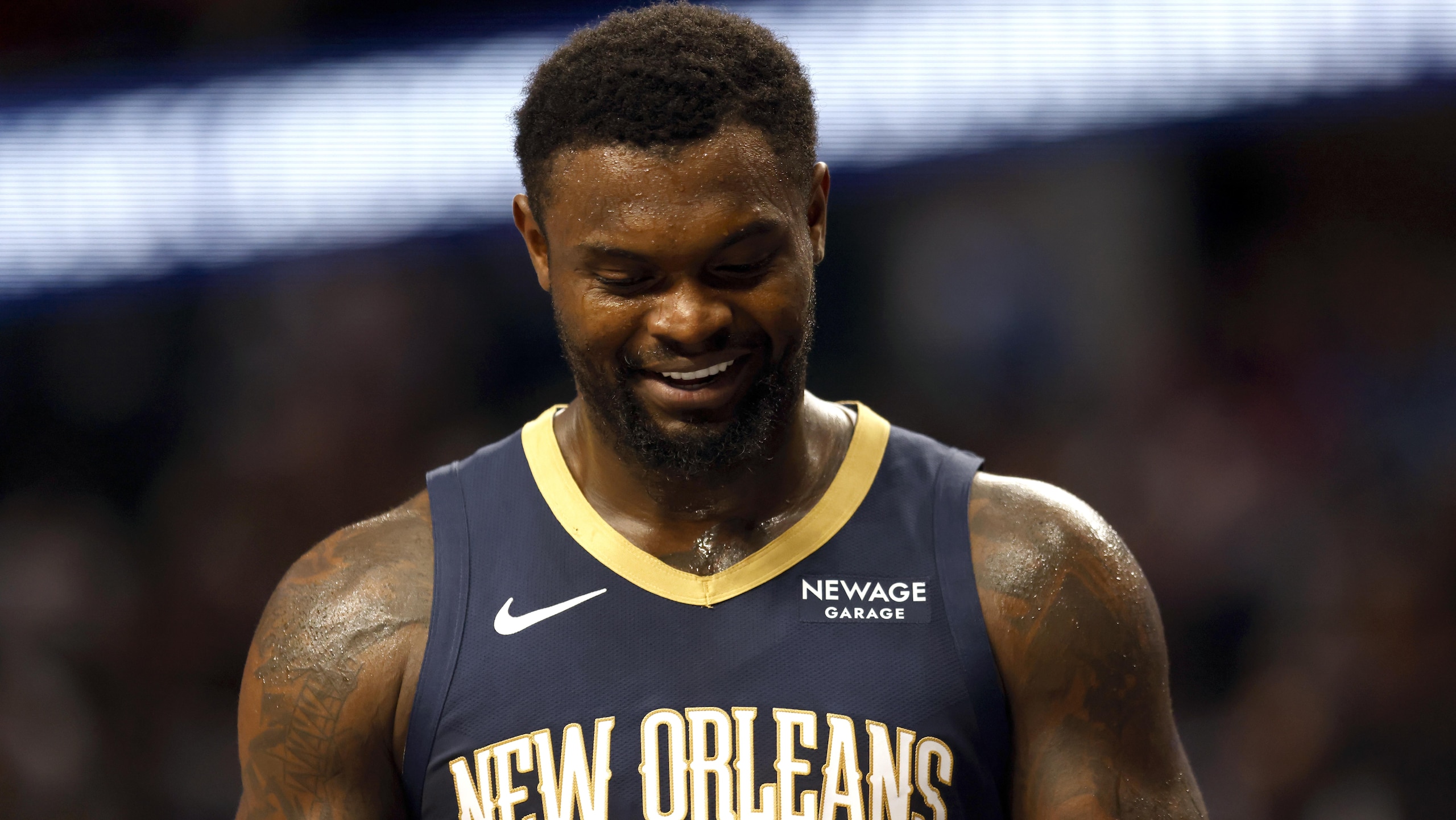
Chargers vs. Dolphins: Breaking Down Miami's Game Plan
It’s already Week 9 of the NFL season, and that means the Miami Dolphins will be hosting the San Diego Chargers at Sun Life Stadium. Coming off a somewhat ugly win against the Jacksonville Jaguars, the Dolphins are at 4-3 and need to be much sharper this week.
We looked at some key individual matchups previously for the Dolphins and Chargers showdown, and if those minibattles within the game can be won, the Dolphins will stand a great chance to claim victory when the game clock strikes zero. Also key is a strong game plan by the Dolphins coaching staff.
TOP NEWS
.jpg?w=2560 "NFL Paris Football")
NFL House in Paris Closes for Protests
.jpg?w=2560 "Seahawks Chiefs Football")
Trevon Diggs Cut by Seahawks
.jpg?w=2560)
B/R's Expert Week 7 NFL Picks 🔮
San Diego has an excellent head coach in Mike McCoy, who routinely builds strong game plans for his team. At the top of McCoy’s resume with the Chargers is the revival of quarterback Philip Rivers, who has not only returned to elite status but could possibly be the best at his position in the entire league this year.
In order to overcome Rivers’ immense talent, the Dolphins will need to piece together a strong team performance. Some weeks, Miami’s defense carries the team, and the offense has poor performances from too many key players. Other times, the offense will catch fire, and the defense cannot get off the field. This cannot be a game where either of those scenarios plays out.
Let’s jump into the four main areas of focus for the Dolphins this week. If Miami can excel in these areas, it will surely walk away with an all-important win on Sunday.
Challenge the Secondary
Looking at the raw statistics, the Chargers seem to possess a strong passing defense. After all, they do have a lot of talent with their starting cornerbacks Jason Verrett and Brandon Flowers and an elite safety in Eric Weddle. The issue for the Chargers is they lost Verrett and Flowers to injuries in Week 8, and it’s unclear whether they will be able to play against the Dolphins.
Flowers wasn’t activated last week because he didn’t pass the concussion protocol, according to Chris Cwik of CBSSports.com. Verrett could miss significant time after he reinjured his shoulder against the Broncos, according to Mike Garafolo of Fox Sports. That means Shareece Wright and Marcus Gilchrist could be starting for the Chargers.
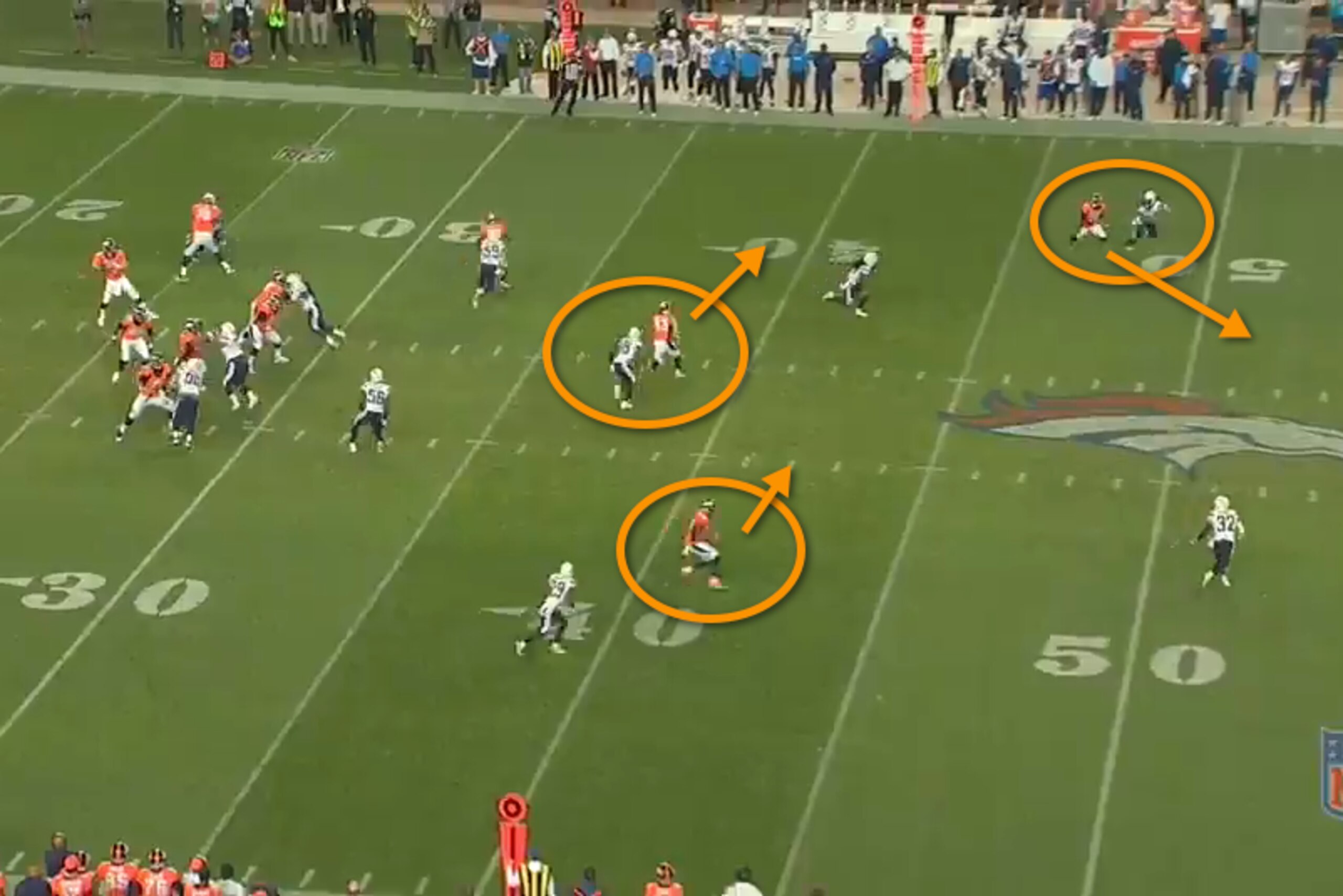
If Flowers is out, the Dolphins will be in position to have their way when passing the ball. According to Pro Football Focus (subscription required), Wright has allowed 60 percent of all targets to be completed and a 101.8 quarterback rating. His minus-5.9 grade ranks as the 93rd cornerback in the NFL, and his matchup against Mike Wallace would be a major advantage for Miami.
Unlike the Jaguars, the Chargers are prone to giving up easy yards through the air. A major reason why their defense has allowed the sixth-fewest passing yards this season is that their run defense is poor, and the Chargers offense controls the ball a lot. It does not have much speed and is prone to penalties.
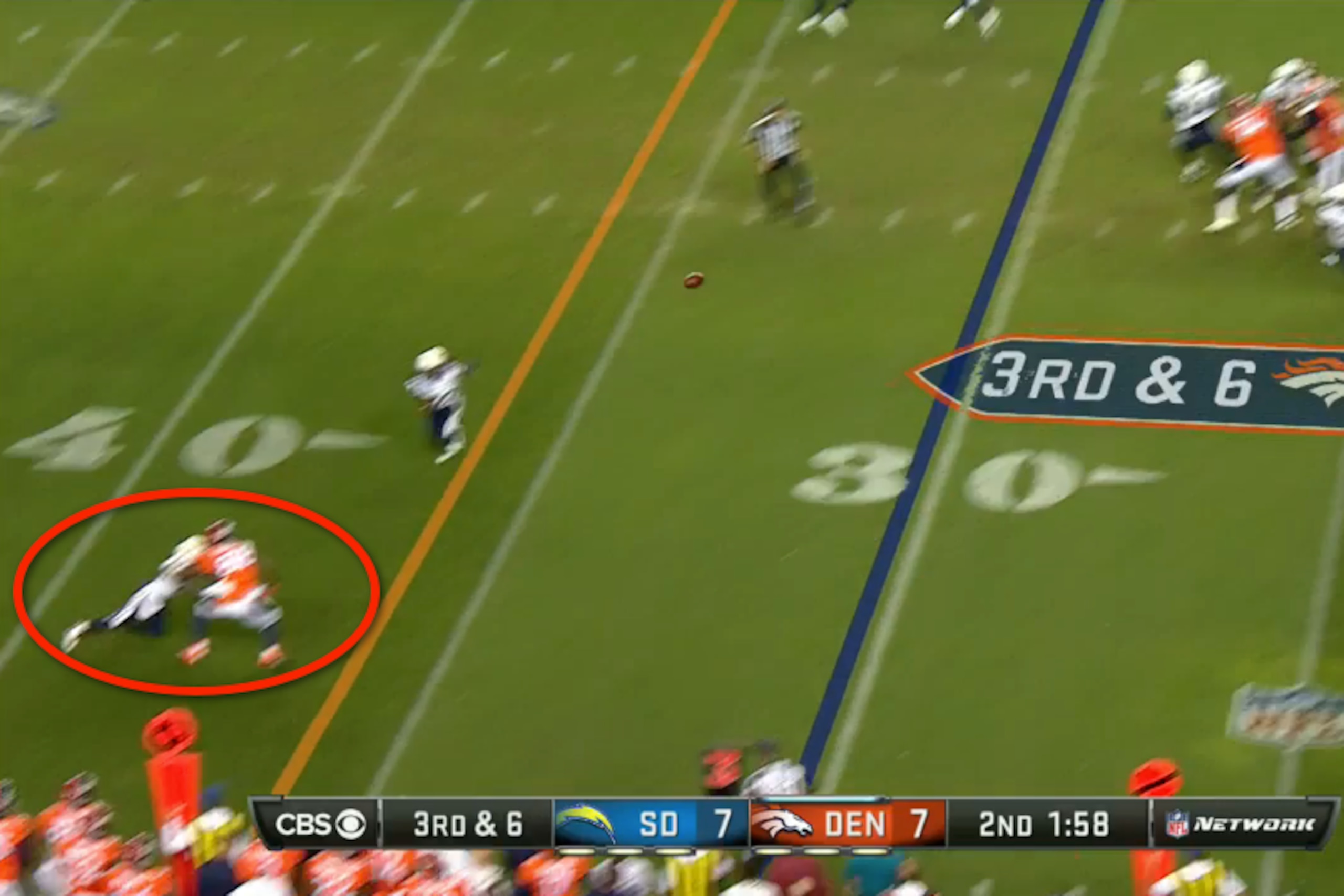
Miami doesn’t have to change its offensive identity to challenge the Chargers secondary, but it needs to be more effective going downfield. Ryan Tannehill finally connected with Mike Wallace on a deep ball last week for 50 yards, and that’s encouraging. But his strength is attacking the intermediate part of the field on crossing routes and comebacks. The Dolphins offense can do serious damage on those routes once again this week.
Control the Ball
The Dolphins offense sputtered badly in the first half against the Jaguars last week, in large part to the struggles of left guard Daryn Colledge. Colledge said he was having migraine issues and shouldn’t have played through it.
"I stupidly and selfishly thought that I could play through it," Colledge said, per James Walker of ESPN.com. "I tried to fight through it and in the process got my quarterback sacked twice. It really set the offense back and I apologize to those guys."
Once Dallas Thomas was put in the game, the Dolphins offense was able to settle in and establish more rhythm in the passing game. Except for one 30-yard run by Tannehill and Lamar Miller each, the running game never materialized with the Jaguars’ talented defensive line.
"I can't even blame Ryan Tannehill for any of the issues in the first half. Daryn Colledge & the mistakes didn't even give him a chance.
— Omar Kelly (@OmarKelly) October 27, 2014"
Whether Colledge is good to go or not, the Dolphins’ interior offensive line must be able to be more effective this week. Mike Pouncey showed improvement in Week 8, which is great for the offense, but the center and left guard positions now need to step their performances up.
With Billy Turner and Shelley Smith on the bench, the Dolphins have some capable run-blockers with upside in pass protection. If Thomas or Colledge cannot adequately pass block, Miami should be willing to insert the more athletic Smith or Turner and watch the running game thrive.
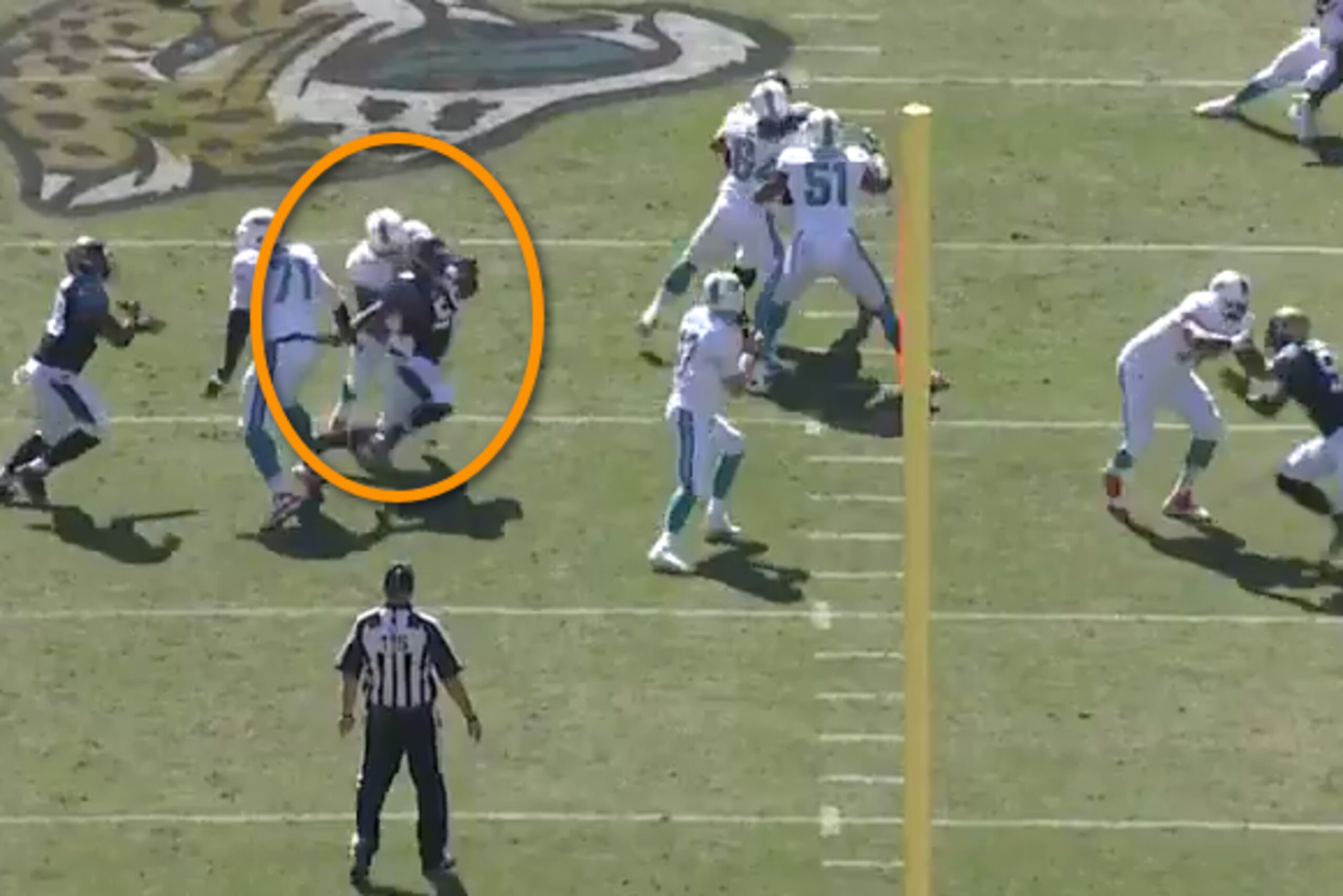
The Chargers have allowed 4.5 yards per carry on the season, which is the 10th most in the NFL. Miami’s offense is averaging 5.0 yards a carry, which is third-best. Being able to effectively balance an aggressive passing scheme with a consistent running game should absolutely happen. The Dolphins have a major advantage in each the passing and running game, which should help them control the time of possession.
Make Rivers Work
As fantastic as Rivers is, he does have slight weaknesses to his game, and Miami must do everything possible to exploit his negatives. If Rivers is given opportunities to break out of sacks and extend plays, he has an innate ability to keep his eyes downfield and deliver gut-wrenching throws to his talented receivers.
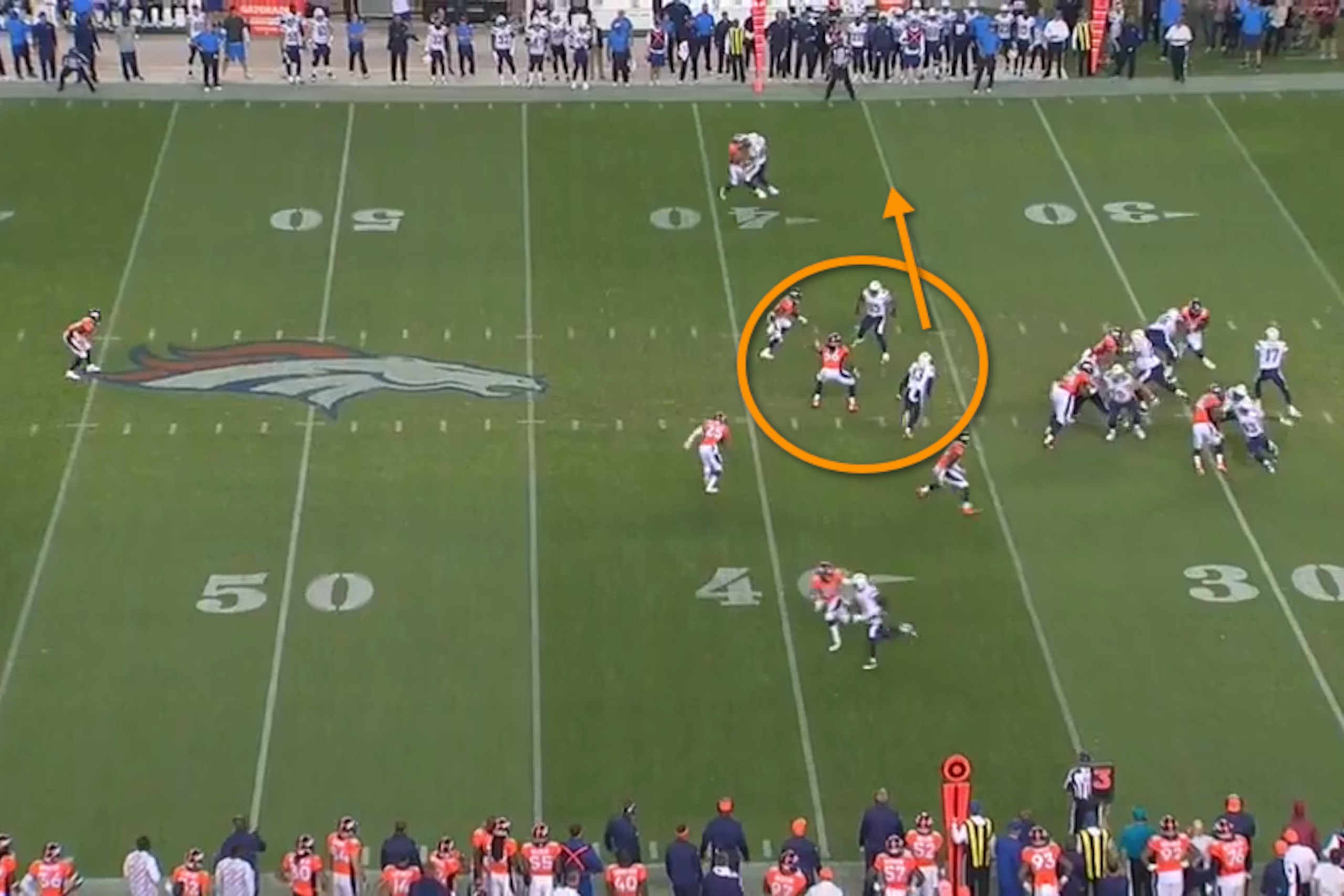
Pro Football Focus has excellent signature statistics that are critical to finding how to stop Rivers. PFF charts how long Rivers takes to get rid of the ball and his average time with the ball when taking a sack. His average time to throw the ball is 2.76 seconds, which is 18th-fastest in the league. But when Rivers gets rid of the ball in 2.5 seconds or less, his quarterback rating is 30.8 points higher, leading the league with a 124.9 mark.
The Chargers offensive line is PFF’s worst pass-blocking line in the league, allowing 103 quarterback pressures in 295 snaps. To combat this, San Diego runs a lot of quick-hitting routes that allow Rivers to dump the ball off to his receivers in space. This strategy perfectly meshes with Rivers’ quick release and decision-making, and the Chargers are able to average over 32 minutes of possession time a game.
To slow down Rivers, Miami has to be able to disrupt the timing of the wide receiver routes. Rivers is so good and efficient against blitzes that Miami would be better served to rush four or five, drop back the linebackers and allow the cornerbacks to hug the underneath routes of receivers.
Cornerbacks Brent Grimes, Cortland Finnegan and Jamar Taylor don’t have the physical capability to consistently jam Allen and Malcom Floyd, but they do have the foot speed to force those receivers to make very difficult catches. Going back to how Miami defended the Bears duo of Alshon Jeffery and Brandon Marshall, the Dolphins cornerbacks are talented enough to be effective at limiting big plays and yards after the catch.
Be Opportunistic
It took a few games to get warmed up, but Miami’s defense has delivered on its potential to force turnovers this season, as it's tied for fifth in the NFL with 14 takeaways. The Jaguars were the latest victims to Miami’s playmakers on defense, when the Dolphins intercepted three passes and forced two fumbles.
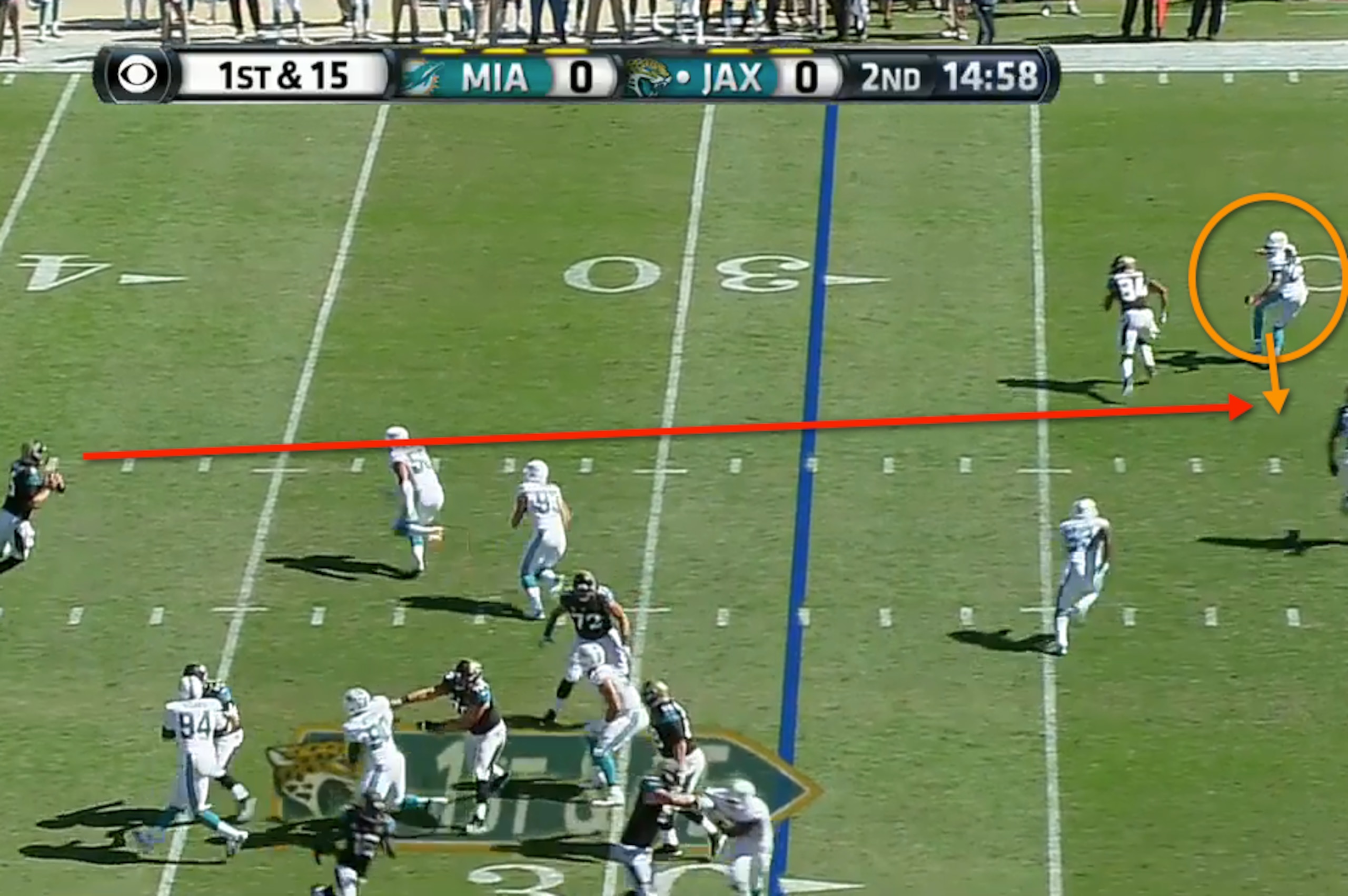
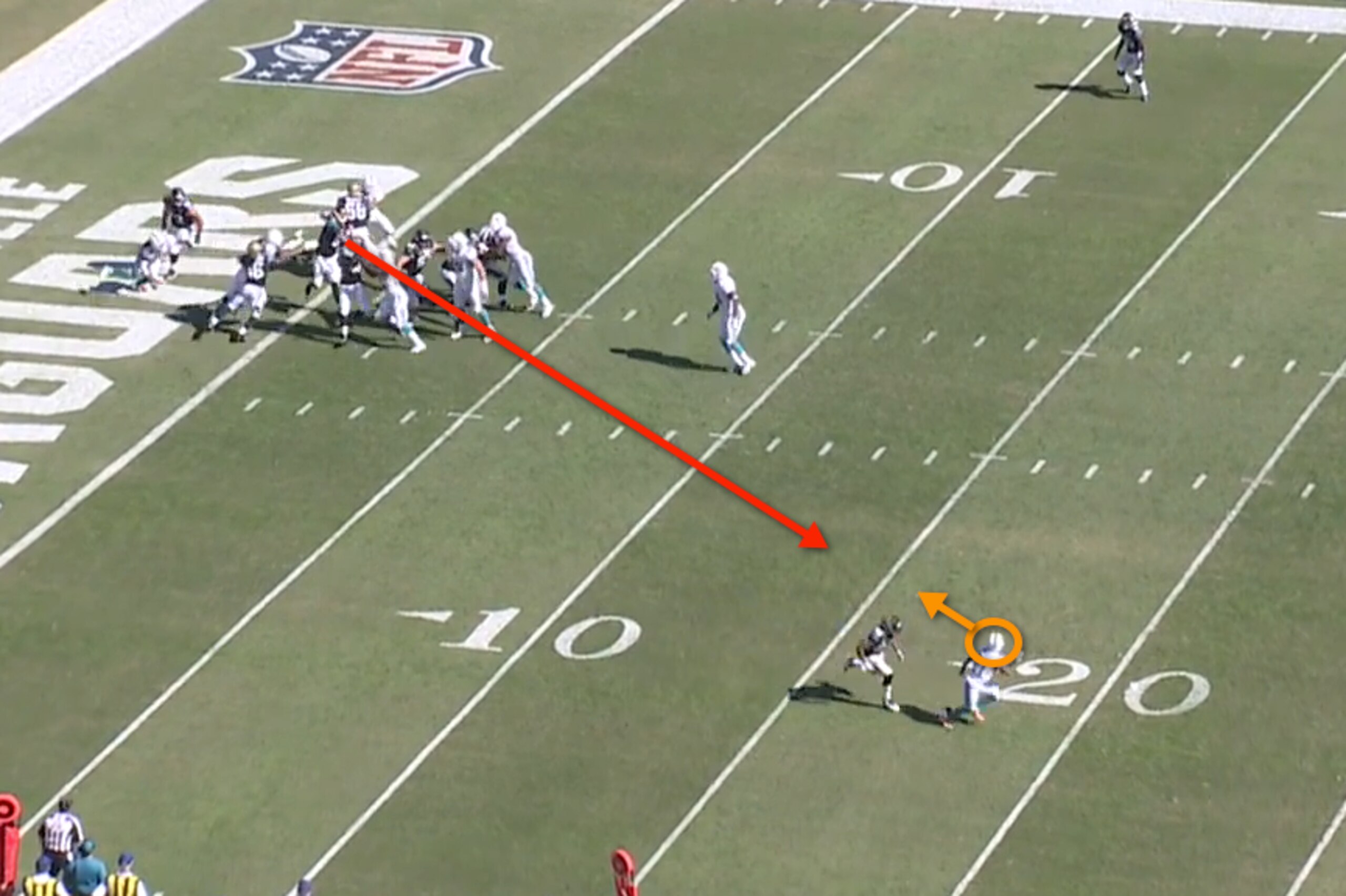
Safety Louis Delmas is coming off a highlight week and a well-deserved distinction as AFC Defensive Player of the Week, according to Josh Alper of Pro Football Talk. His 81-yard touchdown return on an interception sparked the Dolphins’ victory, and he also recovered a fumble to help stop another lengthy drive.
San Diego has yet to fumble the ball this season, and Rivers has only thrown for five interceptions, so opportunities may be sparse. But that cannot be an excuse for the Dolphins defense. Even if turnovers aren’t made, sacks will come at a premium, and tackles must be made in open space to limit the damage done.
Whether there are opportunities to bat down a pass, make a tackle in space or even force a turnover, the Dolphins defense needs to be ready to make a play on the ball. To prove the defense is a playoff-caliber unit, some individuals will need to step up to help the team win.
The Dolphins are at a slight advantage since they are hosting the Chargers, and it’s an early game on Sunday. Last year, Miami capitalized on home-field status and won an exciting 20-16 contest. If the Dolphins offense can execute like it has shown to be capable of and the defense can limit the long, productive drives that San Diego excels at, Miami can certainly gain another victory on the season.
All stats used are from Pro Football Focus' Premium Stats (subscription required) or Sports-Reference.com.
Ian Wharton is a Miami Dolphins Featured Columnist for Bleacher Report, contributor for Optimum Scouting and analyst for FinDepth.
.jpg?w=2560 "Titans Colts Football")