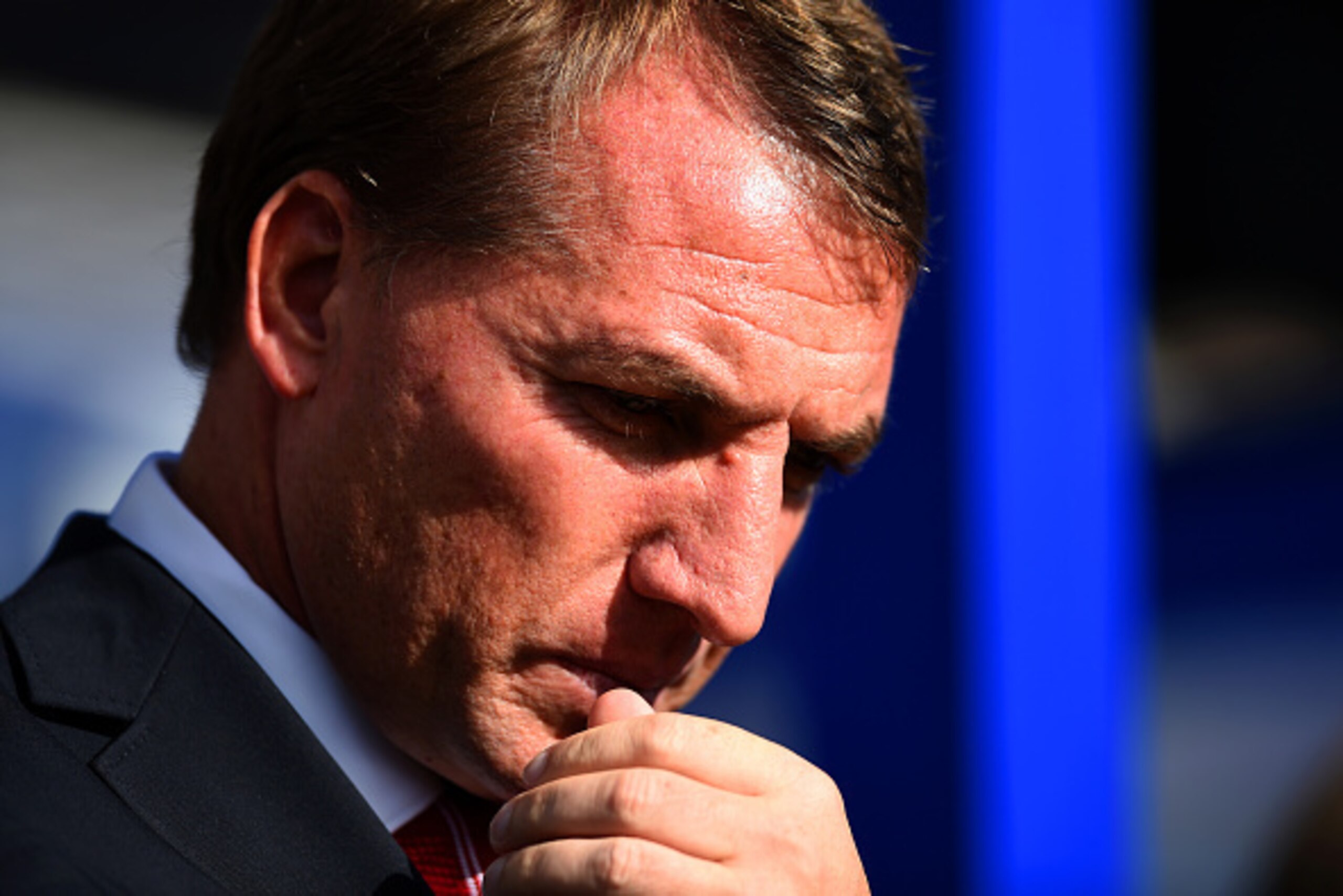

5 Questions Liverpool Fans Would Like to Ask Brendan Rodgers
As Liverpool approach the end of October, the Reds are coming into a crucial period of their 2014/15 season, with the race for the Premier League top four heating up before the January transfer window and two pivotal Champions League group-stage games coming up.
That Liverpool have struggled to replicate last season's blockbuster form is well-known, but the current Premier League table belies just how big a difference there is between their performances this campaign and last season's scintillating run of results.
It can be seen as a positive that their struggles have coincided with a slow start for many of their rivals, but as their defence continues to leak goals and their attack continues to draw blanks, manager Brendan Rodgers has come under scrutiny in recent weeks.
In such a crucial period for the club, here are five questions that many Liverpool fans would like to pose to the manager to better understand the context surrounding the troubles at Anfield.
Why Mario Balotelli?
1 of 5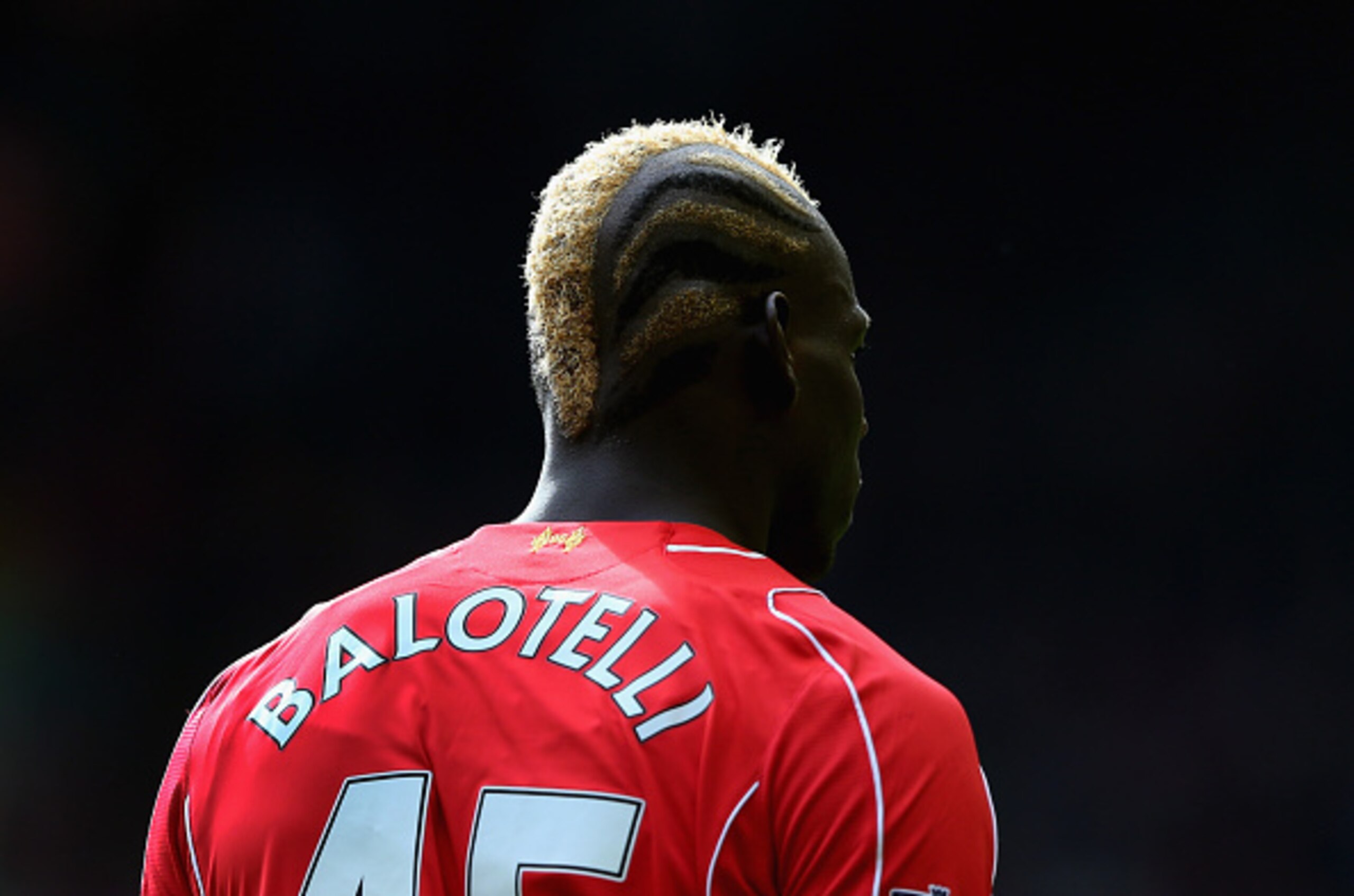
On August 3, you "categorically" told the press that you wouldn't be signing Mario Balotelli, as per the Press Association (h/t The Guardian). That, of course, is exactly what you did a couple of weeks later, and you went on to hail his abilities and your desire to "help him as a player and to mature as a young man," per Andy Hunter of The Guardian.
You knew it would be a "calculated risk" signing Balotelli; you said that much even as you confirmed his signing. His first few misses at Tottenham Hotspur brought a smirk to your face, as Liverpool were winning and his overall performance was satisfactory.
So why, when the rest of the team was struggling, did you decide to focus on Balotelli's shirt-swapping incident in the aftermath of the comprehensive loss to Real Madrid? Why did you publicly question his long-term future at Anfield just two months into his Liverpool career?
This has less to do with your recent treatment of Balotelli—though of course that in itself is questionable as well—but back to the original decision to sign him in the first place.
Liverpool had lost a complete attacker at the peak of his powers in Luis Suarez, so why choose Balotelli, a young striker who is far from the finished product, to take over from Suarez, as even you yourself admitted? Why put unnecessary pressure on a striker whose agent said he wasn't ready for a prominent leadership role?
Is Steven Gerrard an "Untouchable"?
2 of 5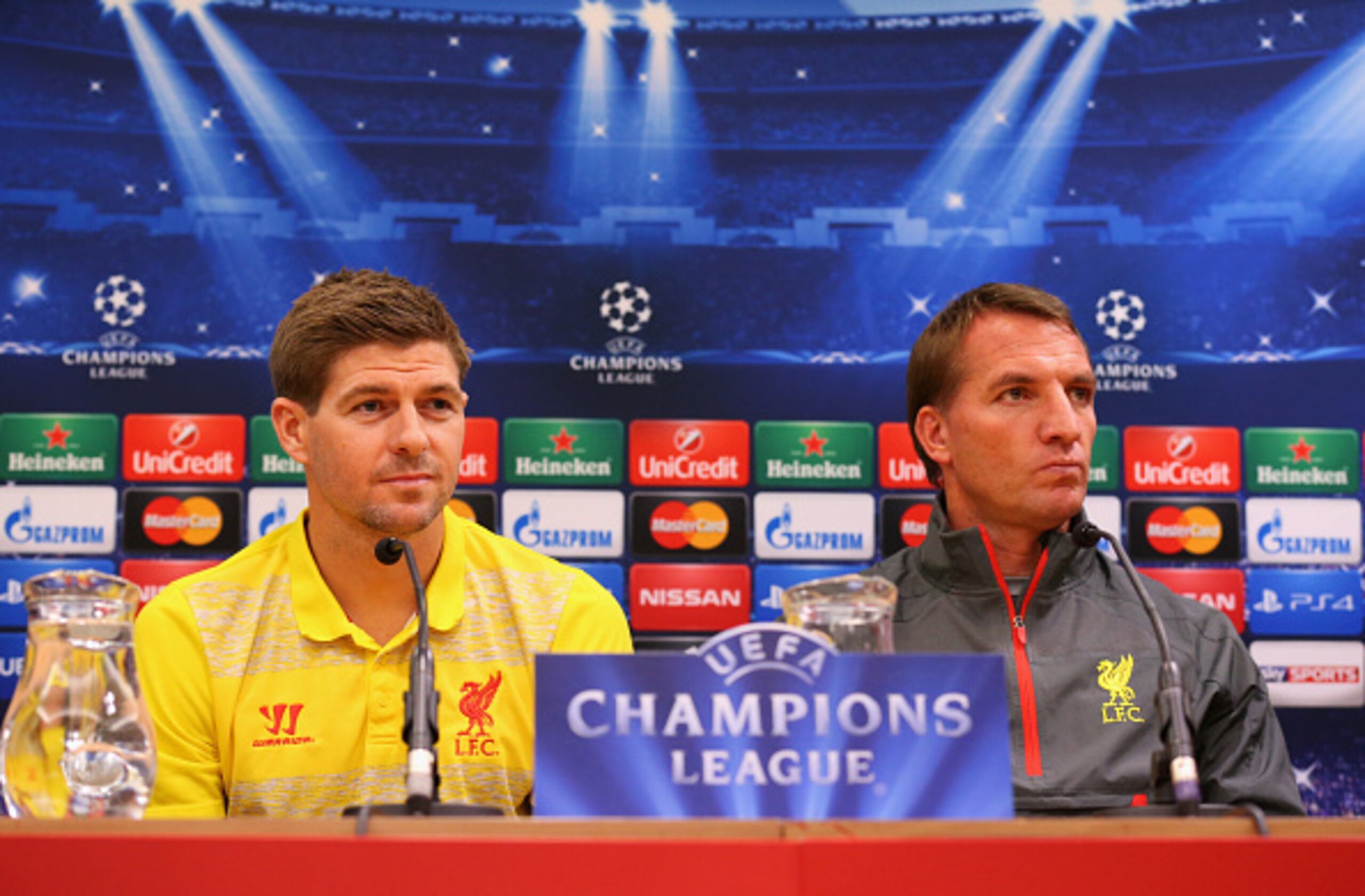
In the game against Real Madrid, you decided to substitute Jordan Henderson, you newly appointed vice-captain and resident marathon-runner, presumably with an eye on Liverpool's packed fixture list in the coming few weeks. Yet you kept Henderson, probably the midfielder in the best physical condition at the club, on the bench against Hull City.
All the while, besides the Capital One Cup epic against Middlesbrough, Steven Gerrard, a 34-year-old attacking midfielder you've converted into a deeper playmaker and whose performances increasingly reflect his age, has started and completed every Premier League and Champions League game.
While other young midfielders around him are being rested and rotated, the oldest head on the pitch—the one who probably needs the most rest and game management—plays three 90-minute games a week. Is it any wonder that his passing and set pieces are no longer as lethal as before?
Just last season, Gerrard was a constant creator of goals from set pieces and passing, but it's clear that he's been far off his game this year. In the aftermath of England's World Cup failure, Gerrard himself claimed that those three months had been the "worst of his life," as per Sky Sports.
Whether Liverpool's title slip is still weighing on his mind, surely Gerrard's advancing years and declining performance levels should see him rested, rotated and managed like Frank Lampard has been for Chelsea and now at Manchester City?
How Can Liverpool's Transfer Problems Be Addressed?
3 of 5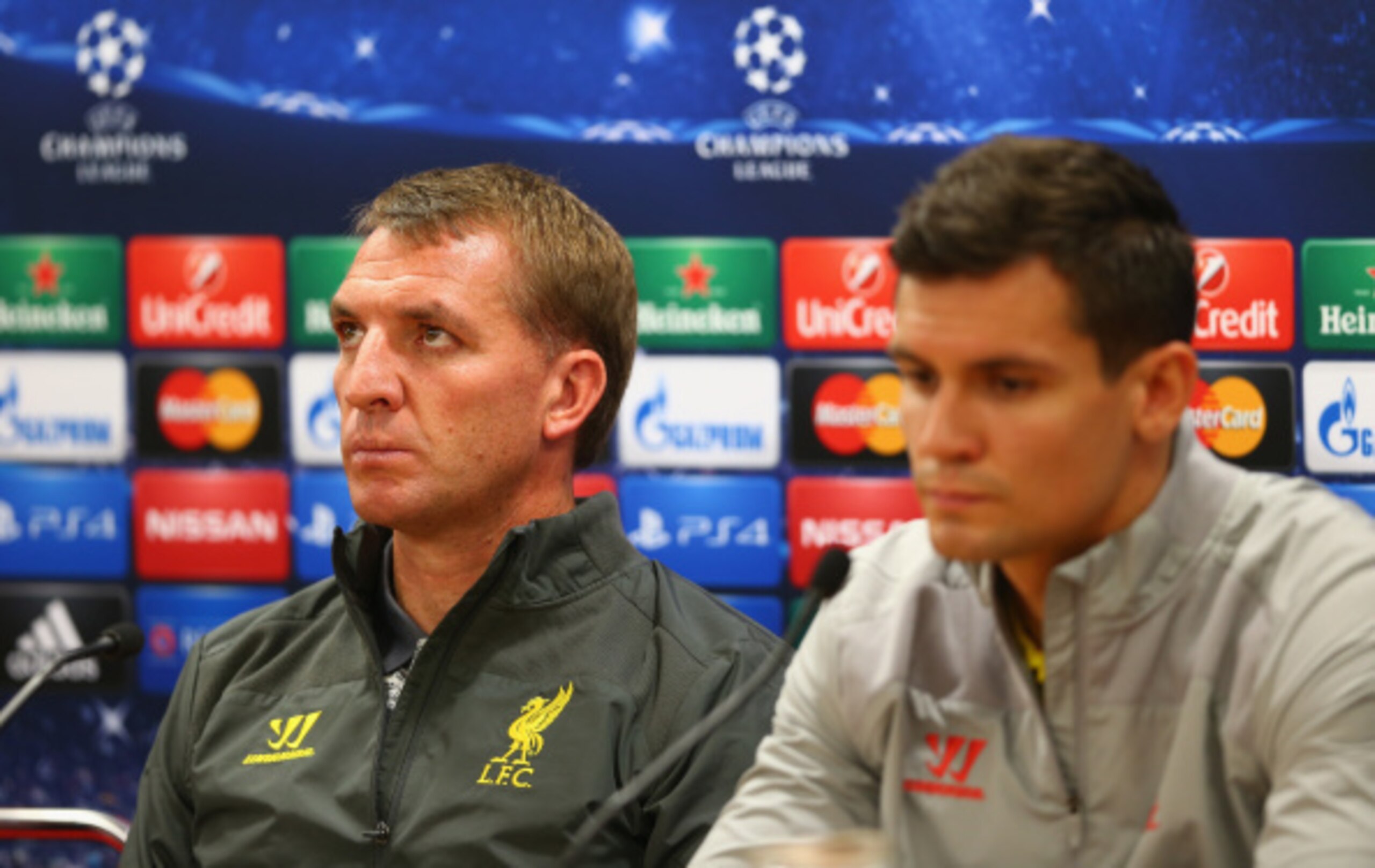
This summer, for the first time in Liverpool history, the Reds spent more than £100 million in transfer fees, bringing in players at almost every position to strengthen both the first team and squad depth.
Yet you have brought in a new £20 million defender and one of Europe's premier young defensive talents, Mamadou Sakho, who also had a barnstorming World Cup campaign for France, and have encountered worse defensive problems than even last season.
The loss of Luis Suarez is understandably hard to make up, yet—going off our first question—what is the root cause of Balotelli's struggles? In the absence of Daniel Sturridge and amid Balotelli's struggles, why hasn't Rickie Lambert, a squad player, played more, and how has Fabio Borini, who starred for Sunderland last season and whom you have promised to give a chance, not even made the 18-man matchday squad for the past three matches?
How is that in October 2014, Liverpool's only standout transfer signings are still Sturridge and Philippe Coutinho, who signed for the club in January 2013? If the club ethos was to bring in undervalued players with lots of potential upside, why was this so utterly and comprehensively shattered this summer?
Much has been made of the transfer committee in place at Liverpool, but what is the proper structure in place that ensures internal discussions and external negotiations are productive? Why is it that Liverpool fans are left looking at other clubs around Europe to see real transfer bargains being signed and ruing what seems to be the lack of a clear-cut strategy at Anfield?

.jpg?w=2560 "NFL Paris Football")
What Happened to Being Proactive?
4 of 5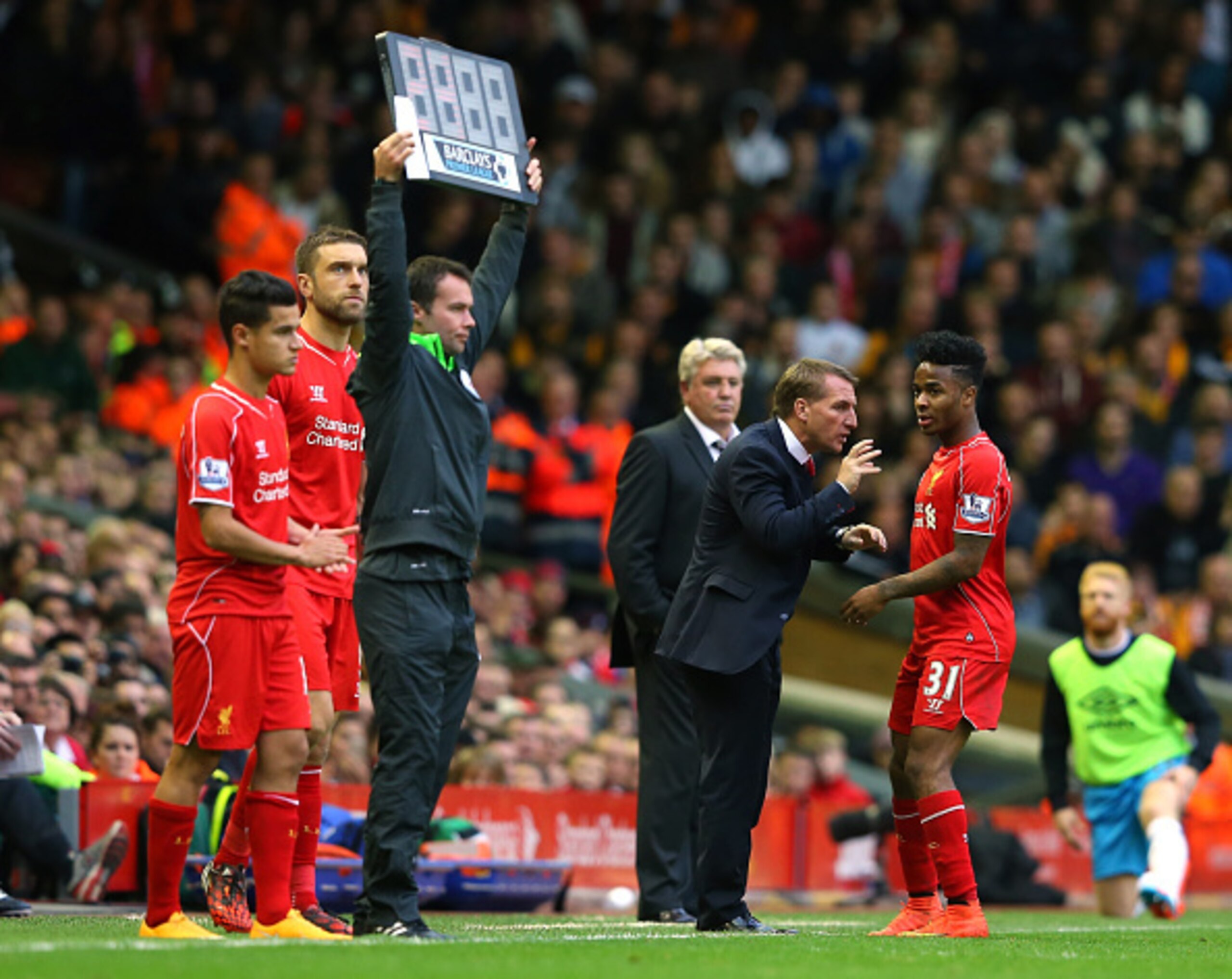
On November 17, 2012, when Wigan had taken the game to Anfield and Liverpool had ceded their dominance in possession to the visitors, you made a change in the 35th minute, taking off Suso and sending on current vice-captain Jordan Henderson.
That tactical switch worked, and Anfield looked forward to an era where the coach wouldn't be afraid to make changes when things weren't going right.
Of course, we've seen a half-time substitution this season as well: Balotelli was taken off against Real Madrid, and Adam Lallana did make a good impression in the second half, though it was too little, too late.
Yet on so many occasions when a change was obviously needed, you still insisted on waiting until the hour mark before changing the system and personnel on the field. Even as the 4-4-2 diamond formation clearly brings out the best of the current squad, you have still stuck with a 4-2-3-1 with Balotelli as the lone striker—a position in which he clearly struggles—until at least 60 minutes.
So why still persist with tactical experiments when you already have a blueprint laid out for you from the entire second half of last season and the opening weeks of this one? Why, after a season of tactical innovation against different opponents, have you regressed to an Arsene Wenger-like tactical stubbornness?
As Sam Allardyce said to Henry Winter of The Telegraph:
"There are two types of coaches. There's coaches like me who weigh up the opposition and ask the team to adjust. [Sir Alex Ferguson] was similar. Jose [Mourinho] is similar. Then there's Arsene [Wenger], who won't adjust. There's Brendan [Rodgers], who looks like he won't adjust.
"
What Do You Want Your Legacy at Anfield to Be?
5 of 5
On June 1, 2012, you stepped into the halls of Anfield as the new Liverpool manager for the first time and boldly claimed that you would "leave no stone unturned in [your] quest—and that quest will be relentless—to try and get Liverpool back on the map again as a successful football club."
Your quotes were certainly impressive, and Liverpool fans were scrambling to Swansea City to see whether or not you could back your words up with results.
After the much-lauded signings of Sturridge and Coutinho, you started to deliver on your promises, and last season culminated in a resounding victory, if not in the Premier League title race then at least in your methods and in John W. Henry and Fenway Sports Group's decision to appoint you as Liverpool manager.
But in the current football climate, taking a fallen, once-great club back to relative prominence will always be the easier task—even though it comes with the glory of being the manager to restore its greatness—compared with the challenge of keeping it at the elite level.
You proved last season that Liverpool were good enough to earn a place back in the Champions League. But this year's Champions League fixtures have showed that in the few years that Liverpool were out of the competition, they have fallen so far off the pace that it will be even harder to make the step up and become European contenders once more.
The road ahead will be tough. You'll be challenged every week with lots of demands from four competitions, and you'll need to deliver a top-four place with a smaller budget than your rivals. You'll need to get the best out of your players to do that. Are you prepared to upgrade your coaching team if need be and introduce new elements to get your team operating on the level it can?
What do you want your legacy at Anfield to be? Do you want to be remembered as the manager who took Liverpool back to the top? Or as the one who got them back to the top and kept them there?

.jpg?w=2560 "Seahawks Chiefs Football")