
Why Rodgers Must Ditch Liverpool's 4-2-3-1 for Champions League vs. Real Madrid
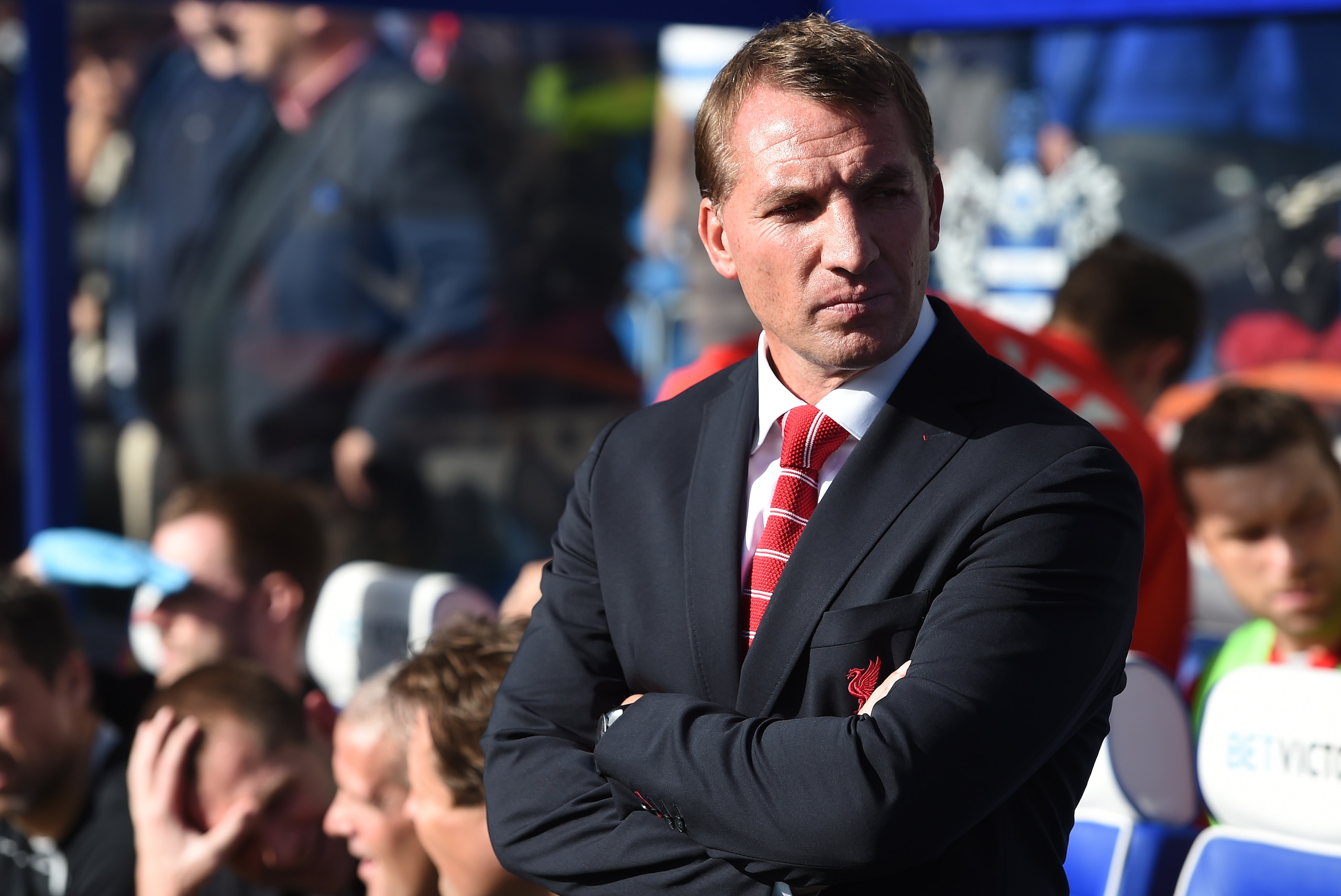
It's been a strange start to the season for Liverpool and Brendan Rodgers; in all honesty, The Reds have played well just once in their 11 games so far in all competitions—the 3-0 win at Tottenham at the end of August.
Yet, somehow, Rodgers' side are joint fourth in the Premier League and ahead of Manchester United, Arsenal, Tottenham and Everton, all considered rivals for one of the top-four places. That Liverpool are ahead of each despite their poor performances is perhaps more of an indication of just how poorly those others are doing.
That's especially the case with Man United, who, despite spending more money than anyone in the league this summer, despite having no European distractions and despite having the easiest eight Premier League fixtures ever known to man, have mustered just three league wins.
TOP NEWS
Live World Football Moments 🍿

Final Men's Ballon d'Or Rankings 📊
.jpg?w=2560 "NFL Paris Football")
NFL House in Paris Closes for Protests
Where United are struggling under new manager Louis van Gaal, Liverpool have similar problems under Rodgers, particularly in defence.
Last Season
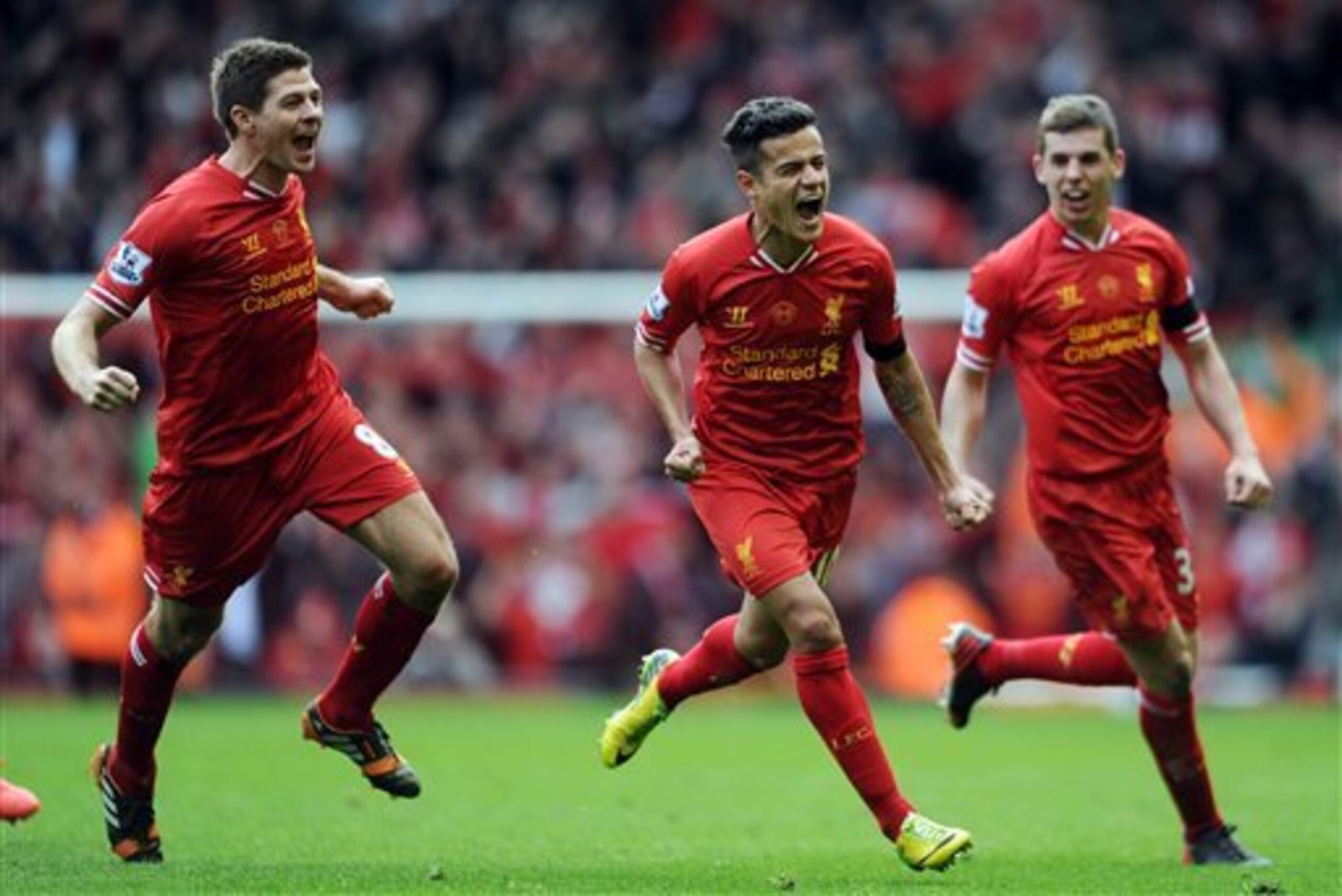
Last season saw Rodgers roundly praised for his seemingly new-found tactical flexibility, changing the shape of his side to get the best from his players available. His preferred 4-3-3 was swapped for a brief time playing 3-4-1-2 after Luis Suarez returned from suspension, that was later changed to a midfield diamond after Christmas—each with the aim of playing Suarez and Daniel Sturridge alongside each other.
The latter also got the best out of Raheem Sterling in a central attacking midfield role, and offered better protection for Steven Gerrard in his holding midfield role as two dynamic "shuttling" midfielders such as Jordan Henderson and Joe Allen did the leg work ahead and alongside of him.
It looked as though the 4-3-3 or 4-1-2-1-2 (diamond midfield) would be Rodgers' formation of choice going into the 2014/15 campaign and the success of last season. The latter in particular played to the strengths of his key players.
England, Henderson and Gerrard
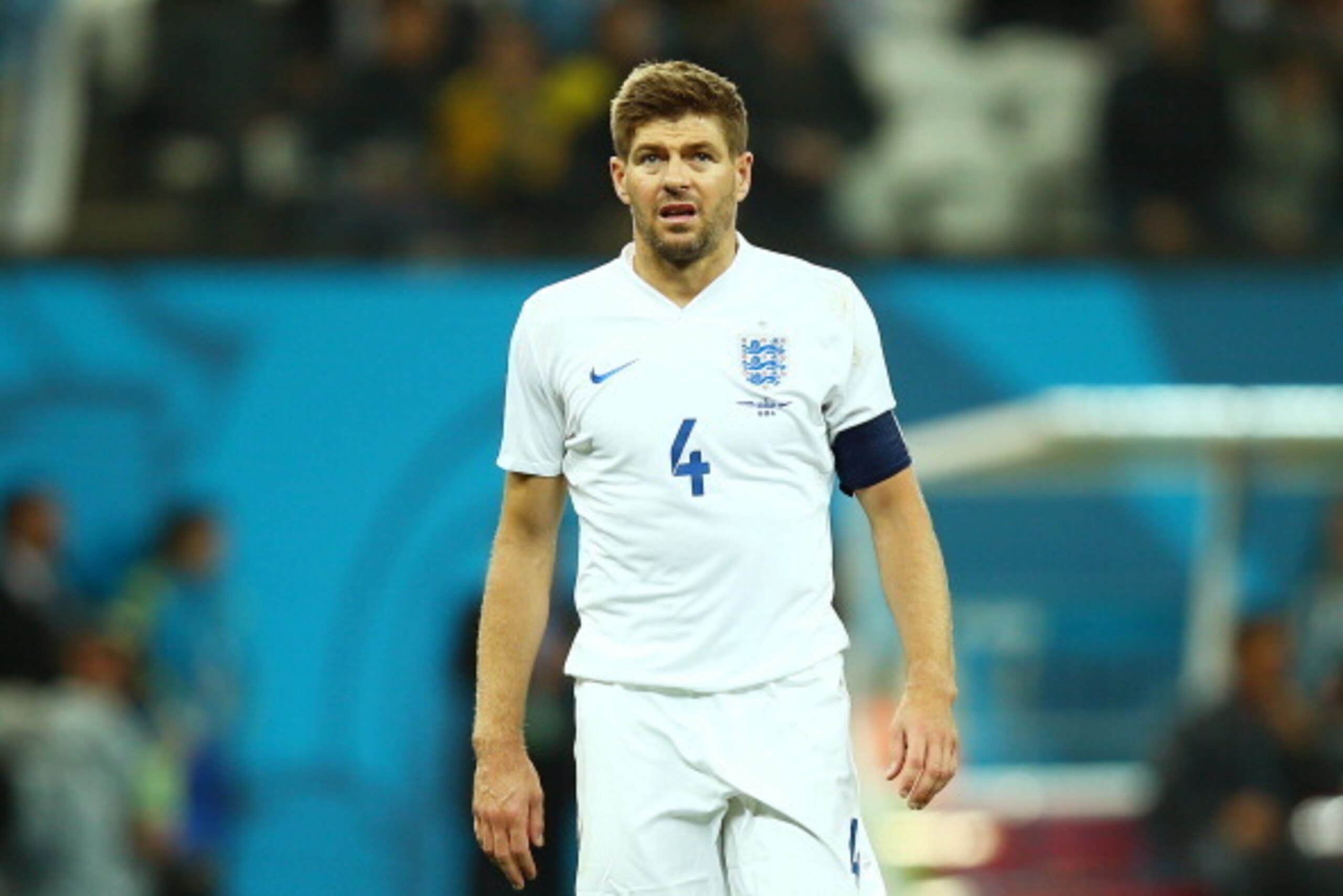
Liverpool fans laughed as Roy Hodgson then went and failed to understand why the Henderson-Gerrard partnership worked so well at Anfield last season, instead deploying them alongside another at the World Cup in a flat, two-man midfield within a 4-2-3-1 shape.
Hodgson failed to realise that such a formation left Gerrard far more exposed, and nullified Henderson's best asset—his ability to press from midfield and force opponents into mistakes higher up the pitch.
Moving Sterling out wide also saw him less successful, something that was never more evident than in the opening game in Brazil against Italy.
So it's been baffling then that Rodgers has repeated those mistakes of Hodgson's so often in these opening months of the new season. According to WhoScored, The Reds have used 4-2-3-1 in five of their eight Premier League games so far.

On Sunday at QPR, Rodgers again started with this shape, opting to play Gerrard in a more advanced role with Emre Can and Jordan Henderson as the two deeper midfielders. It didn't work.
Not helped by a centre-back pairing unable to play the ball out from defence, without Gerrard dropping in between the two centre-backs there was nobody to start attacks or give Liverpool comfortable possession.
Therefore, Gerrard dropped back in at half-time as the triangle was flipped and shape changed to 4-3-3. Immediately The Reds looked more assured as a team.
Suitability
Clearly, without the injuries to key players in Sturridge and Allen over these recent weeks, we'd have more likely seen the diamond shape, but in their absence Rodgers has stuck to a formation that fails to suit any of the players available.
Mario Balotelli has admitted his preference for playing alongside a strike partner. "“If it was my choice, I would always go with two strikers,” said Balotelli last week, as per The Telegraph.
Clearly anticipating the return of Sturridge at the time, instead Balotelli was asked to play the central-forward role against QPR, and again it had the same results—no goals and plenty of wasted chances.
The midfield isn't suited to playing within a 4-2-3-1, it doesn't get the best from Gerrard or Henderson, as noted above, and Sterling is forced to play wide.

Take the last two goals against QPR as further evidence of Sterling's effectiveness in a central role. For Liverpool's second goal he receives the ball in a central area, expertly holds off, spins away and bursts from Karl Henry. By the time Philippe Coutinho's shot nestles in the back of the net, Sterling has continued his run and is inside the six-yard box. On the third goal, the 19-year-old makes a superb run from a central area again to get on the end of Coutinho's perfectly weighted through ball.
Why Rodgers hasn't played Balotelli and Sterling alongside each other, with Coutinho or Lallana in the No.10 role within a midfield diamond is a little perplexing. If he doesn't have faith in Fabio Borini or Rickie Lambert alongside Balotelli, then Sterling should have been tried there.
What's clear is that 4-2-3-1 does not work for Liverpool, and it hasn't for some time. Even last season early on when Rodgers opted for it on occasion, playing Lucas alongside Gerrard in the double-pivot midfield, we saw some of the team's worst performances.
Against Real Madrid on Wednesday, Rodgers must not play 4-2-3-1 and either opt for 4-3-3 or the midfield diamond.

.jpg?w=2560 "Seahawks Chiefs Football")