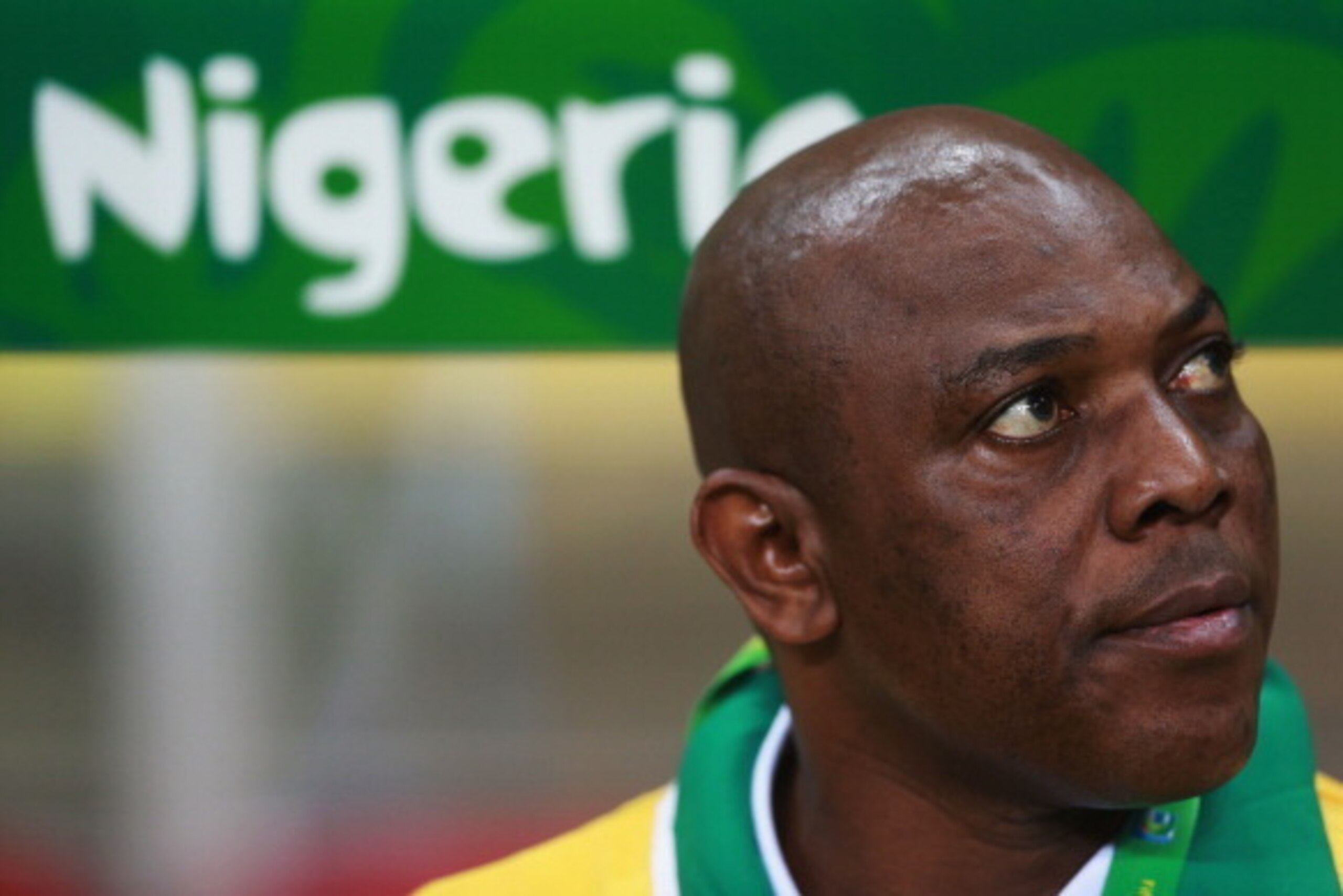

From AFCON Champion to the Sack: Charting the Fall of Nigeria's Stephen Keshi
Nigeria, like Ghana last month, opted to wait until a cathartic victory before dismissing their manager. Heading into their Cup of Nations qualifier against Sudan, Stephen Keshi’s side had won only one of their previous eleven games.
Following the 1-0 defeat in Khartoum at the weekend, it was almost inevitable that, regardless of the result in Abuja, the Big Boss would be relieved of his duties.
The post-World Cup vacuum in the Nigerian federation’s corridors of power kept the Big Boss in his post longer than perhaps anyone would have liked. Many had suspected that he would leave after returning from Brazil, but it has taken the arrival of a new federation president, Amaju Pinnick, to usher Keshi towards the exit door.
Despite the stagnation of the last few months, Keshi will be remembered, primarily, for guiding Nigeria to Africa Cup of Nations glory in 2013. It was the Super Eagles’ first title in 19 years, and, along with the side’s achievements in Brazil this summer, ensures that the Big Boss departs with the appreciation of the majority of Nigeria fans.
Over the coming slides we chart the rise and fall of Stephen Keshi.
AFCON Qualification
1 of 6
Having bombed at the 2010 World Cup, and missed out on qualification for the 2012 Cup of Nations, the Big Boss arrived in the Nigeria hot seat with the side in need of a saviour.
He duly delivered, returning the team to the continental high table in October 2012.
Following a disappointing 1-1 draw with Liberia in Monrovia, Nigeria welcomed the Lone Stars for the return leg knowing that a victory would guarantee a spot among the elite.
What followed was a devastatingly effective performance.
The Super Eagles ran-out 6-1 winners in Calabar and confirmed—emphatically—that they would be back at the AFCON.
Goals from Ahmed Musa, Efe Ambrose, John Obi Mikel and Ike Uche, as well as a brace from Victor Moses, not only ensured the Super Eagles’ qualification, they also sent out a statement of intent for the rest of the continent.
The Cup of Nations Semi-Final vs. Mali
2 of 6
Many point to Nigeria’s quarter-final triumph over the Ivory Coast as the moment they began to believe that the Super Eagles could claim the African crown.
Indeed, disposing of the Golden Generation was an immense feat, made all the more special by an unlikely match-winner in the previously-unknown Sunday Mba.
Mba was again the hero in the final against Burkina Faso, a match that will live long in the memory for all Nigeria fans.
For me, however, the key performance of that Cup of Nations triumph was the semi-final demolition of Mali.
Goals from Emmanuel Emenike, Elderson Echiejile, Ideye Brown and substitute Ahmed Musa ensured that Nigeria ran-out 4-1 winners. Victor Moses delivered a virtuoso performance and there could no longer be any doubts that Nigeria were the continent’s preeminent side.
The AFCON Aftermath
3 of 6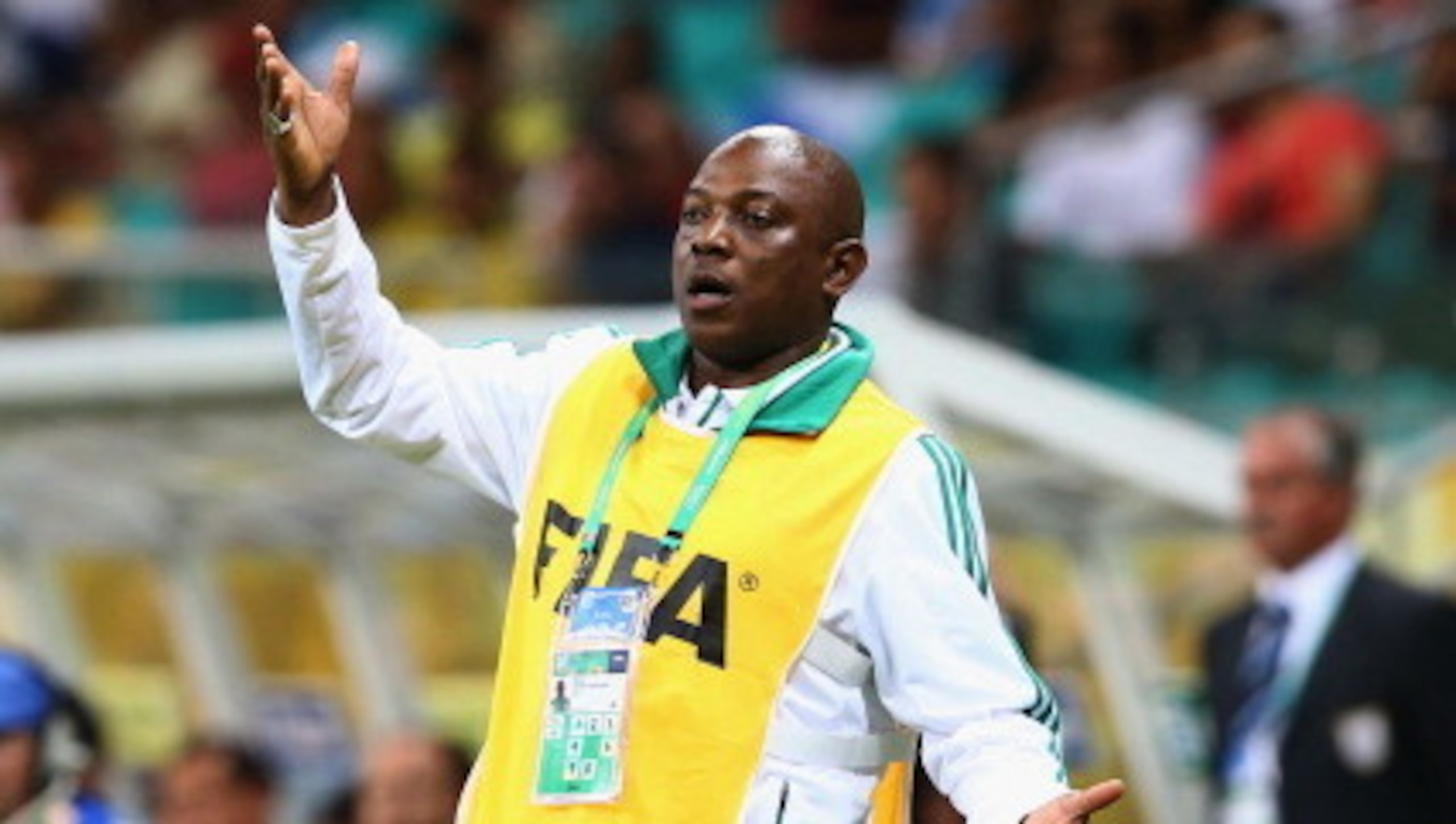
Some might say that Keshi’s decline began in the immediate aftermath of the Cup of Nations triumph.
The matches in between the AFCON victory and the Confederations Cup were characterised by a lack of cohesion in attack and wayward finishing.
A 1-1 draw was only secured at home against relative minnows Kenya thanks to a debut goal from Nnamdi Oduamadi. Similarly, the Super Eagles only beat the Harambee Stars in Nairobi thanks to a late winner from Ahmed Musa.
Against Namibia, who are even lower in the continental hierarchy than Kenya, it took a late free-kick from centre-back Godfrey Oboabona to avoid a humiliating defeat.
The pattern continued into the Confederations Cup, where the (admittedly much-altered) attack failed to jell.

.jpg?w=2560 "NFL Paris Football")
World Cup Qualification Secured
4 of 6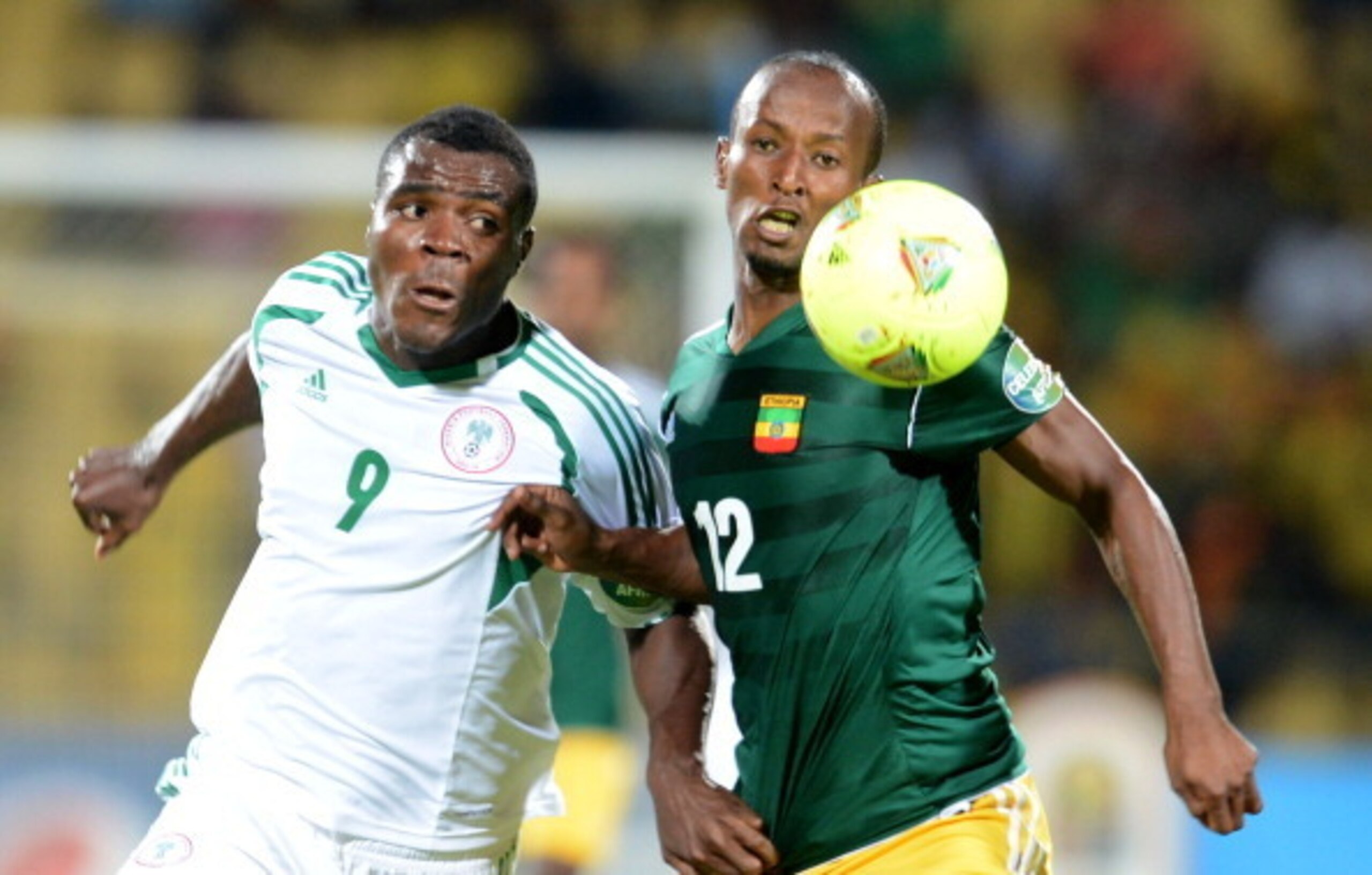
Keshi’s next big challenge, having secured the Cup of Nations title, was to guarantee Nigeria’s return to the international high table and confirm qualification to the 2014 World Cup.
The Super Eagles faced a play-off with a resurgent Ethiopia, where the first leg, in Addis Ababa, would require the side to contend not only with talented opposition, but also with the altitude and the partisan atmosphere.
The West Africans struggled to acclimatise immediately and fell behind.
All was not lost, however, and Emmanuel Emenike was brought off the bench to save the day.
The then-Spartak Moscow forward levelled the contest with a rasping finish soon after his introduction, before finishing with aplomb from the penalty spot.
The Eagles comfortably played out the second leg in Calabar—winning thanks to goals from Victors Moses and Obinna—and had guaranteed their place among the globe’s elite.
Beating Bosnia
5 of 6
Following a desperate 0-0 draw with Iran in their World Cup opener, Nigeria headed into a meeting with Bosnia-Herzegovina knowing that a victory would all-but guarantee their place in the second round.
Confidence was low for the Super Eagles following a run of six games without a win, while Bosnia had impressed on their World Cup debut—albeit in defeat against Argentina.
The contest was cagey, but the West Africans picked up the victory thanks to a sterling performance from Emenike.
The forward, playing on the right of an attacking three, looked like a man possessed and demonstrated the effectiveness of his pace and his power. Emir Spahic endured an evening to forget as he was repeatedly terrorised by the Fenerbahce hit man.
Ultimately, Emenike was the difference-maker. After winning possession high up the pitch, he crossed for Peter Odemwingie to fire home. The Super Eagles held on for a first victory over a European nation since 1998.
The identity of the goal-scorer also brought joy to Keshi. The Big Boss had recalled the potentially-divisive Odemwingie to the squad after an extended exile and this goal vindicated his gamble.
Unfortunately for the Eagles, victory over Bosnia was to be the highlight of their summer sojourn. They gave both Argentina and France a good run for their money, but ultimately came up short and were sent packing after advancing to the Last 16 for the first time in 16 years.
The Nadir
6 of 6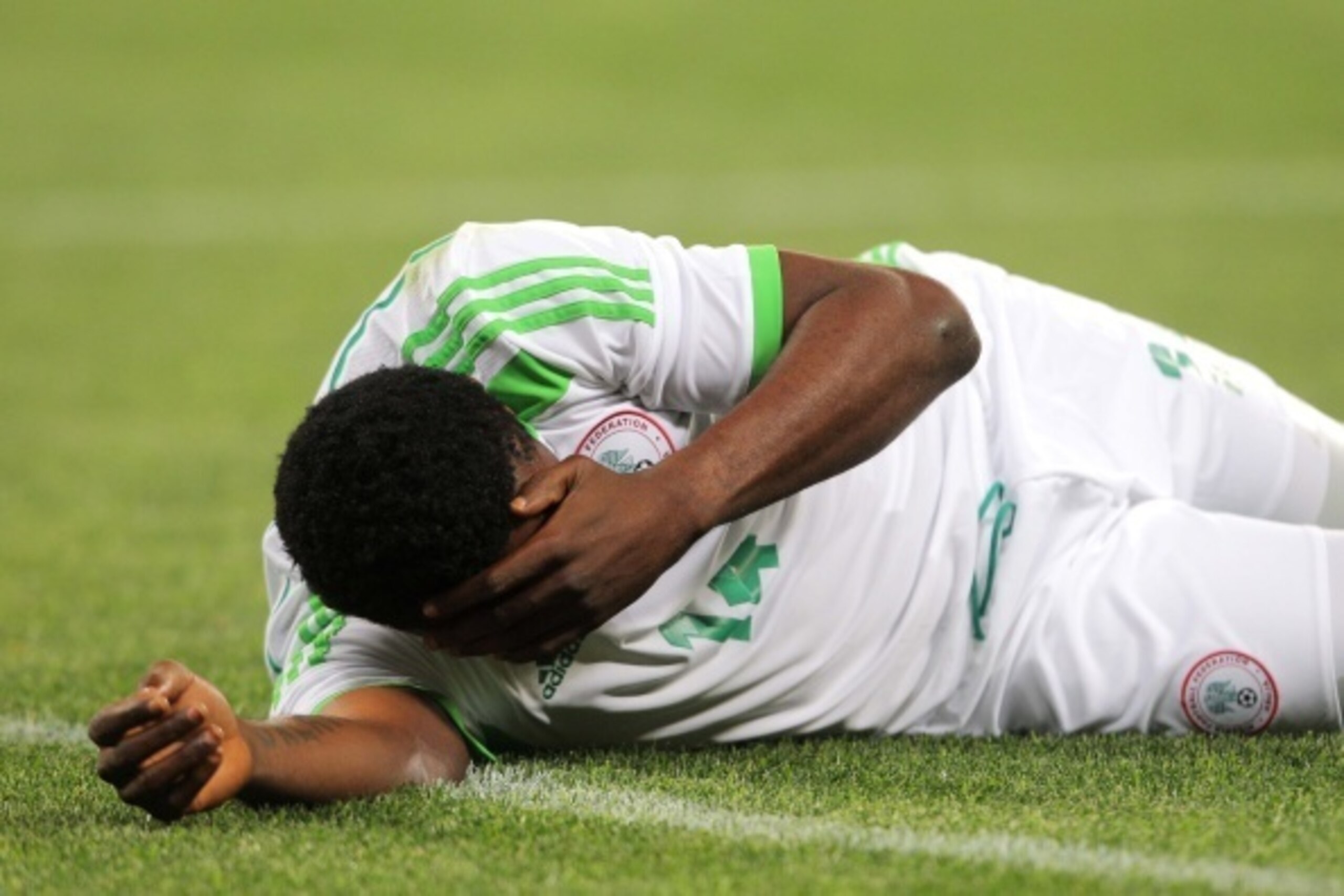
The 0-0 draw with Iran in Brazil was bad, for the anonymity and lack of imagination that characterised the performance. However, the nadir of Keshi’s regime came in Calabar in September as the Super Eagles hosted the Republic of Congo in their opening Cup of Nations qualifiers.
Despite taking the lead through Efe Ambrose, the Eagles’ once-imperious defence was decimated by Thievy Bifouma and his Red Devils companions.
Nigeria lost the match 3-2, ending their 33-year unbeaten home record.
Such a historic defeat was naturally going to be dismaying for fans, but the nature of the performance and the hapless showing by the Super Eagles’ defence was arguably even more damning for the coach.
Keshi could have overcome this loss with victories against South Africa and Sudan in September and October respectively, but a draw in Cape Town and defeat in Khartoum made his position untenable. As noted by James Ezimoha of Africa Football Shop, the loss to Sudan was quickly followed by the proliferation of the "KeshiOut" hashtag on Twitter.

.jpg?w=2560 "Seahawks Chiefs Football")