Pros and Cons of NBA Shortening Length of Games
The NBA would like to find out if less is more, so it's taking the fascinating step of experimenting with a 44-minute game on Oct. 19.
Since 1946, games in the Association have lasted 48 minutes, but because of growing concern that the NBA season is too much of a grind, the Boston Celtics and Brooklyn Nets will suit up for a preseason tilt with four 11-minute quarters, according to Jeff Zillgitt of USA Today.
Per Zillgitt, NBA President of Basketball Operations Rod Thorn said:
"We have looked at everything that we do and are taking a fresh look at all the different things we do. One of the things that keeps coming up is our schedule and the length of our games. … Our coaches talked about it, and a lot of them seemed to be in favor of at least taking a look at it. We talked with our competition committee, and they were in favor of taking a look at it.
"
And look at it they shall.
Trimming an NBA game by a one-twelfth may not seem like a big deal, but those missing four minutes might have a significant impact on everything from player usage to league revenue to fan experience.
Or not.
We'd better break this down to find out.
Pro: Better In-Game Flow
1 of 7
If you watch enough NBA games, your brain gets conditioned so that you subconsciously anticipate mandatory stoppages. When the clock gets below the six-minute mark in the second and fourth quarters, you know a commercial break is coming at the next whistle.
This is a sign that you, like me, probably have too much basketball in your life and should go outside once in a while.
But it's also an example of the unnecessary drag Thorn and the competition committee are trying to address.
According to Zillgitt, the 44-minute game would feature two fewer mandatory timeouts, known alternately as TV timeouts. There would still be required stoppages (the league has to pay its bills) in each quarter when there was a dead ball after 6:59 and 2:59, but those two "under-six" stoppages would go away.
It's hard to know how big of an impact that might have, but in a game so defined by flow and up-and-down action, stopping less sounds better than stopping more.
Con: This Is Not the Real Problem
2 of 7
When players and coaches talk about the grind of the NBA season, they're usually not referring to the length of specific games.
It's the sheer volume of contests—and the scheduling that so frequently requires teams to play on back-to-back nights—that provides the real wear and tear.
Miami Heat head coach Erik Spoelstra explained to reporters how shortening individual games misses the point:
"I don't think it's a matter of how long the game is. I think there's too many games, to be frank. I think if there's some way to find a way to cut out some of the back-to-backs so there aren't 20-plus of them. I think that's the bigger issue, not shaving off four minutes in a particular game.
"
On the plus side, the league is at least acknowledging the problem presented by a grueling schedule. Unfortunately, Spoelstra and other like-minded NBA types probably aren't going to get the shorter season they want anytime soon. Per Zillgitt:
"A shorter regular season is highly unlikely because it cuts into ticket revenue, which is shared by players and owners. Also, the league just reached a nine-year, $24 billion TV deal—also shared by both sides—and that amount is based on the number of games the networks can televise each season.
"
You can't shorten the season now (not without a major fight, anyway). There's too much money involved and a justifiable claim of detrimental reliance for owners, advertisers and in-arena businesses.
A four-minute reduction might have some impact on fatigue but not nearly as much as, say, a 70-game regular season.
Or, if the league really wants to make a dramatic change, why not go full FIBA? Forty-minute games are the international standard, and those things have tons of flow and a real sense of urgency—perhaps partially owing to a quicker clock.
The 44-minute game feels like a half-measure.
Pro: Stars Decide Outcomes
3 of 7
Michael Jordan taught the NBA that the best way to market itself was by getting behind its individual stars, and anything the league can do to increase the impact of its best players is probably a smart business move.
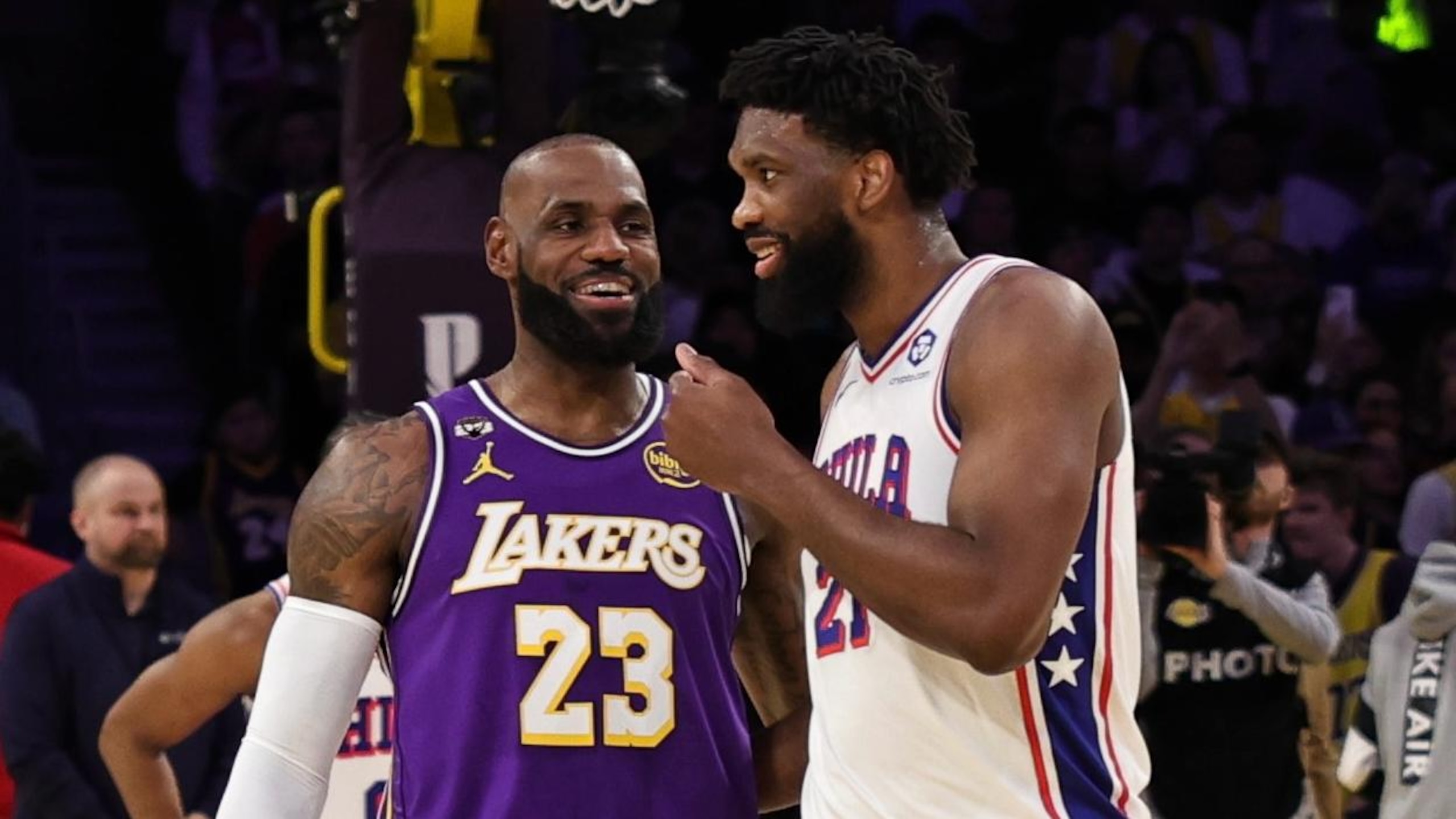
And as far as competition goes, I don't think fans would be upset about LeBron James, Kevin Durant (get healthy, please), Chris Paul et al. having more to do with the outcome of their regular-season games.
Shortening contests could have that effect.
Think about it: James played 37.7 minutes per game last year, which means he was on the floor for 78.5 percent of a 48-minute game. If games only lasted 44 minutes, those 37.7 minutes would account for 85.6 percent of the game.
That's a decent-sized increase, and if you extended the logic to the rest of a team's first unit, you'd see big-name players having more to do with the result of each individual game.
How is that a bad thing?
Con: Subs Get Marginalized
4 of 7
Here's how: What's cool for stars isn't so great for end-of-the-bench reserves—or even moderate-usage subs.
It seems like a smart play to take the approach outlined in the previous slide. And you'd have to assume ultra-competitive NBA coaches would want to use their best players for at least as many minutes as they always have, especially given the increased impact they could have on a shorter game.
That leaves backups with diminished roles.
Instead of getting nine or 10 minutes in relief of James, a hypothetical reserve would get only four or five. That might not sit well with reserves who already think they should be playing more. The effect on team harmony could be profound.
Per Scott Agness of Vigilant Sports, Indiana Pacers head coach Frank Vogel said: "Personally, I don’t really like it. I don’t have enough minutes to get all my guys enough minutes to keep them happy. You’re going to take away four (minutes) a game, that’s going to make my job harder.”
And it stands to reason that a reduction in role could also lead to a reduction in pay.
For example, is Shaun Livingston worth the full mid-level exception to the Golden State Warriors if he's backing up Stephen Curry for 15 minutes per game instead of 20?
Maybe. But then again, maybe not.
Owners and general managers might not want to pay the same amount of money for less service. That's just bad business.
The ultimate upshot is a disappearing middle class in the NBA. Teams might want to pay big for stars and round out the roster with more minimum-salaried players if the games require proportionally more from the latter and less from the former. That's an extreme example, but one that shorter games would logically encourage.
Pro: Less Predictability
5 of 7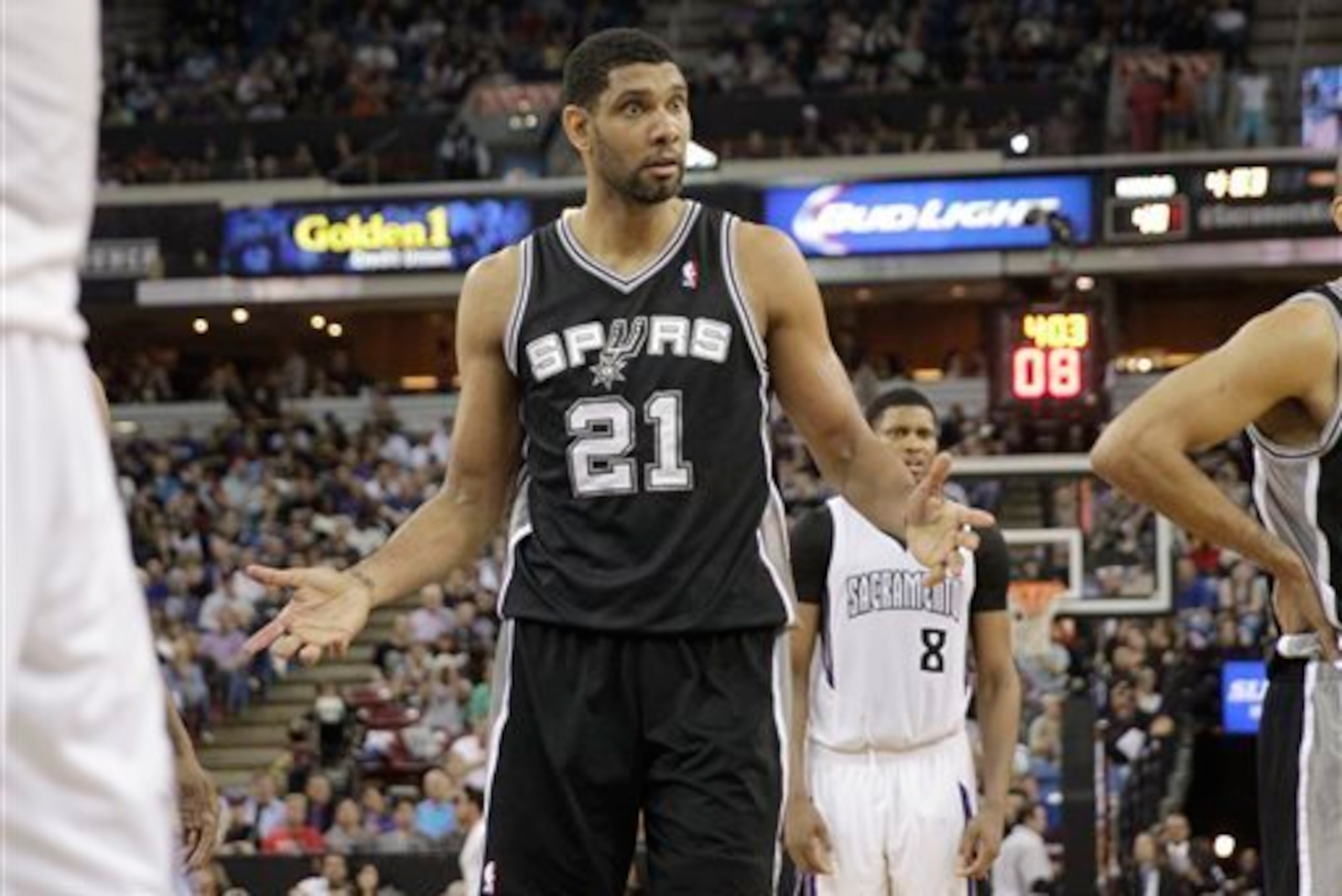
Grantland's Zach Lowe wrote a piece championing a 40-minute game last season, and one of the most compelling arguments had to do with shaking up an NBA that is comparatively unkind to underdogs.
He argued:
"Stat geeks are in something near universal agreement that the NBA is the most predictable of the four major U.S. sports, in terms of both the outcome of single games and of playoff series. ...In simple terms, favorites do better in the NBA than they do in other sports, often winning games by gradually pulling away as their superior skill cements its impact over an increasing number of possessions.
"
The logic, then, is that shorter games with fewer possessions would make surprising outcomes more likely. Shrink the sample size, and anomalies show up with greater frequency.
If it's true that fans are drawn to upsets and unpredictability, shorter games could lead to more attention, engagement and, of course, money down the line.
It's possible that stars playing a larger proportion of each game might mitigate the effect Lowe discusses. But it's an interesting point nonetheless, and anything that gives the Sacramento Kings a win over the San Antonio Spurs is an exciting idea...unless you're Tim Duncan.
Con: Fan Experience Suffers
6 of 7
Trimming four minutes from each game probably won't have a significant impact on fans who consume their NBA through television, but those actually attending contests in person have a real gripe.
The worst part of going to an NBA game is the hassle of getting there (typically fighting traffic, paying big bucks to park and wading through a pulsing mass of humanity in the pregame concourse). Those are inconveniences; they're the price you pay to take in an NBA game firsthand.
Once you're settled in your seat, beverage in hand and commemorative bobblehead comfortably stashed someplace safe, you're happy.
Only now you're going through all of the same annoying pregame rigmarole and paying the same prices for parking, tickets and concession items while enjoying four fewer minutes of what you came to see.
That's not ideal.
If I'm going to an NBA game, I want to enjoy the possibility of being crushed courtside for a full 48 minutes. Not 44.
Ultimate Pro: It's a New Idea
7 of 7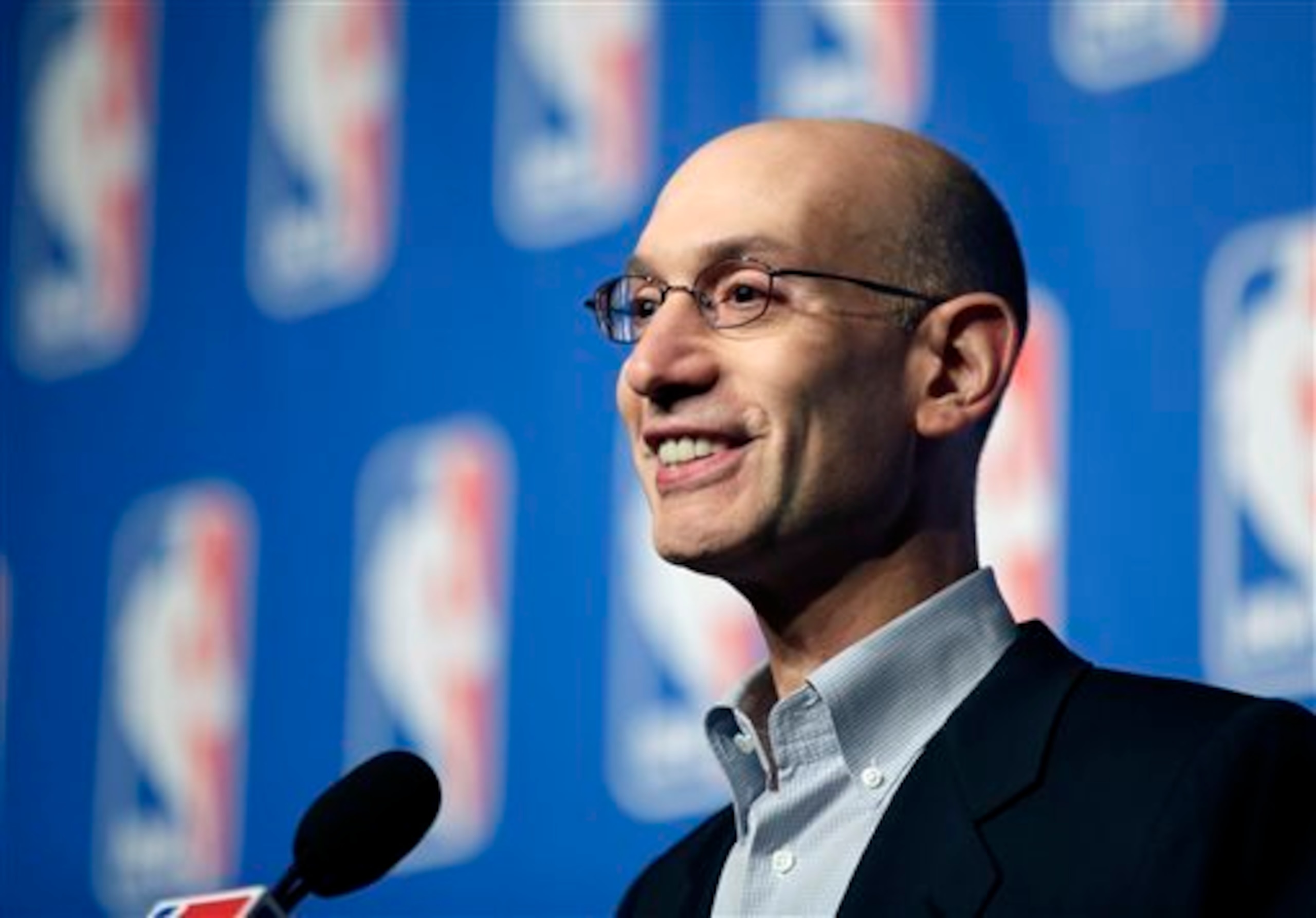
Credit the NBA for taking bold steps to improve its product, even if this particular step might not improve things at all.
Even toying with the idea of changing something as fundamental as the length of the game is laudable. Can you imagine Major League Baseball discussing the prospect of eliminating the ninth inning?
That's effectively what the NBA is experimenting with right now.
The NBA is a phenomenally strong institution, continuing to expand its reach internationally while hauling in more money than anyone could have ever imagined (see: $24 billion TV deal). Yet it's willing to tweak core aspects of the game just to find out if an already insanely popular product could be made better.
It's hard to get away from the "this is how we've always done it" way of thinking under any circumstances.
The fact that the NBA is messing around with a new idea is a pro in itself, and perhaps the one that matters most for the long-term health of the game.
Kudos to Commissioner Adam Silver and the league as a whole on this one. Even if the 44-minute game is an epic failure, merely trying it out constitutes a success.

.jpg?w=2560 "Grading WWE Raw 🔠")
.jpg?w=2560 "Source: Freedom, White Not Eligible for WNBA Draft (AP)")

.jpg?w=2560 "Shedeur's Reaction to Browns' QB Decision")