

Real Madrid Must Prioritise Stability, Not Signings in January Transfer Window

If you were to ask Florentino Perez and Carlo Ancelotti what would signify success for Real Madrid in the upcoming January transfer window, it's extremely likely you'd get two very different answers from the club's president and its manager.
Perez, the polarising construction magnate notorious for his extravagant business activity and buoyed by his club's record revenue, would insist that prosperity—on the pitch as well as off it—is predicated by the sheer sum of one's parts.
For the president, saturation points don't exist; the quality of a squad is linear rather than positioned on a curve. Success in January for Perez would be defined by the capture of Arturo Vidal, David de Gea or perhaps Raheem Sterling—transfers that would give the 67-year-old a chance to unveil another jewel from his presidential box, satisfying his thirst for glamour and notoriety.


Put the same question to Ancelotti, however—"Does your team require more top-end talent, Carlo?"—and it's likely you'd be met with a gruff response born from irritation: "No."
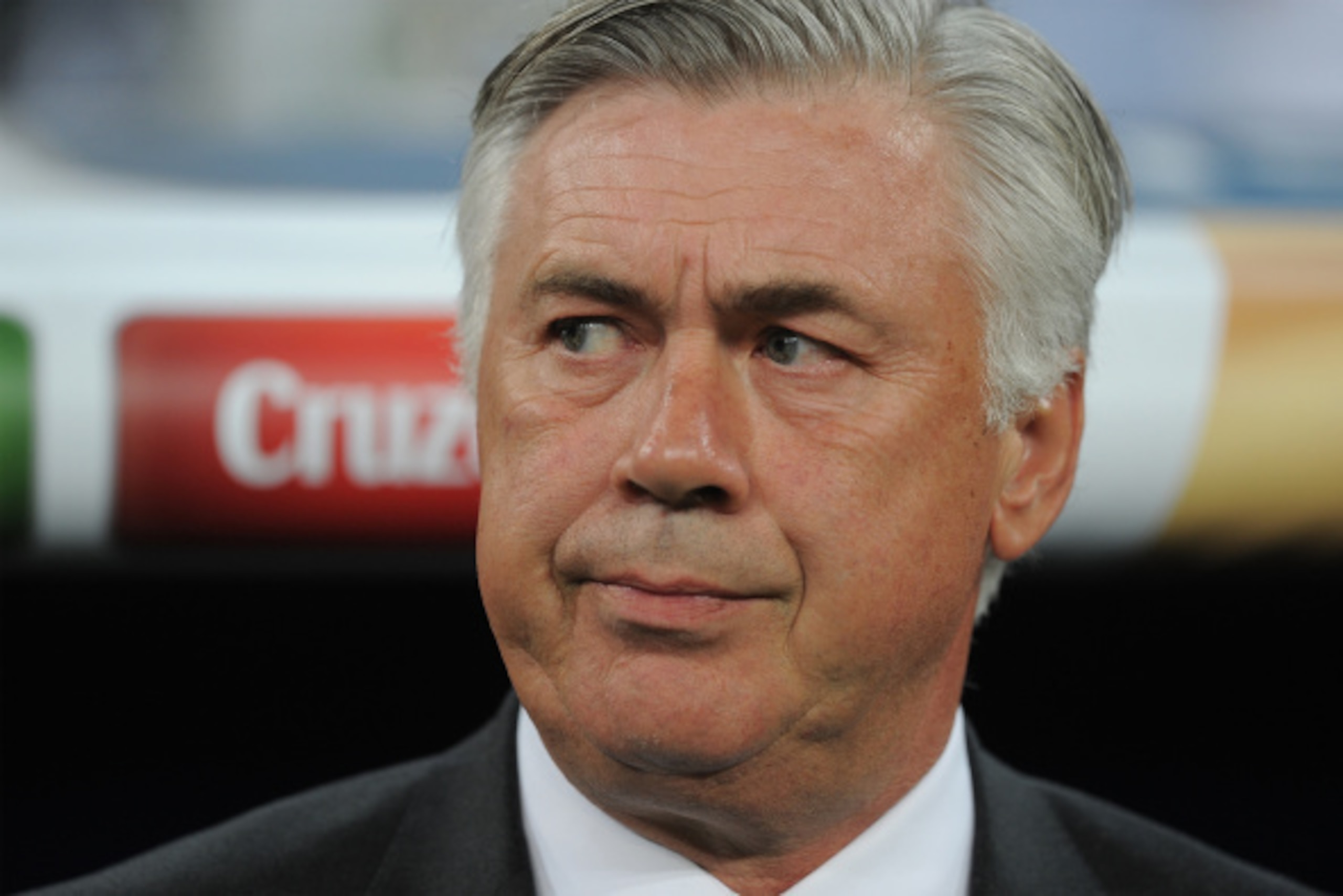
Such differing perspectives, ones built from the pair's contrasting paths to this point, are a cause for intrigue as Real Madrid approach another period of transfer opportunities: Perez's tendencies and history will fuel the speculative headlines, while only Ancelotti's presence may prevent them from becoming a reality.
Interestingly, it's a president-manager dynamic that's truly unique in the world game.
Yet, one senses that the Italian must get his way in the upcoming window, that Perez's clamouring for stardom must be resisted. Real Madrid's issues start and end with balance and cohesion, not quality. And having garnered a certain degree of the former in recent weeks, further additions of the latter will only hinder Los Blancos' charge.
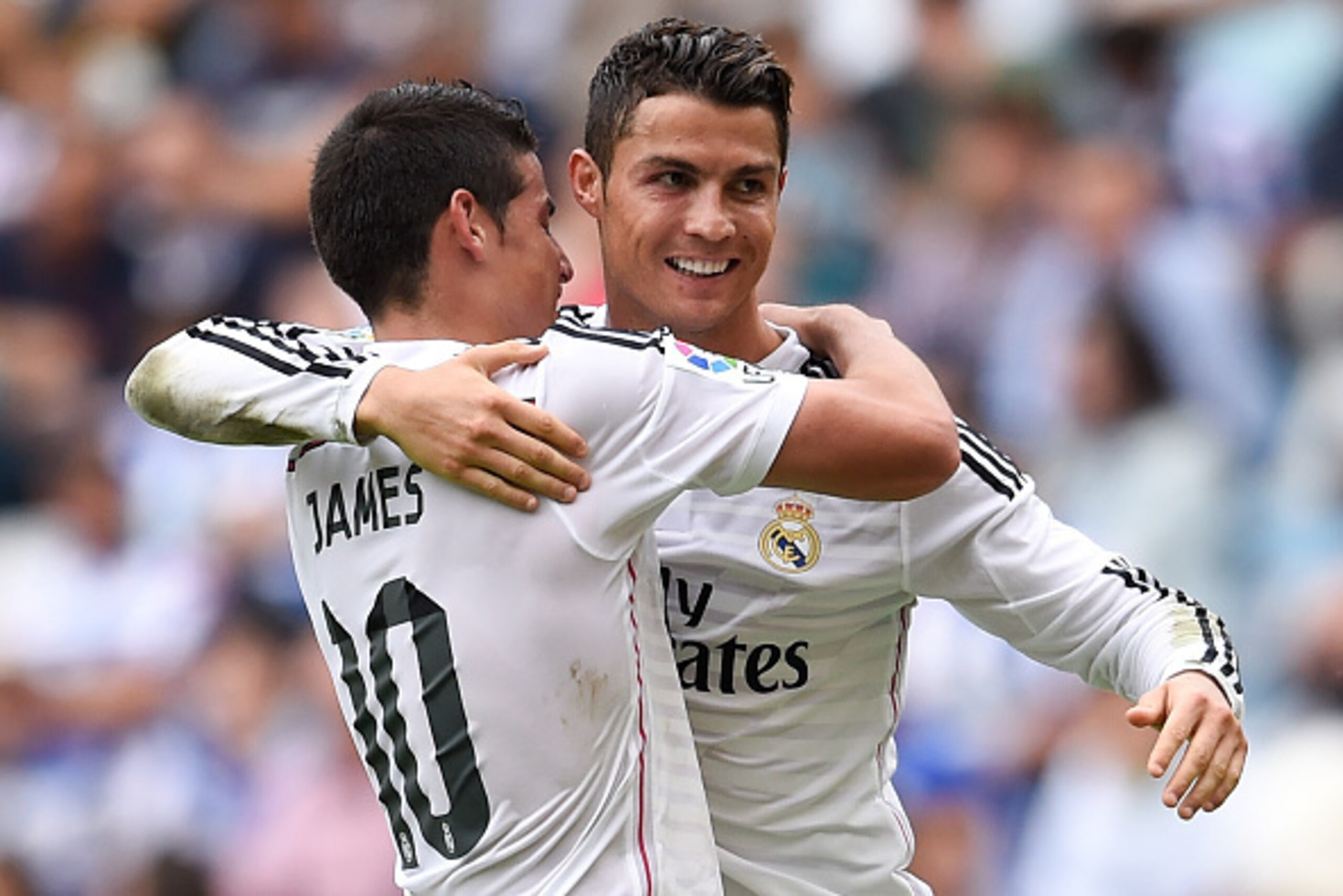
Since the pair of stinging defeats to Real Sociedad and Atletico Madrid in the season's opening weeks, Ancelotti's men have scorched their way to six consecutive triumphs, notching an eye-watering 27 goals in the process.
Basel saw five blasted past them in the Champions League opener. Elche and Athletic Bilbao endured the same fate in La Liga. And remarkably, Deportivo La Coruna suffered a hiding that was worse. All at the hands of an outfit that found itself bordering on a crisis exactly a month ago when Arda Turan nicked a late winner to humiliate Atletico's famed rivals.
The turnaround since that evening in mid-September, one that drew a hostile response from those inside the Bernabeu, has been largely due to the gradual development of chemistry within the squad and Ancelotti's tactical tweaks, which have needed time to establish a footing.
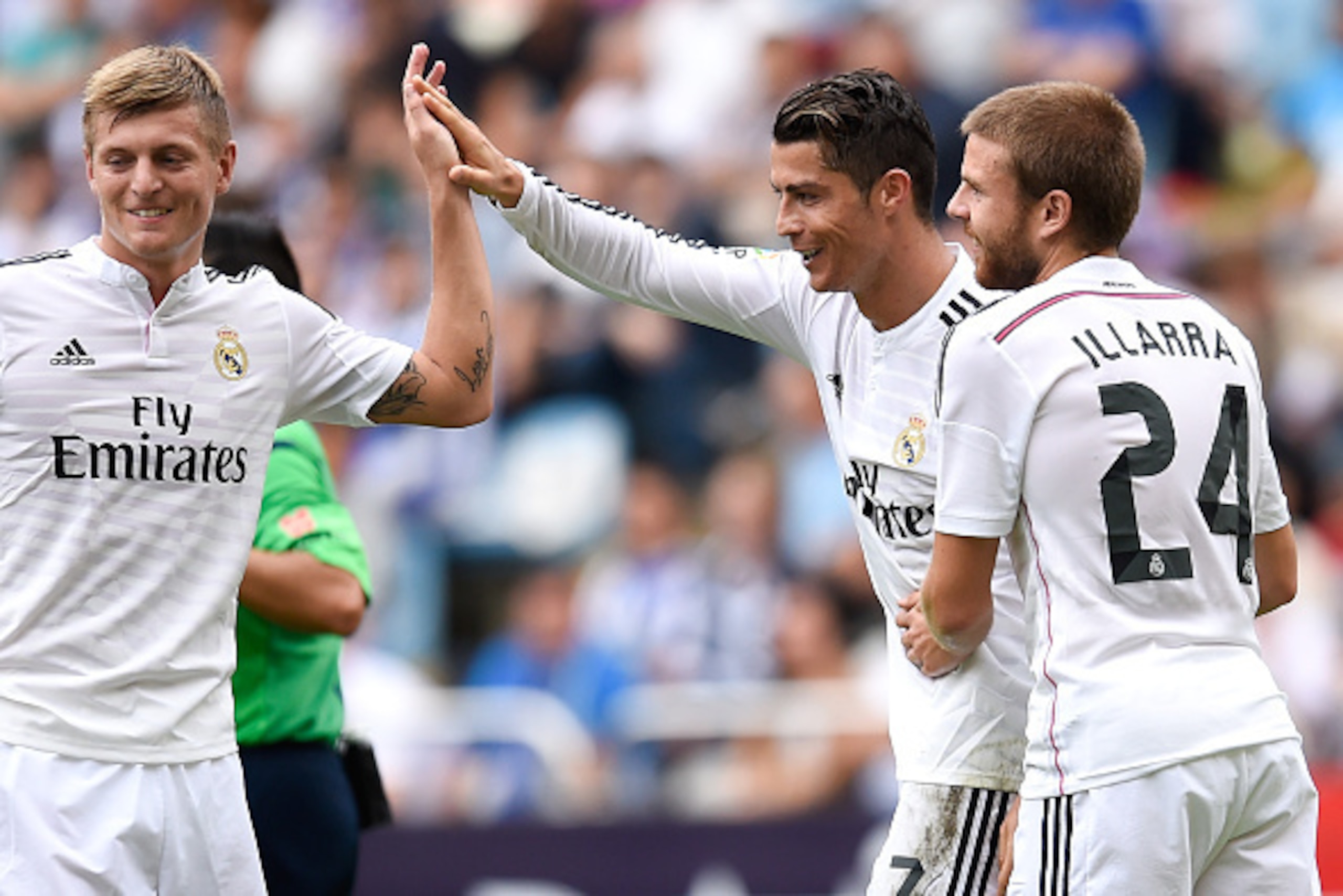
Forced to alter the methods that proved so devastating last term, Real's typically unmoved boss has devised an approach to help offset the losses of Angel Di Maria and Xabi Alonso—departures stemming from the summer pursuits of James Rodriguez and Toni Kroos.
Real Madrid may have retained the same flowing 4-3-3 in attack, but the side's work without the ball has been significantly adapted to the requirements of the club's new faces.
As Ancelotti explained after the crushing of Athletic Bilbao, per Inside Spanish Football's Heath Chesters, Los Blancos now employ two different systems, with his team dropping into a 4-4-2 to defend—a shape that requires Rodriguez to push across to the left, Gareth Bale to drop back into the midfield bank of four on the right and Luka Modric to join Kroos, being groomed as Alonso 2.0, in the centre.
The tactical switch has also removed Cristiano Ronaldo from the physical burden of the wing for large parts, placing him closer to goal and yielding a staggering scoring run from the Portuguese.

Of course, Ancelotti's side is far from the finished article and can still be considered a work in progress even as they approach a level reminiscent to that of last season.
Time, a perpetually fading quantity, is still required to iron out some of the difficulties caused by Perez's impulsive summer business—an issue that will only be compounded by another spree of characteristic extravagance from the president in January.
But it's exactly how much time that holds a significance for Perez, Ancelotti and Real Madrid.
The gap between the team's worst this term (the collapse at the Anoeta) and its best (the mauling of Athletic Bilbao, according to the manager) when accommodating new arrivals was five weeks. A period of development of that length may be able to be overcome in the opening months of the campaign, but a similar stretch in the same season after January can't be endured if trophies are to be won.
Stability, therefore, must take precedence over signings at Real Madrid as the next transfer window approaches, and for that to happen, Ancelotti's practicality must triumph over Perez's self-indulgence.
.jpg?w=2560 "NFL Paris Football")
.jpg?w=2560 "Seahawks Chiefs Football")






