
Arian Foster Flying Under the Radar as One of NFL's Best Running Backs
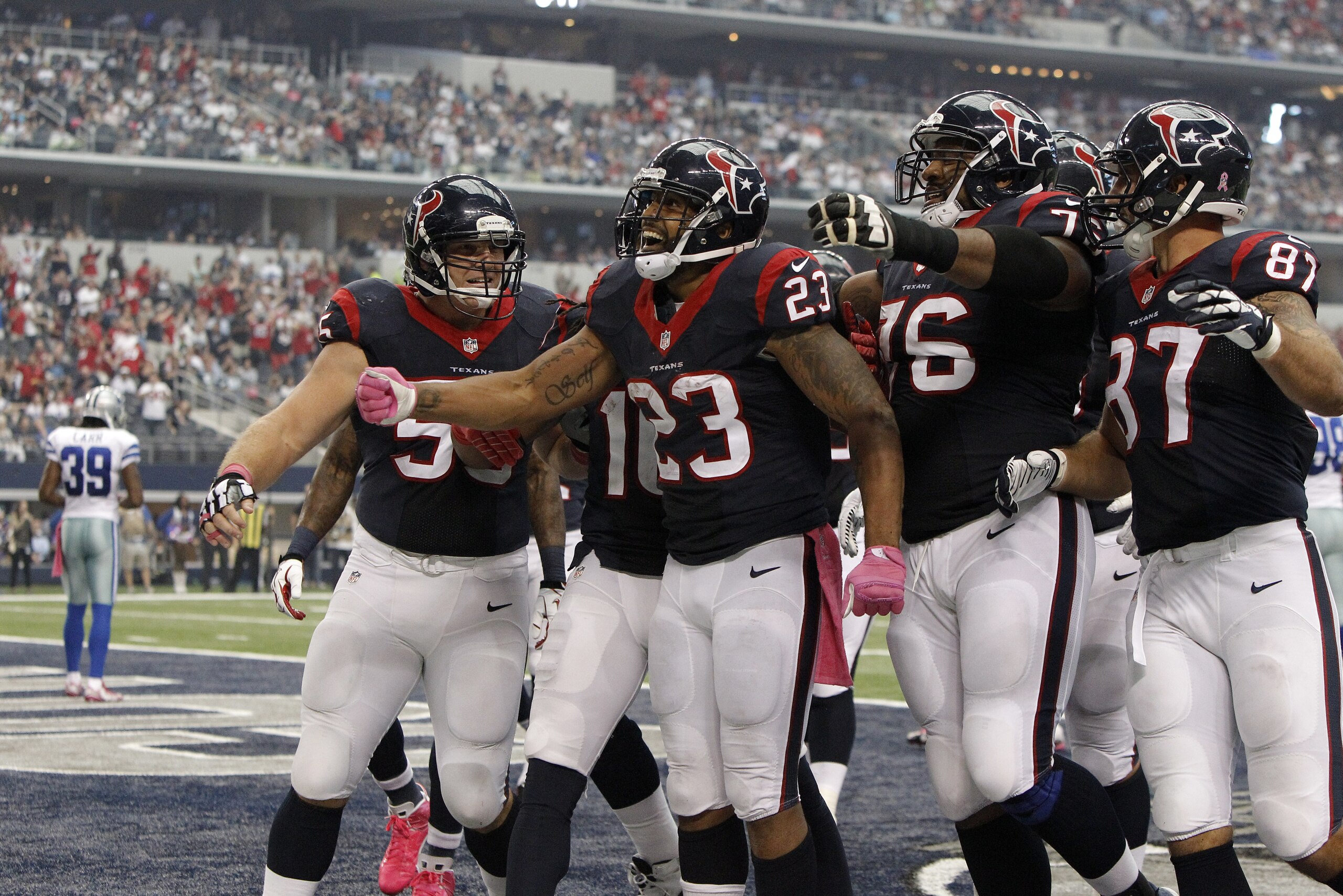
After five weeks of the 2014 NFL season, the Houston Texans' Arian Foster has a legitimate claim to be the best running back in the NFL.
Foster is a 28-year-old who has compiled 1,419 career touches and missed eight games through injury last season. He has already missed one game through injury this season after struggling with his health all offseason.
He's not at the stage of his career when he is supposed to be averaging 4.7 yards per carry. He's not at the stage of his career when he is supposed to be consistently breaking off big runs—three 20-plus-yard runs and one 40-plus-yard run to this point. He is not at the stage of his career when he is supposed to be capable of carrying the ball 20-plus times in three of four games.
TOP NEWS
.jpg?w=2560 "NFL Paris Football")
NFL House in Paris Closes for Protests
.jpg?w=2560 "Seahawks Chiefs Football")
Trevon Diggs Cut by Seahawks
.jpg?w=2560)
B/R's Expert Week 7 NFL Picks 🔮
It's not supposed to be Foster's season to shine.
Yet, it does make some sense that he is apparently back to his best. This year has been weird for NFL running backs. Expectations entering the season haven't been met more often than not and for a variety of different reasons.
Nothing was more unpredictable than Adrian Peterson's absence. Peterson is serving an indefinite suspension because of an off-field incident involving his son. He has just 21 carries on the season and isn't expected to return anytime soon.
Last year, the Philadelphia Eagles' LeSean McCoy was the clear rushing leader as he finished the year with over 1,600 yards. On 314 carries, he averaged over five yards per attempt. This season, McCoy has 94 carries for 273 yards, an incredible 2.9 yards-per-carry average.
The shining light for the position appears to be DeMarco Murray, who has enjoyed a record-setting start to the season, rushing for at least 100 yards in each of his appearances. Murray comfortably leads the league in rushing, but he has also set a career high in fumbles after just five games.
Murray is likely the most popular option for best running back in the NFL right now, but he is also running behind a dominant offensive line and appears to be carrying an unsustainable work load.
If the Dallas Cowboys star hadn't fumbled so often, there would be no argument to make that he has been the most impressive back in the NFL to this point, but those fumbles open the door for a Foster argument. It's possible that if Foster hadn't missed time, that there would be no argument against him as the best back in the league.
| Week 1 | 27 | 103 | 0 | 3.8 |
| Week 2 | 28 | 138 | 1 | 4.9 |
| Week 3 | 0 | 0 | 0 | 0 |
| Week 4 | 8 | 6 | 0 | 0.8 |
| Week 5 | 23 | 157 | 2 | 6.8 |
In games where Foster has had at least 20 carries, he has averaged 5.1 yards per attempt and 133 yards per game. Those numbers are in line with Murray's, as he has averaged 5.2 yards per carry while averaging 134 yards per game.
Foster has matched Murray when healthy because of his all-around ability.
For as long as he has been in the NFL, Foster has had great vision that is highlighted by his sense of timing with his movement behind the line of scrimmage. That has repeatedly been on show throughout this season to get the most out of the Texans' offensive line.

On this play, Foster is given the ball close the goal line while running a counter play off right guard. The Texans pull their left guard across the formation to pick up a linebacker in space.
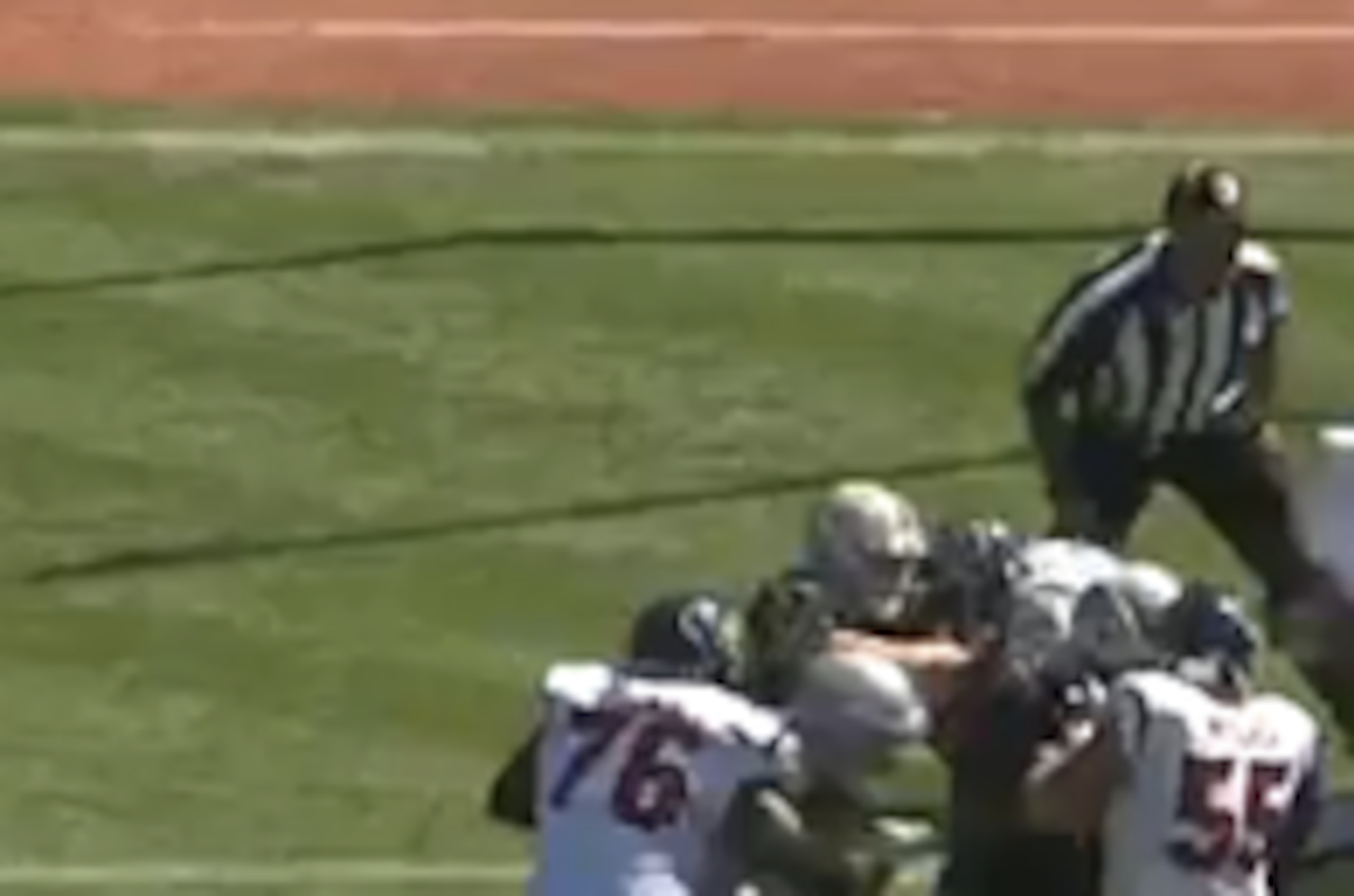
Foster recognizes the free defender on the second level who is in position to tackle him if he runs outside of his blocker. At the same time, the pulling left guard is blocking a defender who is slightly to the inside of him, highlighted by the red arrow. Foster has no immediate obvious running lane.
Instead of rushing his decision, Foster hesitates while keeping his eyes downfield and lifting both feet off the ground. He is now in position to let the play ahead of him develop before committing to a running lane.
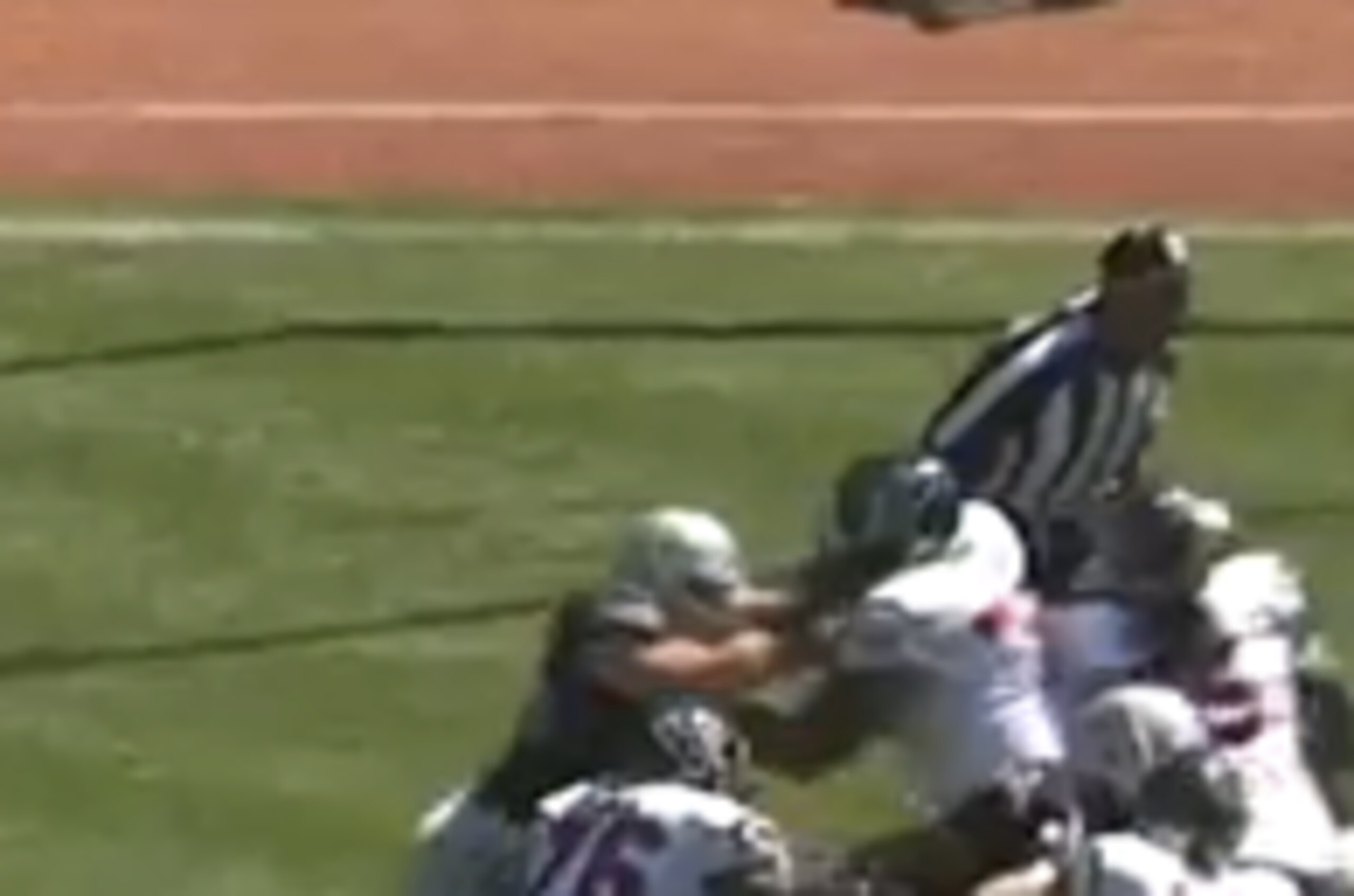
Foster's hesitation makes the second-level defender establish a stance and remain where he is. When he does that, Foster brings his eyes back infield and plants his right leg to push back infield. The offensive line has eventually created a running lane as the engaged defender pushes his way to the outside.
With a clear running lane, Foster is able to reach the end zone by breaking a tackle after getting past the line of scrimmage.
This kind of play has been routine for Foster throughout his career when he is fully healthy. He has never been a burner like Chris Johnson, but Foster is a very well-rounded athlete. His quickness and body control allow him to make hard cuts or subtle movements, while his burst of acceleration made it easy for him to advance to the second level.
For the most part, Foster has been at full effectiveness when on the field this season.
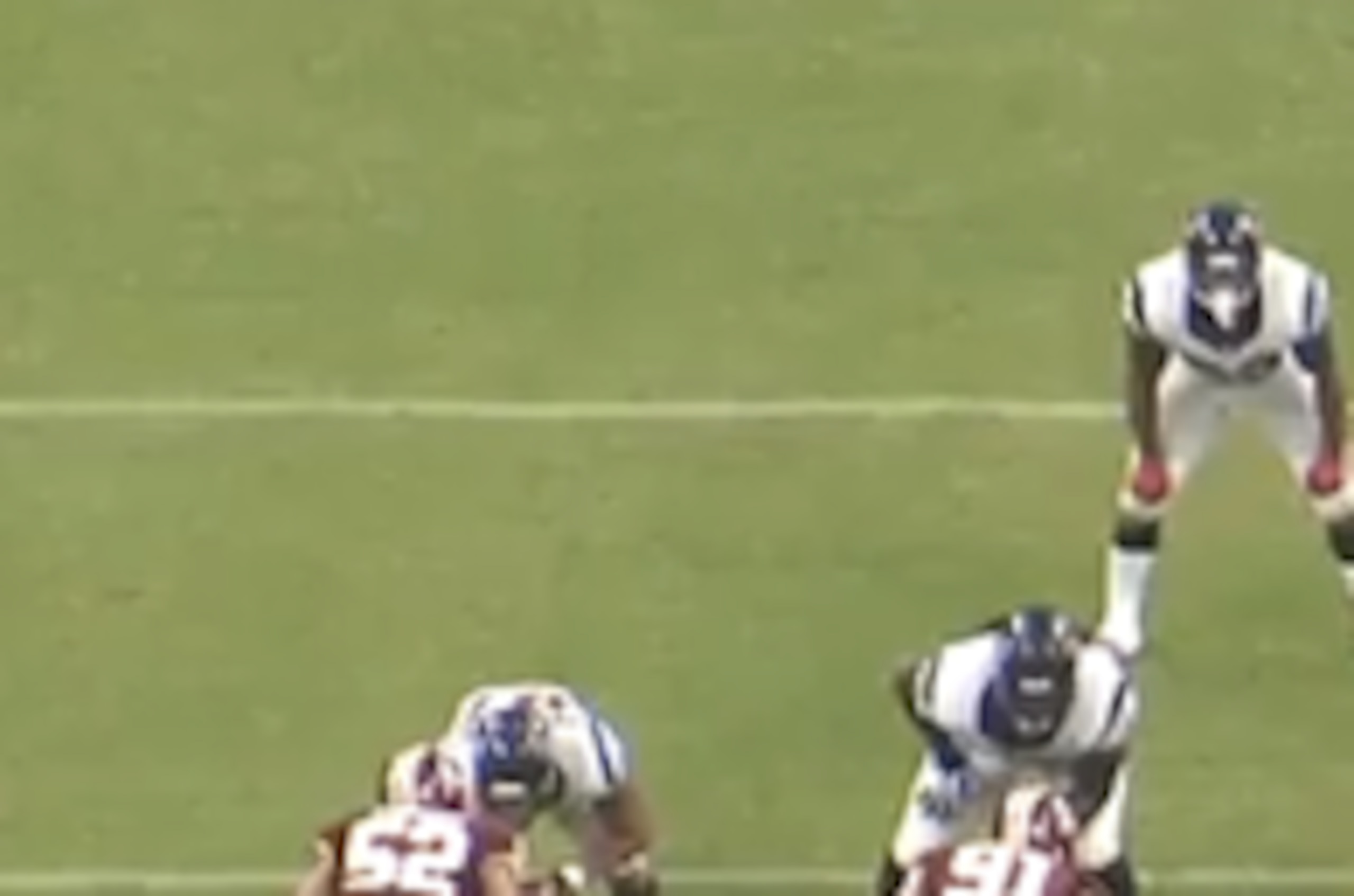
On this play against Washington, Foster shows off his quickness and his burst. It doesn't appear to be a designed cutback because the blocking doesn't develop in such a way. Instead, it appears Foster anticipates where he needs to go before he even gets the ball.
Foster isn't looking at the penetrating defender when he gets the ball; instead he has already moved his eyes from that defender to the middle of the field. The running lane over the middle of the field is not only going to be closed by the penetrating defender, but is also occupied by a defender on the second level.
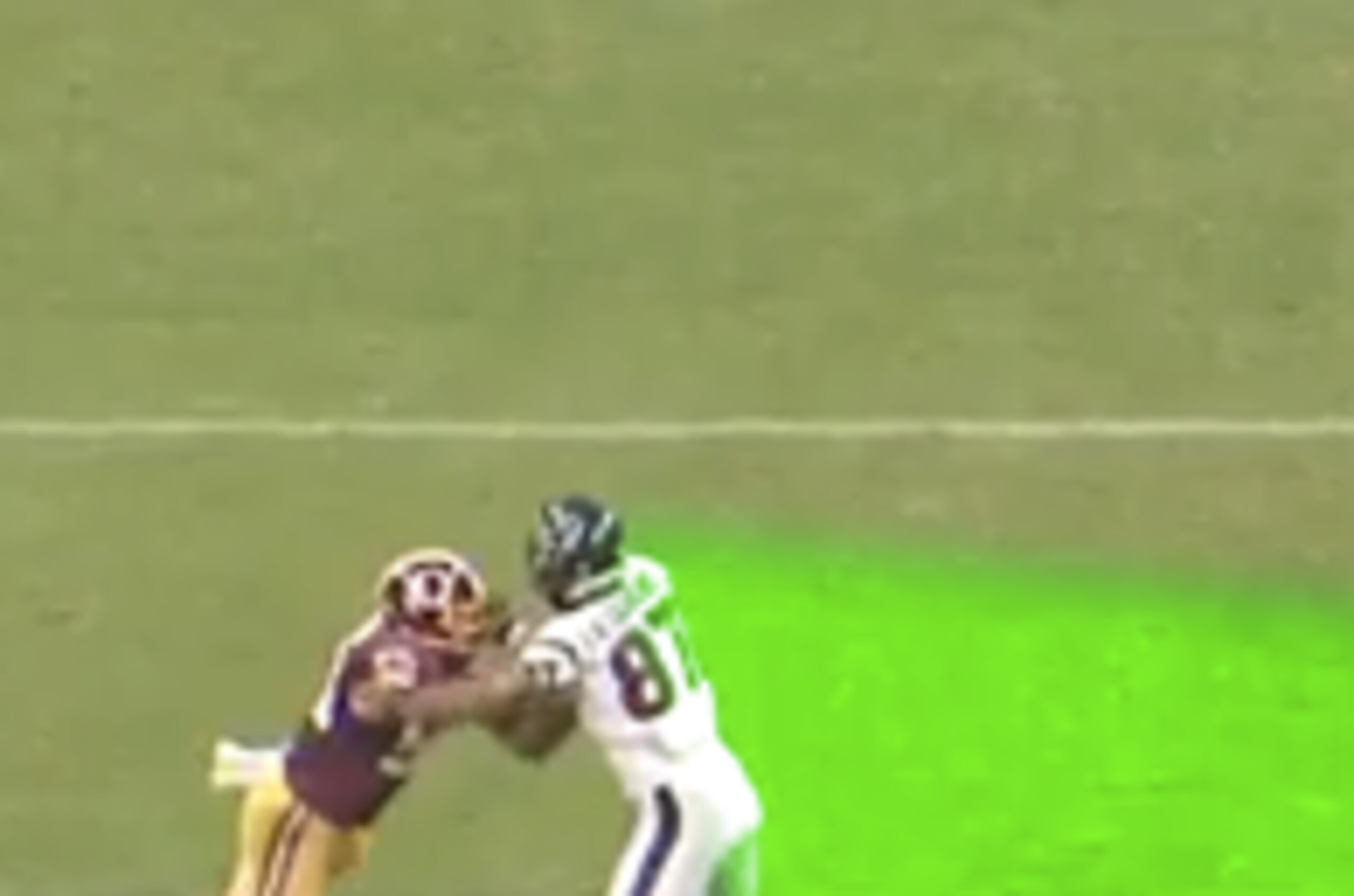
With exceptional haste, Foster has located the right running lane to attack. He aggressively plants his foot to reroute his run toward his right tackle, but he must still evade the penetrating defensive lineman. That lineman has his momentum pulling him toward where Foster is going, while Foster must redirect his own momentum.
The defensive lineman should be able to close on Foster before he crosses the line of scrimmage.
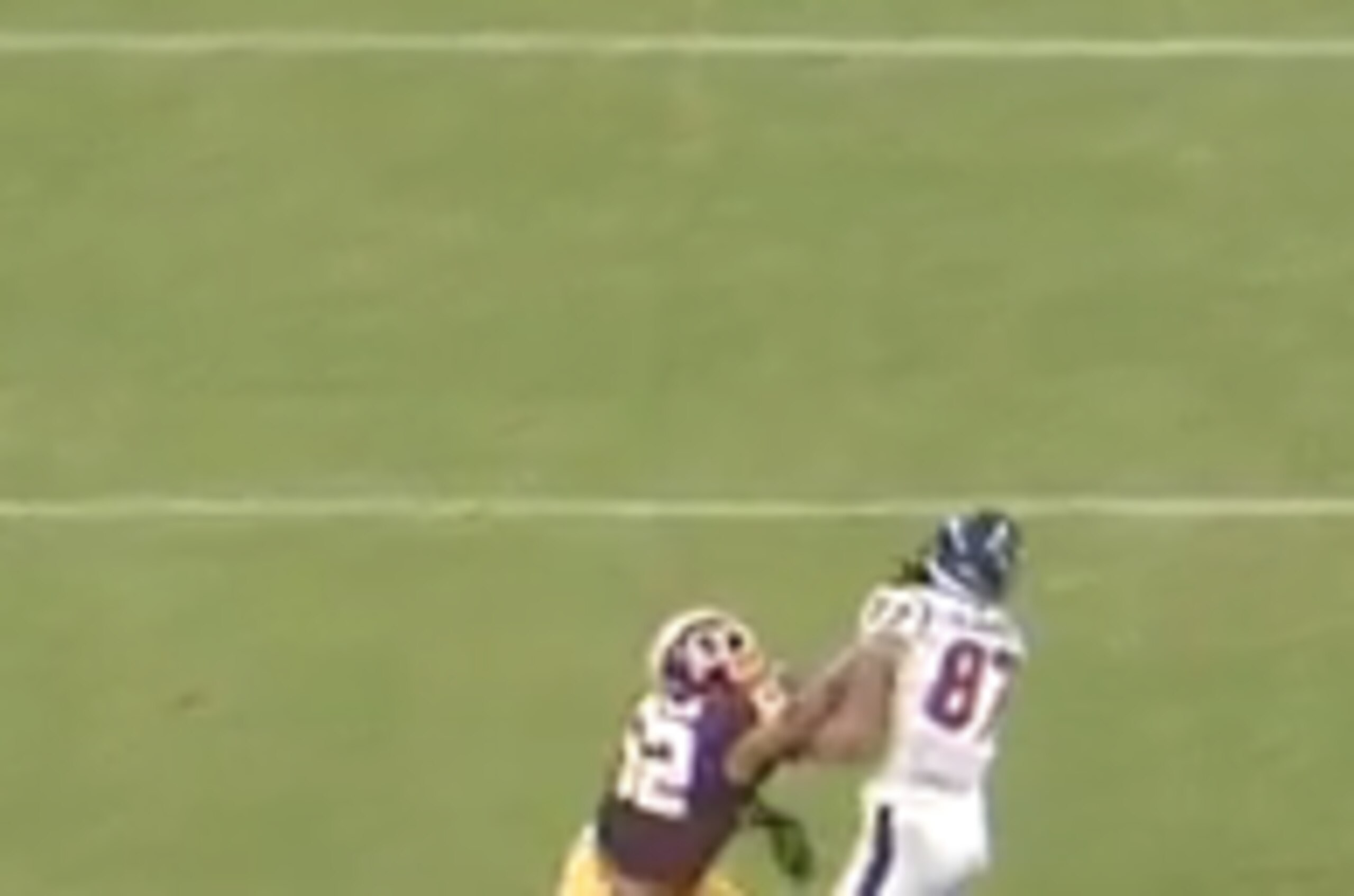
With one outstretched hand, the defensive lineman attempts to drag Foster down, but Foster slaps his hand away as he drifts further wide. Once he gets past the line of scrimmage, Foster is able to regain his full balance to accelerate away from the initial defender.
Foster doesn't have much space to work in past the line of scrimmage, but he created a good gain with his quick recognition and physical ability.
When that space eventually comes, like it did against the Cowboys in Week 5, Foster still has the long speed to outrun angles or run away from defenders in space. He may not be outrunning the faster defensive backs in the NFL, but he will rarely be asked to.

For his touchdown run, Foster was sent clean into space outside his left tackle. There was just one defender in position to stop him close to the line of scrimmage, an incoming defensive back who Foster appeared to size up before getting outside.
In space, Foster has been deadly this year.
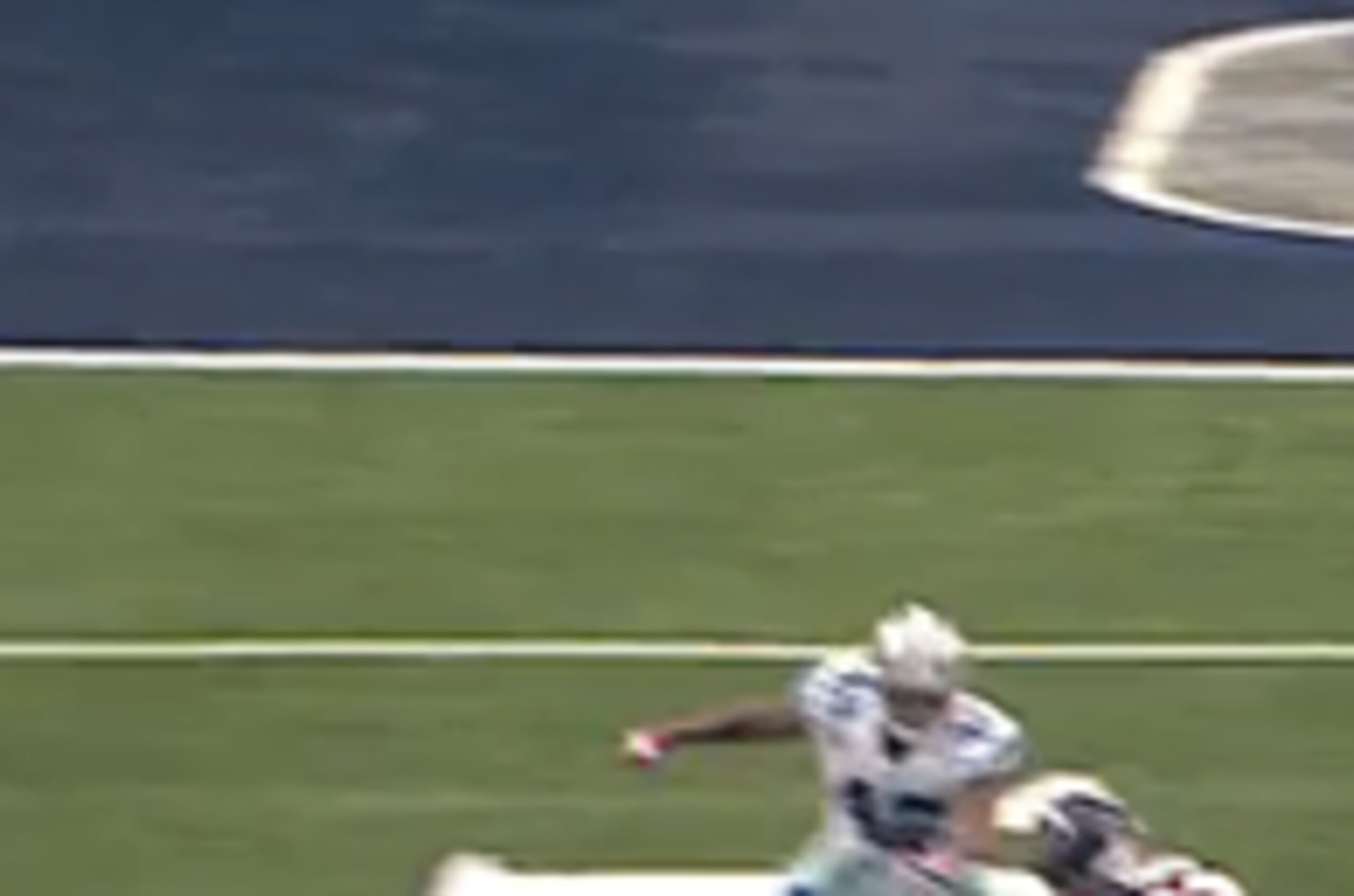
Showing patience after getting outside of the left tackle, Foster sets up the defender to the outside before making a hard cutback inside. Foster doesn't simply extend a foot and push off it; he sells the fake with his upper body before bouncing back upfield.
The defensive back never had a chance from the moment he took outside positioning.

Once on the second level, Foster has two defenders to beat to the end zone. One can be seen in the above image, while the other comes from the middle of the field. Foster comfortably accelerates past both players and protects the ball as he falls into the end zone for the score.
The fluidity with which Foster moves allows him to sustain his speed through all movements.
Foster is giving the Texans everything that Murray is giving the Cowboys; he's just not turning the ball over while doing it. If Foster is able to stay healthy for the rest of the season, he should be able to eclipse all of his peers and reclaim his spot as the best running back in the NFL.
At this point of the season, the conversation likely only includes four players: Murray, Foster, Le'Veon Bell and Marshawn Lynch.
Each player has his issues, but each also has overwhelming positives that can't be brushed aside. Of the group, only Foster and Lynch are really coming toward the end of their primes, so this year might be a final furor at this level.
.jpg?w=2560 "Titans Colts Football")