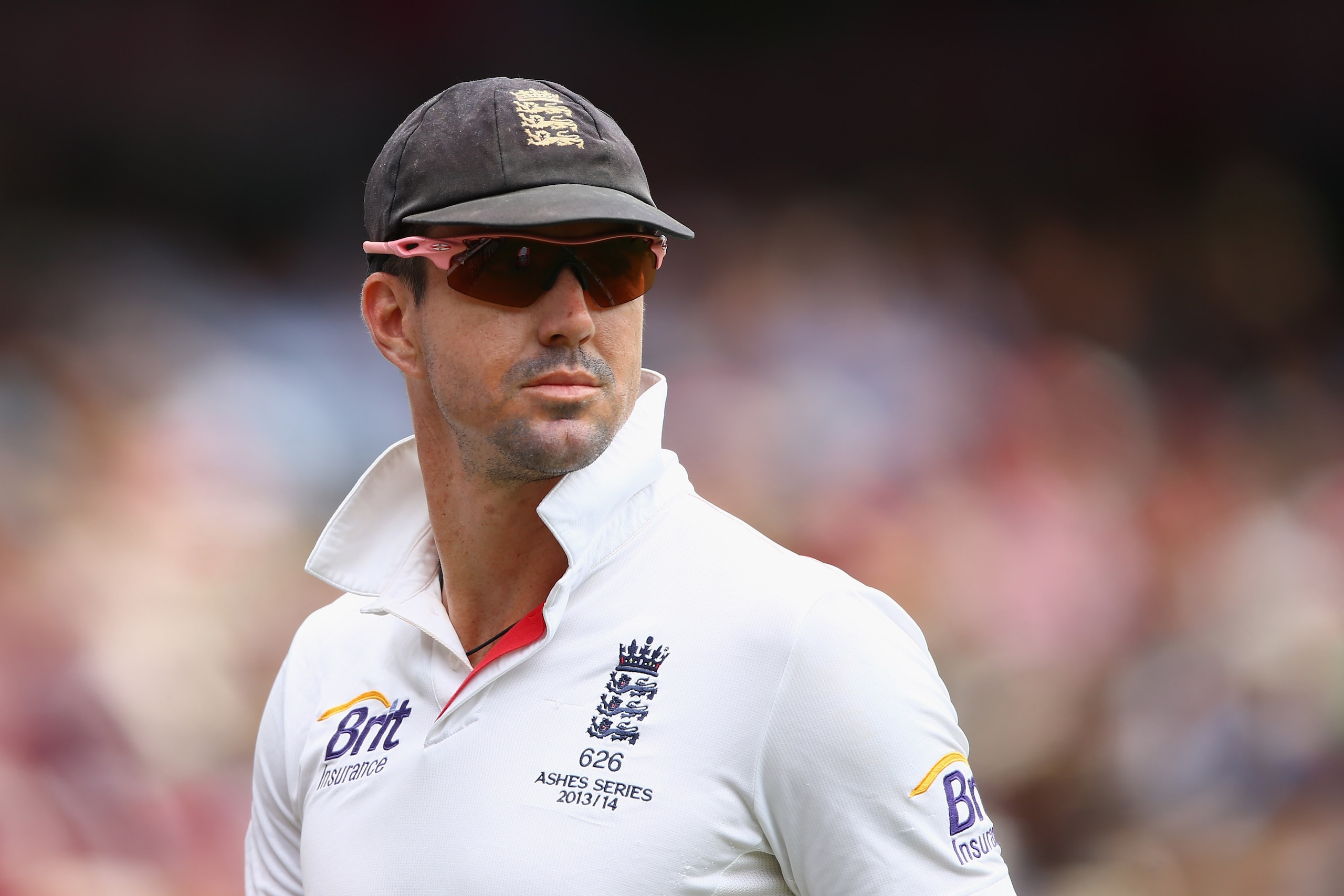


To coincide with the release of his book KP: The Autobiography—to be published on Thursday—former England star Kevin Pietersen has broken his silence in an exclusive interview with Paul Hayward of The Telegraph.
Pietersen, who was controversially discarded from the England setup in the wake of the national team's 5-0 thrashing at the hands of Australia in the 2013-14 Ashes series, has opened up on the turbulent ending to his international career, discussing key figures at the centre of the storm such as former coach Andy Flower, current captain Alastair Cook, wicket-keeper Matt Prior and ECB managing director Paul Downton.
Along with the interview with The Telegraph, Pietersen's autobiography gives the renegade batsman a chance to express his side of a story that split opinion and became one of the biggest controversies in the history of English cricket.
Across the following slides, we examine five key questions that KP: The Autobiography should answer.
How Was the Bullying Culture Allowed to Develop Inside the England Team?
1 of 5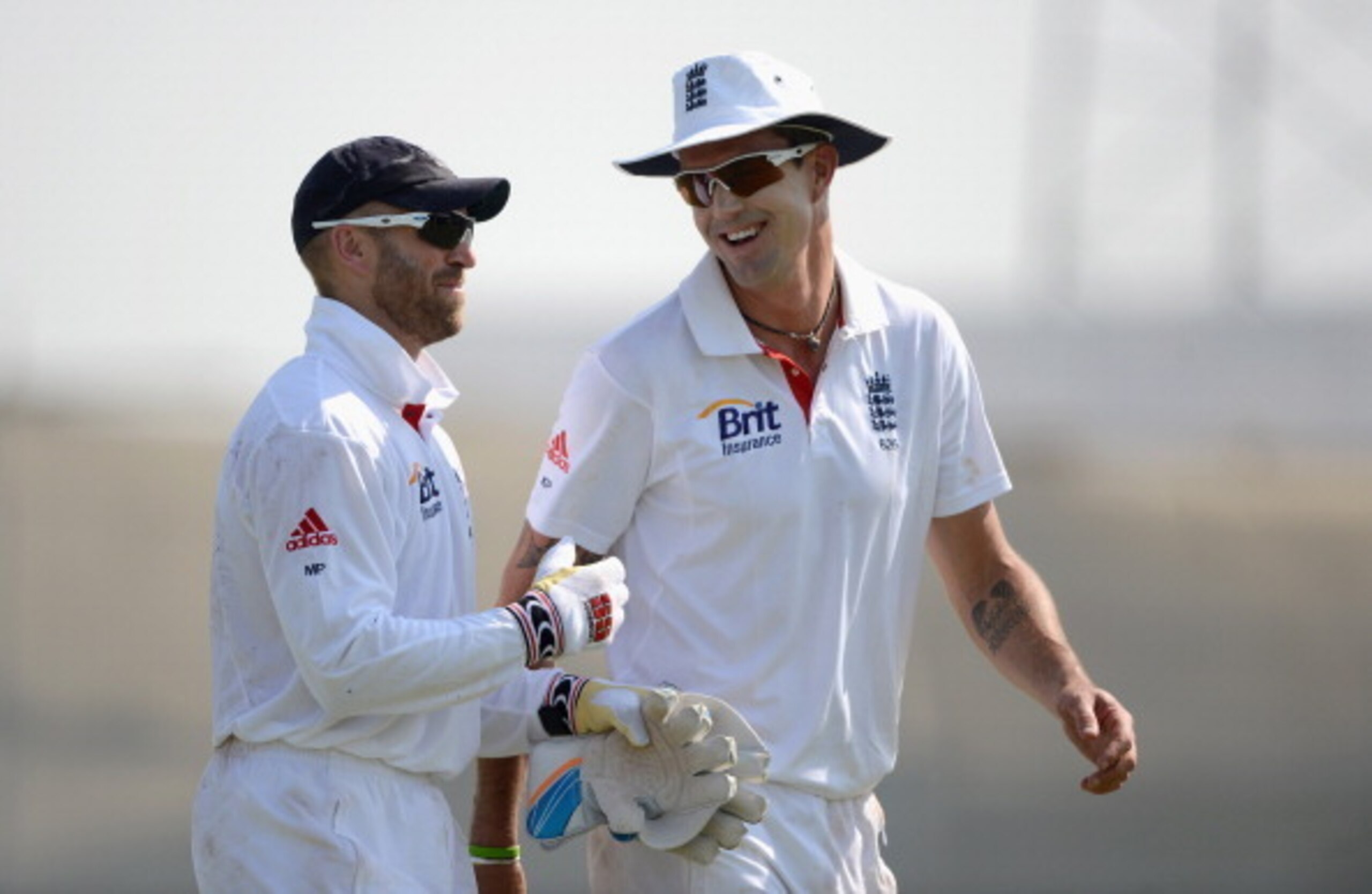
In his interview with Paul Hayward of The Telegraph, Kevin Pietersen insists a culture of bullying took hold within the England setup.
"It was allowed to develop. It's in the book," the 34-year-old explained.
Pietersen adds that he brought the issue up with Andrew Strauss and Alastair Cook, labelling it "hugely disturbing."
The batsman specifically refers to fielders being forced to apologise to bowlers for errors in the field, which was a process Pietersen was strongly opposed to:
"The bowlers were given so much power. They were doing really well. Swanny [Graeme Swann] was winning game after game for us. Broady [Stuart Broad] was contributing. Jimmy [Anderson] was contributing. We always had a third or fourth seamer that was there or thereabouts. But these guys ran the dressing room.
The thing that horrified me the most was when Andy Flower and Andrew Strauss in Bangalore before the one-day internationals said: 'Guys we've got to stop this, it's not right for the team, there are guys that have come to [us] that are intimidated to field the ball.' And they [the bowlers] had the audacity to stand there and say: 'No, if they've f----- up we deserve an apology.' It's the most angry I ever got in that dressing room.
"
With the publication of Pietersen's autobiography in the coming days, one of the most compelling parts of the book will be his detailing of how such a culture was able to rise and gain traction within the England camp, and why measures weren't taken to quell factions and disharmony within the group.
Has Alastair Cook Ever Had the Ultimate Authority in the England Camp?
2 of 5
Kevin Pietersen stops short of slamming Alastair Cook in his interview with Paul Hayward of The Telegraph, explaining that the England captain, who he insists is "good at heart," had been "put in an incredibly difficult position by the ECB."
But in the interview, Pietersen also suggests that Cook's quieter nature made him susceptible to being heavily influenced by other senior figures such as Andy Flower and Matt Prior:
"And I also think that because Alastair Cook isn't the greatest speaker, Matt Prior was his sidekick who could talk the hind leg off a donkey.
So he wanted him close to him. He wanted his vice-captain to do all his talking for him. So when I went after Prior and said Prior shouldn't be in that side because he's a bad influence, a negative influence – he picks on players – and I've questioned Flower and the way he ran the team, Flower and Cook would have said you've got to get rid of this guy [ie Pietersen].
"
More important than the accusation of Flower and Prior pushing for Pietersen's removal is the possibility that Cook has never had the ultimate authority during his tenure as England captain.
A mild-mannered leader, it has often been thought that Cook's captaincy-by-committee approach may have been a source of disillusionment within the England camp, possibly leading players to question who exactly is directing proceedings.
While Pietersen's interview briefly alludes to such a situation, fascination will surround the possibility of his autobiography spilling more on the strength and authority of Cook's leadership.
Can Pietersen Acknowledge Why Others Have Perceived Him as Hard to Manage?
3 of 5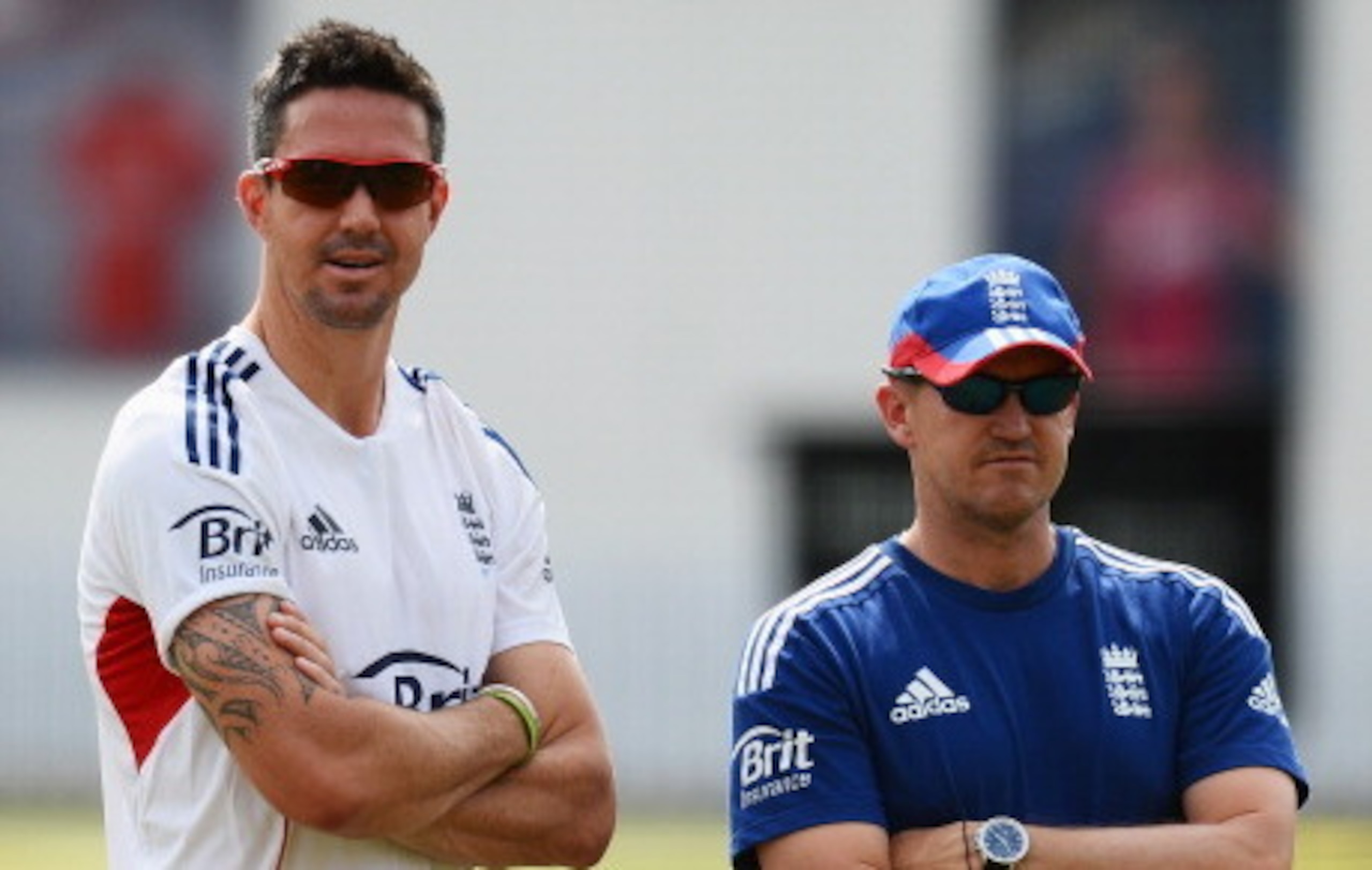
One of the pervading views on Kevin Pietersen throughout his career has been that for all his sumptuous ability as a player, he's consistently proven himself to be a figure who's difficult to manage for those in positions of leadership and authority.
After falling out with Peter Moores, the renegade batsman did the same with Andy Flower. And while he's unlikely to be the only one who did, the Daily Mail's Paul Newman believes there's a history of similar fallouts for Pietersen in previous stops at Natal, Cannock, Nottinghamshire and Hampshire.
In his interview with Paul Hayward of The Telegraph, the former England star touched on the matter:
"People ask me: 'Were you bad to manage?' I was so professional. I turned up at training on time, I never wore the wrong clothes, I was never late for the bus, I never missed a team meeting. I trained harder than anybody. I questioned the coach if I thought he was wrong. I questioned Alastair Cook the day before the Sydney [final Ashes] Test match when I thought he was wrong.
"
Pietersen is clearly in the belief that his conduct was the sort belonging to a supreme professional. Given his record, it's natural to conclude that he was indeed meticulous in his preparation.
Yet Pietersen also clearly states that he was happy to confront leaders if their views didn't align with his, which begs a number of questions: Did he consider that there may have been merit to the decisions of others, even if he didn't necessarily agree? Did he feel he had a right to question the methods of those above him? Did he respect authority?
Many of Pietersen's claims, both in his interview and soon-to-be-published book, may well be accurate and reflective of the true situations, but to add more weight to his words, Pietersen needs to acknowledge some of the counter arguments and why others have seen him as a difficult identity to manage, even if he doesn't agree.
.jpg?w=2560 "NFL Paris Football")

.jpg?w=2560 "Seahawks Chiefs Football")
What Really Happened in That Meeting in Australia?
4 of 5
It is believed that an England team meeting in the aftermath of the embarrassing fourth Test of the 2013-14 Ashes series in Melbourne is the point where tensions reached their height, per Nick Hoult of The Telegraph, who shared an insight into Kevin Pietersen's autobiography.
The meeting, which wasn't attended by coach Andy Flower, contributed to a "major row" between the pair, pitting Pietersen against Flower with captain Alastair Cook caught between the two men.
Hoult's overview of the batsman's book also suggests Matt Prior heavily criticised Flower during the meeting, but when the events of it were reported back to the coach, it was Pietersen who was cast as the main culprit.
Perhaps no part of KP: The Autobiography will be more compelling than his complete account of what happened during the infamous meeting.
Does Pietersen Hold Any Genuine Regret for His Behaviour in the Controversies?
5 of 5
It was interesting to read in Kevin Pietersen's interview with Paul Hayward of The Telegraph that he believes one of his "good strengths is to acknowledge when I'm wrong."
Without having met Pietersen, it's incredibly hard to gauge whether that's an accurate assessment, or whether it's a sentiment shared by others who've worked closely with him.
But given that the wider perception of the batsman is that he's been unapologetic for his part in the controversies that have occurred throughout his career, it will be intriguing to read whether Pietersen holds any regret, lamenting certain actions of his own that played a role—no matter how big or small—in his axing from the England side.