5 Issues Everton Need to Work on During International Break
Going into the season's first international break, in September, all was not well at Everton.
Roberto Martinez's side were without a win after three games and stuck around the wrong end of the table, albeit at a particularly early stage of the season.
Fast forward to the present and a second international interlude sees the situation unchanged; in fact, if anything, it's regressed.
After winning the first two matches after the break, Everton have failed to win any of the following five games. They currently sit 17th in the Premier League table and are already out of the Capital One Cup.
Given the success of Martinez's inaugural season, it's easy to describe this as the most testing spell of his Everton career.
Here's a look at five areas the Catalan will focus on for improvement during the next two weeks.
Fitness
1 of 5
Before any on-field failings are assessed, a primary concern for Martinez is the fitness of several key players.
To that extent, the international break comes at a good time for the Toffees, giving many an extended period to recharge.
Ross Barkley is yet to kick a ball this season, while Seamus Coleman and James McCarthy are two important players who have missed recent fixtures.
Elsewhere, John Stones and Steven Pienaar came off injured during Sunday's defeat to Manchester United and will need to be assessed, joining Kevin Mirallas, Sylvain Distin and Arouna Kone who are also currently sidelined.
These two weeks at least provide a chance for medical staff to improve the situation for every injured player.
Shot Prevention
2 of 5
Everton's defensive struggles have been highlighted this season. At this stage, the Toffees have the division's poorest record in terms of sheer goals conceded (16), but there are equally alarming statistics elsewhere.
The major concern is how easy it's been for opponents to find an opening in front of goal.
In seven games so far, Everton have conceded 99 shots, which is a total only five teams (Queens Park Rangers, Aston Villa, Swansea City, Hull City and Leicester City) have surpassed.
Some of the Toffees' direct rivals for the top four—Liverpool and Arsenal, for example—have already conceded over 30 shots fewer, which underlines the current struggles.
This trait has continued in the Europa League. While Everton sit top of Group H, they have managed to concede a mammoth 48 shots in two games; remarkably, six more than any of the other 47 teams.
Quite clearly, Everton's entire approach out of possession needs dissecting during this two-week break.
Defensive Actions
3 of 5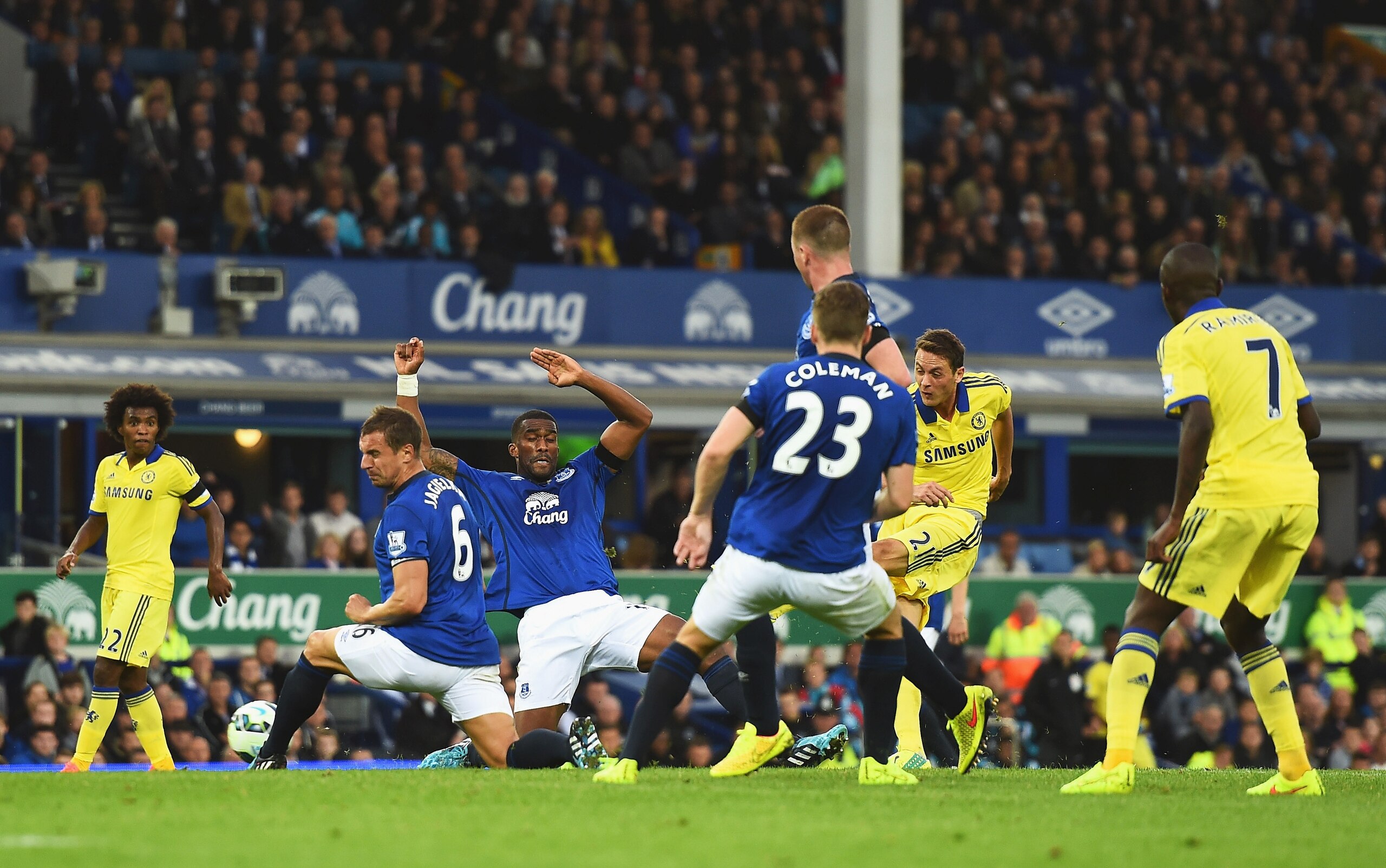
Following the statistical theme from the previous slide, Everton can help prevent some of these shooting opportunities by recording more defensive actions.
Tackles and interceptions are two ways of breaking up an attack. Currently, no Premier League side has made fewer interceptions than Everton, while Martinez's squad have also made the fourth-fewest tackles.
Obviously, this needs to be weighted with the Toffees' tendency to dominate possession. Recording low numbers is in no way a definitive reason for any failure; however, upping these results can only help.
Compared to last season, production in both categories has dropped: Everton recorded the Premier League's sixth lowest total of interceptions but ranked eighth-best in terms of tackles.
Combined, the Toffees' averaged 31.7 tackles and interceptions per game last season; right now, that number has fallen to 27.1.
Again, this is not any certified reason for poor results; Chelsea, for example, regularly record the lowest total of interceptions, as you won't produce defensive numbers if there's not much to defend against.
Given the volume of shots conceded, however, it does suggest there have been several opportunities for Everton to be more proactive off the ball.
At the very least, the Toffees can spend the next two weeks looking at their decision-making and anticipation during a game. A few adjustments will see more attacks terminated before a shot comes in.

.jpg?w=2560 "NFL Paris Football")
Shot Creation
4 of 5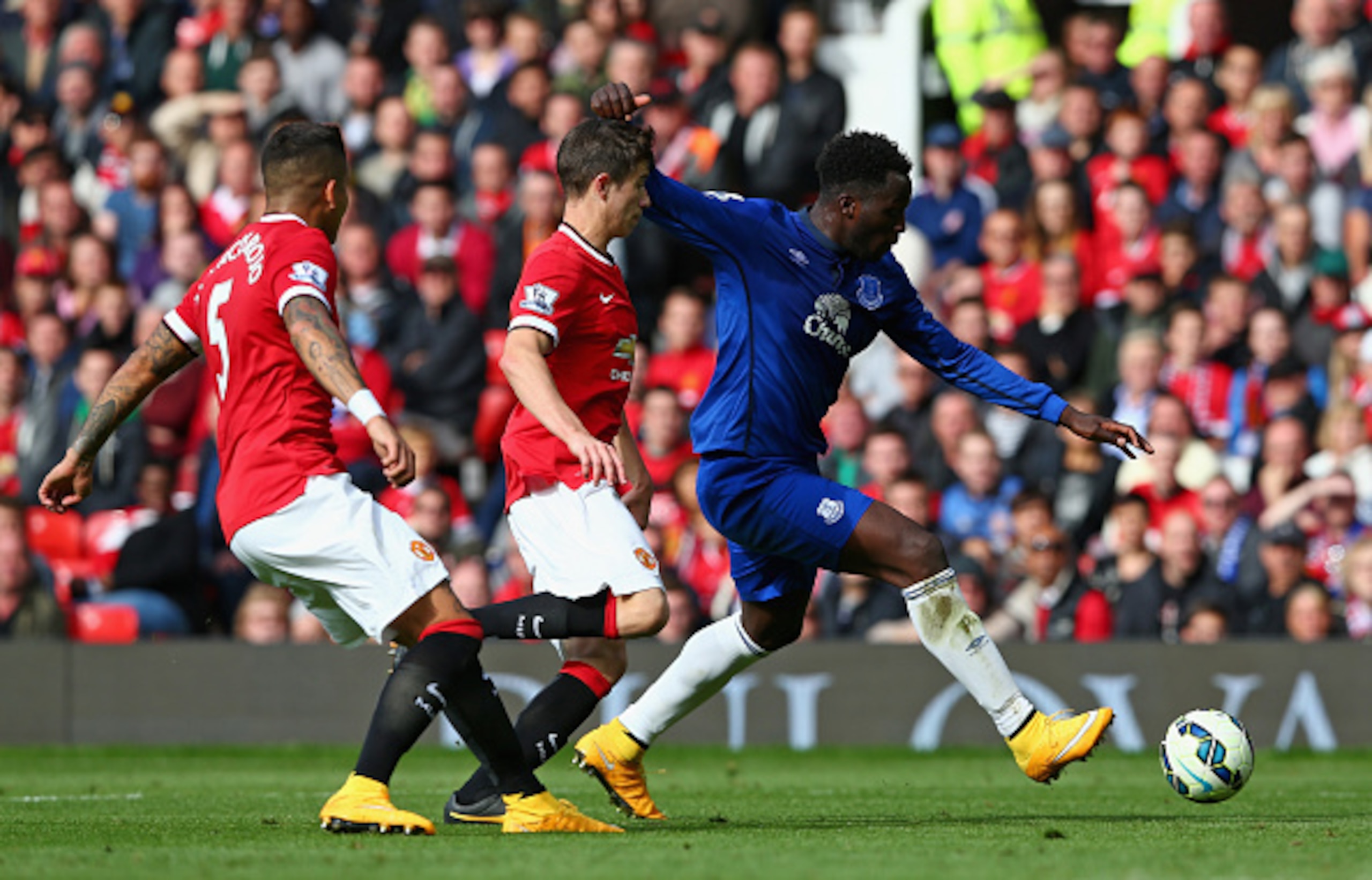
At the other end of the field, Everton must find a way to be more creative and produce a greater amount of shots.
As with their defensive work, the numbers fall in comparison with last season. Back then, Everton averaged 14.8 shots per game, which was sixth best among Premier League teams. Currently, that average is down to 12.4—a return only good enough for 10th in the league.
The Toffees are yet to replicate the consistency so often found in attack last season and being one of the top-tier's leading scorers has masked some of these attacking deficiencies.
Creatively, the same applies. Everton have currently created 63 chances in seven matches, at an average of nine per game. That is only 12th in the Premier League and down on the 11.1 fashioned out last season.
Being without regular shooters, Barkley and Mirallas, will certainly impact this return but the Toffees are not being effective enough at either end of the field.
Movement, combination play and general attacking cohesion are all aspects Martinez must focus on to improve his side's shot count.
Rotation Policy
5 of 5
Finally, Martinez might chose to reconsider—or at least alter—his rotation policy.
Last season, it was one of his biggest successes. The Catalan managed to manipulate some crucial late-season form from key players and drive Everton to seven straight Premier League wins—something that almost secured a fourth-place finish.
A lot of this was achieved due to some smart rotation of his attacking players, as well as some important late substitutions. While it's partly due to injuries, that hasn't been the case this season.
Against Crystal Palace and Swansea, Martinez's selections were particularly strange, and, in general, his line-ups haven't been as easy to comprehend as last season.
Statistics via WhoScored.com.

.jpg?w=2560 "Seahawks Chiefs Football")