The Scouting Report That Will Expose Top 2014-15 NBA Rookies
Although the 2014-15 NBA rookie class is blessed with some exciting players and impressive talents, they are far from indestructible.
As these elite prospects take on the league, there are concrete ways to expose their weaknesses. In some cases, the youngsters are still in the early stages of developing key skill areas.
It's not always going to be a cinch. It will take concentrated effort and top-tier skill to thwart these gifted competitors on both ends of the floor.
What is the formula for stymieing Jabari Parker's scoring prowess? How can teams effectively attack defensive star Nerlens Noel? What's the best way to dismantle No. 1 pick Andrew Wiggins?
We're handing out the keys to foiling the cream of the 2014-15 crop.
Honorable Mention: Julius Randle, Los Angeles Lakers PF
1 of 6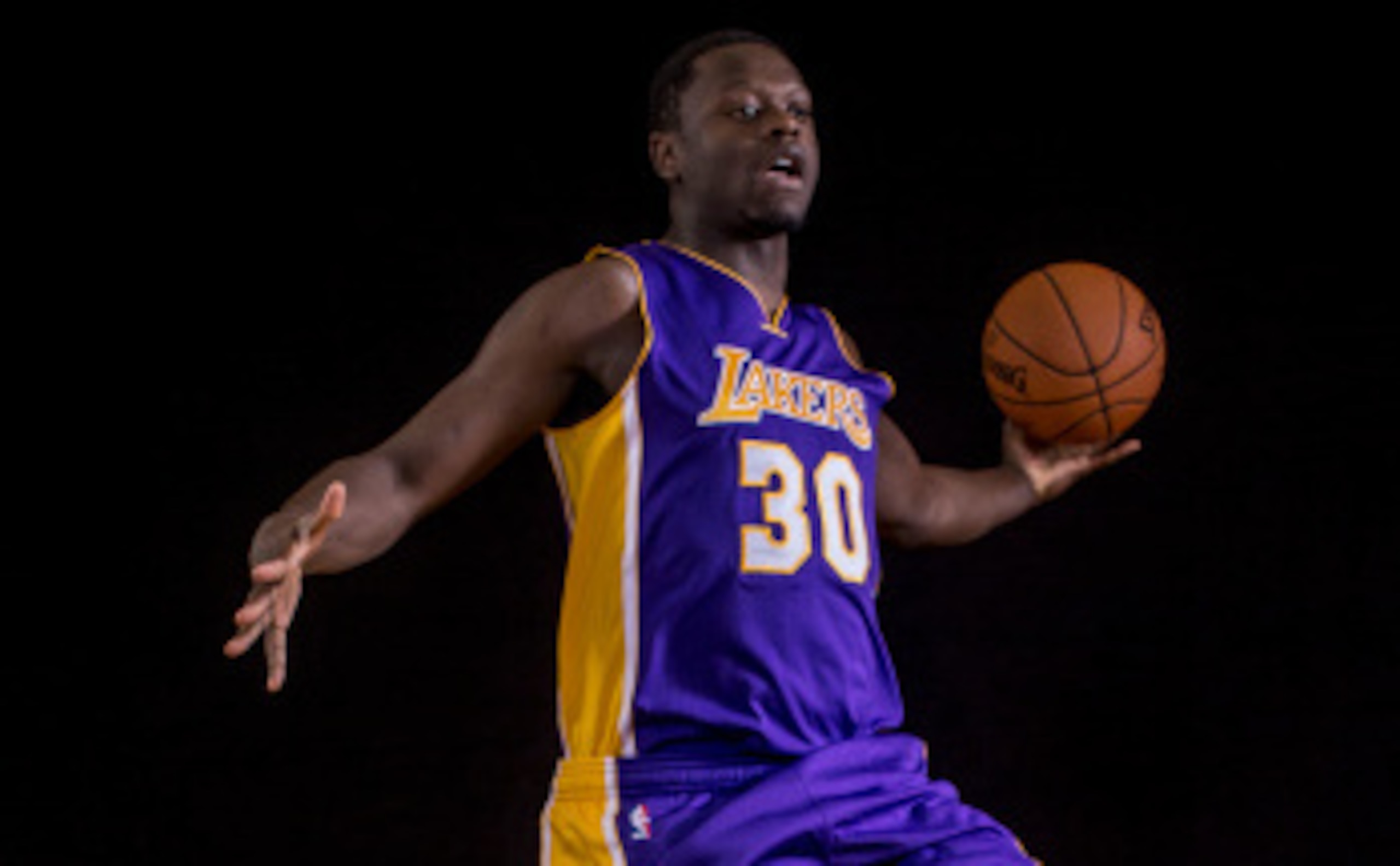
When Defending Randle
- Steer to his right, watch for the spin: Randle is slowly developing the confidence to finish with his off hand, but he still dramatically favors his swooping left-handed ventures. One NBA scout's take on Randle's time at Kentucky (via ESPN's Ryen Russillo): "He’s so left-hand dominant it was comical." Even if he initially steps right, be mindful that he loves to spin back to his left. Take note and draw charges.
- Box out: Randle's not incredibly long or athletic, so he gets most of his rebounds because he's stronger or outworks people. A concerted effort to keep him off the glass will cut out a huge portion of his offensive game.
- Give him the wing shot: When looking at his 2013-14 shot chart (via Shotanalytics.com), you can tell he was much more comfortable shooting when he lined up from the corner or squared up from the top of the key. He's infinitely less efficient when pulling up from an angle on the wing. Dare him to shoot from there.
When Attacking Randle
- Go over him: Very few players will be able to go around or through Randle. He possesses great lateral quickness for a forward, and he's bulky enough to withstand strong drives. The best bet is to get in the post and go over him, capitalizing on his underwhelming 8'9.5" standing reach.
- Make him defend pick-and-rolls: Randle is quick for a power forward, but most point guards should be able to turn the corner or split the defense on pick-and-rolls. Whether he hedges or completely switches off screens, he could run into trouble if he doesn't execute perfect footwork against nimble guards.
5. Doug McDermott, Chicago Bulls SF
2 of 6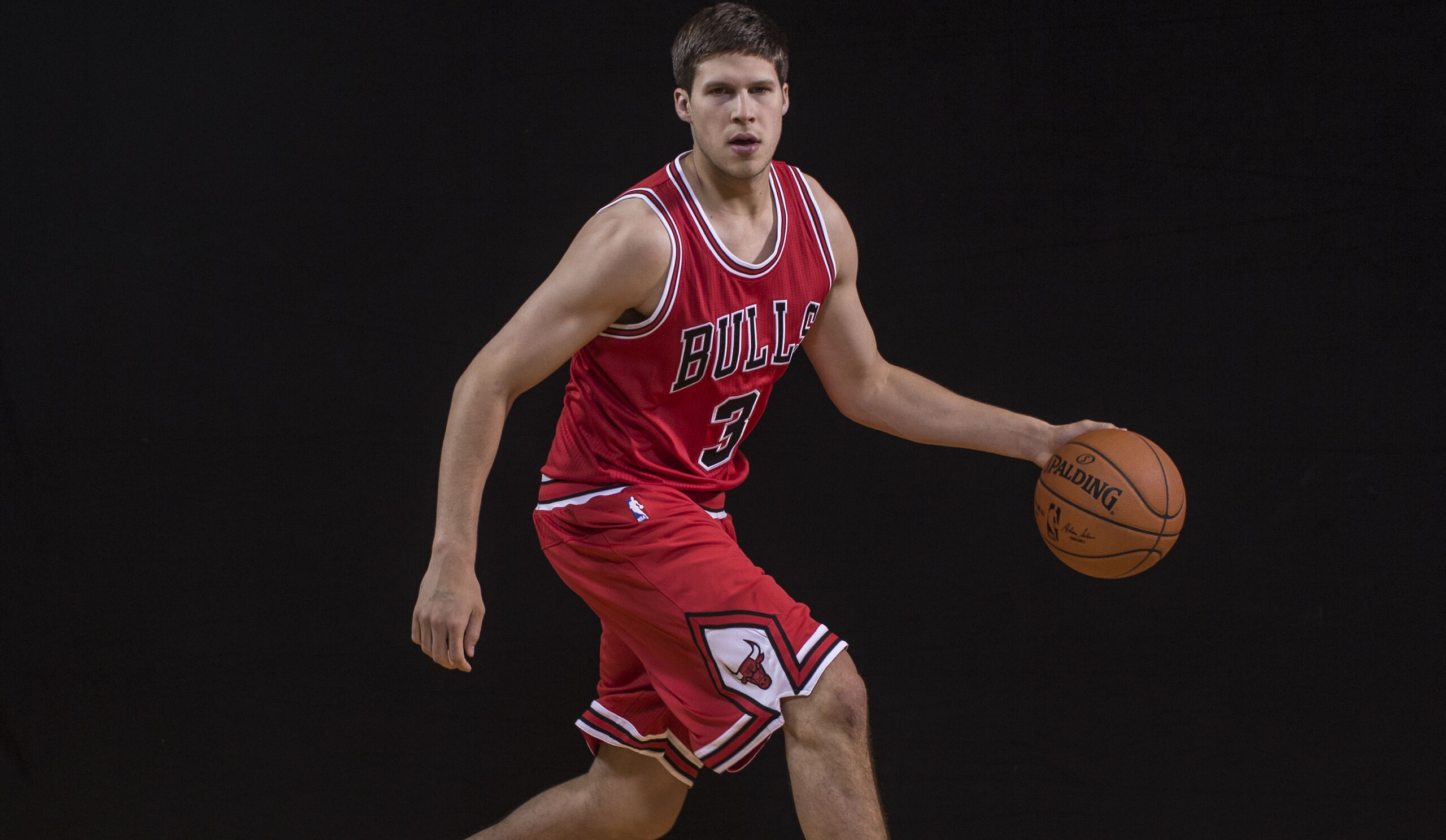
When Defending McDermott
- When closing out, force righty drives: Anyone who knows anything about McDermott knows he can shoot. Contesting him or running him off the line is a must. Although he's a right-handed shooter, he prefers pump-faking and driving left to set up finishes or step-backs. Make him put it on the deck with his right, as he's less comfortable with pull-up jumpers off right-handed dribbling.
- Guard him with length rather than speed: Putting a speedy, 6'6" wing on him will be much less effective than putting a 6'10" forward on him (unless that forward is particularly slow). McDermott can shoot over smaller players, but he has trouble scoring against lanky opponents. According to DraftExpress.com, he ranked below average in isolation usage at Creighton in 2013-14.
- Play "ice" or hedge hard off screens: McDermott is not afraid to use a ball screen to quickly pop a three. So when he's approaching a screen, the on-ball defender needs to do everything he can to get over the screen (don't go under!), which is part of "ice" defense. If he can't go over the screen, the big man must hedge quickly with hands up.
When Attacking McDermott
- Isolate him: Although he's alert and doesn't have sluggish footwork, he lacks the agility and explosiveness to stay in front of above-average NBA swingmen. He admitted that he's still adjusting to the spacing and speed of the pro game to Cody Westerlund of CBS Chicago: "There’s a lot more space out there than a college game...you got to be quick."
- Post him up: This is something every team should take advantage of. If McDermott's guarding a taller small forward or a stretch 4, get on the block and make him defend near the rim. His wingspan is only 6'9" and his standing reach is 8'7", so he won't effectively contest shots when good athletes attack the hoop.
- Capitalize on his lack of gambling: He works hard, but he doesn't own the physical tools or knack for forcing turnovers: DraftExpress.com's Mike Schmitz noted that he averaged 0.5 blocks plus steals per 40 minutes, which was fewest among DraftExpress.com's top 100 2014 prospects. Foes should drive confidently and make the Bulls wish he was more aggressive.
4. Marcus Smart, Boston Celtics G
3 of 6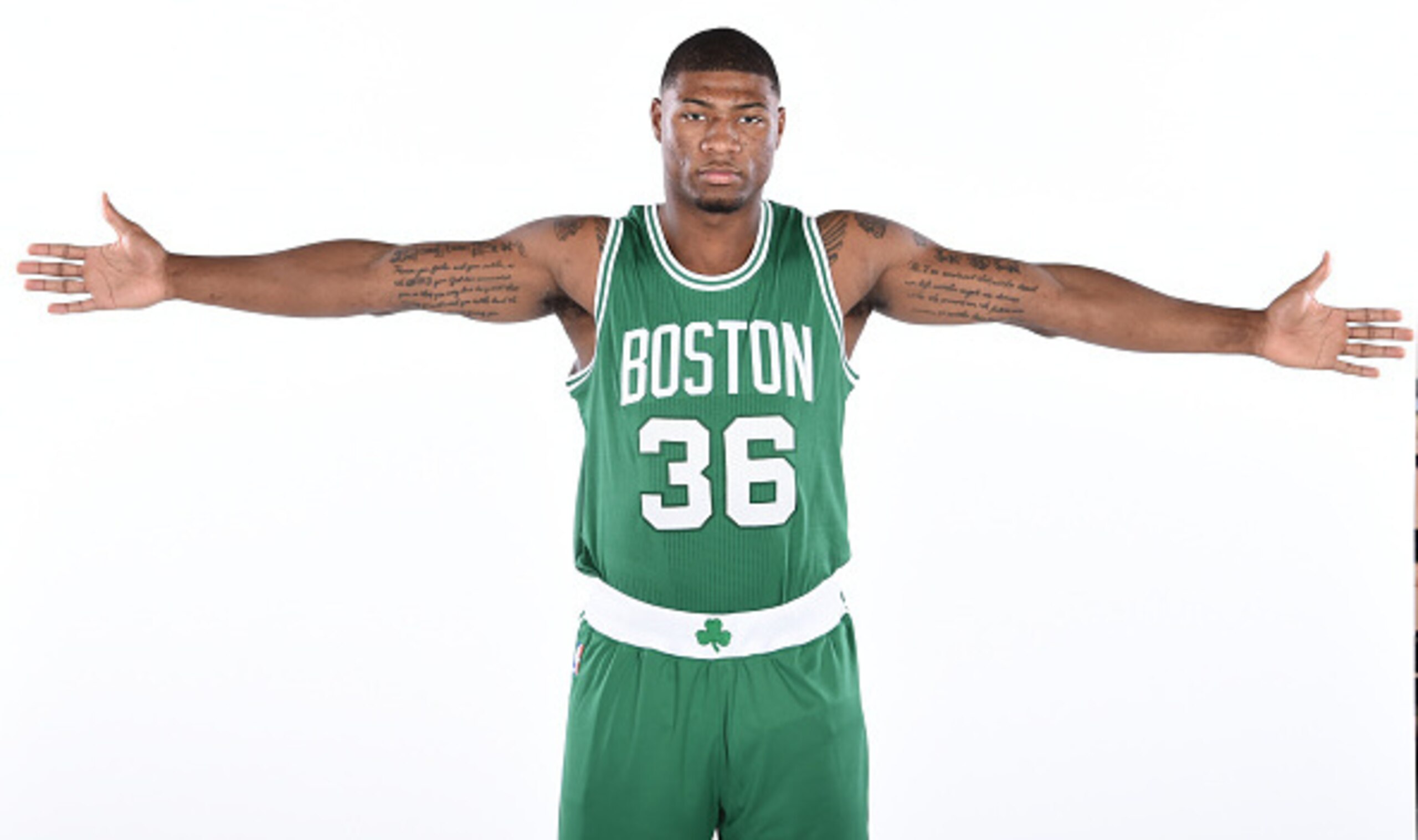
When Defending Smart
- Draw the charge: Although Smart is so willing to shoot jumpers or drive to the rim, there's not much of an in-between game. When he commits to slashing, he's often overzealous. NBADraft.net scout Jacob Stallard explained: "His aggression can sometimes be a weakness. It also leads to offensive fouls on occasion."
- Test and contest his jumper: Smart is a solid playmaker, one with great scoring instincts and passing skills. His least-efficient weapon is the jump shot, although it's improving. Give him just enough space to get a shot off, but contest it and get a hand in his face. He shot 26 percent from three-land during summer league.
- Guard him with 2s and 3s: If team personnel allow for it, use shooting guards and small forwards on Smart, because he'll bully most point guards. The length and ranginess of wings will do more to disrupt him and force turnovers, as he's not an elite ball-handler yet.
When Attacking Smart
- Use his aggressiveness against him: Count on Smart to play an intense, high-pressure type of defense. That means he's going to make a lot of calculated gambles. Those who take care of the ball and efficiently change direction can get past him and foil his energetic efforts.
- Backdoor plays/give-and-go: With the same mindset, take advantage of the classic give-and-go play when he's trying to jump passing lanes. He's a ball hawk, so make him pay by also cutting backdoor.
- Frustrate him: This applies to both ends of the court. Smart is a good person overall by many accounts, but he's shown intermittent meltdowns or outbursts of frustration during games. Do anything that could get him riled up and exasperated at opponents or the officials.

3. Andrew Wiggins, Minnesota Timberwolves SG/SF
4 of 6
When Defending Wiggins
- Steer to his left, watch for the spin: Wiggins does most of his effective driving and finishing with his right hand because it's his default move. One NBA scout told ESPN's Ryen Russillo, "he’s an erratic shooter and has no plan when attacking the rim." In other words, he's going to rely on what's comfortable instead of outmaneuvering the defense. So when you steer him toward his off hand, be alert for his spin move back to the right.
- Get into his grill: When using a similar-sized wing or a 6'5" guard to check him, get into his personal space and don't allow him to get down into attack mode. Wiggins is prone to playing too upright, and he's less explosive off the bounce when you pressure him and bump his 200-pound frame.
- Turn him into a creator: The Timberwolves offense runs through Ricky Rubio, and the star guard will undoubtedly make Wiggins better. So you've got to get the ball out of Rubio's hands and force guys like Wiggins to make quick, critical decisions. The rookie shot just 34 percent on two-point jumpers at Kansas (per Hoop-math.com), and he dished just one assist throughout summer league.
When Attacking Wiggins
- Run him into screens, move without the ball: This is fundamental basketball for every wing, but it should be emphasized especially when playing against Wiggins. The youngster is a great one-on-one specimen, but when you force him to work hard away from the ball, he's more susceptible to error. Test how tough he is getting through screens, and see if you can split his attention between the ball and his man.
- Take advantage of strength: There are few players who are quicker than Wiggins, but many who are stronger. If you've got a 220-pound small forward, drive right at the rookie and get him in foul trouble.
2. Nerlens Noel, Philadelphia 76ers PF/C
5 of 6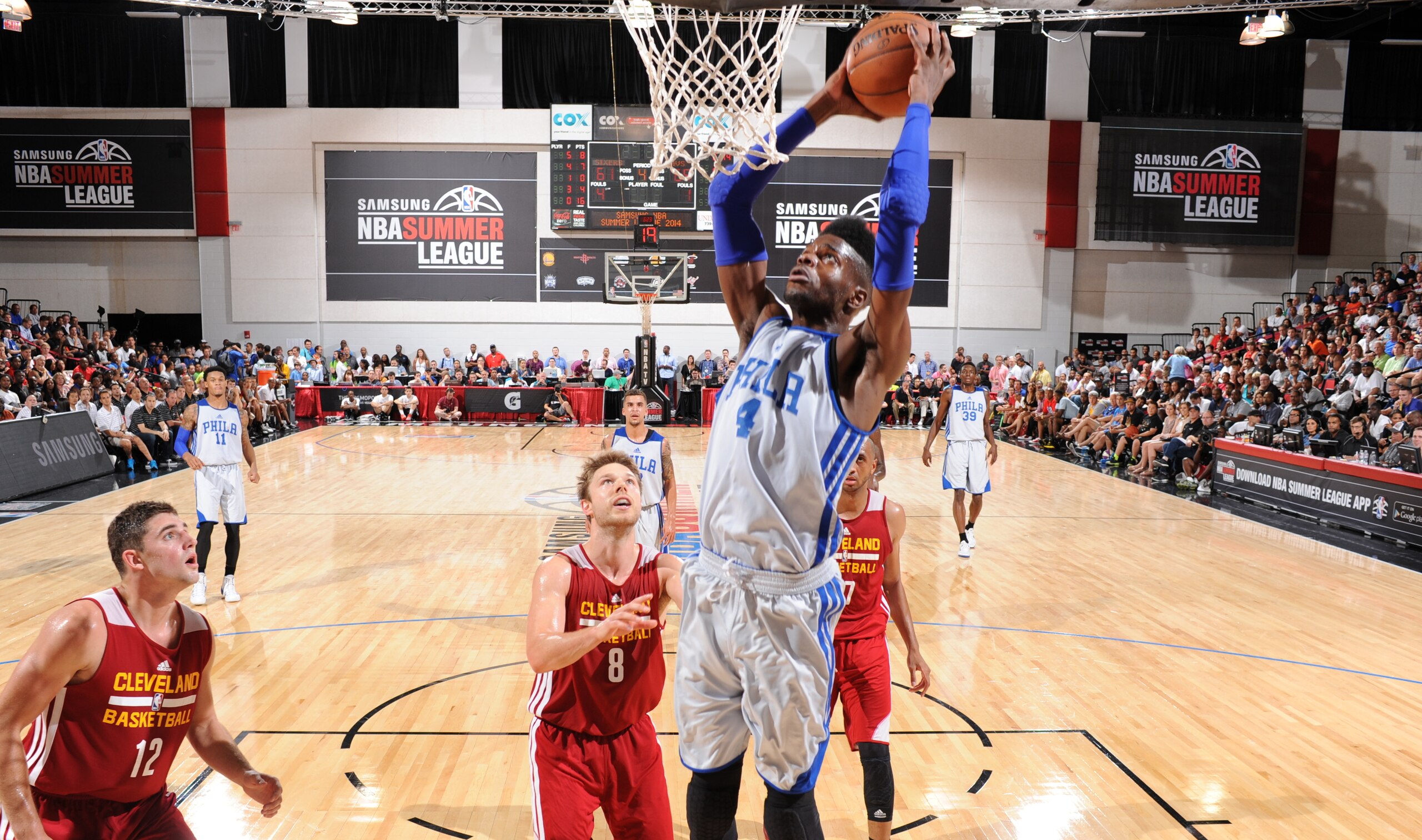
When Defending Noel
- Force him to settle: Although his jump shot is improving, it's still his least-imposing offensive tool. He can do more damage heading to the rim and drawing fouls. Don't completely back off; just wall off the lane and make the jumper seem like his most appealing option.
- Bring the heavy artillery: Key word is "heavy." Noel isn't a softie, but he's 228 pounds and can get pushed around by centers in the 240-260 range. Play physical on every post-up possession, and it will wear him down. Same thing goes if he tries to crash the offensive glass.
- Turn him over when he drives: Noel is an ambitious playmaker even though he's not a highly-skilled handler. He's a smart team player but can lose the grip or fail to execute. B/R Lead Writer Jonathan Wasserman noticed the big fella's giveaways at summer league: "Noel has been a bit sloppy with the ball, and that's slightly related to a skill set that still needs polish."
- He likes the lefty hook: Noel is a right-handed jump-shooter, but his summer league scoring showed that when it comes to hook shots, he vastly prefers scoring lefty. Make him turn over his left shoulder and put up righty hooks.
When Attacking Noel
- Bring him away from the basket: Defense is where Noel will make a greater immediate impact. He's not afraid to guard stretch 4s and other bigs out to the perimeter, so if you can lure him out there, it helps minimize his rim protection.
- Use multiple pump fakes: He possesses great timing and smart shot-blocking skills for someone his age, but he's still prone to overaggressively committing fouls occasionally. Don't just give him one pump fake. The second one is likely to do more damage.
- Put a shoulder into him: We mentioned his light frame in the offensive section, but it's worth repeating. Use a wide base and a strong shoulder to clear space and bully him deep in the post.
1. Jabari Parker, Milwaukee Bucks SF/PF
6 of 6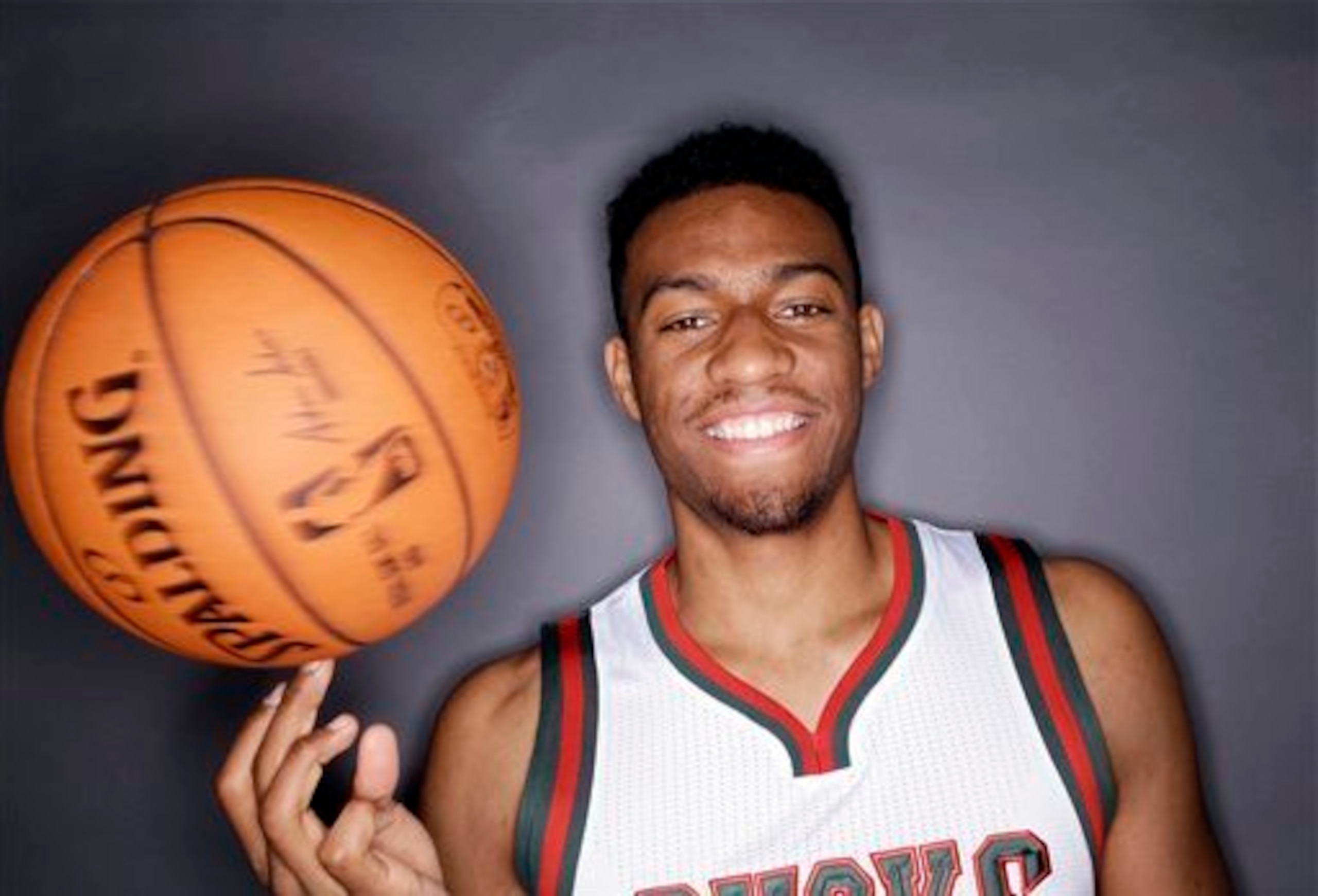
When Defending Parker
- Throw varying shapes and sizes at him: Unless you have a stud like Kawhi Leonard, Anthony Davis or LeBron James, the best bet is to throw variations of speed, length and strength at him. Otherwise, he's going to adapt throughout the game and gradually pick apart his matchup.
- Keep him out of pinch post: Parker doesn't shoot a lot from the elbow extended (pinch-post area), but it's where he begins his successful operations. Force him to catch the ball farther out on the wing, or steer him toward the short baseline, where his shooting percentages are less favorable.
When Attacking Parker
- Exhaust him: This is actually more of a defensive tactic. The more teams make him work to stop them, the less energy he has to carry the Bucks offensively. Don't let him rest and gear up for his scoring assault.
- Attack with pick-and-roll: Parker hasn't mastered pick-and-roll defense, and is often out of position. NBADraft.net scout Jorrye Nixon explained that Parker "can look lost when defending the pick-and-roll game, and was at times exposed for this against quality opponents who spaced the floor on offense last season."
- Isolate him: It sounds simple, but if you can isolate him against high-level wings or power forwards, he's in trouble. He doesn't have the defensive foot speed or fundamentals to stay in front of ball-handlers who can change direction, nor can he challenge explosive 4s who have 7'2" wingspans.
Follow @DanielO_BR for more NBA and NBA draft coverage.

.jpg?w=2560 "NFL House in Paris Closes for Protests")
.jpg?w=2560 "Trevon Diggs Cut by Seahawks")