
5 Things Aaron Lennon Must Do to Get His Tottenham Career Back on Track
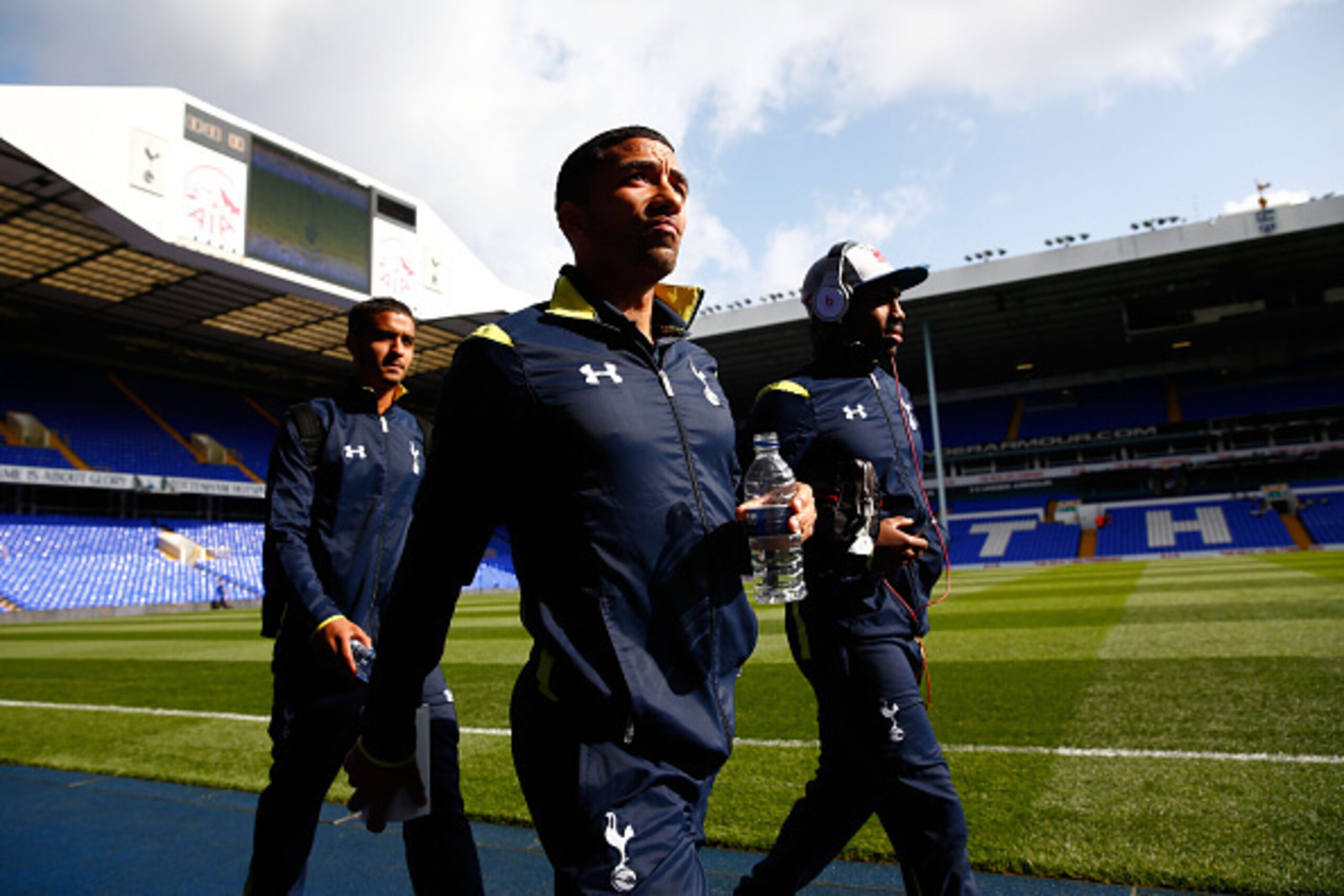
Aaron Lennon has spent the best part of his professional football life with Tottenham Hotspur. He signed from Leeds United in 2005 and quickly became an integral part of manager Martin Jol's side.
That remained the case under Juande Ramos, Harry Redknapp and Andre Villas-Boas. The winger was one of Tottenham's biggest threats and, especially as he matured, one of their hardest workers.
Now 27, for the first real time in his Spurs stay Lennon has become a back-up rather than an automatic starter. The following article looks at the things he can do to get his career back on track to his former prominence at White Hart Lane.
Most of the suggestions are based on what we know of Lennon's status under his latest boss, Mauricio Pochettino, informed by how the Argentine has thus far used him. A couple are more speculative, and in one case relatively drastic.
First up, a look at life on the left for Lennon.
Work at Making the Left-Wing Role His Own
1 of 5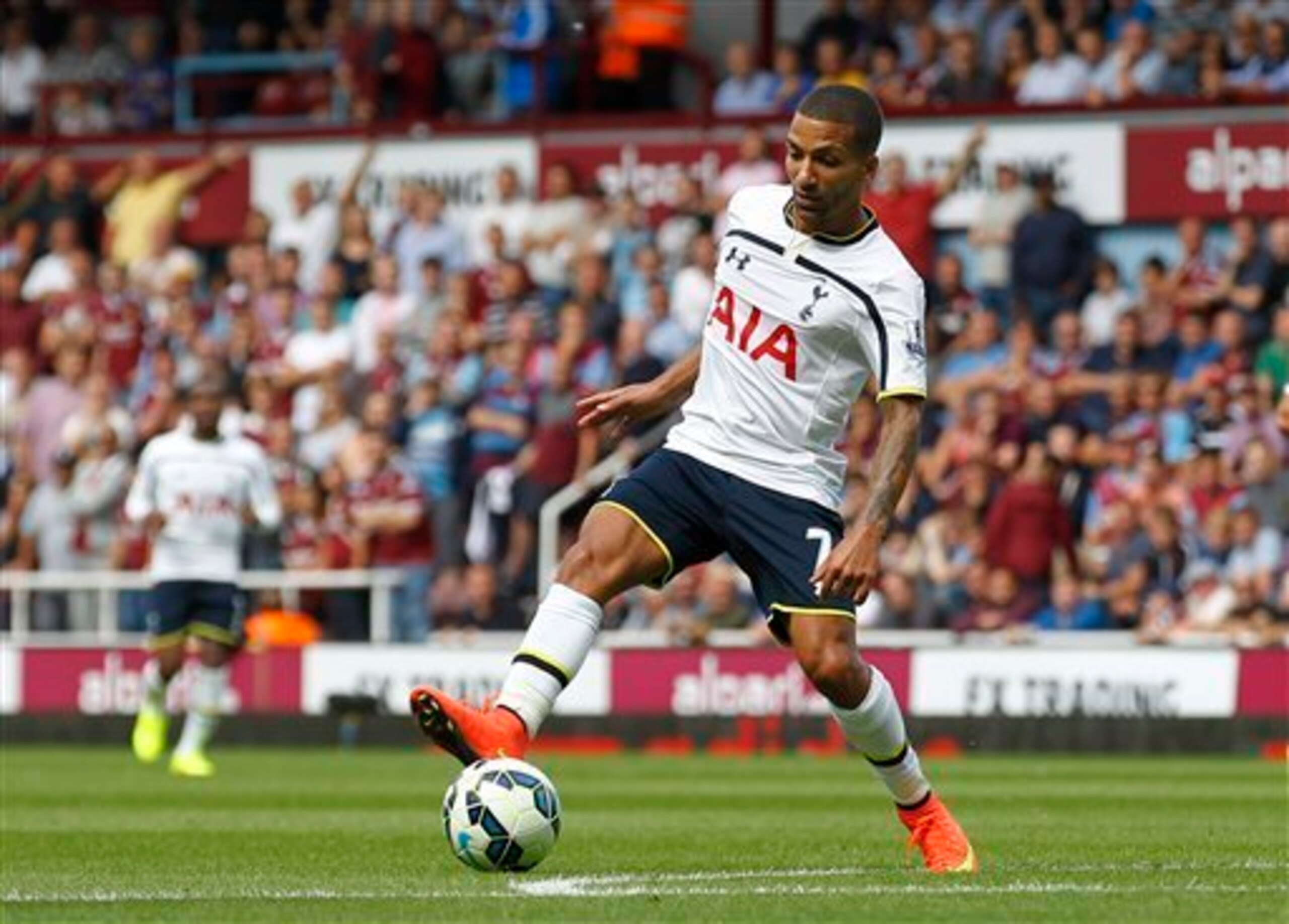
Lennon's struggles did not begin with the arrival of Pochettino. His performances had already dipped in the early half of 2014, probably to the lowest level they had been since he came to north London.
They were not all bad—for instance he played his part in overturning Spurs' deficit at West Bromwich Albion last April. In the same month, though, he was uninspired and easily dealt with by Liverpool's Jon Flanagan in Spurs' 4-0 loss. Though still quicker than most, the evidence that he had slowed and was running out of ideas was piling up.
Lennon looked almost revitalised in the left-wing role Pochettino handed him in pre-season. Against Toronto, especially, he linked up superbly with Christian Eriksen, Erik Lamela and Roberto Soldado. The quartet's movement and quick-fire passing pulled apart the Major League Soccer side in some impressive passages of play.
Although it came against weaker opposition, Lennon showed he could play his part in such a fluid attack, his acceleration ripe for interchanges of position and opening space for others by luring markers with him.
There would be less responsibility on him than in the past to drive Spurs forward, but he could still be a functioning part of the attack. Lennon's form on the North American tour suggested the switch in flanks could be good for him.
Sporadic previous appearances on the left-wing had generally left the impression the team were better served keeping him on his natural right side. But with his pace diminishing, he could no longer outstrip left-backs as frequently as he once had, the move to an inverted winger role hinted at new angles and openings that might refresh the player's creative thinking.
Unfortunately for Lennon, he has not yet had much chance to really work on the role. He underwhelmed there in the season opener against West Ham United, and has since had to watch on as Nacer Chadli has thrived in the spot (if not exactly fulfilling the same duties).
Used there off the bench against Arsenal and Besiktas, it is clear the left is where Pochettino envisions utilising him. Not starting as much is making it difficult for Lennon to grow in the role, but it could still prove to be what is best for him.
Nonetheless, he must strive to make the most of the new assignment. It is his best chance of playing.
Make the Most of an Impact Role
2 of 5
Lennon's last three appearances have been as a substitute. As noted on the previous page, it is not necessarily conducive to him establishing the kind of in-game rhythm that comes with a starting place.
But beggars cannot be choosers, and if coming off the bench is what Pochettino has in mind for him, he must do his utmost to make the difference he is asked.
Against West Brom, Lennon was unable to add anything to his team's lethargic attack that day. On at Arsenal, he made little impact either, and Spurs were probably worse for not having the guiding presence of Eriksen, who he replaced.
There was better in the Europa League versus Besiktas. A nice exchange with left-back Ben Davies led to a good shooting opportunity for Harry Kane, while later he showed his enduring defensive awareness to come inside and dispossess a threatening Gokhan Tore.
Considering Spurs went onto concede their leading position and draw 1-1, it is hard to argue Lennon's was a successful introduction, though.
For him to convince Pochettino he warrants more playing time he needs to prove it in an impact role.
Though not as tricky as a Lamela, or as direct as a Chadli or Andros Townsend, Lennon still has qualities that can turn a game. Or in the case of Thursday, enhance a match-winning situation.
Even with the change in his position, he can still beat a man. At the least he is capable of putting them on the back foot, perhaps directing them into a position he can take advantage of by connecting with a team-mate with a pass or cross.
It is easier said than done, of course, but Lennon has shown these things time and time again in the past. If he wants to play for Spurs moving forwards, he is going to need to do so again.
Slow Down
3 of 5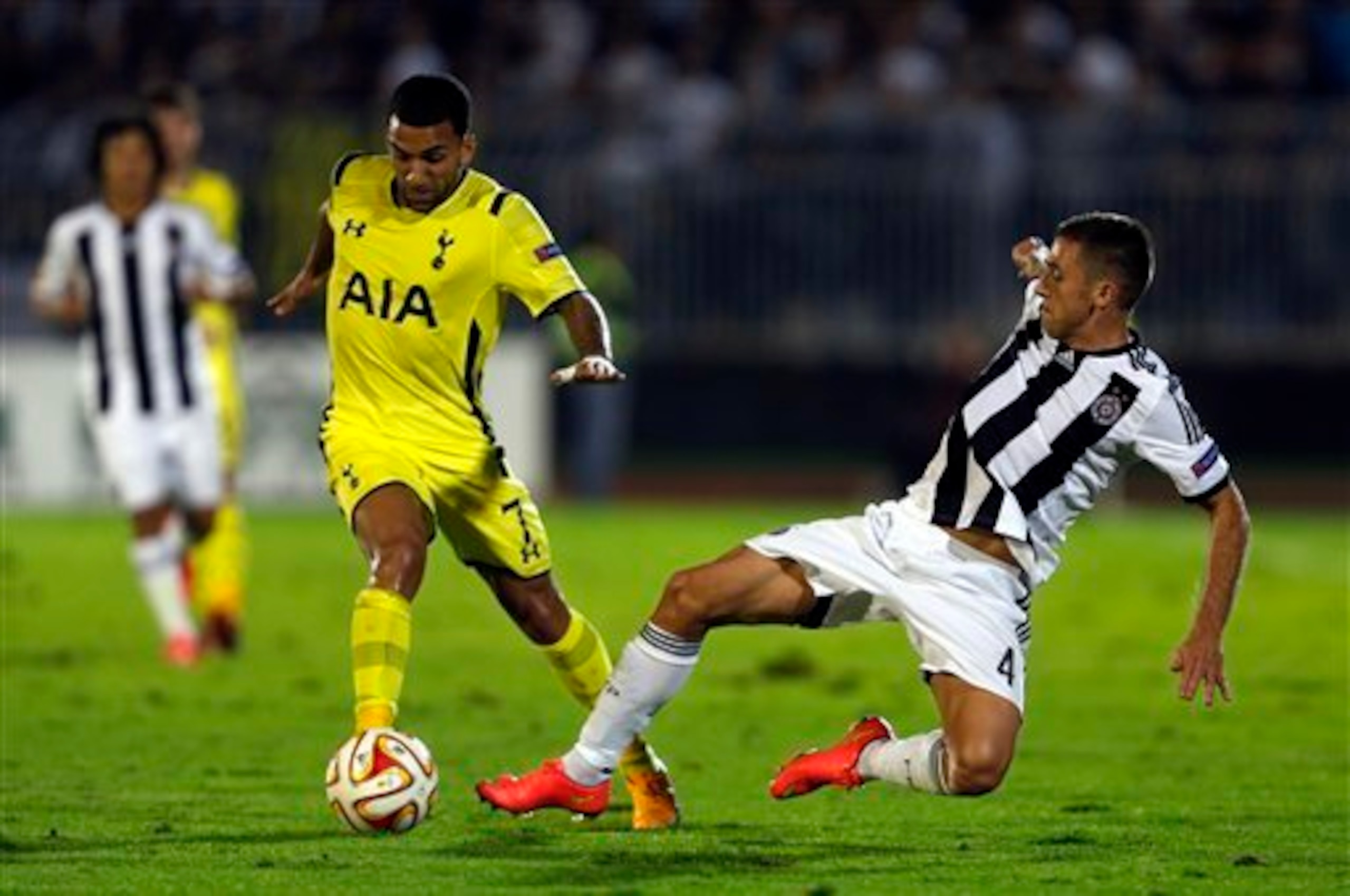
Having previously highlighted Lennon's trademark pace and ability to beat a man, the following argument is somewhat contradictory: Lennon should consider slowing his play down.
This is not a blanket solution. As argued on the previous page, his ability to get at opposition teams is a big part of his skill set.
Yet, it might work out that picking and choosing the moments to speed things up might allow Lennon to make more of his abilities.
In the six Premier League and Europa League matches it has data for, Squawka has recorded Lennon completing just four of nine attempted take-ons. Different factors have contributed to this—lack of game-time, each individual match scenario—but the lack of success in these few tries is clear.
Lennon's natural inclination is to drive at players with that rapid gait of his, almost as soon as he gets the ball. He would not want to get too far away from that. But the manner in which he was stopped three times by Besiktas' Serdar Kurtulus indicates a little more imagination in his choices would do him some good.
The biggest change he could make would perhaps be to slow things down in certain situations when he initially receives the ball.
Lennon would have to use his judgement here, sizing things up on a case-by-case basis. But allowing himself a little more time to think on the ball might help him to round off his game, even as he increasingly begins to lose his speed.
Choosing to pick an earlier pass or approach a defender a little more slowly could help to open up different opportunities in matches. It could make those moments when he does turn on the jets subsequently have a bigger, more telling impact.
Lennon just has to figure out what best suits him in adapting his game.
He would do well to look at the example of ex-Spur Darren Anderton. Also a former wide-man himself, he placed greater emphasis on his superb passing ability as injuries and age took their toll on his previous pace (although, that was admittedly an already considerable part of his game)..


Embrace a Leadership Role
4 of 5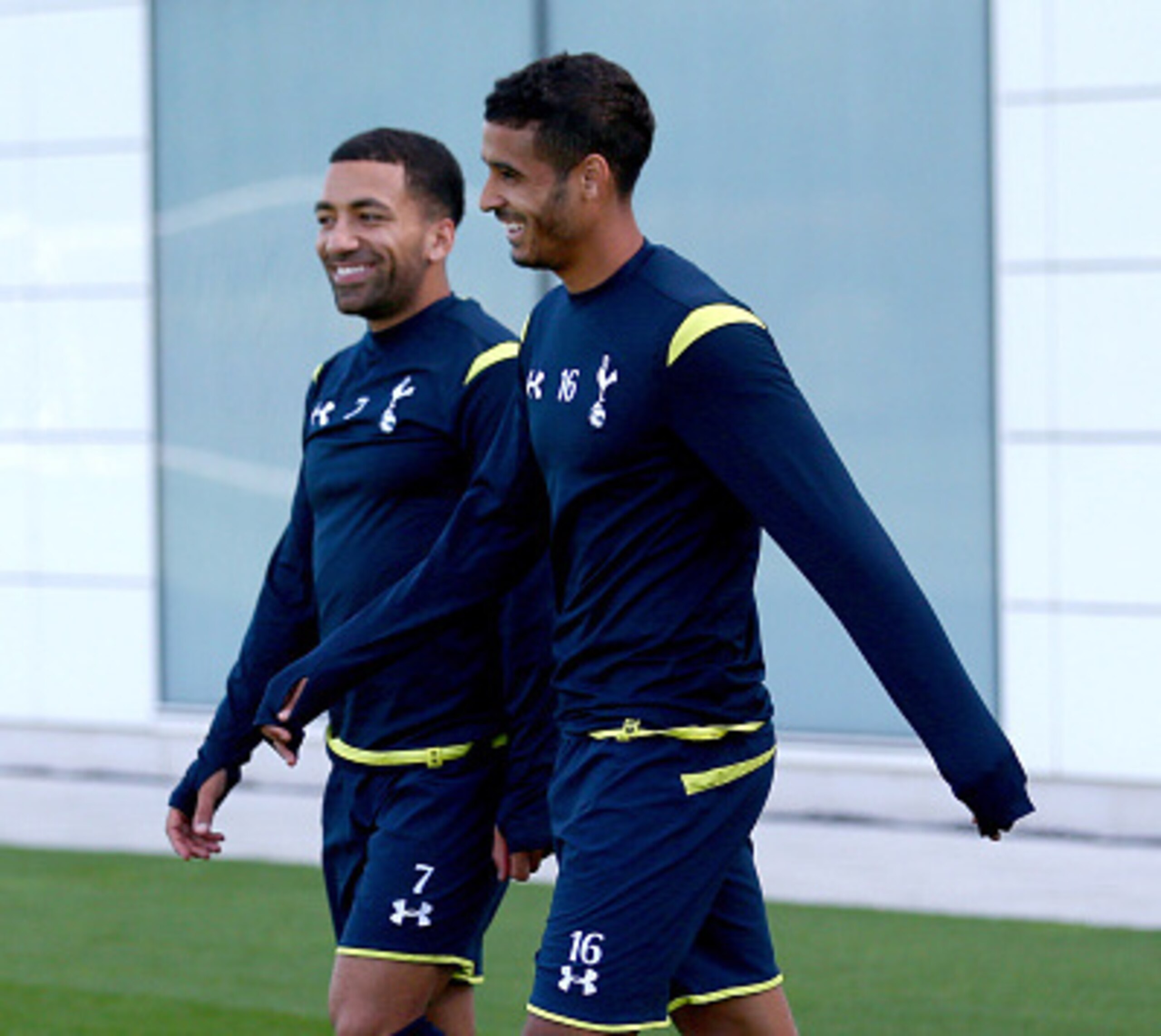
Against Sunderland last month, Tottenham's official website noted Lennon had become "only the 24th player in the club’s history to reach the 350-game milestone."
"It’s a very proud moment for me and I’ve enjoyed every minute," Lennon deservedly reflected.
Spurs' current longest-serving player, Lennon's longevity and loyalty is clearly respected at the club. Pochettino handed him the captaincy for the Capital One Cup game with Nottingham Forest.
Giving Lennon an elder-statesman status at just 27 feels a little strange, and indeed there are several others in the Spurs squad that are older than him (Emmanuel Adebayor, Brad Friedel and Younes Kaboul among them).
But the fact is, he has been around a while now (he made his Leeds debut against Spurs back in August 2003) and has certainly seen plenty occur at White Hart Lane. Managerial changes, European football, injury problems, the hunt for top-four football—he has experiences he can call on to help his younger team-mates.
Lennon may do that already, but its value should not be overlooked.
He is a figure players like Kane and Townsend can relate to given he is not that much older, but also who they can look up to. Lennon himself recently spoke to TottenhamHotspur.com about the youthful, "exceptional talent" at the club, and the need for them to make the most of the experience around them.
"The main thing is to keep their feet on the ground, work hard every day and listen to the people around them, the coaches, the senior players and try to take in as much information as they can and try to take that onto the pitch."
Showing he can provide assistance here both on and off the pitch would make him the type of figure Pochettino and the younger players can only benefit from having around.
Consider a Change in Position
5 of 5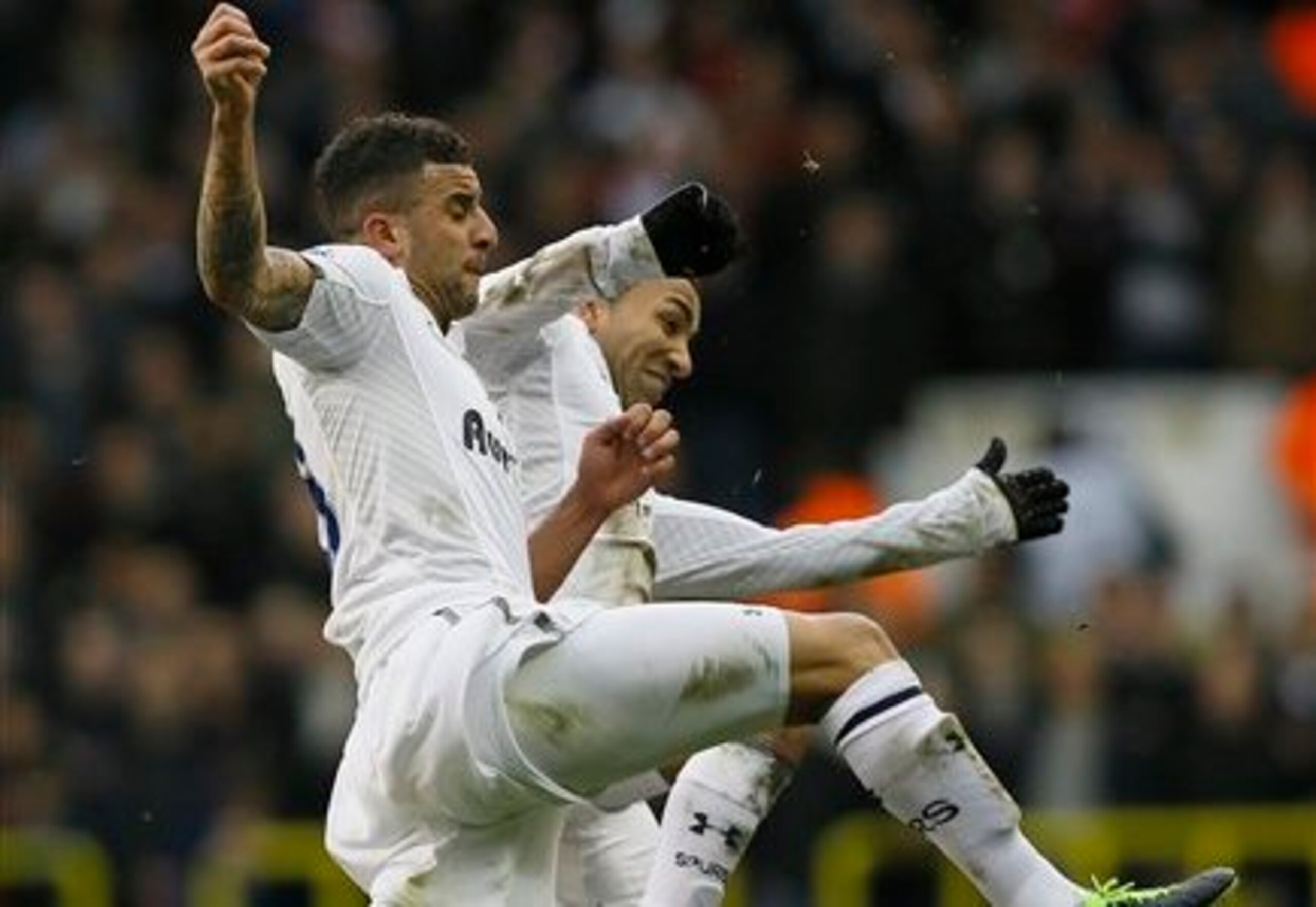
The "drastic" option for Lennon getting his career back on track at Tottenham is such because it is probably not even a possibility in the mind of the player and the coaching staff.
But it is an interesting question to raise in figuring out a place for Lennon in north London beyond this season. Could Lennon do a job in a different position?
Not just switching flanks like he has already, but how about becoming a nippy second striker, buzzing around a bigger focal point like Adebayor or Kane? Or perhaps transferring his often shown aptitude getting back to pitch in defensively and becoming a right-back?
You could argue for either if Spurs were in desperate need of bodies in either position. But Lennon's finishing is probably not lethal enough for him to ever really become a striker. However, Spurs are not lacking for right-backs (with DeAndre Yedlin also still to come next summer), and his lack of height would count against him as a regular choice there anyway.
Drastic is where we might have got to with Lennon's Spurs future, though.
All that has been discussed in this article could help him to regain a more prominent role in the team. But with Pochettino so far preferring others ahead of him, at the very least it is looking like Lennon has a fight on his hands.
You would not rule out such a talented player winning it if he hunkered down and put the time in. He might not be up for it, though, if he decides he can get more playing time sooner elsewhere.
Last month, the Sunday People's Neil Moxley reported that Spurs had tried to sell Lennon on deadline day of the summer transfer window, and may do so again in January.
.jpg?w=2560 "NFL Paris Football")
.jpg?w=2560 "Seahawks Chiefs Football")